Around Chengdu: Rediscovering the True Shape of Life at the Thousand-Year-Old Water Dock of Huanglongxi
Meta Description: Escape Chengdu's concrete jungle to Huanglongxi Ancient Town—a thousand-year-old water dock beneath Mount Muma. Discover Ming-Qing architecture, serene riverside walks, and authentic Sichuan culture. Your weekend getaway awaits.
Have you ever felt trapped by the city's noise—an impenetrable net of exhaustion and anxiety? On weekend mornings, the alarm clock rings, and you'd rather stay in bed than face another day of scrolling through your phone or wandering aimlessly through shopping malls. You wonder: what could genuinely heal a heart roughened by life?
The answer is simpler than you think. Just go. Step on the gas, escape Chengdu's concrete jungle, and head to a place where time slows down.
Beneath Mount Muma: Encountering a Millennium in an Instant
The car's stereo plays "A Millennium in an Instant" (千年一瞬), its melody drifting through the cabin. The lyric "Boats have always loved tranquility, ancient trees do not point to the heavens" seems tailor-made for the destination ahead. As you pass along Jiannan Avenue, the scenery outside the window shifts from towering skyscrapers to fields and villages. The air fills with the scent of soil and plants.

Huanglongxi has arrived.
This ancient town—with the Fu River to its east and Mount Muma to its north—nestles quietly against the mountains and waters, lying peacefully just 39 kilometers south of Chengdu. Unlike overly commercialized ancient towns flashing with neon lights and buzzing with noise, Huanglongxi is a silent elder. It guards the memories of a thousand-year-old water dock, using its blue stone slabs, stilted buildings, and misty fog to tell every visitor stories washed by the passage of time.
The Thousand-Year-Old Water Dock: Huanglongxi Ancient Town
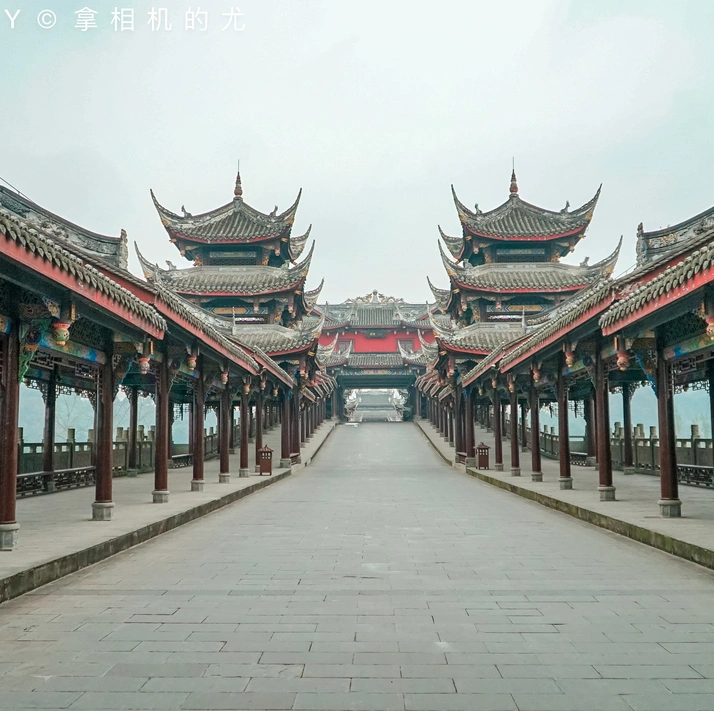
In the early morning, Huanglongxi is exceptionally serene. The sound of footsteps on blue stone slabs seems to resonate with some chord deep in your heart. Shedding all the fatigue and pressure accumulated in the city, your steps become light. You follow your own pace, treading every blue stone slab in the ancient town's alleys.
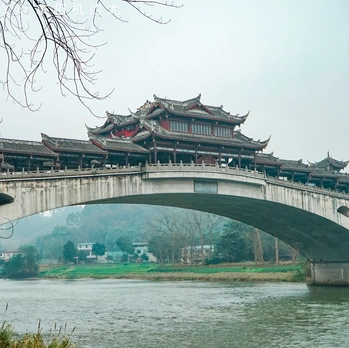
This place was once the final military stronghold of the Kaiming Dynasty, where swords clashed and a dynasty fell. It was the birthplace of public sentiment for Liu Bei's ascension to the throne, where warriors sank cauldrons and an era began. It was also a major water dock town during the Song Dynasty, with boats shuttling like shuttles, merchants gathering, and literati assembling. Since ancient times, it has been described with the prosperous scene of "a thousand hands offering during the day, and ten thousand lanterns shining at night."
The Legend Behind the Name
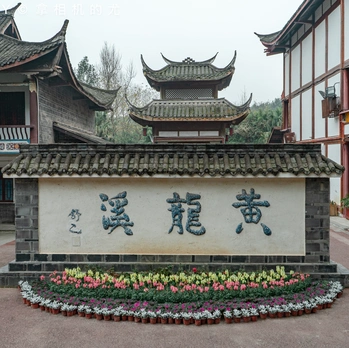
The name Huanglongxi itself carries a legend. The town is located south of Chengdu, where the Fu River and the Luxi River converge, at the junction of Shuangliu, Xinjin, and Pengshan counties. Mount Muma and Mount Er'e face each other across the river. This area was anciently called Chishui (Red Water)—today's Luxi River.
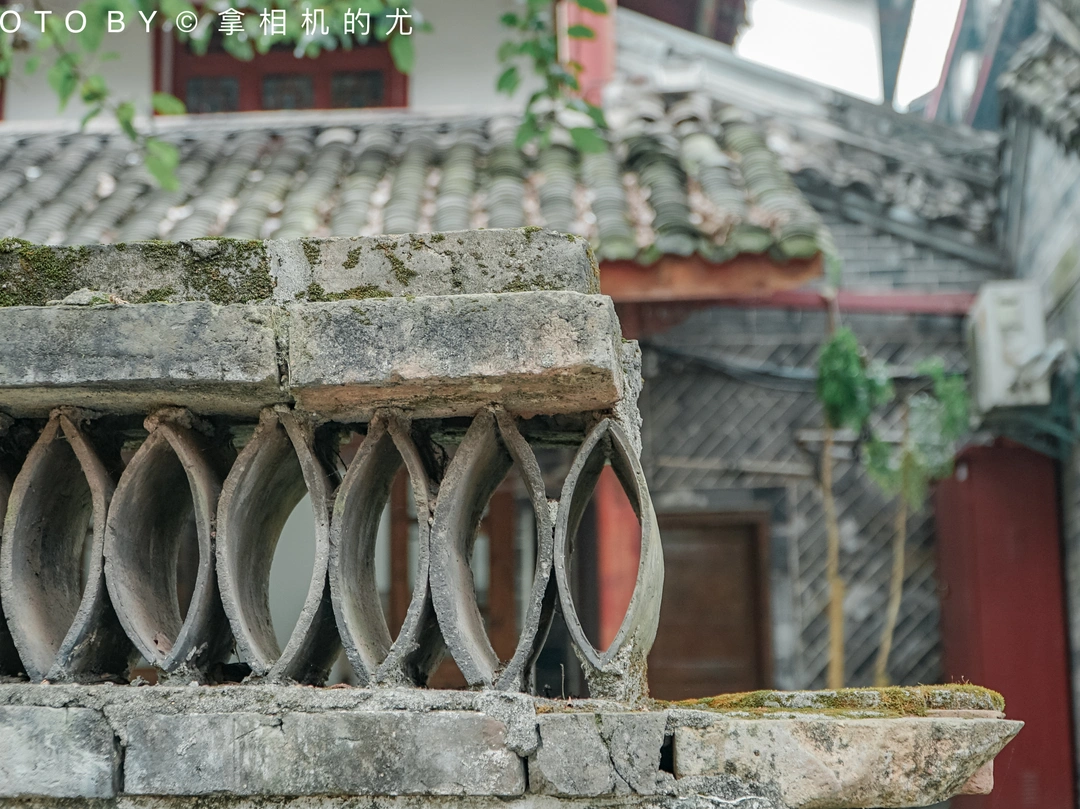
During flood seasons, the Luxi River, originating from Longquan Mountain, carries a large amount of sediment, turning its water a reddish-yellow. Meanwhile, the Jinjiang River—a branch of the Fu River originating from the Min River—remains clear and transparent. When the two rivers merge, the clear and muddy waters are distinctly separated. The mountain water rushes down into the Fu River, with undercurrents churning. From a distance, it looks like a giant dragon swimming across the river. The local people vividly called it "Yellow Dragon Crossing the Clear River." Over time, this blessed place where the "Yellow Dragon" appeared became known as Huanglongxi.
The Huayang Guo Zhi (Records of Huayang) records a natural wonder from the late Eastern Han Dynasty: "In the 24th year of the Jian'an era (219 AD), a yellow dragon appeared in the red waters of Wuyang for nine days." Thus, Huanglongxi got its name.
Exploring Ming-Qing Architecture and Ancient Streets
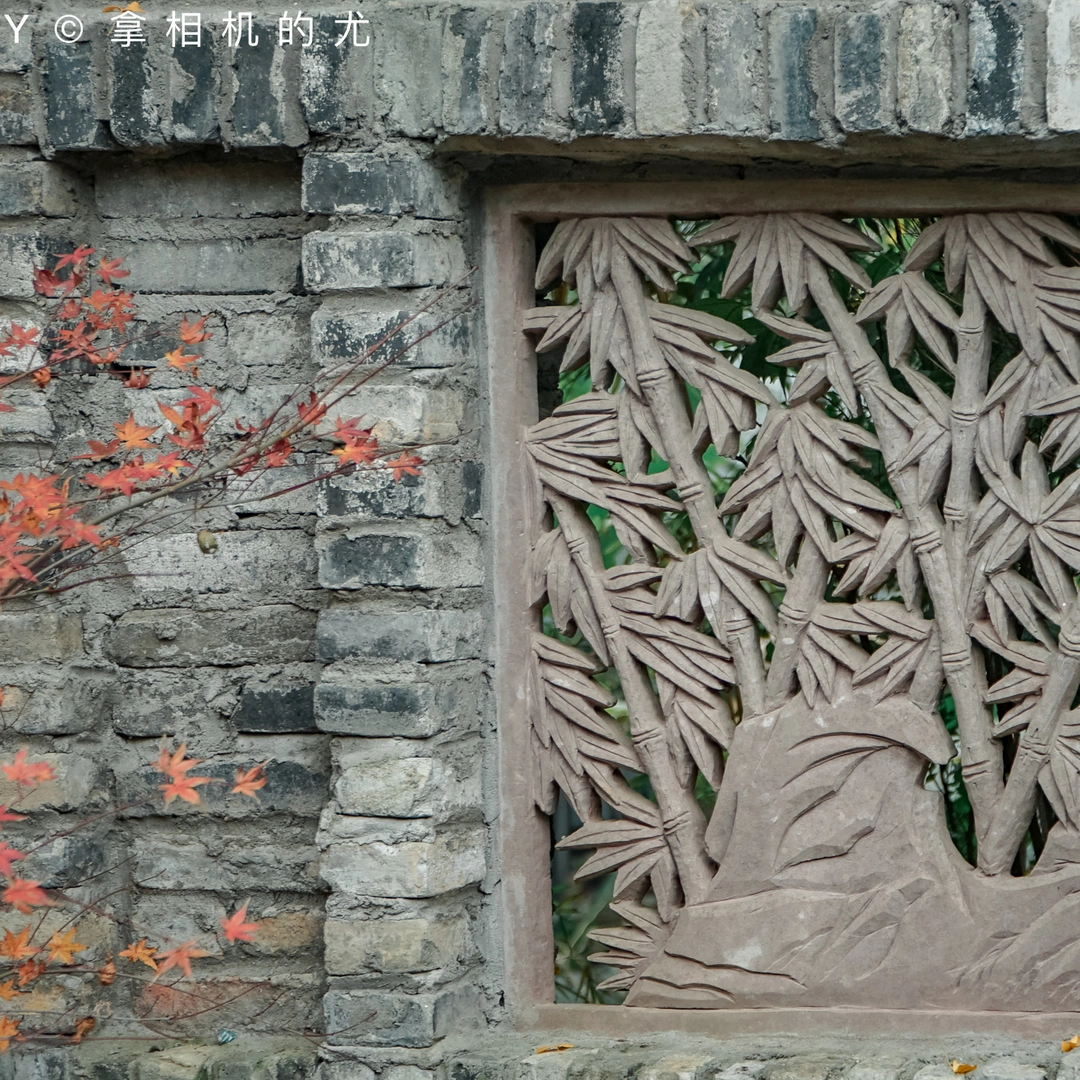
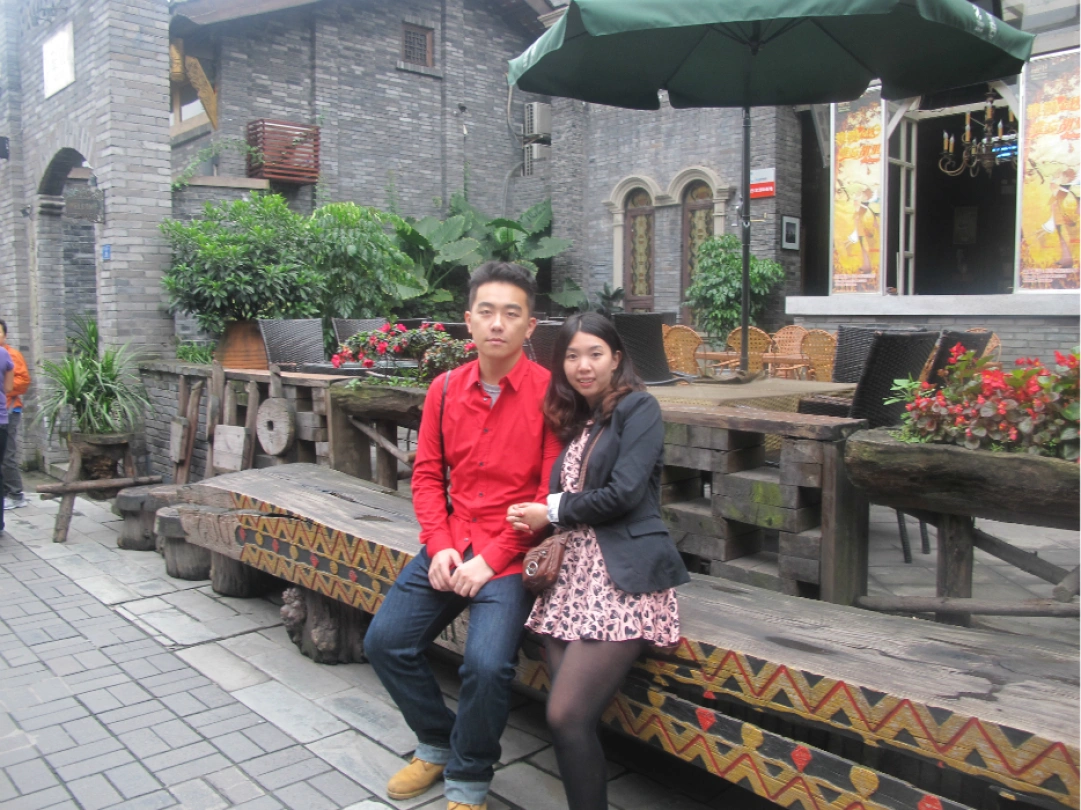
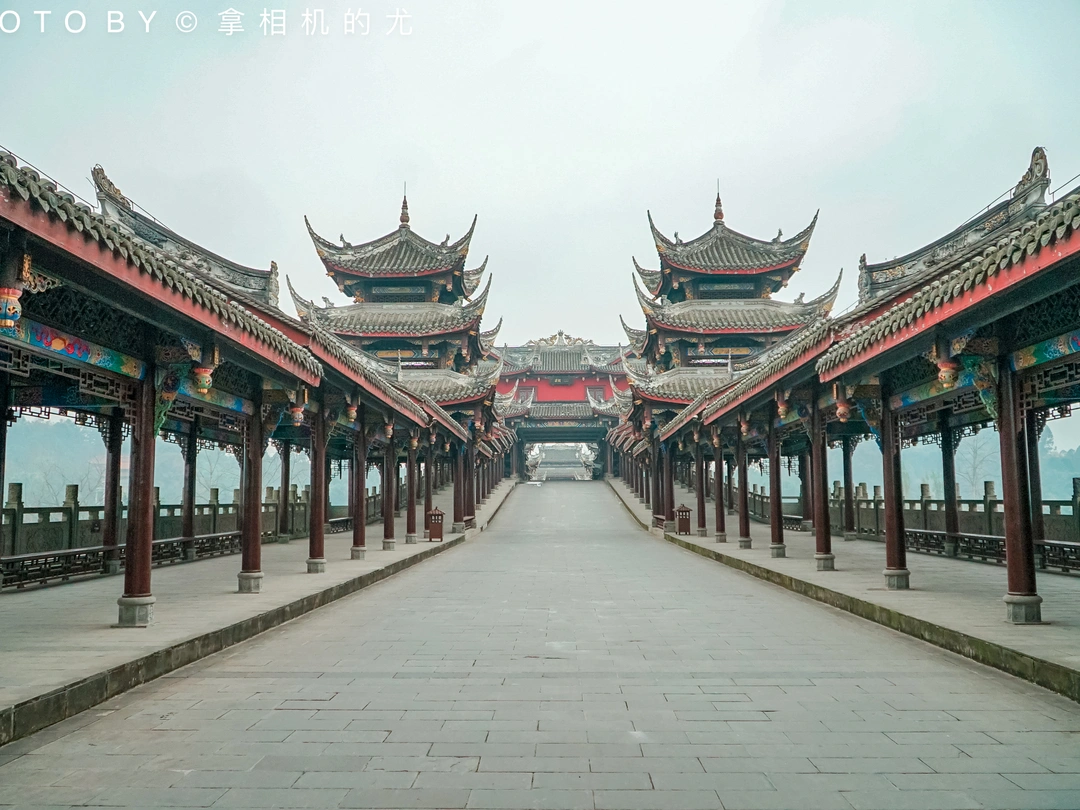
Most of the existing residential buildings in the ancient town date from the Ming and Qing dynasties. The main streets are paved with stone slabs, flanked by stilted buildings with upturned eaves and curved roofs. A hazy blue mist permeates the deep, winding streets. Wooden two-story houses line up one after another.
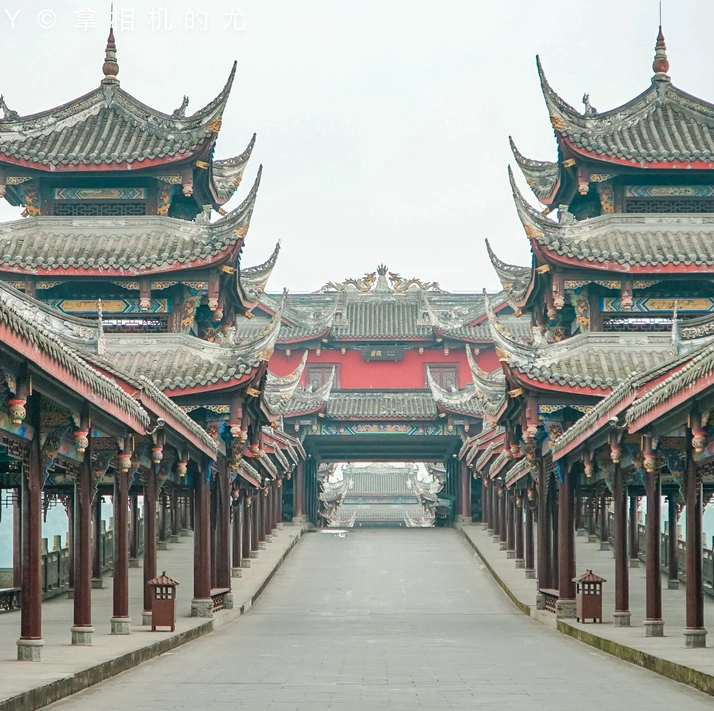
The ground floors facing the street are mostly shops with arcade-style architecture. Small flags with yellow characters on a red background flutter in front of the doors: "Qiwai Fermented Black Beans," "Laotang Pickled Vegetable Garden"... The second-floor rooms near the inner street are used as residences, while those near the river are used for business.
By the river, a display board reads "Nostalgic Memories · Huanglongxi." The text on it is instantly heart-wrenching:
"That summer, without air conditioning, there were still children playing hide-and-seek under the scorching sun, catching dragonflies with spider webs. We saved up money for a long time to buy a popsicle that was nearly melting. Tired, we would go home and lie on a straw mat with a grassy scent, half-asleep, still able to see the swaying palm-leaf fan in Grandma's hand..."
After walking down one street, you encounter another alley. In this winter season, a touch of autumn color catches your eye—golden ginkgo leaves carpet the blue stone slabs, healing everyone who steps on them. The jet-black door panels and antique shop signs exude a strong sense of antiquity. The land of Shu (ancient Sichuan) stands aloof and independent, with the sounds of chickens and dogs intermingling, content in its own corner—a legacy stretching back thousands of years.
What to Eat: Authentic Sichuan Street Food
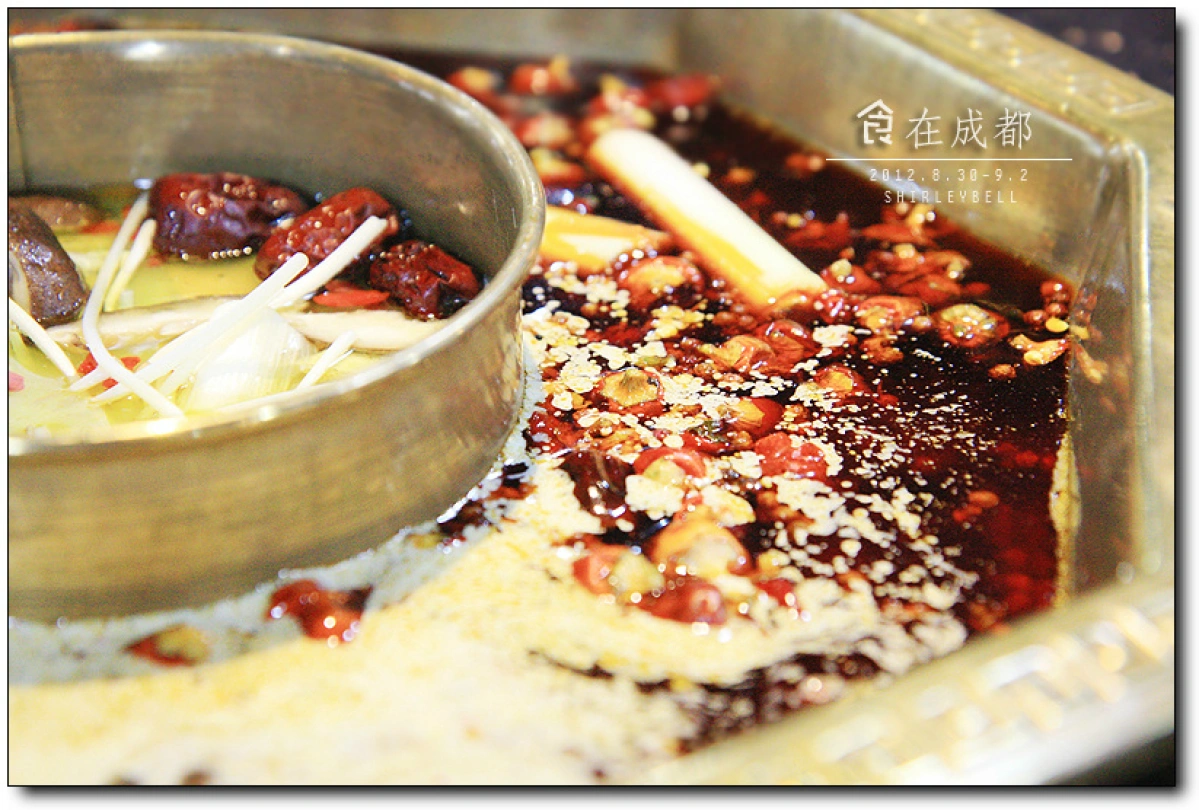
At a corner, childhood memories come flooding back. Is it the intangible cultural heritage corn cake (非遗玉米饼) that captivates your taste buds, or the local sesame cake (土麻饼) and tofu pudding rice (豆花饭) that make you stop?
Back then, a bowl of bean jelly (豆粉儿), two fried cakes, and a bit of wine (二两小酒儿) made a meal. Simple, yet satisfying.
This is a realm for drinking large bowls of tea, listening to Sichuan opera, chatting leisurely (摆龙门阵), and forgetting the worldly cares.
Huanglongxi Travel Guide: Top Attractions
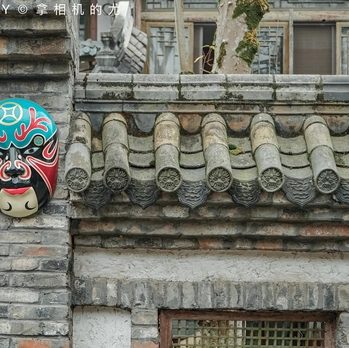
When visiting this ancient town near Chengdu, don't miss these key sites:
Zhuge Liang Pavilion (诸葛亭)
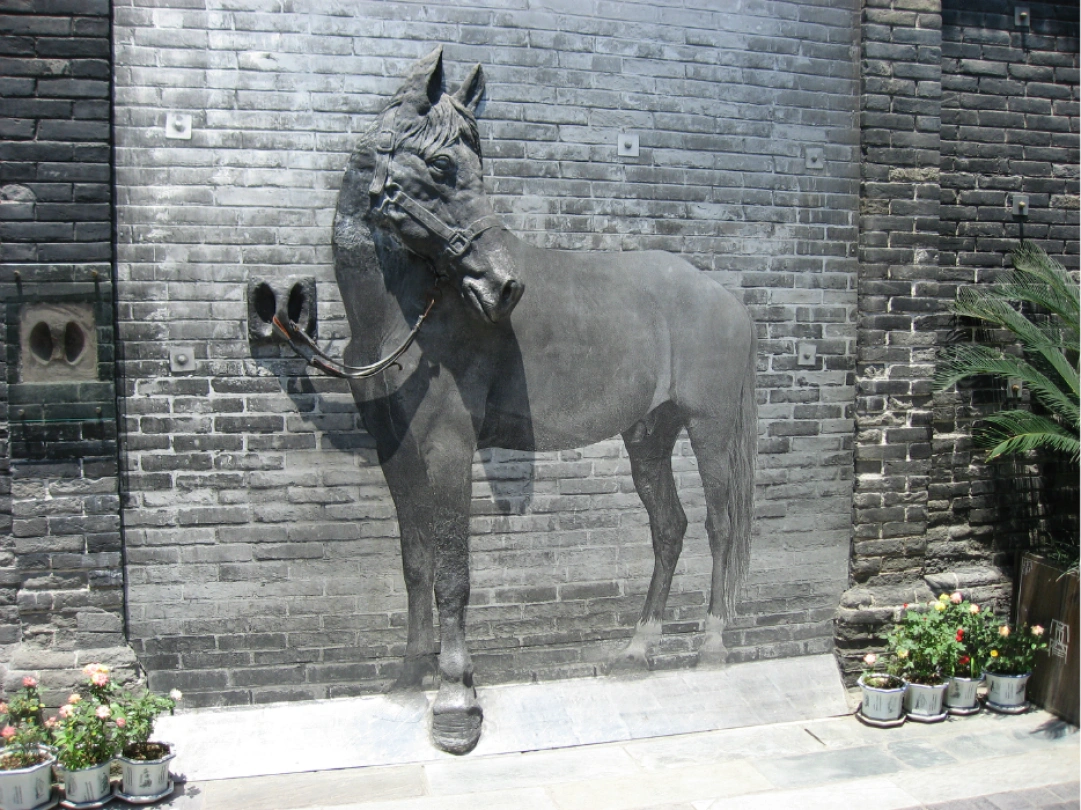
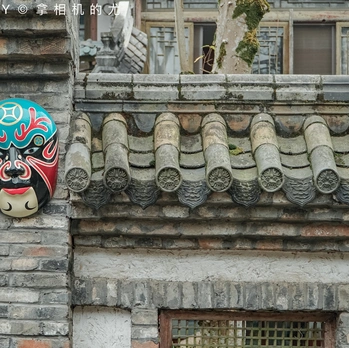 Zhuge Liang stationed troops and herded horses here during his southern campaign. Silk banners in the corridor are inscribed with Zhuge Liang's poems, and some daily-use items have been restored. Bamboo slips record Zhuge Liang's major life events and his outstanding contributions to governing Chengdu. [Link: Zhuge Liang's Southern Campaign]
Residential Culture Street (居民文化一条街)
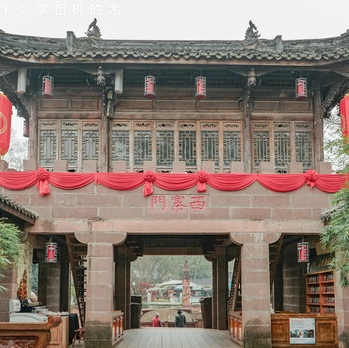 After entering the main gate of the ancient town, you'll see a street dominated by the courtyard-style architecture of western Sichuan residences. This is the perfect place to photograph traditional Sichuan living.
Longtan Square (龙潭广场)
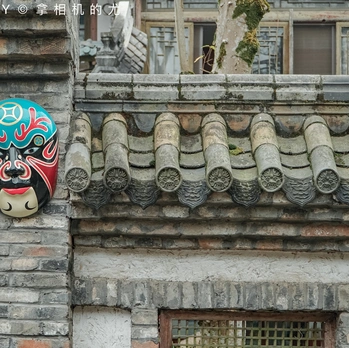 A sunken square of about 2,000 square meters, featuring two main thematic landscapes: "The Nine Sons of the Dragon" and "Yellow Dragon Spitting Water." The design originates from the historical legend of Zhuge Liang sinking a cauldron to match the dragon.
Three-County Government Office (三县衙门)
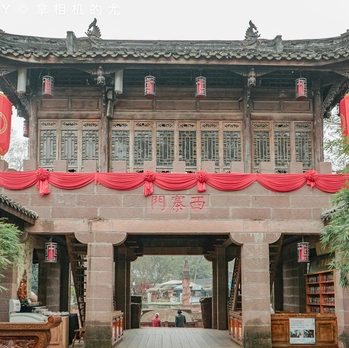 Historically, Huanglongxi was a "golden triangle" area, where civil disputes, economic issues, and banditry troubled three counties (Huayang, Pengshan, Renshou). Hence, a joint office was established to manage civil affairs, water administration, and banditry. [Link: Historical Administration in Sichuan]
Chen Family Water Mill (陈家水碾)
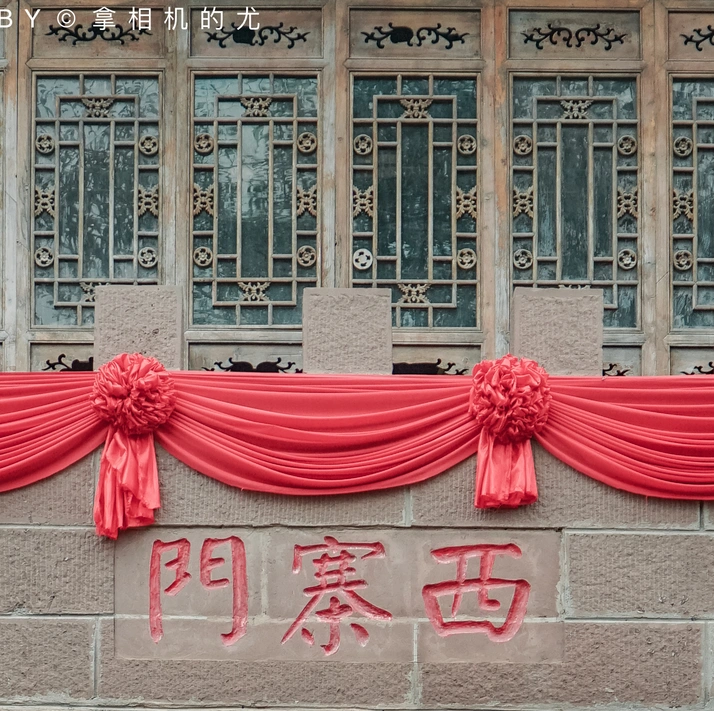 Built during the Jiaqing era of the Qing Dynasty, this mill used the water from a single stream to mill grain for the entire village. It required only a short time to process the grain—a testament to ancient engineering.
Ancient Battlefield (古战场)
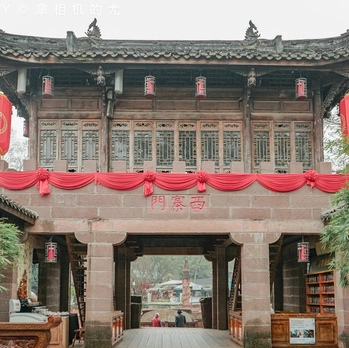 Historically a strategic military location, legends abound of battles fought here by the Shu King, Zhuge Liang, Zhang Xianzhong, and Yang Zhan. [Link: Ancient Battlefields of Sichuan]
Ancient Streets and Alleys (古街坊)
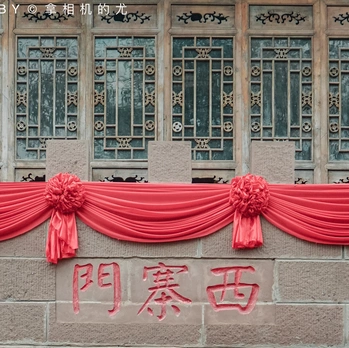 After over 2,100 years of historical change, the ancient town remains well-preserved. There are seven streets and alleys from the Ming and Qing dynasties, all paved with stone slabs, with rows of columns lining both sides.
FAQ: Your Huanglongxi Questions Answered
Q: How far is Huanglongxi from Chengdu, and how do I get there? A: Huanglongxi is located approximately 39 kilometers south of Chengdu. You can drive via Jiannan Avenue (about 1 hour), take a bus from Chengdu's South Gate Bus Station, or join a day tour from the city.
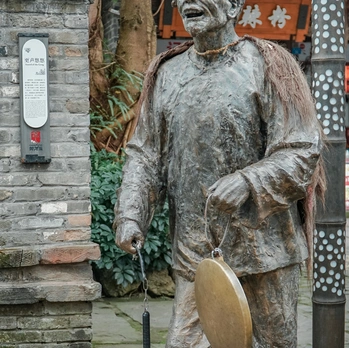
Q: What is the best time to visit Huanglongxi Ancient Town? A: Spring (March-May) and autumn (September-November) offer the most pleasant weather. Early mornings are especially serene, with fewer crowds and misty views over the ancient streets.
Q: Is Huanglongxi very commercialized like other ancient towns? A: No. Huanglongxi retains its authentic charm. Unlike many overly commercialized ancient towns, it remains a quiet, living community where locals still go about their daily lives.
Q: What local foods should I try in Huanglongxi? A: Don't miss the intangible cultural heritage corn cake (非遗玉米饼), local sesame cake (土麻饼), tofu pudding rice (豆花饭), and bean jelly (豆粉儿). Pair them with a bowl of tea for the full experience.
Q: Are there any entrance fees for Huanglongxi? A: The ancient town itself is free to enter. Some individual attractions like the Three-County Government Office may have small entrance fees.
Rediscover the True Shape of Life
Huanglongxi is more than a tourist destination—it's a reminder of what life can be when we slow down. The blue stone slabs, the stilted buildings, the misty fog, and the golden ginkgo leaves all whisper the same message: simplicity heals.
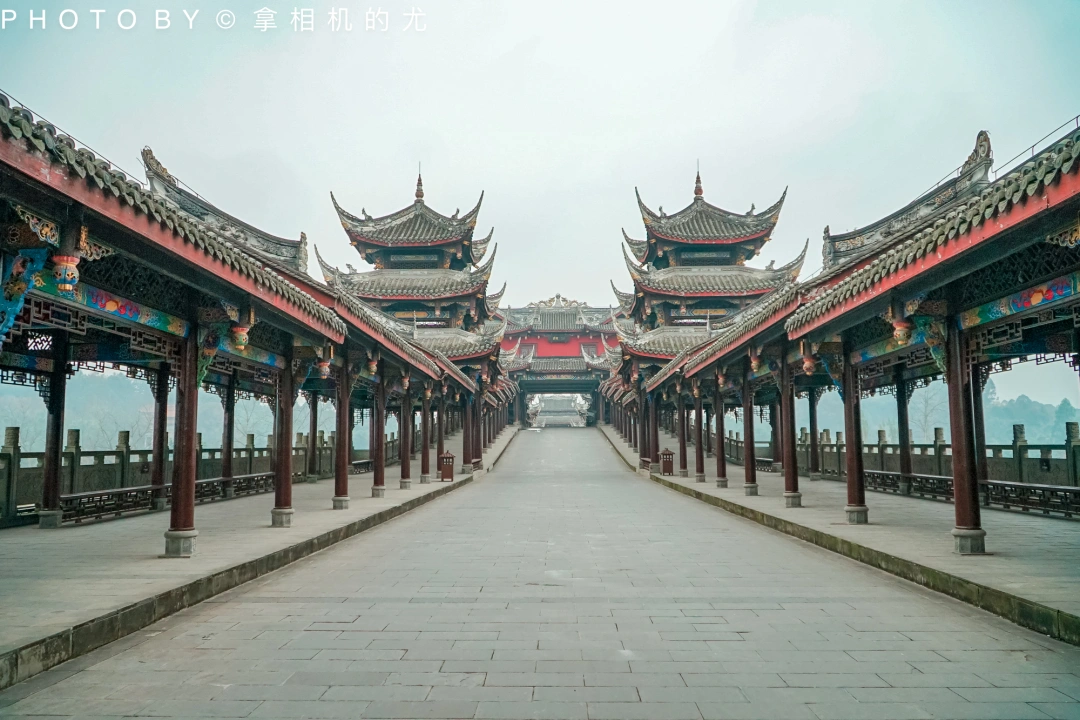
So this weekend, leave the noise behind. Step into a thousand-year-old water dock where time stands still. Walk the ancient streets, taste the local flavors, and let the stories of dynasties past wash over you.
Your escape from Chengdu is just 39 kilometers away. The road is waiting.
Plan your trip today. [Book a guided tour of Huanglongxi] or [Find hotels near Huanglongxi Ancient Town]. Share your experience with us—tag #RediscoverHuanglongxi on social media.
You may also like