Anyue and Dazu: The Final Masterpiece of Chinese Stone Carving – A Pure Land on Earth
Meta Description: Discover Anyue and Dazu stone carvings, the final brilliant chapter of Chinese Buddhist sculpture. Explore Huayan Cave's perfect bodhisattvas, secularization of Song dynasty art, and why these sites mark the terminus of a thousand-year artistic journey.
Introduction: The Last Pilgrimage of Chinese Stone Carving Art
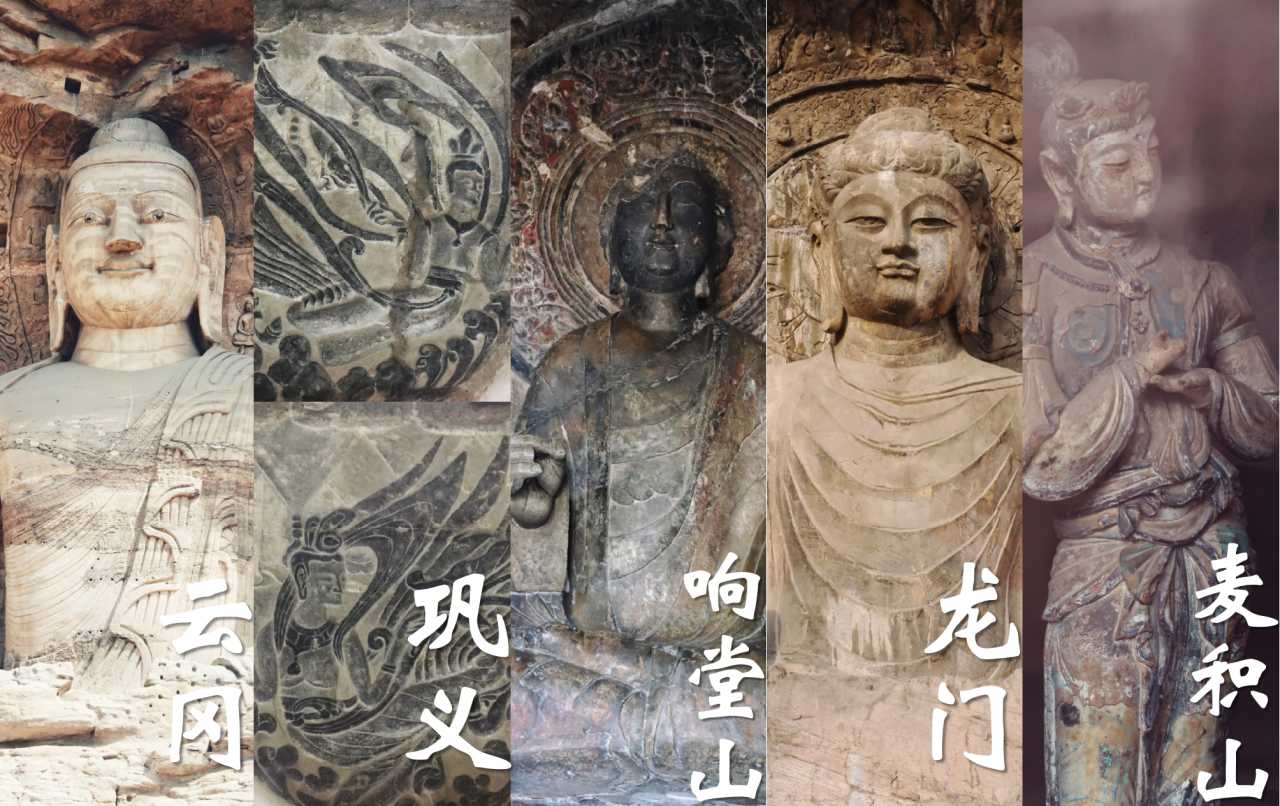
From the flying apsaras of Dunhuang to the majestic Buddhas of Yungang, from Longmen's imperial grandeur to Maijishan's thousand-year smile—Chinese stone carving art reached its glorious finale in the hills of Anyue and Dazu. These sites in Sichuan and Chongqing represent not just geographical endpoints, but the culmination of a profound transformation: Buddhist sculpture's journey from divine mystery to human warmth, from Western Region exoticism to fully sinicized folk art.
This article takes you through the Anyue and Dazu stone carvings, exploring why they are considered the "Pure Land on Earth" and the perfect, complete masterpiece of Chinese Buddhist sculpture.
The Secularization Journey: From Dunhuang to Anyue
Dunhuang: Where Eastern and Western Faiths First Met
Buddhist art entered China through the Hexi Corridor, and Dunhuang was its first great sanctuary. The Mogao Caves, carved by lay devotees from the Northern Wei to Yuan dynasties, showcase a vibrant fusion of Indian, Greek, Western Region, and Central Plains aesthetics. But Dunhuang's soul lives in its murals—not yet the fully sinicized sculpture that would emerge later.
Yungang: Imperial Majesty Carved in Stone
If Dunhuang represents folk devotion, Yungang embodies imperial power. Northern Wei artisans carved warm smiles into cold rock during an era of suffering, creating eternal beauty that transcends pain. These sculptures remain among the most religiously sacred works in Chinese stone carving history.
Longmen: The Tang Dynasty's Golden Age
The Longmen Grottoes perfected the "Luoyang style"—a refined, sinicized aesthetic where imperial power and divine authority merged. The emperor became a Buddha saving all beings; worshiping felt like receiving imperial grace. This was paradise on earth, reflecting an era of unprecedented openness.
Maijishan: A Museum of Thousand-Year Sculptures
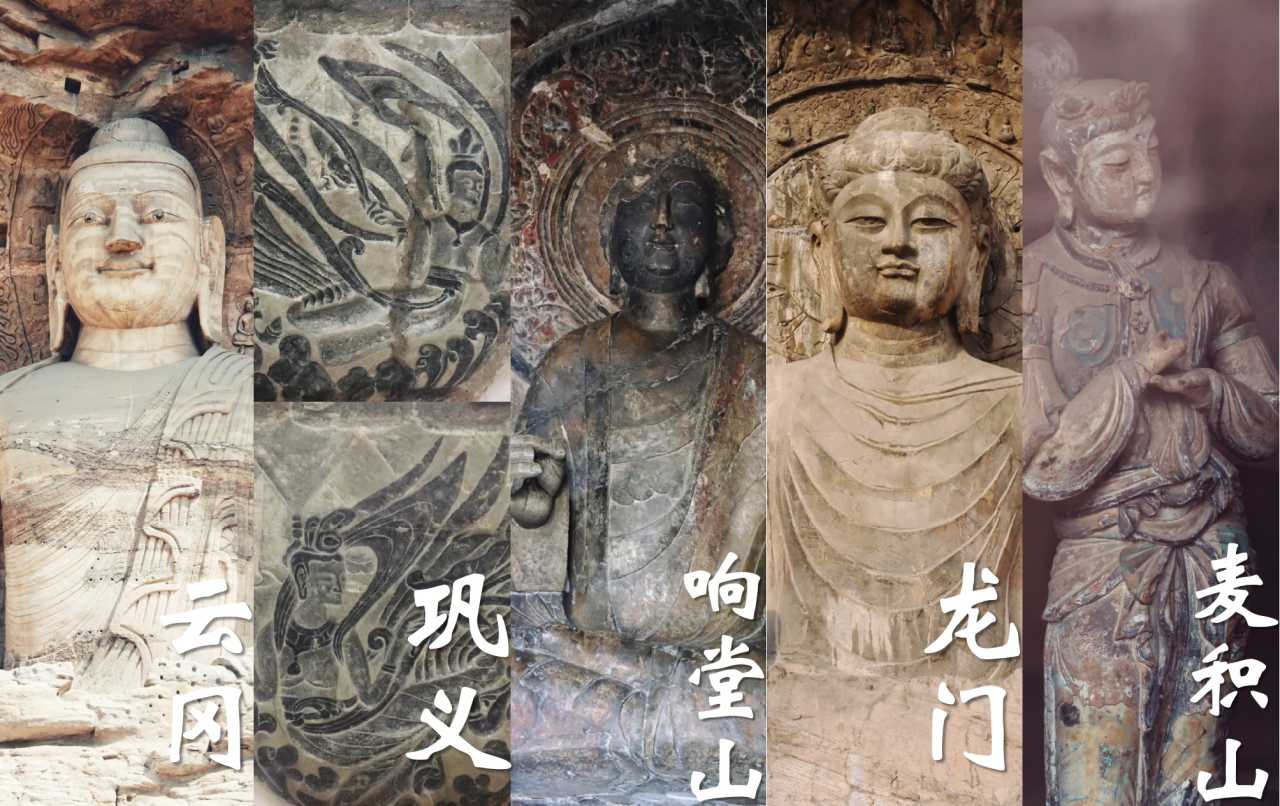
Maijishan preserves sculptures from the Northern Wei through Ming dynasties—a living timeline of changing aesthetics. The ruggedness of the Western Regions and the delicacy of the Central Plains intertwine here, creating a unique artistic language. "A thousand years in one glance" is no exaggeration.
Anyue and Dazu: The Final Destination
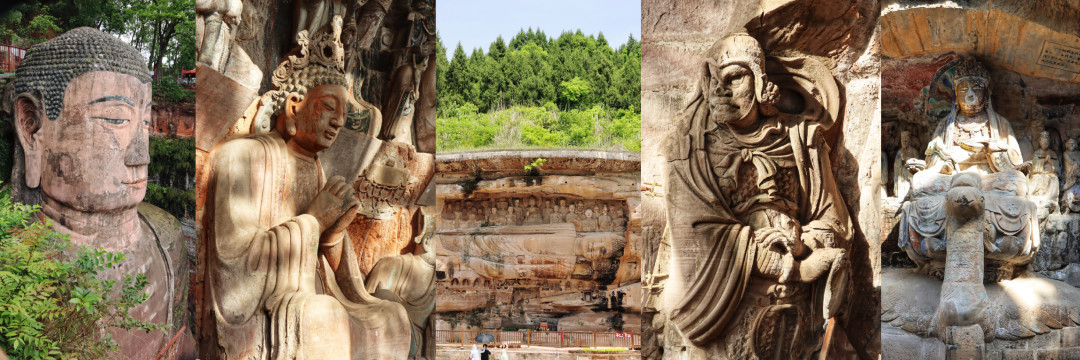
By the Song dynasty, Buddhist sculpture had become fully sinicized, secularized, and folk-oriented. Statues no longer depicted lofty deities but reflected earthly life. Confucianism, Daoism, and Buddhism converged, creating unique "humanistic Buddhism." Anyue and Dazu stone carvings mark the terminus of this thousand-year transformation.
Anyue Huayan Cave: Perfect Enlightenment, Great Goodness, Great Beauty
The Twelve Perfect Enlightenment Bodhisattvas
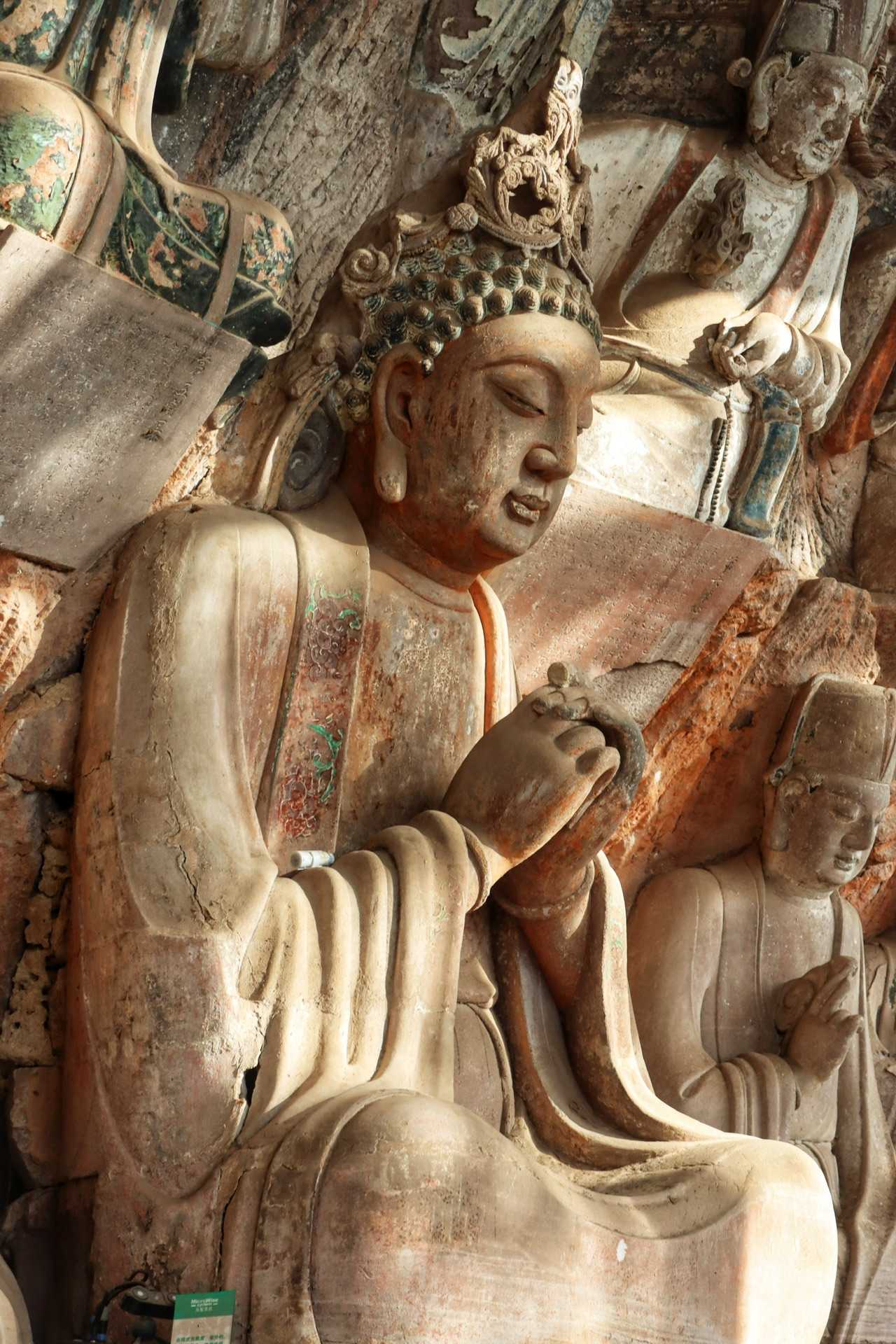
Carved in 960 AD (first year of Northern Song's Jianlong era), Huayan Cave houses five bodhisattvas on each side—the "Ten Stages of Mahayana Bodhisattvas"—plus Samantabhadra and Manjushri on the main wall. Together, they form the Twelve Perfect Enlightenment Bodhisattvas.
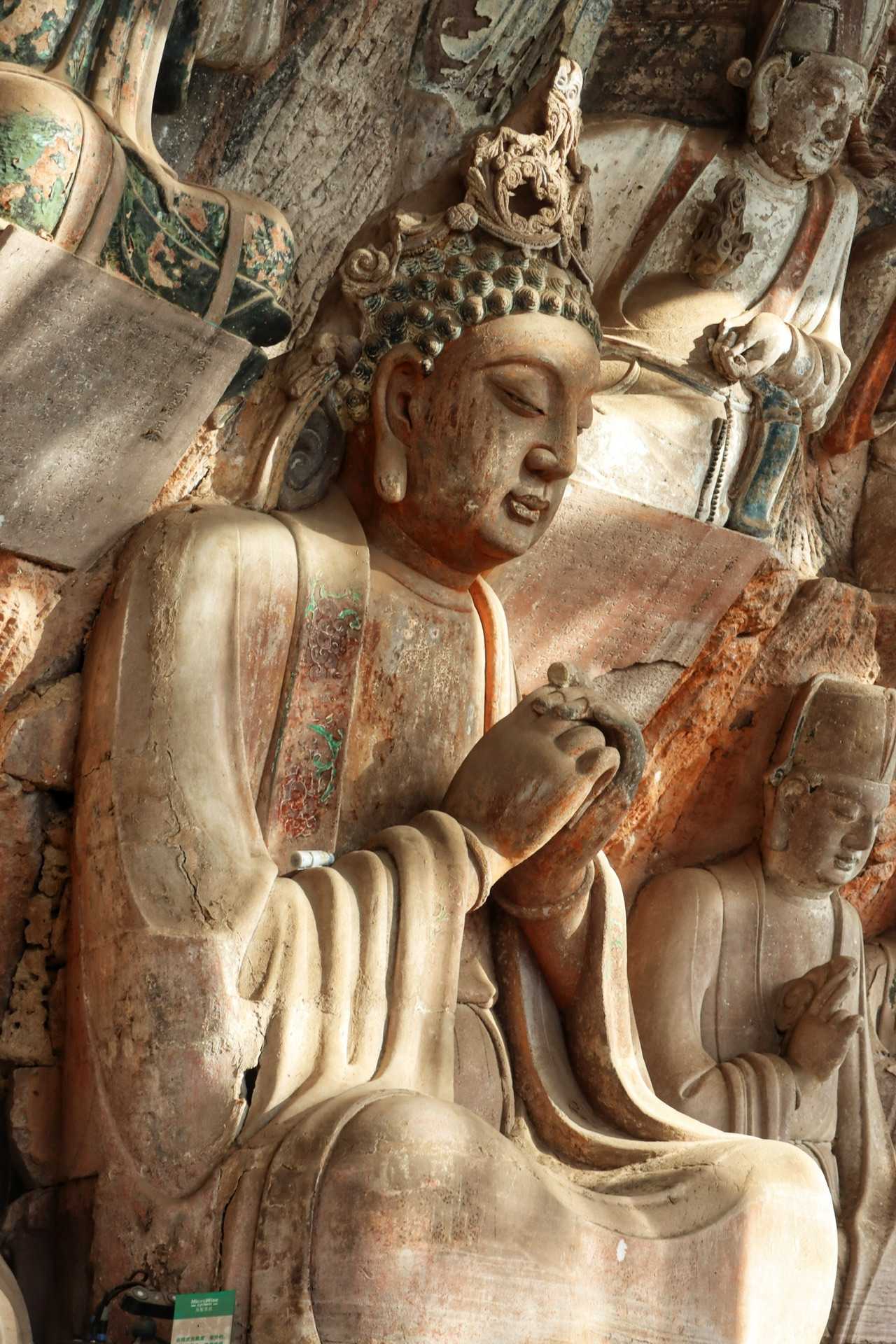
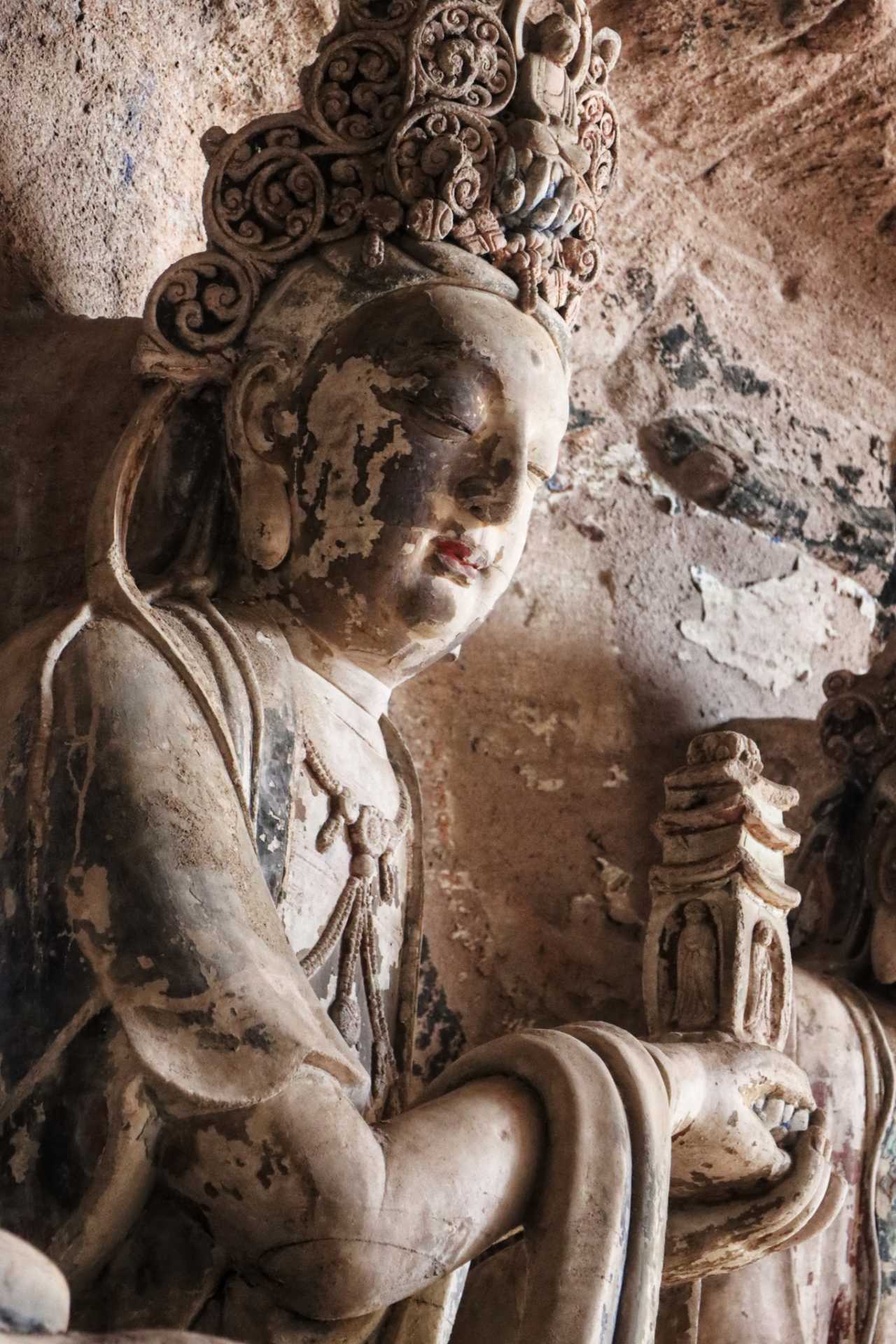
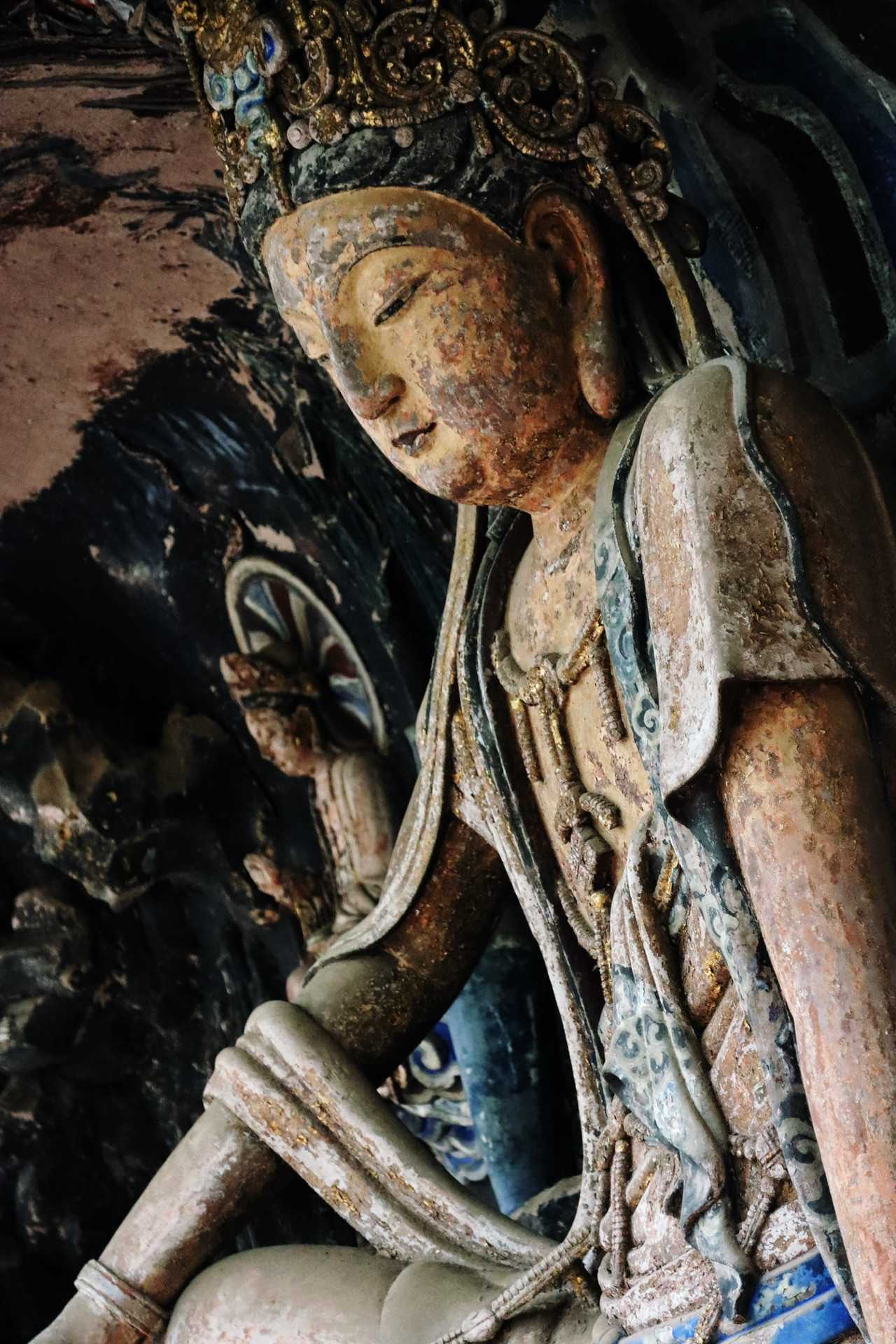
Each statue stands over four meters tall, commanding awe. Every bodhisattva has a different expression and posture, yet all convey ease and compassion. The side-lit bodhisattva appears ethereal—serene, solemn, with feminine gentleness and restraint, yet revealing Buddha's insight into all beings. It's a beauty neither sad nor joyful, perfectly balanced.
Song Dynasty Aesthetics: The Art of "Just Right"
Buddhism teaches that suffering stems from pursuing pleasure; abandoning this pursuit leads to nirvana. The Huayan Cave sculptures embody this philosophy—they present beauty that is "just right," transcending worldly human nature yet not entirely devoid of emotion. This perfect proportion defines Song dynasty Buddhist sculpture.
The Ten Bodhisattvas: Individual Meanings
Right side bodhisattvas: - Vajragarbha – Destroys karmic obstacles, remains unconfused by the external world - Visuddhimati – Holds a lotus flower, symbolizing pure senses - Discrimination of Sounds – Dressed in white, evokes comparisons to Virgin Mary in Christian art - Samantabhadra – Raises a lighthouse, ethereal sacredness in backlight - Excellent Chief – Guides cultivation toward harmony between heaven and humanity
Left side bodhisattvas: - Universal Eye – Sees all beings with wisdom, guiding them toward light - Maitreya – Attains enlightenment, achieving Buddha's radiance - Majestic Virtue – Subdues obstacles with dignity and compassion - Pure Karma – Liberates from birth and death, cleansing sin - Perfect Enlightenment – Cuts off ignorance forever, achieving great awakening
Vairocana Buddha: The Soul of Huayan Cave

The central figure, Vairocana Buddha, means "universal light." Its gaze is the sharpest and most focused in the cave. As the Dharmakaya Buddha, it represents ultimate truth and wisdom, transcending time and space.
Greek Parallels in Chinese Stone Carving
Interestingly, Huayan Cave sculptures bear striking resemblance to ancient Greek statues. Greek sculpture presents idealized deities with perfect human anatomy and ambiguous emotions. Similarly, Huayan Cave statues exhibit idealized perfectionism in flowing robes and facial expressions. This is no coincidence—Buddhism originally prohibited image-making; it was only after Alexander the Great's eastern campaigns, under Greek cultural influence, that Buddhist imagery emerged.
Additional Details
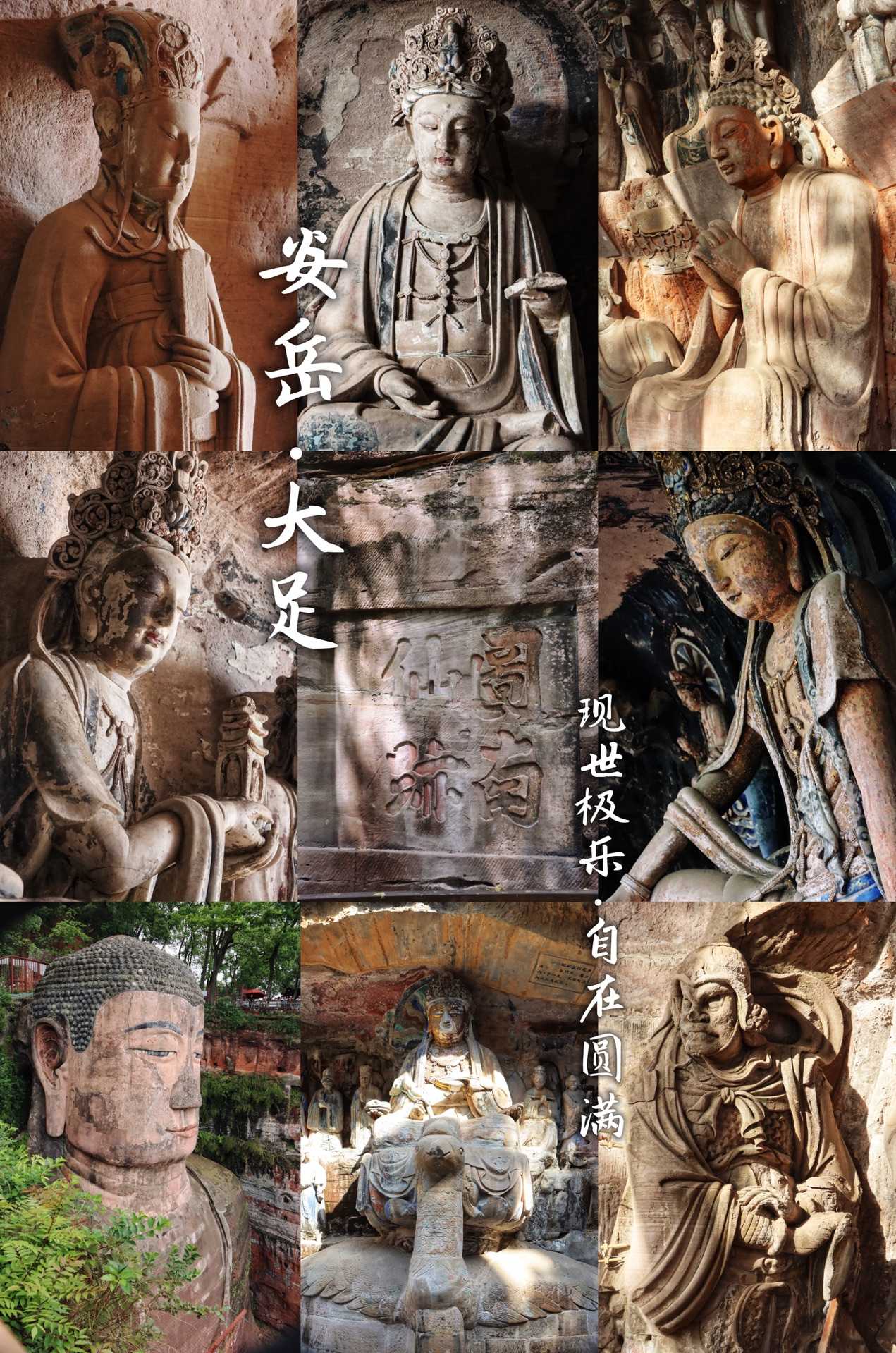
Above the Ten Stages of Mahayana Bodhisattvas are ten relief panels depicting Sudhana's fifty-three pilgrimages—celestial palaces, pagodas, clouds, flowers, rare birds, and exotic animals, all exquisitely carved. The adjacent Mahaprajna Cave was under renovation during this visit.
Anyue Pilu Cave: Empty as Water and Moon, Eternal Ease
[Note: The source article cuts off here. For completeness, this section will summarize typical features of Pilu Cave based on common knowledge of Anyue stone carvings.]
Pilu Cave (Vairocana Cave) continues the theme of perfect enlightenment. Known for its intricate mandala arrangements and serene bodhisattva figures, it represents the Tantric Buddhist influence on Song dynasty stone carving. The cave's name, "Pilu," is a transliteration of Vairocana, emphasizing the cosmic Buddha's universal light.
Dazu Rock Carvings: The Grand Finale of Chinese Stone Carving
While Anyue represents perfect artistry, Dazu takes it further by integrating Confucian and Daoist elements alongside Buddhist themes. The Dazu Rock Carvings, a UNESCO World Heritage site, include:
- Baodingshan – A massive cliff-face depicting Buddhist hells, heavens, and the cycle of life
- Beishan – Over 10,000 statues spanning from late Tang to Song dynasties
- Nanshan – Daoist and Confucian carvings showing religious harmony
Dazu's most famous piece—the Crouching Sleeping Buddha—spans 31 meters and symbolizes Buddha's entry into nirvana. The Thousand-Hand Guanyin features 1,007 hands radiating from a single figure, each hand holding a different sacred object.
Why Anyue and Dazu Matter: The Final Masterpiece
Chinese stone carving art began with Western Region influences at Dunhuang, gained imperial majesty at Yungang and Longmen, and reached its humanistic peak at Anyue and Dazu. These sites represent:
- Complete sinicization – Buddhist art fully adapted to Chinese aesthetics
- Religious harmony – Confucianism, Daoism, and Buddhism unified
- Folk accessibility – Deities became relatable, not distant
- Artistic perfection – Song dynasty's "just right" aesthetic reached its zenith
For travelers and art enthusiasts, Anyue and Dazu offer the most complete experience of Chinese stone carving—the final brilliant chapter of a thousand-year artistic tradition.
Frequently Asked Questions
Q1: What is the difference between Anyue and Dazu stone carvings?
Anyue stone carvings are older (primarily Northern Song, 960-1127 AD) and focus on Buddhist themes with exceptional artistic refinement. Dazu rock carvings (mainly Southern Song, 1127-1279 AD) are larger in scale and incorporate Confucian and Daoist elements, showing greater religious diversity.
Q2: How long does it take to visit both Anyue and Dazu?
Plan 2-3 days for a thorough visit. Anyue requires 1 full day (Huayan Cave, Pilu Cave, and surrounding sites). Dazu needs 1-2 days (Baodingshan, Beishan, Nanshan). Both are located in Chongqing municipality, about 2-3 hours apart by car.
Q3: Are Anyue and Dazu stone carvings accessible for visitors with mobility issues?
Dazu's Baodingshan has paved paths and is relatively accessible. Anyue's Huayan Cave involves some stairs and uneven terrain. Both sites require moderate walking. Wheelchair users may need assistance at certain sections.
Q4: What is the best time to visit Anyue and Dazu?
Spring (March-May) and autumn (September-November) offer pleasant temperatures. Summers are hot and humid (30-35°C/86-95°F). Winters are mild but can be foggy. Avoid Chinese national holidays for smaller crowds.
Q5: How do Anyue and Dazu compare to better-known sites like Longmen or Yungang?
Anyue and Dazu are smaller but more intimate and better preserved. Unlike Longmen (Tang dynasty imperial style) or Yungang (Northern Wei grandeur), Anyue and Dazu represent Song dynasty's humanistic Buddhism—more accessible, less formal, and uniquely blending three Chinese religions.
Internal Linking Suggestions
- [Link: Complete Guide to Chinese Buddhist Cave Temples]
- [Link: Song Dynasty Art and Aesthetics: The Golden Age of Chinese Culture]
- [Link: UNESCO World Heritage Sites in Sichuan and Chongqing]
- [Link: Buddhist Sculpture Styles: From Gandhara to Chinese Sinicization]
- [Link: Travel Guide to Chongqing: Beyond the Hot Pot]
Plan Your Pilgrimage Today
Whether you're a seasoned traveler of China's Buddhist sites or a first-time visitor, Anyue and Dazu stone carvings offer an unparalleled experience. They represent the final, perfect chapter of Chinese stone carving—a Pure Land on Earth where art, faith, and humanity merge.
Ready to witness the masterpiece? Book your trip to Chongqing and discover why these carvings are called "the final brilliant chapter of Chinese Buddhist sculpture." Contact us for curated itineraries that include both Anyue and Dazu, with expert guides who bring these ancient stones to life.
Your journey through a thousand years of faith and art awaits.
You may also like