July at Mount Siguniang: Between Flower Fields and Snowy Peaks, Encountering the Highland's Tenderness and Wildness

Meta Description: Plan your July Mount Siguniang trek? Discover the golden season of wildflowers, snowy peaks, and highland adventure. Essential gear, altitude sickness tips, and Shuangqiao Valley insights included.
Introduction: Why July is the Perfect Time to Visit Mount Siguniang
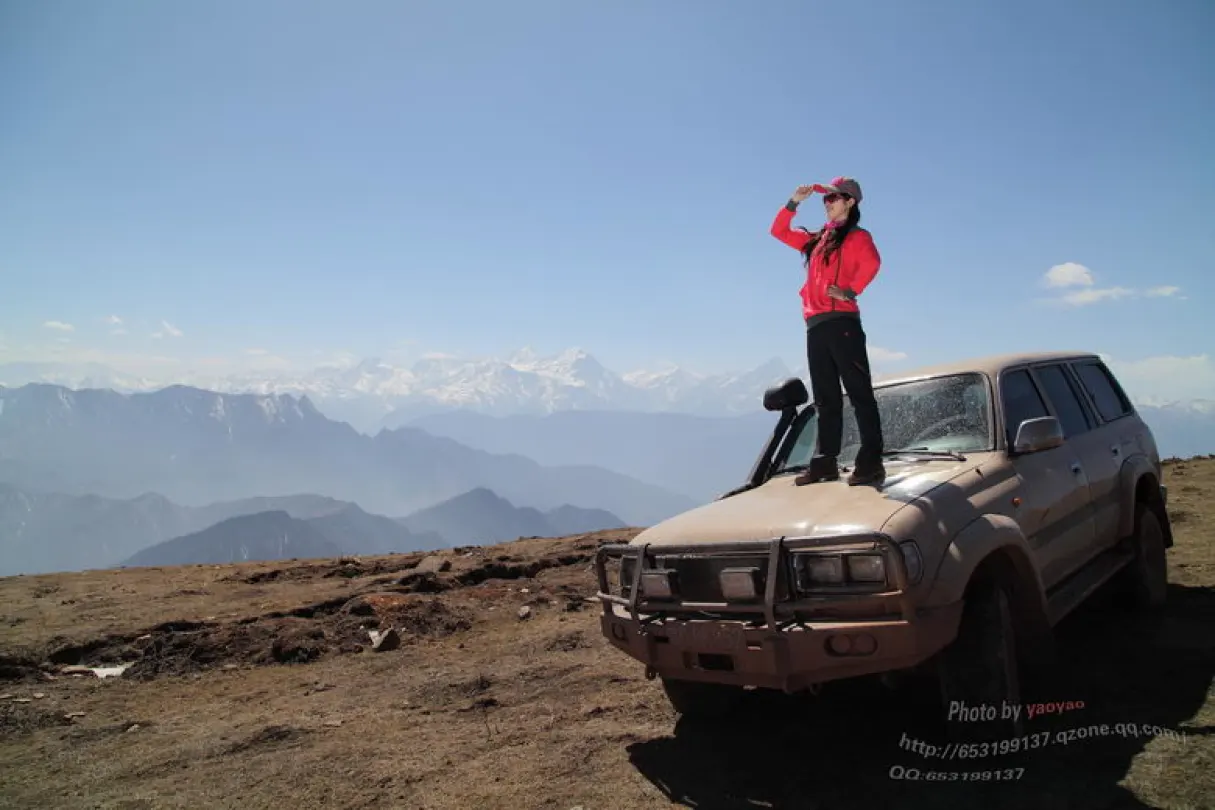
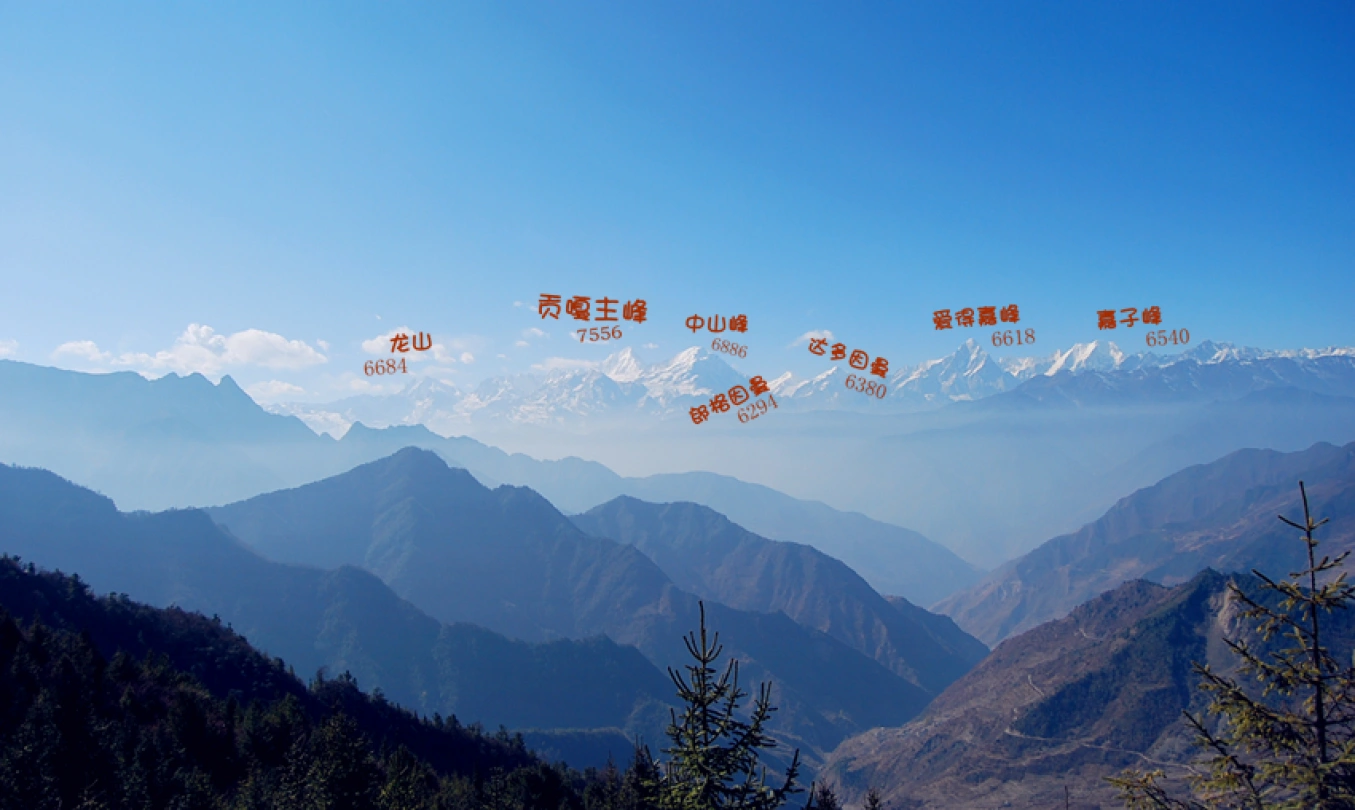
There is a mountain in Sichuan that bears a name as warm as a family member's—Four Sisters (Siguniang Shan). Yet, this gentle name belies a rugged, wild beauty that draws trekkers from across China. After extensive research, I discovered that July and August are the peak seasons when the landscape explodes into life. Wildflowers carpet the mountainsides in a riot of color, as if nature had knocked over her paint palette, dyeing the entire valley into a dazzling, multicolored canvas. But the most heart-stirring thing of all? Being able, in the sweltering summer heat, to descend into the ravines and feel the chill of snowmelt water—water born from melting glaciers, carrying the highlands' crispness and purity, instantly washing away the fatigue of the journey.
This trip went from planning to departure in less than a week. I simply felt that the timing was right, so I set off. Every beautiful landscape has its perfect season. Miss it, and you might have to wait another whole year.
Why July and August? — The Golden Season of Mount Siguniang
July and August are the most vibrant months at Mount Siguniang. The weather is relatively stable, the wildflowers are in full bloom, and the snow-capped peaks remain visible despite the summer heat. This unique combination of flower fields and snowy peaks creates a surreal, almost dreamlike landscape that photographers and hikers dream of.
But remember, the beauty of Mount Siguniang does not come without a price. The difficulty of hiking here is rated as "moderate to challenging." For those who are not well-prepared, it can be a real ordeal. Proper planning and gear are essential to fully enjoy this highland paradise.
[Link: Best time to visit Mount Siguniang]
Pre-Trip Preparation: Gear Checklist and Highland Survival Rules

Essential Gear for Your Mount Siguniang Trek
Before you set off, make sure your backpack contains the following items:
- Trekking poles: On the highland trails, they become your third leg. Essential for balance and reducing knee strain.
- Waterproof shell jacket and pants: The highland weather can change in an instant; wind and water resistance are key.
- Pain relievers (like ibuprofen or acetaminophen) and cold medicine: These "saviors" can be a huge help when altitude sickness strikes.
- Headlamp and gloves: For dealing with unexpected situations or early morning starts.
- Hiking boots: Non-slip, waterproof, and comfortable. Break them in before your trip.
- Altitude sickness medication: Prepare in advance; don't wait until symptoms hit to scramble around.
- Sunscreen and lip balm: The UV rays on the plateau are no joke. Reapply frequently.
- Sunglasses and a hat: To protect your eyes and face from intense sun and wind.
- Warm clothing: The temperature difference between day and night is huge. Better to bring too much than too little.
Altitude Sickness: The Invisible Threat You Cannot Ignore
Speaking of which, I must share a hard-learned lesson. We set off completely unprepared, and as soon as we reached the highlands, we started experiencing severe reactions. At one point, two of us even came down with fevers at the same time. Luckily, the pain relievers and cold medicine saved us—we took them, fell asleep quickly, and were fine by the next day. So I want to give a special reminder here: Altitude sickness is no small matter. You must take preventive measures in advance.
Six Golden Rules for Preventing Altitude Sickness
Eat and drink wisely: When you first arrive in the highlands, do not overeat, as it will burden your digestive system. It's best to avoid alcohol and smoking. Eat plenty of vegetables, fruits, and other foods rich in vitamins. Drink lots of water—the more, the better, as long as you can handle it.
Move with restraint: Upon first arriving, do not walk quickly, and definitely don't run or do any physical labor. It's best to spend half a day resting completely. Get to bed early and get plenty of sleep on the first night.
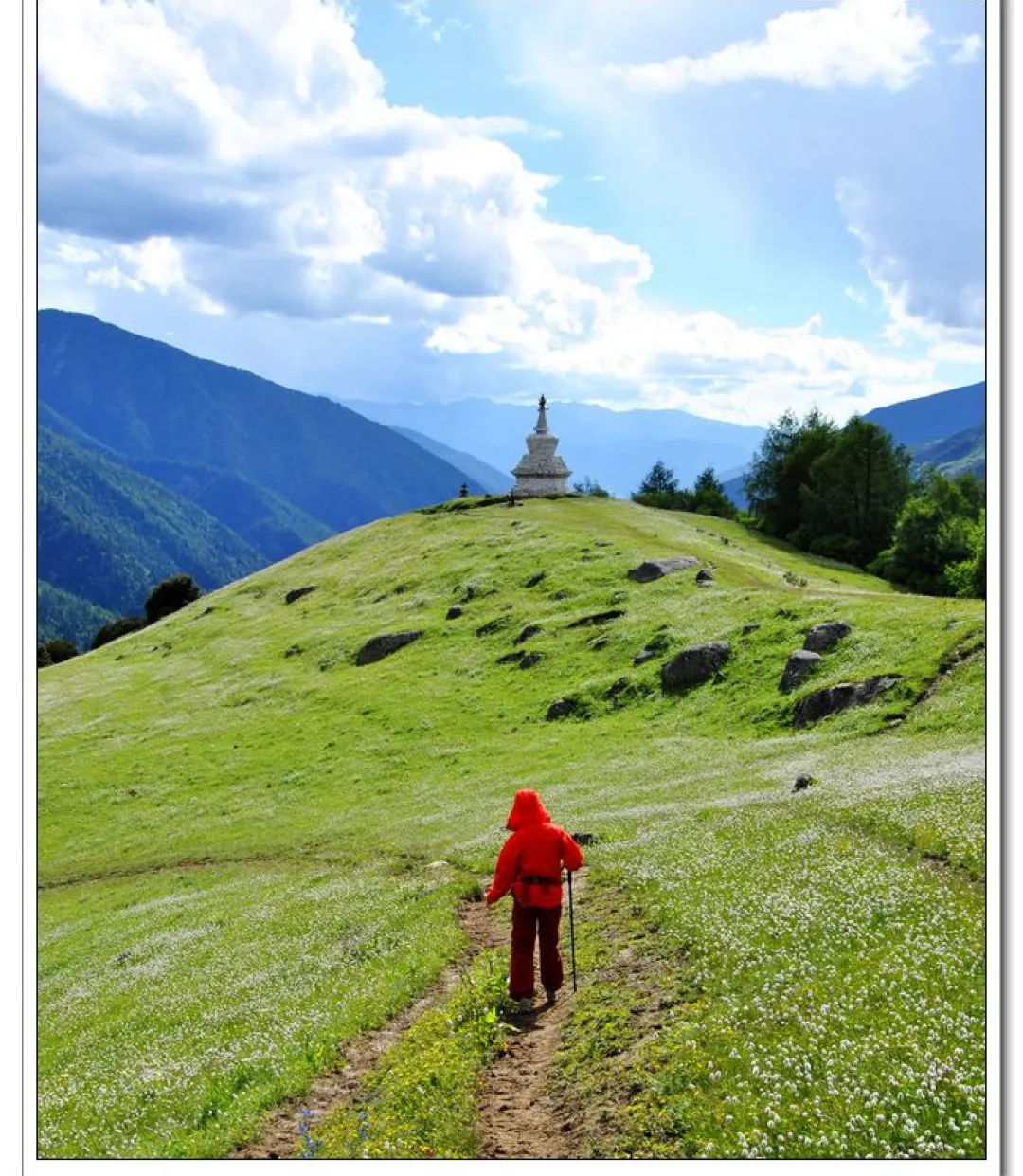
Stay warm: The temperature difference on the plateau is enormous, making it very easy to catch a cold. And a cold is one of the main triggers for acute high-altitude pulmonary edema. Remember this rule: Better to be a bit too warm than a bit too cold. Wear extra layers.
Use preventive medication: Common preventive medicines for altitude sickness include Rhodiola rosea (hongjingtian), liver-protecting tablets, and glucose. Start taking them two days before entering the mountains and continue during the trek. This can effectively prevent severe reactions.
Stay calm and respond wisely: Don't panic if altitude sickness occurs. If the symptoms are mild, rest, drink plenty of water, and minimize activity. They will usually subside or weaken after a while. If symptoms are more severe and affect your sleep, you can take some medication. If they are very serious, seek medical attention at a hospital immediately.
Moisturize and protect from the sun: The highland climate is dry. Use sunscreen and lip balm every day without fail. This effectively prevents moisture loss and boosts your body's resilience. I neglected my nose on the return trip, and it turned red and started peeling—it was pretty bad.
[Link: How to prevent altitude sickness in Sichuan]
Arriving in Rilong: First Night's Rest and the Regret of Shuangqiao Valley
After the exhausting journey to get there, we decided to visit Shuangqiao Valley first, as it's the only one with a full bus service. On the first day, we stayed at the New Siguniang Hotel, the closest accommodation to the valley entrance and the only star-rated hotel in all of Rilong. It cost 360 yuan a night, which was not cheap. Since we arrived quite late, breakfast was included. After eating, we went back to rest, but my head felt incredibly heavy—I guess we were really worn out from the altitude.
Shuangqiao Valley: The Easy, Bus-Accessible Option
Shuangqiao Valley is about ten kilometers past Rilong town. There are no horse services here; you must take a vehicle. It is 34.8 kilometers long, covering an area of about 216.6 square kilometers. The main scenery inside consists of pastures, small rivers, boardwalks, and forests. There are also many named snow-capped peaks on the canyon walls. From the entrance to the actual scenic area is over 20 kilometers. Walking this section would be quite tedious with little to see, so the park provides sightseeing buses.
Shuangqiao Valley is divided into three sections, with over 20 developed scenic spots. You can see more than a dozen snow-capped peaks over 4,000 meters above sea level:
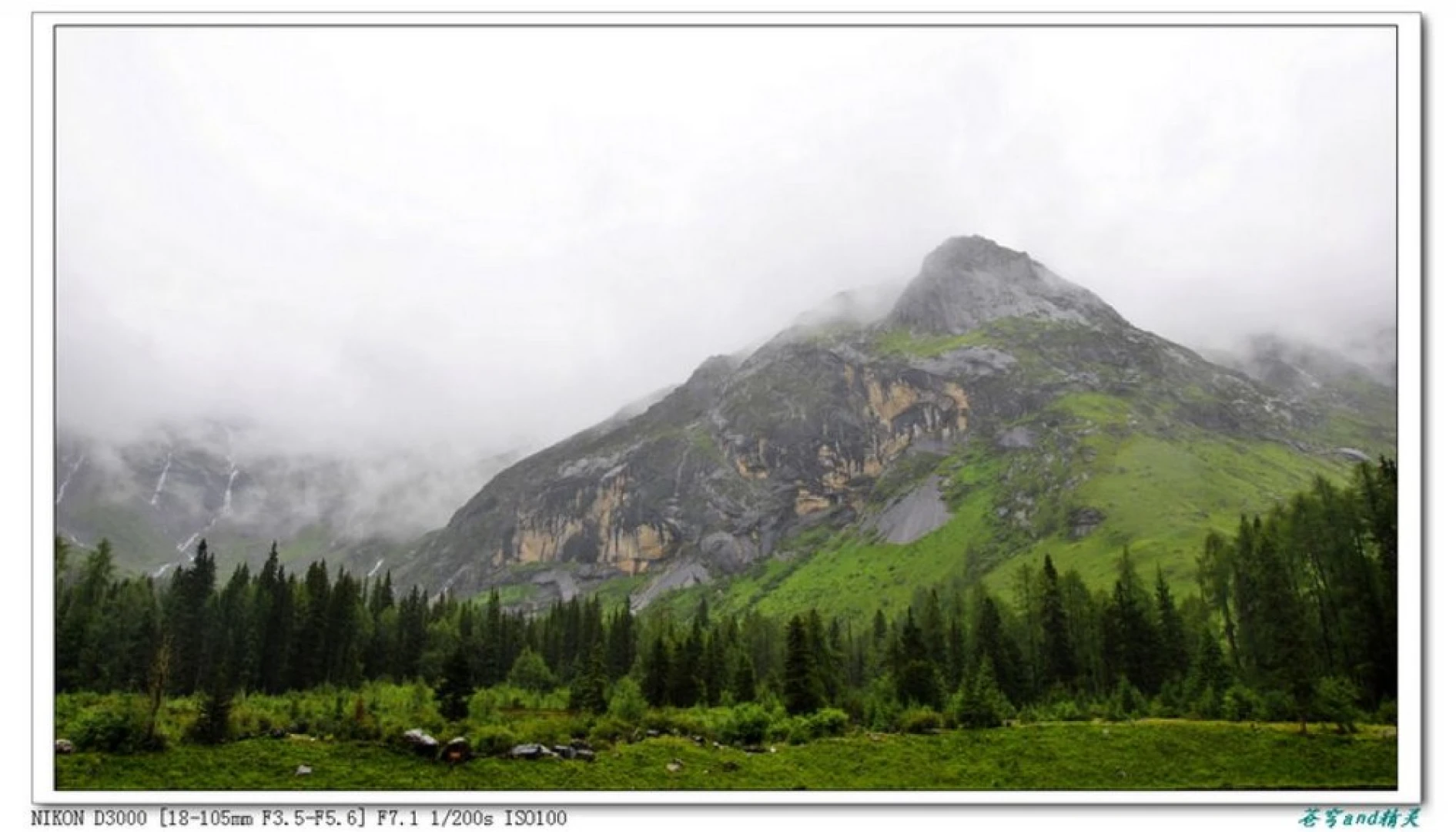
- Front Section: Features like Willow Bridge, Yin-Yang Valley, the White Poplar Forest Belt, the Sun-Moon Mirror Peak, and the Five-Color Mountain.
- Middle Section: Nianyu Dam, including Ginseng Fruit Meadow, Sea Buckthorn Forest, Sharp Peak, and Nine Seas.
- Rear Section: Niupengzi Meadow and Changhetan, containing Mount Abei, Hunter Peak, and the Blood-Built Wall.
Among these, the strangely shaped cliffs like Ancient Ape Peak, Hunter Peak, Eagle Beak Rock, and Golden Rooster Ridge are awe-inspiring creations of nature. The rocks and mountains with their rich legends, such as Five-Color Mountain, Moon-Gazing Peak, Heart-Relinquishing Rock, and Erotic Valley, all display a unique spirituality.
Because a road runs through Shuangqiao Valley, a typical visit only takes half a day. But precisely because of this road, the originally beautiful scenery is split in two, making these scenic areas less engaging. Visitors can only passively admire the view without truly immersing themselves in it.
It rained on our first day, so we didn't see any snow-capped peaks at all—a real pity. But the weather over the following days was exhilarating, because we finally saw the Four Sisters and the fluttering prayer flags.
Nature's Wrath: A Warning from the Mudslide
In the month before our trip, it had been raining continuously in Sichuan, causing severe mudslides. Here, we truly witnessed the power of nature and felt how insignificant humans are. The tour guide on the bus said this mudslide was even more devastating than the Wenchuan earthquake, and her eyes welled up with tears as she spoke. This was a sobering reminder of the raw, untamed side of the highlands.
[Link: Shuangqiao Valley hiking guide]
Haizi Valley: A High-Altitude Adventure on Horseback
On the second day, we changed our plans from Changping Valley to Haizi Valley. This is where the true adventure begins. Haizi Valley is known for its high-altitude lakes (haizi means "lake" in Chinese), pristine alpine meadows, and dramatic mountain backdrops. The best way to explore this valley is on horseback, as the terrain is rugged and the altitude can be taxing.
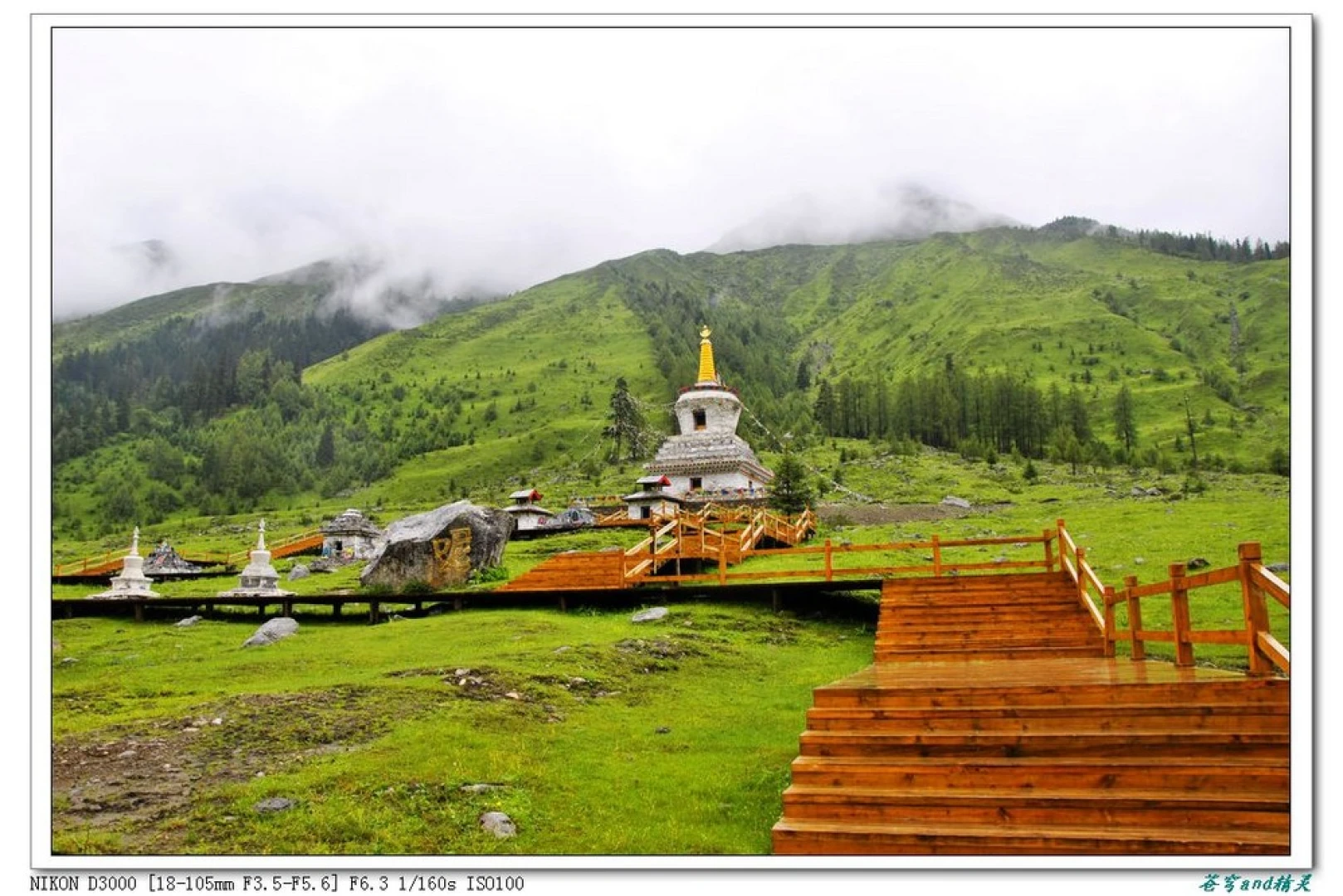
Riding through the valley, surrounded by blooming wildflowers and towering snowy peaks, was an experience I will never forget. The horses are well-trained, and the local guides are knowledgeable about the terrain and the best spots for photography. However, be prepared for a long day—the round trip can take 6-8 hours.
Pro tip: Wear padded pants or bring a cushion for the horseback ride. Your backside will thank you.
[Link: Haizi Valley horseback riding tips]
FAQ: Your Questions About July at Mount Siguniang Answered
1. Is July a good time to visit Mount Siguniang?
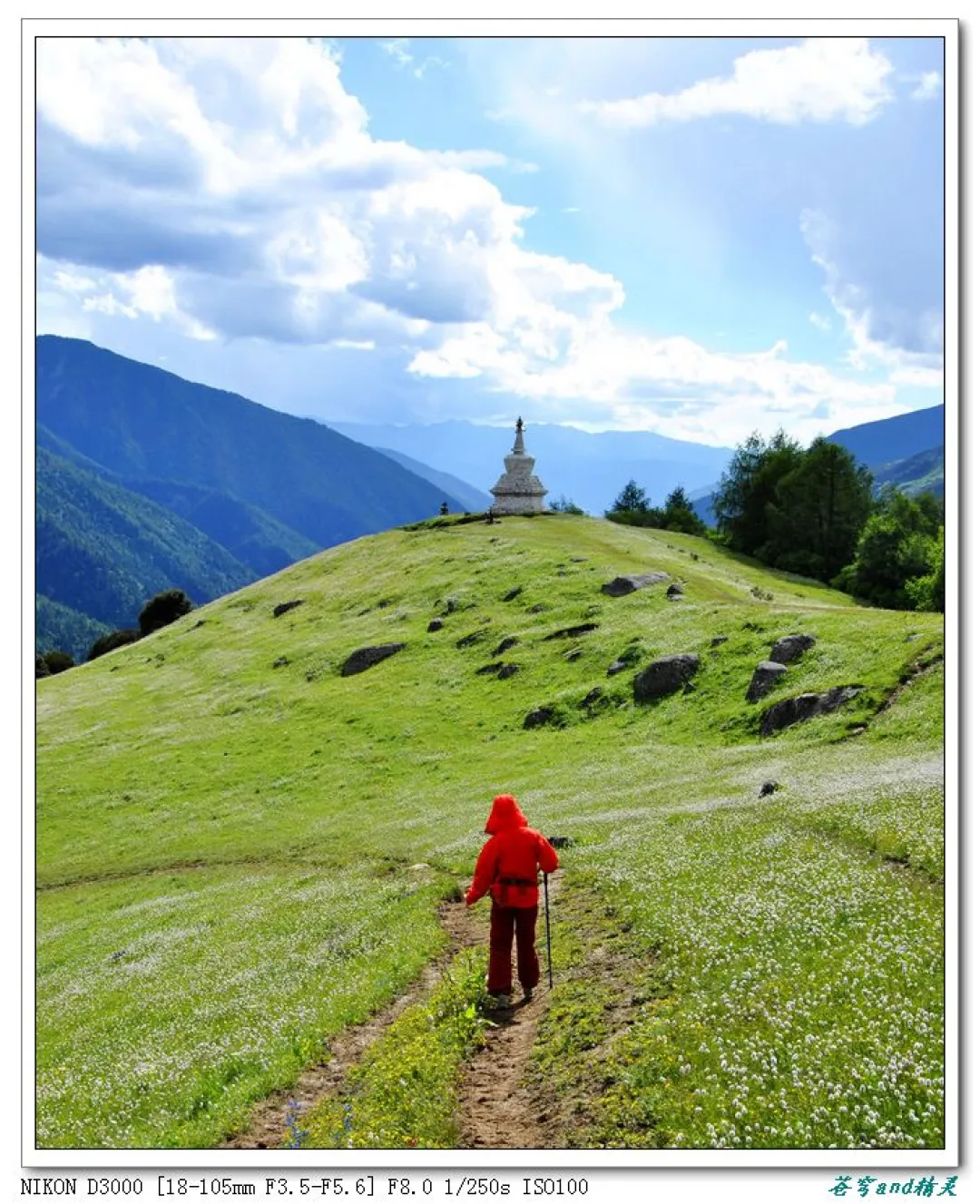
Yes, July is one of the best months to visit Mount Siguniang. The wildflowers are in full bloom, the weather is relatively stable, and the snow-capped peaks are still visible. However, be prepared for rain and sudden weather changes.
2. How do I prevent altitude sickness at Mount Siguniang?
Follow the Six Golden Rules outlined above: eat light, move slowly, stay warm, take preventive medication (like Rhodiola rosea), stay hydrated, and protect yourself from the sun. If symptoms worsen, descend immediately.
3. Which valley is best for first-time visitors?
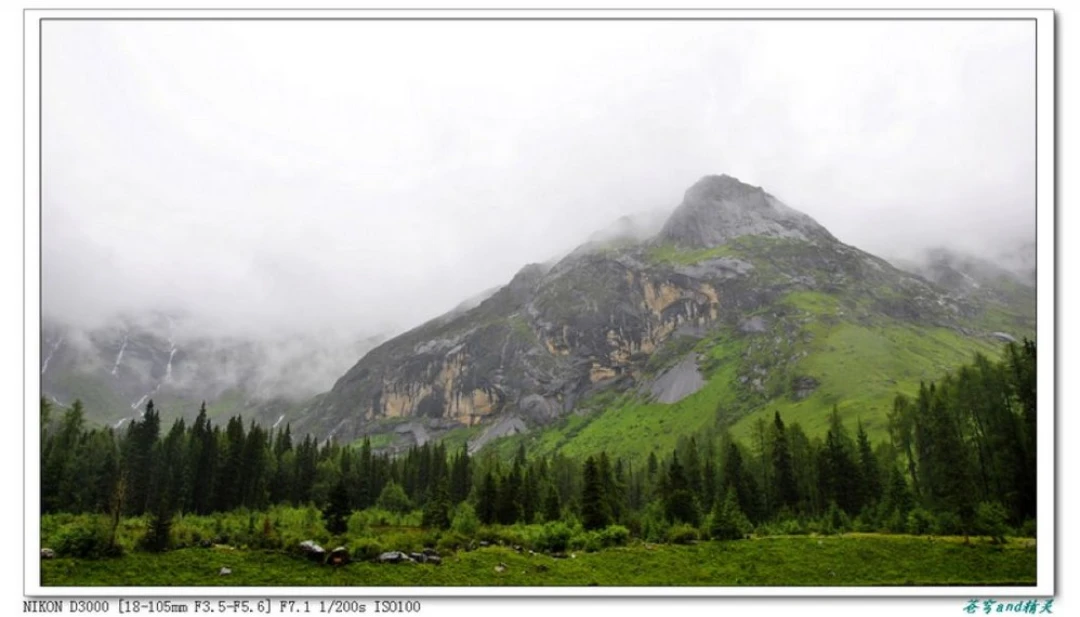
Shuangqiao Valley is the easiest and most accessible, with sightseeing buses that take you to the main scenic spots. Changping Valley is more challenging but offers a more immersive experience. Haizi Valley is best for experienced hikers and those comfortable on horseback.
4. What should I pack for a July trek?
Essentials include: trekking poles, waterproof jacket and pants, hiking boots, warm clothing, sunscreen, lip balm, sunglasses, hat, altitude sickness medication, and a headlamp. Don't forget a camera—the scenery is breathtaking.
5. How long should I spend at Mount Siguniang?
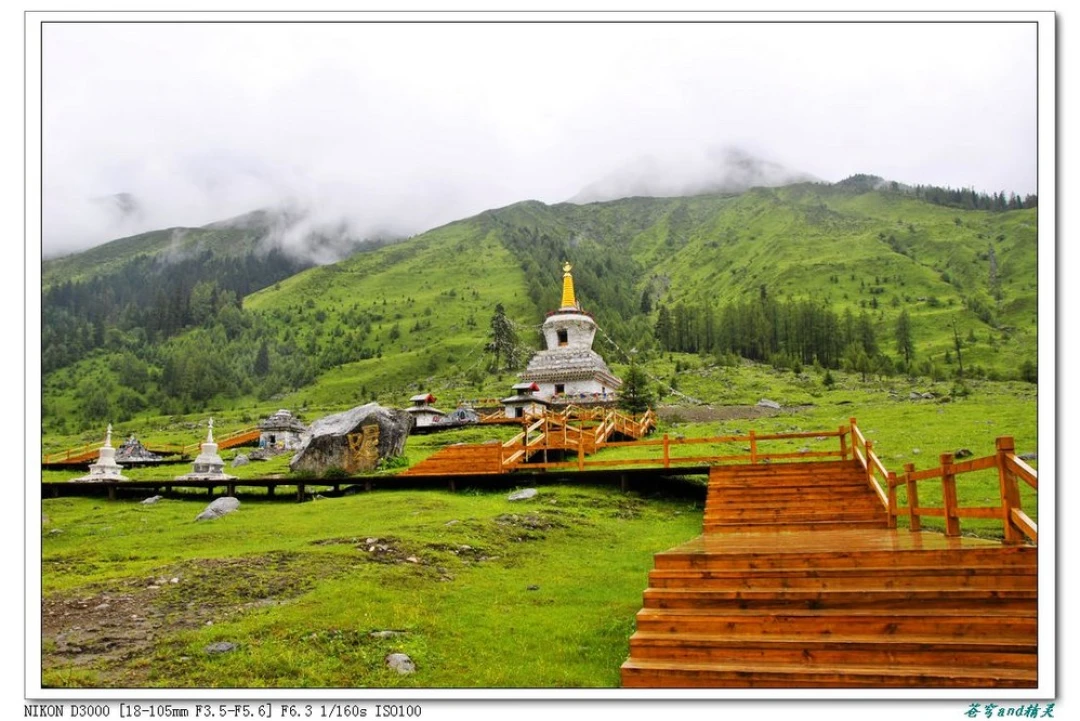
A minimum of 3-4 days is recommended to explore the main valleys and acclimatize to the altitude. If you have more time, consider adding a day for Changping Valley or a more challenging trek.
Conclusion: Your Highland Adventure Awaits
July at Mount Siguniang is a rare gift—a chance to witness the tenderness of wildflowers against the wildness of snowy peaks. It's a place where nature's beauty and power collide, leaving you humbled and inspired.
But remember: preparation is key. Pack wisely, respect the altitude, and plan your itinerary in advance. Whether you choose the easy bus ride through Shuangqiao Valley or the rugged horseback adventure in Haizi Valley, every moment will be unforgettable.
Ready to experience the highland's tenderness and wildness for yourself? Start planning your trip today. Book your accommodation in Rilong, check the weather forecast, and prepare your gear. The Four Sisters are waiting for you.
[Link: Book your Mount Siguniang trek now] [Link: Find the best Rilong hotels] [Link: Check current weather conditions]