A Winter Ascent of Banji Peak: A Technical Climb Under Stars and Snow
Here is the SEO-optimized rewrite of your article, crafted to rank for technical climbing queries while preserving the original narrative's raw emotion and detail.
SEO Title: Banji Peak Winter Ascent: Technical Climbing, Glaciers & Snow (5,430m Guide)
Meta Description: A harrowing winter ascent of Banji Peak in Sichuan. A failed summit, deep snow, and a lesson in mountaineering limits. Read this first-hand technical climb report.
Banji Peak Winter Ascent: A Technical Climb Under Stars and Snow
Prologue: The Moment the Summit Was Lost
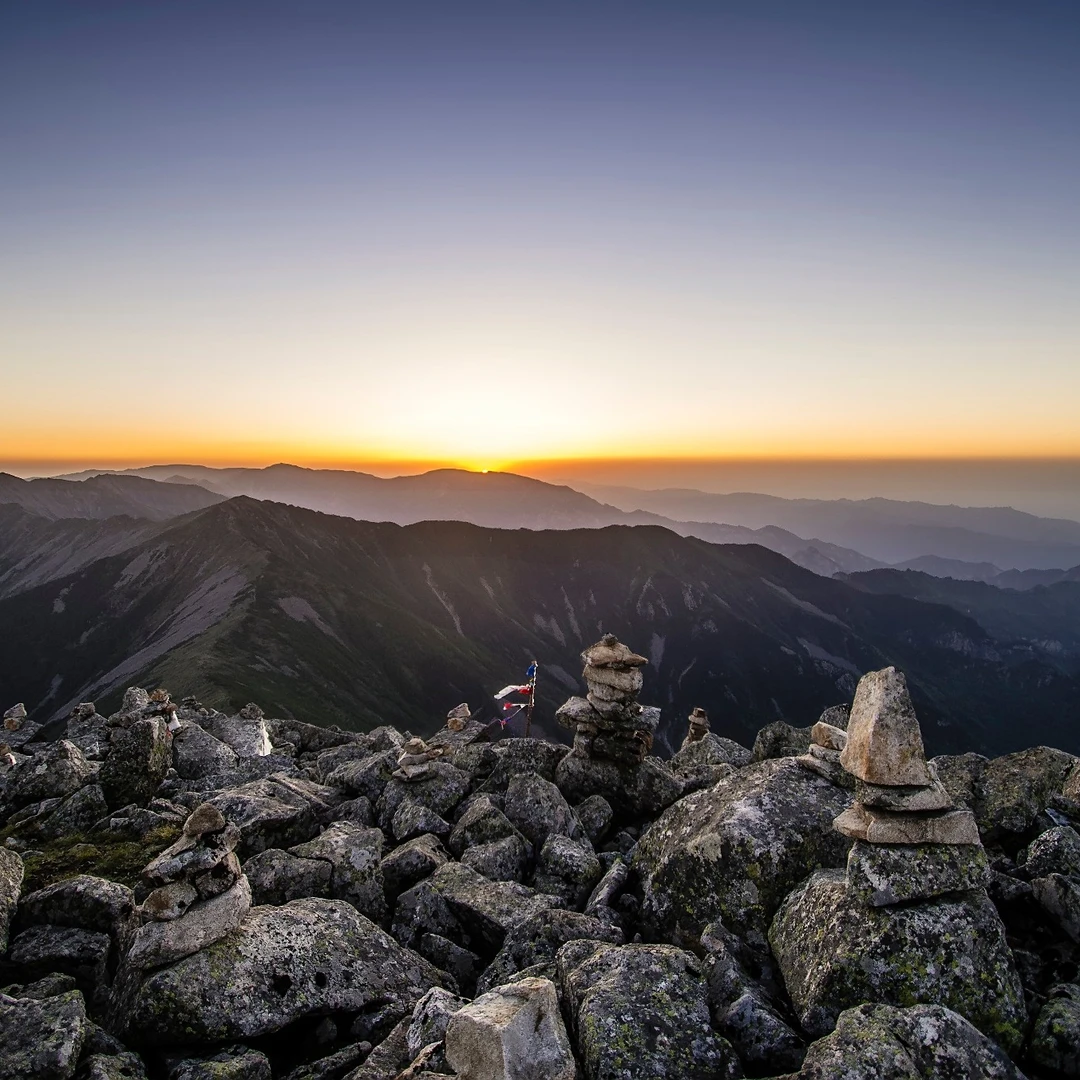
At two in the morning, on a snow slope over 5,000 meters above sea level, the wind cut like a knife across my face. I was sprawled over my ice axe, gasping for air, each exhaled breath instantly shredded by the gale. Looking up, the sky was a riot of stars, moonlight spilling across an endless white expanse. It was breathtakingly beautiful—and bitterly, despairingly cold.
That was when my Tibetan guide, Buqin, dropped a sentence that hit me like a stone: "To be honest, reaching the summit is already impossible."
In that moment, I truly understood—some paths cannot be completed on willpower alone. This is the story of that climb: a winter attempt on Banji Peak that tested every piece of technical gear and every ounce of resolve.
1. Why Climb Banji Peak in Winter? A Technical Mountain Profile

In late November 2015, at the age of 22, I set out for Aba Prefecture in Sichuan Province. My goal was clear: to climb my first technical snow mountain—Banji Peak (Banji Feng).
Banji Peak: Elevation, Location & Difficulty
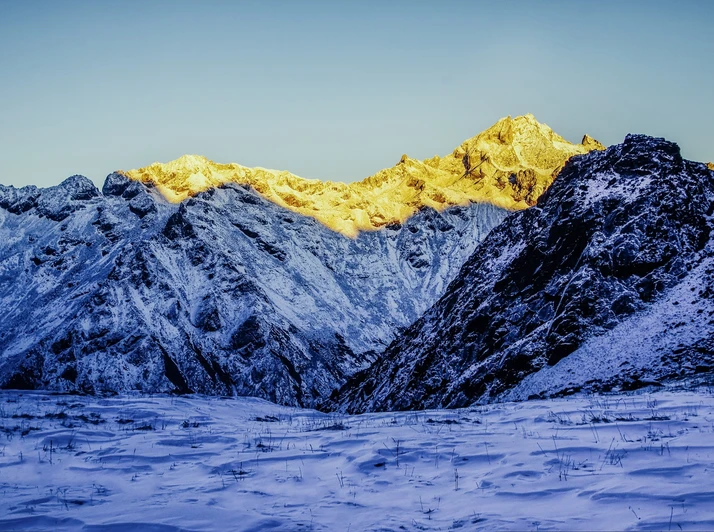
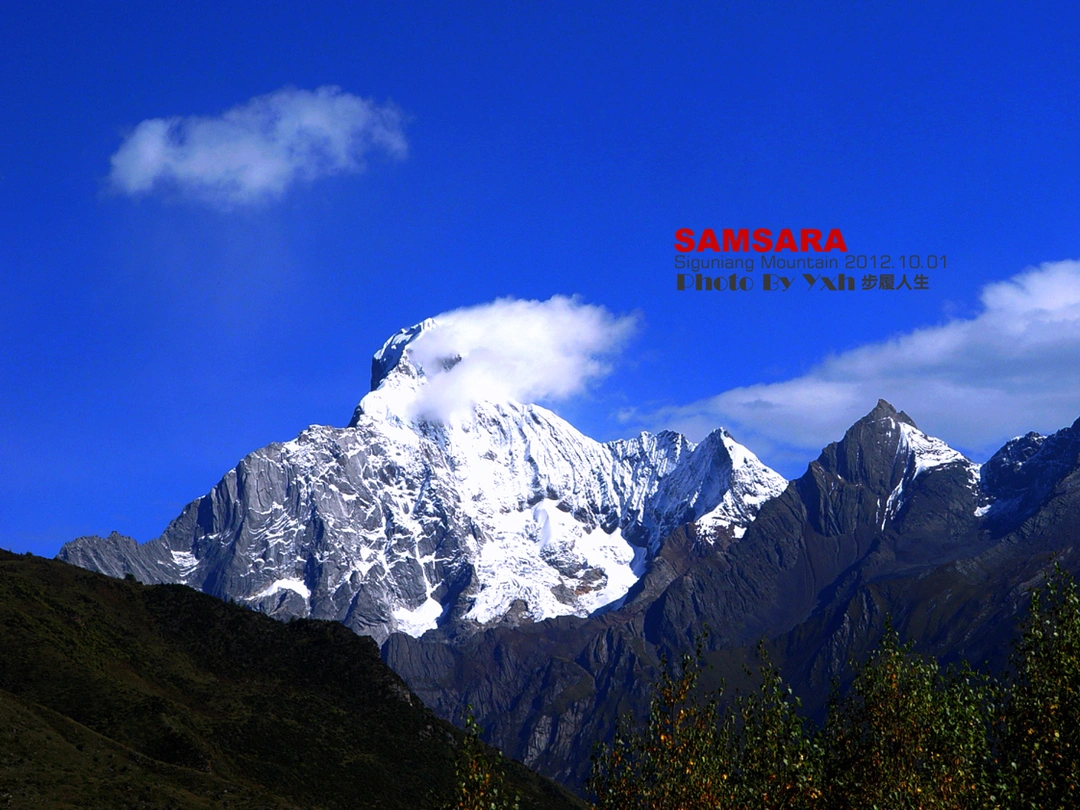
Banji Peak stands at 5,430 meters, located within the Bipenggou Scenic Area in Li County, Aba Tibetan and Qiang Autonomous Prefecture, part of the Siguniangshan mountain range. Though not exceptionally high, it is a true technical mountain. Its complex glaciers and steep snow slopes demand far more in terms of equipment and skill than popular peaks like Nama Feng in Sichuan, Gangshika in Qinghai, or Haba Snow Mountain in Yunnan.
- Difficulty Rating: Comparable to Xuebaoding (Sichuan) or Nianbaoyuze (Qinghai).
- Comparison: Slightly easier than Que'er Shan, but with more steep sections requiring rope work.
- Winter Factor: Climbing in winter meant lower temperatures, heavier snowfall, and shorter daylight hours. As my climbing companion Jun put it: "Anyone who dares to climb this mountain in this season has to be insane."
The Expedition Team
Four of us "insane" climbers—Jun, Zhe, Jian, and myself—plus three Tibetan guides—Yong, Buqin, and Pengchu—formed our little expedition team. We were a mix of former special forces and avid outdoor enthusiasts, all underestimating what the mountain had in store.
2. Preparing for a Technical Snow Climb: Gear & Training
Gathering in Chengdu
The night before departure, we met up in Chengdu. We sized up each other's gear, exchanging hopes and anxieties about the climb ahead. The next day, we drove to Bipenggou. Through the bus window, the landscapes of western Sichuan unfolded—jagged peaks, vast forests, and occasional Tibetan-style houses flashing by.
Technical Gear for Banji Peak
At the Shanghaizi base camp, guide Yong gave us a crash course in technical equipment. Ropes, helmets, harnesses, ascenders, descenders, carabiners, backup safety lines, crampons, ice axes... an array of unfamiliar gear lay spread before us, dizzying in its complexity.
"Remember," Yong said, his tone serious, "these aren't just decorations. They can save your life in a critical moment."
We practiced each movement meticulously—how to use an ascender correctly, how to self-arrest on an icy slope, how to travel roped together. Our movements were clumsy, but everyone understood that these skills could mean the difference between life and death in the days ahead.
[Link: Essential Technical Mountaineering Gear Checklist for Beginners]
3. Sudden Heavy Snow: An Unexpected Challenge at Base Camp
Overnight, the World Turned White
On the eve of our official climb, the weather shifted dramatically. Thick fog rolled in, temperatures plummeted. We huddled in the tourist service center, taking turns drinking hot water. One climber threw up from mild altitude sickness.
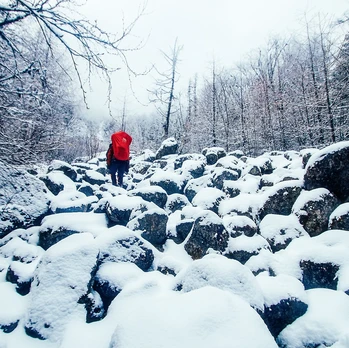
I stepped outside. In the dim light, I saw snow beginning to fall. At first just a few flakes, then quickly turning into a blizzard.
"Can we still go tomorrow?" someone whispered.
No one answered. But deep down, we all knew: this snow could change everything.
The Snow Line Was Right at Our Feet
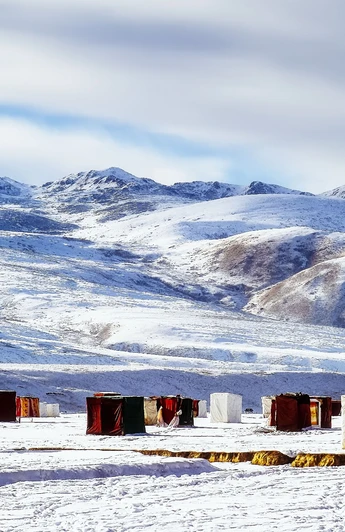
The next morning, when I unzipped the tent, the world had turned completely white. The coniferous forest was blanketed in thick snow, and the distant peaks were lost in clouds.
We had wondered where the snow line would be. No need to wonder anymore—the base camp was the snow line.
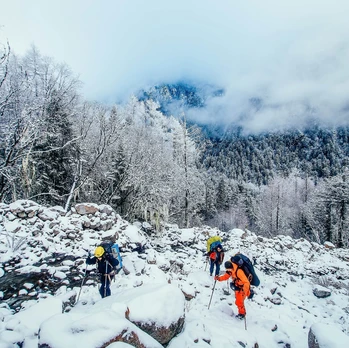
We shook the snow off our tents, packed our gear, and prepared to set out. Guide Pengchu led the way. His backpack looked twice as heavy as mine—he carried not only his own equipment but also a fellow climber's large pack, plus the tent and fixed ropes.
"He climbed Banji Peak back in the 80s," Yong said.
I was skeptical—according to records, the first Chinese ascent of Banji Peak was in 2004. But perhaps these local guides had conquered the mountain long before any official records were kept.
4. Upward: From Forest to Sea of Clouds
Crossing Three Weather Zones
As we gained altitude, we experienced a strange climatic journey.
- The Forest Zone: At first, we walked beneath the clouds, the sky overcast. The coniferous forest gradually thinned, replaced by alpine shrubs and meadows.
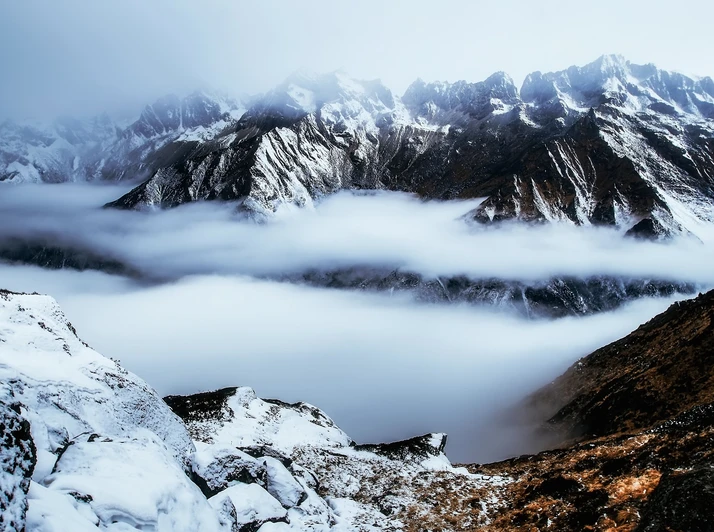
- The Cloud Zone: Higher up, we entered the clouds themselves—a white world with near-zero visibility.
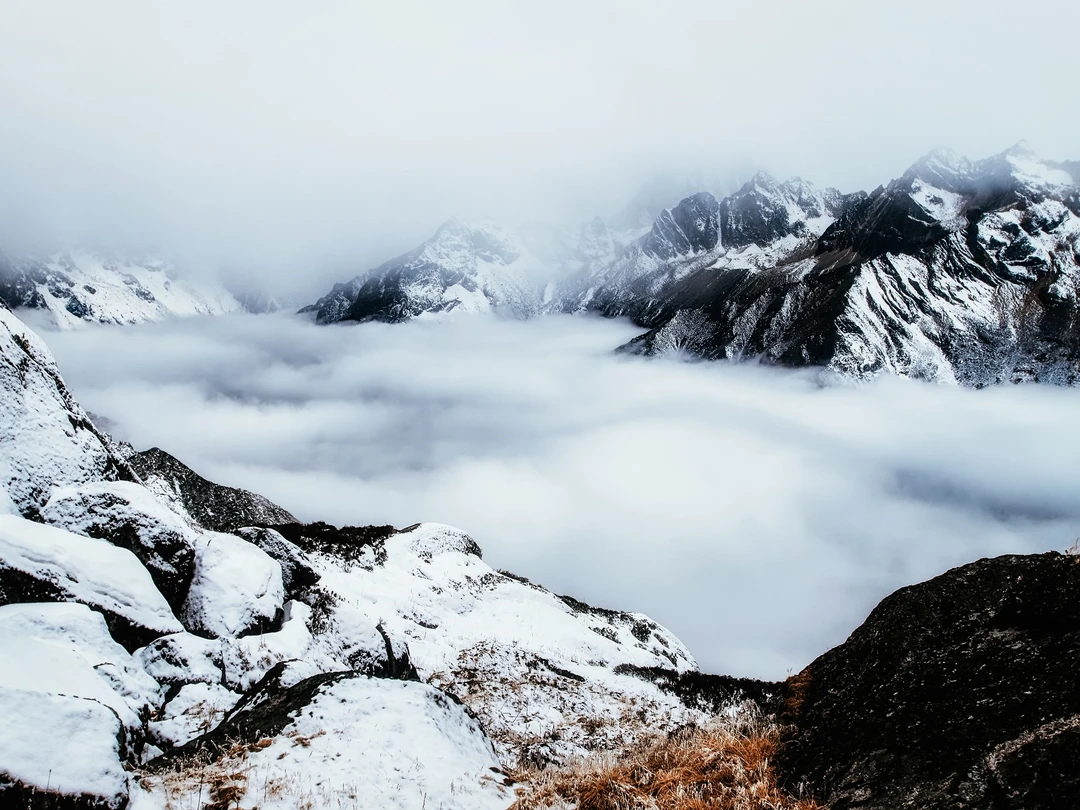
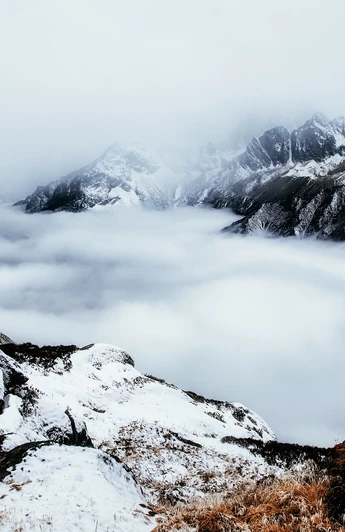
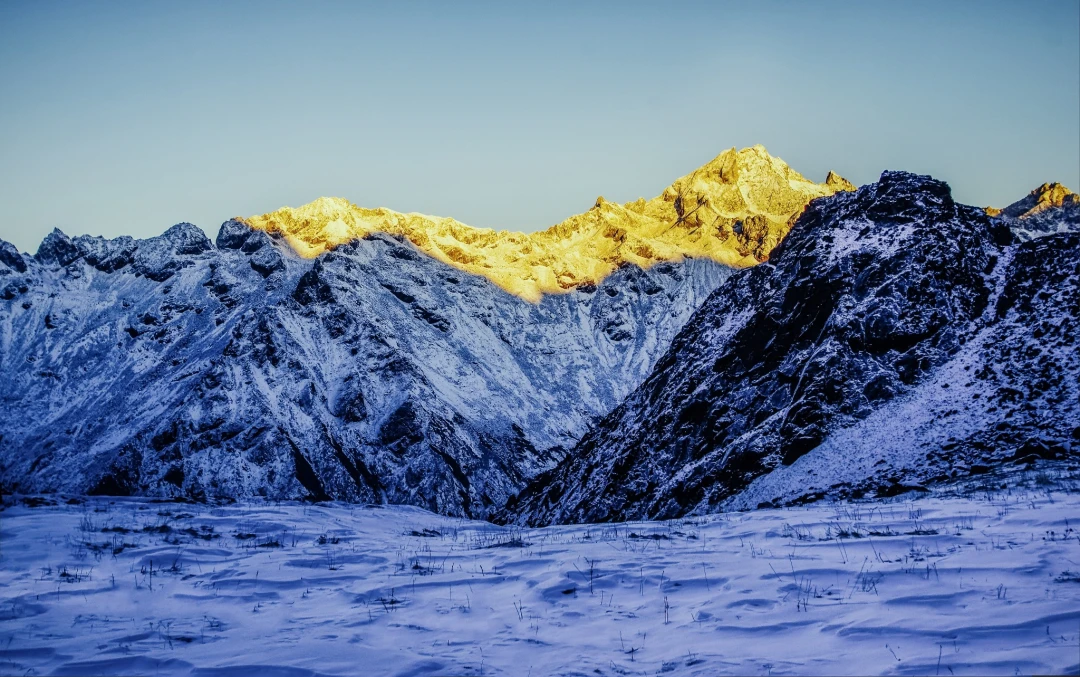
- The Above-Cloud Zone: Then, suddenly, the sky opened up. We had climbed above the clouds. Looking down, a vast sea of clouds churned beneath us. Distant peaks floated like islands in that white ocean. It felt like being in another world.
Struggling Through Deep Snow
The snow grew deeper. At first it only covered our boots; soon it was up to our calves.
Every step required pulling a foot out of the deep snow, then plunging it into the next hole. With each ice axe thrust, hard snow pellets pelted my face. The fresh powder was as soft as quicksand—the more I struggled, the deeper I sank.
The most frightening moment came when I fell into a snow pit that reached my upper thighs. Beneath the snow was a gap between two rocks, and I had stepped right into it. The more I struggled, the more the snow collapsed around me. In the end, I had to use my ice axe and the rocks to crawl out on my hands and knees.
After crawling out, I lay over my ice axe, gasping for several minutes. I looked up at Buqin. He stood nearby, his expression calm, as if this was all expected.
[Link: How to Self-Arrest on Steep Snow: A Step-by-Step Guide]
5. A Night of Stars and Moon: The Final Push
The Decision at 1:00 AM
At Camp 1, we endured a night of blizzard. The wind howled outside the tent; snow particles seeped through the seams and landed on our sleeping bags. Jian was restless, worried the tent would collapse.
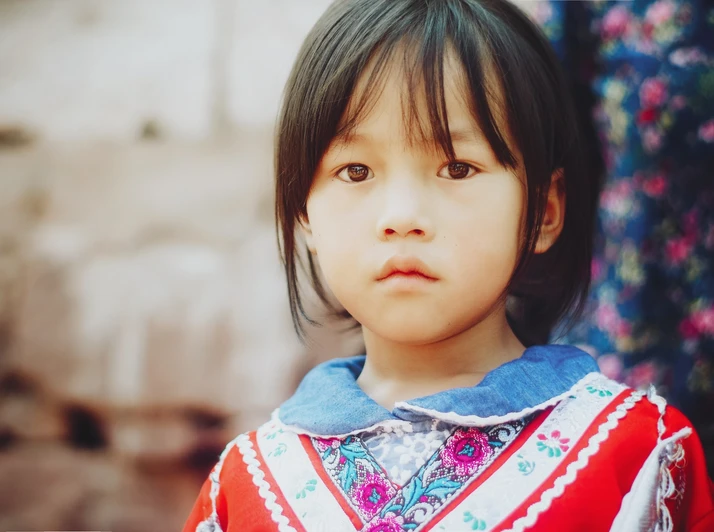
"If it collapses, there's nothing we can do," the guide said with a laugh. "Just let it cover us and keep sleeping."
We discussed the next day's plan. Someone suggested retreating. I didn't want to. Finally, we agreed: rest first, then decide based on the weather in the morning.
At 1:00 AM, Buqin woke us: "The snow has stopped. The weather is good. Do we summit now or wait until tomorrow?"
After some discussion, we made a risky decision: set out immediately, light packs, and compress two days of climbing into one.
From Six to Three to One
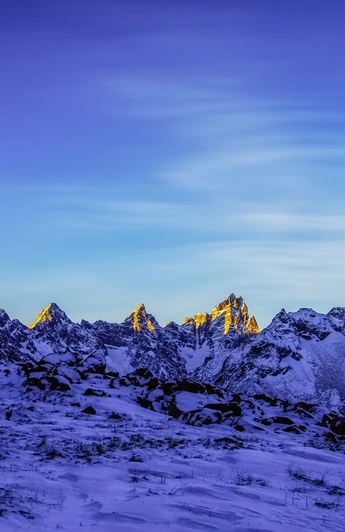
When we set out, the moon was bright, the stars brilliant. Not a single cloud in the sky—it was as clean as if washed by water.
But the moment we left camp, the wind hit. It whipped up the snow crystals, stinging our faces like needles. It was a clear night, but it felt like it was snowing—the wind was throwing the accumulated snow into the air.
Within half an hour, Jun stopped. He looked back at us, then turned and headed down. The former special forces soldier was the first to give up.
Then Jian also descended.
Zhe hesitated, then turned back too. As he passed me, he said, "Good luck," and disappeared into the darkness.
Our group of six was down to just me and the guides, Buqin and Pengchu. But soon, Pengchu also went down to look after the other three.
"You follow Buqin and keep going," Pengchu said, patting my shoulder. "Go as far as you can."
I found it strange—why didn't he say "I hope you summit successfully"? Why "go as far as you can"?
Later, I understood. He already knew how it would end.
The Glacier We Couldn't Cross
Buqin and I continued upward. The snow grew deeper—from knee-deep to thigh-deep. Every step was like struggling through quicksand. We were moving at a glacial pace, burning energy we didn't have.
That was when Buqin dropped the truth: the summit was impossible. The snow was too deep. The glacier ahead was a maze of hidden crevasses. The risk of a fall or avalanche was too high.
We turned around. The stars still shone brightly above, indifferent to our failure.
FAQ: Winter Climbing on Banji Peak
Q1: What is the best season to climb Banji Peak? A: Most climbers attempt Banji Peak in late spring (May-June) or autumn (September-October) for more stable weather and less snow. Winter climbs require extreme cold-weather gear and higher avalanche awareness.
Q2: Is Banji Peak a good first technical mountain? A: Yes, but only with proper training. It is considered a good introduction to glacier travel and fixed rope climbing, but it is harder than non-technical peaks like Haba Snow Mountain.
Q3: Do I need a guide for Banji Peak? A: Yes, strongly recommended. The complex glacier terrain and changing weather conditions make a local Tibetan guide invaluable for safety and route-finding.
Q4: What gear is essential for a winter climb? A: Crampons, ice axe, helmet, harness, ascender/descender, carabiners, insulated mountaineering boots, a -20°C sleeping bag, and avalanche safety equipment (transceiver, probe, shovel).
Q5: How long does a typical Banji Peak climb take? A: Most itineraries take 5-7 days from Chengdu, including travel, acclimatization, and the summit push.
Conclusion: The Real Victory
We did not summit Banji Peak. We turned back at 5,000 meters, defeated by deep snow and the wisdom of our guide. But in that failure, I learned more than any successful summit could teach me.
Mountaineering is not about conquering a peak. It is about knowing your limits, respecting the mountain, and making the hard call to turn around when safety demands it.
The stars that night were beautiful. The snow was deep. And the memory of that climb—of the guides, the wind, and the moment of surrender—remains one of the most valuable experiences of my life.
Ready to plan your own technical climb? Start with a solid foundation. [Link: Best Beginner Technical Mountains in China] or [Link: How to Choose Your First Ice Axe].
Share your story: Have you ever had to turn back on a climb? What did you learn? Leave a comment below.
You may also like