A Sun-Drenched Encounter with the Hero City: A 2-Day, 1-Night In-Depth Travelogue of Panzhihua
Meta Description: Discover Panzhihua, China's only flower-named city, in this SEO-optimized travel guide. Explore Third Front Museum, Donghua Mountain, cherry blossoms at Yishala Village, and local cuisine in 2 days. Perfect for Sichuan weekend getaways.
Introduction: Why Panzhihua Deserves a Spot on Your Sichuan Travel Bucket List
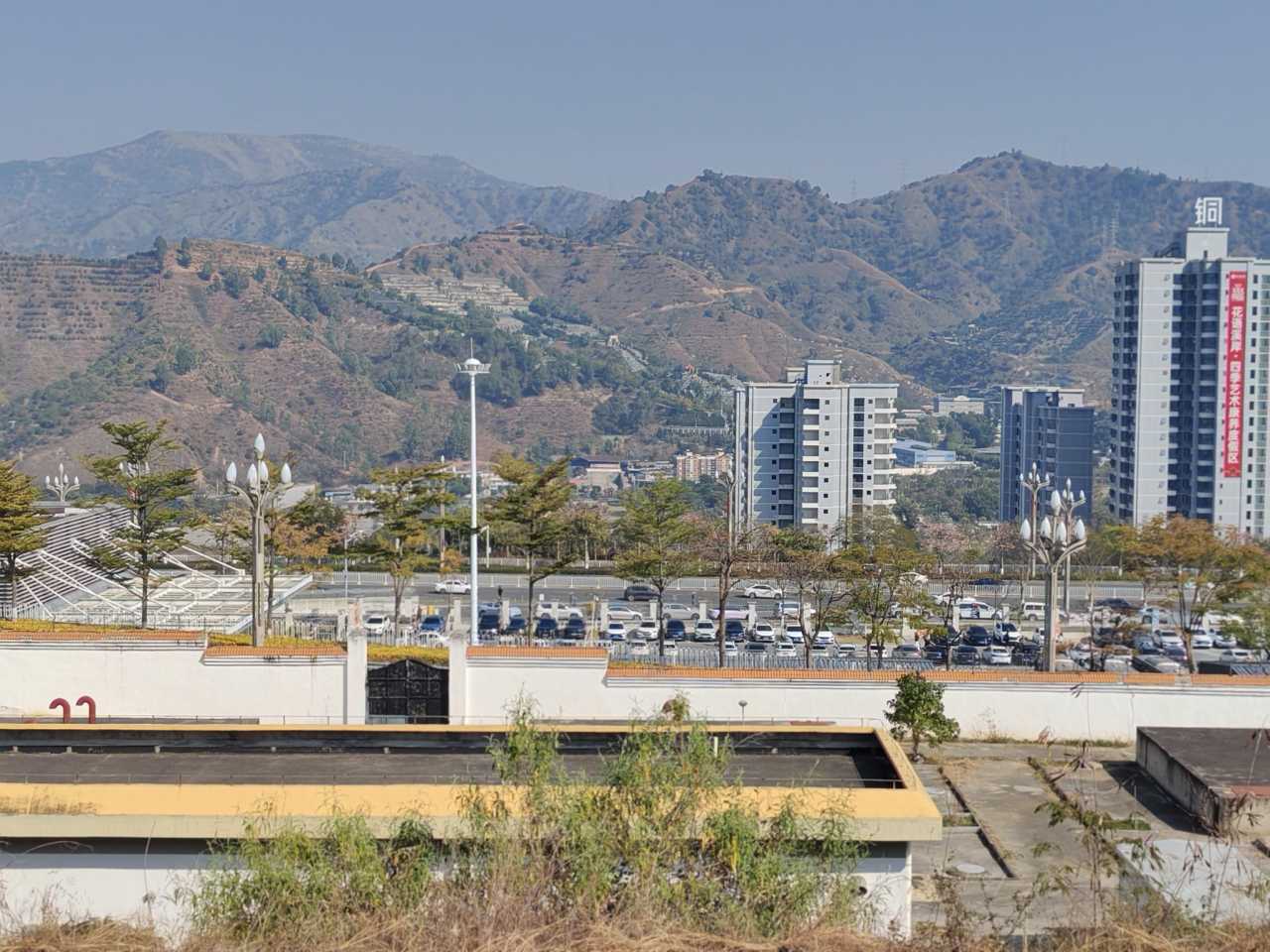
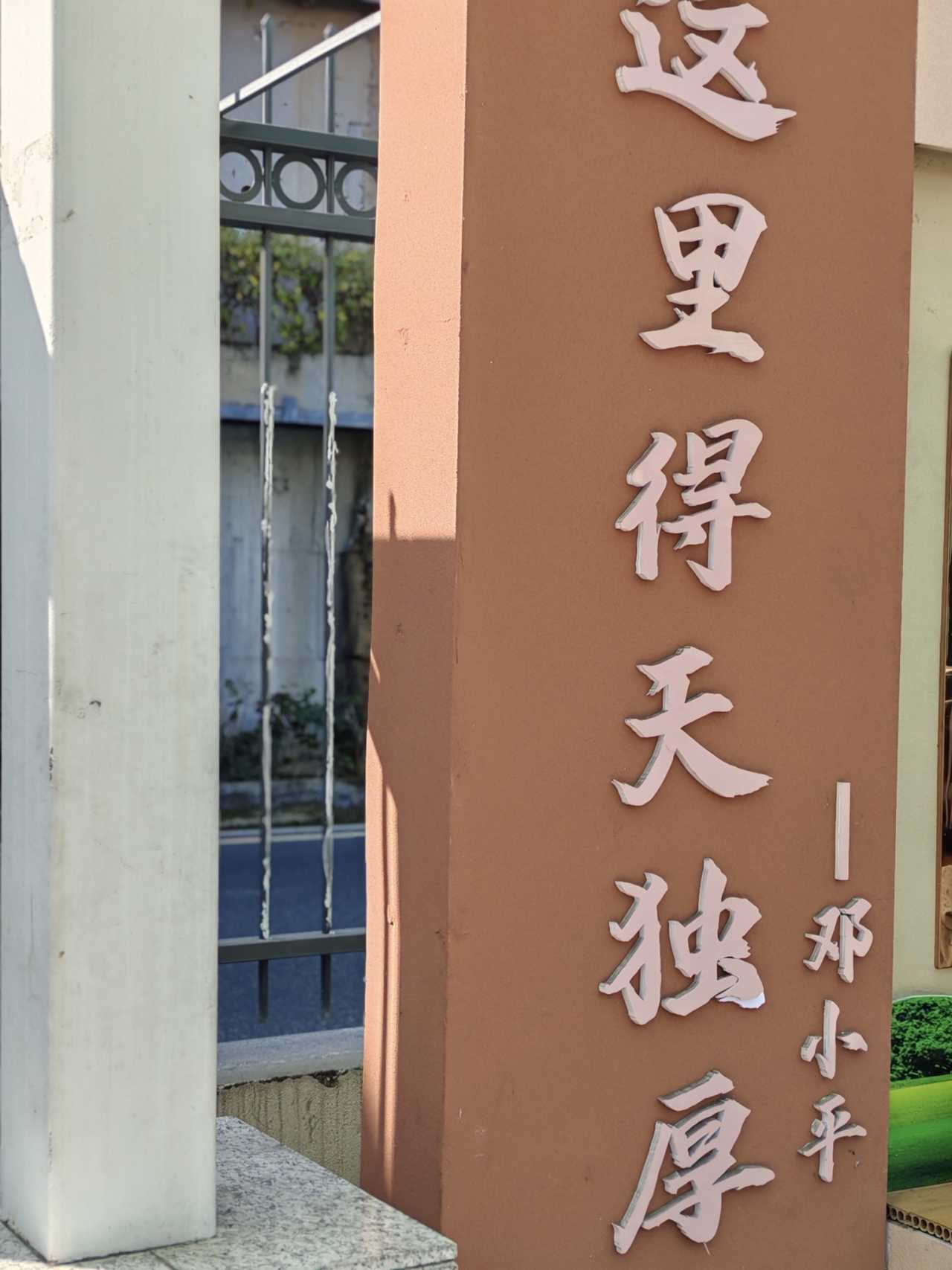
"This place is uniquely blessed by nature." — When Deng Xiaoping once said this of Panzhihua, the words still ring with conviction today. As the only city in China named after a flower (the kapok tree, known locally as pānzhīhuā), Panzhihua not only carries the storied legacy of the Third Front Movement—a massive industrial relocation effort during the Cold War—but has also quietly emerged in recent years as a trending destination for Sichuan travelers. On the first day of 2026, I set out with my child to explore this sun-drenched land, spending two days and one night to feel the warmth and color of this "Hero City."
If you ask me what travel means, my answer remains the same: it's about creating memories worth cherishing. And Panzhihua gave us just that—a journey filled with sunlight and stories.
Day One: Departing Chengdu for a Date with Sunshine
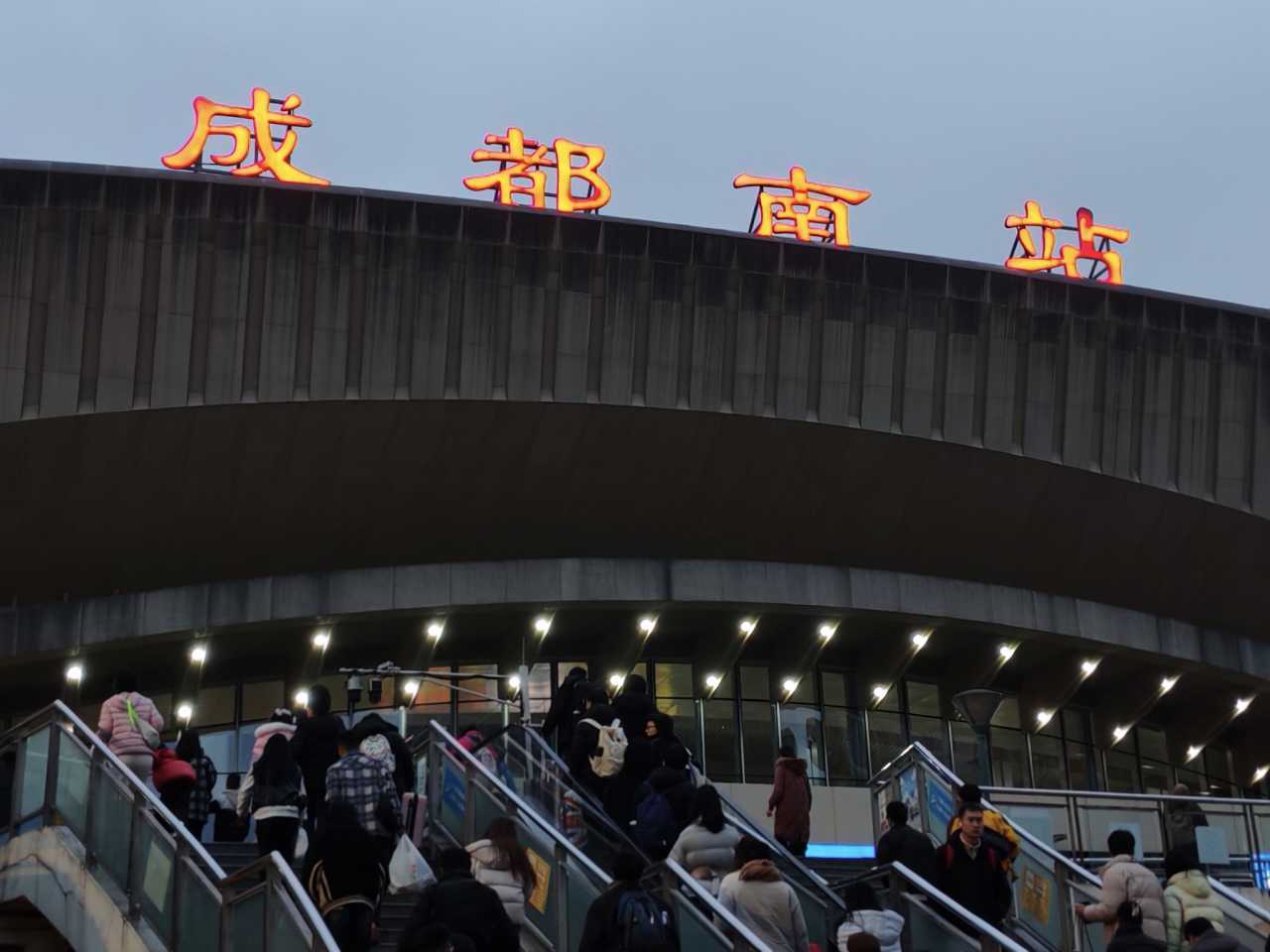
H2: Getting to Panzhihua: The Bullet Train Experience from Chengdu
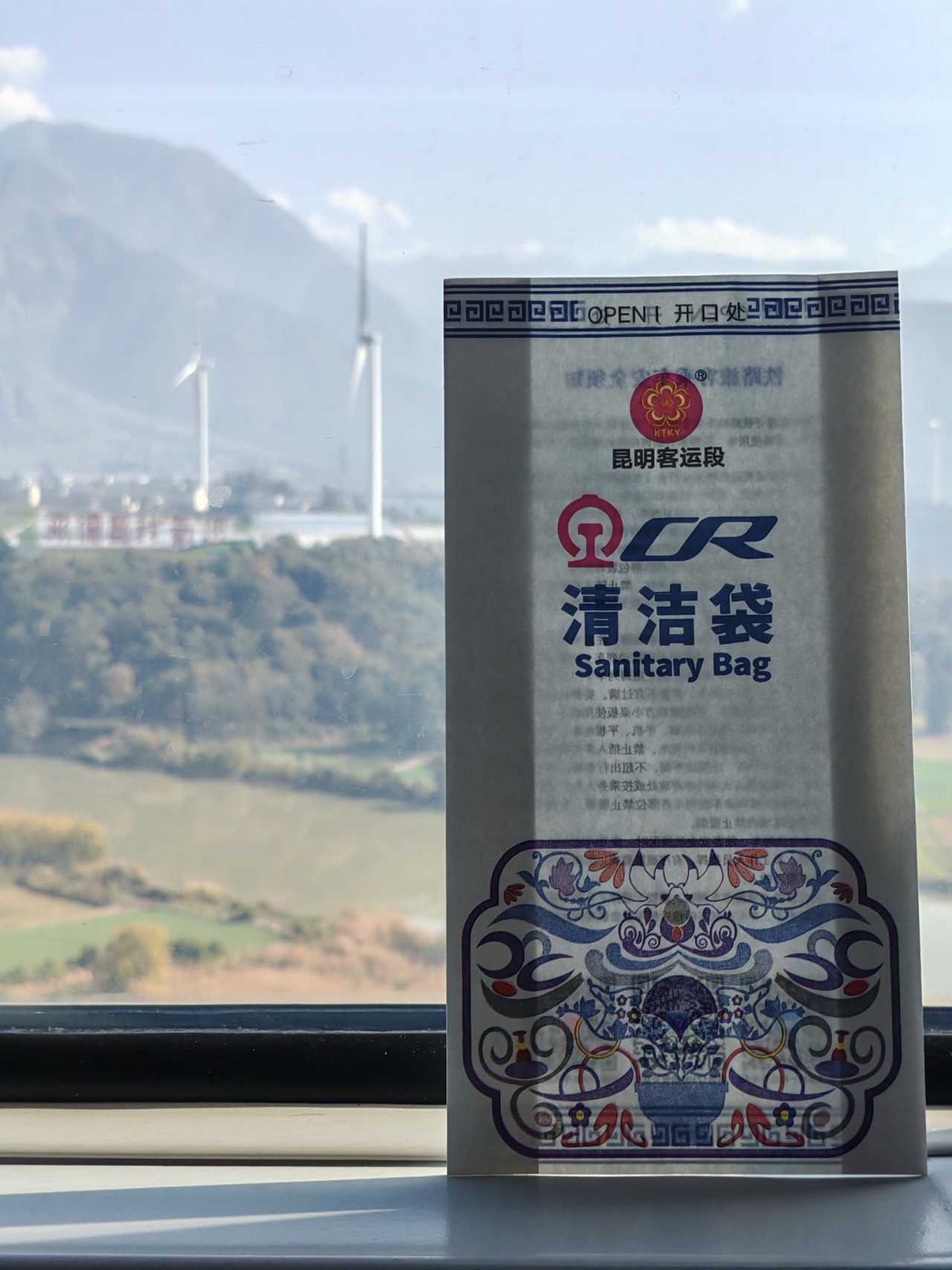
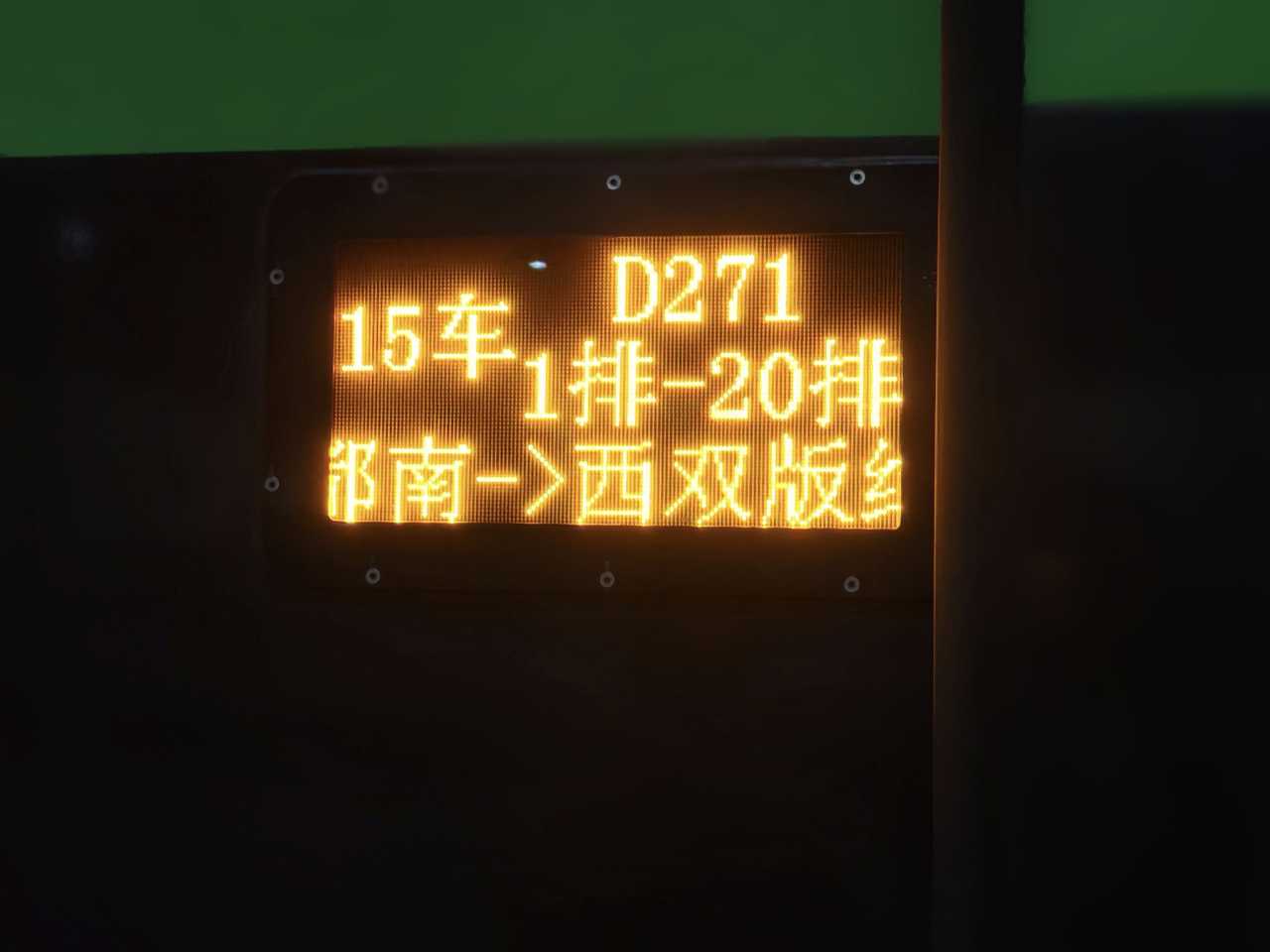
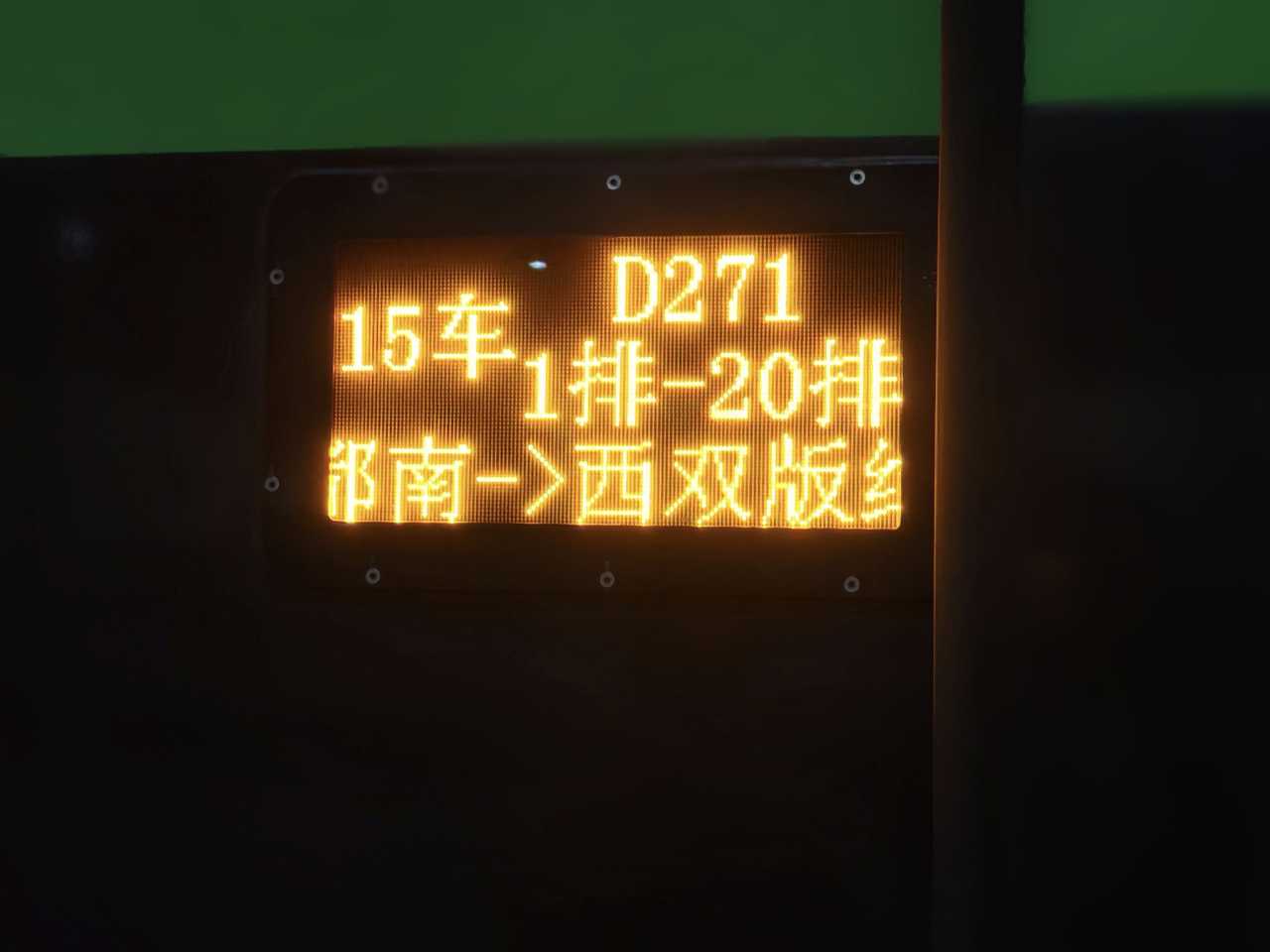
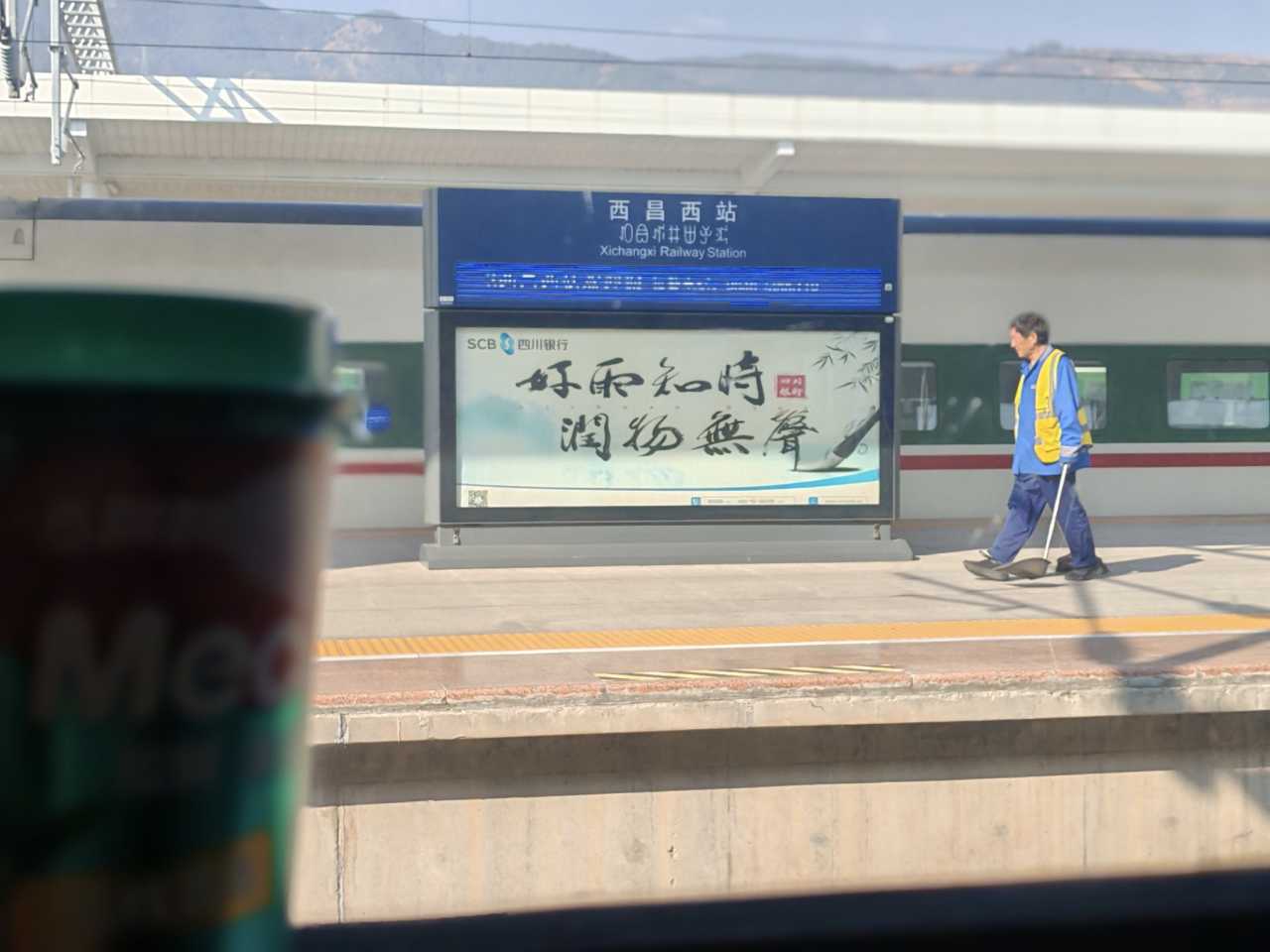
We boarded the D271 bullet train at Chengdu South Station early in the morning. Inside the carriage, the cleaning bags from the Kunming passenger service section caught my eye—they were printed with Yunnan-style patterns, adding a touch of anticipation for the sunny city ahead. As the train passed Xichang, the sky outside began to shift: clouds scattered, and sunlight poured in, as if signaling Panzhihua's welcome gift.
Practical Tip: Panzhihua's buses use a zone-based fare system—you need to tap your card both when boarding and getting off. If you forget to tap off, the system charges the full fare. This is different from Chengdu, so pay close attention.
[Link: Chengdu travel guide]
H2: Arrival in Panzhihua: First Impressions of Sunshine and Blossoms
Around 1 p.m., the train slowly pulled into Panzhihua South Station. Stepping out, a wave of warmth enveloped us, and the air carried a lazy, comforting vibe. We checked into the Julong Hotel, which had been newly renovated in 2024. The room wasn't spacious, but the water pressure and temperature were stable—a hot shower washed away the travel fatigue, leaving us refreshed. The only minor drawback was a faint smell of fresh paint in the elevator and room; if you're sensitive to odors, it's best to open the windows early.
H2: Strolling Along Lian Tong Street: Encountering the Romance of "Beautiful Silk Cotton Trees"
According to our travel guide, we'd worried that the blooming season of the měilì yì mù mián (beautiful silk cotton trees, Ceiba speciosa) might have passed. To our delight, the flowers on Lian Tong Street were still in full glory. Even more surprising, both red and white blossoms were blooming simultaneously, framed against a brilliant blue sky. Every snapshot looked like a professional shot. For portraits, I recommend having your subject stand near the tree or avoid backlit areas. If possible, bring a hat—it shades the face and adds style.
H2: The Third Front Construction Museum: Touching the Pulse of History

The afternoon's highlight was the Panzhihua China Third Front Construction Museum. Stepping into the exhibition hall, the first thing that caught my eye was a massive sculpture. The photo might not capture its impact, but standing before it, you feel the weight of history pressing down on you. Inside, a simple lathe stood quietly, as if whispering the sweat and ingenuity of the builders from that era. What touched me most was a quote from Mao Zedong: "If Panzhihua isn't built, I won't be able to sleep." — Just a few words, but they spoke volumes about the determination and responsibility of that time.
Visit Tip: Check the museum's opening hours in advance, and plan for 1.5 to 2 hours. If there's no guide available, you can scan QR codes with your phone for audio guides.
[Link: Third Front Movement history]
H2: Dinner Mishap: The "Flop" and Surprise of Lamb Rice Noodles
After the museum, we found a small noodle shop nearby, eager to try Panzhihua's signature dish—yángròu mǐxiàn (lamb rice noodles). Unfortunately, it was a letdown: the broth was bland, the lamb's aroma barely present, and even adding seasonings couldn't save it. I later realized that choosing the right shop is key. This minor "flop" actually set the stage for a culinary surprise the next day.
H2: Donghua Mountain "City Eye": Overlooking a Sea of Lights
In the evening, we took a cute "baby bus" (a small shuttle) to Donghua Mountain. I thought the grass would be empty under Panzhihua's year-round sun, but instead, the lawn was "covered" with locals soaking up the rays. Climbing to the "City Eye" observation deck, we caught the moon rising over the silk cotton trees, moonlight and city lights weaving together like a song. When night fully fell, the City Eye revealed its most dazzling side—Panzhihua's streets were surprisingly quiet. Our ride-hailing driver told us the city never enforces traffic restrictions, perhaps a sign of its unhurried pace.
H2: Shopping and Prices: Unexpected Finds in a Small City
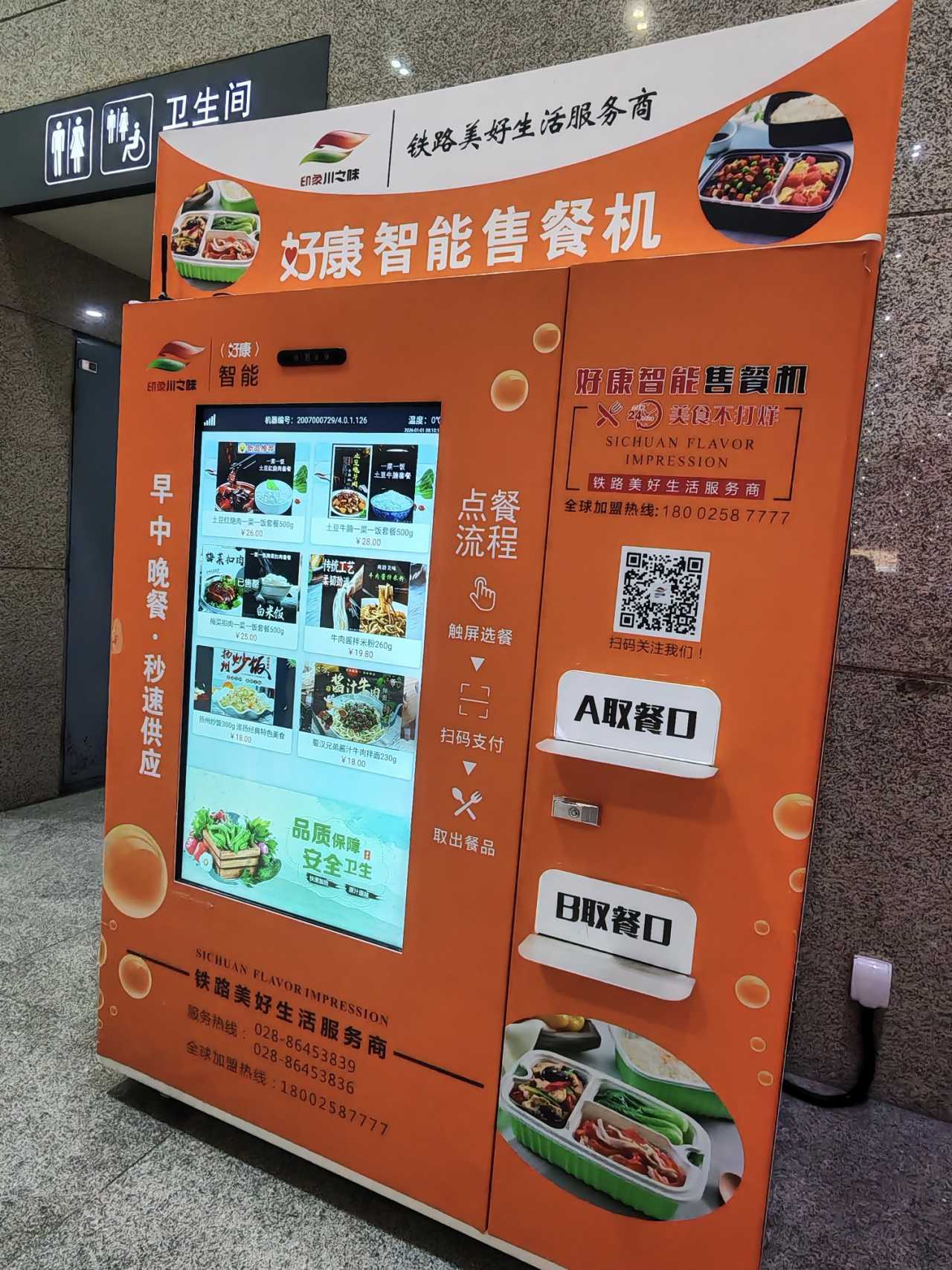
At a souvenir shop, I bought a "Panzhihua" refrigerator magnet for 19 yuan, which can also be worn as a badge—good value. But Panzhihua's prices surprised me: fruits and vegetables cost about the same as in Chengdu, and some items were even more expensive. A local bakery chain called Hóngqīngtíng (Red Dragonfly) is positioned similarly to Hǎo Lì Lái (a popular Chinese pastry brand), with a similar product style. As for the fruit that looks like an egg—called jīdàn guǒ (egg fruit)—I honestly couldn't see any connection to eggs beyond the name.
H2: Local Bubble Tea and Late-Night Snacks: A Taste Adventure
Hoping to get a cup with a kapok flower design, I found a Panzhihua-based bubble tea shop. Unfortunately, the special cup wasn't available that day, so I ordered their signature cherry strawberry milk tea. The taste? Let's just say it was average—too sweet, with a slightly artificial flavor. For late-night snacks, we chose Shān Gē Yú Mén Chuàn Shāo (Mountain Brother's Fisherman Gate Skewers). Their signature cold dressed crucian carp (liángbàn jìyú) was tender but full of bones and shockingly spicy—I downed three glasses of water to recover. In contrast, the prawns were firm, and the boneless chicken feet were soft and flavorful—both worth recommending. Our bill came to 130 yuan for two, just the right amount.
Fun Fact: In Panzhihua, taxis show a green light when occupied and a red light when available—the opposite of most cities. Newcomers might find it confusing.
Day Two: Sunshine, Cherry Blossoms, and a Canyon Grand Finale
H2: Early Morning: A Dawn Like an Ink Painting
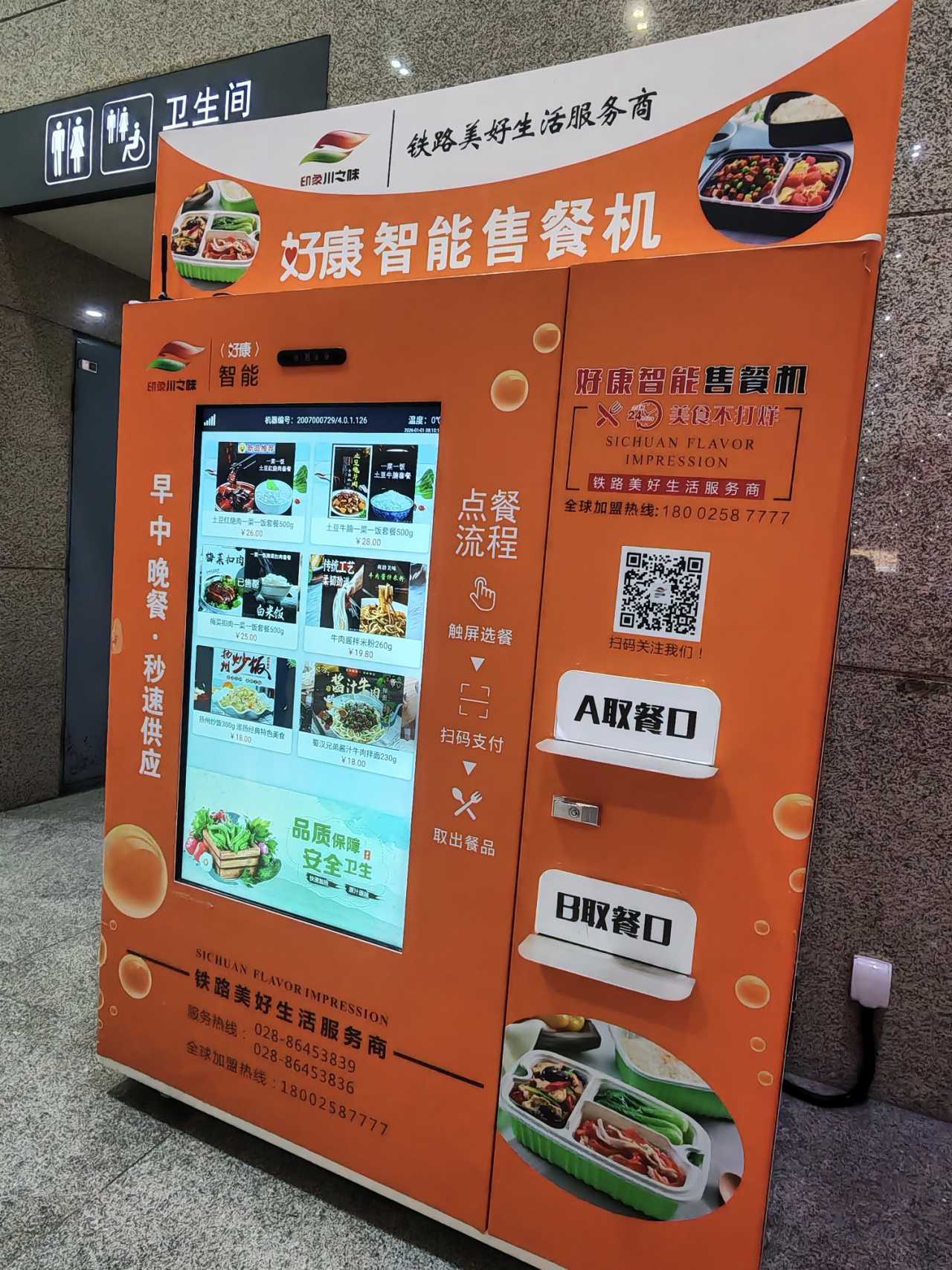
The next morning, we walked to Yì Lǎng Mǎn Lǎo Yánbiān (a famous old salt-side lamb rice noodle shop). The sky was just lightening, and the sun peeked over the mountains like a half-red face, blending pale red and inky black into an ink-wash painting. The shop's lamb rice noodles lived up to their reputation: a rich broth, fragrant with lamb fat, and tender, chewy meat. Most locals suggested adding mint and small chili peppers, but I found the plain version let the ingredients speak for themselves.
H2: Yishala Village: Winter Cherry Blossoms and Yi Ethnic Charm
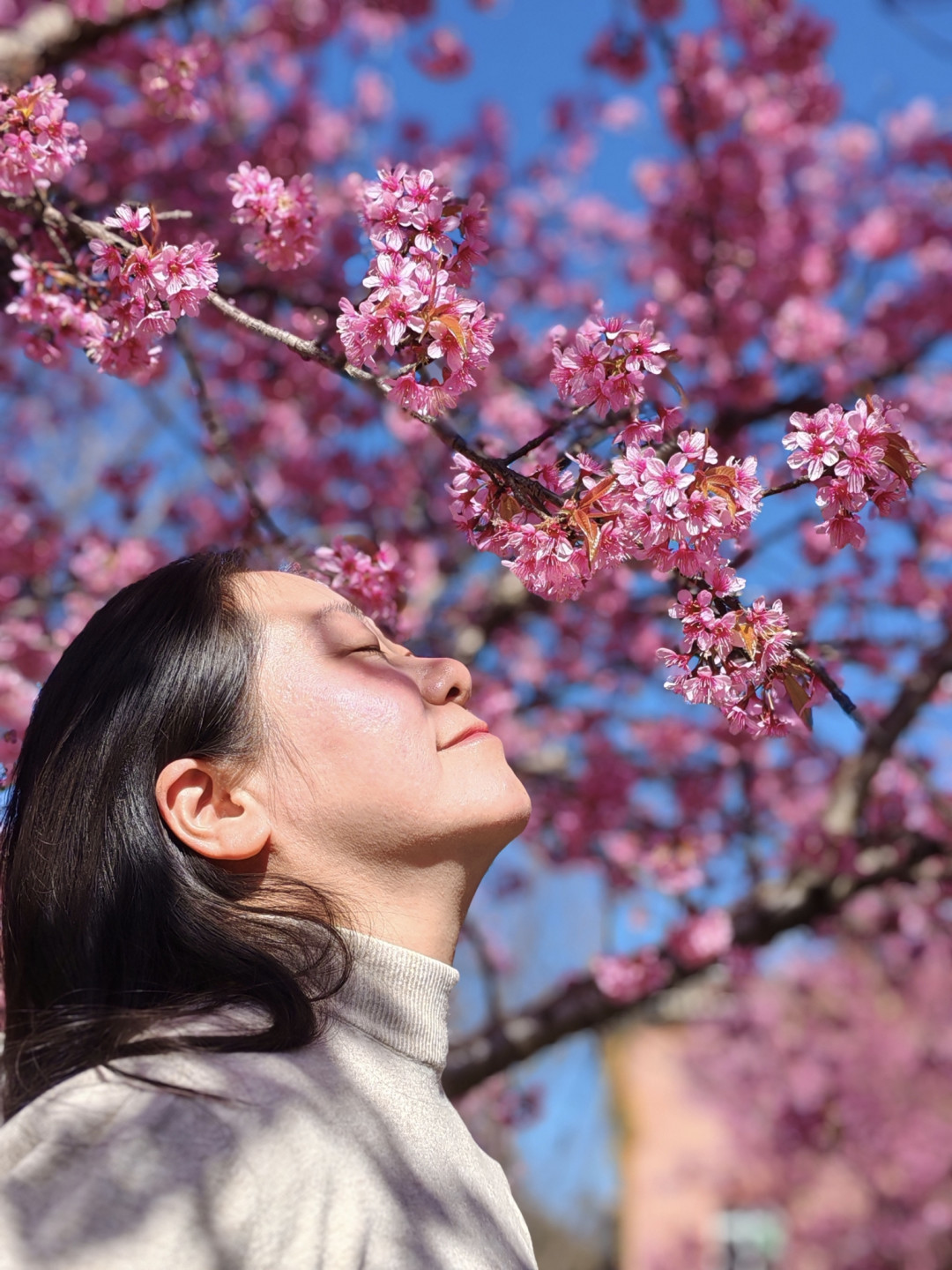
After breakfast, we drove to Yishala Village. Along the way, I caught a beam of light piercing through the clouds, as if clearing the path for our flower hunt. Entering the village, the winter cherry blossoms were at their peak—blooming from late December to late January, with early January being the best time, lasting about two weeks. The pink petals shimmered in the sun, contrasting beautifully with the earth-toned walls and gray tiles of the Yi ethnic homes.
The village had more delights: firecracker flowers intertwined with the cherry blossoms; a wild fruit I was warned by a local was poisonous (don't eat it!); and guesthouses with clever architectural designs that made every shot Instagram-worthy. The most amusing find was a sign for a "self-service honesty stall"—a small honor-system shop where you leave money for goods. It was a heartwarming glimpse into local trust and simplicity.
H2: Panzhihua Canyon: The Grand Finale
After Yishala, we headed to Panzhihua Canyon, a dramatic landscape carved by the Jinsha River. The canyon walls rose steeply, layered with red and yellow rock that glowed in the afternoon sun. We hiked a short trail to a viewpoint overlooking the river, where the water shimmered like liquid gold. The contrast between the rugged canyon and the delicate cherry blossoms earlier in the day was striking—Panzhihua truly offers a diverse palette of natural beauty.
H2: Frequently Asked Questions About Panzhihua Travel
Q1: When is the best time to visit Panzhihua for cherry blossoms?
A: Winter cherry blossoms bloom from late December to late January, with peak viewing in early January. The blossoms last about two weeks.
Q2: How do I get to Panzhihua from Chengdu?
A: The D271 bullet train from Chengdu South Station takes about 5 hours. Trains depart early morning and midday.
Q3: What is the local specialty food in Panzhihua?
A: Lamb rice noodles (yángròu mǐxiàn) are the signature dish. For best results, visit a well-known shop like Yì Lǎng Mǎn Lǎo Yánbiān.
Q4: Is Panzhihua expensive for tourists?
A: Prices are comparable to Chengdu for most items. Souvenirs like fridge magnets cost around 19 yuan. A dinner for two at a local skewer restaurant costs about 130 yuan.
Q5: What should I pack for a winter trip to Panzhihua?
A: Light layers are sufficient during the day, but evenings can be cooler. Bring a hat for sun protection and comfortable walking shoes.
H2: Final Thoughts: A Journey Worth Taking
Panzhihua surprised me at every turn—from its sun-drenched streets and historic museums to its unexpected culinary highs and lows. It's a city that doesn't shout for attention but quietly reveals its charms to those who take the time to explore. Whether you're a history buff, a flower enthusiast, or simply seeking warmth during Sichuan's chilly winter, this "Hero City" delivers.
Your Turn: Have you visited Panzhihua? What was your favorite discovery? Share your experience in the comments below—we'd love to hear your story!
Ready to plan your trip? [Link: Book your Panzhihua train tickets] | [Link: Find hotels in Panzhihua] | [Link: More Sichuan travel guides]
Note: This article is based on a personal travelogue from January 2026. Opening hours and prices may vary. Always check current information before your visit.
You may also like