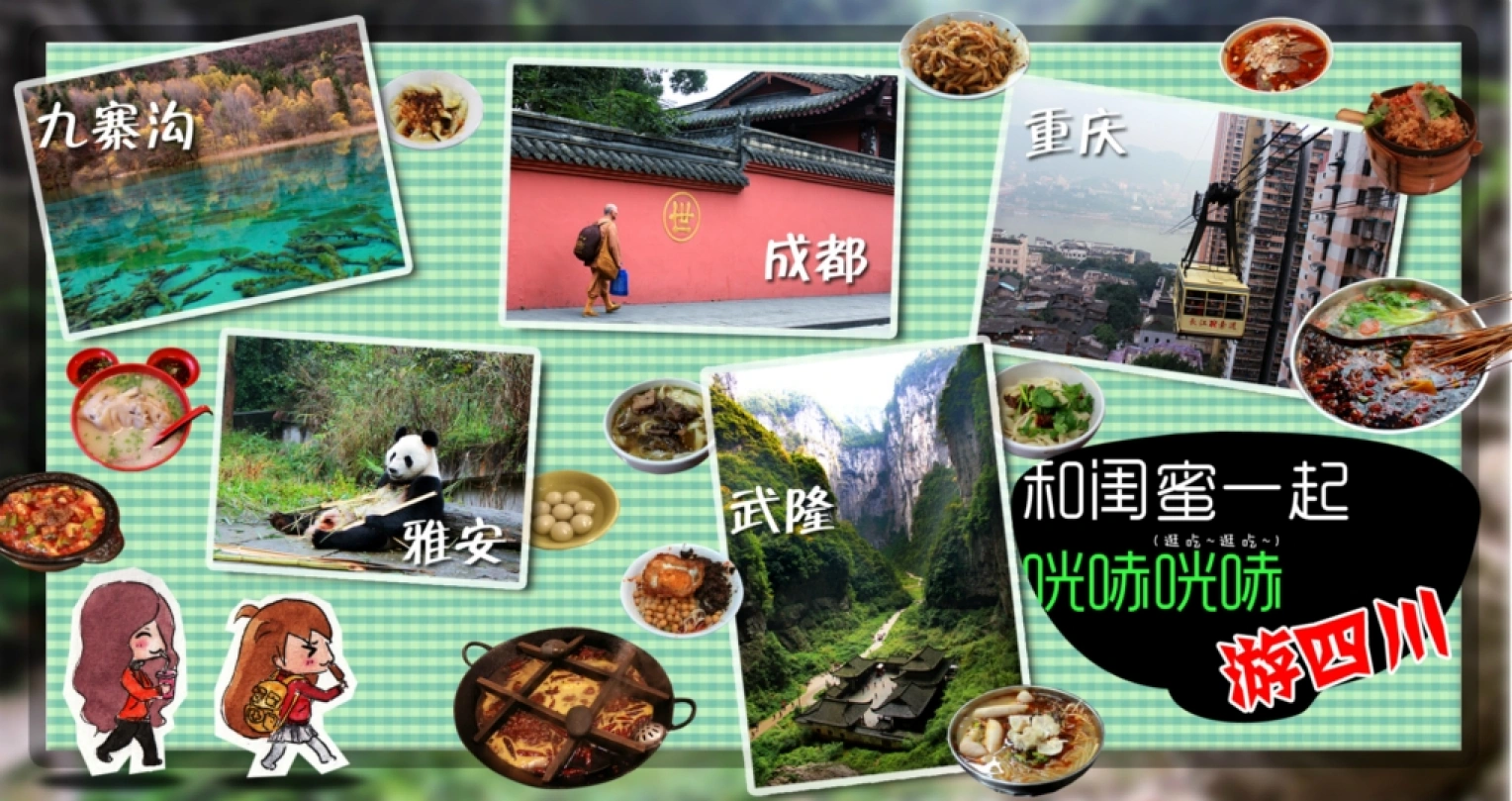
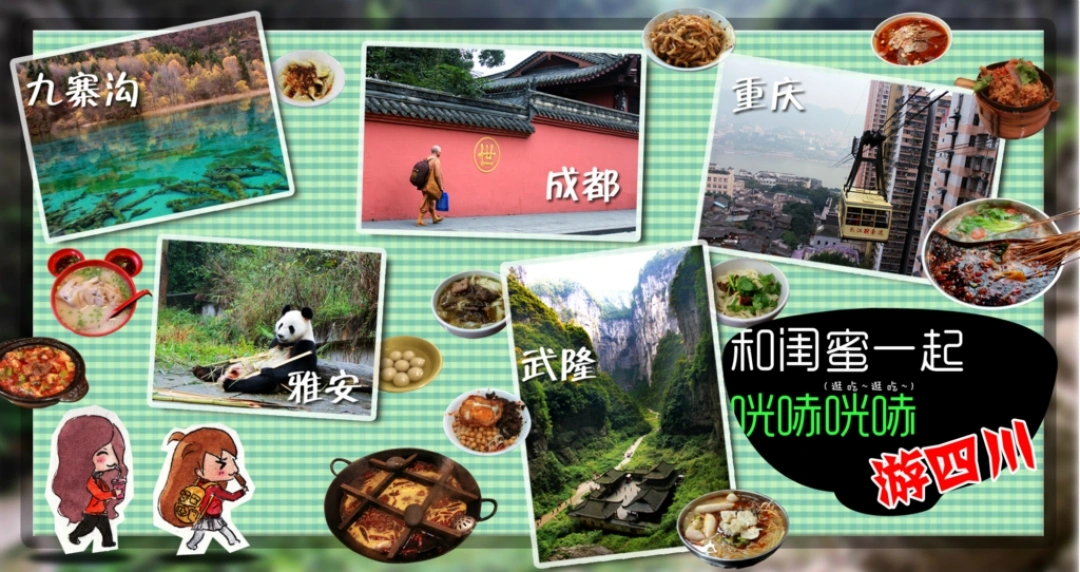
A Foodie Adventure Through Sichuan and Chongqing with My Bestie: A Feast for the Taste Buds and the Soul
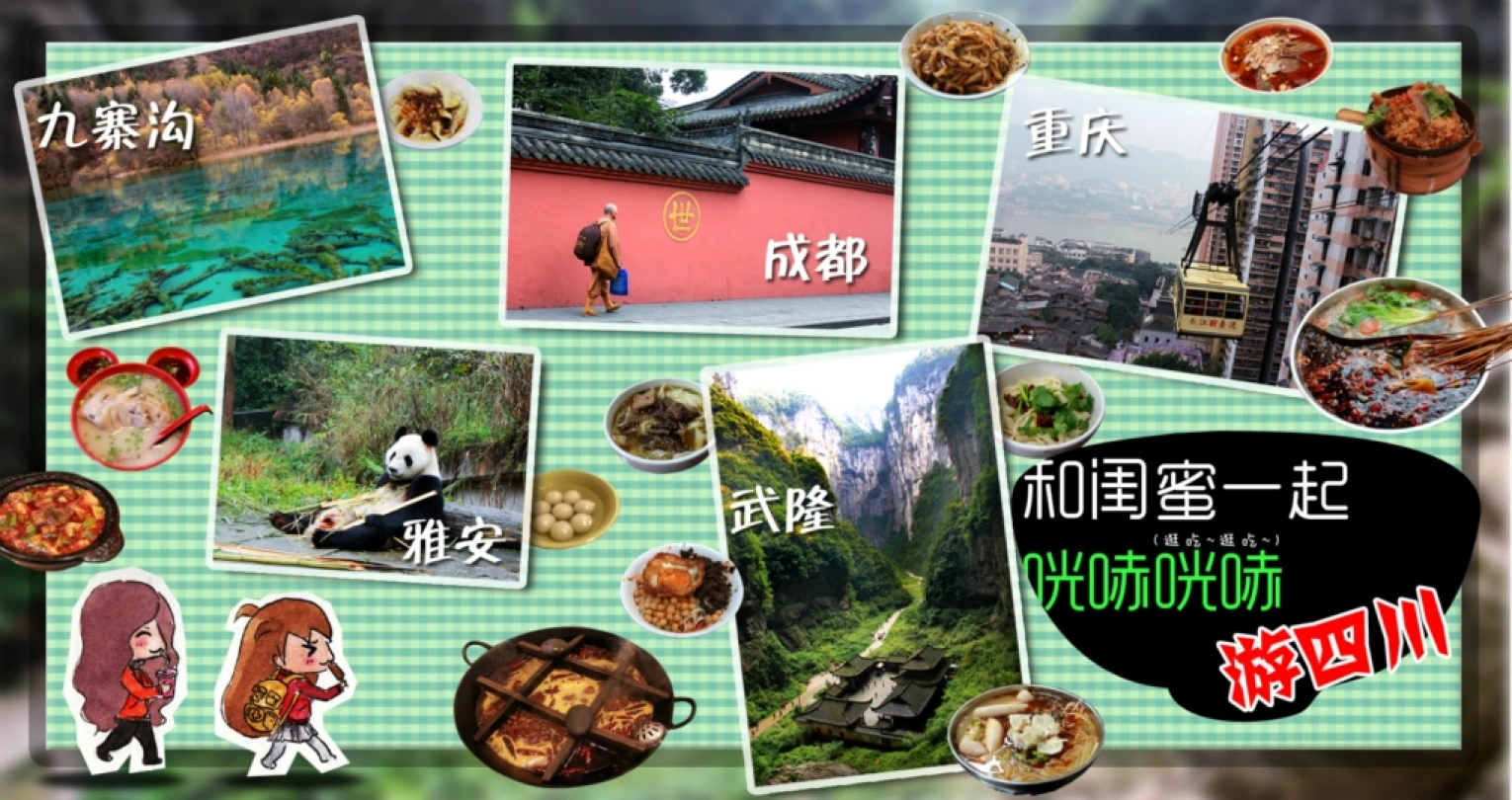
Meta Description: Discover the ultimate Sichuan and Chongqing foodie itinerary with your best friend. From fiery hotpot in Chongqing to panda encounters in Chengdu, this travel guide covers must-try dishes, hidden gems, and practical tips for an unforgettable Chinese culinary journey.
Introduction: Why a Sichuan and Chongqing Foodie Adventure Belongs on Your Bucket List
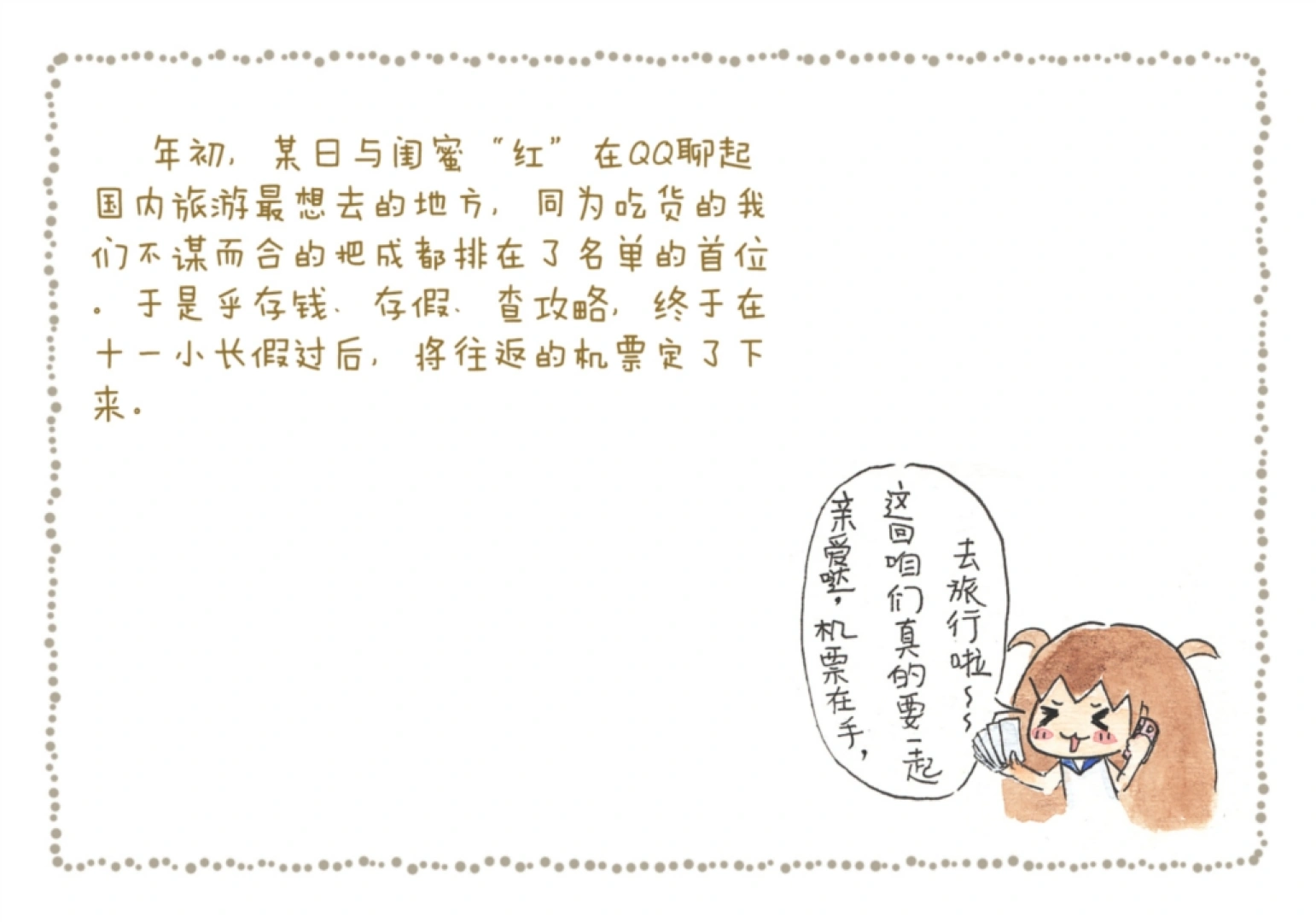
Have you ever felt that irresistible urge to escape the daily grind, grab your best friend, and embark on a journey where every meal is a celebration? That’s exactly what happened last June when my "starving princess" bestie and I spontaneously booked flights to Southwest China. No rigid itineraries, no packed schedules—just two free-spirited hearts and an insatiable appetite for authentic Sichuan cuisine.
Sichuan and Chongqing aren't just destinations; they're sensory overloads. The air smells of chili and Sichuan peppercorns. The streets hum with sizzling woks and laughter. And every corner holds a new flavor waiting to explode on your tongue. Whether you're a seasoned foodie or a curious traveler, this Sichuan travel guide will inspire your next bestie getaway.
What You'll Discover in This Article: - The best Chongqing hotpot spots for first-timers - How to experience Hongya Cave like a local - Where to find pandas in Chengdu without the crowds - Hidden food alleys that tourists often miss - Practical tips for navigating China's "8D magical city"
Chapter 1: Chongqing—Where Hotpot Reigns Supreme and Nightscapes Dazzle

1.1 Chongqing Hotpot: The Fiery Welcome You Won't Forget
The moment our plane touched down at Chongqing Jiangbei Airport, the humid air wrapped around us like a warm blanket infused with chili. My bestie dragged her suitcase with laser focus: "First meal. Hotpot. Non-negotiable."
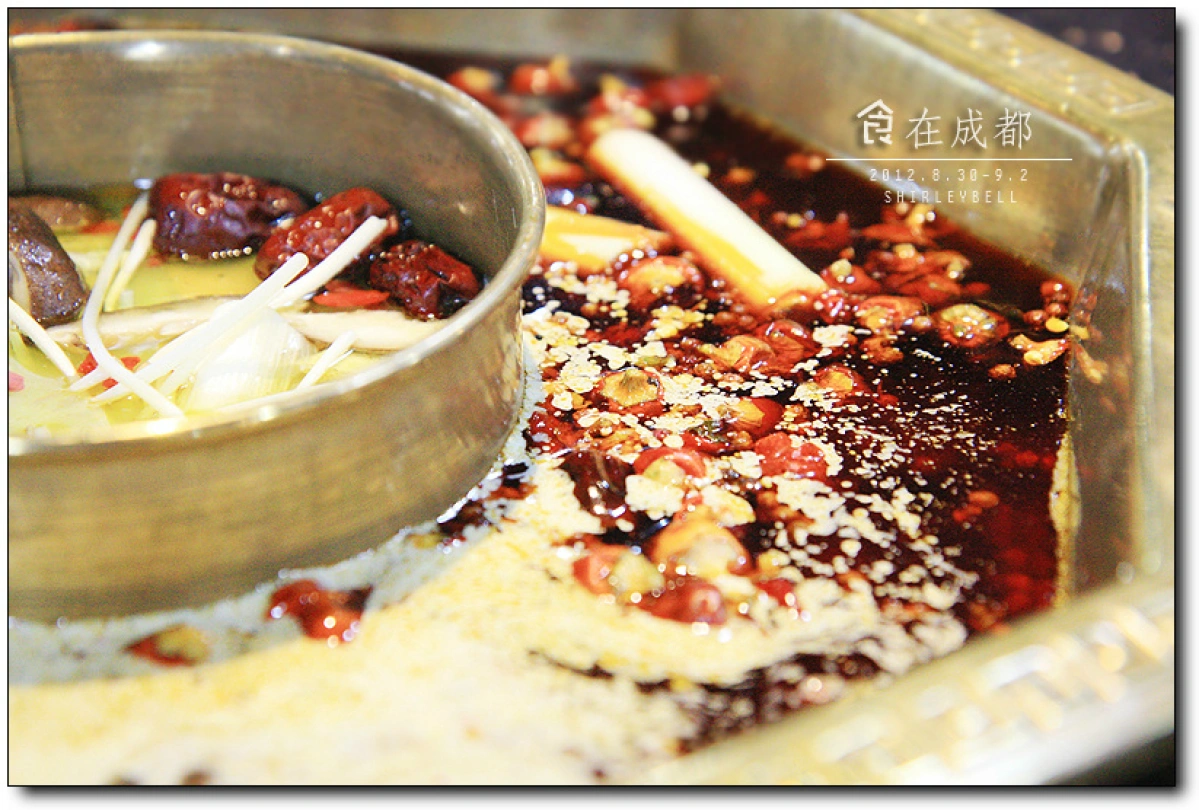
We headed straight to an old-school hotpot joint tucked in a narrow alley near Jiefangbei. No trendy décor. No fancy plating. Just a nine-grid iron pot, a fiery red beef tallow broth, and walls covered in Chongqing dialect graffiti. This is the authentic Chongqing food experience—raw, unapologetic, and unforgettable.
Our Ordering Mistake (And What You Should Learn): Confidently, we ordered "medium spicy." Big mistake. The first bite of beef tripe sent my bestie into tears—not from emotion, but from sheer heat! Yet, strangely, after the burn faded, the lingering numbness and rich beef tallow flavor made us reach for seconds. We chugged iced Coke while laughing at our stubbornness, eventually scraping the last bean sprout from the pot.
The owner chuckled: "Girls, next time order mild spicy. Medium is for locals!"
Chongqing Hotpot Ordering Guide: - Spice Levels: Mild (微辣), Medium (中辣), Extra Spicy (特辣). Start mild—you can always add more. - Must-Order Items: Pork brain (脑花) – silky like tofu; Dried mustard greens (贡菜) – crunchy and refreshing. - Pro Tip: Ask for a bowl of sesame oil with garlic and vinegar for dipping. It cools the heat and enhances flavors.
[Link: Best Chongqing hotpot restaurants for tourists]
1.2 Hongya Cave: A Real-Life "Spirited Away" Experience
Stuffed and satisfied, we strolled to Hongya Cave at night. It looks like a golden palace suspended by the river—stacked stilt houses glowing with warm yellow lights, reflected in the shimmering Jialing River. My bestie went full photographer mode: phone, camera, selfie stick all got a workout.
Hongya Cave at Night vs. Day: - Daytime: A regular commercial street with souvenir shops. - Nighttime: Pure magic. The lights transform everything.
What to Explore Floor by Floor: - 1st Floor: Snack stalls – grilled pork brain (烤脑花), hot and sour noodles (酸辣粉), ice jelly (冰粉). - 4th Floor: Handmade silver jewelry shop. My bestie bought a ring engraved with "Get Rich." - 11th Floor: Observation deck overlooking Qiansimen Bridge and Jiangbeizui. Standing there with the river breeze, my bestie sighed, "I wish we could live like this forever."
Hongya Cave Tips: - Free entry but extremely crowded during holidays. - Best time to visit: After 8 PM to avoid peak crowds. - Best photo spot: Chongqing Grand Theatre on the opposite bank for crowd-free shots.
[Link: Hongya Cave photography guide]
1.3 Mountain City Trails and the Light Rail Through a Building: Chongqing's "Magical Realism"
On day two, we explored Chongqing's legendary "magical transportation." First stop: Liziba Light Rail Station, where trains pass straight through a residential building. My bestie recorded, muttering, "Don't the residents find it noisy?" Surprise: the tracks and building are structurally separate with excellent soundproofing. Residents barely feel a thing.
The Mountain City Trail (山城步道): This plank road built along a cliff connects the upper and lower city. The steps were steep enough to make our legs tremble, but the scenery was worth it: - Sounds of mahjong tiles clacking from old apartments - Street vendors selling cold rice jelly (凉虾) and glutinous rice cakes (糍粑) - A lazy orange cat sunbathing on stone steps
Chongqing Navigation Tips: - GPS often goes haywire in this "8D magical city." Ask locals—they're friendly. - Wear comfortable flat shoes. There's almost no flat ground here.
[Link: Chongqing 8D city navigation hacks]
Chapter 2: Chengdu—Slow Living, Pandas, and Hidden Food Gems
2.1 Chengdu Panda Base: A Day of Being Melted by "Fluff Balls"
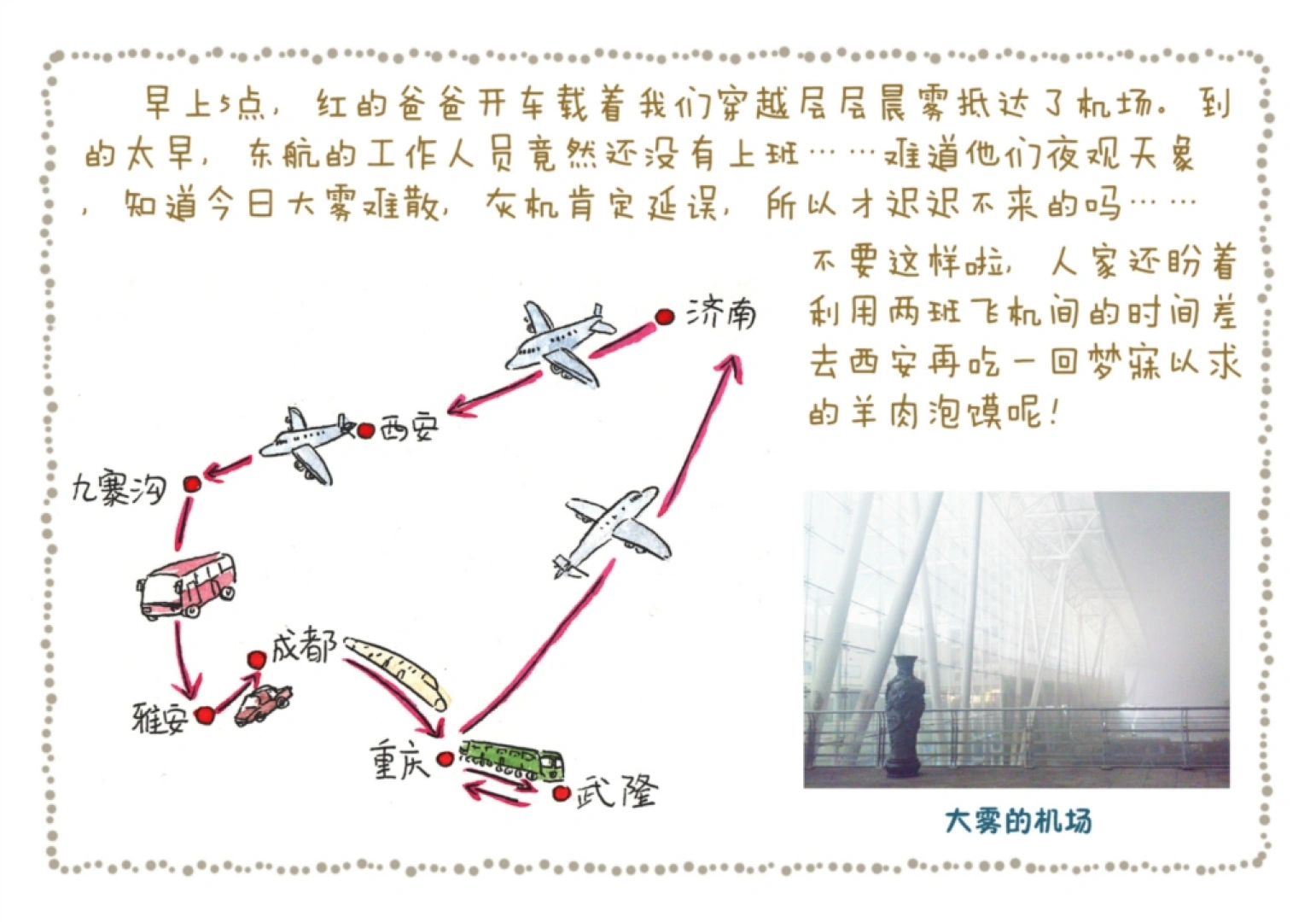
A quick 1.5-hour high-speed train from Chongqing brought us to Chengdu. We headed straight to the Chengdu Research Base of Giant Panda Breeding, determined to see "Hua Hua"—the panda famous for looking like a triangular rice ball. The queue was too long, so we only caught a distant glimpse. But the other pandas were adorable enough: some hung from trees sleeping, some chomped bamboo with satisfying crunching sounds, and two cubs tumbled around play-fighting.
Panda Base Tips: - Opening time: 7:30 AM. Arrive at opening and head straight to Moon Delivery Room and Sun Delivery Room for cubs. - Food inside: Expensive. Bring your own snacks. - Best time for active pandas: Early morning when it's cooler.
[Link: Chengdu panda base complete guide]
2.2 Kuanzhai Alley and Jinli: Commercialized "Local Flavor"
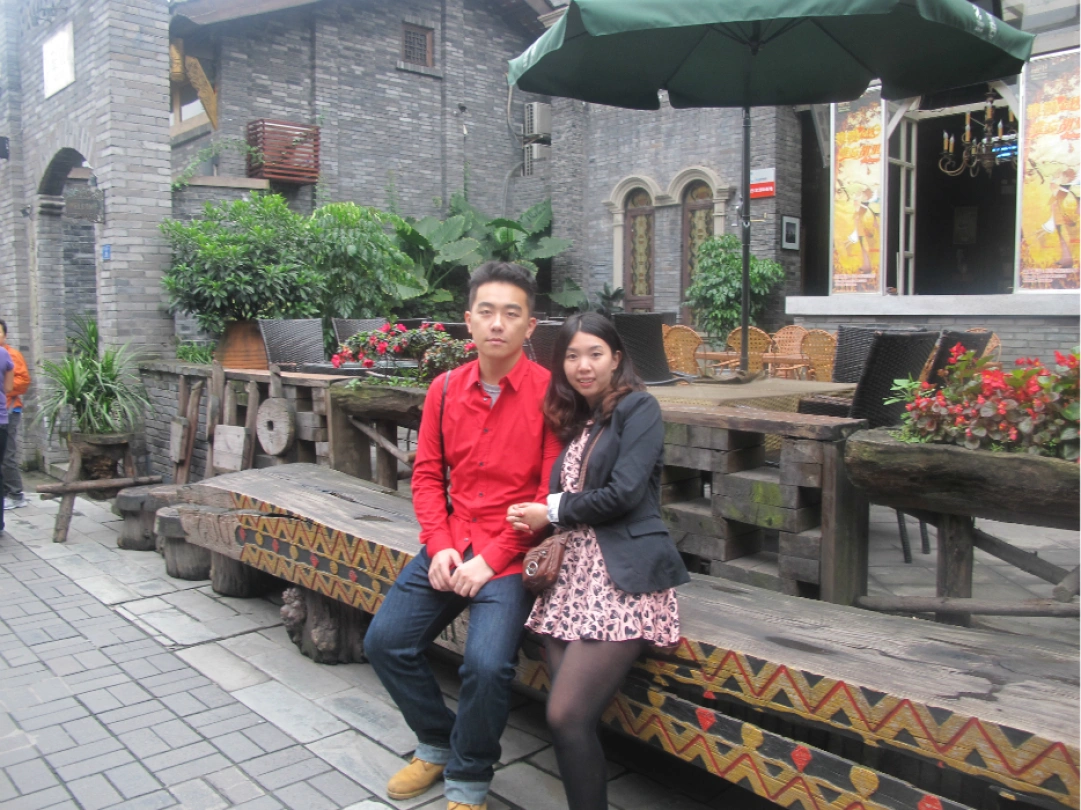
In the afternoon, we visited Kuanzhai Alley (宽窄巷子). Honestly, it's similar to other faux-ancient commercial streets across China—Yiwu trinkets and "Chengdu Memory" yogurt. But my bestie discovered a hidden teahouse deep in the alley with bamboo chairs, covered-bowl tea, and a face-changing performance. We ordered jasmine tea and sat in the courtyard, zoning out.
Jinli Ancient Street (锦里): Even livelier, with lanterns hanging high and snack stalls packed with people. We tried: - Three Cannonballs (三大炮) – glutinous rice dessert - Sugar-Oil Balls (糖油果子) – crispy and sweet - Cold Skewers in Chili Oil (钵钵鸡) – addictive - Sweet Water Noodles (甜水面) – thick as chopsticks, tossed in red oil and sesame paste. Sweet, spicy, chewy. My bestie declared: "Now this is the taste of Chengdu!"
Where to Eat Like a Local: - Kuanzhai Alley is great for photos. - For real food, head to Kuixinglou Street (奎星楼街) – hole-in-the-wall joints favored by locals. - Jinli's night scenery is beautiful but crowded. Watch your belongings.
[Link: Chengdu street food guide]
FAQ: Your Sichuan and Chongqing Foodie Questions Answered
1. What's the best time to visit Sichuan and Chongqing for food tourism?
Spring (March-May) and autumn (September-November) offer mild weather perfect for exploring. Summer is hot and humid but great for nighttime hotpot. Winter is chilly but less crowded.
2. Is Chongqing hotpot really that spicy?
Yes, but you control the heat. Start with mild (微辣) and work your way up. The numbing sensation from Sichuan peppercorns (麻) is different from chili heat (辣). Many first-timers find it addictive.
3. How do I get between Chongqing and Chengdu?
High-speed trains run frequently (every 15-30 minutes) and take about 1.5 hours. Book tickets in advance on Trip.com or at the station. [Link: Chongqing to Chengdu train guide]
4. What should I pack for a Sichuan food adventure?
- Comfortable walking shoes (lots of stairs in Chongqing)
- Antacids or digestive aids (rich food)
- Reusable water bottle (hydration is key)
- Wet wipes (for sticky fingers)
- Camera with good low-light performance (night scenes)
5. Can vegetarians enjoy Sichuan cuisine?
Absolutely! Many Sichuan dishes are vegetable-based. Look for mapo tofu (麻婆豆腐), kung pao vegetables, and cold noodles. Just confirm with restaurants that no meat broth is used.
Conclusion: Your Sichuan and Chongqing Foodie Adventure Awaits
This journey through Sichuan and Chongqing wasn't just about food—it was about connection. Connection with my bestie over shared bites of fiery hotpot. Connection with a culture that celebrates every meal as an event. Connection with moments that no camera could fully capture: the way she stuck out her tongue after a spicy bite, the stray cat we met on mountain paths, the ice cream we shared late at night on our hostel balcony.
Your Turn to Embark on This Adventure:
Whether you're a spice lover or a cautious eater, Sichuan and Chongqing have something for you. The key is to go with an open mind, an empty stomach, and your favorite person by your side.
Ready to plan your own foodie adventure? [Link: Ultimate Sichuan travel itinerary]
Pro Tip: Book your flights and accommodations at least 2-3 months in advance, especially during Chinese holidays. And don't forget to pack your sketchbook—some memories are best captured with pen and paper.
What's your must-try Sichuan dish? Share in the comments below!
Note: This article is based on a real travel experience. Prices and availability may vary. Always check current travel advisories and restaurant hours before visiting.
You may also like