A Family Road Trip Through Shu: A Thousand-Year Cultural Quest – Your Ultimate Sichuan Itinerary
Meta Description: Discover the ultimate family road trip through Sichuan (Shu) – from the Three Sus' Temple to Leshan Giant Buddha and Dujiangyan. A 7-day cultural journey blending history, food, and scenic wonders. Plan your trip now!
Introduction: Why a Family Road Trip Through Shu Is Unforgettable
When your tires roll across the land of Sichuan, you'll discover that this region—favored by the Creator—offers not only breathtaking natural wonders but also countless vivid historical stories and the warm glow of everyday life. Driving through the Chengdu Plain and along the banks of the Min River with our child, we embarked on a journey that combined majestic landscapes with a deep human touch. From the lingering ink fragrance of the Three Sus' Ancestral Temple in Meishan, to the solemn grandeur of the Leshan Giant Buddha, to the millennia-old wisdom of Dujiangyan—every stop was a living history lesson, and every bite of food a carnival for the taste buds.
This Sichuan family road trip itinerary is designed for parents who want to immerse their children in Chinese culture while enjoying the region's famous cuisine and scenery. Let's dive into the details.
Why Sichuan? The Secret of a Land Nurturing Brilliant Minds
Sichuan is nature's most generous gift. The clouds and mist around Mount Emei wrap it like a veil of silk, while the Golden Summit's Buddha light appears and disappears like a mirage. The turquoise lakes of Jiuzhaigou reflect colorful forests, and the calcified travertine pools spread like scattered jade. The Min River surges endlessly, nourishing the fertile Chengdu Plain and earning it the millennia-old title of "Land of Abundance." In spring, seas of rapeseed flowers stretch to the horizon; in autumn, waves of golden rice ripple with the joy of harvest.
But Sichuan's cultural heritage goes far beyond this. It is the cradle of literary giants—among the Eight Great Prose Masters of the Tang and Song Dynasties, three were born here: Su Xun, Su Shi, and Su Zhe, a father and his two sons. The "Immortal Poet" Li Bai set out from here to conquer the literary world, while the "Sage of Poetry" Du Fu left behind hundreds of timeless poems during his stay. The cobblestone paths of Kuanzhai Alley wind forward, the fragrance of covered-bowl tea wafts from old teahouses, and the magic of Sichuan opera's face-changing and the agility of shadow puppetry tell stories of a thousand years of everyday life. The Dujiangyan irrigation system has spanned over two millennia, and the wisdom of Li Bing and his son still nourishes the land today.
If Sichuan has a soul, it lies in the烟火 (fireworks and smoke) of its streets—the vibrant, bustling life of its people. The spicy, numbing aroma of hotpot rises with the heat of life; the richness of fuqi feipian (husband-and-wife lung slices) and the sweet fragrance of zhong shuijiao (Zhong-style dumplings) make every bite a feast for the senses. The people here embody both the leisurely pace of "slow living" and the bold spirit of "daring to venture"—the lively longmenzhen (casual chats) in teahouses and the hustle of office buildings together compose Sichuan's multifaceted symphony.
Essential 7-Day Sichuan Road Trip Itinerary for Families
Planning a family-friendly Sichuan road trip requires careful timing. Here's our tested 7-day, 6-night cultural exploration route:
| Day | Route | Highlights | Overnight |
|---|---|---|---|
| 1 | Shenyang → Chengdu → Meishan | Travel day, settle in | Meishan |
| 2 | Meishan → Leshan | Three Sus' Temple, Leshan Museum, Shangzhongshun Snack Street | Leshan |
| 3 | Leshan → Dujiangyan | Dujiangyan Irrigation System, Leshan Giant Buddha | Dujiangyan |
| 4 | Dujiangyan → Chengdu | Wuhou Shrine | Chengdu |
| 5 | Chengdu | Du Fu Thatched Cottage, Sichuan Museum, Eastern Suburb Memory, Kuanzhai Alley | Chengdu |
| 6 | Chengdu → Jiangyou → Jiuzhaigou | Li Bai's Hometown | Jiuzhaigou |
| 7 | Jiuzhaigou → Mianyang | Jiuzhaigou National Park | Mianyang |
| 8 | Mianyang → Guanghan → Chengdu → Shenyang | Sanxingdui Museum | Return |
Important Reminder: We missed the Panda Valley because we didn't buy tickets in advance—a costly lesson! For popular Sichuan attractions, book ahead. Wuhou Shrine is relatively easy to get tickets for, but others like Sanxingdui and Panda Valley require booking several days or even earlier. Follow official WeChat accounts or legitimate platforms, and avoid unofficial channels (we got burned on Xianyu).
[Link: How to book Sichuan attraction tickets in advance]
Meishan: The Poetic Homeland of the Three Sus
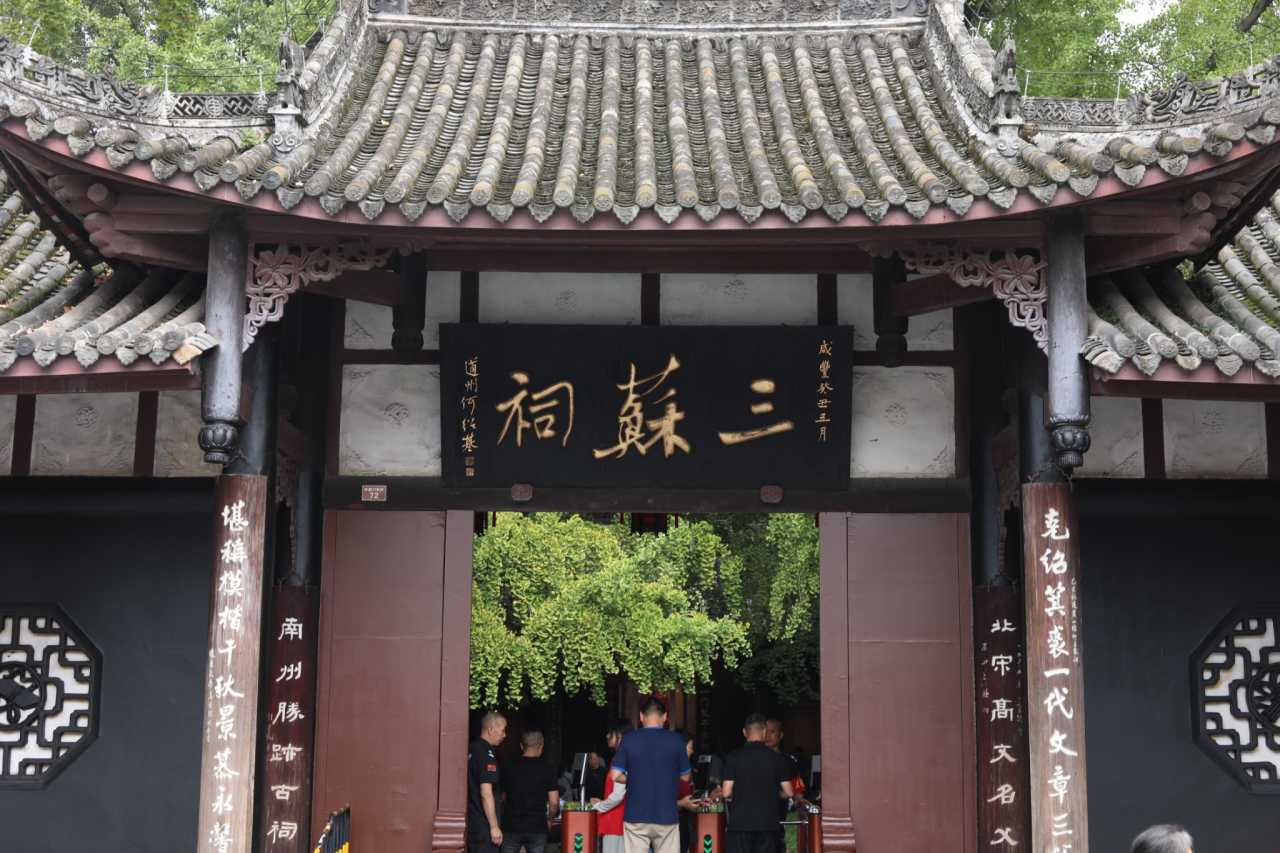
Three Sus' Ancestral Temple — A Must-Visit for Literature Lovers
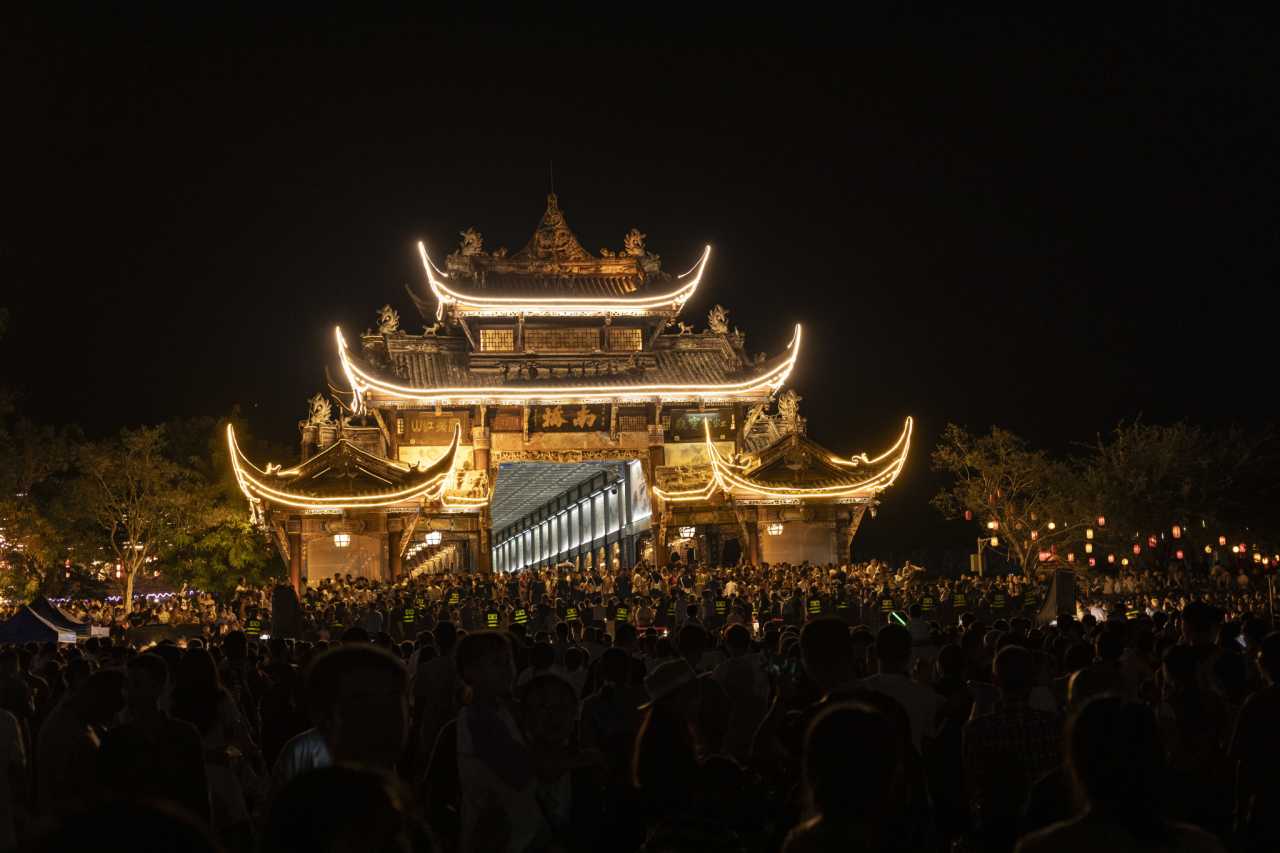
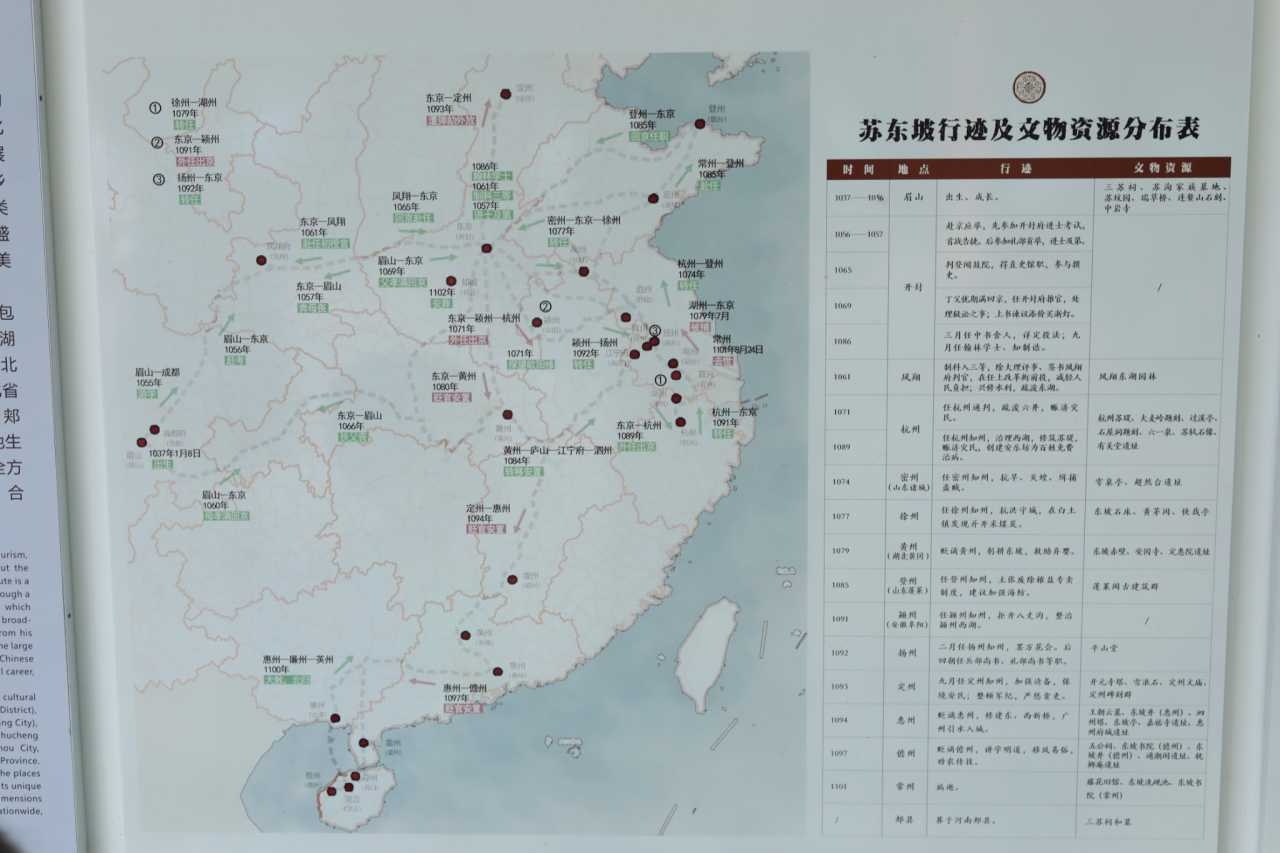
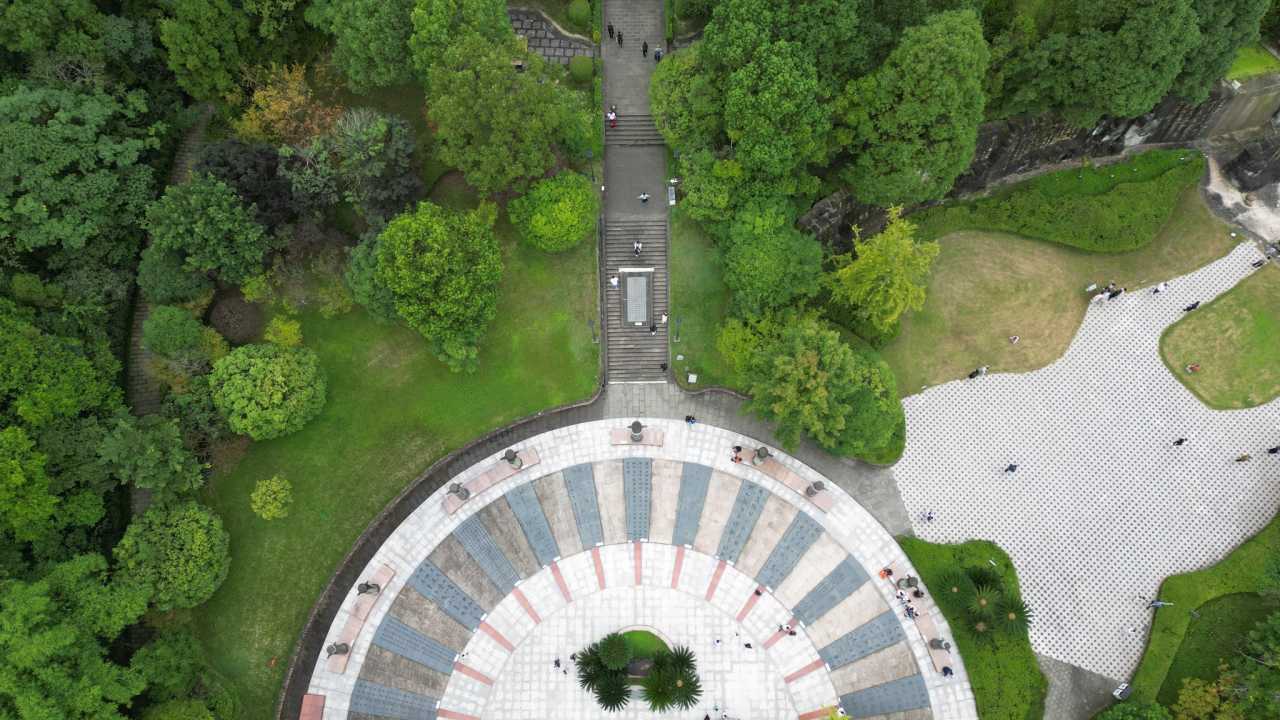
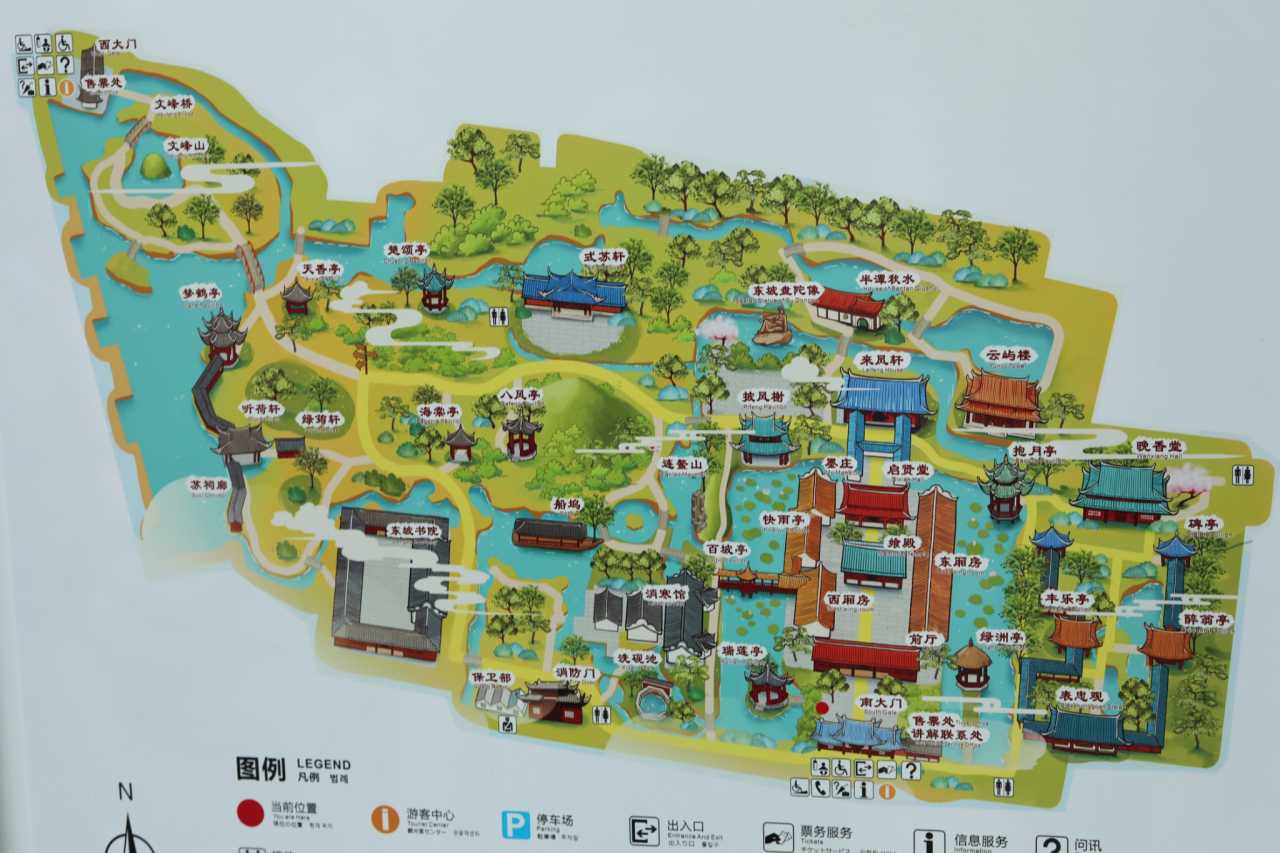
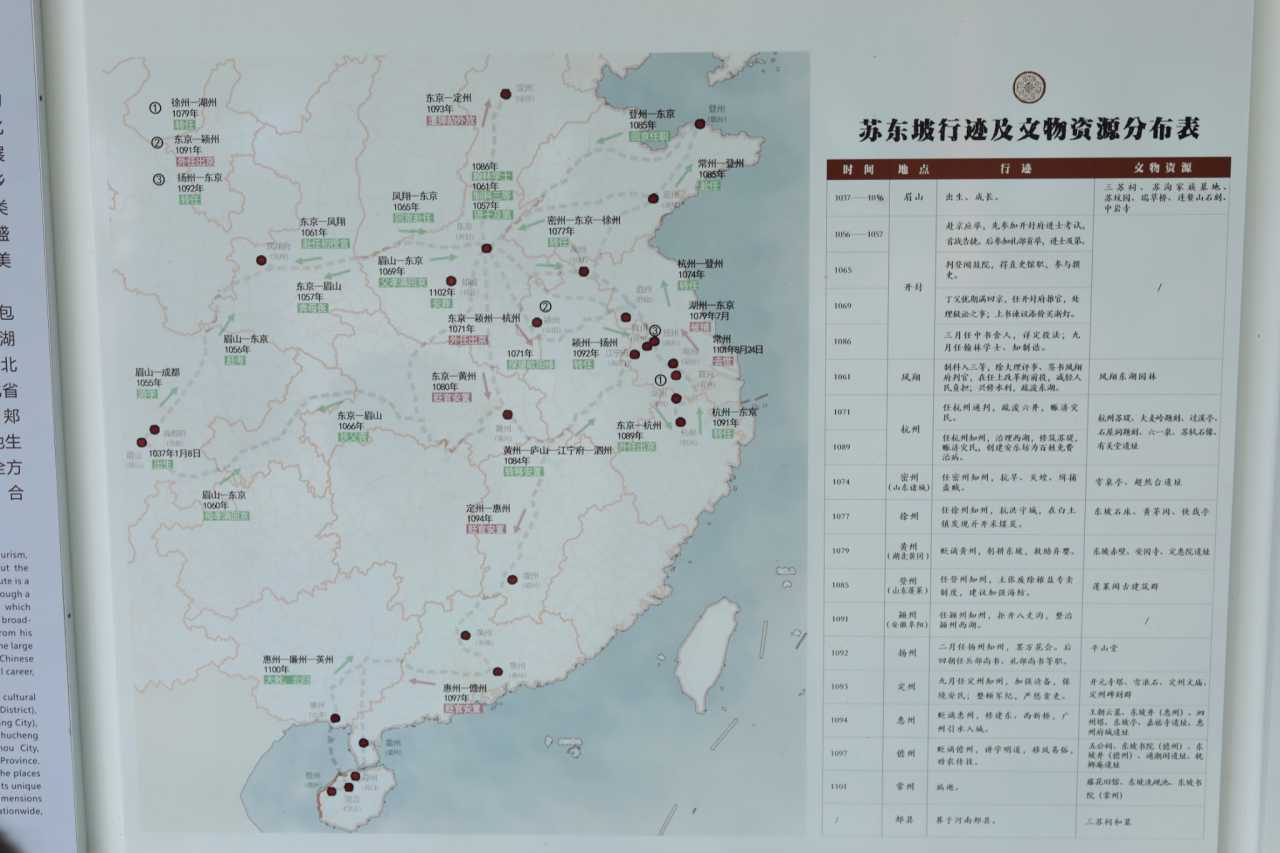
"One family, three father-and-sons; eight great prose masters of Tang and Song"—the Three Sus' Ancestral Temple is Meishan's most iconic attraction. At 40 yuan per person, the ticket is affordable, but its value far exceeds the price. Every blade of grass and every tree is steeped in poetry and artistry. As soon as you enter, you're greeted by a complete timeline of Su Shi's life. Anyone familiar with Su Shi knows that his unyielding integrity led to a life full of ups and downs, even requiring his brother Su Zhe to bail him out multiple times. It was precisely these tumultuous experiences that shaped the literary giant, giving him rich inspiration and colorful works across different places and periods.
Luckily, during the National Day holiday, elementary school student volunteers offered free guided tours. All four children did an excellent job, recounting background stories clearly and vividly. The leading girl was especially outstanding—confident, articulate, and she even led everyone in reciting Su Shi's classic poem "Prelude to Water Melody: How Long Will the Full Moon Appear?" These "little docents" themselves became a beautiful sight.
Don't-Miss Details at the Temple
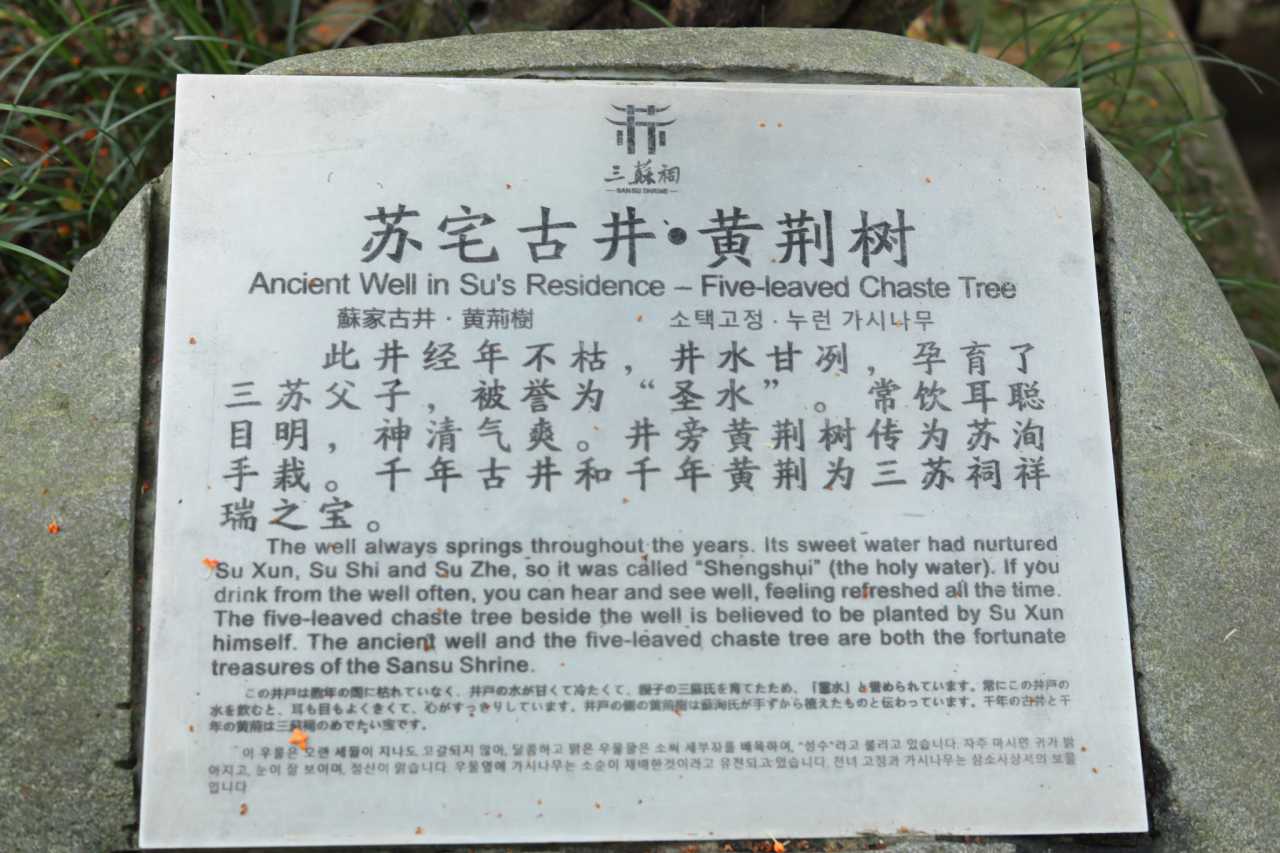
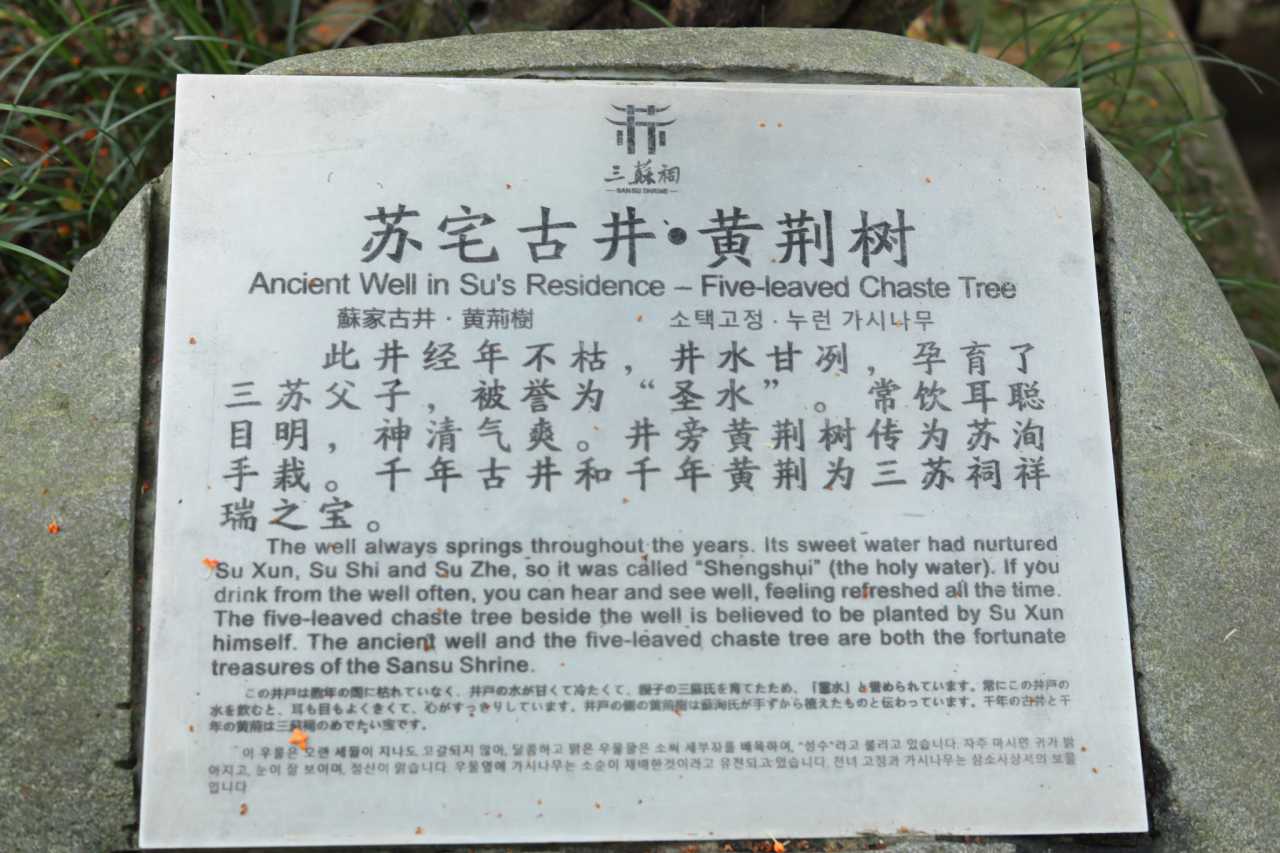
- The Ancient Well: This well, about 2-3 meters deep, nurtured several generations of the Su family. Now protected, it symbolizes the saying, "When you drink water, remember the one who dug the well."
- The Lychee Tree Root: When Su Shi left his hometown, friends planted a lychee tree for him. But he never returned to Meishan after that departure, and the tree withered away unknown years later, leaving only a thick, heavy root.
- The Driftwood Collection: Su Shi's father, Su Xun, loved oddly shaped driftwood. He bought pieces and placed them around the house, each with a unique, almost human-like form.
- Laifeng Pavilion: The bedroom and study of Su Shi and Su Zhe, originally called "Nanxuan" (South Pavilion) and renamed in the Qing Dynasty. The current structure was rebuilt during the Kangxi reign, measuring 21.66 meters across five bays, forming the final courtyard on the temple's central axis.
- Pifeng Pavilion: First built in the Southern Song Dynasty, the current structure was rebuilt in the 24th year of the Guangxu reign (1898). Its name is directly linked to Lu You's poem "Visiting the Pifeng Pavilion in Meizhou to Pay Homage to Su Shi's Portrait"—Lu You was Su Shi's biggest fan.
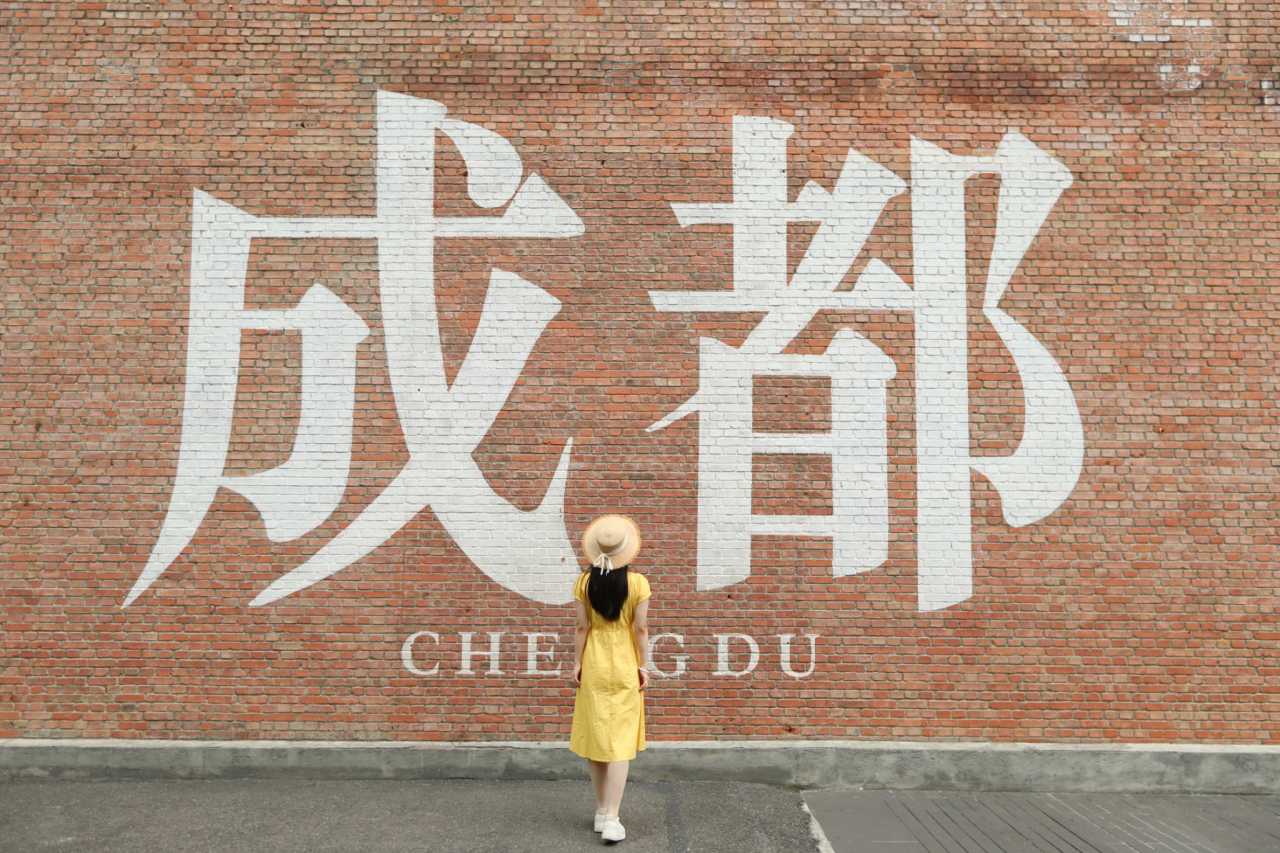
Su Shi's philosophy on living was, "I would rather eat without meat than live without bamboo." The serene environment of the temple, with its lush bamboo groves, perfectly embodies this ideal. Small waterfalls, streams, and pavilions—later generations have built Su Shi's hometown into a place as poetic as a painting.
[Link: Best family-friendly hotels in Meishan]
Leshan: A Dual Feast of Buddha Light and Culinary Delights
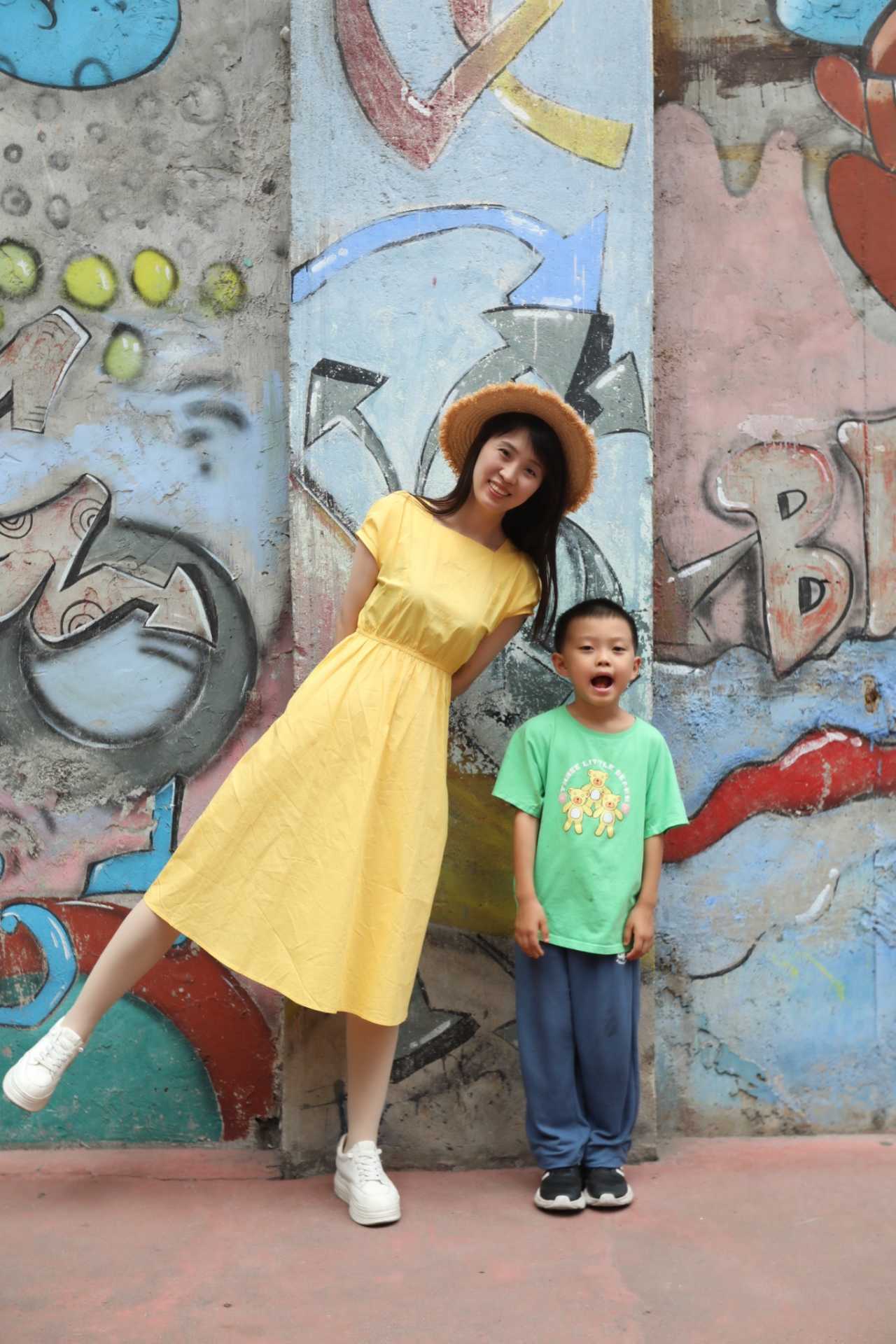
Leshan was historically known as Jiazhou or Jiazhou Prefecture. Only when you arrive do you realize that many so-called "Chengdu snacks" actually originated here. Sichuan locals have a saying: "Play in Chengdu, eat in Leshan"—and it's absolutely true.
Leshan Museum — The Past and Present of the Giant Buddha
Located next to the Leshan Giant Buddha plaza, the Leshan Museum is quite small, with three floors but only the first worth a detailed visit. It mainly tells the story of the Buddha's creation and subsequent restorations. The Buddha's head has over 1,000 buns (hair coils), each one quite large. Currently, the Buddha's nose remains black—likely because restoration work was followed by humid weather that soiled it again. The third floor features exhibits on Guo Moruo—turns out he was also from Leshan.
Historical Tidbit: Leshan was called "Nan'an County" from the Qin Dynasty to the Jin Dynasty. From the Song Dynasty onward, names like "Jiazhou" and "Jiazhou Prefecture" appeared. From the Qing Dynasty to the present, it was known as "Jiazhou Prefecture, Leshan County."
Leshan Giant Buddha — Engineering Marvel of the Ancient World
The Leshan Giant Buddha is a 71-meter-tall stone statue carved into a cliff face, dating back to the Tang Dynasty. It is the largest stone Buddha in the world and a UNESCO World Heritage Site. For families, taking a boat tour offers the best views without the strenuous climb. The Buddha's serene expression and the surrounding river scenery make for unforgettable family photos.
Shangzhongshun Snack Street — Where to Eat in Leshan

Don't miss Shangzhongshun Snack Street for authentic Leshan cuisine. Try the bobo ji (skewered chicken in spicy broth), qiao jiao niu rou (bridge-style beef), and the famous Leshan tofu nao (toofu pudding). This is where you'll understand why locals say "eat in Leshan."
[Link: Top 10 Leshan restaurants for families]
Dujiangyan: Ancient Wisdom That Still Works Today
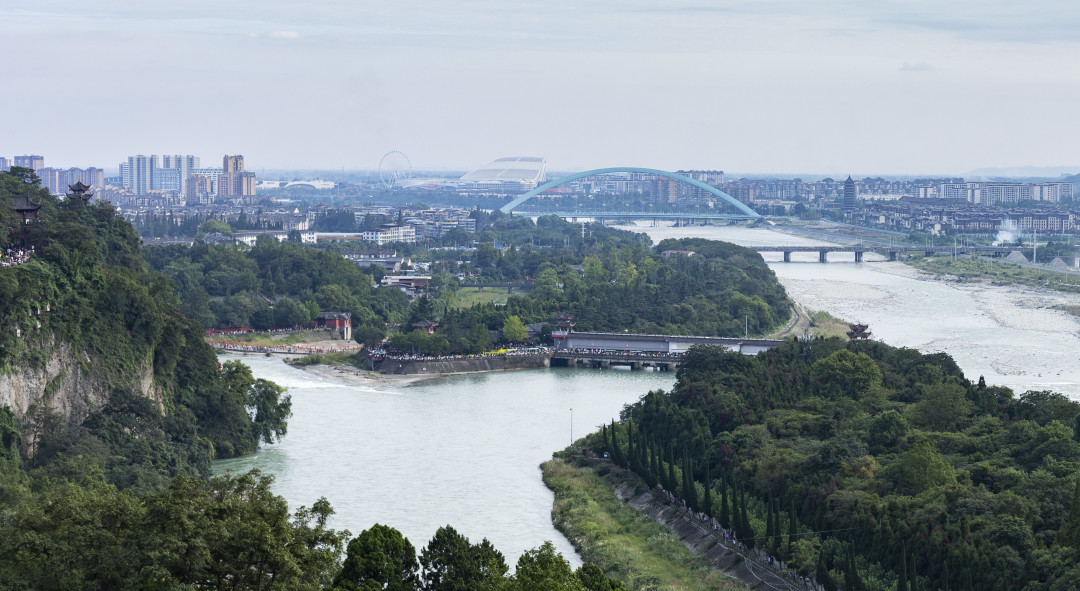
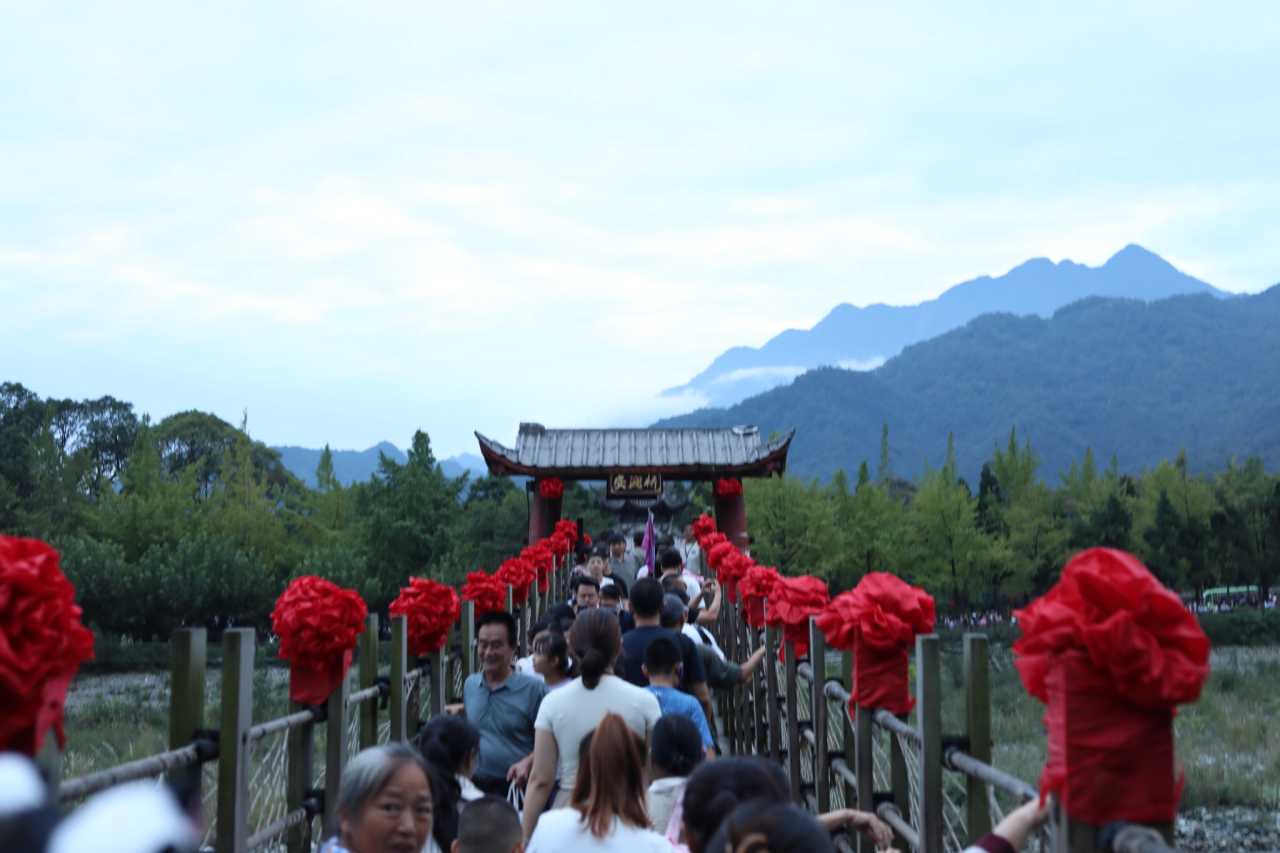
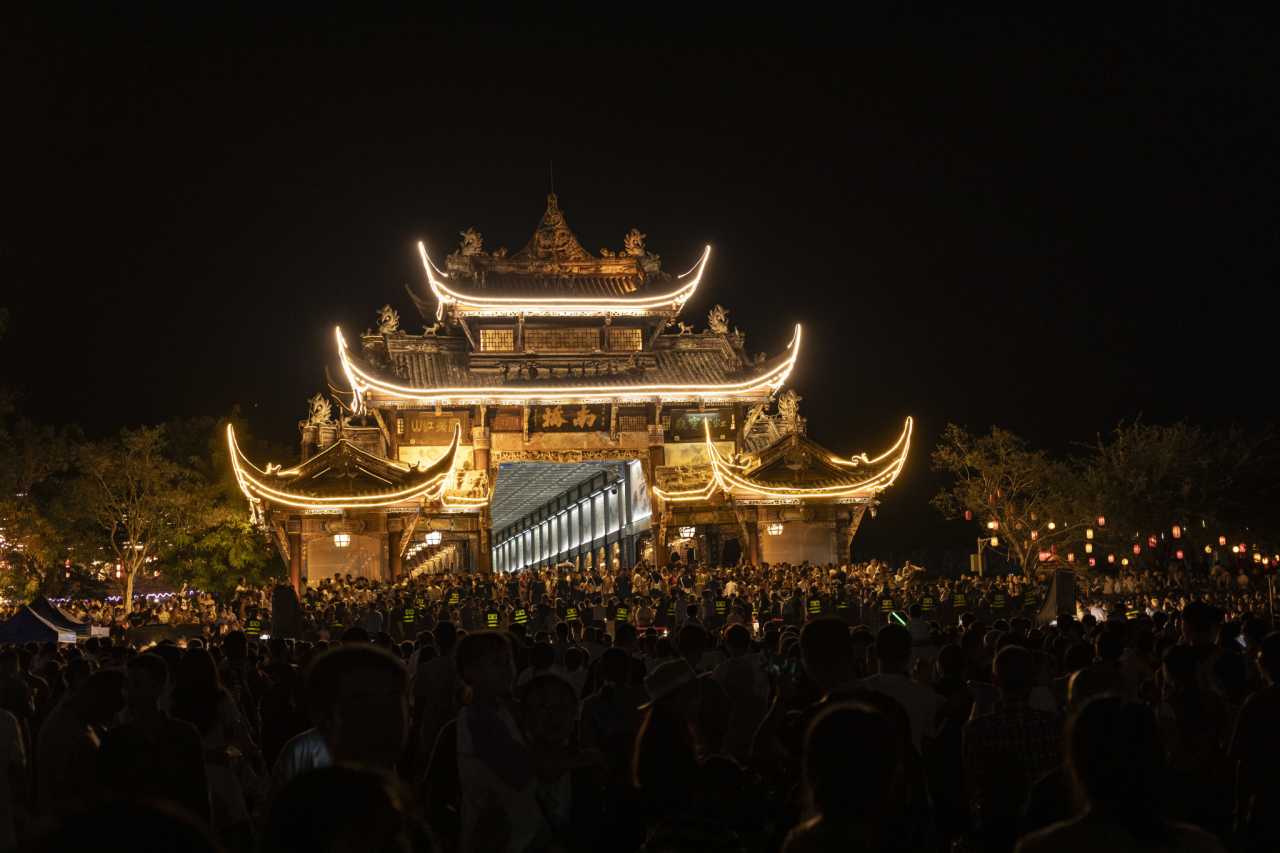
The Dujiangyan Irrigation System is a 2,200-year-old engineering masterpiece that still irrigates the Chengdu Plain today. Built by Li Bing and his son during the Qin Dynasty, it is a testament to ancient Chinese hydraulic engineering. Unlike many ancient structures, Dujiangyan is still in active use, making it a living piece of history.
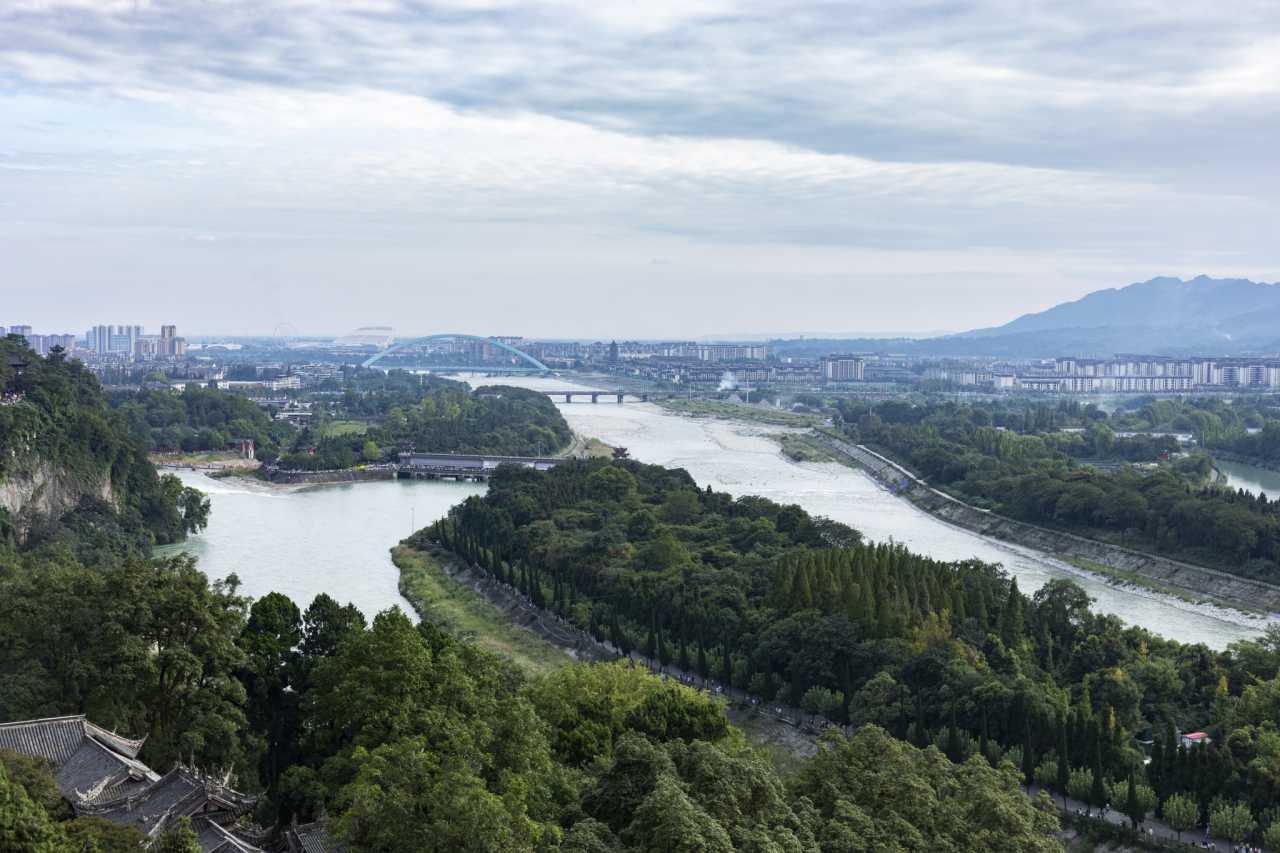
For families, the site offers easy walking paths, interactive exhibits, and stunning views of the Min River. Children will be fascinated by the "fish mouth" water-dividing structure and the "flying sand weir." The site is also less crowded than other Sichuan attractions, making it ideal for a relaxed family visit.
[Link: Dujiangyan family tour tips]
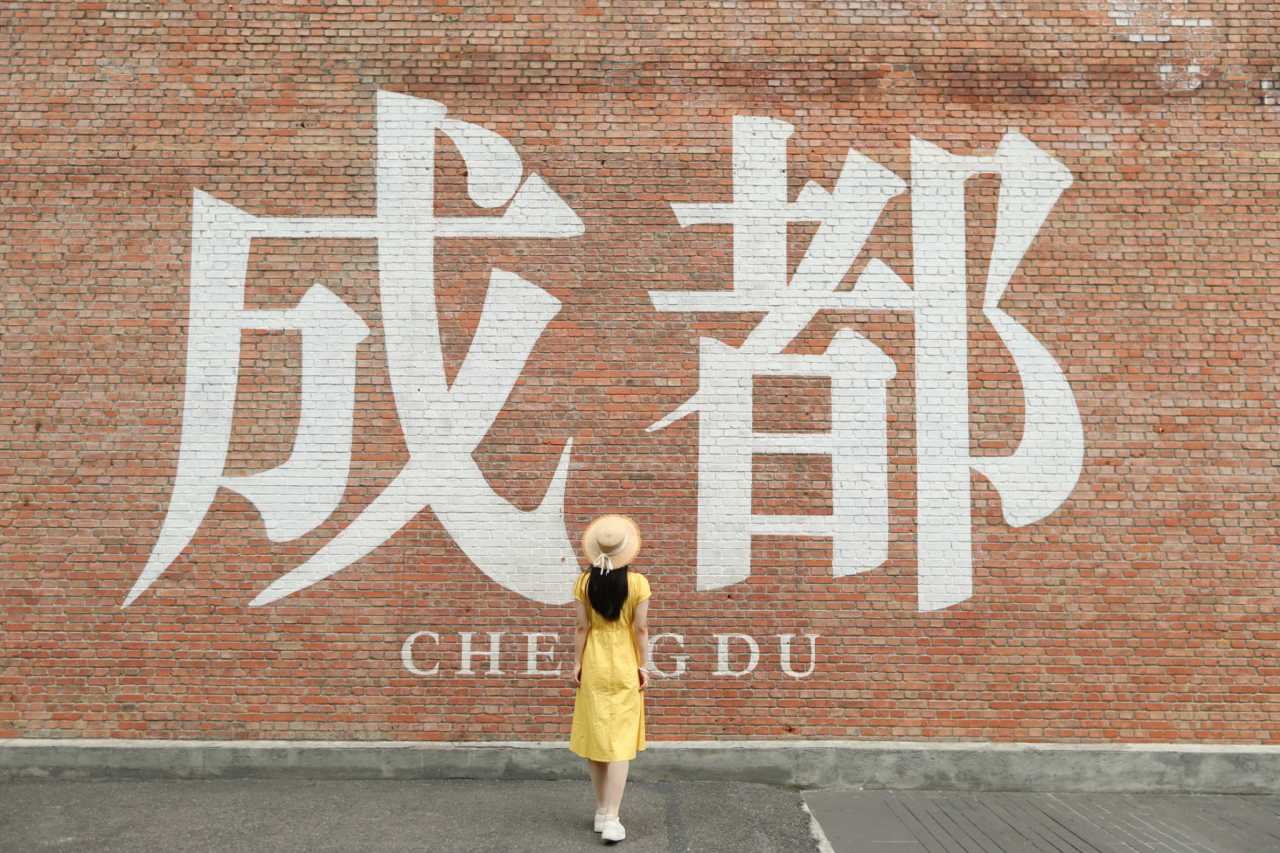
Chengdu: The Heart of Shu Culture
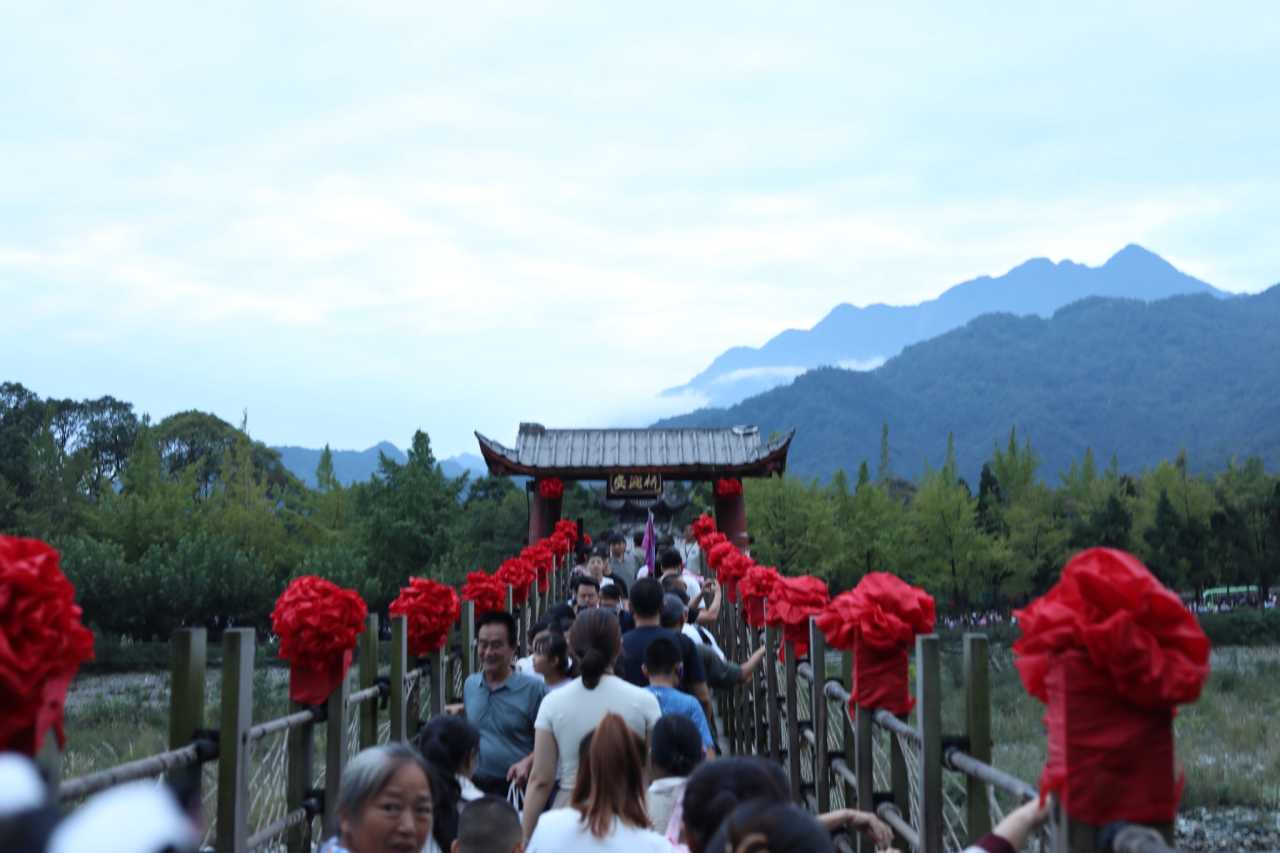
Wuhou Shrine — Honoring the Three Kingdoms
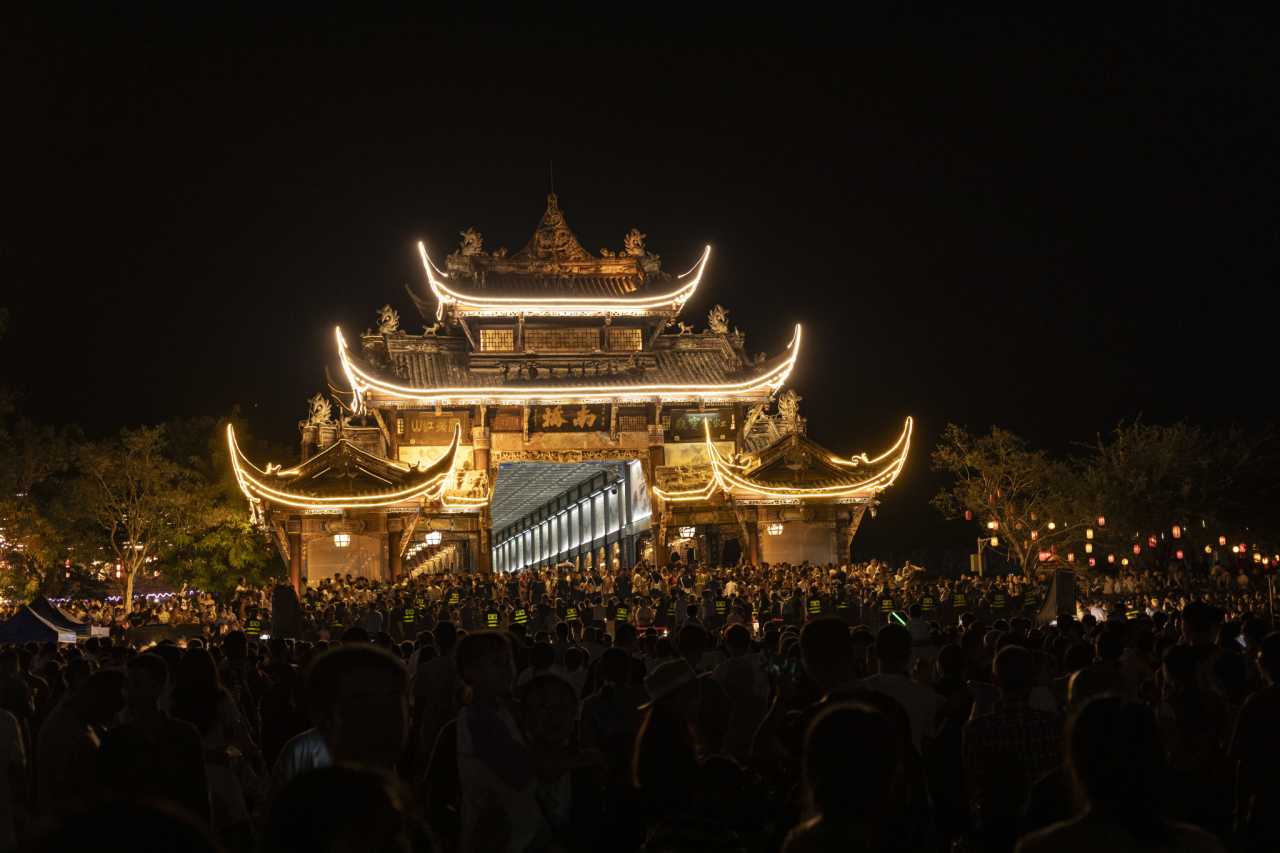
The Wuhou Shrine is dedicated to Zhuge Liang, the legendary strategist of the Three Kingdoms period. Located in the heart of Chengdu, it is a serene complex of temples, gardens, and statues. The shrine is relatively easy to get tickets for, even during peak season. Families will enjoy the detailed dioramas depicting famous battles and the peaceful atmosphere of the grounds.
Du Fu Thatched Cottage — A Poet's Sanctuary
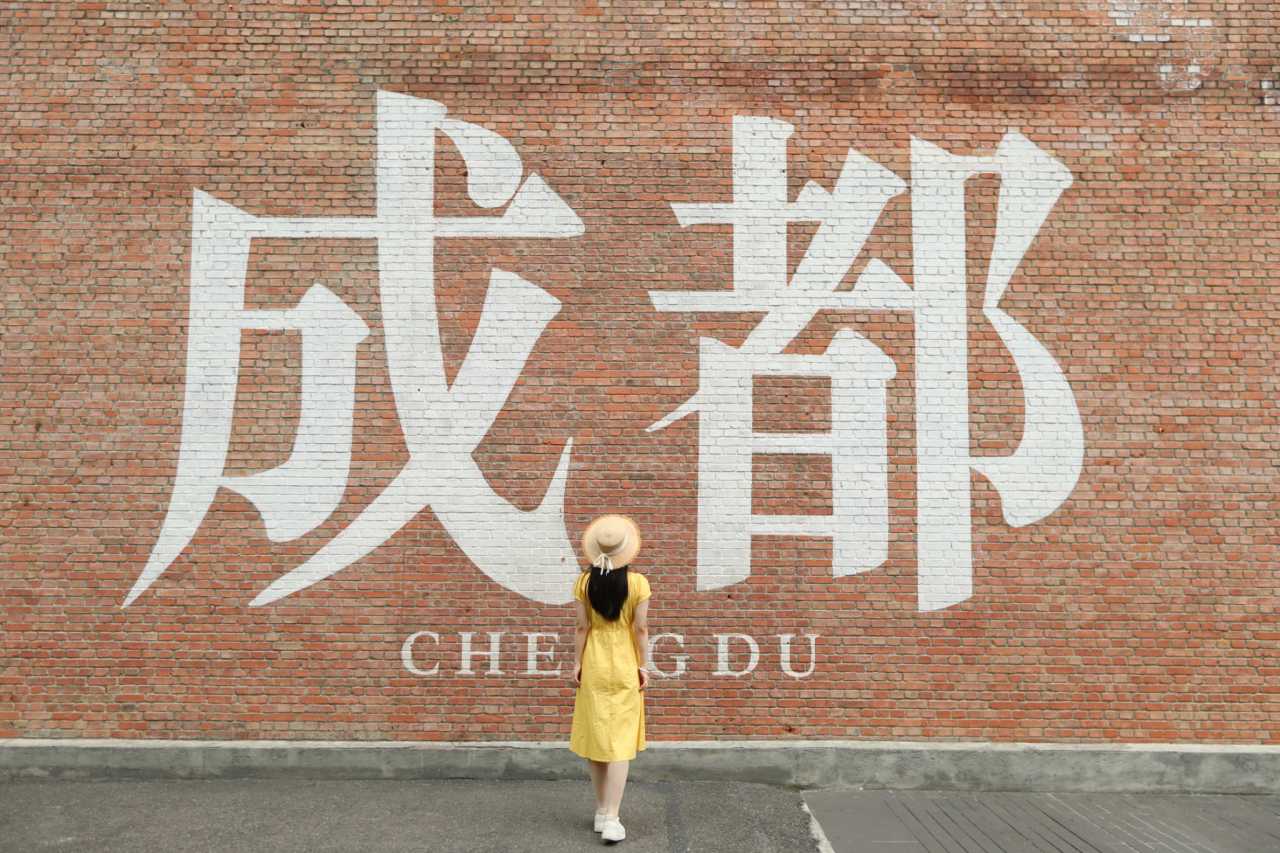
The Du Fu Thatched Cottage is where the "Sage of Poetry" Du Fu lived during his stay in Chengdu. The reconstructed cottage and gardens offer a glimpse into the poet's life and work. The site includes a museum with original manuscripts and calligraphy. It's a quiet, contemplative space perfect for introducing children to classical Chinese poetry.
Kuanzhai Alley — Chengdu's Cultural Heartbeat
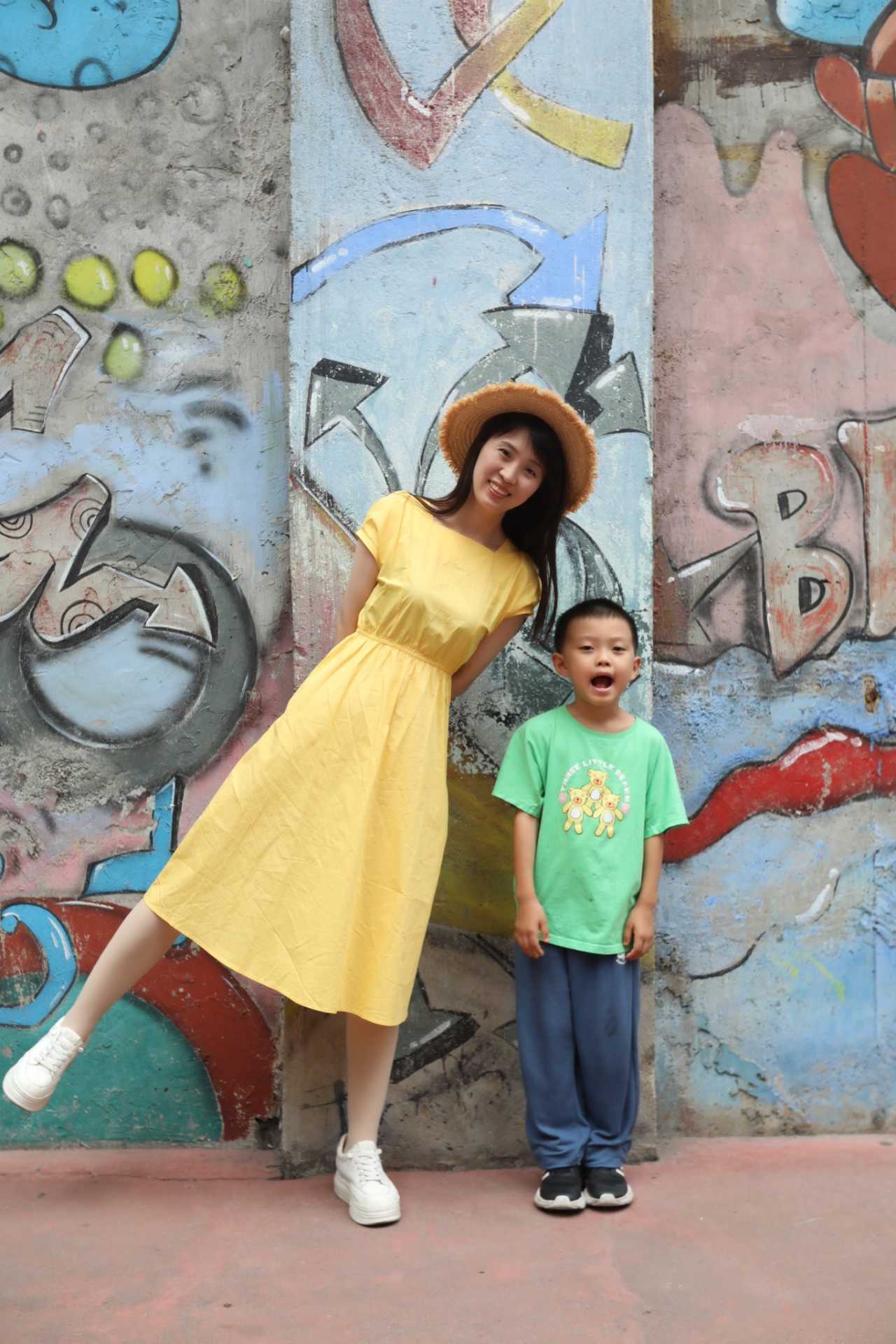
Kuanzhai Alley (Wide and Narrow Alley) is a pedestrian street that captures the essence of old Chengdu. With its traditional architecture, teahouses, and street food stalls, it's a perfect place for families to spend an afternoon. Watch Sichuan opera face-changing performances, try dan dan mian (spicy noodles), and let the kids enjoy traditional candied hawthorn skewers.
[Link: Family-friendly activities in Chengdu]
Jiuzhaigou: Nature's Masterpiece
Jiuzhaigou National Park is a fairy-tale landscape of turquoise lakes, multi-tiered waterfalls, and snow-capped peaks. The park is well-equipped for family visits, with shuttle buses connecting major viewpoints. The best time to visit is autumn (October) when the forests are ablaze with color.
Pro tip: Book your Jiuzhaigou tickets at least two weeks in advance during peak season. The park limits daily visitors, and tickets sell out quickly.
[Link: Jiuzhaigou travel guide for families]
Sanxingdui: Uncovering Ancient Shu Civilization
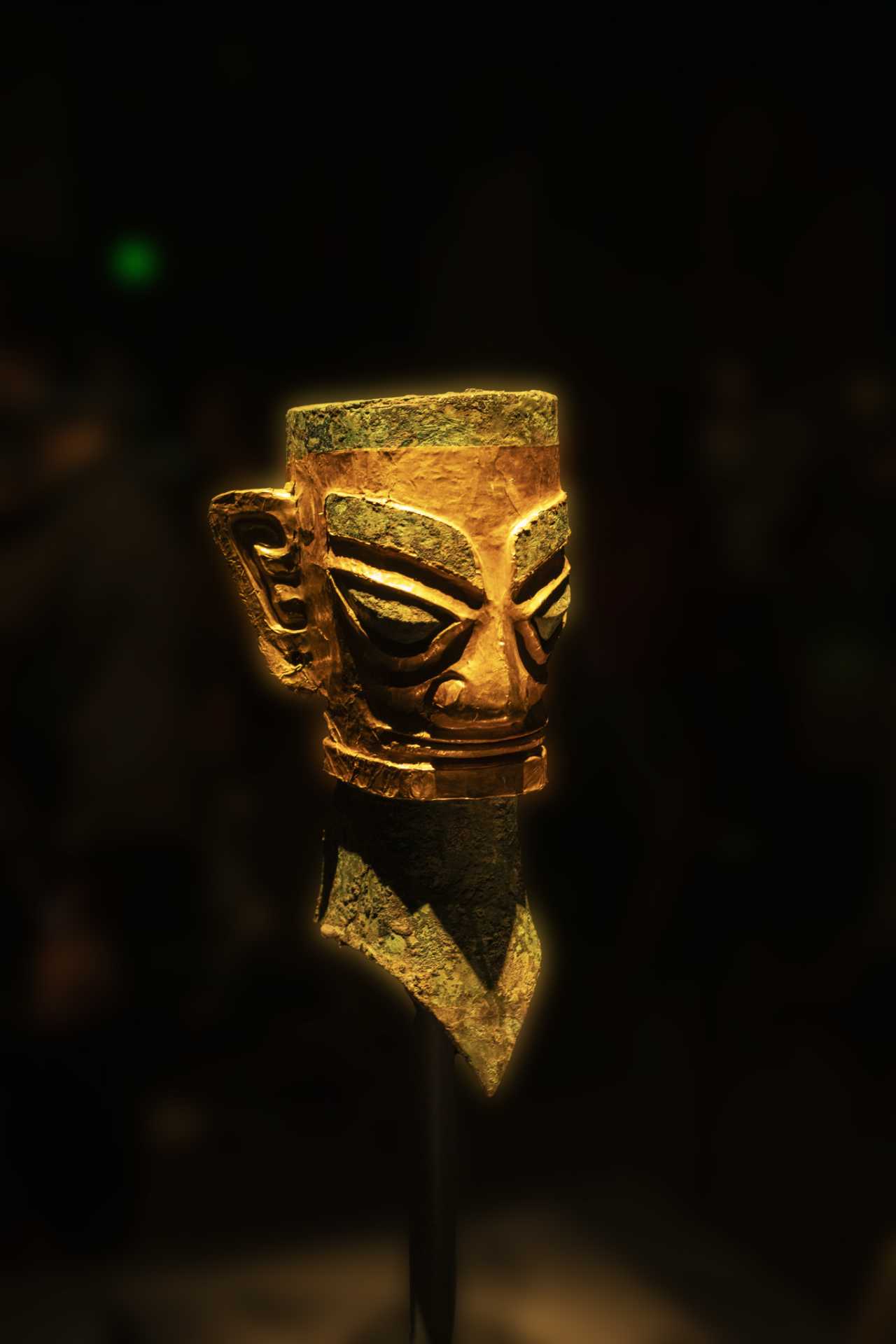
The Sanxingdui Museum in Guanghan is one of China's most important archaeological sites. The Bronze Age artifacts discovered here—including massive bronze masks, gold foil, and jade objects—reveal a sophisticated civilization that flourished over 3,000 years ago. The museum is fascinating for both adults and children, with dramatic lighting and well-designed exhibits.
Important: Sanxingdui tickets are extremely competitive. Book at least 5-7 days in advance through the official WeChat account.
[Link: Sanxingdui ticket booking guide]
Frequently Asked Questions About Sichuan Family Road Trips
Q1: When is the best time for a family road trip through Sichuan?
The best times are spring (March-May) and autumn (September-November). Spring offers blooming rapeseed flowers, while autumn provides colorful foliage in Jiuzhaigou. Summer can be hot and humid in Chengdu, while winter brings cold temperatures and potential snow in mountainous areas.
Q2: How do I book tickets for popular Sichuan attractions?
Most attractions require advance booking through official WeChat accounts or platforms like Trip.com. For Sanxingdui and Panda Valley, book at least 5-7 days ahead. For Jiuzhaigou, book 2 weeks in advance during peak season. Avoid unofficial resellers like Xianyu.
Q3: Is Sichuan food too spicy for children?
Not necessarily! While Sichuan cuisine is known for its heat, many dishes can be ordered "mild" (微辣). Children will love dan dan mian (spicy noodles), zhong shuijiao (dumplings), and bobo ji (skewers). Many restaurants offer non-spicy options like steamed buns, fried rice, and noodle soups.
Q4: How long does it take to drive between major Sichuan destinations?
- Chengdu to Meishan: 1.5 hours
- Meishan to Leshan: 1 hour
- Leshan to Dujiangyan: 2 hours
- Dujiangyan to Chengdu: 1.5 hours
- Chengdu to Jiuzhaigou: 6-7 hours (consider a stop in Jiangyou)
Q5: What should I pack for a Sichuan family road trip?
Pack layers (especially for Jiuzhaigou), comfortable walking shoes, a reusable water bottle, sunscreen, and a hat. Bring snacks for long drives, and download offline maps since some mountain areas have limited cell service.
Final Thoughts: Why This Shu Road Trip Is Worth Every Mile
This Sichuan cultural road trip is more than just a vacation—it's a journey through time, taste, and tradition. From the poetic legacy of Su Shi in Meishan to the engineering genius of Dujiangyan, from the serene majesty of the Leshan Giant Buddha to the vibrant streets of Chengdu, every stop offers a unique window into China's rich heritage.
For families, the combination of history, nature, and food creates an unforgettable experience. Your children will return home with stories of ancient poets, giant Buddhas, and the best noodles they've ever eaten. And you'll leave with a deeper appreciation for the "Land of Abundance" and its enduring spirit.
Ready to plan your own Shu road trip? Start by booking your flights to Chengdu and securing tickets for Sanxingdui and Jiuzhaigou. Then, follow our itinerary for a seamless, stress-free adventure. The road through Sichuan is waiting—and it promises to be the journey of a lifetime.
[Link: Book your Sichuan road trip package] [Link: Rent a car in Chengdu for family travel]
Have you taken a family road trip through Sichuan? Share your tips and favorite stops in the comments below!
You may also like


