A Brief Account of Western Sichuan: Finding the Courage to Dream Again, Between Snowy Peaks and Wilderness
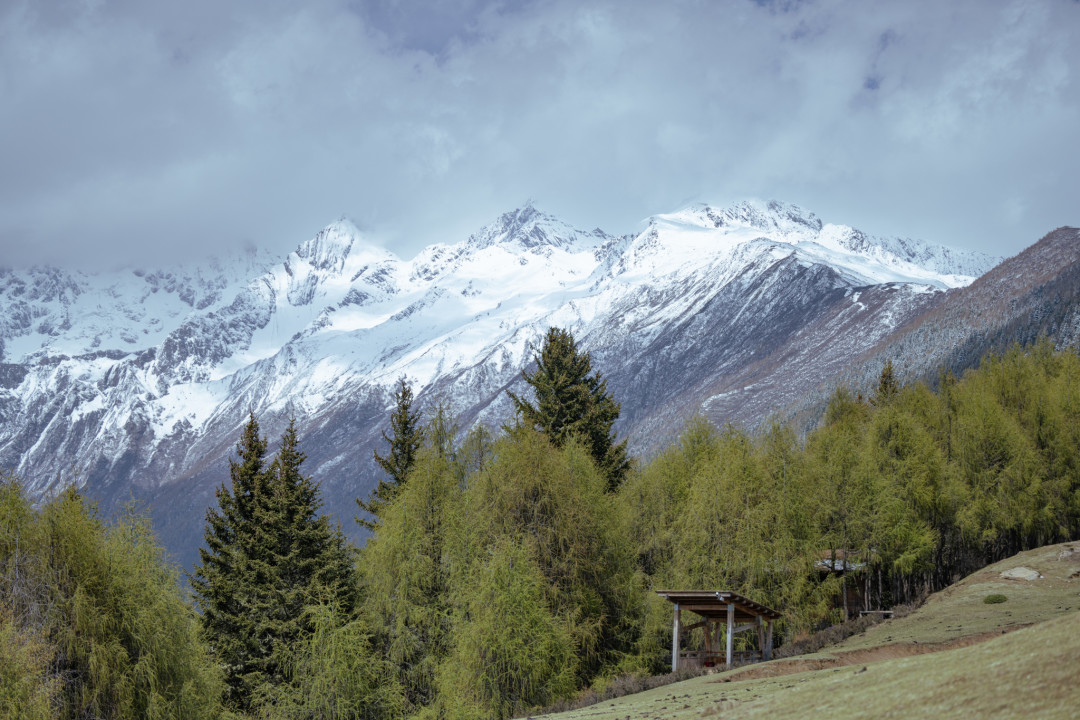
Meta Description: Discover the ultimate Western Sichuan travel guide—from Lianbao Yeze to Shuangqiaogou. Learn how one traveler found courage to dream again amidst snowy peaks and wilderness. Plan your 2025 adventure now.
"This short life—we will eventually lose it all. So why not be bold? Love someone, climb a mountain, chase a dream."
Those words have struck my heart countless times in the dead of night. From 2021 to 2023, every single year I dreamed of the same place: Western Sichuan (川西). I pored over travel guides again and again, memorizing every route on the map until I could almost recite them by heart. But every time I resolved to go, reality pressed the pause button. Until the spring of 2024, when I finally told myself: No more waiting.
The Confidence to Leave on a Whim: How I Finally Made It to Western Sichuan
The day the May Day holiday schedule came out, a colleague volunteered to cover my shift. Five days off—like a gift dropped from heaven. I immediately contacted "Walking China" (徒步中国), hoping to tackle the Changchuanbi Trail (长穿毕线路) I'd been longing for. But they weren't even running that route during the holiday. Just as disappointment set in, I remembered a photographer friend who was planning a self-drive trip through Western Sichuan. He'd left three days ahead of me. If I caught up, I'd only join him for the second half of his journey.
Looking back now, that decision couldn't have been more right. When you travel alone, the hardest thing is getting decent photos of yourself. Traveling with two photographers meant having four eyes that could spot beauty—and that in every frame of scenery, I could also be in the picture.
Pre-Trip Preparations: Every Small Detail Shows Respect for the Journey
In May, Western Sichuan's temperatures are far from gentle. I agonized over whether to camp, but when I heard it might snow throughout the holiday, I decisively abandoned the tent. I only stuffed crampons into my backpack—after all, safety always comes first.
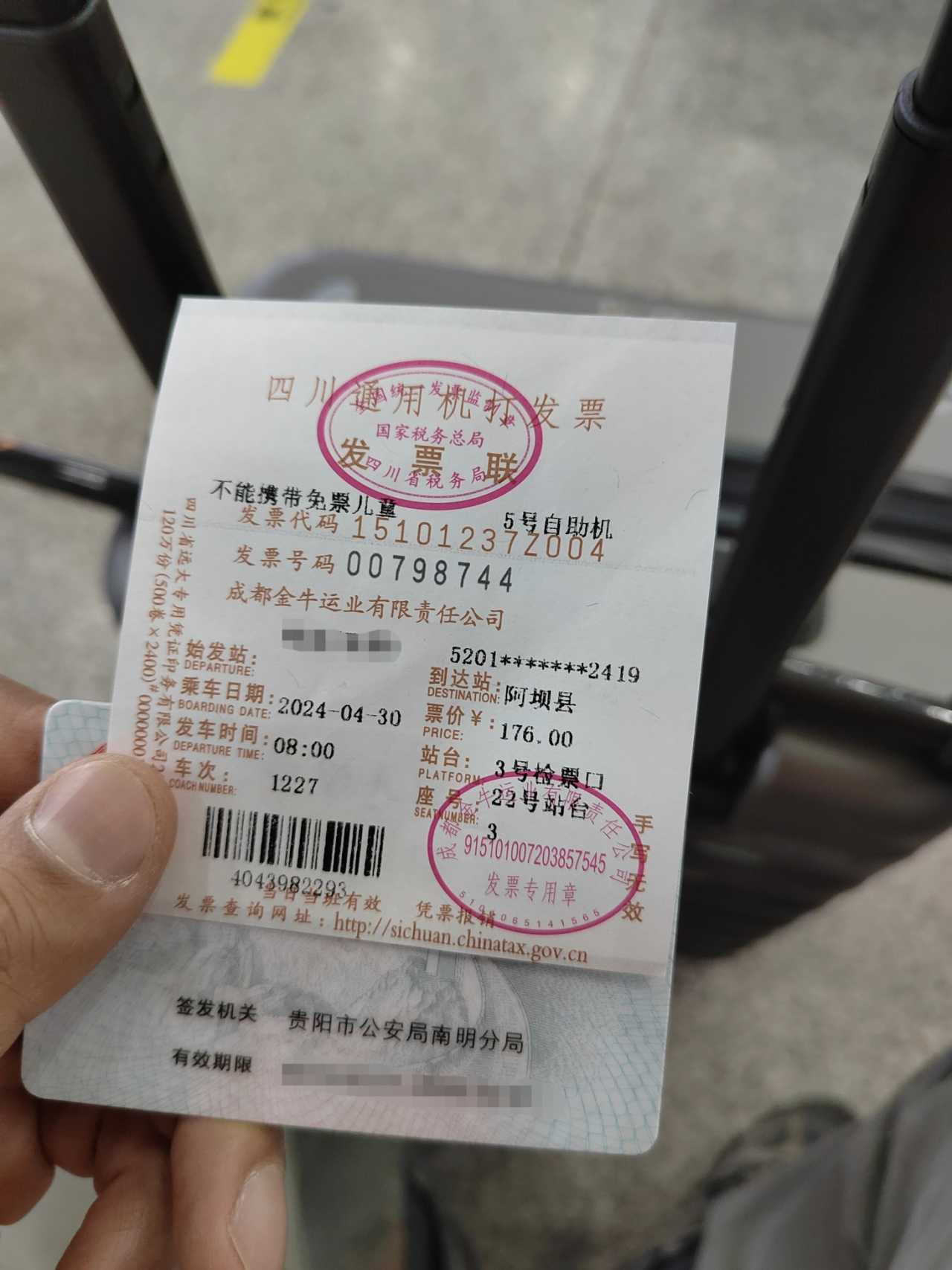
The biggest challenge was catching up with my friend, who'd already left. Luckily, I managed to snag a bus ticket from Chengdu to Aba County (阿坝县) for April 30—there's only one bus a day, booked directly through Gaode Maps. Honestly, it had been ages since I'd taken a long-distance bus, and I felt a strange excitement. I imagined spotting beautiful scenery along the way and snapping photos as we went.
I didn't skimp on other gear either: a thick hat, down jacket, shell jacket, sunglasses, heavy gloves, hiking boots, a water bottle, and sunscreen—this last one I cannot emphasize enough. By the time I got back to Guiyang, my skin had darkened a full shade. Lesson learned. Since we were driving ourselves, I even brought my laptop, processing photos daily and posting to WeChat Moments and Xiaohongshu—a kind of travel diary in real time.
As for the return high-speed train ticket, unsurprisingly, I failed to snag one. But I'd prepared for that. I quickly switched to a ticket from Jiangyou (江油) back to Guiyang. It added an hour or two to the journey, but at least I'd get home. In situations like this, flexibility is everything.
Departure: From City to Plateau
On the day I left, I worked half a day, packed my bags, and rushed to the high-speed rail station. I couldn't tell if it was the thrill of finally taking annual leave or the hunger for distant landscapes, but I felt as if I'd been set on fire.
Early the next morning, I set off from Chengdu's Chadianzi Bus Station (茶店子客运站). I'd wanted to bring my friend some stomach medicine, but most pharmacies near the guesthouse didn't open until eight, and convenience stores were still shuttered. Luckily, there were breakfast stalls near the station, so I grabbed a quick bite. On the road, I pressed my face against the window and took my first photo. The bus stopped twice along the way—for someone in a hurry, every minute of waiting felt like an eternity.
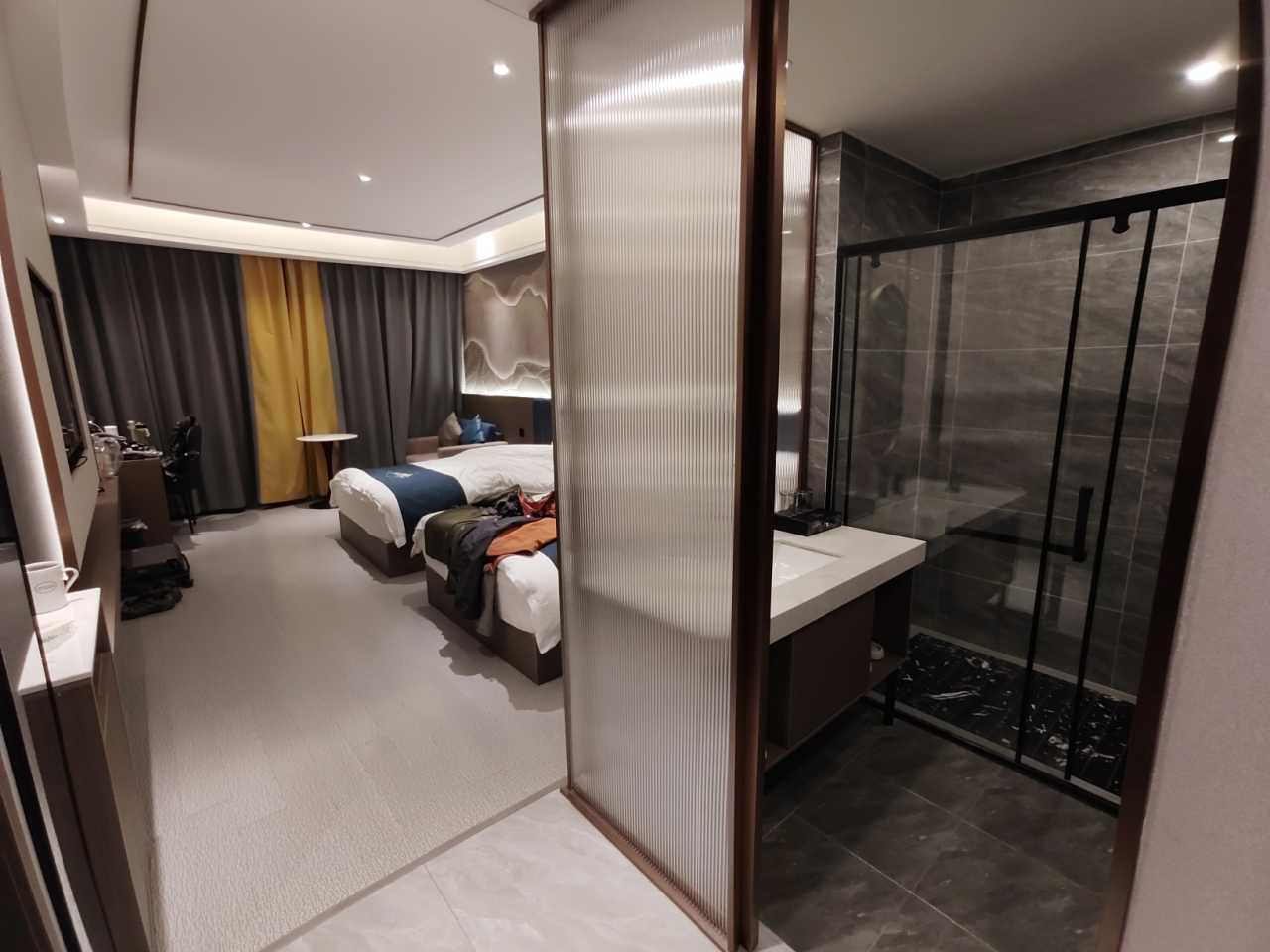
When I arrived in Aba County, the temperature was just 7°C (45°F). Coming from Guiyang, I truly understood for the first time what "the higher you go, the colder it gets" means. The wind was fierce. By the time I reached the hotel, my head had begun to ache dully—I regretted not wearing my hat. That night I stayed at the Yueyi Hotel (悦意酒店) in Aba County. The place was decent, and at just over 100 yuan a night before the holiday, it offered great value.
Lianbao Yeze (莲宝叶则): Searching for Lotus in Snow, Gazing at Mountains Through Mist
On May 1st, before dawn, we arrived at the scenic area entrance. The one thing I hadn't anticipated? A sky full of heavy snow.
Shortly after entering, a car started sliding, and we waited over half an hour before we could move. At the service area, snowplows were at work, so we waited another hour. I wasn't in a rush anymore. I figured I had the whole day for Lianbao Yeze anyway, so I might as well take it slow and snap a few selfies.
By noon, the scenic area finally allowed private cars in. Parking at Panyangping (盘羊坪) was limited, so I'd recommend getting up there early. From Panyangping to the highest viewing platform, you can take a sightseeing shuttle—15 yuan round trip. The actual distance is less than two kilometers, so hiking enthusiasts can easily walk it. The viewing platform sits at 4,250 meters (13,944 feet) above sea level. Some people needed oxygen tanks. I carried 20 pounds of gear and jogged a few dozen meters—I was panting hard, but I didn't feel too bad. Maybe I'm just not prone to altitude sickness.
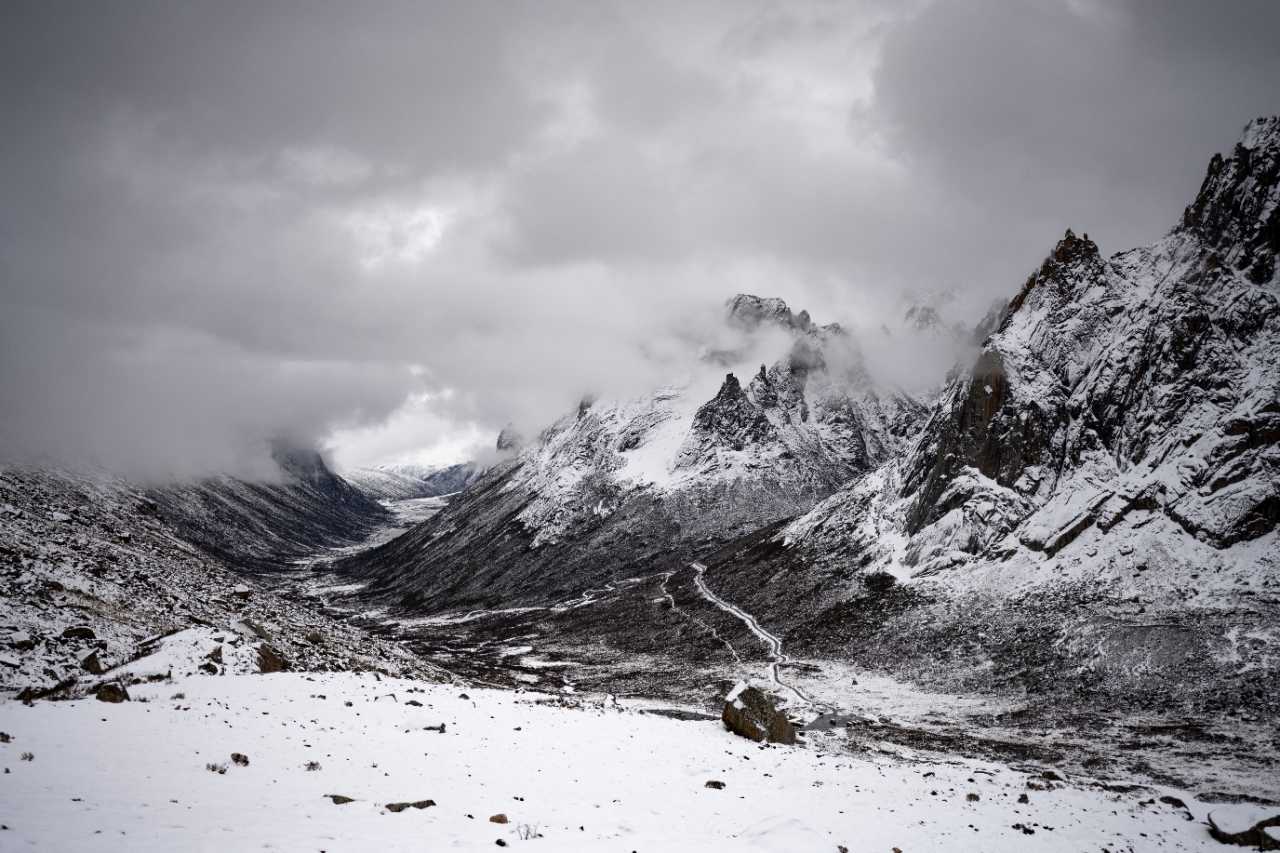
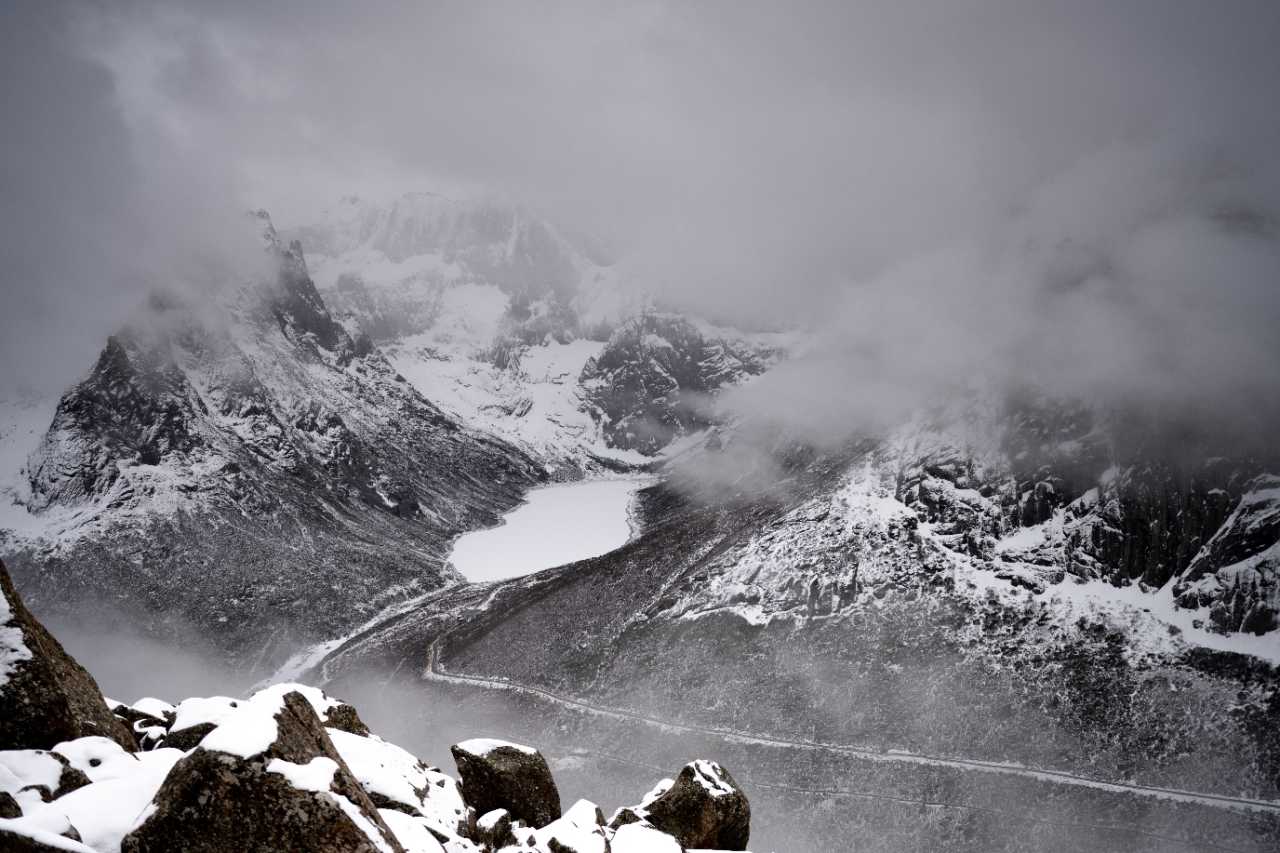
When I reached the viewing platform, snow began falling again. The surrounding peaks were shrouded in thick fog, revealing themselves only occasionally. Zhaga'er Lake (扎尕尔措) appeared and disappeared through gaps in the mist, like an unfinished ink-wash painting.
I waited two hours. The fog showed no sign of lifting. I decided to descend to the service center, conserve my energy, and head back to Zhaga'er Lake in the afternoon. According to the Lily Weather app (莉景天气), the sun would come out later.
The service center to Zhaga'er Lake was just over a kilometer, but I didn't take the shuttle. Carrying my 20-pound pack and walking there was both a test of whether I had altitude sickness and a way not to miss any photo opportunities along the way. Halfway there, the sky did clear. At that moment, every minute of waiting was worth it.
The surface of Zhaga'er Lake was still frozen, so I couldn't see the legendary blue color. But near the boardwalk, there were many small puddles. By holding the camera close to the water's surface, I managed to capture some nice reflections.
The entrance fee was 120 yuan, with discounts for veterans.
[Link: Best time to visit Lianbao Yeze]
Majiagou (玛嘉沟): A Quick Glimpse of a Lesser-Known Spot
On May 2nd, I traveled from Aba County to Xiaojin County (小金县).
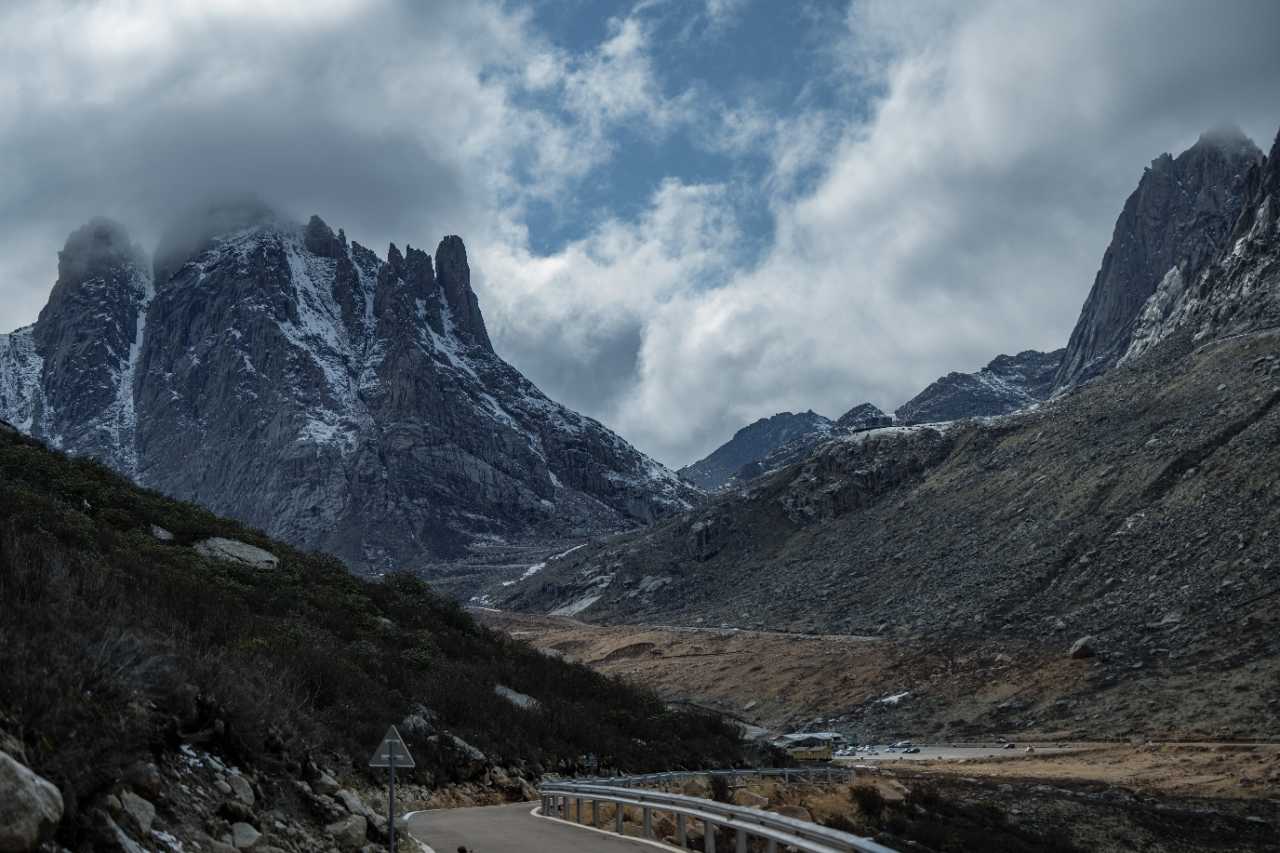
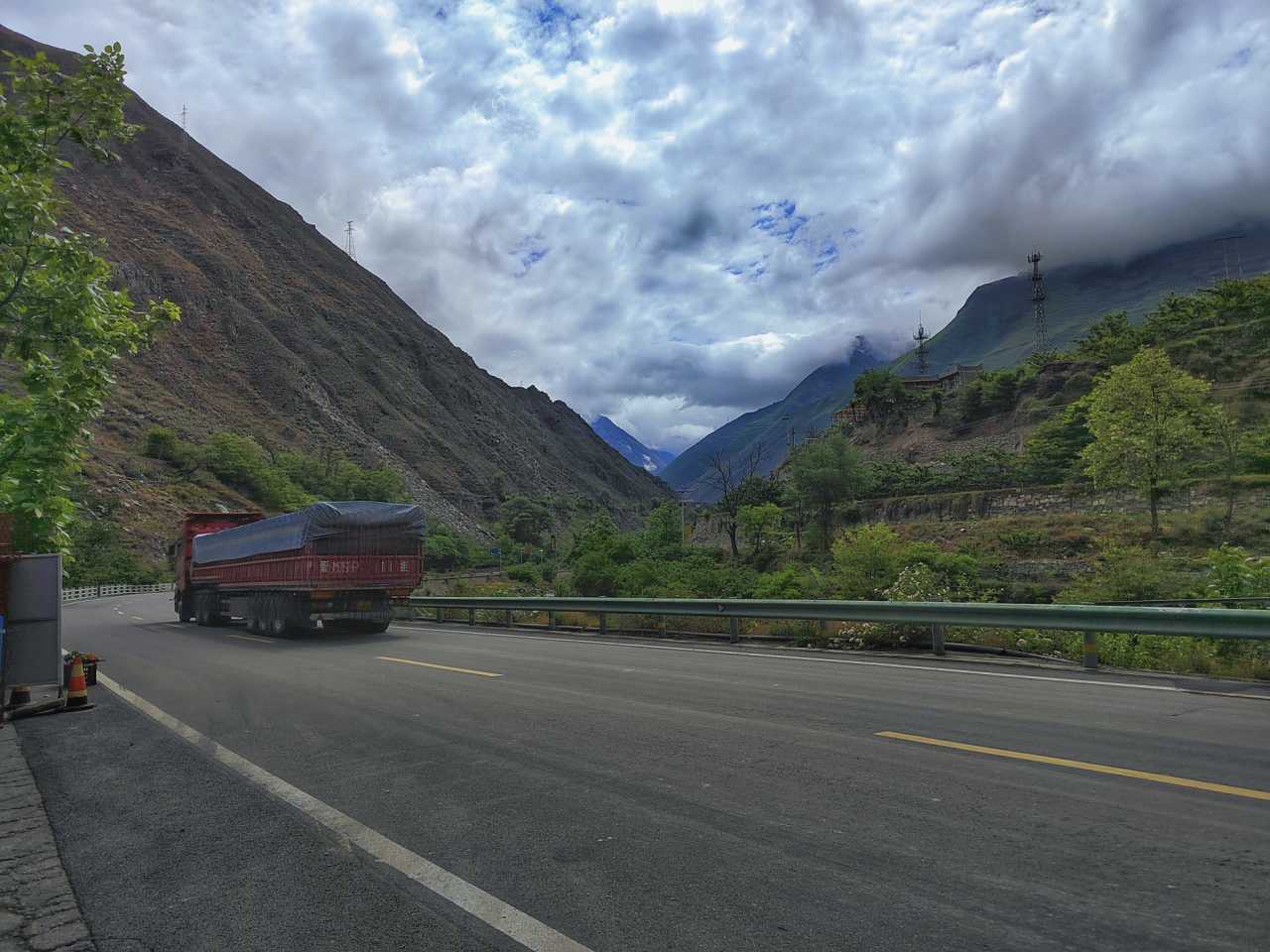
In the early morning, Aba County was as quiet as a painting. Driving along National Highway 248, the canyon walls were lined with dense green forests—I could imagine how stunning it would be in autumn. Along the way, I searched online and found a lesser-known spot called Majiagou (玛嘉沟). I decided to check it out. But we didn't enter until 3:00 PM, and time was too tight. I only managed a few quick photos—Lovers' Dream Forest (情侣梦幻林) and Qiongruocuomu (琼若搓姆). The names were beautiful, and the scenery was lovely, but I didn't have time to savor it.
Entrance fee: 60 yuan. Sightseeing shuttle: 35 yuan.
That day was mostly spent on the road, which also helped me save energy for the next day's itinerary. We stayed overnight in Siguniangshan Town (四姑娘山镇). The entire mountain road was lined with guesthouses, and many were fully booked during the holiday. The one we booked was set a bit higher up the mountain, which made it significantly cheaper. We'd spend the next three nights there.
[Link: Hidden gems in Western Sichuan]
Shuangqiaogou (双桥沟): Beneath the Snow Peaks, Everything Feels Insignificant
On May 3rd, we arrived at the scenic area gate at 8:00 AM—and traffic was already backed up.

The route through Shuangqiaogou was simple: the sightseeing shuttle takes you all the way to the innermost Redwood Forest (红杉林), and then you work your way back down. The valley is flanked by towering snow-capped peaks on both sides. Even though the trees hadn't fully greened yet, the sheer scale of the landscape made everything feel small.
I spent most of my time at the Bonsai Beach (盆景滩) and Four Sisters' Meadow (四姑娜措). The reflections in the lake were so clear it felt like the mountains had a twin below. The shuttle system is efficient—you can hop on and off at any stop. I recommend spending at least 4-5 hours here if you want to truly absorb the scenery.
Entrance fee: 150 yuan. Sightseeing shuttle: 70 yuan.
Practical Tips for Your Western Sichuan Adventure
Altitude and Weather Considerations
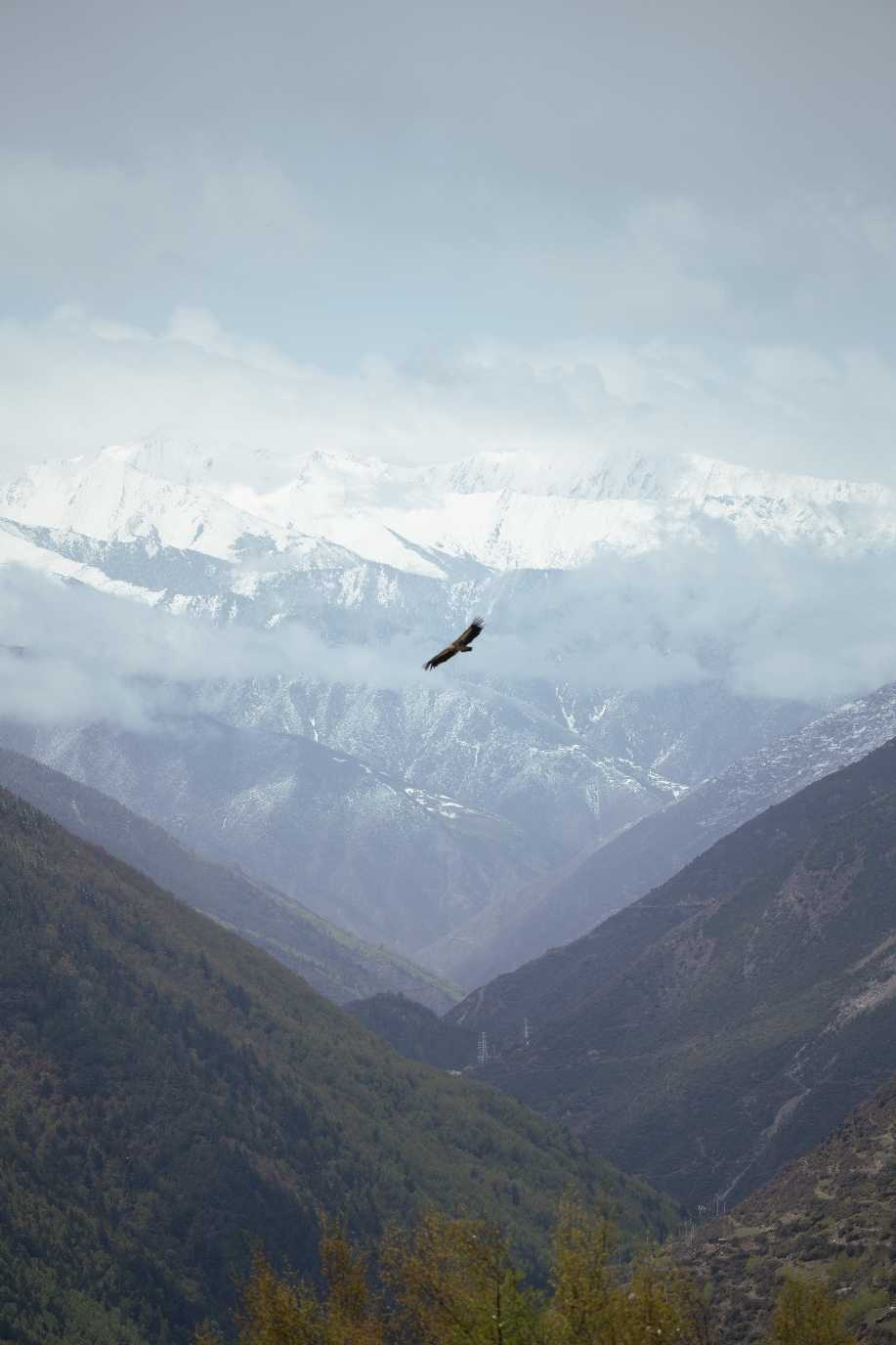
Western Sichuan's altitude ranges from 3,000 to 4,500 meters. If you're coming from low-altitude areas, take it slow for the first two days. Drink plenty of water, avoid alcohol, and consider bringing Diamox (acetazolamide) if you're prone to altitude sickness. The weather can change rapidly—sunshine one moment, snow the next. Layering is key.
Transportation and Logistics
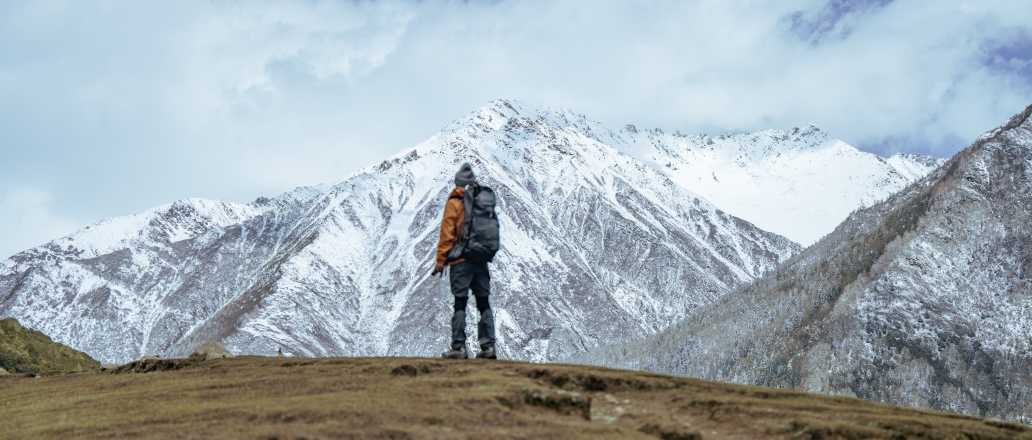
- Getting there: Fly into Chengdu, then take a bus or rent a car. Buses to Aba County run daily from Chadianzi Bus Station.
- Getting around: Self-driving is the most flexible option, but roads can be winding and icy. Consider hiring a local driver if you're not confident.
- Accommodation: Book ahead during holidays. Siguniangshan Town has plenty of options, but prices spike during peak season.
[Link: Western Sichuan road trip itinerary]
Frequently Asked Questions About Western Sichuan Travel
1. What is the best time to visit Western Sichuan?
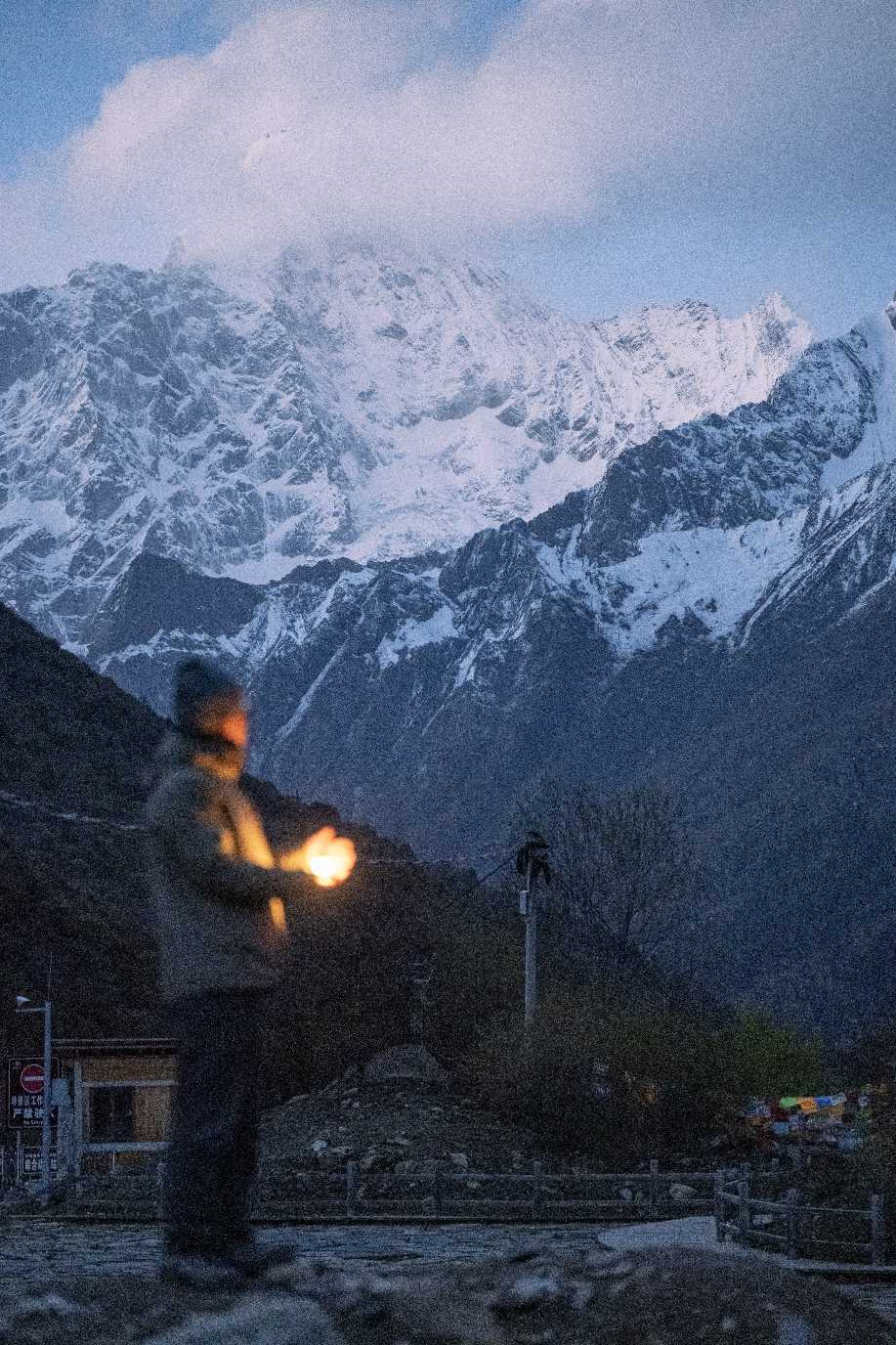
The best time is May to October. May offers spring blooms and fewer crowds, while September to October brings stunning autumn colors. Winter (November to April) is cold and many high-altitude passes may be closed.
2. Do I need a guide for hiking in Western Sichuan?
For popular trails like Changchuanbi or Shuangqiaogou, you can go independently. For remote treks or if you're inexperienced, hiring a guide is strongly recommended. Companies like "Walking China" offer guided tours.
3. How do I prevent altitude sickness in Western Sichuan?
Ascend gradually, stay hydrated, avoid alcohol, and consider taking Diamox (consult your doctor). If symptoms worsen (severe headache, vomiting, confusion), descend immediately. Most scenic areas have oxygen tanks available for purchase.
4. What should I pack for a May trip to Western Sichuan?
Pack layers: thermal underwear, fleece, down jacket, shell jacket, waterproof pants, hiking boots, hat, gloves, sunglasses, sunscreen (SPF 50+), water bottle, and snacks. Don't forget a power bank—cold drains batteries quickly.
5. Is Western Sichuan safe for solo female travelers?
Yes, but take precautions. Stay in reputable accommodations, share your itinerary with someone back home, and avoid hiking alone in remote areas. The local Tibetan communities are generally welcoming and helpful.
Conclusion: Finding the Courage to Dream Again
Western Sichuan isn't just a destination—it's a reminder that life is too short for "someday." Between the snowy peaks and the wilderness, I found the courage to stop waiting and start living. The journey wasn't perfect: the fog hid the mountains, the roads were icy, and I didn't snag that return ticket. But every moment—from the frozen lake at Lianbao Yeze to the reflections at Shuangqiaogou—was worth it.
Your turn now. What's the dream you've been putting off? Whether it's a solo trip to Western Sichuan or a weekend hike close to home, take the first step. Book that ticket. Pack that bag. The mountains are waiting.
Have you traveled to Western Sichuan? Share your experience in the comments below, or tag us in your photos on social media. For more travel inspiration, explore our guides on [Link: Sichuan travel tips] and [Link: Best hiking trails in China].
You may also like


