Yuke Prairie Travel Guide: Discovering Sichuan's "Kangba Altay" in July 2025
Meta Description: Explore Yuke Prairie in Western Sichuan—a hidden gem in Daofu County. Discover three-dimensional grasslands, wildflower seas, and Tibetan culture in this 1500-word travel guide for July 2025.
Introduction: Why Yuke Prairie Is the Best Grassland Destination in July 2025
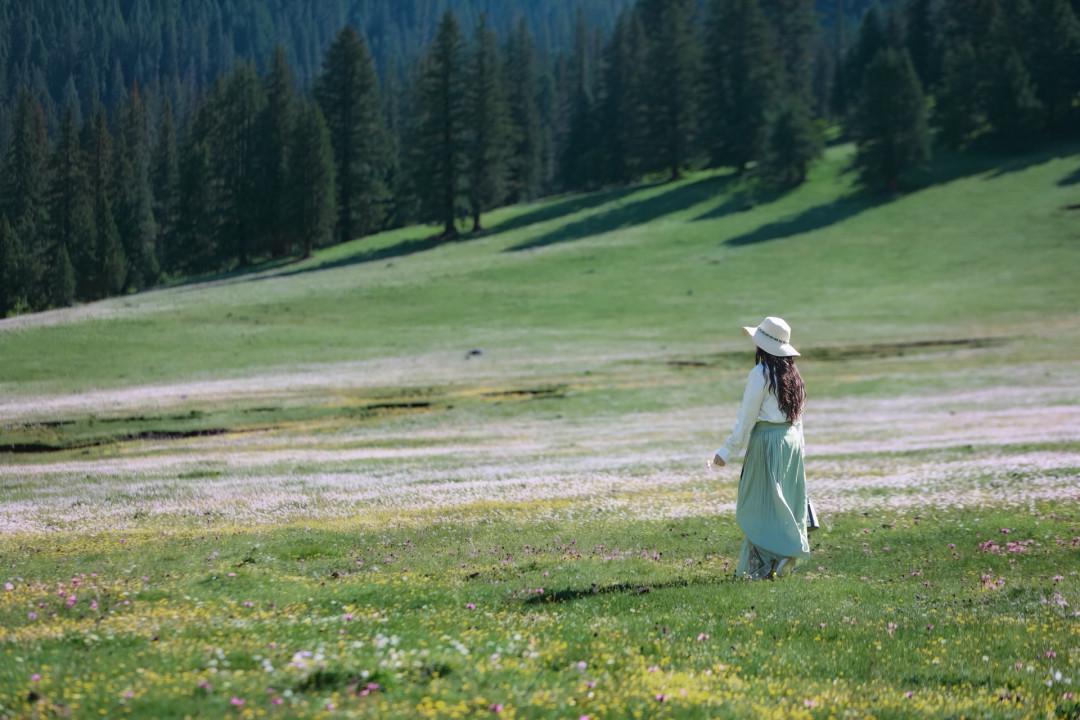
When July arrives and Chengdu becomes a steam cooker, savvy travelers know it's time to head west. The most beautiful season for grasslands is July, and the most beautiful grassland in Western Sichuan lies hidden in Daofu County, Garze Tibetan Autonomous Prefecture. Welcome to Yuke Prairie—often called the "Kangba Altay" of Sichuan—a three-dimensional landscape that rivals anything Xinjiang's Altay Mountains can offer.
Last winter, an article in Chinese National Geography titled "Yuke Prairie, a Three-Dimensional Landscape" planted a seed: "The beauty of Altay is not unique to China. In Daofu County, there exists a similar wonder—the Kangba Altay of Yuke Prairie." That seed grew into a five-day journey in July 2025, and this guide shares everything you need to know about this breathtaking destination.
Day 1: Chengdu to Guanyinqiao – Mountain Roads, Golden Spires, and Sunset Magic
Just after the "Minor Heat" solar term, the Western Sichuan plateau beckons. A few hours' drive from Chengdu transports you from 30°C humidity to 20°C crispness. Our group of eight departed at 8:30 a.m., heading west.
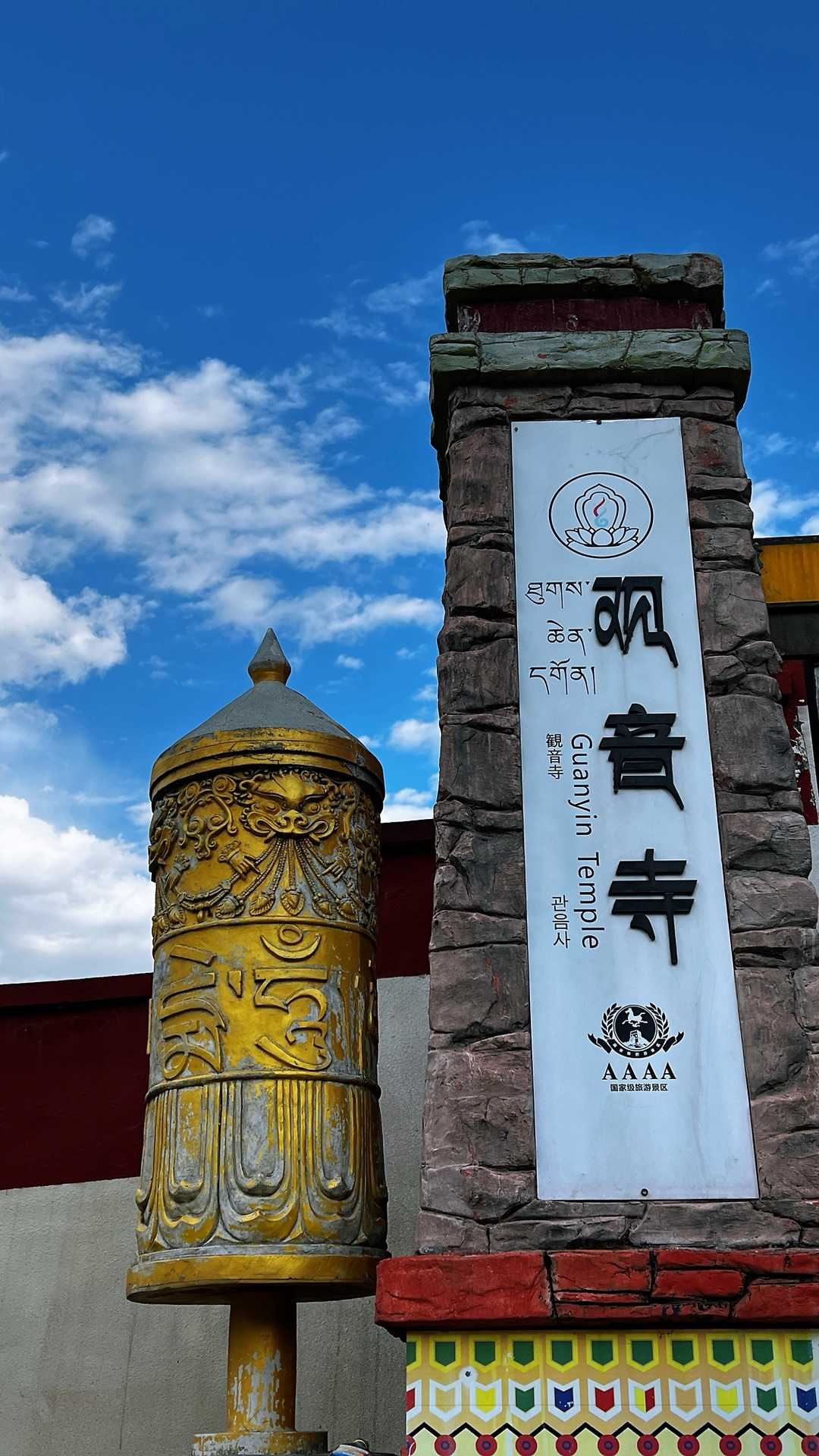
By 2:00 p.m., we reached Barkam, the capital of Ngawa Prefecture. The sky was translucent blue, clouds feathery white, and air carried that distinct highland clarity. After a quick lunch, we continued along winding mountain roads to Jinchuan Guanyin Temple by 4:30 p.m.
This 1,300-year-old temple enshrines the Four-Armed Avalokiteshvara (Guanyin). In Tibetan, it's called "Tukyi Chenpo," and it holds the reputation of being "the second Lhasa." Together with the Guanyin of Lhasa's Jokhang Temple and Mount Putuo's Guanyin, they are known as the "Three Sibling Guanyins."
As the sun set, the golden spire shimmered against layered mountains. Light and shadow interwove like a thangka painting softened by time. A jomo (female Tibetan Buddhist practitioner) approached us with a smile and offered to take a picture together. In that moment, an indescribable joy welled up—a reminder that travel is about unexpected connections.
[Link: Tibetan Buddhist temples in Western Sichuan]
Day 2: Guanyinqiao to Yuke Prairie – Leisurely Seeking Fragrant Grass
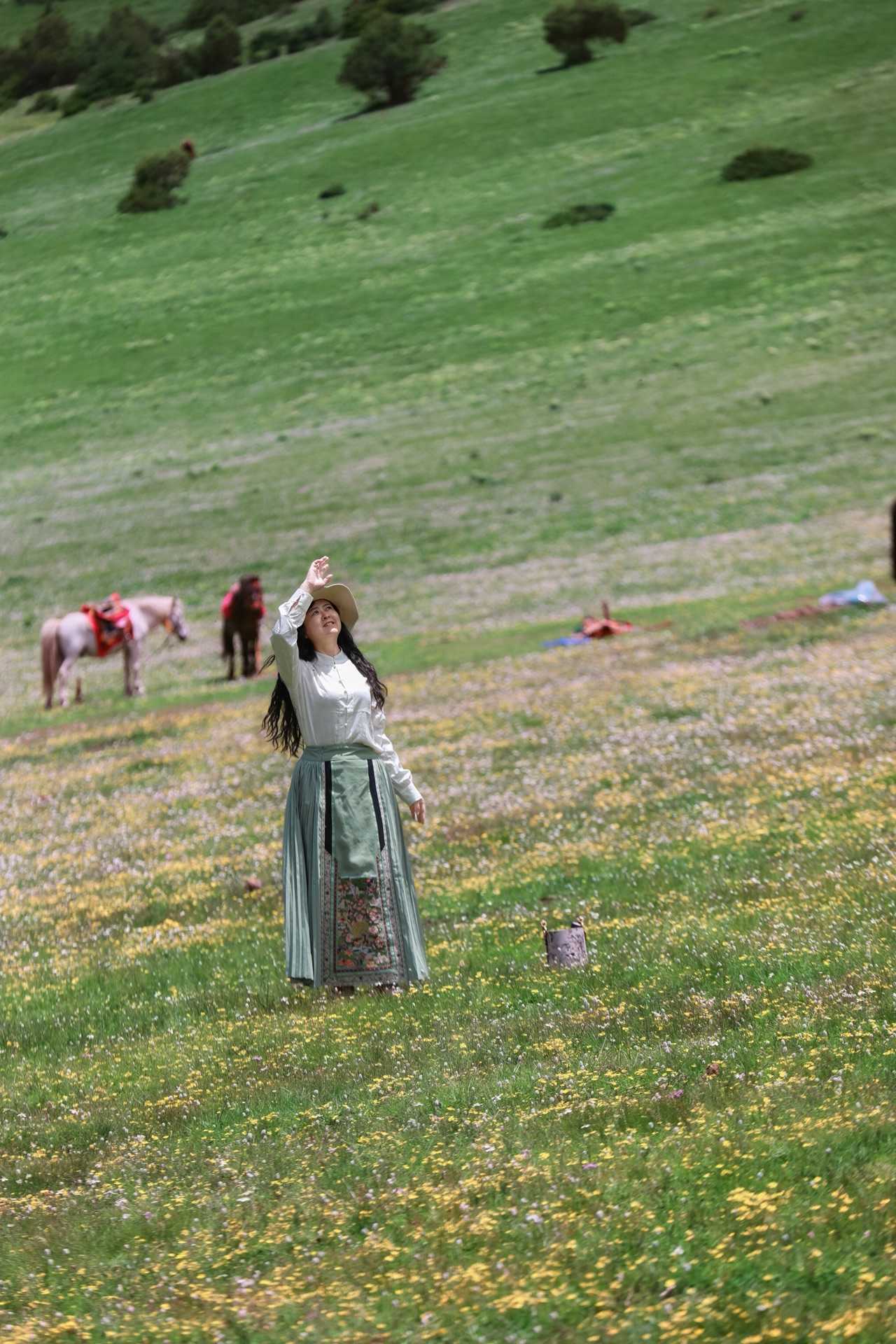
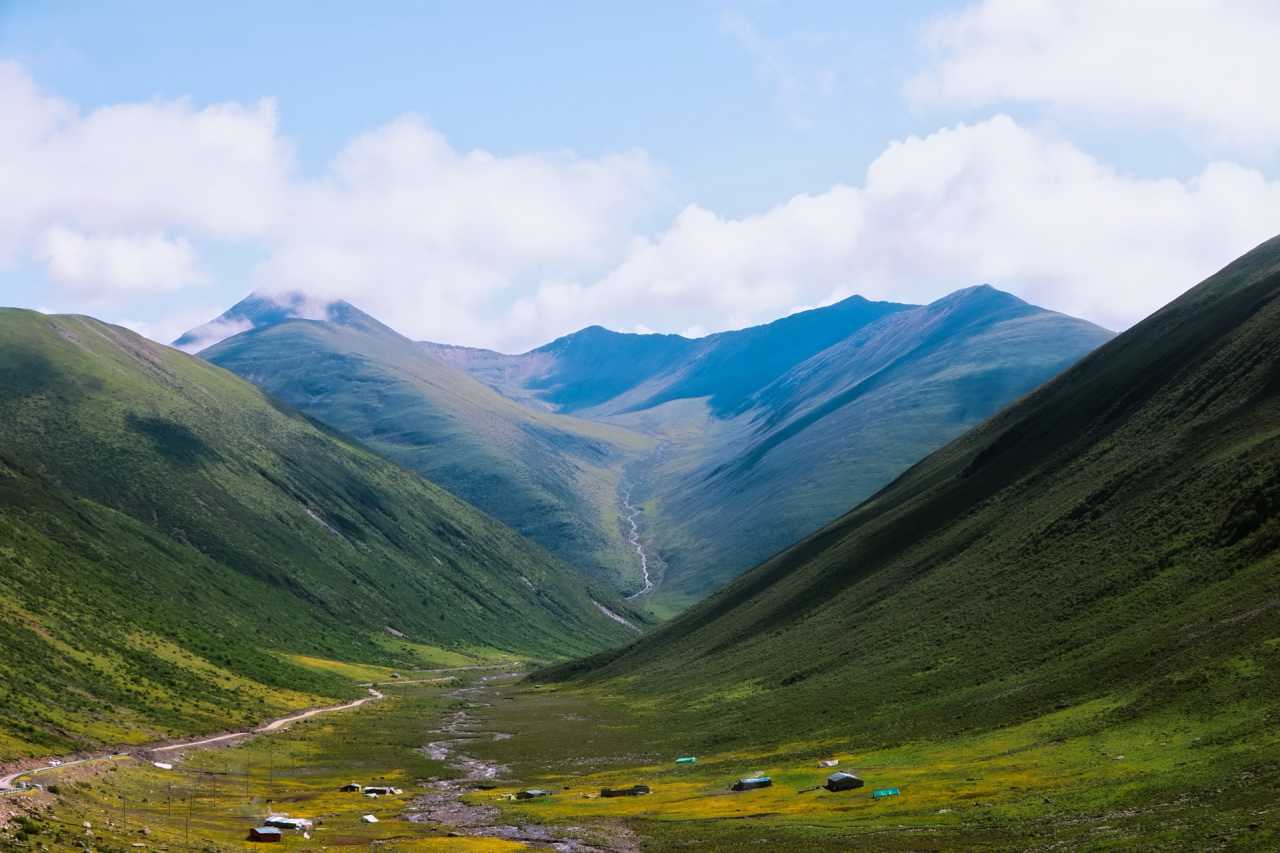
The next morning, we departed from Guanyinqiao Town, entered Daofu County, and headed straight for Yuke Prairie—65 kilometers from the county seat, at an average altitude of 3,715 meters.
What Makes Yuke Prairie a "Three-Dimensional Prairie"?
Yuke Prairie isn't flat like typical grasslands. Here, blue skies, white clouds, snow-capped mountains, forests, grasslands, and streams merge into one. Chinese National Geography categorized this landscape into six layers: river valleys, alpine meadows, narrow shrub belts, dark coniferous forests, scree slopes, and glaciers. This vertical diversity creates a visual experience far surpassing ordinary flat grasslands.
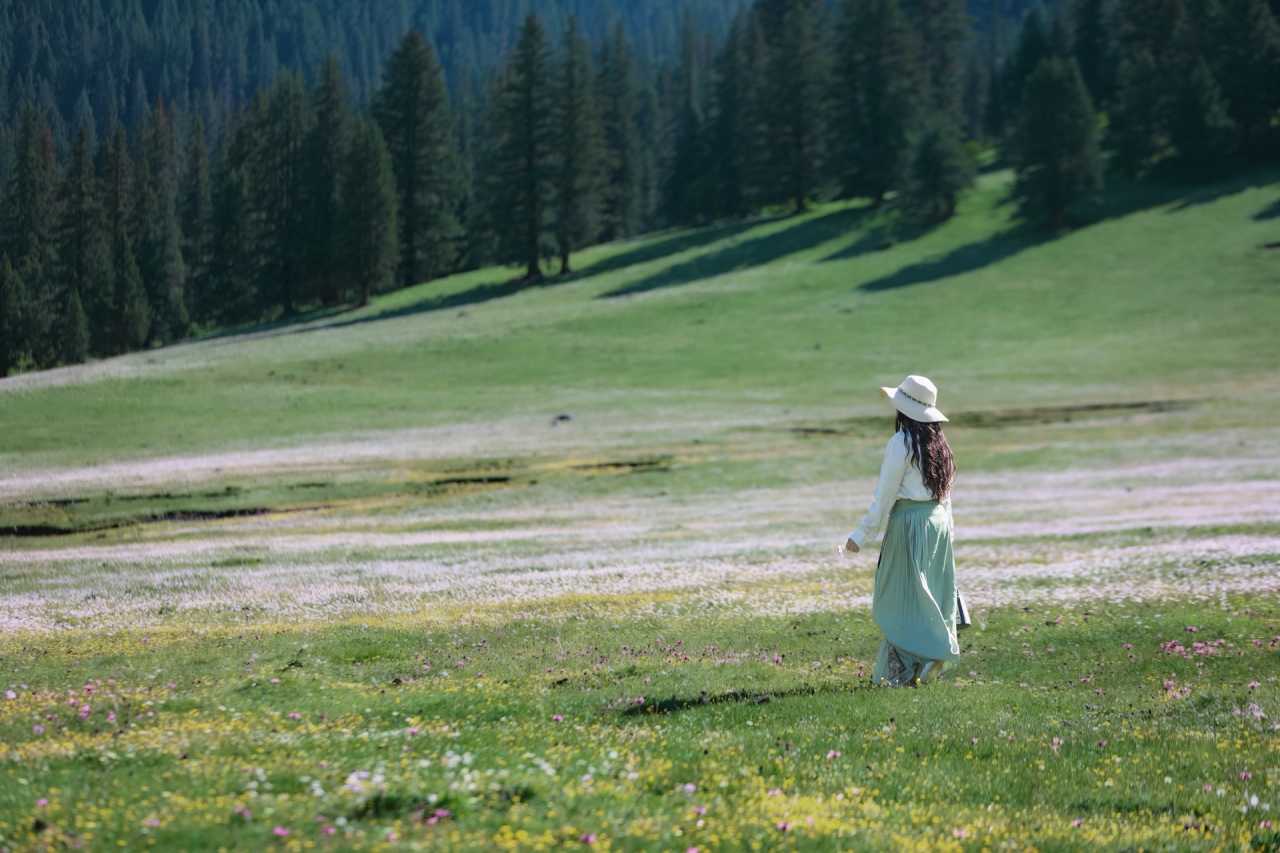
The grassland was carpeted with wildflowers of every color. In the distance, eternal snow peaks stood guard. Nearby, a babbling brook and herds of yaks and sheep grazed peacefully. Standing on the prairie, I was reminded of Wang Anshi's poem: "Counting fallen petals, I sit for long; leisurely seeking fragrant grass, I return late."
Tibetan Hospitality on the Prairie
A few Tibetan families had set up tents on the grassland. One Tibetan ama (mother) warmly invited us for butter tea—rich and creamy, warming me to the core. She even pulled me in for a photo, her smile brighter than the wildflowers around us.
At noon, we found a shady spot by the river for a picnic. Our photographer-chef worked swiftly, soon producing a pot of fragrant potato and beef stew bubbling away. Paired with assorted cold dishes, we ate our steaming lunch to the sound of the rushing river. Han Yu wrote in "Mountain Stones": "Life can be joyful like this—why be bound and restrained?" At that moment, I felt he was absolutely right.
After a short rest, we wandered and took photos on the prairie, then soaked in a natural hot spring. The water was flowing and fresh, washing away all fatigue.
By evening, a power outage struck our hotel. The owner cooked us noodles by the light of a phone—simple, yet incredibly delicious. At 9:00 p.m., electricity suddenly returned, lights blazed, and everyone cheered. The unpredictability of travel sometimes creates the most memorable moments.
Day 3: Yuke Prairie's Joy Terrace – My Altay at 4,650 Meters
On the third day, a passing shower fell over Yuke Prairie, but the rain only made the grassland feel fresher. By morning, the sun returned, and we drove to the heart of Yuke Prairie—Joy Terrace (Huanxi Tai).
Joy Terrace: A Must-Visit at 4,650 Meters
At 4,650 meters above sea level, Joy Terrace is the must-pass route from Daofu County to the prairie. Chinese National Geography lists it as one of the "Top Ten Camping Sites." Here, forests and meadows interlace, creating exceptionally rich layering.
Standing on Joy Terrace, wherever I looked, I saw layers of green and white, blue and purple. On the prairie stood a solitary tree—a swing had once hung beneath it, but it was now gone. Yet taking photos under the tree felt even more evocative: a single tree, a vast grassland, one person, and that was the entire world.
Wildflower Seas and Horseback Riding
Joy Terrace charges no admission fee but boasts sprawling seas of wildflowers. Compared to those paid "Instagram flower fields," this was a true fairy tale.
After exploring the flower sea, we went horseback riding. The more adventurous members of our group galloped across the plain, while I sat in a herder's tent and chatted with them. When I mentioned earning my bachelor's degree from Southwest Minzu University, a young Tibetan woman exclaimed, "My sister also went to Minzu!"—I never expected to run into a fellow alum on Yuke Prairie.
Altitude Sickness and Yinka Monastery
By afternoon, altitude sickness set in—a headache struck—so I stayed at the hotel to rest. When I woke, I went to the small tea lounge in the guesthouse and chatted with the owner over tea. She was an elegant Tibetan woman, the same age as me. We talked about travel and life, as if we had known each other for years.
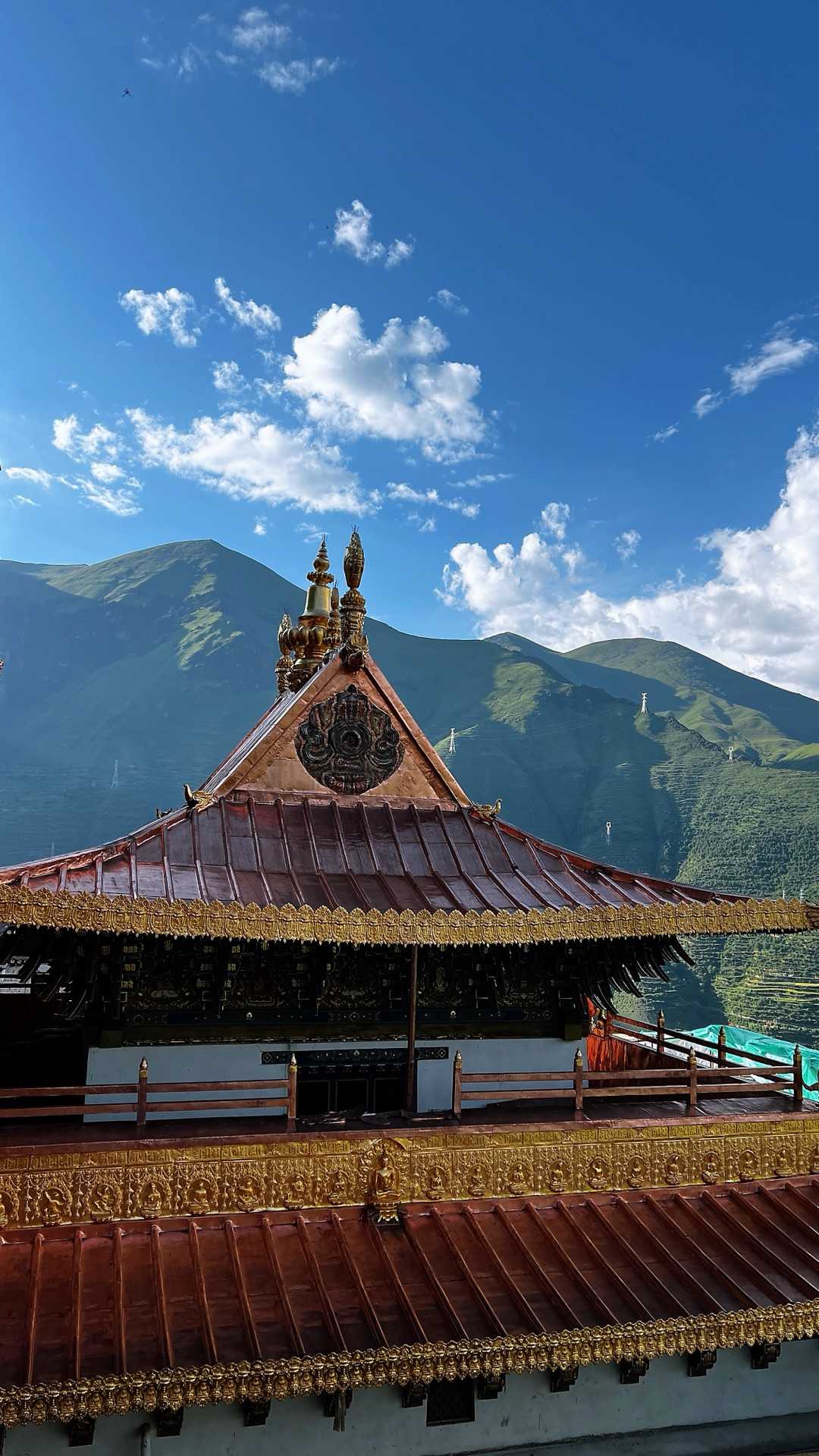
As evening fell, I walked alone to the nearby Yinka Monastery—the oldest temple on Yuke Prairie. It was resplendent and undergoing renovation and expansion. Surrounded by typical Daofu-style residential architecture, it felt quiet and solemn. Encountering Yinka Monastery was the unexpected delight of the day.
[Link: Altitude sickness prevention tips for Western Sichuan]
Day 4: The Dandao Secret Path – From Yuke to Danba
On the fourth day, we departed from Daofu County and traversed the Dandao Secret Path, heading toward Danba County.
Our first stop was Joy Pass (Huanxi Yakou) at 4,630 meters. Thick fog enveloped everything, clouds swirling around us as if we were walking among the heavens. To our delight, on this high mountain pass, the clouds parted briefly to reveal a stunning valley below—a moment of pure magic.
The Dandao Secret Path connects Daofu and Danba counties, winding through alpine meadows, dense forests, and past traditional Tibetan villages. Every turn revealed a new surprise: a waterfall cascading down a cliff, a herd of deer crossing the road, or a lone herder's tent perched on a hillside.
[Link: Danba Tibetan village tours and architecture]
FAQ: Your Yuke Prairie Questions Answered

1. When is the best time to visit Yuke Prairie?
July is the peak season for wildflowers and the most beautiful grassland scenery. The weather is warm (20-25°C during the day), though rain showers are common. June to August offers the best conditions for hiking, camping, and photography.
2. How do I get to Yuke Prairie from Chengdu?
Drive from Chengdu to Daofu County (about 6-7 hours via the Sichuan-Tibet Highway). From Daofu, it's 65 kilometers to Yuke Prairie. Alternatively, take a bus from Chengdu to Daofu and hire a local driver. The Dandao Secret Path from Danba is another scenic route.
3. Is altitude sickness a concern at Yuke Prairie?
 Yes—the average altitude is 3,715 meters, and Joy Terrace reaches 4,650 meters. Acclimatize for a day in Daofu or Guanyinqiao before heading to the prairie. Bring medication, stay hydrated, and avoid strenuous activity on the first day. Symptoms include headache, nausea, and fatigue.
4. What should I pack for a Yuke Prairie trip?
Pack layers (warm jacket, rain gear), sturdy hiking shoes, sunscreen, sunglasses, a hat, and a reusable water bottle. Bring altitude sickness medication, snacks, and a power bank (electricity can be unreliable). A camera with a zoom lens is essential for wildlife and landscapes.
5. Are there accommodations on Yuke Prairie?
Yes—guesthouses and homestays are available in Daofu County and near the prairie. Some Tibetan families offer tent stays during summer. Book in advance during peak season (July-August). Expect basic amenities; hot water and electricity may be intermittent.
Practical Tips for Your Yuke Prairie Adventure
- Altitude Preparation: Spend a night in Guanyinqiao (2,600 meters) or Daofu (3,200 meters) to acclimatize before heading to the prairie.
- Transportation: A 4WD vehicle is recommended for the Dandao Secret Path and unpaved roads. Consider hiring a local driver-guide for the best experience.
- Cultural Etiquette: Respect local customs—ask permission before photographing people, dress modestly at temples, and avoid touching religious objects.
- Food and Water: Carry snacks and plenty of water. Local Tibetan restaurants serve butter tea, tsampa, and yak meat dishes.
- Weather: July temperatures range from 10-25°C. Expect rain showers and sudden temperature drops in the evening.
[Link: Western Sichuan road trip itineraries]
Why Yuke Prairie Deserves a Spot on Your 2025 Travel List
Yuke Prairie isn't just another grassland—it's a three-dimensional masterpiece of nature. From the golden spires of Guanyinqiao to the wildflower seas of Joy Terrace, from the warm hospitality of Tibetan families to the unexpected delights of Yinka Monastery, every moment here feels like a page from a travel memoir.
The unpredictability of travel—power outages, altitude sickness, chance encounters—creates the most memorable stories. As the sutra says: "The past mind cannot be grasped, the present mind cannot be grasped, the future mind cannot be grasped." Perhaps all we can do is cherish the present—the people and the scenery before us.
Ready to Experience Yuke Prairie? Plan Your Trip Today
July 2025 is your window to witness Yuke Prairie at its most beautiful. Whether you're a photographer seeking the perfect shot, a hiker craving alpine trails, or a traveler yearning for authentic cultural connections, this hidden gem in Western Sichuan delivers.
Start planning now: Check road conditions, book accommodations early, and prepare your gear. The "Kangba Altay" awaits—and it might just change how you see grasslands forever.
[Link: Book a Western Sichuan tour package] [Link: Download our Western Sichuan packing checklist]
Have you visited Yuke Prairie or other grasslands in Western Sichuan? Share your experience in the comments below—we'd love to hear your story!
You may also like


