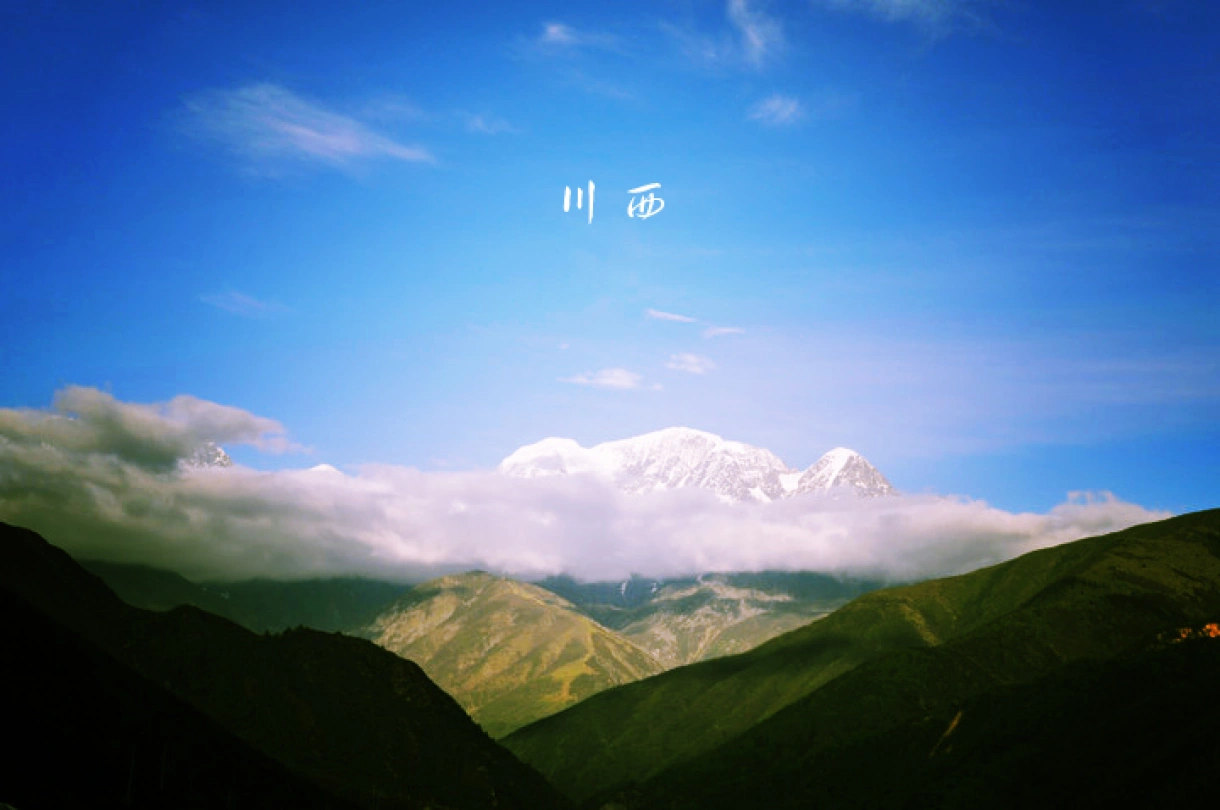
Winter Secrets of Western Sichuan: A Paradise Road for Reverse Travelers
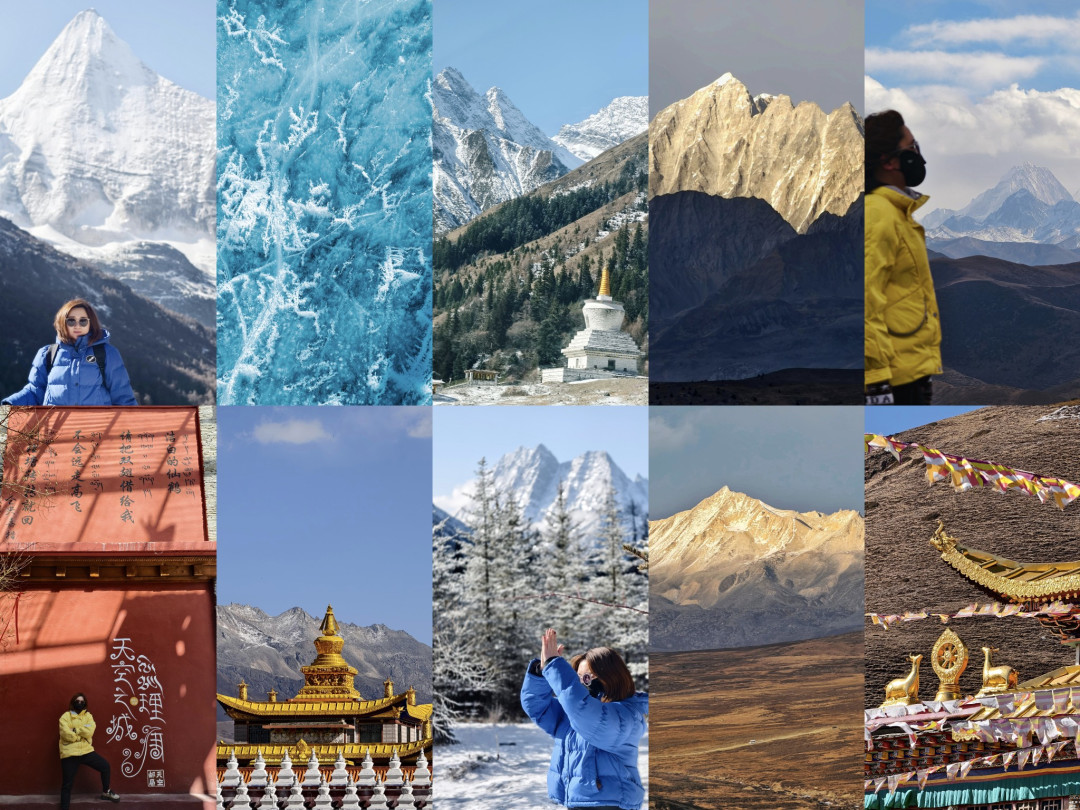
Meta Description: Discover Western Sichuan's winter secrets on this reverse travel itinerary. From Kangding to Daocheng Yading, explore snow mountains, Tibetan temples, and plateau wonders without the crowds. Perfect for adventurous souls seeking solitude.
Introduction: Why Western Sichuan in Winter?
While most travelers flock to Sanya and Xiamen during the Spring Festival holiday, a growing tribe of "reverse travelers" is discovering the magic of Western Sichuan in winter. This isn't just a trip—it's a pilgrimage to the roof of the world, where snow-capped peaks pierce clouds, prayer flags dance in thin air, and ancient Tibetan culture whispers through butter lamps.
This seven-day winter journey through Western Sichuan starts from Chengdu, passes through Kangding, Litang, Daocheng Yading, and loops back to Siguniang Mountain. It's a golden route for those who seek to 避开 crowds and embrace the purest Tibetan winter—a paradise road for reverse travelers.
Planning Your Western Sichuan Winter Trip
Best Time for Winter Travel in Western Sichuan
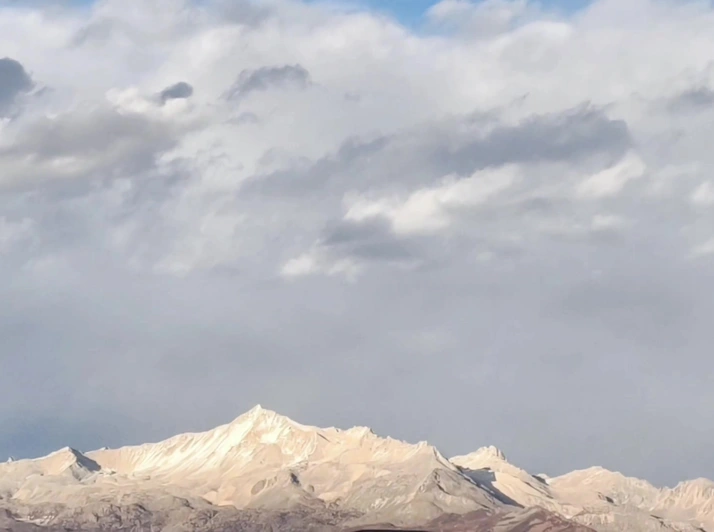
January to February offers the most dramatic landscapes: frozen lakes, snow-dusted meadows, and crystal-clear skies. The 2025 Ganzi Winter-Spring Tourism Season brings free admission to many attractions, making it an economical choice.
Essential Packing List for Plateau Winter
- Layered clothing: Thermal base, fleece, windproof jacket
- Altitude sickness remedies: Headache medicine, oxygen canisters
- Sun protection: SPF 50+ sunscreen, UV-blocking sunglasses
- Hydration: Insulated water bottle, electrolyte powders
- Photography gear: Telephoto lens for snow mountain portraits
Transportation Tips: Getting to Western Sichuan
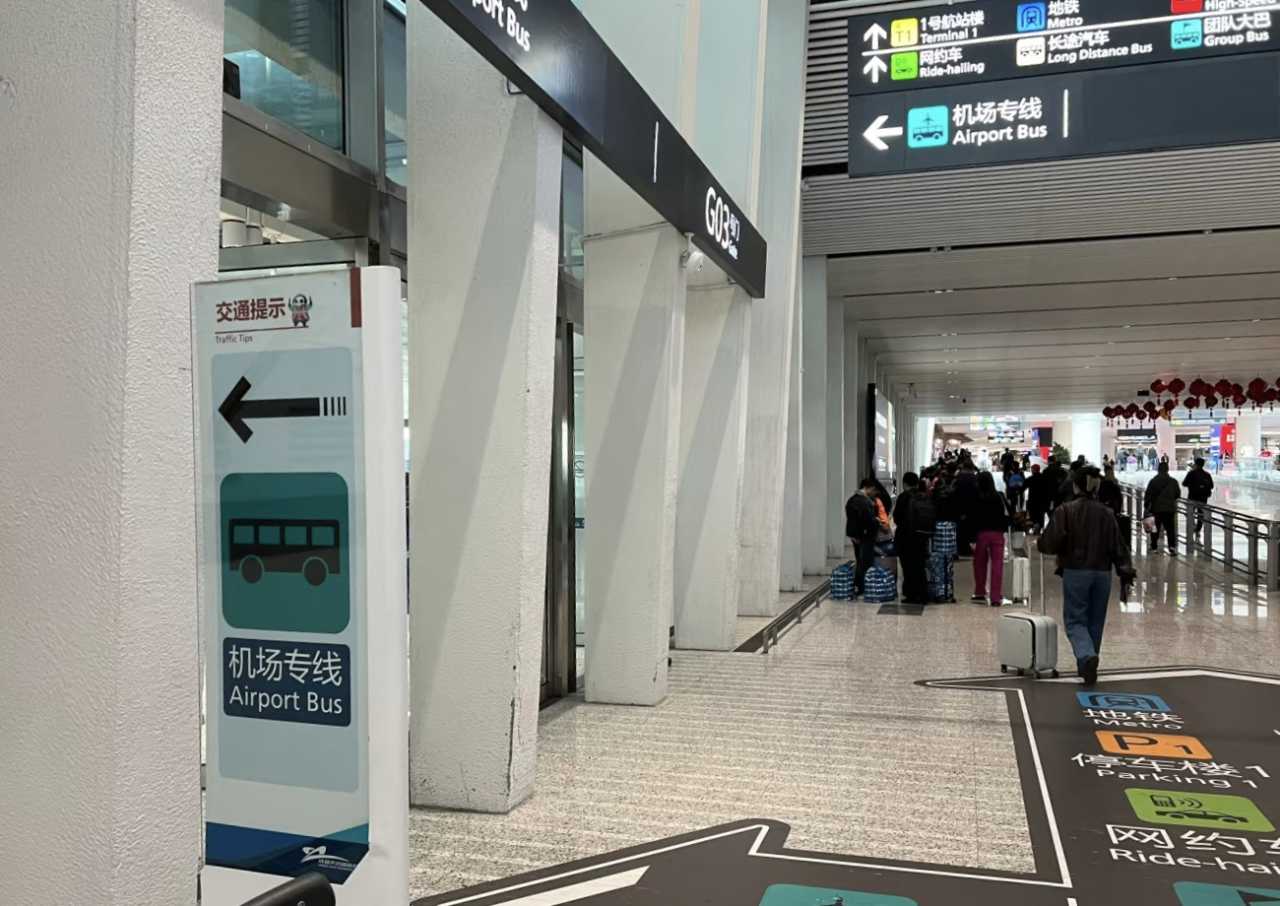
From Guangzhou to Chengdu: Flights take barely two hours. Remember to claim your free airport shuttle bus voucher if flying China Southern or Sichuan Airlines. For Sichuan Airlines users: Mini-program → Premium Services → Tianfu Smooth Travel → Tianfu Airport Free Shuttle Bus Voucher. Look for Gate G03, take the escalator down to the airport express entrance. Three routes cover main urban areas: Line 1 for Chunxi Road, Line 3 for Jinniu District.
[Link: Chengdu to Kangding road trip guide]
Day One: Snow Mountains and Me—A Shared Frame
Honghaizi (Red Lake) at 4,200 Meters
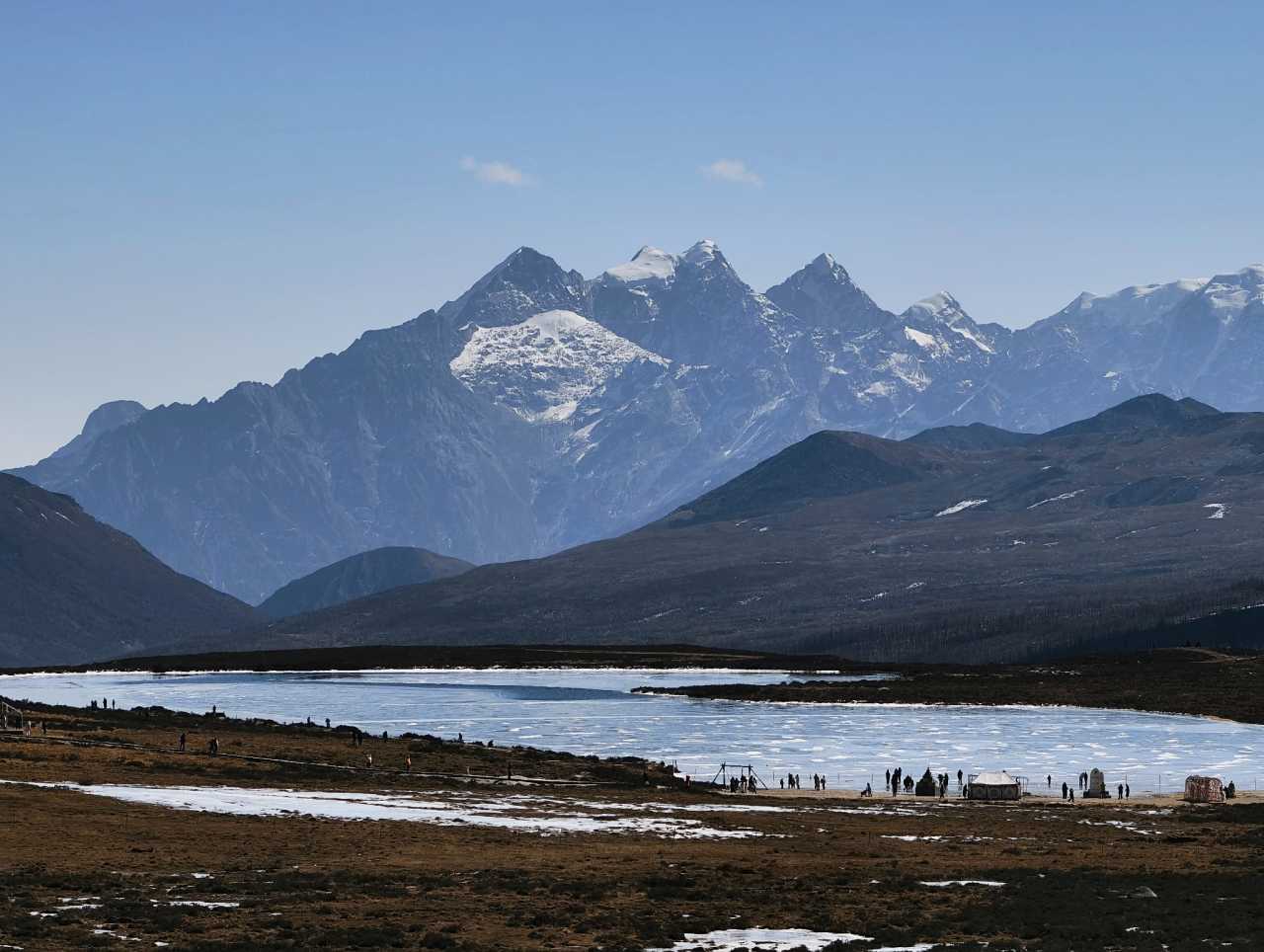
Known in Tibetan as "Jiaxiala," meaning red lake, Honghaizi sits behind the Zheduo Mountain Airport in Kangding. In winter, the lake surface isn't entirely frozen; distant snow peaks reflect in blue-green water, while shore meadows are dusted with thin snow—a natural ink-wash painting.
Gedilamu (Sky City): The Grassland Blessed by Gods
At 4,100 meters, Gedilamu translates to "the grassland blessed by the gods." The transfer vehicle costs 70 yuan, entrance fee 30 yuan. Only 5 kilometers from Yuzixi in a straight line, the most unforgettable sight is the abandoned bus—a strange symbiosis of industrial wreckage and snowy mountains and grasslands.
Yuzixi: 360-Degree Panoramic Viewing Spot

At 4,200 meters, Yuzixi offers a 360-degree panoramic view. To the south, gaze at "King of Sichuan Mountains," Gongga Mountain; to the north, get a clear view of Yala Snow Mountain. Transfer vehicle costs 60 yuan, entrance fee 30 yuan.
Photo Secret: Capturing Snow Mountain Portraits
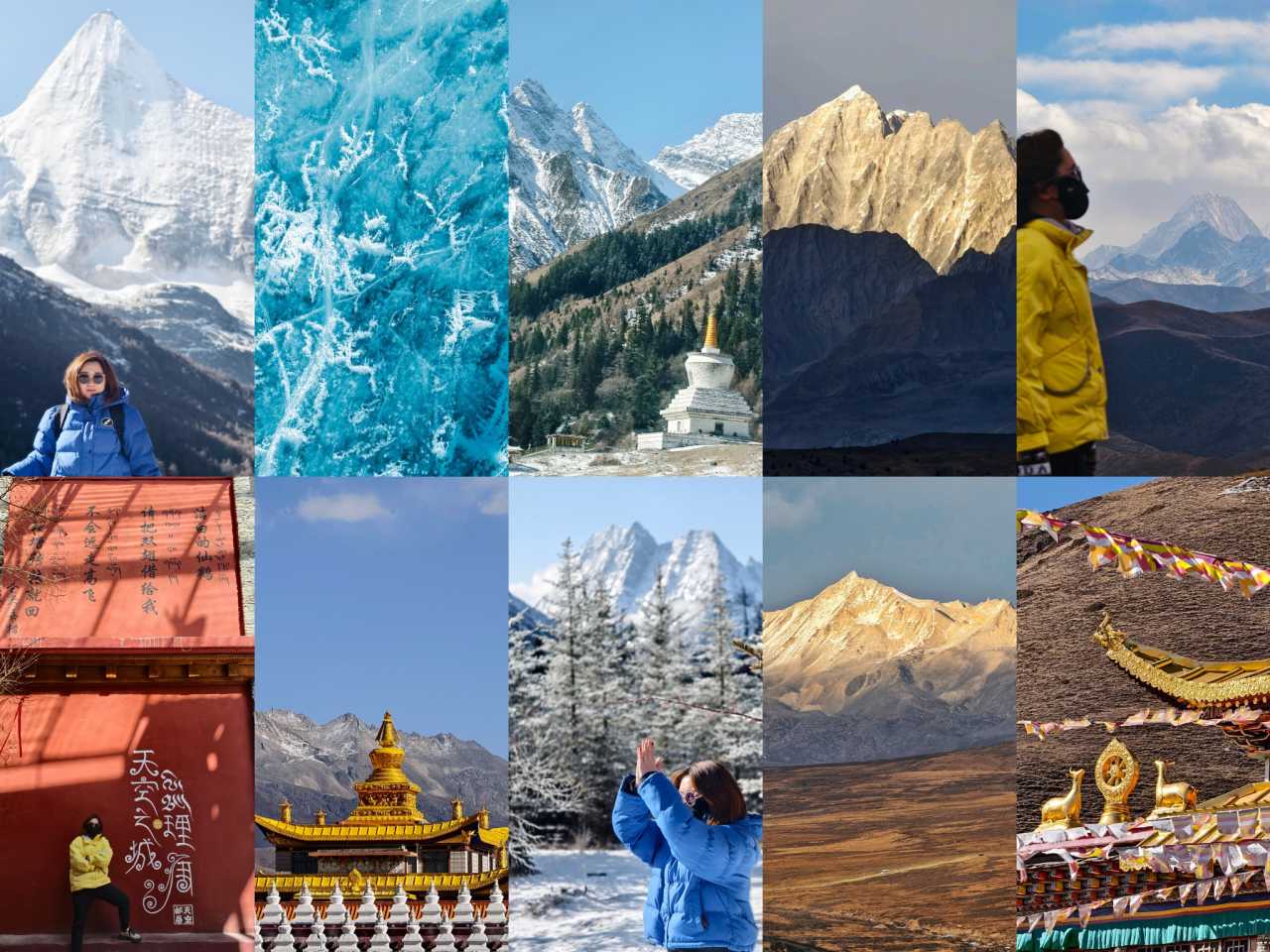
To capture the "snow mountain and me" in the same frame, you need two keys: 1. Use your phone's portrait mode at 50mm or 85mm focal length 2. Use a telephoto lens to compress perspective, making sure the person stands far enough away
Around six in the evening, witness the golden hour on Yala Snow Mountain. The last ray of sunlight kisses the summit, shifting from silver-white to blazing gold. At that moment, even altitude sickness seems cured.
Accommodation Advice: Xinduqiao Town
Choose a room with oxygen supply! Afternoon photo sessions at high mountain peaks, with wind exacerbating altitude sickness, make oxygenated rooms essential. Remember to drink hot water and have headache medicine on hand—oxygen inhalation only provides temporary relief.
Day Two: The World's Highest City—Litang
Heavenly Road Eighteen Bends
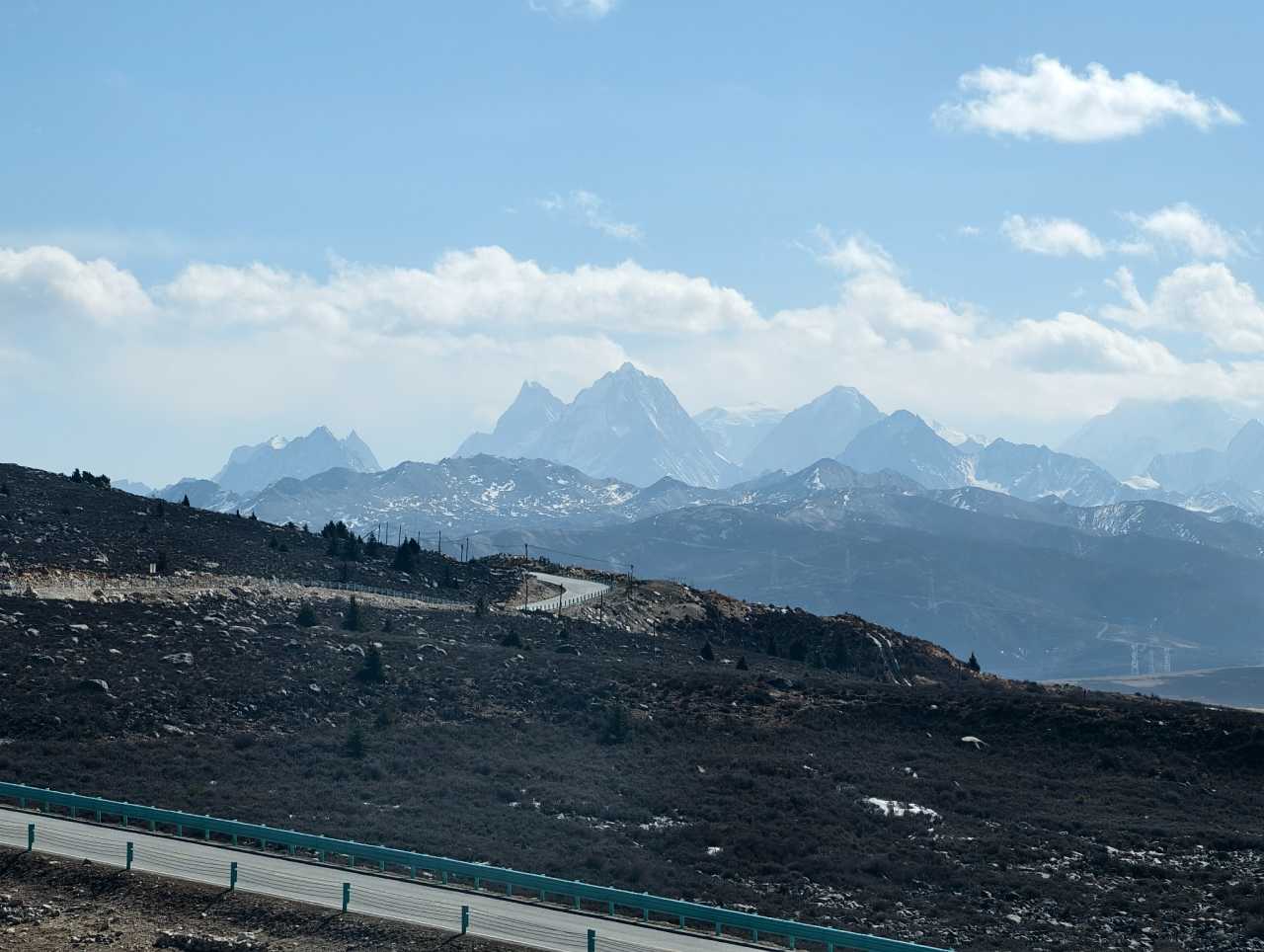
Setting out from Xinduqiao, the first stop is Heavenly Road Eighteen Bends in Yajiang. This is the Jianziwan Mountain section of National Highway 318, known in Tibetan as "Remanazha" (Goat Pass), at about 4,659 meters. There are three viewing platforms along the roadside; the one at the top offers the best view and serves as a service area with free parking and restrooms.
Litang: Where Faith and Poetry Converge
Litang—the world's highest city at 4,014 meters—is higher than Lhasa but lower than Nagqu. In Tibetan, it's called "Letong," meaning a grassland as flat as a bronze mirror.
Letong Ancient Town: Tibetan Village Cluster
A national 4A-level scenic area, Letong Ancient Town is built around the thousand-household Tibetan village cluster. It connects three main threads: - Poetry culture of Tsangyang Gyatso - Religious legends of the Renkang family - Intangible cultural heritage handicrafts
Here, you'll find 13 Tibetan villages and over 4,000 Tibetan houses, making it the largest thousand-household village cluster in the Tibetan region.
Renkanguwu (Renkang Ancient House)
Also known as the "Former Residence of the Seventh Dalai Lama," Renkanguwu is the best-preserved family temple in Letong Ancient Town. Over more than four hundred years, thirteen highly respected great lamas were born here. The seven sandalwood balls hanging on the door are ritual implements of the Vajrayana tradition, symbolizing auspiciousness that overcomes all obstacles.
Changqing Chunke'er Temple (Litang Temple)
Built in 1580, Changqing Chunke'er Temple is the oldest and largest Gelugpa (Yellow Hat) temple in the Kham region. "Changqing" means Maitreya Buddha, and "Chunke'er" means Dharma Wheel—together, they signify "the eternal turning of the Maitreya Buddha's Dharma Wheel."
Covering 333,400 square meters, its three main halls stand side by side: the Great Tathagata Hall, the Tsongkhapa Hall, and the Main Hall. In the Tibetan region, there's a saying: "Above, there are the three great monasteries of Lhasa; below, there is the Kumbum Monastery of Amdo; in the middle, there is Litang's Changqing Chunke'er Temple."
Free Admission! The 2025 Ganzi Winter-Spring Tourism Season continues the free ticket policy. In this temple at over 4,000 meters, there's no noisy commercialism—only the eternal flame of butter lamps and faith. The 2,000 Buddha statues enshrined in the Tsongkhapa Hall make you truly understand the awe of "not daring to speak loudly, for fear of disturbing the heavenly beings."
The words of Tsangyang Gyatso echo: "White crane, lend me your wings; I will not fly far, just to Litang and back."
Day Three: Daocheng Yading—A Reunion After Ten Years
Three Protector Snow Mountains
Daocheng Yading Scenic Area is hailed as the "Soul of Shangri-La in China," covering 1,072.3 square kilometers. Its Tibetan name, "Nianqing Gongga Risong Gongbu," means "the sacred land of the three protector snow mountains." The three peaks are arranged in a triangular formation: - North peak: Xiannairi (Avalokiteshvara, 6,032 meters) - South peak: Yangmaiyong (Manjushri, 5,958 meters) - East peak: Xianuoduoji (Vajrapani, 5,958 meters)
Chonggu Temple and Luorong Pasture
Chonggu Temple sits at the base of the snow mountains, offering a sacred starting point for treks. Luorong Pasture provides stunning views of all three peaks, especially during winter when snow blankets the landscape.
Tickets and Transportation
Off-season entrance fee plus scenic area bus to Chonggu Temple costs approximately 120 yuan. The bus ride itself is an adventure, winding through valleys and past frozen waterfalls.
[Link: Complete Daocheng Yading hiking guide]
Winter Travel Tips for Western Sichuan
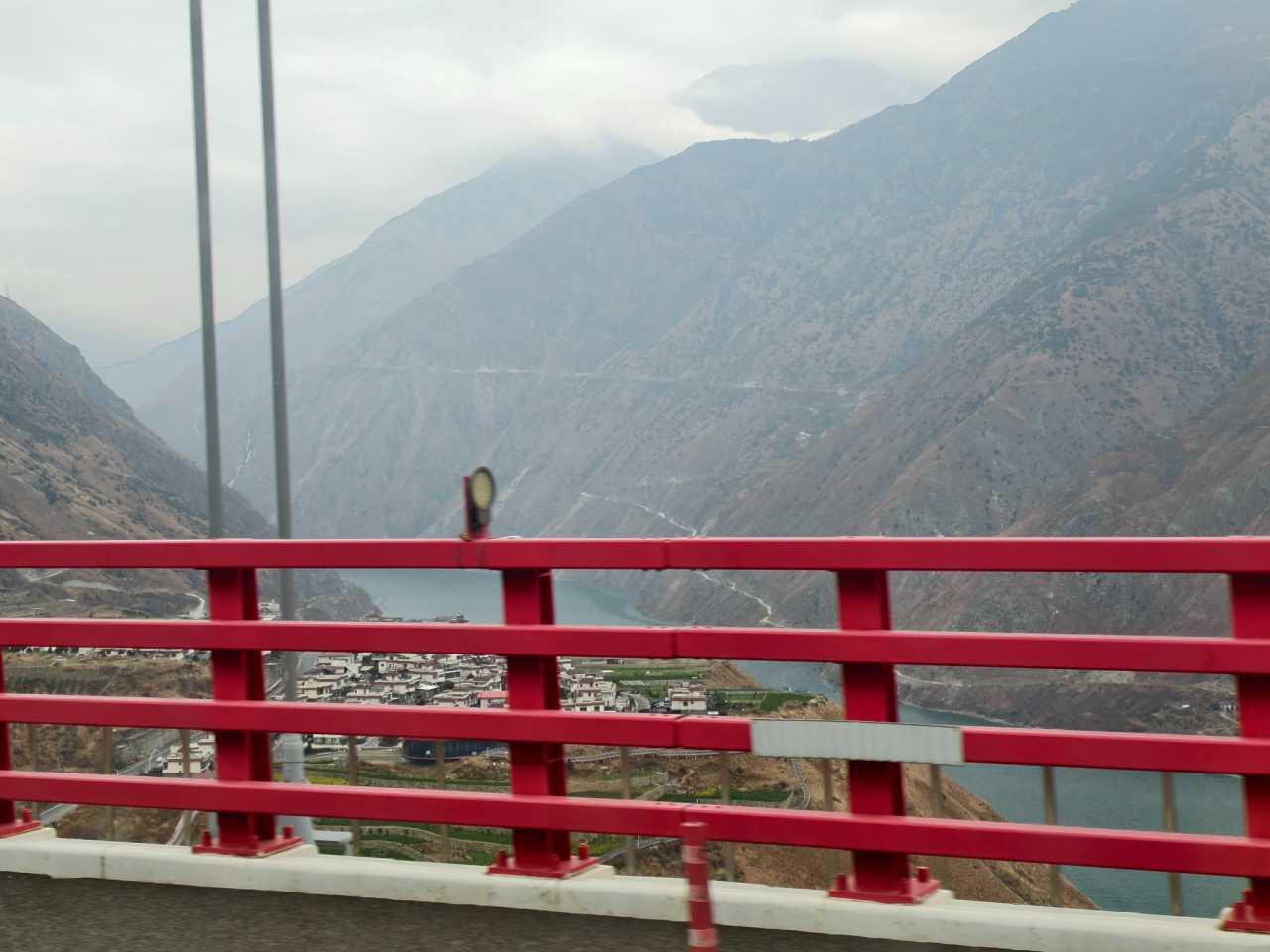
Altitude Sickness Management
- Acclimatize gradually: Spend a night in Kangding (2,560m) before heading higher
- Stay hydrated: Drink 3-4 liters of water daily
- Avoid alcohol: It worsens dehydration and altitude effects
- Use medication: Acetazolamide (Diamox) can help prevent symptoms
Photography Tips for Winter Landscapes
- Golden hour: 4-6 PM for snow mountain lighting
- White balance: Set to "cloudy" for warmer tones
- Exposure compensation: +0.7 to +1.0 for snow scenes
- Polarizing filter: Reduces glare from snow and ice
What to Eat in Western Sichuan
- Tibetan butter tea: Provides calories and helps with altitude
- Tsampa: Roasted barley flour, a staple energy food
- Yak meat: Rich in protein and iron
- Local hotpot: Perfect for cold winter nights
Frequently Asked Questions
Q1: Is Western Sichuan safe for winter travel?
A: Yes, with proper preparation. Roads are maintained during winter, but check weather conditions before departure. Carry tire chains for mountain passes. The 2025 Ganzi Winter-Spring Tourism Season includes enhanced road maintenance and emergency services.
Q2: How cold does it get in Western Sichuan during winter?
A: Daytime temperatures range from -5°C to 5°C (23°F to 41°F), while nighttime can drop to -15°C (5°F) or lower at high altitudes. Wind chill makes it feel even colder, especially at scenic spots like Yuzixi (4,200m).
Q3: Do I need a guide for winter trekking in Daocheng Yading?
A: For the main trails (Chonggu Temple to Luorong Pasture), a guide isn't necessary. However, for longer treks like the Milk Lake hike, hiring a local guide is recommended for safety and navigation.
Q4: What's the best way to handle altitude sickness?
A: Ascend gradually, stay hydrated, avoid overexertion, and have medication ready. Many hotels in Xinduqiao and Litang offer oxygenated rooms. If symptoms worsen, descend immediately.
Q5: Are there any special events during winter in Western Sichuan?
A: The Ganzi Winter-Spring Tourism Season (November to March) offers free admission to many attractions, including Changqing Chunke'er Temple and Daocheng Yading. Local Tibetan New Year celebrations (Losar) often fall in February, featuring traditional dances and ceremonies.
Conclusion: Your Winter Western Sichuan Adventure Awaits
Winter Western Sichuan isn't just a destination—it's a transformation. The thin air sharpens your senses, the snow-capped peaks humble your spirit, and the ancient temples ground your soul. This reverse travel route offers what mass tourism cannot: solitude, authenticity, and a profound connection with nature.
Ready to plan your winter escape? Start by booking your flight to Chengdu, securing an oxygenated room in Xinduqiao, and packing your warmest gear. The plateau is waiting, and its winter secrets are yours to discover.
Call to Action: Share your Western Sichuan winter photos with #WinterWesternSichuan and tag us for a chance to be featured in our travel community. Have questions? Drop them in the comments below—we'll help you plan the perfect reverse travel itinerary.
[Link: Best winter gear for plateau travel] [Link: Tibetan culture and etiquette guide] [Link: 10-day Western Sichuan winter itinerary]
You may also like