Winter Journey in West Sichuan: The Ultimate Guide to Snowy Adventures, Scenic Drives, and Tibetan Culture
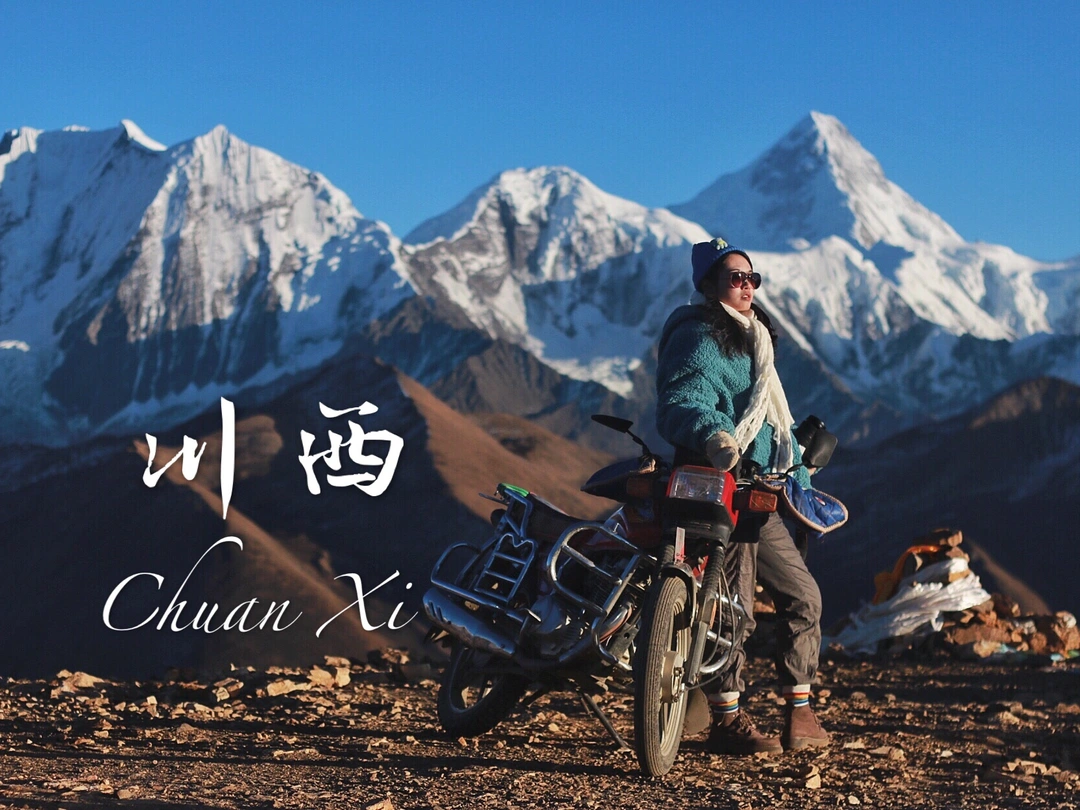
Meta Description: Discover the wildest winter adventure in West Sichuan! From Bipenggou's frozen waterfalls to Mount Gongga's golden peaks, explore breathtaking scenery, Tibetan culture, and road trip tips in this 1500-word SEO-optimized guide.
Introduction: Why Winter in West Sichuan is a Must-See
West Sichuan—a name that evokes magic and mystery. For many travelers, this region is a treasure trove of natural wonders, cultural richness, and unforgettable experiences. While spring and summer bring lush greenery and vibrant life, winter transforms West Sichuan into a pristine wonderland of snow, ice, and crystalline skies. This article chronicles a 9-day winter journey through West Sichuan, exploring frozen waterfalls, snow-capped peaks, Tibetan monasteries, and the raw beauty of nature at its most dramatic.
Whether you're a seasoned road tripper, a photography enthusiast, or a culture seeker, winter in West Sichuan offers something uniquely captivating. From the crunch of fresh snow underfoot to the golden glow of sunset on Mount Gongga, every moment feels like a scene from a film.
Winter Road Trip in West Sichuan: The Ultimate Itinerary
Planning a winter road trip in West Sichuan requires careful preparation. Here's the exact itinerary we followed, organized by our trip leader Lao Wang:

| Day | Route | Driving Time |
|---|---|---|
| 1 | Chongqing → Bipenggou | 10 hours |
| 2 | Bipenggou → Guergou Hot Springs → Wenchuan | 1.5 hours |
| 3 | Wenchuan → Jiuding Mountain Taiziling Skiing → Heishui | 4.5 hours |
| 4 | Heishui → Dagu Glacier → Barkam | 3 hours |
| 5 | Barkam → Danba → Open-air Hot Springs → Yala Snow Mountain → Huiyuan Temple → Bamei Town | 2 hours |
| 6 | Bamei Town → Moshi Park → Tagong Grassland → Xinduqiao → Yaha Pass → Xinduqiao | 2 hours |
| 7 | Xinduqiao → Yuzixi Sunrise → Chongqing | 10 hours |
| 8-9 | Chongqing City Tour | - |
[Link: Winter road trip essentials checklist]
Bipenggou in Winter: A Snowy Paradise
First Impressions of Bipenggou's Winter Wonderland
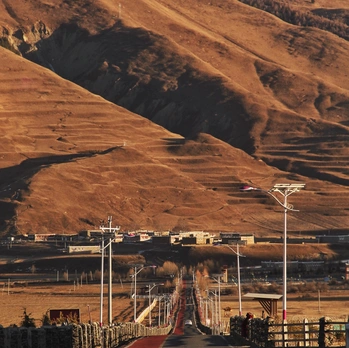
Bipenggou (毕棚沟) was our first stop on this West Sichuan winter adventure—and our first real test against the biting cold. The night before departure, I worried endlessly about what to wear. The next day, I bundled up like a bear, barely able to turn my head, but the weather surprised us: the sun climbed the mountain alongside us, making the snow surprisingly warm and pleasant.
Pro tip: Layering is essential. Start with thermal underwear, add fleece, then a windproof outer layer. Don't forget a good mask to protect your face from the bone-chilling wind.
Frozen Waterfalls and Snowy Landscapes
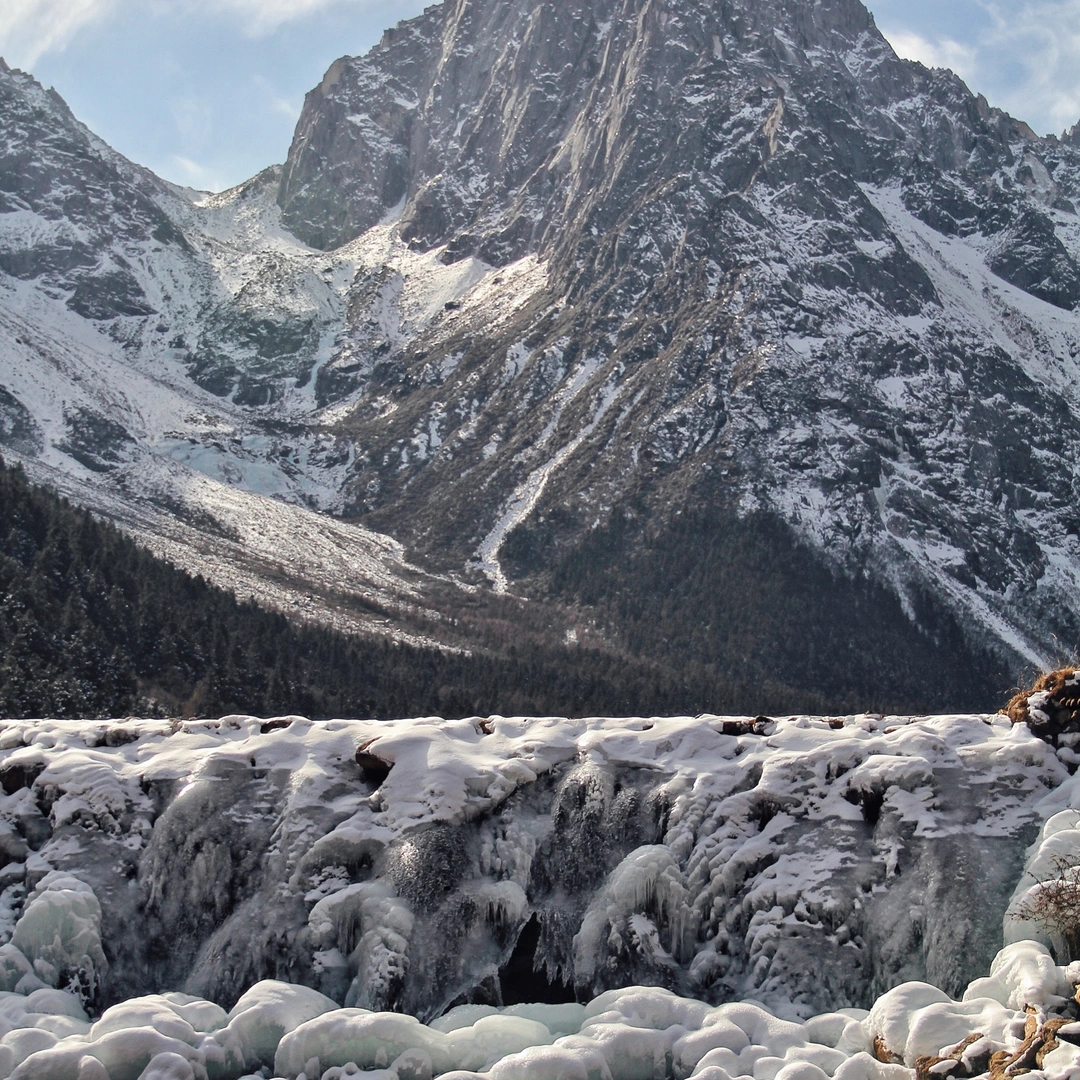
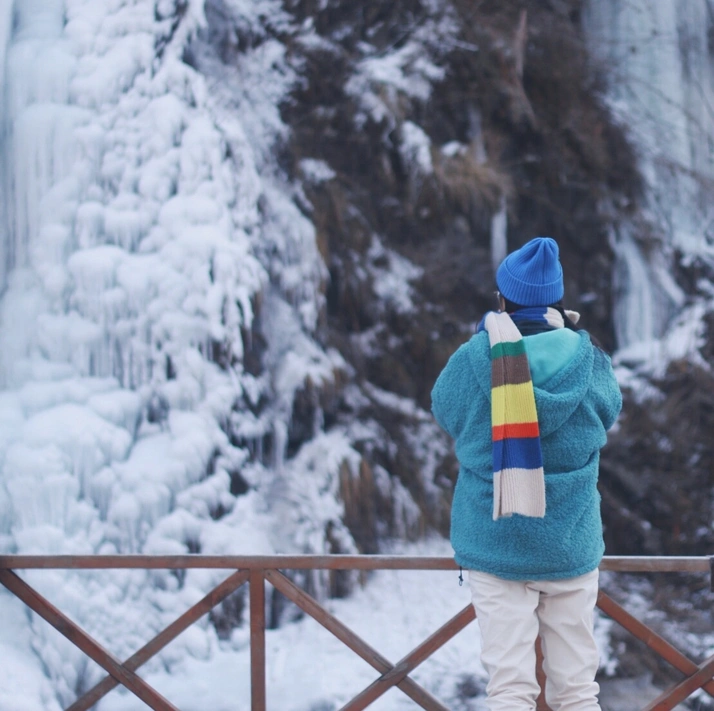
Years ago in Harbin, I'd seen snowballs that looked like "white chocolate," but Bipenggou's frozen waterfalls were something else entirely. The main waterfall had frozen solid into a massive ice sculpture, while smaller streams below continued to trickle—a fascinating contrast between stillness and flow.
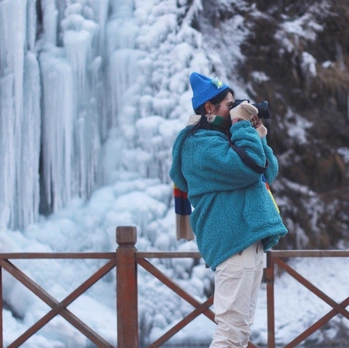
Some waterfalls were still cascading, creating a mesmerizing sound. I wanted to shoot a time-lapse, but my exposed hands couldn't withstand the piercing wind. Without a tripod, I had to abandon the idea.
Photography tip: For winter landscapes, use a fast shutter speed to capture falling snow, or a slow shutter for silky waterfall effects. A tripod is essential for long exposures.
The Joy of Running on Snow
If I had to pick my favorite winter activity, it would be running on fresh snow. The "crunch crunch" sound underfoot is pure joy—a happiness you simply can't experience in Guangzhou's mild winters. Even risking a slip on hidden ice was worth it.
Travel insight: The harder something is to come by, the more you cherish it. This is one of travel's greatest gifts: experiencing lives and sensations that others take for granted.
Nature's Ice Sculptures

The most breathtaking sight in Bipenggou was a massive ice formation that looked like stalactites in a cave. Tiny trickles of water had formed incredibly delicate icicles, creating a scene that felt otherworldly. Turning the corner to face this frozen masterpiece left me speechless—truly the work of nature's magic.
Tibetan Culture in West Sichuan: Huiyuan Temple Experience
The Spiritual Heart of Tibetan Buddhism
Beyond the natural scenery, the culture of Tibetan areas fascinated me deeply. Every time I step into a Tibetan region, I feel the devotion, simplicity, and heartfelt faith of the Tibetan people. It's an unadorned, essential form of human emotion.
A Sunset Visit to Huiyuan Temple
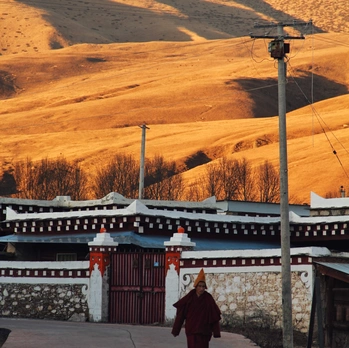
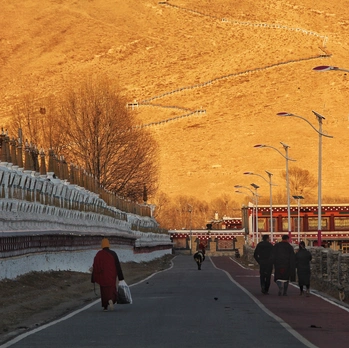
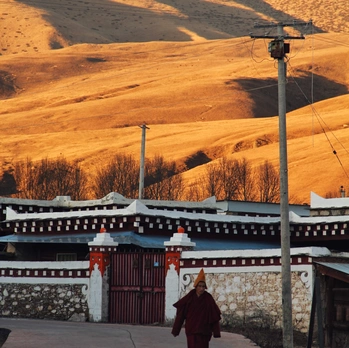
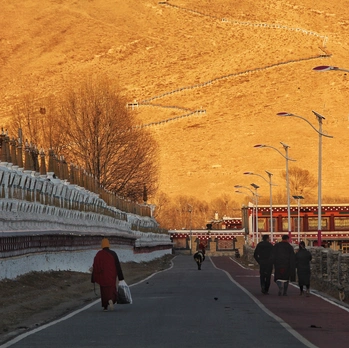
Our experience at Huiyuan Temple (慧远寺) was unforgettable. We arrived just before sunset and captured some satisfying landscape shots. After sunset, my friend Lao Wang and I walked into the temple and met a warm-hearted monk. He introduced us to the temple's culture, festival activities, and unique features, even unlocking temple doors to guide us through in order.
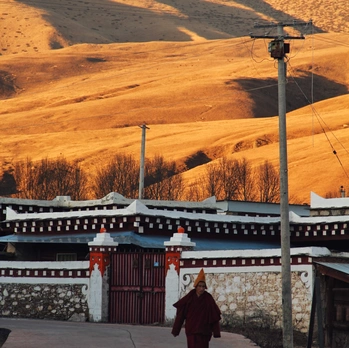
From his explanations, I learned a lot about Tibetan Buddhism—but more importantly, I felt his boundless love and pride for his faith. That kind of spiritual impact can only be understood by being there in person.
[Link: Tibetan Buddhism basics for travelers]
Mount Gongga: The King of Sichuan Mountains
Witnessing "Sunlight Kissing the Golden Peak"
Mount Gongga (贡嘎雪山), the King of Sichuan Mountains, is a goddess in the eyes of many travelers—including the local Tibetan people. Just gazing at Gongga from a distance, you can feel its sanctity. There are many vantage points in West Sichuan for photographing Mount Gongga.
This time, we were fortunate enough to witness two "sunlight kissing the golden peak" (日照金山) moments. For the first time, we rode motorcycles up the mountain for a closer view. I still remember the moment the motorcycle turned a corner, and suddenly a vast, unbroken expanse of snow-capped mountains appeared before my eyes—a soul-stirring shock that words cannot describe.
Photography tip: For golden hour shots, arrive at least 30 minutes before sunset. Use a telephoto lens for close-ups and a wide-angle for the grand landscape.
Moshi Park: An Alien Planet in West Sichuan
The Stone Forest That Defies Imagination
Moshi Park (墨石公园) is like an alien planet in the heart of West Sichuan. Even locals marvel at it. Standing on the hilltop observation deck overlooking this stone forest, I once again felt my own insignificance. It's easy to understand why so many people love to come to West Sichuan, Qinghai, Xinjiang, and Tibet to clear their minds—all life's trivial worries seem utterly insignificant in the face of nature.
Travel insight: Once you realize how small your problems are compared to nature's grandeur, your heart becomes much more open.
Road Trip Photography in West Sichuan
Capturing the Open Road
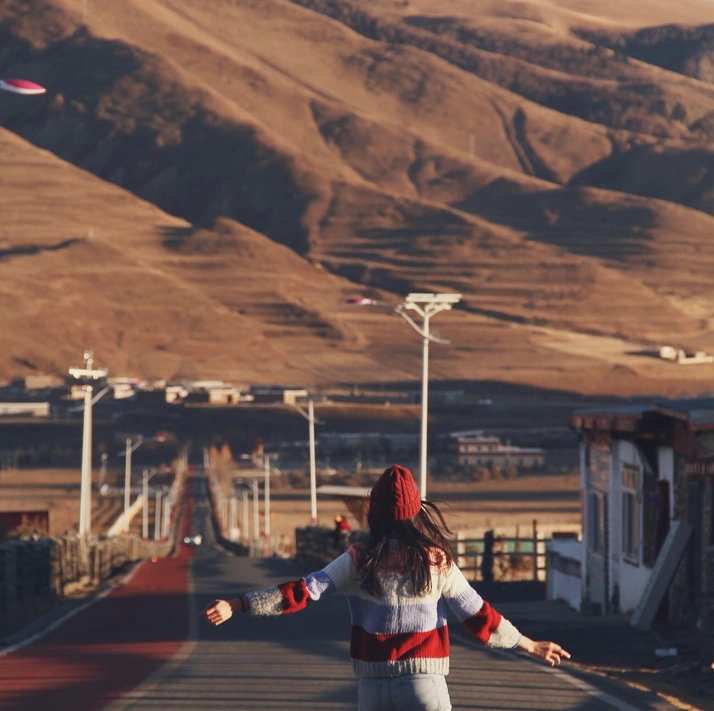
Driving along the highways of West Sichuan, you truly feel the vastness of nature and humanity's insignificance. Taking road-trip photos is practically a compulsory course for every traveler. I have a preference for shots that emphasize a sense of extension—a straight road stretching into the distance, a car in motion, as if narrating an endless story.
Drone Photography: A God's-Eye View
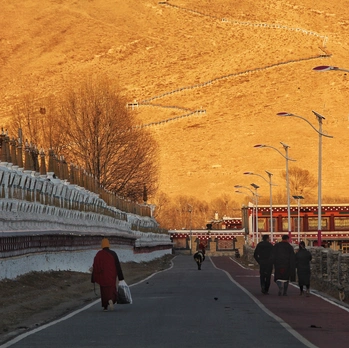
Brother Bian, who brought his drone, gave us an extra dimension to see West Sichuan. Viewing this vast land from above offers a refreshing novelty. No wonder so many people love skydiving—the feeling of diving toward the earth must be incredibly thrilling!
[Link: Best drone photography spots in West Sichuan]
Winter Travel Tips for West Sichuan
What to Pack for a Winter Road Trip
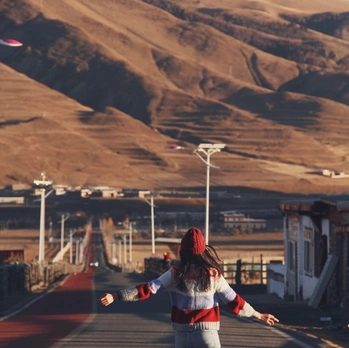
- Thermal layers: Base layer, fleece, windproof jacket
- Waterproof boots: Essential for snow and ice
- Hand warmers: Life-savers for photography
- Sunglasses: Snow glare is intense
- Lip balm and moisturizer: Dry air is harsh on skin
Driving Safety in Winter Conditions
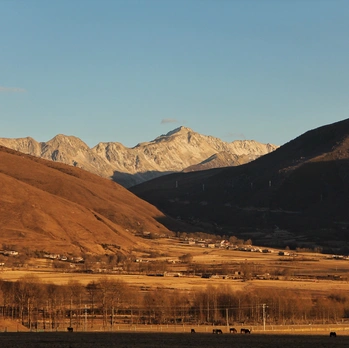
- Check tire pressure and consider snow chains
- Drive slowly on icy roads
- Keep emergency supplies (blankets, food, water)
- Plan for shorter driving days in winter
FAQ: Winter Travel in West Sichuan
1. Is winter a good time to visit West Sichuan?
 Absolutely! Winter offers fewer crowds, pristine snowscapes, and unique experiences like frozen waterfalls and golden peaks. Just be prepared for cold temperatures (often below freezing).
2. What's the best way to get around West Sichuan in winter?
 A 4WD vehicle is highly recommended for winter road trips. Roads can be icy, and some passes may require snow chains. Consider hiring a local driver if you're not experienced in winter driving.
3. How cold does it get in West Sichuan during winter?
Temperatures can drop to -10°C to -20°C (14°F to -4°F) at higher elevations. At lower elevations like Bipenggou, expect -5°C to 5°C (23°F to 41°F). Layering is essential.
4. Are there hot springs in West Sichuan?
 Yes! Guergou Hot Springs and open-air hot springs near Danba are popular. Soaking in a hot spring while surrounded by snow is an unforgettable experience.
5. What should I know about altitude sickness?
Many parts of West Sichuan are above 3,000 meters (10,000 feet). Acclimatize slowly, stay hydrated, and consider bringing medication like acetazolamide. Avoid alcohol and strenuous activity on your first day.
Conclusion: Your Winter West Sichuan Adventure Awaits
Winter in West Sichuan is more than a trip—it's a transformative experience. From the frozen waterfalls of Bipenggou to the golden peaks of Mount Gongga, from the spiritual serenity of Huiyuan Temple to the alien landscapes of Moshi Park, every moment offers something extraordinary.
The crunch of snow underfoot, the warmth of a monk's smile, the thrill of a motorcycle ride toward snow-capped mountains—these memories will stay with you long after you return home.
Ready to plan your own winter West Sichuan adventure? Start by [downloading our free winter road trip checklist] and [booking your accommodation in advance]—popular spots fill up quickly during peak season.
Share your own West Sichuan winter stories in the comments below, or tag us in your photos on social media. The wildest adventure awaits—are you ready to answer the call?
Note: This article is based on a real winter journey in West Sichuan. All locations mentioned are accessible during winter with proper preparation. Always check current road conditions and weather forecasts before traveling.
You may also like


