Winter in Western Sichuan: A Gentle Reunion with Snow, Love, and Myself
Meta Description: Discover the magic of winter in Western Sichuan with this 5-day road trip guide. From Bipenggou's fresh snow to Dagu Glacier's icy wonders, relive a journey of love, courage, and self-discovery. Perfect for snow lovers and couples.
Introduction: Why Winter in Western Sichuan Is More Than Just a Trip
For years, I harbored a quiet obsession: every Christmas or New Year's Eve, I had to be somewhere with snow. To me, snow isn't just a weather phenomenon—it's a ritual. When the snowflakes fall, the world goes quiet, and time itself seems to slow down. That's what winter should feel like.
In 2018, I welcomed the new year in the snowfields of Hokkaido, soaking in hot springs while drinking warm milk in the freezing cold. In 2019, I stood beneath a Christmas tree in England, bundled in my coat, watching the glow of festive lights and the steam rising from mulled wine. Then came 2020 and 2021, and the pandemic threw everything into chaos. Having a cup of mulled wine for Christmas felt like a luxury; not working overtime on New Year's Eve was the greatest happiness I could ask for. I thought the romance of snow might have to wait.
Then, unexpectedly, this year came. And you came with it. You took me from Shenzhen all the way to Western Sichuan. You said you wanted to "take me away" from this southern city. I laughed, but deep down, I felt at ease. With you by my side, setting off no longer required a second thought.
Western Sichuan Winter Road Trip: 5-Day Itinerary Overview
Planning a winter trip to Western Sichuan? Here's a quick snapshot of our 5-day, 4-night journey through the snowy wonderland:
- Day 1: Meet in Chengdu, rest for the night
- Day 2: Chengdu → Bipenggou (snowy valley exploration)
- Day 3: Bipenggou → Dagu Glacier (world's youngest glacier)
- Day 4: Dagu Glacier → Li County (Tibetan-Qiang cultural stop)
- Day 5: Li County → Chengdu (panda visit optional)
[Link: Best time to visit Western Sichuan for snow]
Departing from Chengdu: An Unexpected Encounter with the G317
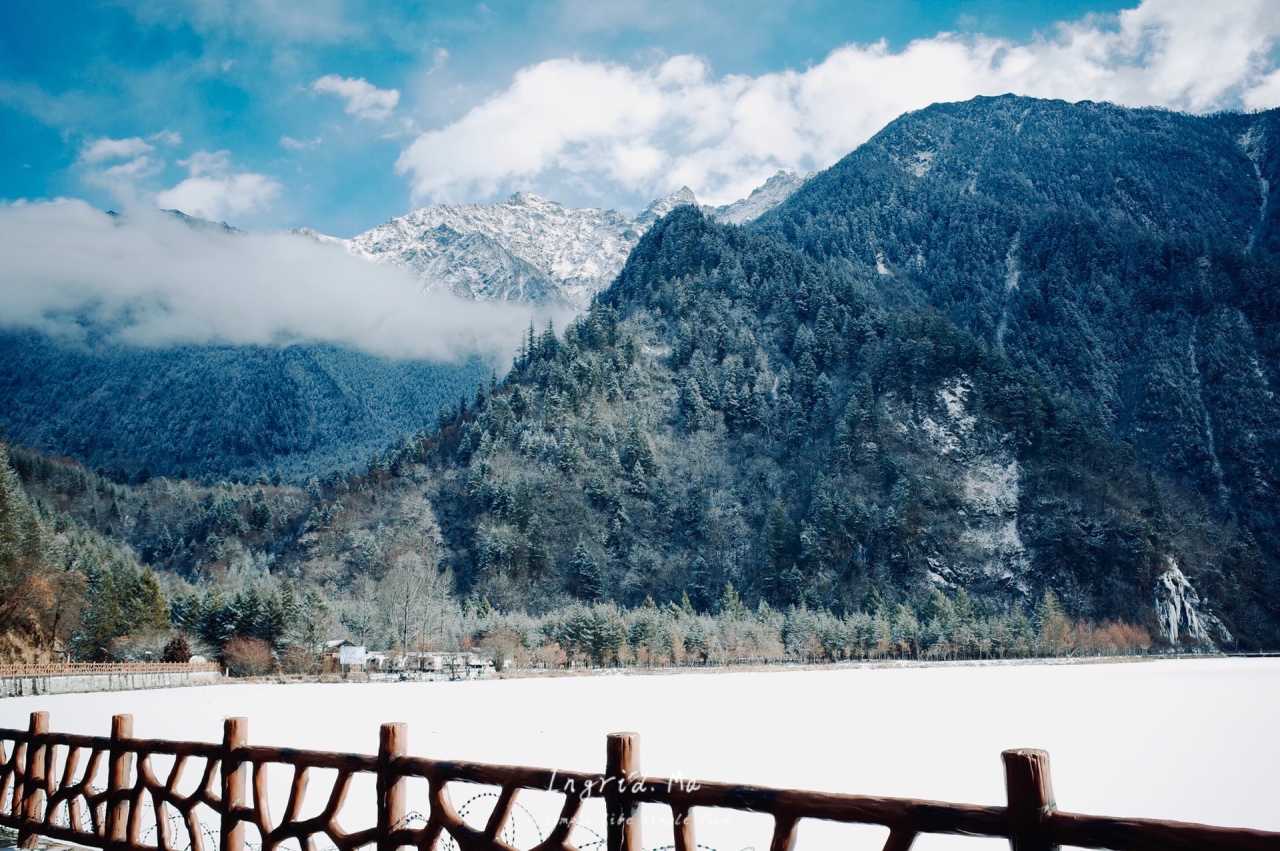
We only spent one night in Chengdu before hitting the road early the next morning. This time, we chose to drive ourselves, taking the G317 National Highway—a route famous for its dramatic mountain scenery and, in winter, its icy challenges.
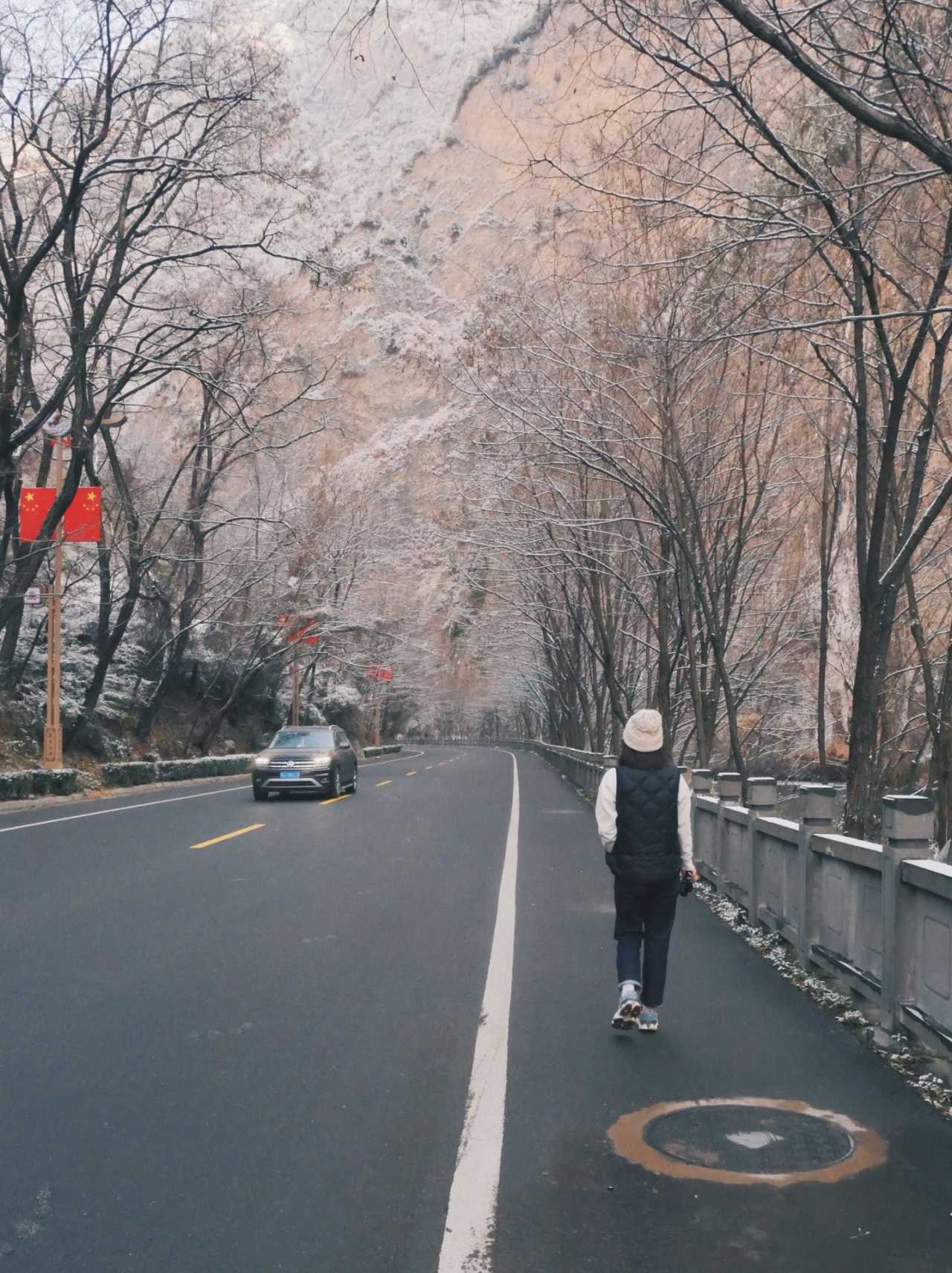
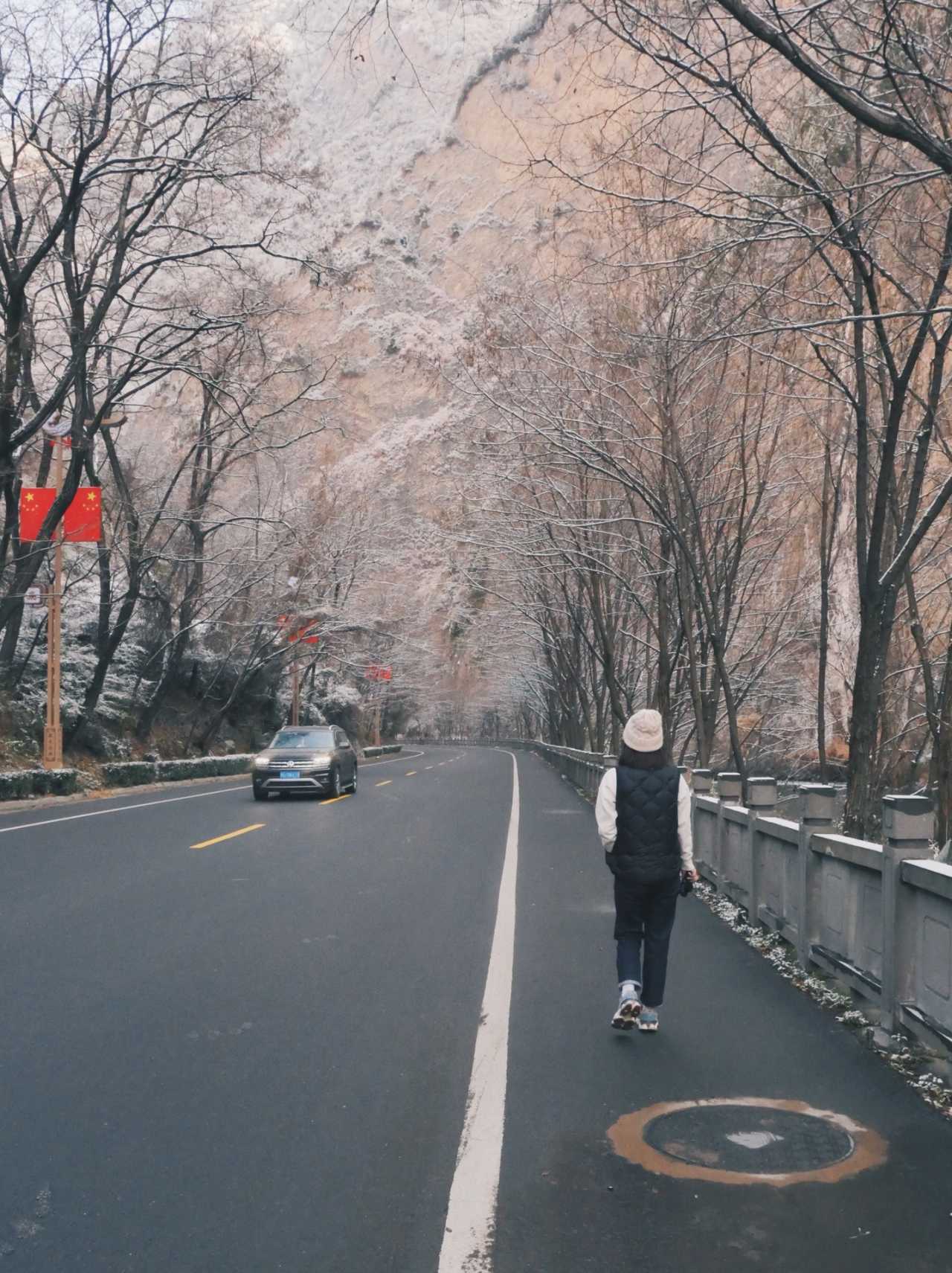
Before we left, the weather forecast predicted light snow, but I didn't think much of it. As soon as we entered the mountains, though, thin flakes began to fall. The road surface slowly turned white, and frost and ice crept onto the asphalt.
To be honest, my heart was pounding. I had never driven on icy roads before, and to make matters worse, we weren't in an SUV—just an ordinary two-wheel-drive car. Would the steering wheel lose control? Would the tires slip? All those "winter driving accident compilations" I'd seen online flashed through my mind like a movie reel. But you, sitting in the passenger seat, just laughed and said I was overthinking it. Fine—if you weren't scared, neither was I.
Driving Tips for G317 in Winter
- Speed control: Keep below 40 mph on icy patches
- Gear selection: Use S-gear (or low gear) for steep climbs
- Snow chains: Essential for two-wheel-drive vehicles
- Stopping distance: Double your usual braking distance
[Link: Essential winter driving checklist for Sichuan mountain roads]
Bipenggou: The Surprise of Fresh Snow and Tears from a Fall
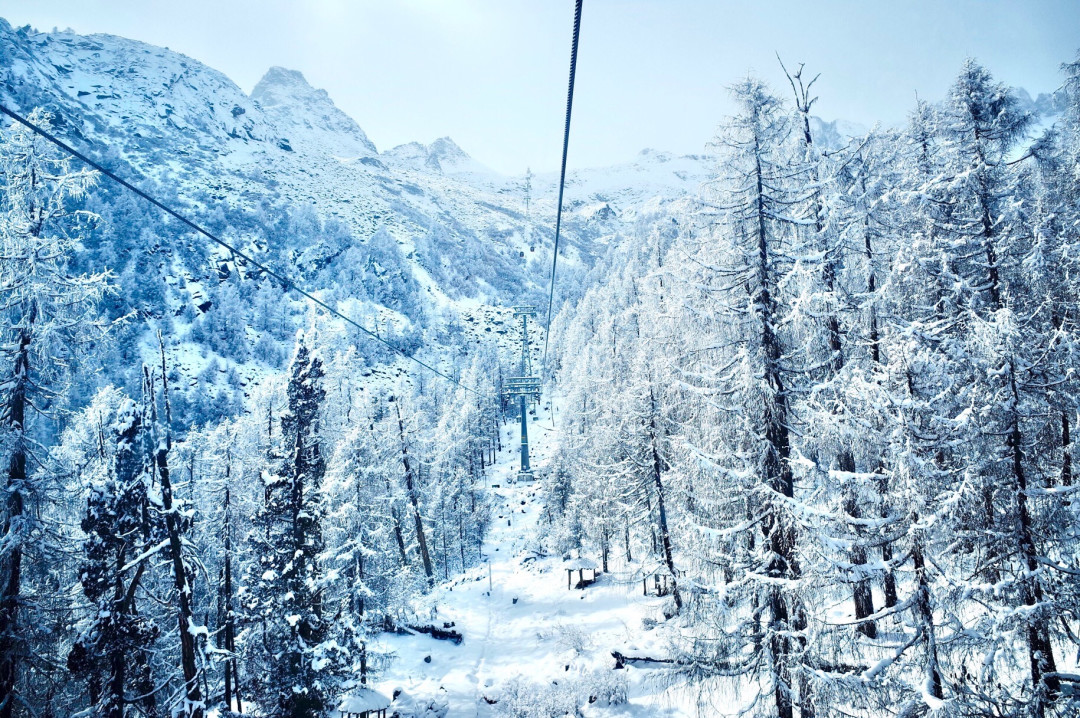
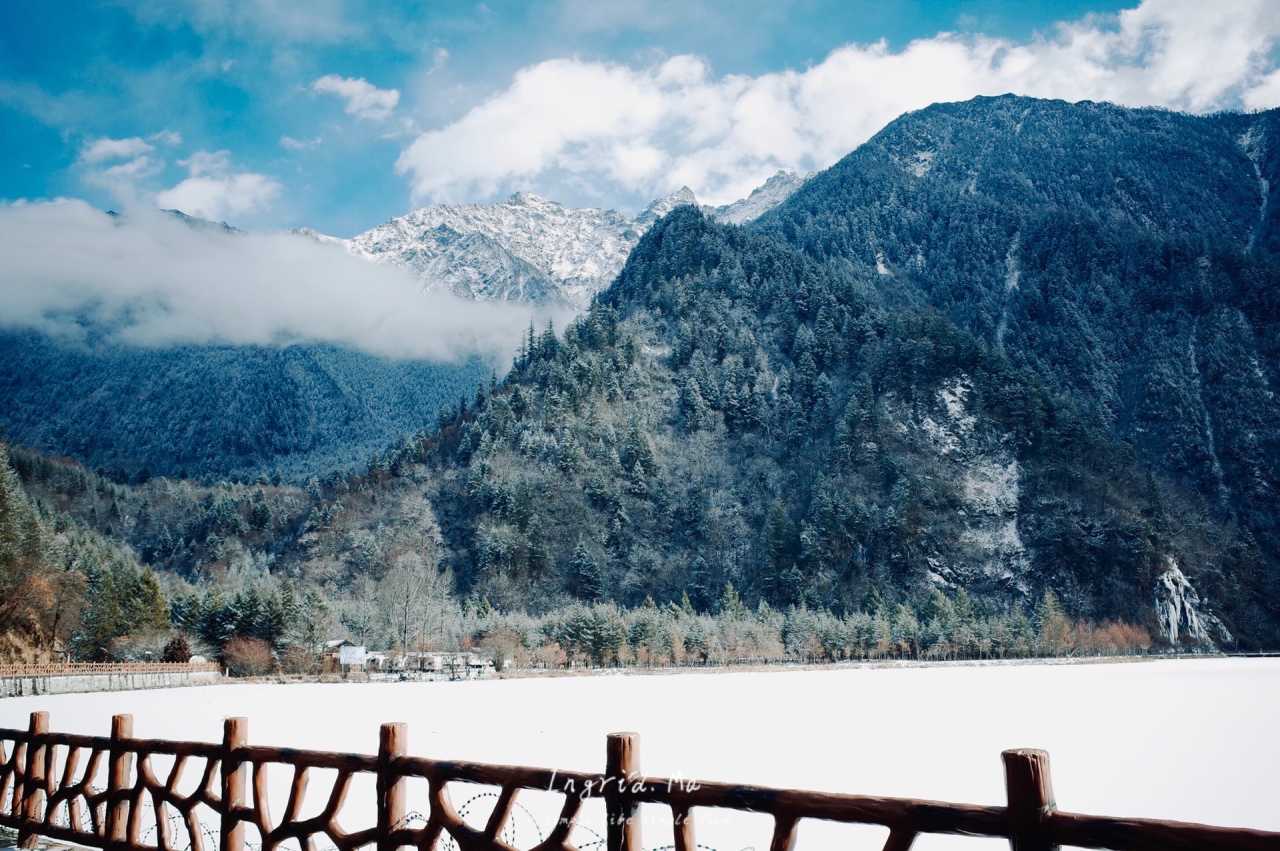
Bipenggou is a massive scenic area in Li County, Aba Prefecture. During the off-season, there are few visitors, and even waiting for the shuttle bus to enter the mountains requires patience. But when we finally stepped into the valley, the sight before us made every second of waiting worth it—a heavy snowfall the night before had blanketed the entire area in silver. The trees were laden with thick snow, like something out of a fairy tale.
If the snow hadn't been so heavy that the boardwalks were closed, we could have hiked all the way to the summit and then slowly made our way back down. But in this frozen landscape, we had to rely on shuttle buses to hop between scenic spots. Watching the snowy scenery through the window, I regretted not bringing any snow toys—remembering the days of frolicking in the snowfields of Sapporo, and now, with my body still recovering from a recent COVID infection, I simply couldn't handle the exertion.
And you—you just had to play a trick on me. You pulled a "real fall," sending me crashing hard to the ground. My back hit the ice, my camera flew out of my pocket, and tears streamed down my face from the pain. Lying there, I was both angry and amused. Later, you asked me why I didn't use my hands to break the fall. I said, "Because I trust you completely. How was I supposed to know you'd actually go through with it?"
Bipenggou Winter Highlights
- Fresh snowfall: Often gets heavy snow overnight
- Fewer crowds: Off-season means peaceful trails
- Shuttle bus system: Required when boardwalks are closed
- Photography: Snow-laden trees create fairy-tale scenes
Driving Through Snow on the G317: A Double Upgrade in Skill and Courage

Snow kept falling, and there was nothing but wilderness ahead and behind. The car had to stay right in the middle of the road, terrified that one wrong move would send us sliding into a ditch. This trip on the G317 gave me a snowy "surprise" and pushed my driving skills to a whole new level.
Finally, we found a rustic Sichuanese restaurant nestled in a mountain hollow, where we filled our stomachs before continuing. The owner asked with a grin, "Can you make it to Dagu Glacier before dark?" I checked the navigation—no matter how long we'd been driving, the remaining time stubbornly stayed at "2 hours." My heart sank a little, but I had no choice but to push through.
The stretch through Naizigou was dotted with small scenic stops—Yamai Lake, Luoluo Lake, and Yangrong Hade. This area is a blend of Tibetan and Qiang villages, and under the blanket of snow, they looked especially serene and mysterious. Long ago, the Red Army's Long March passed through this very land. Thinking about the harsh conditions they endured back then, and comparing it to us driving in a warm car, I couldn't help but feel how fortunate we are.
Must-Stop Spots Along Naizigou
- Yamai Lake: Frozen mirror under snow
- Luoluo Lake: Tibetan prayer flags in white
- Yangrong Hade: Traditional Qiang architecture
Our hotel was perched on a mountaintop, accessible only by a winding mountain road. When we reached the entrance, the icy surface made it impossible for the car to climb the slope. A cliff loomed beside us, and I was terrified that one wrong acceleration would send us plunging down. While we were asking the hotel staff for help clearing the ice, a man drove up and taught me how to handle the climb—shift to S gear, apply the gas gently, and keep the steering steady. Learning that new trick gave me a lot more confidence.
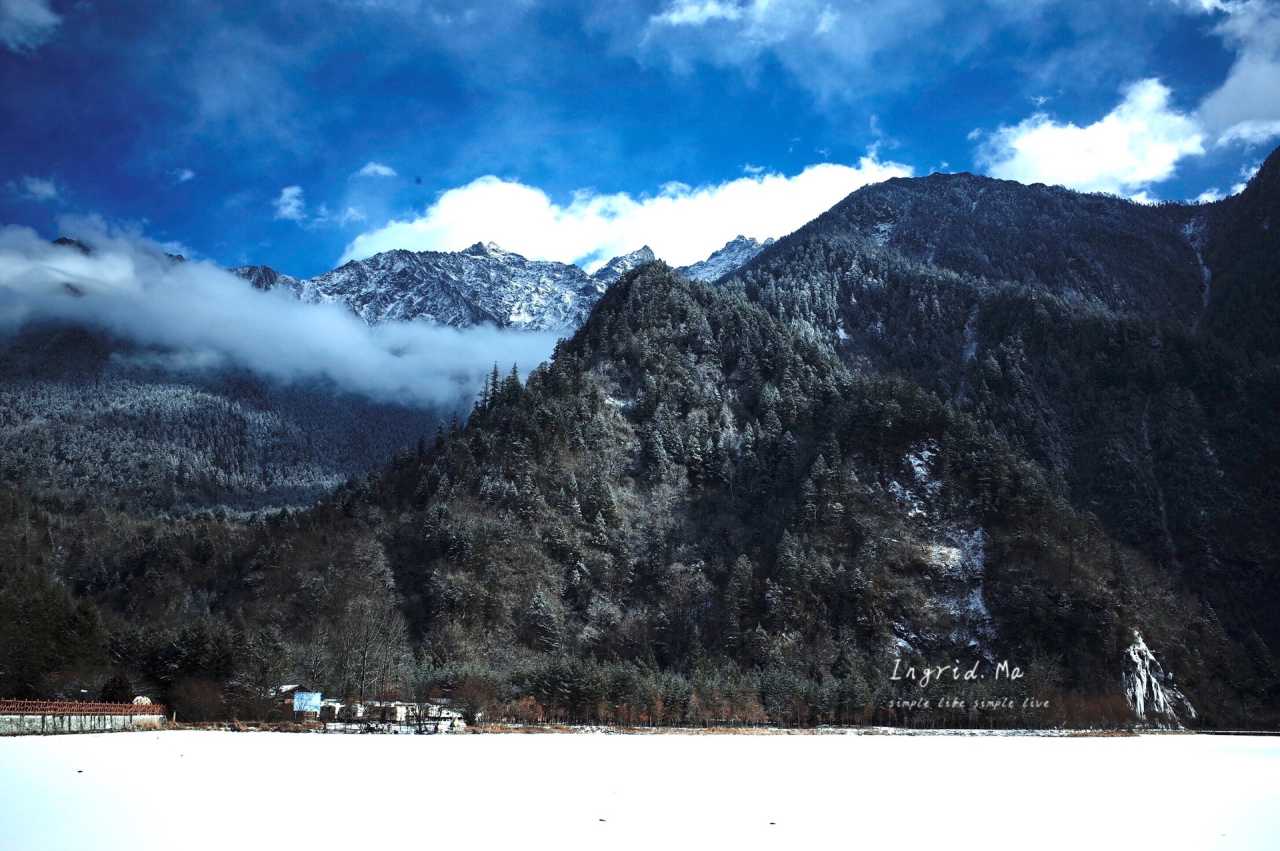
Across from the hotel, snow-covered mountains stretched into the distance. It was so quiet here—peaceful enough to let you completely unwind. I leaned by the window, gazing at the snowy landscape, and tears started flowing without warning. Walking with you, holding your hand, in that moment, I wished we could just keep walking, forever.
[Link: Best hotels in Western Sichuan with mountain views]
Dagu Glacier: The World's Youngest Glacier and the Warmest Snow Duck
Early the next morning, the kind man from before helped us put on the snow chains. Having mastered the S-gear technique, I felt much more confident about our upcoming Spring Festival road trip.
Dagu Glacier is known as "the world's youngest glacier." To be honest, with scenic spots like this that are more about scientific interest, bad weather can ruin the experience entirely. But luck was on our side. Though clouds and mist clung to the mountaintop, the sky cooperated just enough for us to snap a few decent photos.
I'm a bit afraid of heights. Sitting in the cable car, looking down at the valley below, my heart raced. When we reached the summit, though, the snow-covered scenery was stunning. I even managed to get a little snow duck from another visitor—a small, handmade treasure that I carried all the way down. That's the joy of seeing snow.
Dagu Glacier Travel Tips
- Altitude: Summit is around 4,800m – prepare for altitude sickness
- Cable car: Scenic but not for the faint-hearted
- Best time: Clear mornings offer the best views
- Snow gear: Bring gloves and non-slip boots
After visiting Dagu Glacier, we drove all the way to Li County, where we stayed for the night before heading back to Chengdu the next day. With some spare time, we made a spontaneous decision to visit the giant pandas. Those round, chubby national treasures rolled around in the snow, munching on bamboo, so adorable that they made all our worries disappear.
[Link: Giant panda viewing in Sichuan: Best bases and seasons]
FAQ: Winter Travel in Western Sichuan
1. Is it safe to drive on the G317 in winter?
Yes, but only with proper preparation. Carry snow chains, drive slowly (under 40 mph on ice), and use low gears for descents. Avoid driving after dark when ice is harder to spot.
2. What is the best time to visit Western Sichuan for snow?
 December to February offers the most reliable snow. January is peak for fresh powder, but February can be milder. Avoid Chinese New Year week if you dislike crowds.
3. Do I need altitude sickness medication for Dagu Glacier?
Yes. Dagu Glacier's summit reaches 4,800m. Acclimate in Chengdu or Li County first, bring oxygen canisters, and avoid strenuous activity at altitude.
4. Can I visit Bipenggou without a car?
 Public buses run from Chengdu to Li County, then local taxis to Bipenggou. However, a self-drive offers more flexibility, especially for spontaneous stops.
5. What should I pack for a winter trip to Western Sichuan?
Thermal layers, waterproof boots, gloves, hat, sunglasses (snow glare is intense), lip balm, and a power bank (cold drains batteries fast).
Final Thoughts: So This Is What Being Together Feels Like
I never imagined I'd have a journey where we set off together without hesitation, where the snow felt less like a destination and more like a backdrop for something deeper. This winter in Western Sichuan wasn't just about seeing snow—it was about rediscovering trust, courage, and the quiet joy of being with someone who makes every moment feel simple and happy.
Whether you're planning a romantic getaway, a solo adventure, or a family trip, Western Sichuan in winter offers something rare: a chance to slow down, breathe, and reconnect with what matters most.
Ready to plan your own winter escape? Start by checking road conditions on the G317, booking your accommodation in advance, and packing for the cold. The snow is waiting—and so is the magic.
[Link: Plan your Western Sichuan road trip: Complete guide]
Have you traveled to Western Sichuan in winter? Share your experience in the comments below or ask us your questions—we'd love to hear your story.
You may also like


