Winter Hiking to the Golden Summit of Mount Emei: A 12-Hour Pilgrimage of Self-Discovery
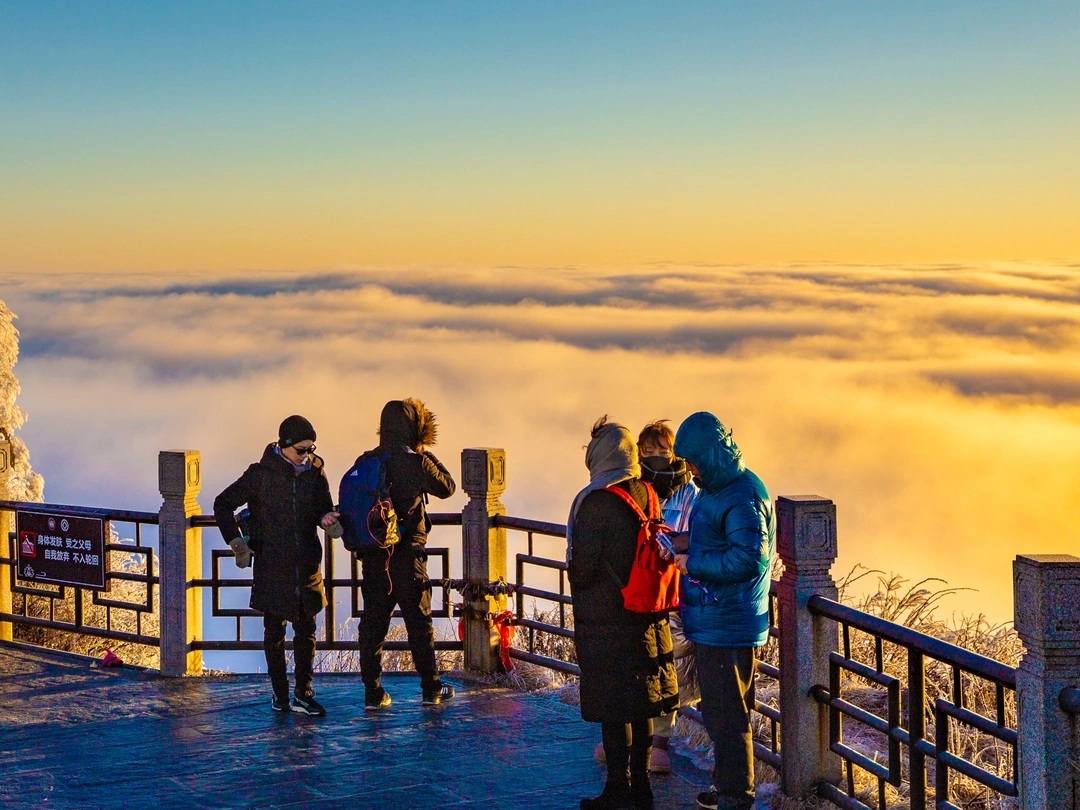
Meta Description: Conquer 45 km of icy stone steps from 550m to 3,077m in winter. A raw, honest guide to hiking Mount Emei's Golden Summit—including monkey ambushes, gear tips, and the ultimate test of endurance.
Introduction: Why I Chose to Measure This Mountain with My Own Feet
On January 31, 2019, I slung my backpack over my shoulders and boarded the train to Mount Emei with my cousin. Outside the window hung the typical winter sky—gray and lifeless. Inside, passengers chatted lazily. No one knew that over the next 12 hours, we would complete a climb from 550 meters to 3,077 meters above sea level—more than 40 kilometers of stone steps, with temperatures dropping from 8°C all the way down to -12°C.
Before this trip, Mount Emei was just another tourist attraction to me—one of those places that's "more famous than it deserves." As a native of Sichuan, I'd never seriously considered visiting. But that winter, after a full year without traveling, I finally decided to put this "consolation prize" destination on my calendar.
Then I started researching the route, and realized just how naive I was.
"Walking up? 45 kilometers, all stone steps. You'll need to stay overnight at a temple—two days minimum."
"Wait, you mean it's not just a little bit of effort to reach the top?"
Every guide I read told me the same thing: Kid, you have no idea what you're getting into with Mount Emei.
What made it even more "interesting" was that both my cousin and I had a history of leg problems. But that stubborn streak in us refused to back down. We decided—we'd tough it out.
Essential Gear for Winter Hiking Mount Emei
If you're planning a winter hike to Mount Emei's Golden Summit, preparation is everything. Here's what we learned the hard way:
Must-Have Items

- Bamboo pole: Buy one at the base for 2 yuan. It's your hiking stick and your "monkey deterrent." Don't skimp on this.
- Anti-slip ice cleats: The trails are covered in ice and snow. Without these, you won't make it. At the base, they cost 5 yuan a pair. Up on the mountain, they're 20 yuan.
- Pack light: One backpack is enough. Leave the suitcase behind.
- High-energy snacks: Energy bars, cola, chocolate. There are shops along the way, but many are closed during the winter low season. You'll often walk 1–2 hours before finding a supply point.
- Breathable clothing: Don't overdress. You'll sweat heavily from the exertion. Breathable fabrics will keep you comfortable.
- Keep electronics warm: Batteries drain fast in freezing temperatures. Keep your phone and camera close to your body.
- Flashlight: Be prepared to hike in the dark. This is non-negotiable.
- Don't carry food in your hands: Otherwise, you'll become the "VIP target" of the monkey gangs.
[Link: Best hiking gear for winter travel in China]
The Route: Wuxiangang to Leidongping—45 Kilometers of "Hell Mode"
Here's how our itinerary played out:
Day 1 (January 31)
Chengdu high-speed rail → Mount Emei Station → Taxi to Wuxiangang
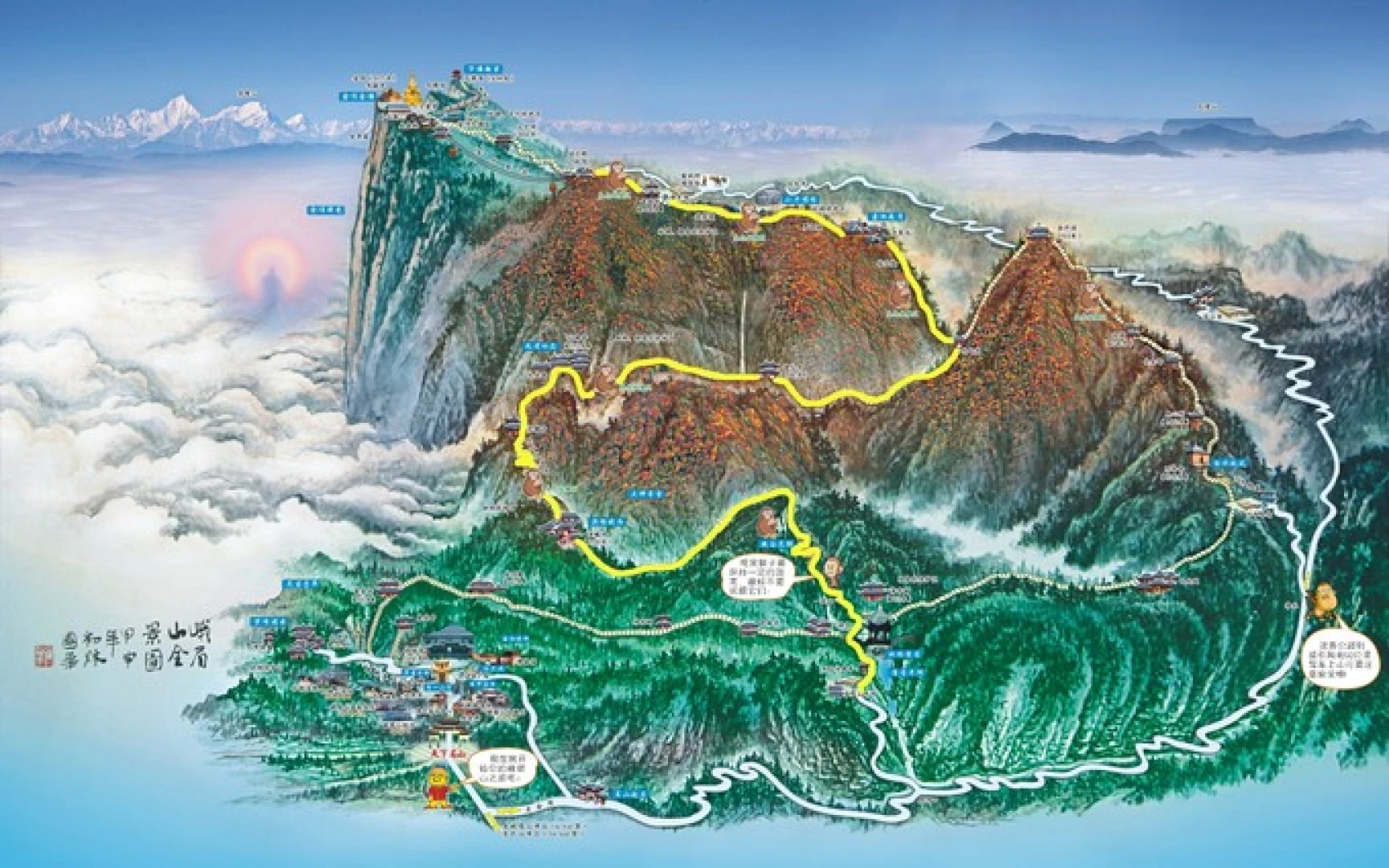
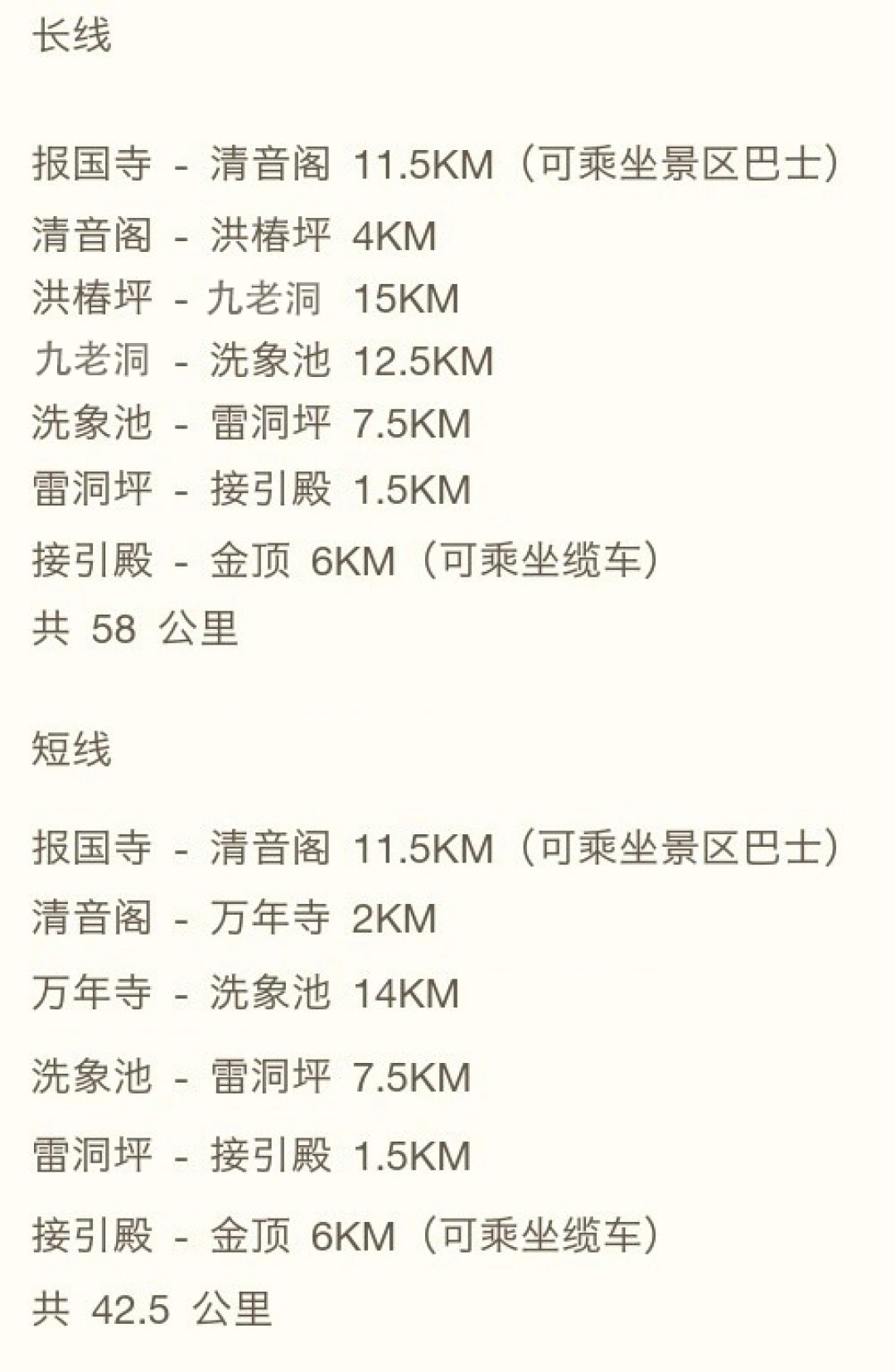
Hiking route: Wuxiangang → Qingyin Pavilion → Thread of Sky → Ecological Monkey Zone → Hongchunping → Tianchi Peak → Xianfeng Temple (Nine Old Caves) → Xixiang Pond → Leidongping
Total distance: approximately 45 kilometers
Time: 12 hours
Accommodation: Jinchuan Hotel, Leidongping
Day 2 (February 1)
Depart at 6:00 AM → 30-minute walk to Jieyindian → Cable car to Golden Summit → 11:00 AM shuttle bus down the mountain, returning to Chengdu
Qingyin Pavilion: The Only Temple We Actually Explored
Starting from Wuxiangang, our first stop was Qingyin Pavilion.
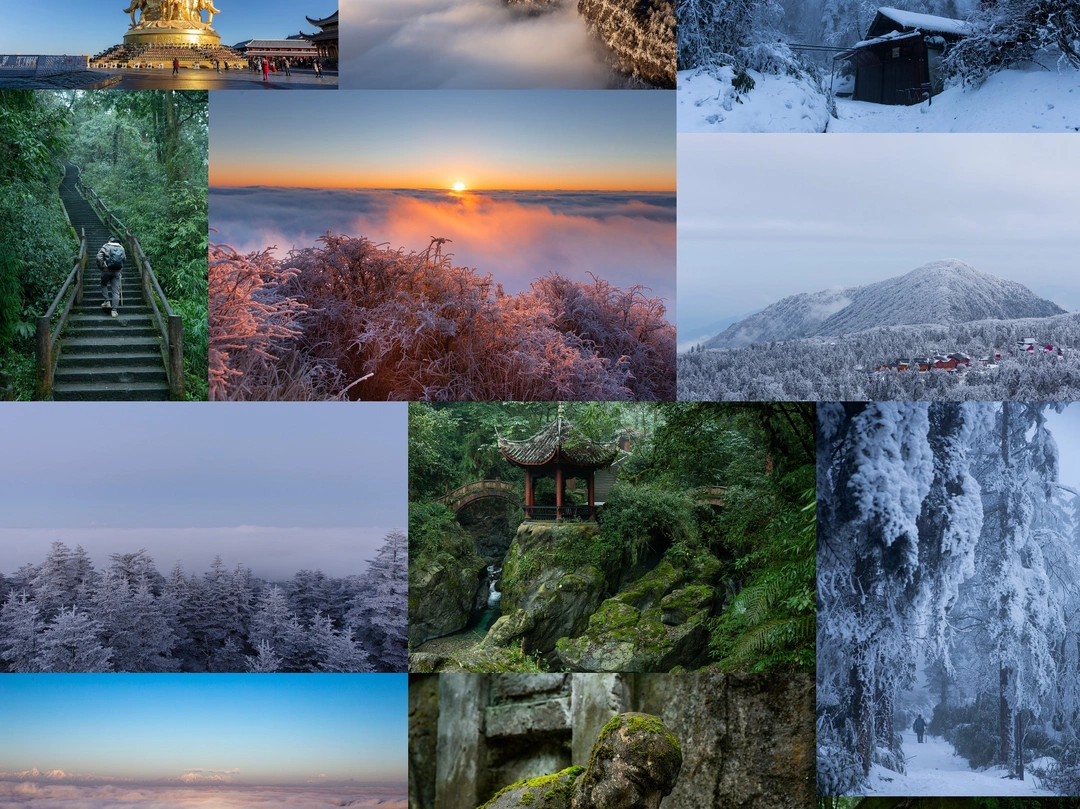
To be honest, there are countless temples along the route, each with its own reputation. But by the time we reached them, we were so exhausted that we could only "pass through." Qingyin Pavilion was the exception—we still had energy, so we went inside for a look.
Built in 877 AD during the Tang Dynasty by Master Huitong, the temple houses statues of Shakyamuni, Manjushri, and Samantabhadra. It perches precariously on a ridge between the Black Dragon River and the White Dragon River, towering high above the gorge. We weren't there to pray—just passed through quickly.
But what stopped me in my tracks were the cliffside carvings. The reliefs and sculptures were covered in moss, as if they hadn't been carved by human hands but had grown organically from the earth itself. They depicted stories of emperors Kangxi, Tang Taizong, and Zhu Yuanzhang visiting the mountain—vivid and lifelike.
The Ninety-Nine Bends: The Ultimate Test for Your Knees
After Qingyin Pavilion came the Thread of Sky—a narrow gorge. The scenery wasn't spectacular, but it had its own quiet beauty.
Then came the Ecological Monkey Zone.
The scenic area has designated a section called the "Ecological Monkey Zone," but we didn't see a single monkey there. We later learned that the real "monkey zone" was higher up the mountain—where a gang of "mountain kings" was waiting for us.
And then came the most dreaded section of the entire climb—the Ninety-Nine Bends.
Endless switchbacks of stone steps—the ultimate challenge for your knees. Left turns, right turns, steep climbs, steep descents, moss-covered stones, ice-glazed paths... If you don't have knees of steel, this section will break you.
[Link: How to prevent knee pain during long hikes]
Monkey Ambush: Our Face-to-Face with the "Mountain Kings"
Around 3:00 PM, we encountered the most terrifying moment of the trip.
My cousin and I were both completely exhausted, heads down, just focused on putting one foot in front of the other. Suddenly, we heard shouts from ahead: "Monkeys! Hurry up!"
We paid no attention. Ten minutes later, we saw it: several monkeys blocking the narrow path, rummaging through a backpack—clearly stolen from some hiker ahead of us.
What now? There was no way around.
The park staff had warned us: the monkeys here are aggressive. Best not to provoke them. We waited, hoping they'd move on. But after ten minutes, the group had grown from two or three to over a dozen. If we waited any longer, it would be dark.
So we decided to charge through.
Our "battle plan": 1. Take off our jackets and wear them over our backpacks to prevent theft 2. Walk side by side to look more intimidating 3. Slam our bamboo poles against the ground to make a deafening noise 4. Each pick up a fist-sized rock and brandish it, pretending we were ready to throw 5. Scream like wild men as we slowly advanced
It actually worked. The monkeys began retreating, dropping the stolen backpack and scrambling onto the railings. I used my bamboo pole to hook the backpack and tossed it down the mountain—so they couldn't come back for it.
A few large monkeys tried to approach again, baring their teeth and hissing. We cranked up the volume and kept screaming. Finally, they backed off.
After that experience, I'll never think of Mount Emei's monkeys as cute again. But honestly, the fact that they still have their wild instincts gave me a strange sense of comfort—at least this is still their territory, not a place where they've been reduced to begging or performing for humans.
A World of Ice: Walking Until Our Hair Turned White
After Xixiang Pond, the sky began to darken. We still had 7.5 kilometers to Leidongping—hiking in the dark was inevitable.
The temperature was freezing, but since we were constantly moving, we didn't feel cold. But the sweat on our hair had frozen into a layer of frost—we were literally "walking until our hair turned white." Our backpacks, soaked by the damp fog, had frozen into hard shells of ice.
Yet the higher we climbed, the more beautiful the scenery became. Giant fir trees draped in ice and snow stood like towering figures lining the path. Surrounded by this frozen wonderland, everything felt dreamlike and surreal.
I pulled out my heavy camera and managed to take a few shots. They were among the few photos I took that day—I was so physically drained that I could barely lift the DSLR.
The Final Victory: When the Lights of Leidongping Appeared
That moment—when the lights of Leidongping flickered through the freezing fog—will stay with me forever. After 12 hours of climbing, we had done it. We had walked from the base to the gateway of the Golden Summit.
The next morning, we took the cable car up to the Golden Summit of Mount Emei. The sunrise over the sea of clouds, the golden statue of Samantabhadra gleaming in the first light—it was worth every frozen step.
FAQ: Winter Hiking to Mount Emei's Golden Summit
1. How long does it take to hike Mount Emei in winter?
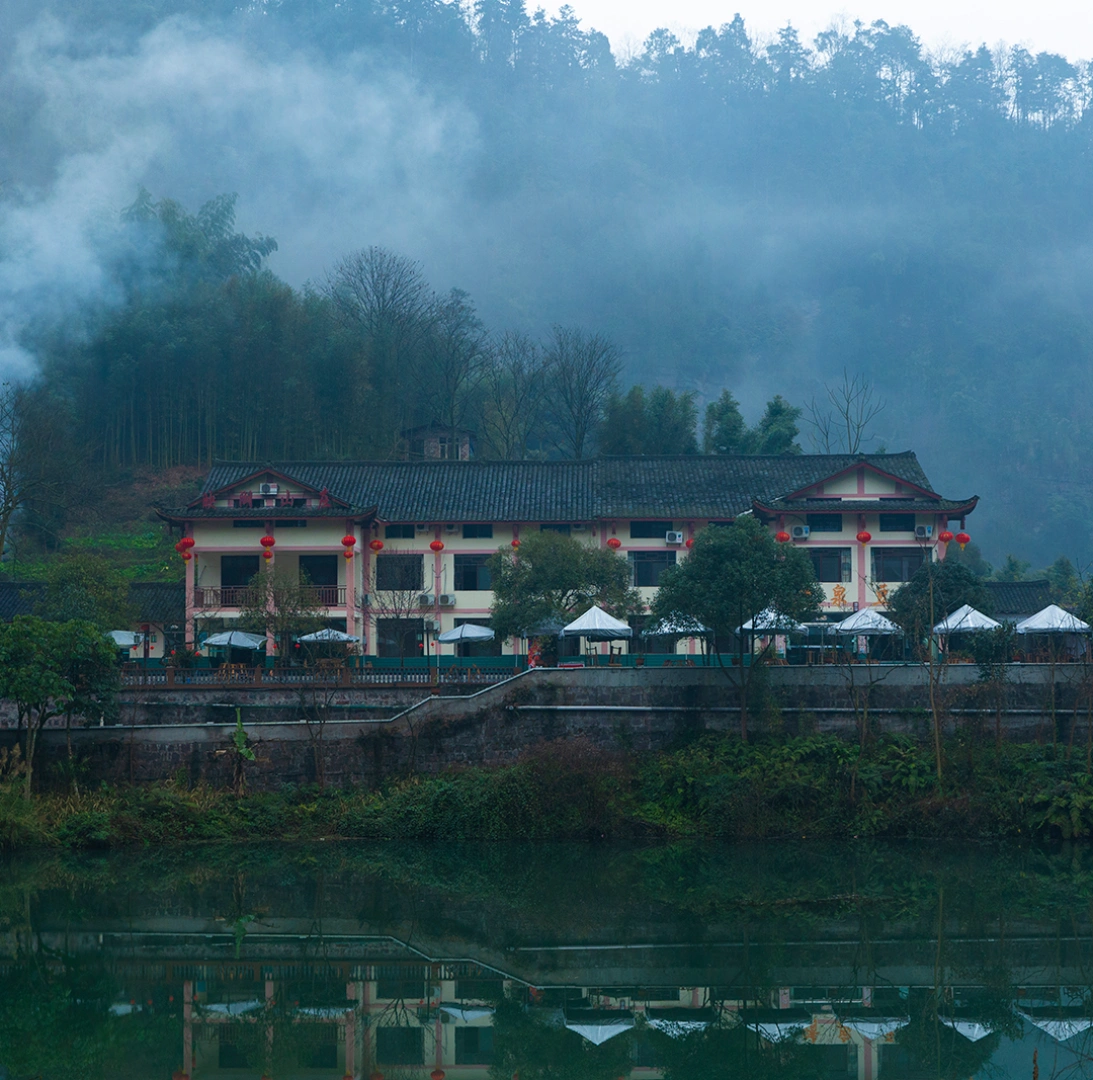 Most hikers need 10–14 hours to cover the 45-kilometer route from Wuxiangang to Leidongping. Plan for an overnight stay at Leidongping before summiting the next morning.
2. Is it safe to hike Mount Emei alone in winter?
It's safer to hike with a partner, especially during winter when trails are icy and daylight is short. If you go solo, carry a flashlight, extra batteries, and let someone know your itinerary.
3. Do I need special gear for the winter hike?
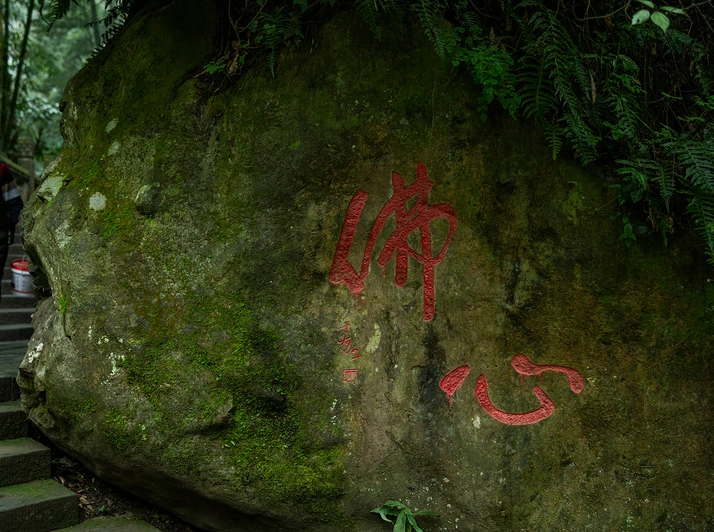 Yes. Anti-slip ice cleats, a bamboo pole, breathable layers, and a flashlight are essential. Read our gear checklist above for the full list.
4. Are the monkeys dangerous on Mount Emei?
Yes, especially in winter when food is scarce. The monkeys are wild and can be aggressive. Never carry food in your hands, and if confronted, use a bamboo pole to create noise and appear intimidating.
5. Can I do this hike in one day?
Technically yes, but it's not recommended. Most hikers split the journey into two days—hiking to Leidongping on Day 1 and taking the cable car to the Golden Summit on Day 2.
Your Turn: Will You Answer the Mountain's Call?
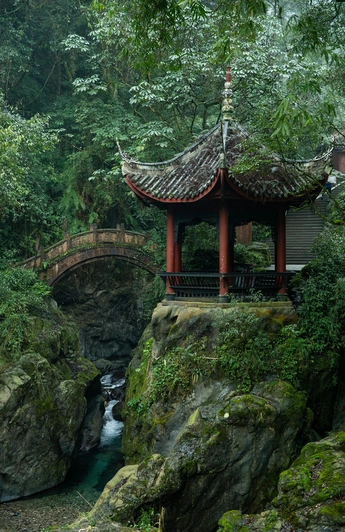
Mount Emei isn't just a tourist attraction—it's a pilgrimage. A test of will, endurance, and spirit. Whether you're seeking self-discovery, breathtaking winter scenery, or simply the satisfaction of conquering 45 kilometers of stone steps, this mountain will give you exactly what you need.
Ready to plan your own winter hike to the Golden Summit? Start with the gear checklist above, book your train to Chengdu, and prepare for the adventure of a lifetime.
The mountain is waiting. Are you brave enough to answer?
Have you hiked Mount Emei in winter? Share your experience in the comments below—I'd love to hear your story.
You may also like


