Winter 2026: A Nine-Day Journey Through Seven Cities in Sichuan and Chongqing – The Ultimate Travel Guide from Chengdu to Chongqing
Meta Description: Plan your perfect winter escape with this 9-day Sichuan and Chongqing itinerary. From Chengdu pandas to Zigong Lantern Festival, explore 7 cities in 2026. Expert tips, hidden gems, and travel hacks included.
Introduction: Why Winter 2026 is the Perfect Time for a Sichuan-Chongqing Adventure
Some journeys are planned for months; others are born from a spark of inspiration. When the ancient bronze masks of Sanxingdui called out and the dazzling lights of the Zigong Lantern Festival beckoned, we knew—winter 2026 was the moment. This nine-day odyssey through seven cities in Sichuan and Chongqing offers a rare blend of cultural heritage, culinary adventures, and natural wonders. Starting in Chengdu and ending in Chongqing, this route is designed for travelers who crave authentic experiences without sacrificing comfort.
Whether you're a first-time visitor or returning to explore deeper, this Chengdu to Chongqing travel guide will help you navigate the best of Southwest China during the Year of the Horse.
Day 1: Chengdu – Pandas, Street Eats, and Urban Landmarks
Giant Panda Breeding Research Base: Morning with China's National Treasure
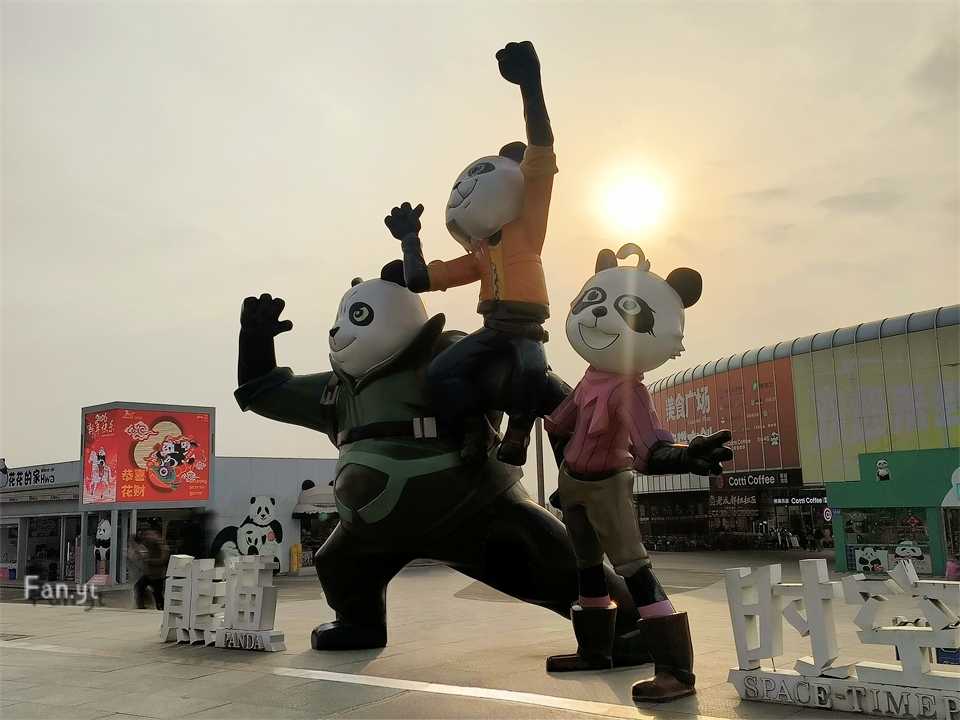
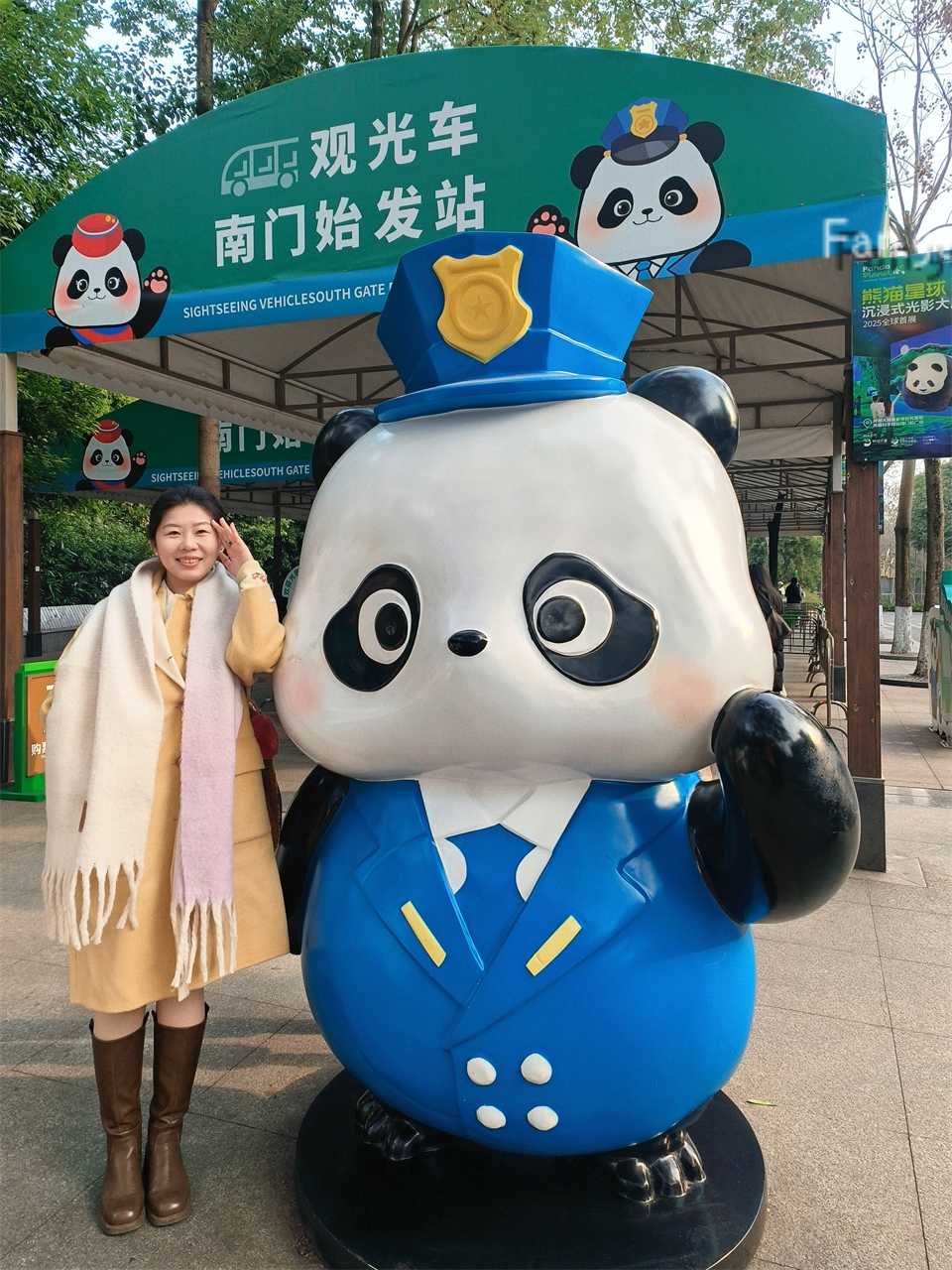
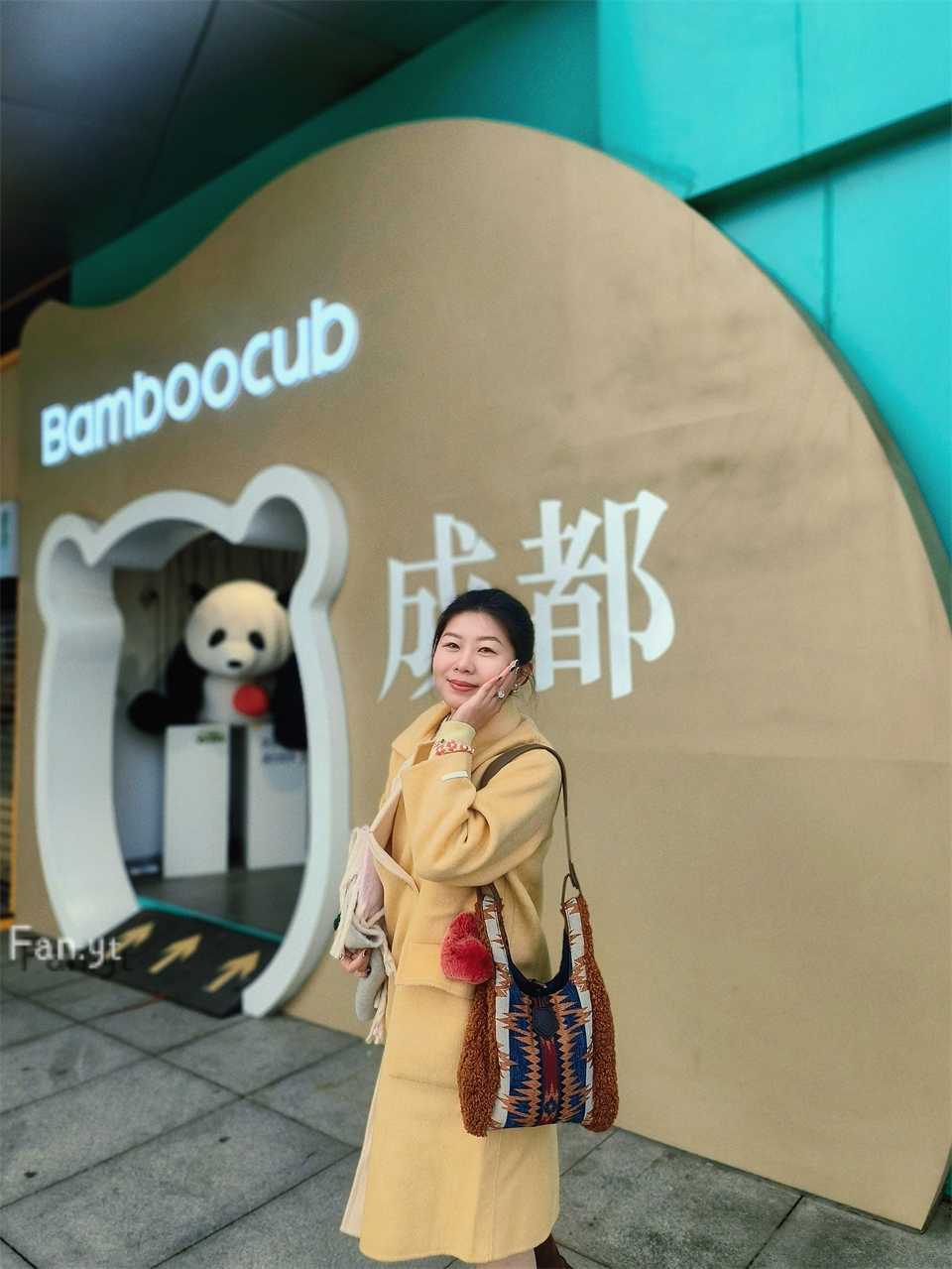
Winter in Chengdu is famously gray, but we were blessed with golden sunlight streaming through the bamboo groves. The Giant Panda Breeding Research Base is a must-visit for any Sichuan travel itinerary. While the West Gate is recommended for smaller crowds, we entered through the South Gate—proof that spontaneity often leads to the best memories.
Pro tip: Take the sightseeing tram. It allows five rides and saves energy for exploring. We spotted "Yayun," a panda with an attitude, munching bamboo like it owned the place. Later, we saw her cub—a "sad face" panda that became an instant favorite.
Best time to visit: Arrive before 10 a.m. After that, pandas nap. The red pandas were curled into fuzzy balls, oblivious to our admiration. We skipped the two-hour queue for superstar panda "Huahua" (Flower)—sometimes, the less crowded paths offer more intimate encounters.
Dongjiao Memory: Industrial Heritage Meets Modern Art
At noon, we taxied to Dongjiao Memory, a 282-mu cultural zone transformed from the state-owned Hongguang Electron Tube Factory. This Chengdu art district blends music, theater, and photography against a backdrop of industrial relics. The famous photo wall had a long queue, but we snapped creative shots from the upper floor. A convex mirror covered with red panda stickers cleverly blocked out passersby.
Lunch recommendation: Jimaodian Dongjiao Memory branch. The mapo tofu and couple's lung slices were unforgettable. The pumpkin in steamed pork with rice flour was perfectly soft, while the spicy chicken delivered the numbing satisfaction Chengdu is famous for.
IFS and Jiuyanqiao: Iconic Views and Local Connections
The IFS giant panda climbing the building is a Chengdu icon. Take the elevator to the 7th floor for a direct view—but prepare to queue. The 559 Sunset Lounge offers panda-themed afternoon tea, including a spicy hotpot coffee (pick out the Sichuan peppercorns carefully!).
That evening, we met a mutual friend for dinner at Yundou. The pork trotters were underwhelming, but the home-style dishes and warm conversation made it special. From Jiuyanqiao (Nine-Eye Bridge), we admired the Anshun Corridor Bridge, its lights reflecting on the water—a sight that dates back to the Yuan Dynasty.
[Link: Best time to visit Chengdu pandas]
Day 2: Mount Qingcheng and Dujiangyan – Taoist Serenity and Ancient Engineering
Mount Qingcheng: An Oxygen-Rich Haven with Taoist Roots
"The serenity of Mount Qingcheng is unmatched." This ancient saying holds true. We booked a Mount Qingcheng day tour on Mafengwo, including lunch and a performance—effortless and efficient.
Our guide announced we were the first visitors. The sea of green was breathtaking. The negative ion count here is 180 times that of Chengdu—a natural detox for city-weary lungs. The sightseeing tram and cable car (extra charges) were worth every yuan.
Shangqing Temple (Upper Clarity Temple) sits halfway up the first peak. Built during the Jin Dynasty, the current structure dates to the Qing Dynasty's Tongzhi era. Chiang Kai-shek himself penned the temple gate's inscription. Inside, Lord Laozi is enshrined. We paid our respects and descended.
Memorable quote from our guide: "Honor the water at Dujiangyan, seek the Way at Mount Qingcheng."
Dujiangyan: The Millennium-Old Irrigation System That Still Works
The group lunch was simple—five people sharing basic dishes. If we'd known about the nearby snack street, we'd have explored. But the small theater performance made up for it: a female warrior role, a long-spouted teapot act, and face-changing (bian lian). For an extra 20 yuan, we upgraded to front-row seats and got a big bowl of tea.
Dujiangyan is Li Bing's masterpiece from the Qin Dynasty. The fish-mouth divider channels water, the flying-sand weir controls flooding, and the bottle-neck channel diverts water for irrigation—transforming western Sichuan into the "Land of Abundance." The water's beautiful green hue and the 40-60 water split (with 20-80 sand split) demonstrate Li Bing's hydraulic genius.
[Link: Dujiangyan irrigation system history]
FAQ: Planning Your Winter 2026 Sichuan-Chongqing Trip

Q1: What is the best time to visit Sichuan and Chongqing in winter?
A: Late February to early March offers mild temperatures (5-15°C/41-59°F) and fewer crowds. The Zigong Lantern Festival typically runs through February, making it an ideal addition to your itinerary.
Q2: How many days do I need for a Chengdu to Chongqing trip?
A: Nine days is perfect for covering 7 cities at a comfortable pace. This allows 2-3 days in Chengdu, 1-2 days for Mount Qingcheng and Dujiangyan, and 2-3 days in Chongqing with stops in Zigong, Leshan, and other cities.
Q3: Is it better to book tours or travel independently?
 A: For Mount Qingcheng and Dujiangyan, a group tour saves time and logistics. For Chengdu and Chongqing city exploration, independent travel offers more flexibility. We recommend a mix of both.
Q4: What should I pack for winter in Sichuan and Chongqing?
A: Layers are essential. A warm jacket, scarf, and comfortable walking shoes are must-haves. The weather can be gray and damp, so pack a compact umbrella. Don't forget a power bank—mobile signals can be spotty.
Q5: How do I get between cities?
A: High-speed trains connect Chengdu, Zigong, Leshan, and Chongqing efficiently. For smaller cities, buses or private transfers work well. We used sleeper trains from Beijing to Chengdu—a nostalgic and practical option.
Day 3-9: Continuing Your Journey Through Seven Cities
Day 3: Leshan – The Giant Buddha and River Views
The Leshan Giant Buddha is a UNESCO World Heritage site. Carved into a cliff face, this 71-meter-tall statue overlooks the confluence of three rivers. Take a boat tour for the best views, or climb the stairs for a closer look. Winter travel tip: The river mist adds a mystical atmosphere.
Day 4: Zigong – Lantern Festival and Dinosaur Museum
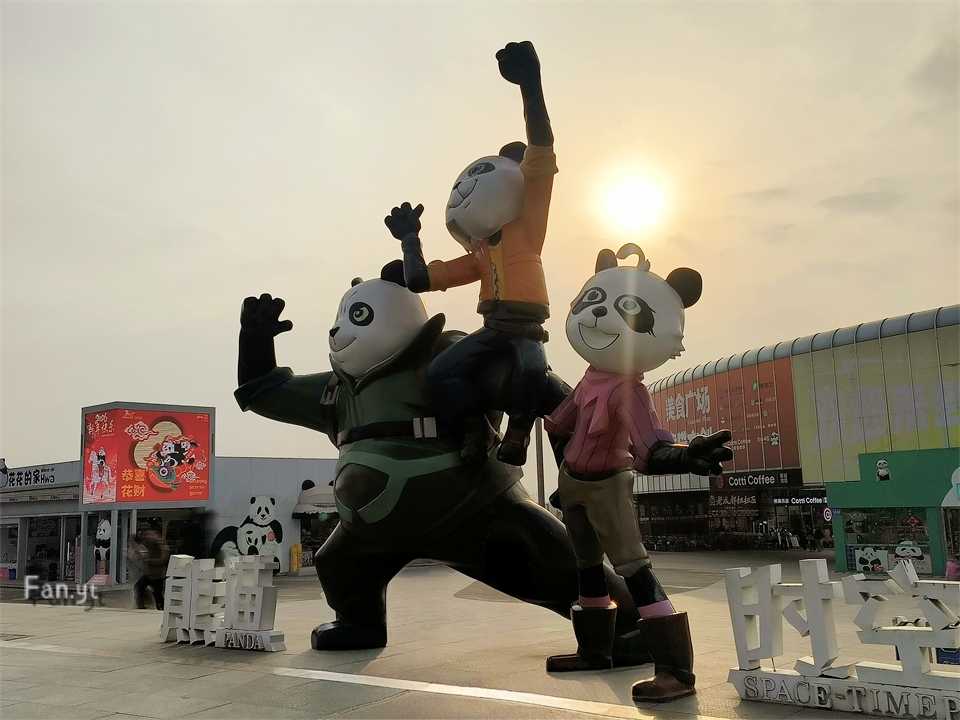
The Zigong Lantern Festival is world-famous. In 2026, the Year of the Horse theme promises spectacular displays. During the day, visit the Zigong Dinosaur Museum—one of China's largest. The city's salt history is also fascinating.
Day 5: Yibin – Bamboo Sea and Local Cuisine
Yibin's Bamboo Sea is a natural wonder. Walk through bamboo groves that stretch to the horizon. Try Yibin's famous ran noodles (燃面)—a spicy, oil-based noodle dish that will warm you up.
Day 6: Chongqing – Mountain City Magic
Arrive in Chongqing, the "Mountain City." Take the Yangtze River cable car for panoramic views. Visit Hongya Cave—a stunning complex of stilted buildings lit up at night. Don't miss the Chongqing hotpot experience; it's spicier than Chengdu's version.
Day 7-8: Chongqing – Culture and Cuisine
Explore Ciqikou Ancient Town, a well-preserved Ming and Qing dynasty settlement. Visit the Three Gorges Museum for historical context. Spend your evenings at Jiefangbei (Liberation Monument) area, where street food stalls offer everything from spicy skewers to sweet rice balls.
Day 9: Departure from Chongqing
Your journey ends in Chongqing. The city's airport and train stations offer excellent connections. Consider a final bowl of chongqing noodles before heading home.
[Link: Chongqing hotpot guide]
Conclusion: Your Winter 2026 Adventure Awaits
This nine-day Sichuan and Chongqing itinerary offers the perfect balance of nature, culture, and cuisine. From the playful pandas of Chengdu to the ancient wisdom of Dujiangyan, from the lantern-lit streets of Zigong to the fiery hotpot of Chongqing—every moment is a memory in the making.
Ready to book your trip? Start planning now for winter 2026. Check train schedules, book your panda base tickets early, and pack your appetite. The Year of the Horse is calling—will you answer?
Pro tip: For the best deals, book your Chengdu to Chongqing tour at least 3 months in advance. Winter is peak season for the Lantern Festival, and accommodations fill quickly.
Share your travel story: Have you visited Sichuan and Chongqing? Drop your tips and questions in the comments below. Join our community of travelers exploring China's most dynamic region.
[Link: Best Sichuan travel deals]
Note: This article is based on a real traveler's experience in February 2026. Prices and availability may vary. Always check current conditions before booking.
You may also like


