Wheels Through Yunnan, Guizhou, and Sichuan: A Pilgrimage Through Mountains, Waters, and Time

Meta Description: Embark on an epic road trip through Yunnan, Guizhou, and Sichuan. Discover ancient cities, natural wonders, and culinary delights in this SEO-optimized travel guide to southwestern China.
Prologue: Departure Before Dawn – The Road Trip Begins
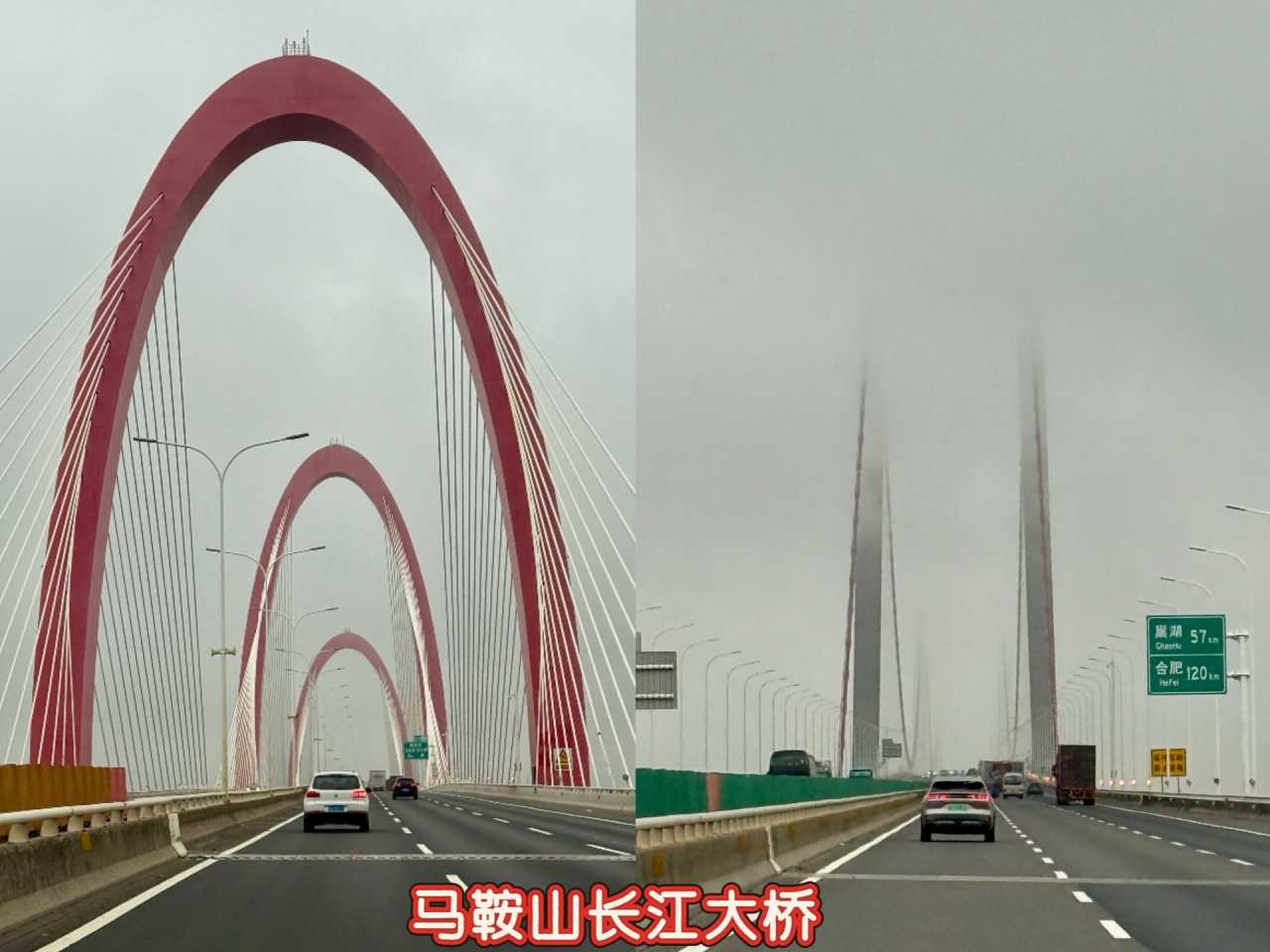
At five in the morning, the sky was still thick as spilled ink. We had already stuffed our luggage into the trunk, started the engine, and set off toward the southwestern lands that had haunted our dreams. Just as we entered the Ma'anshan area, a fine drizzle began to fall—carrying the unique moist warmth of Jiangnan, as if seeing us off. When we reached the Qingxi service area, the chill deepened. I fished out a long-sleeved shirt and changed into it. In that moment, I truly bid farewell to the sweltering heat of our departure and stepped into the realm of autumn.
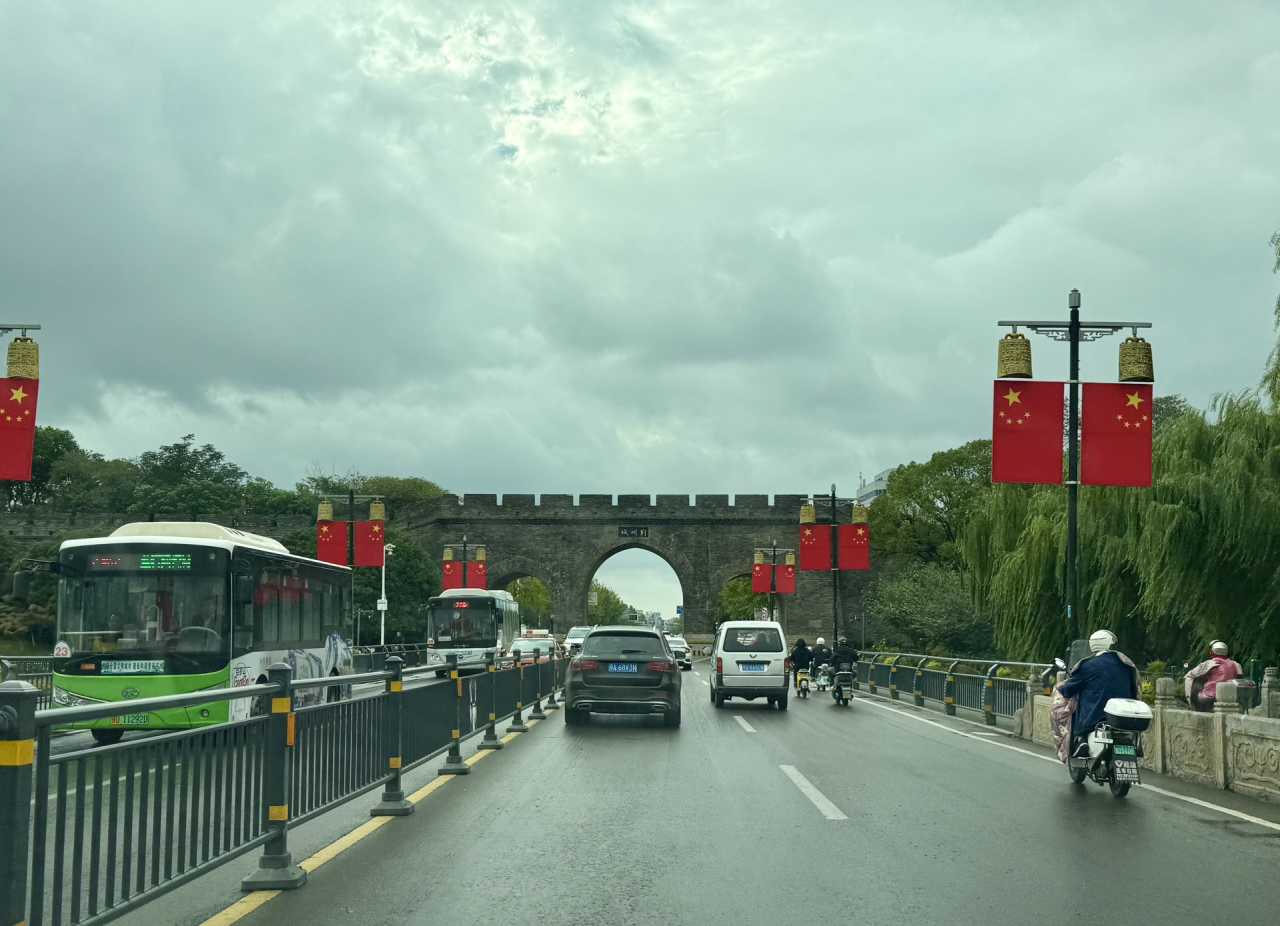
Nine-plus hours on the road. The wheels rolled over highways, and over the increments of time itself. When the silhouette of Jingzhou's ancient walls appeared on the horizon, I knew that this long-contemplated road trip through Yunnan, Guizhou, and Sichuan had finally, officially begun.
[Link: Best road trip routes in China]
Chapter One: Jingzhou Ancient City – Mist of the Three Kingdoms and Echoes of Chu

Echoes of History Under Binyang Tower
This ancient capital, with over 2,800 years of history, is famous nationwide for the idiom "losing Jingzhou through carelessness." As the birthplace of Chu culture and a core area of Three Kingdoms heritage, it reads like an open history book, every brick and stone telling tales of the past.
We parked near the East Gate, and the first thing that caught our eyes was Binyang Tower. This gate tower was simple and imposing. Above the archway, the stone plaque bearing the characters "寅宾门" (Yinbin Gate) was weathered but still retained its spirit—a Ming Dynasty original that had stood stubbornly watch over the city for centuries.
Visiting Zhang Juzheng's Residence and the Temple of Guan Yu
A short walk brought us to the former residence of Zhang Juzheng, the legendary Ming Dynasty Grand Secretary. The compound was a reconstructed five-courtyard complex in traditional style, with upturned eaves and antique elegance. Standing in the courtyard, one could almost glimpse the Grand Secretary reviewing memorials and strategizing from behind the scenes.
Next, we visited the Temple of Guan Yu. Most of the existing structures were rebuilt between the 1980s and 2005 in Qing Dynasty style. Only a few ancient steles and gnarled old cypresses stubbornly whispered the lingering warmth of history. In comparison, the Guan Yu Shrine felt rather "new"—the traces of modern imitation were too heavy, lacking the immersive ancient charm.
The ancient city wall complex at the South Gate, however, was remarkably well-preserved in its original form. But the pavilions atop the wall had long been lost to time, leaving only broken walls and ruins for contemplation.
A Taste of Jingzhou: A Pot of Turtle, a World of Flavor
By evening, we checked into the Atour Hotel near the ancient city. It was conveniently located, right on the main road, with walking distance to all attractions. As a chain brand, the quality was reliable—the room was clean and tidy, giving us peace of mind.
After settling in, our stomachs began to protest. We found a restaurant nearby called "Grandma's Home" (外婆老家). They had an open kitchen where you could order directly from the display, and the array of dishes was dazzling. We ordered freshly slaughtered turtle (188 yuan), a mixed fish pot (98 yuan), plus a green vegetable dish, and paired it all with two bottles of local wild barley beer. The total came to 332 yuan, and using Meituan Pay saved us 17 yuan—a nice little surprise.
The mixed fish pot had a rich, savory broth. The catfish was tender and delicate, but another type of fish in the pot was a bit coarser. And the turtle—that was something else. The meat was soft and flavorful, especially the thick edge of the shell, which was rich and gelatinous, packed with collagen. It was a truly satisfying meal.
[Link: Best food in Jingzhou]
Chapter Two: Wulong and Chongqing – From the Three Natural Bridges to the Nightscape of the Mountain City
Catching the Last Bus by Luck
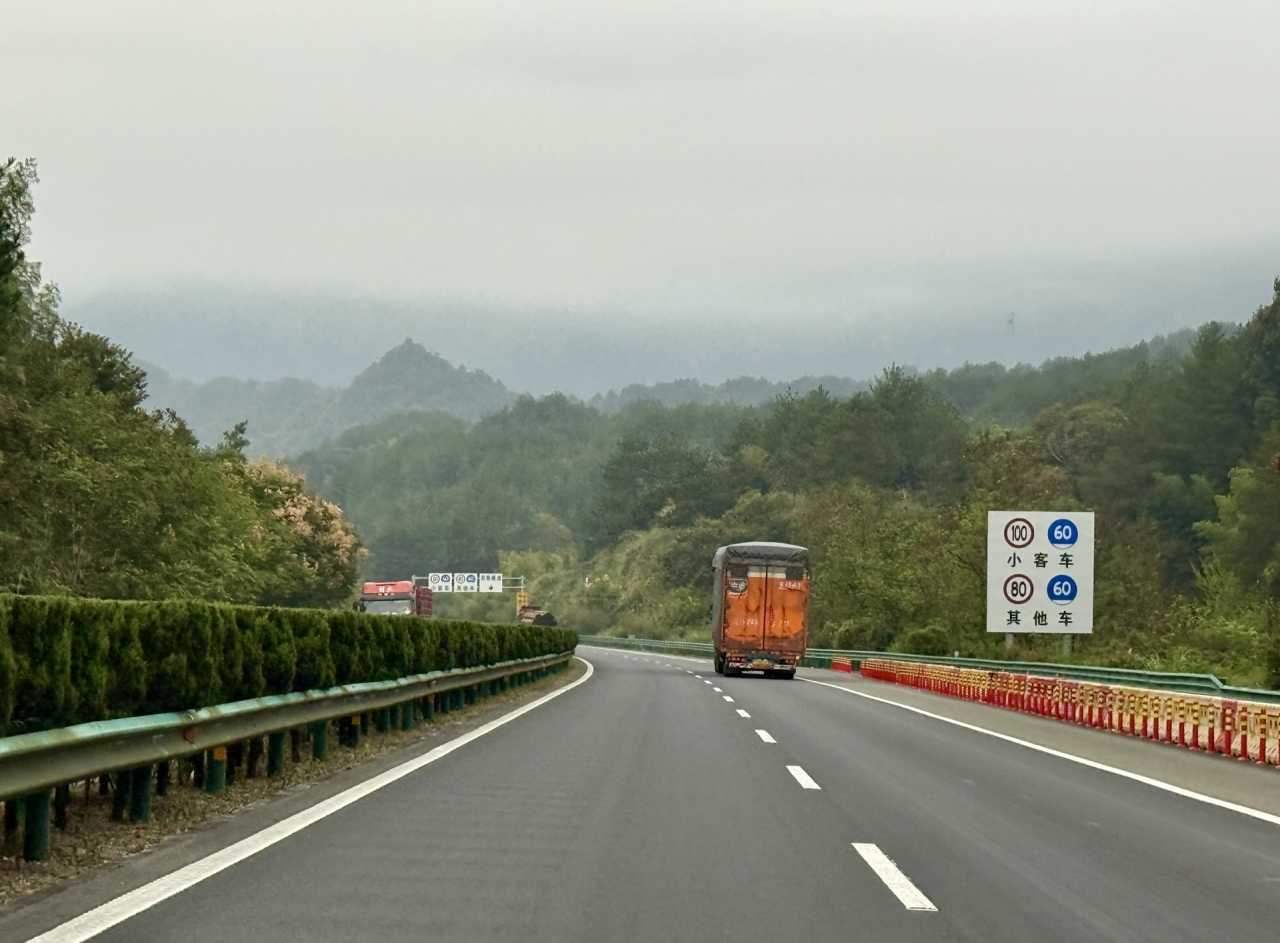
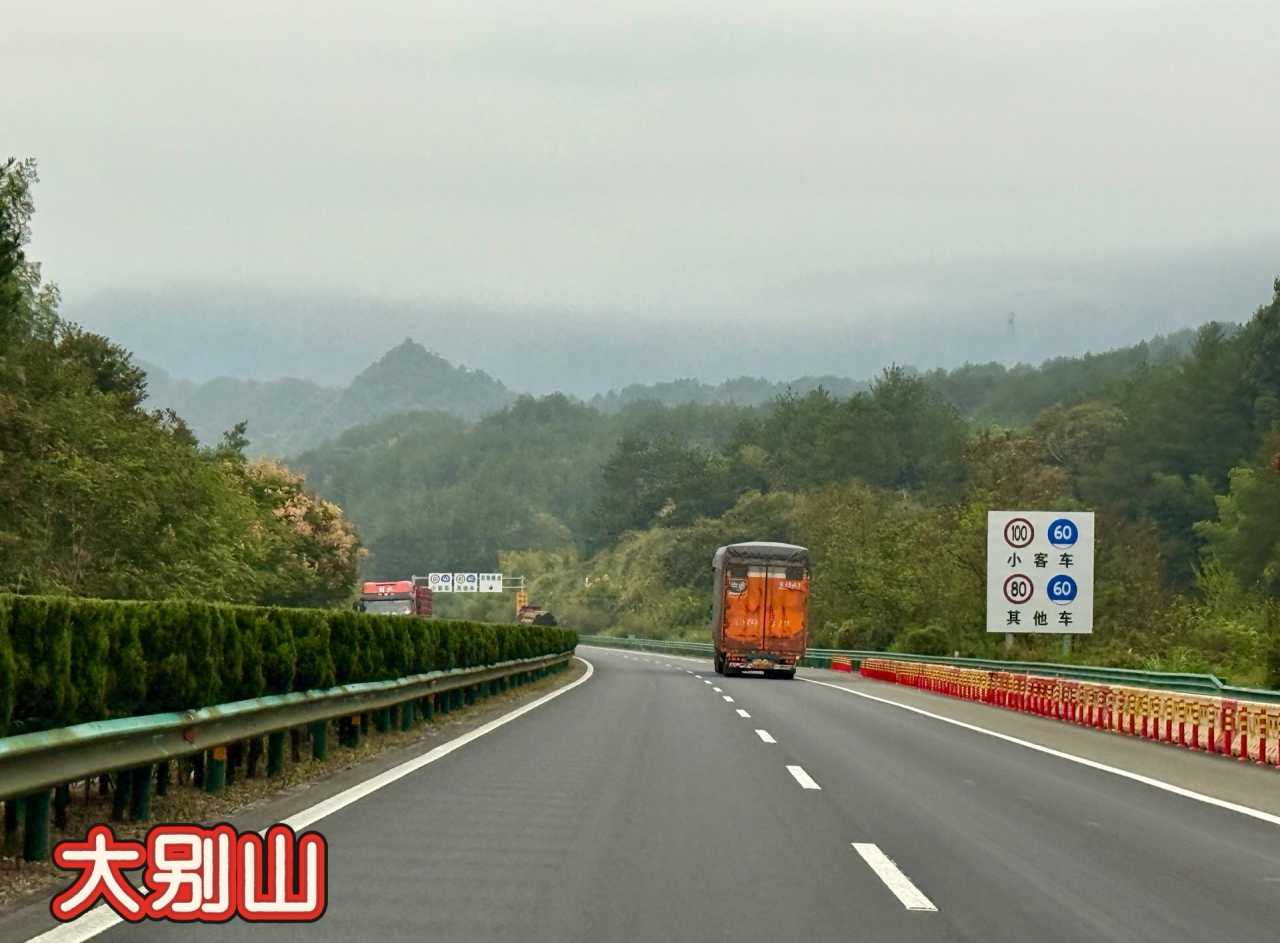
On the 14th, after breakfast, we headed for the Wulong Three Natural Bridges. Along the way, we passed by Tianmen Mountain, where clouds and mist wandered among the peaks, dreamlike and enchanting.
We arrived at the visitor center close to 4:30 PM. Lucky for us, we caught the last scenic area bus! Once inside, we truly understood the awe-inspiring scale of this place. As the world's largest and highest series of naturally formed arch bridges, and famous for appearances in Curse of the Golden Flower and Transformers 4, the scenery lived up to its reputation.
At 6:30 PM, we left the scenic area and immediately drove to Chongqing's Chaotianmen Dock. After two and a half hours of driving, we finally arrived at the Raffles Hotel. By the time we checked in and entered our room on the 50th floor, it was nearly 10 PM. Outside the window, the neon lights on both sides of the Yangtze River glittered brilliantly, outlining the enchanting nightscape of the mountain city. Despite the travel fatigue, when a bowl of authentic Chongqing spicy beef noodles (108 yuan) was placed before us, all the hardship instantly turned into satisfaction.
Looking back, that day was too rushed. We could have stayed overnight in Wulong and explored Chongqing the next day—it would have been much more relaxed.
The Marvel of Chaotianmen's "Mandarin Duck Pot"
On the morning of the 15th, it was still pitch black at 6 AM. By 7, the sky gradually lightened, and a light rain began to fall. I took an umbrella and strolled to the banks of the Jialing River, quietly admiring the majestic interplay between Chaotianmen Dock and the Raffles Hotel.
This dock, known as the "ancient Yu stronghold," sits at the confluence of the Jialing and Yangtze Rivers, bearing witness to Chongqing's history. The emerald-green Jialing River meets the brownish-yellow Yangtze here in a dramatic collision, creating the famous "Jia Ma Shui" (Horse-Gripping Waters) phenomenon. It looks exactly like a boiling "Mandarin duck hot pot"—one half clear, one half spicy—a truly spectacular sight.
Dazu Rock Carvings: The Awe of the Thousand-Armed Guanyin
Before 10 AM, we checked out and drove to Changzhou Ancient City. This was a modern reconstruction of an ancient architectural complex. Though built in contemporary times, it still possessed a certain antique charm.
After lunch at "Stove East Home Kitchen" (灶东家民间菜馆), we arrived at the long-awaited Dazu Rock Carvings in the afternoon. As a UNESCO World Heritage site, these cliff-side carvings cover a wide range of Buddhist, Taoist, and Confucian themes, representing the pinnacle of late-period Chinese cave art.
The "Thousand-Armed Guanyin" at Baoding Mountain was breathtaking. Carved during the Southern Song Dynasty, this giant statue stands 7 meters tall and 12.5 meters wide. Its 830 hands either hold ritual implements or form mudras (hand gestures), arranged in perfect layers. Each palm contains a wisdom eye. The craftsmanship was astonishing.
After leaving Dazu, we drove to Chengdu and checked into the Manxin Hotel near Kuanzhai Alley. For dinner, we went to "Chicken Feather Shop · Sichuan Cuisine" (鸡毛店·川菜馆), where the authentic Sichuan dishes fulfilled all my expectations of Chengdu's food scene. After eating and drinking our fill, we strolled through Kuanzhai Alley. The place was bustling with people, full of vibrant energy. But I couldn't shake the feeling that it had too much commercial gloss and lacked the most unadorned, natural and authentic local flavor.
[Link: Chongqing travel tips]
Chapter Three: Chengdu and Dujiangyan – A Duet of Ancient Shu Civilization
Sanxingdui: Sleeping for Millennia, Awakening to Astonish the World
At 6 AM on the 16th, the alarm clock went off right on time. I unlocked a shared bike with a QR code and merged into the awakening city's traffic, heading straight for Chunxi Road. For nearly an hour, I rode and stopped, capturing the city's skyline with my camera.
Later that morning, we drove to Sanxingdui Museum in Guanghan. This archaeological site, dating back 3,000–5,000 years, is one of the most important discoveries of ancient Shu civilization. The bronze masks, sacred trees, and gold foil artifacts are unlike anything else in Chinese archaeology. The sheer creativity and craftsmanship of the ancient Shu people left us speechless.
Dujiangyan: The World's Oldest Water Management System
After Sanxingdui, we continued to Dujiangyan, an ancient irrigation system built over 2,200 years ago. Still in use today, it diverts the Min River without a dam, using natural topography and hydrology. The "Fish Mouth" levee, "Flying Sand Weir," and "Bottleneck Channel" are engineering marvels that have protected the Chengdu Plain from floods for millennia.
Walking along the Anlan Suspension Bridge, suspended over the roaring river, I felt a deep respect for the wisdom of Li Bing and his son, who designed this system during the Warring States period.
Chengdu's Culinary Scene: Beyond Hotpot
Back in Chengdu, we explored the city's culinary diversity. Beyond the famous hotpot, we tried dan dan noodles, mapo tofu, twice-cooked pork, and fuqi feipian (husband-and-wife lung slices). Each dish was a symphony of flavors—spicy, numbing, savory, and aromatic.
For dessert, we sampled bingfen (ice jelly) and sweet water noodles from a street vendor near Jinli Ancient Street. The balance of sweet and spicy was a revelation.
[Link: Sanxingdui travel guide]
FAQ Section
1. What is the best time for a road trip through Yunnan, Guizhou, and Sichuan?
The best time is spring (March–May) and autumn (September–November). During these months, the weather is mild, and the scenery is at its most beautiful—with blooming flowers in spring and colorful foliage in autumn. Avoid the rainy season (June–August) in Guizhou and Sichuan, as mountain roads can be slippery.
2. How many days do you need for a comprehensive trip covering these three provinces?
For a thorough experience, plan for at least 10–14 days. This allows you to visit major highlights like Jingzhou, Wulong, Chongqing, Dazu, Chengdu, Sanxingdui, and Dujiangyan without rushing. If you want to explore deeper into Yunnan (e.g., Lijiang, Dali), add another 5–7 days.
3. Is it safe to drive in mountainous areas of Sichuan and Guizhou?
Yes, but with caution. Roads in these regions are well-maintained but can be narrow and winding in mountainous sections. Always check weather forecasts, drive during daylight hours, and ensure your vehicle is in good condition. Rental cars with GPS and a reliable spare tire are recommended.
4. What are the must-try local dishes in each province?
- Hubei (Jingzhou): Turtle hotpot, mixed fish pot, wild barley beer
- Chongqing: Spicy beef noodles, hotpot, "Mandarin duck pot" at Chaotianmen
- Sichuan (Chengdu): Dan dan noodles, mapo tofu, twice-cooked pork, bingfen
5. Can I visit Sanxingdui and Dujiangyan in one day?
Yes, they are only about 60 km apart (a 1-hour drive). Start early at Sanxingdui (allow 3–4 hours), then drive to Dujiangyan for the afternoon (2–3 hours). This makes for a full but rewarding day trip from Chengdu.
Conclusion: The Wheels Keep Rolling
As our journey through Yunnan, Guizhou, and Sichuan came to an end, I reflected on the incredible diversity of landscapes, cultures, and flavors we had experienced. From the misty ancient walls of Jingzhou to the neon-lit nights of Chongqing, from the thousand-year-old carvings of Dazu to the engineering genius of Dujiangyan—every mile was a pilgrimage through mountains, waters, and time.
Are you ready to embark on your own road trip through southwestern China? Start planning today. Pack your camera, your appetite, and your sense of adventure. The wheels are waiting.
[Link: How to plan a China road trip]
Internal Linking Suggestions: - [Link: Best time to visit China] - [Link: China road trip packing list] - [Link: Chongqing vs Chengdu travel comparison] - [Link: UNESCO World Heritage sites in China] - [Link: Chinese regional cuisine guide]
Note: All prices and experiences are based on the original source article and are subject to change. Always check current conditions and opening hours before traveling.
You may also like