Wheels on Western Sichuan: A 17-Day Self-Drive Pilgrimage from Beijing to the Snowy Sacred Land
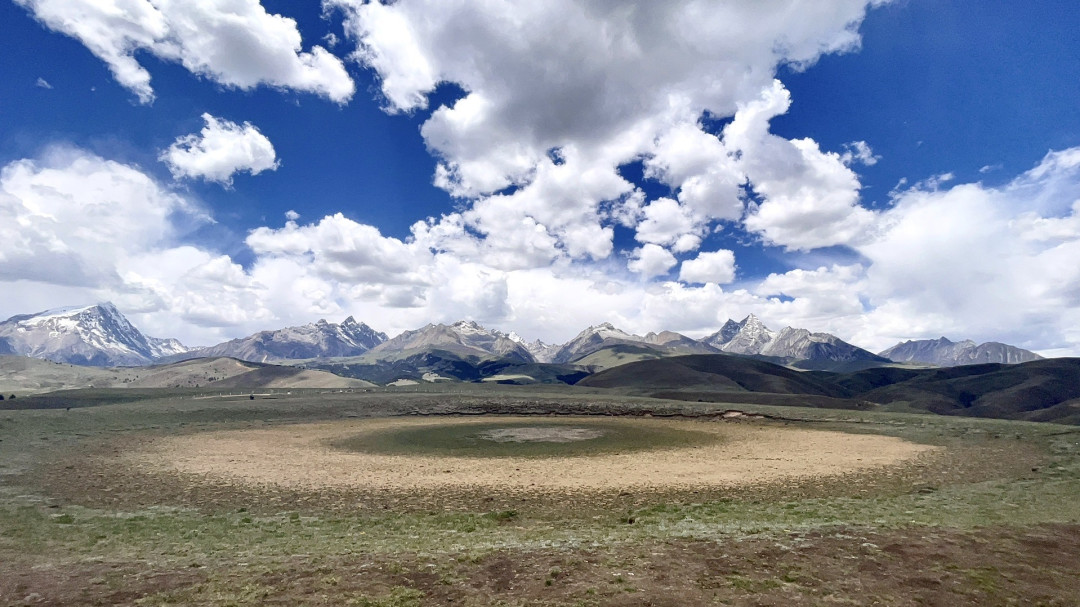
Meta Description:
Discover an epic 17-day Western Sichuan self-drive tour from Beijing. Explore sacred snow mountains, wild stone forests, Yading, Litang, and more. Complete itinerary, tips, and FAQs inside.
Introduction: Answering the Call of Western Sichuan
Some places appear on your map again and again—until you finally set foot on that land. For me, Western Sichuan (Chuanxi) was that obsession. From initial planning in late 2021 to departure at the end of May 2024, a three-year wait gave this journey profound meaning.
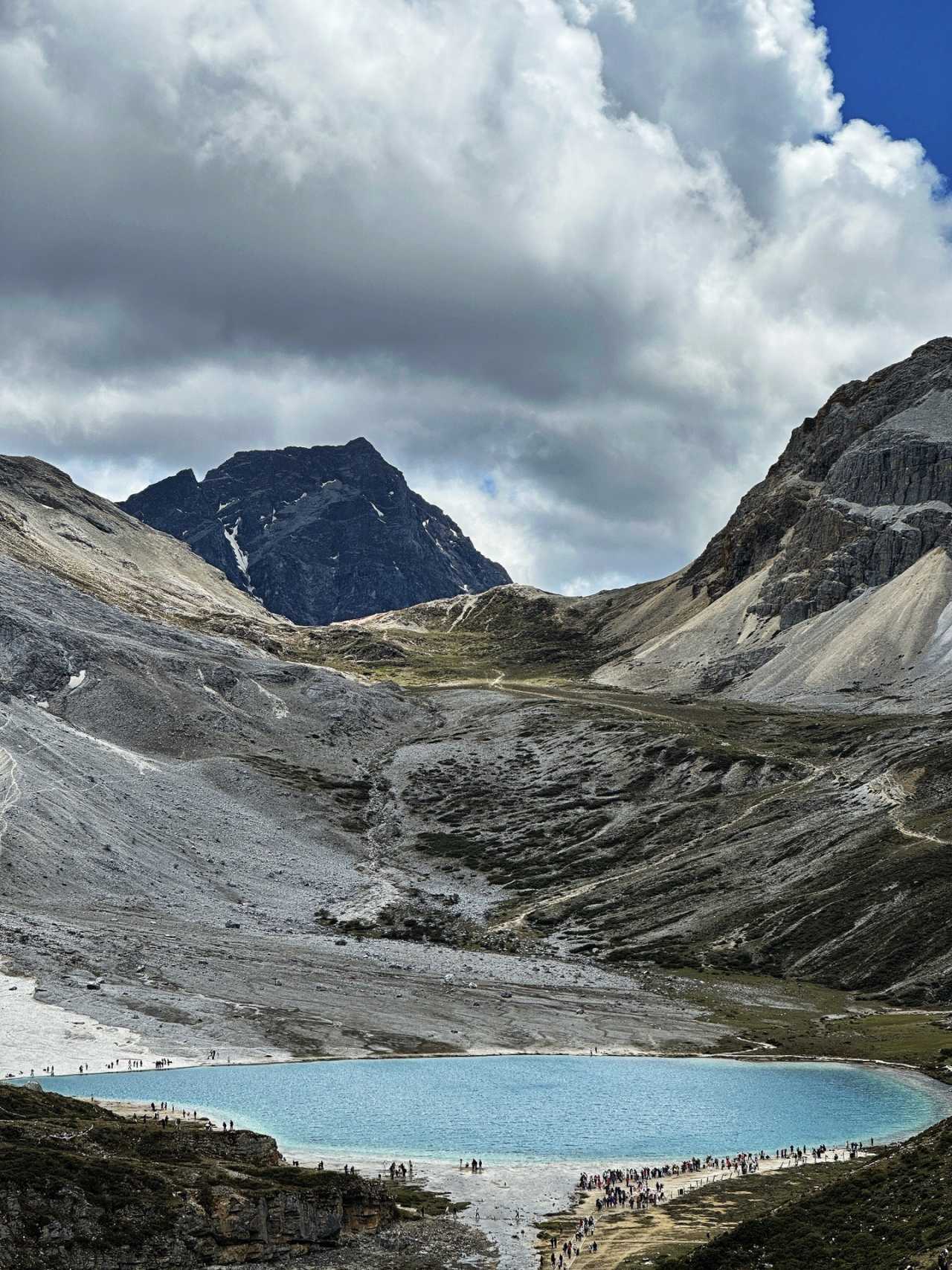
This marks my sixth visit to Western Sichuan. With three previous trips and stops in Aba Prefecture during travels to Gannan and Qinghai, I consider myself a half-expert. Yet this land still draws me like a magnet—its snow-capped mountains, alpine lakes, vast grasslands, and ancient monasteries reveal a different face each time, as if they can never be fully seen.
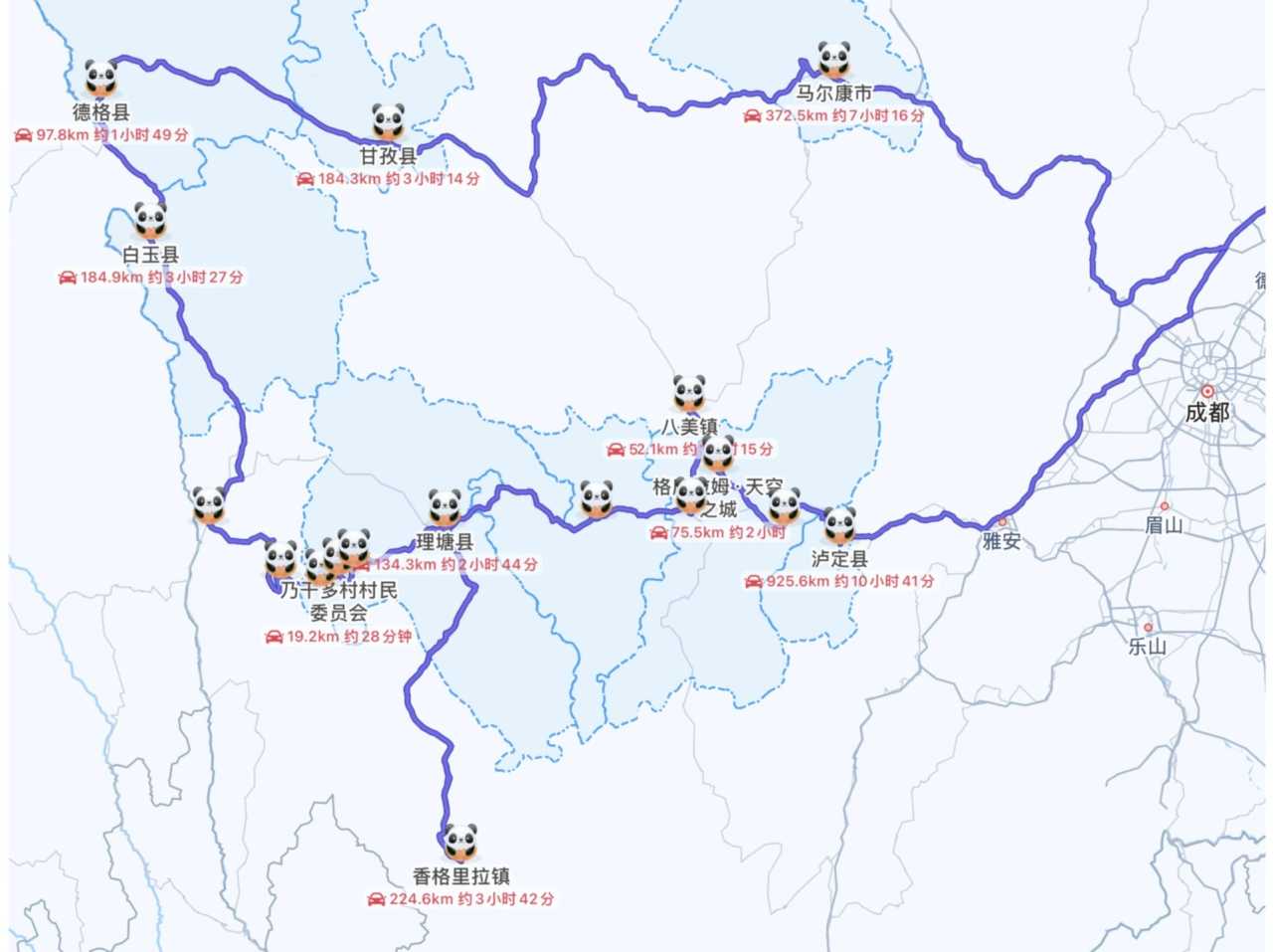
For this trip, I chose the Western Sichuan Grand Loop. Starting from Beijing, heading westward through Xi'an, Luding, Bamei, Litang, Yading, Batang, Baiyu, Dege, Ganzi, and Barkam, before returning via Guangyuan and Linfen. Seventeen days, over 5,000 kilometers, a Mercedes-Benz GLK300, two friends—a journey etched into memory.
[Link: Best time for Western Sichuan self-drive tours]
Day 1: Beijing to Xi'an – The First Thousand-Mile Dash
On May 31st at 8:30 AM, we set off from Beijing. Familiar sights—the Dujiakan toll station, the Jinggang'ao Expressway—but this time, the wheels pointed toward distant snow peaks.
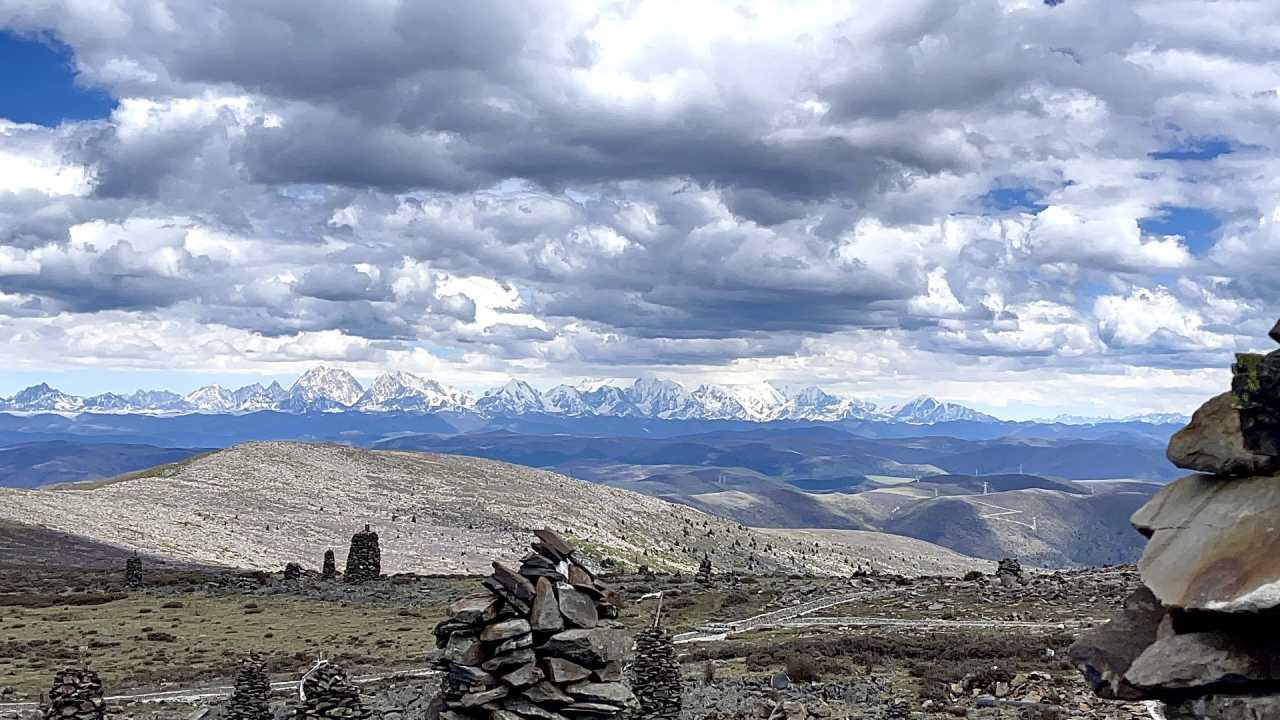
By 3:00 PM, a brief rest at Pingyao Service Area; by 8:00 PM, the lights of Fuping Service Area flickered in dusk. We rolled into Xi'an's Xinzhu toll station at 8:20 PM. I reunited with an old friend at "Chang'an Street Food Court" (Chang'an Dapaidang). We ordered the "Six Small Bowls of Guanzhong," "Beggar's Chicken," and small meat-filled flatbreads—authentic Shaanxi flavors rewarded a day on the road.
We stayed at Jiaya Hotel for 213 yuan. A newly opened property with a fresh feel—everything was just right.
Day 2: Crossing the Qinling Mountains – A Time Warp Through Tunnel Clusters
June 1st. Departing Xi'an, heading straight for Luding. After entering the expressway at Zhangba toll station, we entered the Qinling Mountain tunnel cluster. These tunnels felt like time portals; with each one, the scenery outside shifted dramatically.
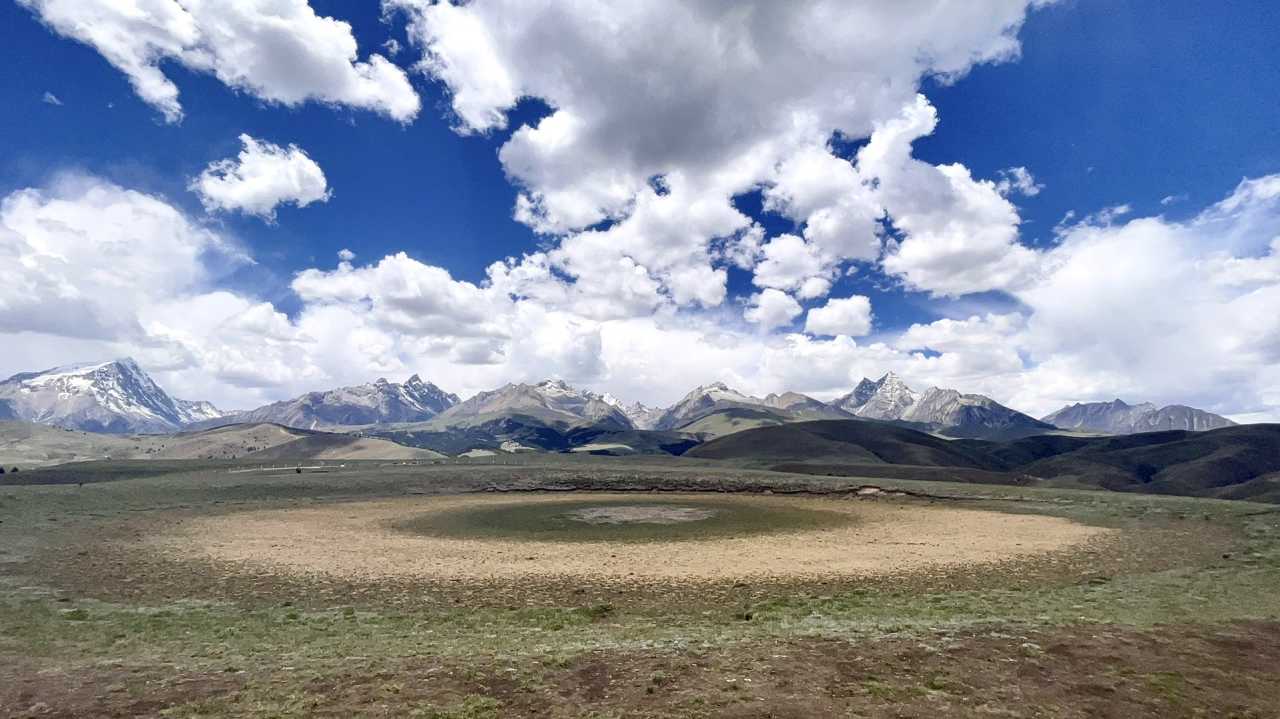
At 9:30 PM, the Tianquan Service Area on the Yakang Expressway appeared. This service area was astonishingly large—even in the dark, it was worth stopping for photos. We reached Luding around 10:00 PM. The Luding Youke Boutique Hotel for 165 yuan became our base in this historic town.
[Link: Essential gear for high-altitude road trips]
Day 3: Luding Bridge – Echoes of History on Iron Chains
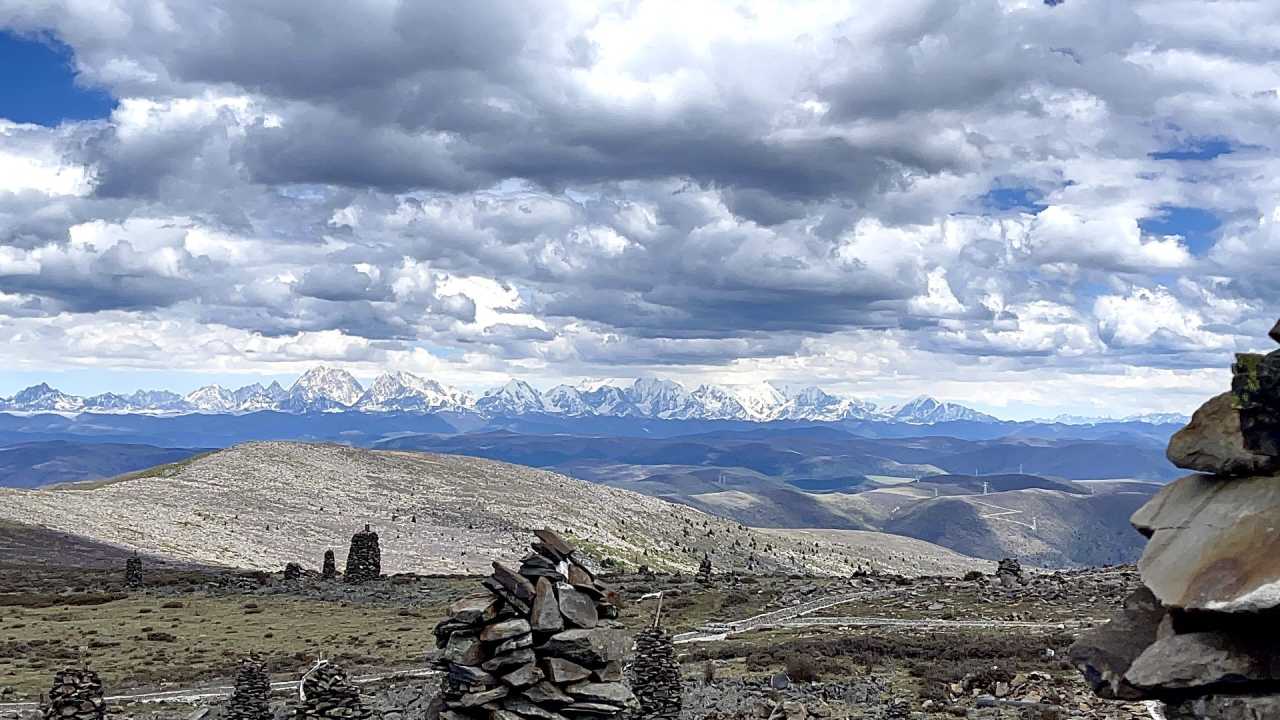
June 2nd. My third visit to Luding Bridge. Entrance fee: 5 yuan. We entered from the west gate, parking in a small alley for 20 yuan. Since it was Sunday, the bridge was packed. Staff controlled flow in batches; the iron chain bridge swayed beneath our feet, while the Dadu River roared below—a heavy sense of history washed over us.
Leaving Luding Bridge, we drove onto Provincial Highway 434, heading toward Bamei Town. This road is a condensed version of Western Sichuan's landscapes.
Day 3 Continued: Provincial Highway 434 – Scenery and Song Along the Way
Starting from Kangding, Highway 434 winds like a ribbon, connecting the most beautiful sights of Western Sichuan. A nameless viewpoint by the roadside made us stop for photos—the altitude here had already exceeded 4,300 meters. The air was thin, but the views were magnificent.
Mount Gongga lay ahead, but thick clouds stubbornly hid the summit of Muyag Gongga. We took a distant shot from Red Lake (Hong Haizi) and pressed on.
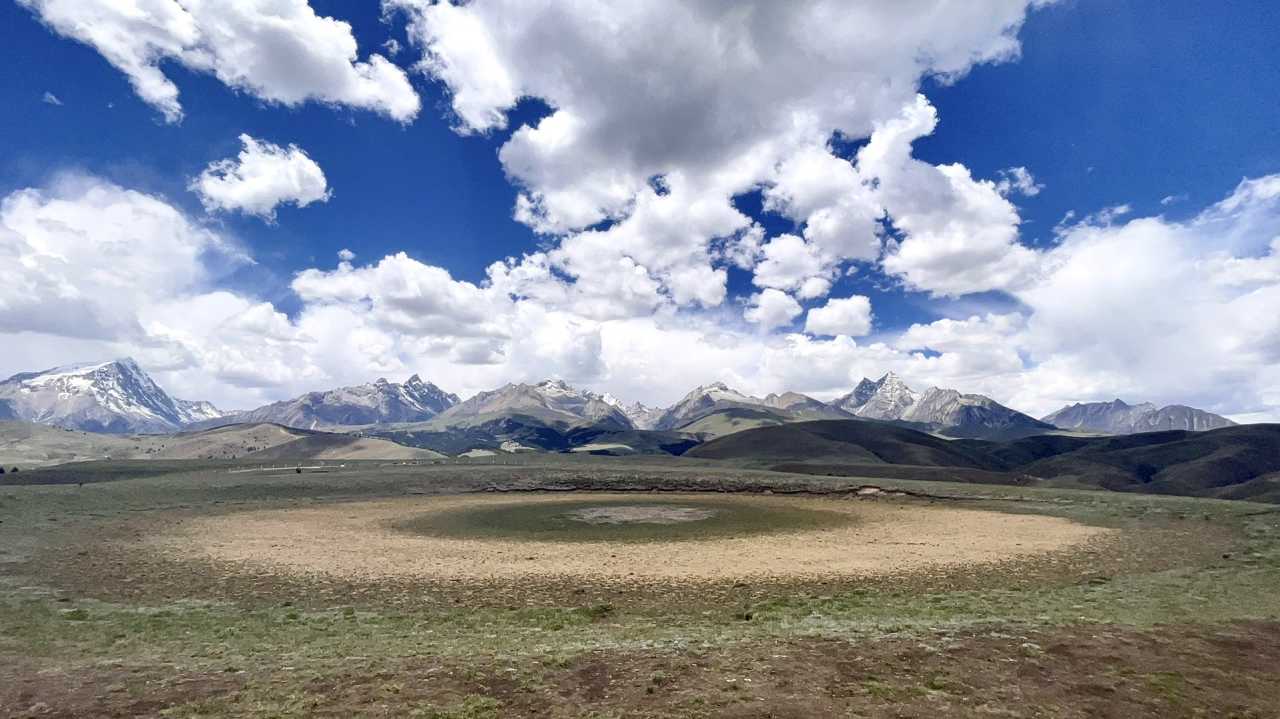
The viewpoint on Kangding Airport Road was a spot I'd visited in 2020. The airport's rainbow-colored road was still vivid, but this time, the "Sky City" of Gedilamu became our new target.
Gedilamu charged 30 yuan for entry. From the base to the scenic area parking lot, about 5 kilometers of dirt road took nearly half an hour. Two marmots "fighting" by the roadside became a little interlude.
Standing on the observation deck, Mount Yala and Mount Yamu stretched before us. Mount Yamu, at 5,324 meters, is equally awe-inspiring. On the other side, Mount Gongga still hid behind the clouds, as if playing hide-and-seek.
Day 4: Bamei – The Wild Moshi Stone Forest
June 3rd. We found a "wild" version of the Moshi Stone Forest (Moshi Gongyuan) —located in a village near Kama Bridge. Navigate to "Kama Bridge." From Bamei Town heading south, just before crossing the bridge, there's a small road on the right. Follow it in for a free entrance.
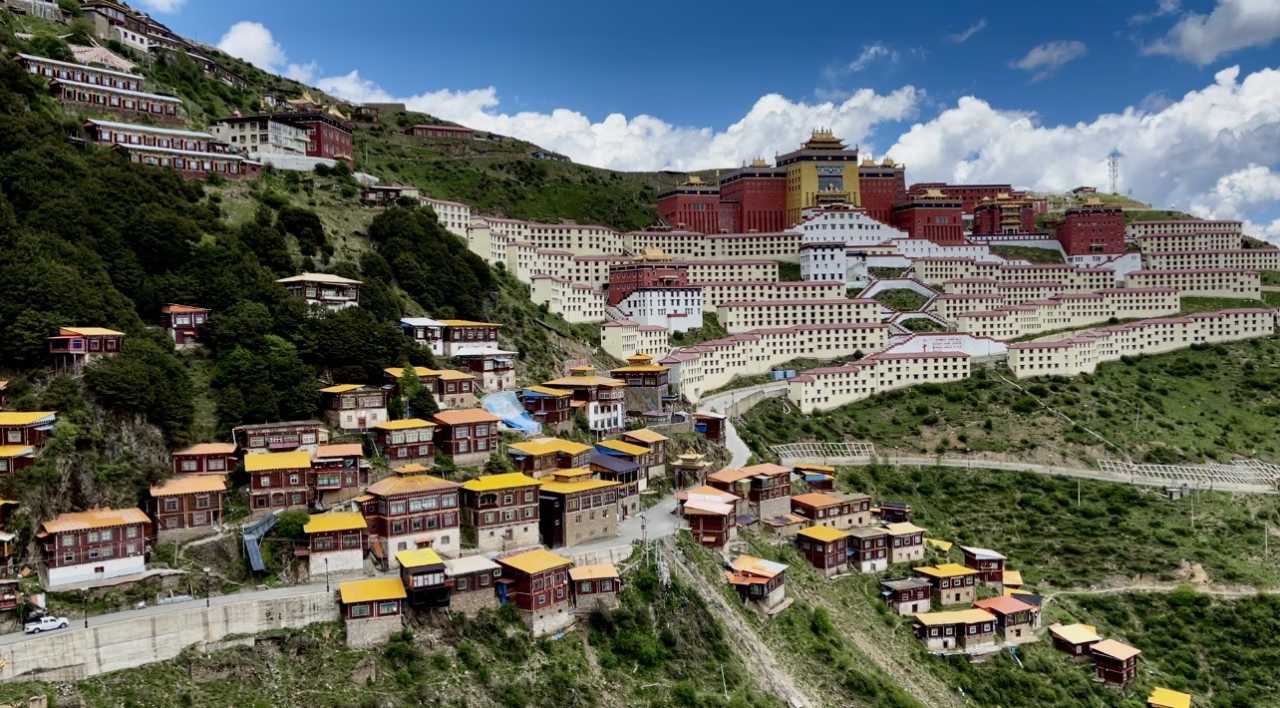
Parking was free. We walked through the village, and suddenly the view opened up. Black stone formations looked like an alien landscape. Be careful when taking photos—the black powder on the stones easily stains clothes and hands.
Leaving the stone forest, we followed National Highway G248 through Tagong Grassland, then turned onto National Highway G318, heading toward Yajiang and Litang.
[Link: Top 10 must-see spots on G318 Sichuan section]
Day 4 Continued: Gongga's Dressing Table – A Vigil Above the Clouds
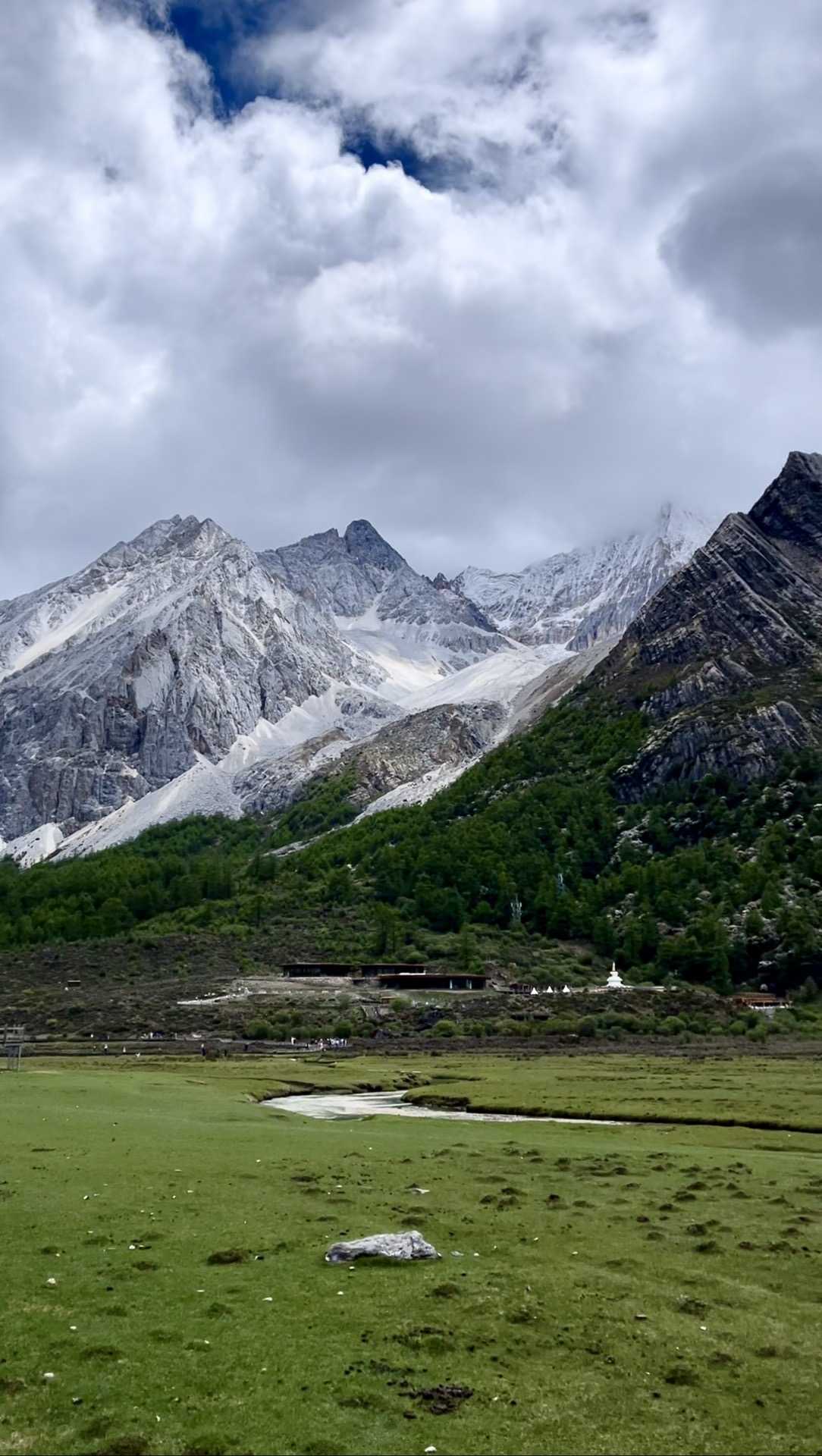
On the road from Xinduqiao to Yajiang, we turned onto a path leading to "Gongga's Dressing Table" (Gongga Shuzhuangtai) . After passing the Gaersi Tunnel, we followed signs and turned left onto a well-maintained road. But the last 10 kilometers were unpaved—the higher we climbed, the rougher it got.
We reached the summit, above 4,500 meters. The clouds were still thick, and Gongga's peak refused to show itself. But standing there, looking down at the surrounding mountains, was already breathtaking enough.
Day 4 Evening: Litang – Nightfall in the Highest City
At 7:30 PM, we reached the Kazila Mountain Pass. When I came here in 2020, there was only a lonely stone marker. Now, a viewing platform had been built. The marker read over 4,700 meters, though my phone measured around 4,400 meters.

By 8:40 PM, we arrived in Litang. The night view of this "Highest City in the World" (Shijie Gaocheng) was more enchanting than imagined. At a restaurant called "World's Highest City Sichuan-Tibetan Hotpot," we had a pot of yak meat hotpot. The century eggs were prepared with chili—the spice was fragrant, not as fiery as it looked.
We stayed at Litang Songtsen Gampo Grand Hotel for 287 yuan. The room had oxygen diffusion. My friend said her oxygen machine went black in the middle of the night, but mine worked fine—probably because I didn't have altitude sickness and never turned it on.
[Link: How to prevent altitude sickness on Sichuan road trips]
Day 5-6: Yading – The Last Pure Land on the Blue Planet
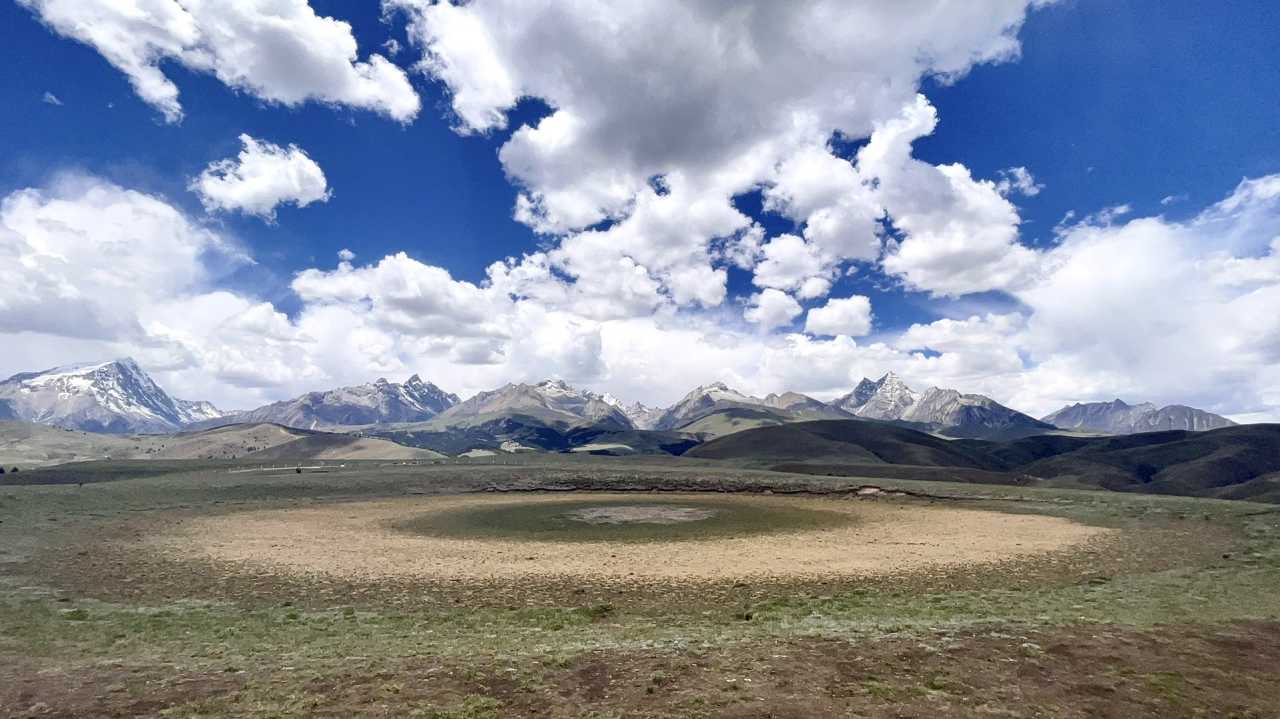
June 4th. Departing Litang on National Highway 227, destination: Yading.
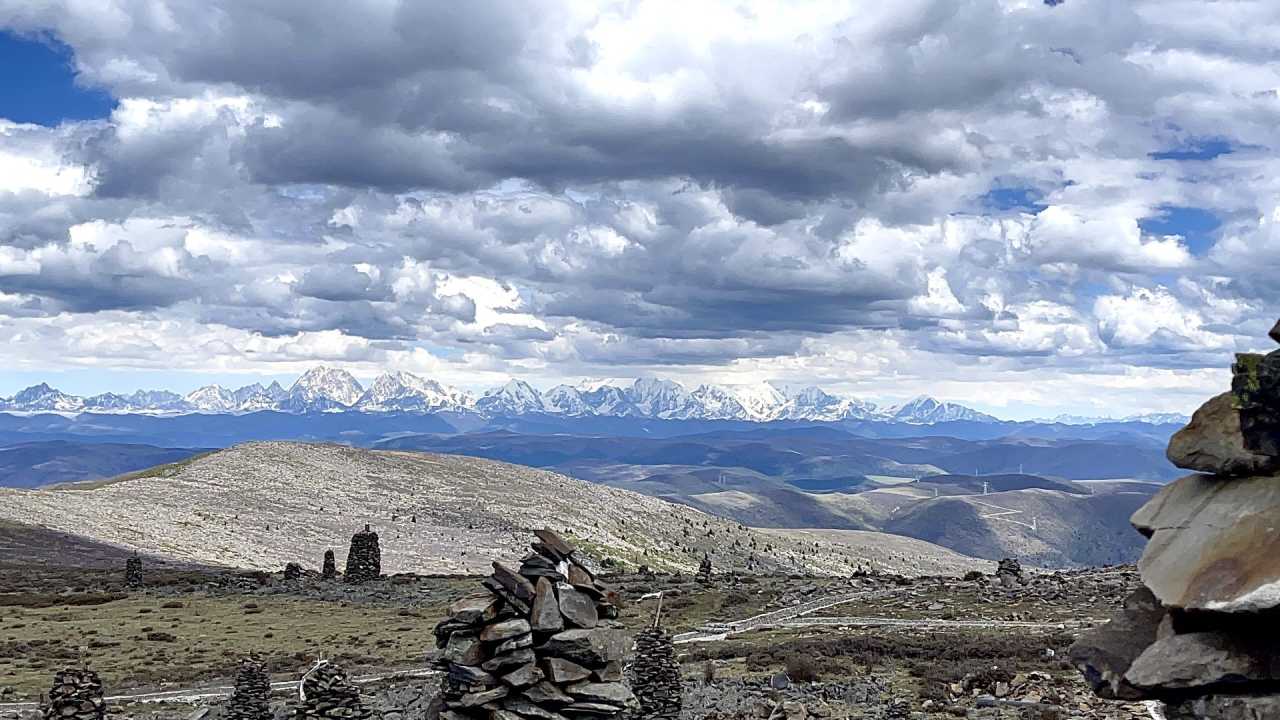
Along the way, we passed Zhaga Sacred Mountain, the Wuliang River Viewpoint, and the Rabbit Mountain Sea of Sons. The Haizi Mountain Nature Reserve, the largest ancient glacial remnant on the Tibetan Plateau, was dotted with 1,145 lakes of various sizes, sparkling like thousands of diamonds.
At 6:30 PM, we arrived in Shangri-La Town (Xianggelila Zhen) . We checked into the Daocheng Huameida Hotel for 465 yuan per night, booked for three nights.
Short Route: Pilgrimage at the Foot of Xiannairi
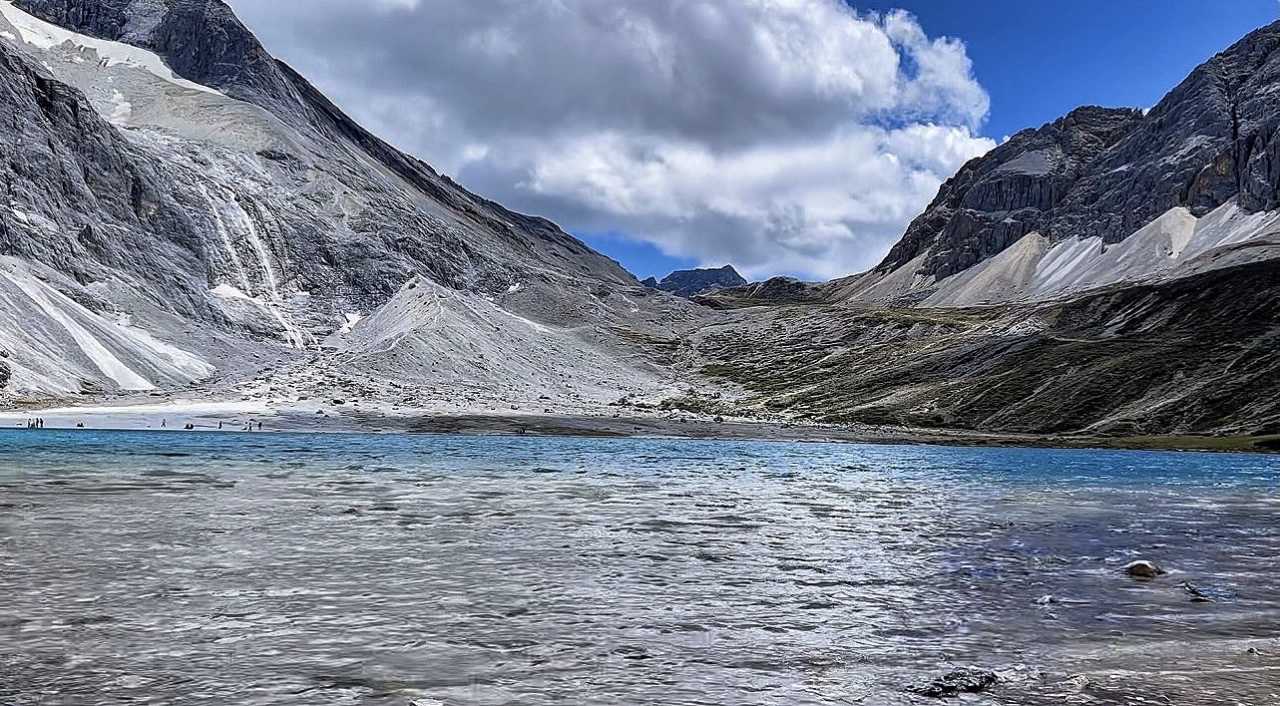
June 5th. The Yading short route. Entrance fee: 146 yuan; round-trip sightseeing bus: 120 yuan. For the short route, you only need to go to Zhaguanbeng, totaling 266 yuan.
The short route takes you to the foot of Xiannairi Sacred Mountain, one of the three holy peaks in Yading. The hike is relatively easy, making it perfect for acclimatization. The views of the glacier, alpine meadows, and prayer flags are unforgettable.
Why This Western Sichuan Self-Drive Itinerary Works
This 17-day loop is designed for travelers who want to experience the diversity of Western Sichuan without rushing. Key highlights:
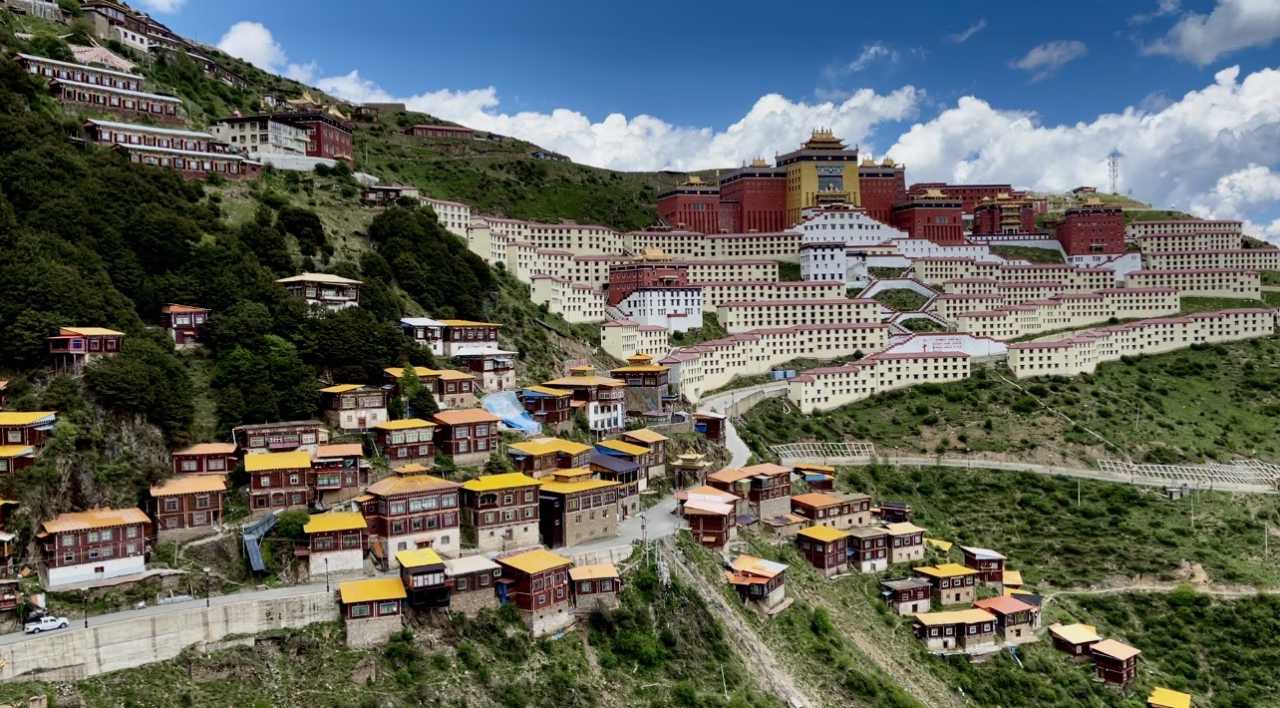
- Cultural immersion: Luding Bridge, Litang monasteries, Tibetan villages
- Natural wonders: Yading Nature Reserve, Gongga Dressing Table, Moshi Stone Forest
- High-altitude adventure: Multiple passes above 4,000 meters
- Photography paradise: Tagong Grassland, Haizi Mountain lakes, snow peaks
The route balances driving days with exploration days, ensuring you don't burn out. With a reliable SUV (like our Mercedes-Benz GLK300) and a co-driver, this trip is achievable for experienced self-drive enthusiasts.
[Link: Western Sichuan vs. Northern Sichuan – which loop is right for you?]
FAQ: Western Sichuan Self-Drive Pilgrimage
1. What is the best time for a Western Sichuan self-drive tour?
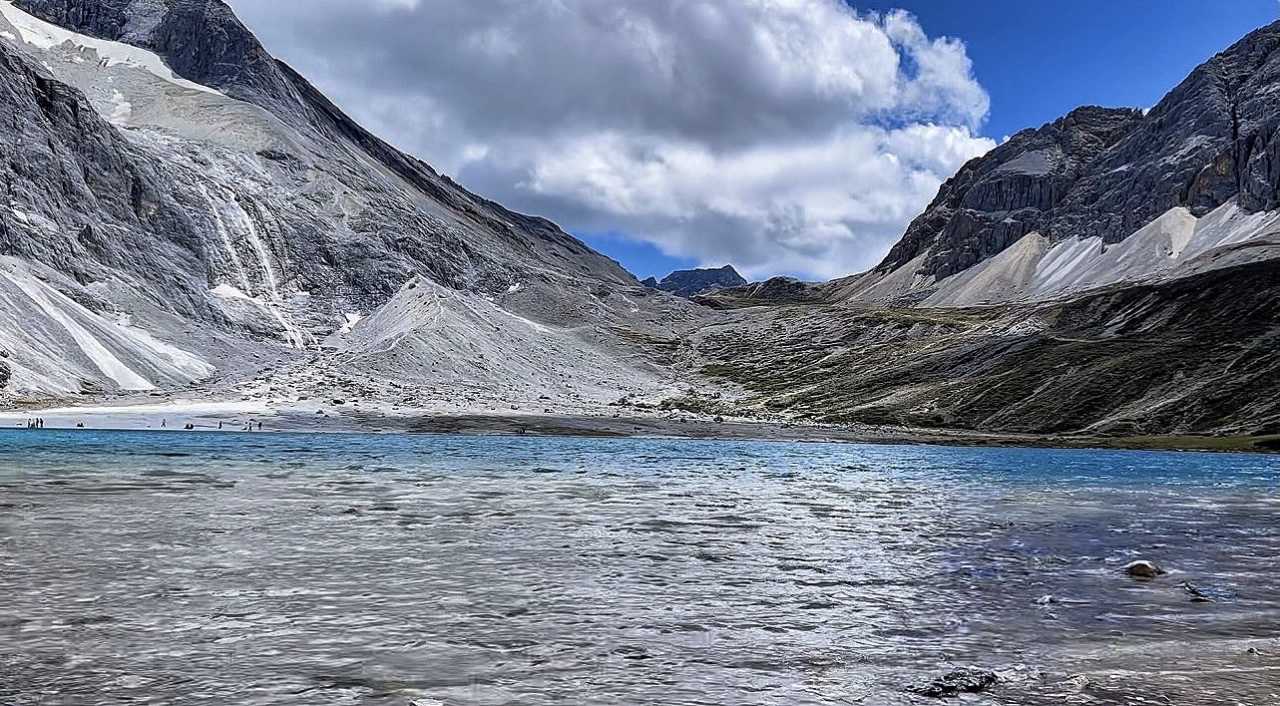
The best months are May to October. May-June offers lush greenery and fewer crowds. July-August is the rainy season but also the greenest. September-October provides stable weather and stunning autumn colors. Avoid November-April due to snow closures on high passes.
2. Do I need a 4x4 vehicle for this route?
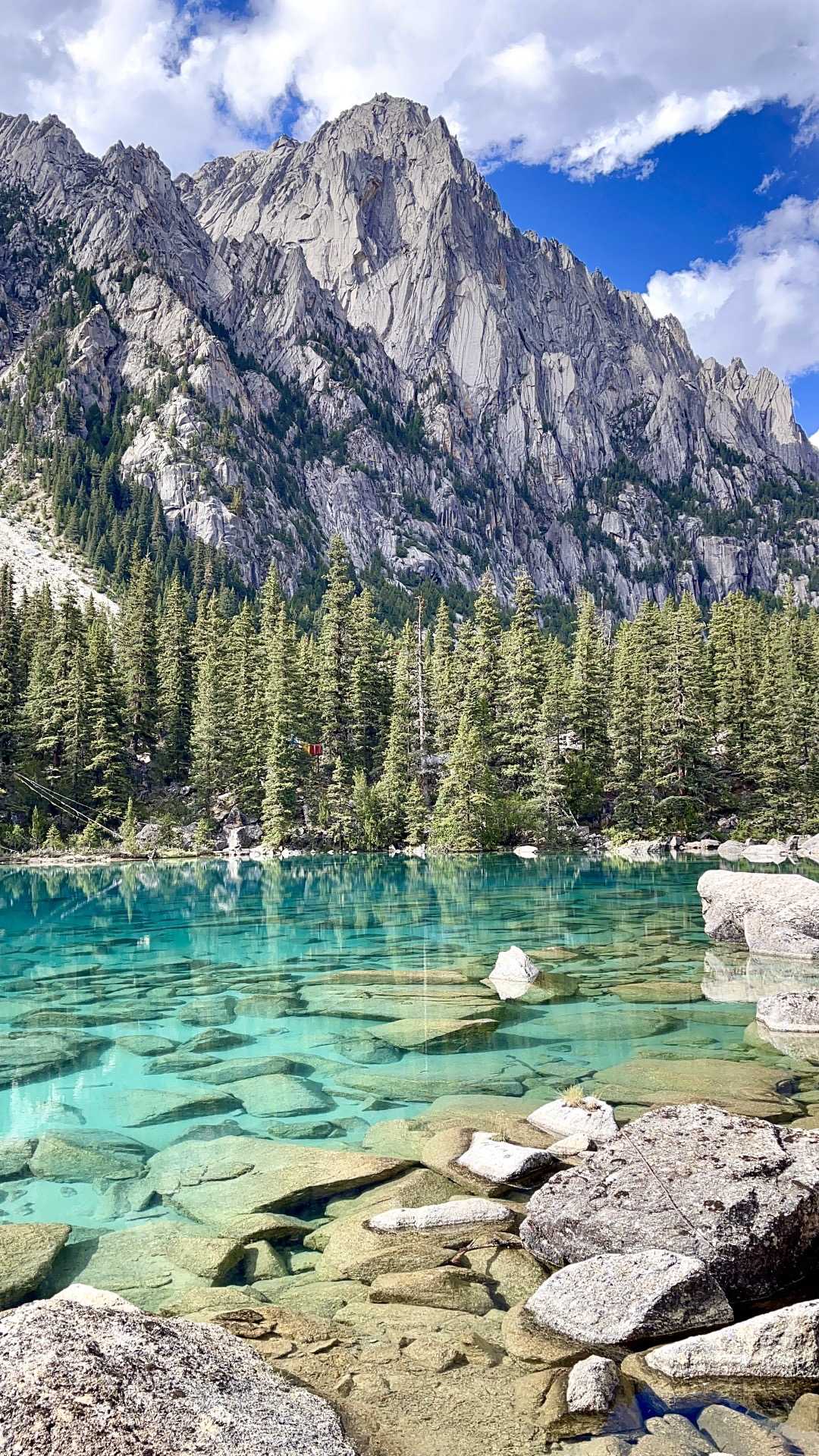
A high-clearance SUV is recommended but not necessarily a 4x4. Our Mercedes-Benz GLK300 (a compact SUV) handled all roads, including the unpaved sections to Gongga's Dressing Table and Gedilamu. However, a 4x4 provides extra safety on muddy or snowy roads.
3. How do I handle altitude sickness on this trip?
Acclimatize gradually. Start with lower altitudes (Luding at 1,300m), then climb slowly. Stay hydrated, avoid alcohol, and consider portable oxygen cans or hotel rooms with oxygen diffusion (like Litang Songtsen Gampo). If symptoms persist, descend immediately.
4. What permits or fees are required for Western Sichuan self-drive?
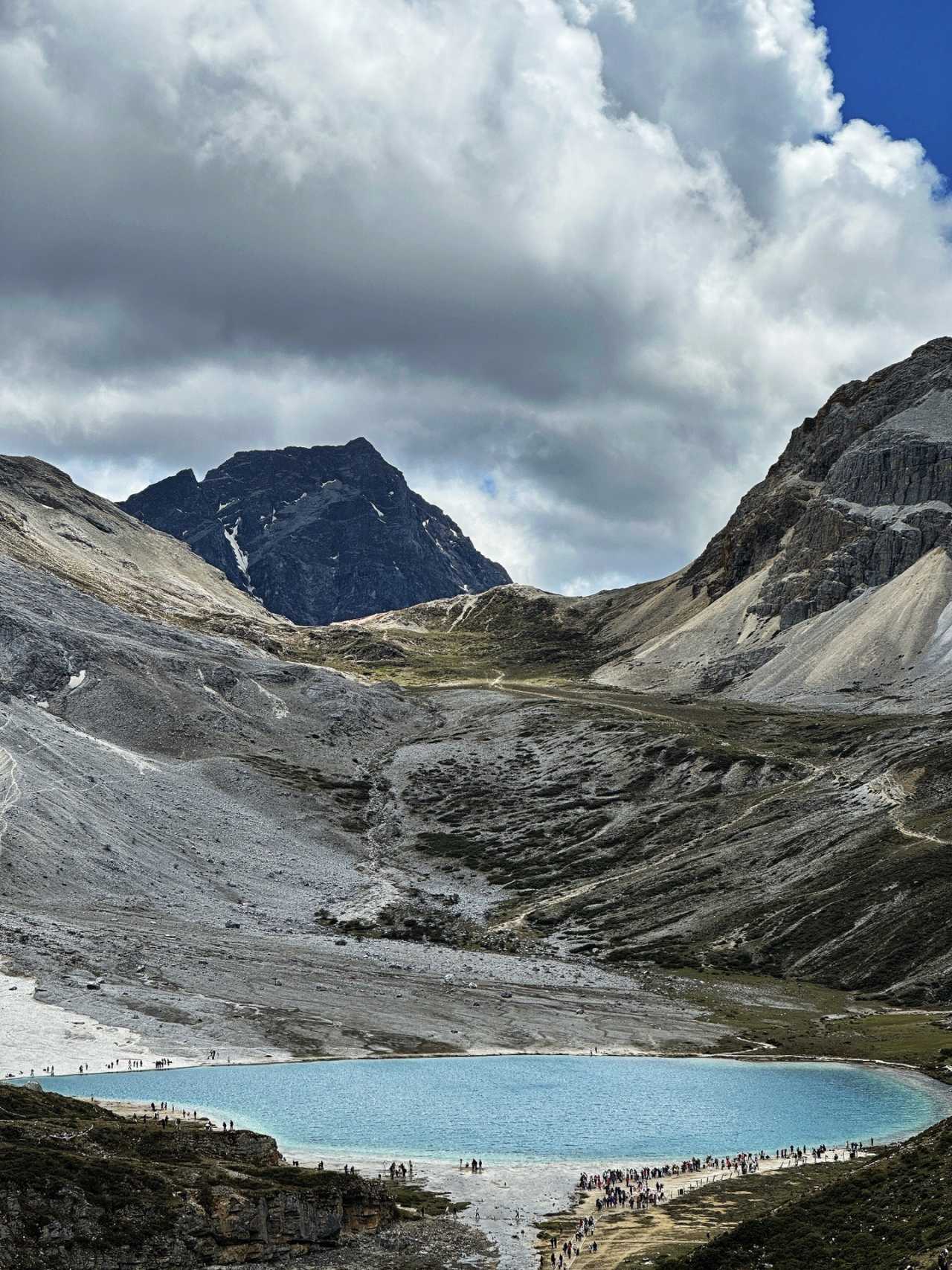
Most areas are open to all travelers. Yading Nature Reserve requires an entrance fee (146 yuan) plus sightseeing bus (120 yuan). Some remote areas near the Tibetan border may require a Tibet Travel Permit, but the Western Sichuan Grand Loop generally does not.
5. How much does a 17-day Western Sichuan self-drive trip cost?
Budget 8,000-12,000 yuan per person including fuel, tolls, accommodation (mid-range hotels: 150-500 yuan/night), food, and entrance fees. Our total for two people sharing costs was approximately 18,000 yuan.
Ready to Plan Your Own Western Sichuan Pilgrimage?
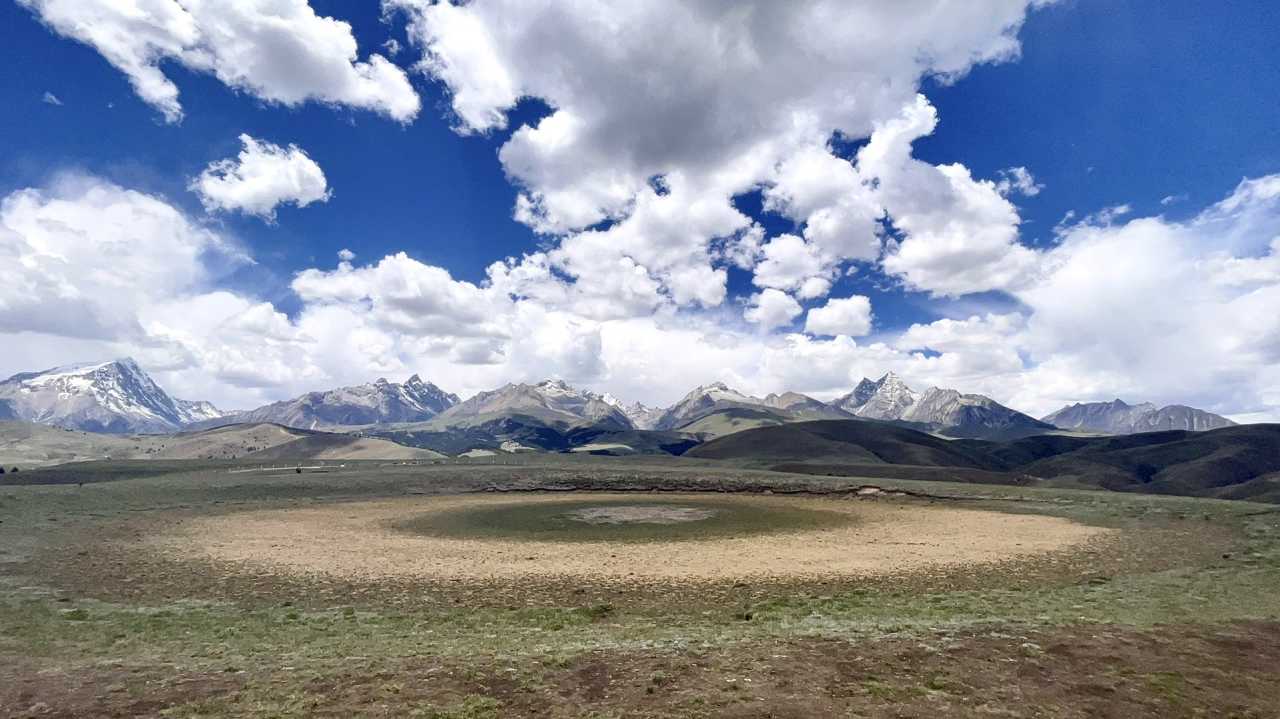
This 17-day journey from Beijing to the snowy sacred land of Western Sichuan is more than a road trip—it's a pilgrimage to some of China's most breathtaking landscapes. From the iron chains of Luding Bridge to the sacred peaks of Yading, every mile offers a new discovery.
Start planning your adventure today. Check your vehicle, book your accommodations early (especially in Yading and Litang during peak season), and prepare for an unforgettable experience.
[Link: Complete packing list for a Western Sichuan road trip]
Have you driven the Western Sichuan Grand Loop? Share your tips and experiences in the comments below!


