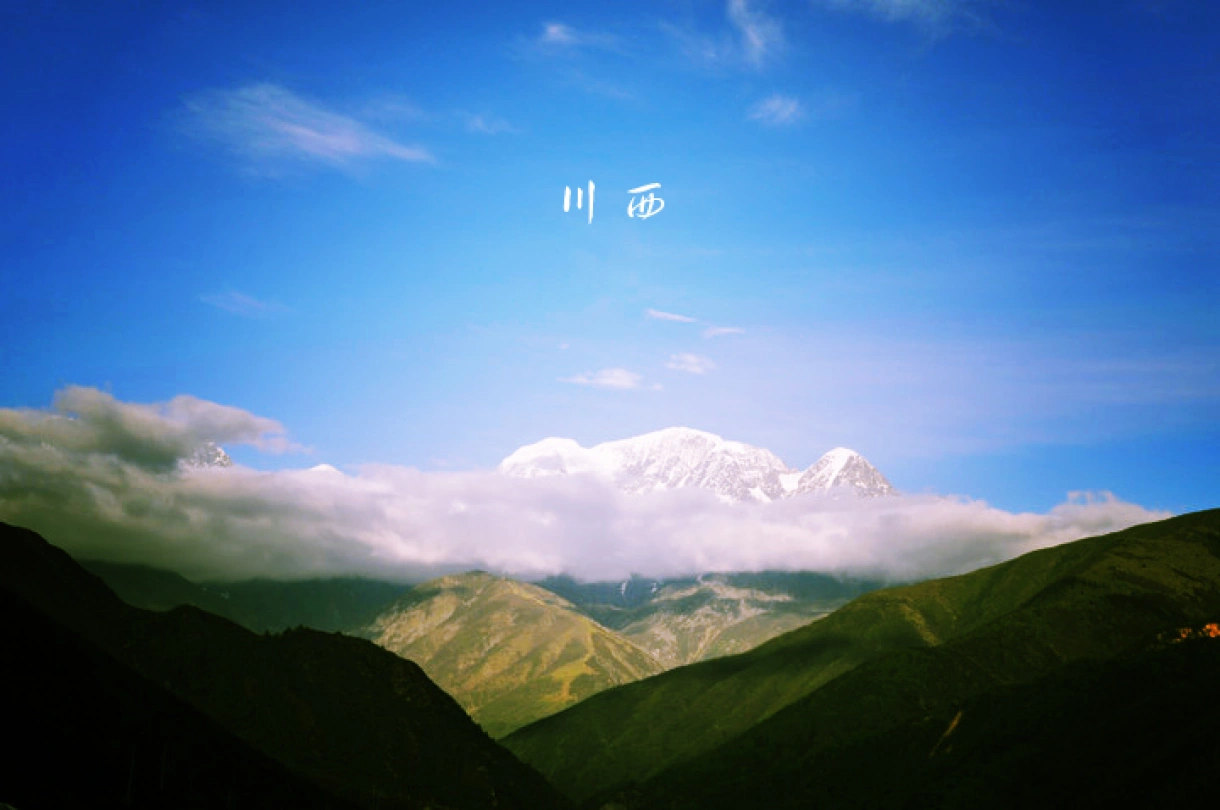
Wheels Across Western Sichuan: A Couple's Slow-Paced National Holiday Road Trip
Here is the SEO-optimized, rewritten article based on your source material. It has been restructured for search intent, keyword density, and user engagement, while strictly preserving the original narrative and factual details.
Title: Wheels Across Western Sichuan: A Slow-Paced National Holiday Road Trip Itinerary & Guide
Meta Description: Escape the National Day crowds with this authentic Western Sichuan road trip guide. Discover a slow-paced itinerary from Hubei to Lichuan, featuring Tenglong Cave, local cuisine, and practical driving tips.
Wheels Across Western Sichuan: A Couple’s Slow-Paced National Holiday Road Trip
The eight-day National Day holiday is a rare travel window for many. However, the thought of endless traffic jams on the highways and shoulder-to-shoulder crowds at scenic spots is enough to make plenty of people think twice. My wife and I did the opposite—we deliberately chose to set off during the latter half of the holiday. Experience has taught us that when most people start heading home, the scenery on the road truly becomes yours.
So, on a crisp autumn morning, we packed our bags, reset the car's odometer to zero, started the engine, and headed toward Western Sichuan. No detailed itinerary. No must-visit checklist. Just a desire to clear our minds while on the road.
Why this works: By traveling against the flow of holiday traffic, we avoided congestion and rediscovered the joy of spontaneous travel. This strategy is the foundation of a successful Western Sichuan road trip.
Day One: Starting from Zero, Heading West
October 5th, 8:00 AM sharp.
The moment the odometer clicked back to zero, there was an inexplicable sense of ceremony. It felt like this wasn't just a trip, but the beginning of a new chapter in life. Outside the window, the city gradually receded—skyscrapers gave way to roadside trees, which then opened up into wide fields.
The theme of the day was simple: drive.
Fortunately, our gamble paid off—traffic on the expressway was much lighter than expected. Occasionally, an SUV with out-of-province plates would overtake us, and we'd exchange knowing smiles, as if to say, "Hey, great minds think alike."
From home to Huanggang in Hubei Province, the total distance was nearly 800 kilometers. We took turns driving, while the passenger handled snacks, music, and navigation. The unspoken默契 (tacit understanding) of a long road trip slowly builds through these small, shared moments.
By evening, we rolled into Huanggang city. Nestled at the southern foot of the Dabie Mountains, this city lacks the hustle of a metropolis but exudes a calm, lived-in atmosphere. We found a clean budget hotel, grabbed a simple bowl of hot dry noodles (热干面, a classic Hubei street food), and turned in early.
Practical Tips for Your Western Sichuan Road Trip: Traveling in the latter half of the National Day holiday does help avoid most congestion, but it's still wise to check road conditions along the way, especially which service stations are open. On long drives, switch drivers or take a break every two hours—safety always comes first. [Link: How to plan a long-distance road trip in China]
Day Two: Scenery on Wheels, Surprises on the Palate
October 6th, another day on the road.
A thin mist hung over Huanggang in the early morning. After breakfast, we set off again. Today's plan was to drive from Huanggang to Lichuan in Hubei, about 600 kilometers. This stretch would take us through the Enshi Tujia and Miao Autonomous Prefecture, where the mountain terrain gradually became more rugged.
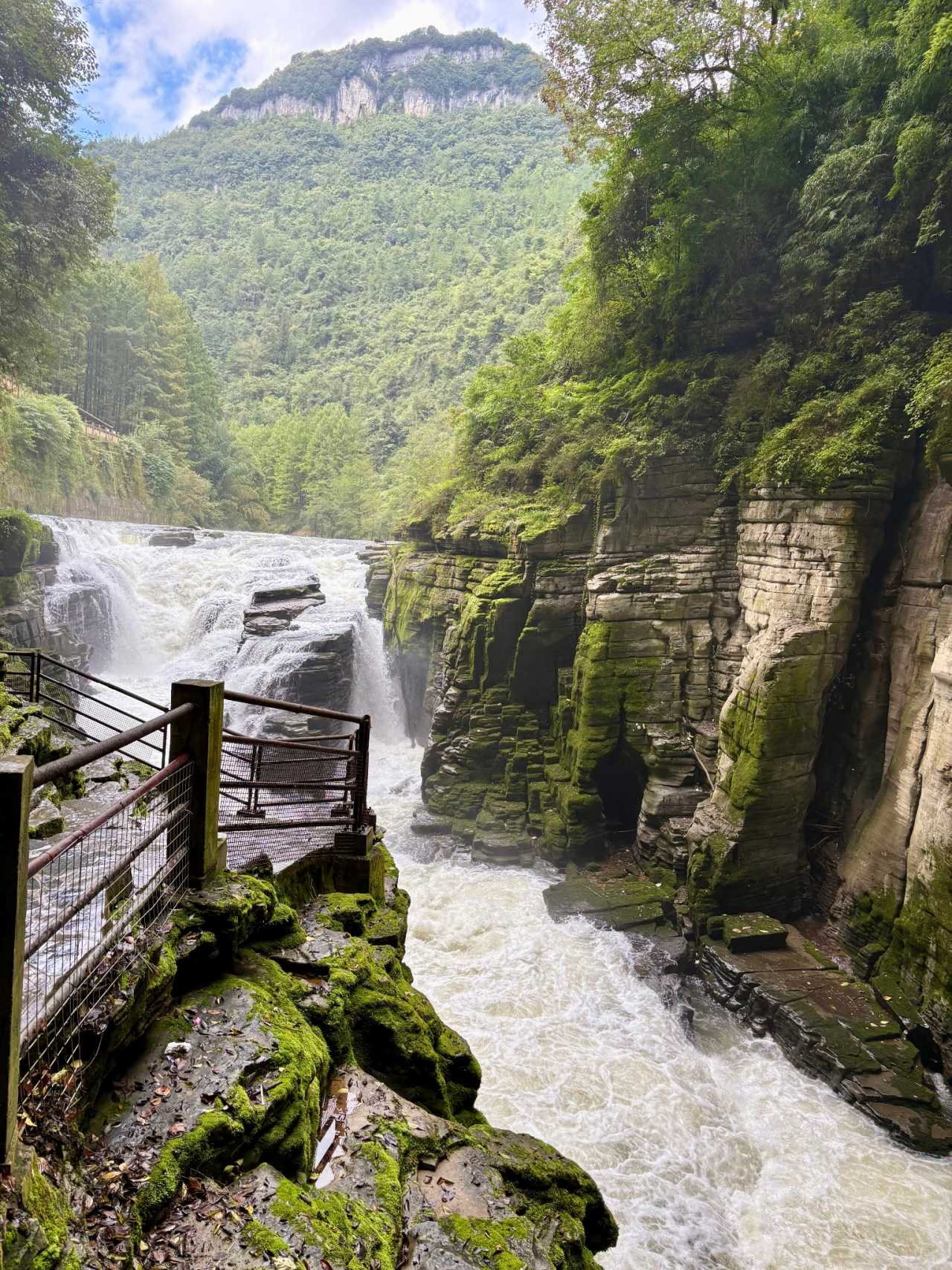
Outside the window, rolling hills turned into low mountains, which then became a chain of towering peaks. Tunnel after tunnel—light and shadow flickering in alternation, like flipping through a breathing picture book. We rolled down the windows and let the mountain air rush in—a breeze mixed with the scent of grass and earth, a world away from city smog.
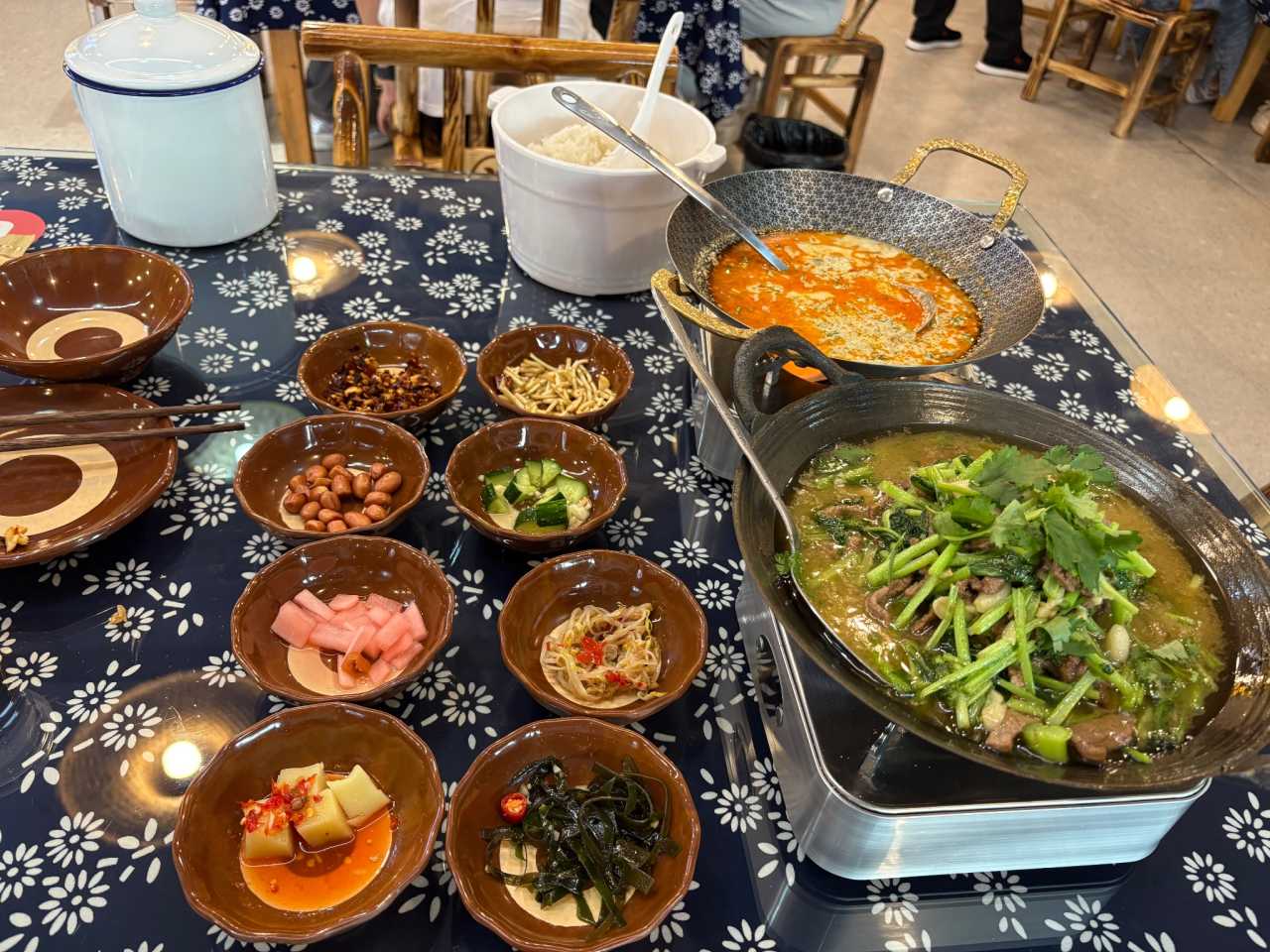
We arrived in Lichuan by evening. This small town, hidden deep in the Wuling Mountains, was pleasantly cool. After settling into our lodging, we decided to treat ourselves—to try the locally famous "张关合渣 (Zhangguan Hezha)."
合渣 (hezha) is a traditional Tujia dish. Simply put, it's "vegetable tofu"—soybeans ground into a slurry, unfiltered, and boiled directly with greens. But Zhangguan's version is more refined, seasoned with chili, cured pork, and scallions. The result is soft, fragrant, and rich, with the sweetness of soybeans and the savory saltiness of cured meat. We ordered a hezha hotpot, paired with cornmeal rice (苞谷饭). We ate until we were sweating, yet still wanted more.
Practical Tips for Lichuan: Lichuan is a transit hub for the Enshi Grand Canyon and Tenglong Cave, so there are plenty of accommodation options. To save time the next day, it's a good idea to book a hotel close to the scenic area in advance. There are several old shops serving Zhangguan Hezha in downtown Lichuan—ask the locals for recommendations. [Link: Best food in Enshi Tujia and Miao Autonomous Prefecture]
Day Three: Exploring Tenglong Cave, the Awe of an Underground Kingdom
October 7th—finally, no more driving.
Last night, we deliberately chose a hotel within walking distance of the Tenglong Cave scenic area. In the morning, we had a leisurely breakfast and strolled to the entrance. This "step right in" convenience is one of the most luxurious pleasures of a road trip.
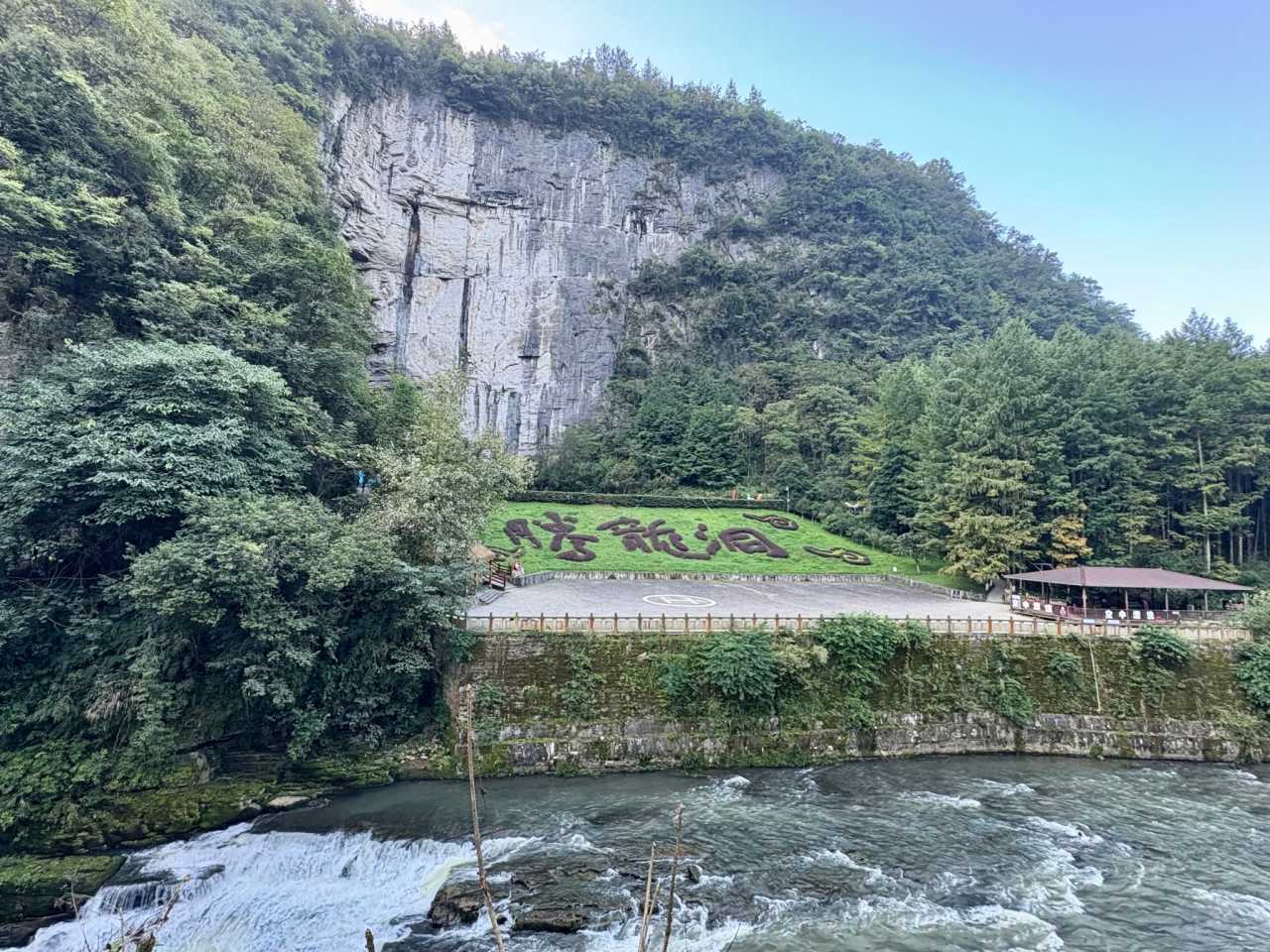
Tenglong Cave, officially part of the "Enshi Tenglong Cave Grand Canyon National Geopark," is located in Lichuan City. It's the core attraction of the geopark and is known as "Asia's Largest Dry Cave." The cave mouth is 74 meters high and 64 meters wide—large enough to fit a football field.
Stepping inside, we were instantly struck by a primal, immense sense of emptiness. The cave's highest chamber reaches over 200 meters, and its widest point exceeds 170 meters. Standing there, you feel as small as a speck of dust. The cave maintains a constant temperature of 14 to 18 degrees Celsius year-round, so you'd need a jacket even in summer.
The most breathtaking features were the "laser light show" and the "Tujia song and dance performance." Lasers projected surreal patterns onto the massive cave walls, accompanied by the pounding rhythm of Tujia drums and folk songs. It felt like watching a time-traveling performance in an underground palace. After the show, we followed the boardwalk deeper into the cave, discovering an underground river, clusters of stalactites, and curtain-like stone waterfalls—each one a masterpiece carved by nature over millions of years.
Emerging from the cave, the sunlight was almost blinding. We sat on a bench outside the scenic area, sipping local selenium-rich tea (富硒茶), replaying the awe we'd just experienced. Every mile of the journey felt worth it.
Practical Tips for Visiting Tenglong Cave: - Book tickets for Tenglong Cave online in advance—during holidays, visitor numbers may be capped. - The cave is cool, so bring a light jacket or shawl. - The walking distance inside the cave is long; wear comfortable shoes. - If you want to catch the performances, check the schedule—there's usually one in the morning and one in the afternoon. [Link: Top attractions in Enshi Grand Canyon National Geopark]
Final Thoughts: The Meaning of Travel Is Never Just the Destination
Strictly speaking, this trip to Western Sichuan has only just begun. But even these three days have already given us so much.
Some say road-tripping is "moving your home onto the road." It's true—the car becomes a mobile living room, gas stations are temporary supply depots, and rest stops are brief havens. But what truly moved us were the unplanned surprises—like that steaming bowl of hezha on the streets of Lichuan, the soul-stirring laser show inside Tenglong Cave, or the moment we passed another out-of-province car on the road and exchanged a friendly honk.
The meaning of travel is never just the destination. It hides in every gear shift, in every re-routing of the GPS, in every fleeting encounter with a stranger. As the scenery outside the window changes—from city to countryside, from plains to mountains—our state of mind shifts too. The anxieties of work, the trivialities of daily life—they all get left behind with every turn of the wheels.
If you're tired of crowded, checklist-style travel, try what we did: pick a less popular time, drive a reliable car, and bring along someone willing to go on an adventure with you. Just go.
Don't chase perfection. Don't rush from stop to stop. Sometimes, the most beautiful scenery is right there, on the road. [Link: Why slow travel is the new luxury]
Frequently Asked Questions (FAQ)
1. What is the best time to take a road trip to Western Sichuan to avoid crowds? The best time is during the latter half of a major holiday (like National Day) or during shoulder seasons (May-June, September-October). As this article demonstrates, traveling when most people are heading home allows you to enjoy the scenery with significantly less traffic.
2. How many kilometers did this couple drive in the first two days? On Day One, they drove approximately 800 kilometers from their home to Huanggang, Hubei. On Day Two, they drove approximately 600 kilometers from Huanggang to Lichuan, Hubei.
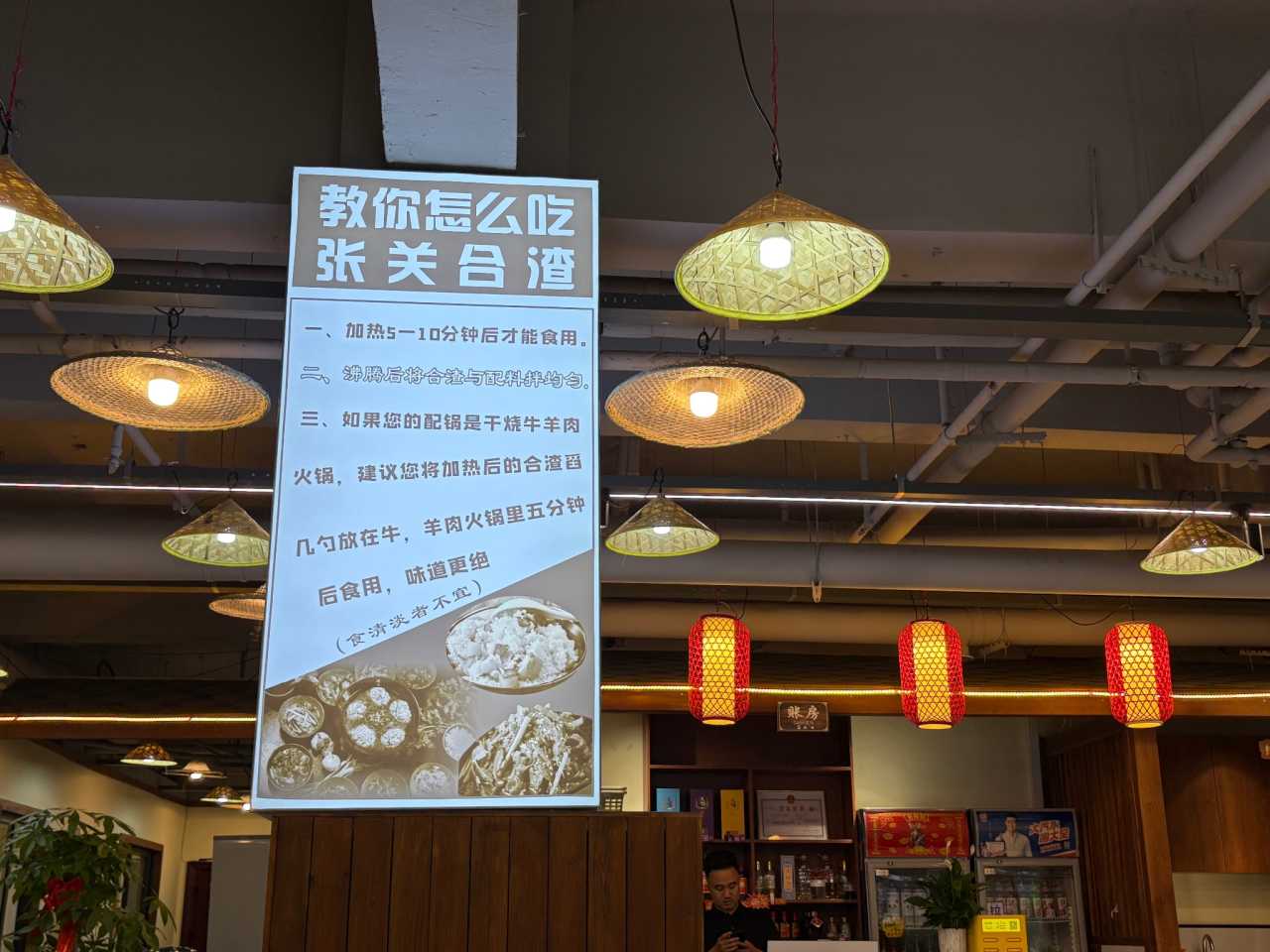
3. What is "Zhangguan Hezha" and where can I try it? Zhangguan Hezha is a traditional Tujia dish made from ground soybeans and greens, often served as a hotpot with chili and cured pork. It is a local specialty of Lichuan, Hubei. You can find it at several old shops in the downtown area; asking locals for recommendations is the best way to find the authentic version.
4. Is Tenglong Cave worth visiting? What should I wear? Yes, Tenglong Cave is known as "Asia's Largest Dry Cave" and features stunning stalactites, an underground river, and a laser light show. Because the cave maintains a constant temperature of 14–18°C (57–64°F) year-round, you should bring a light jacket or shawl, even in summer. Comfortable walking shoes are essential.
5. What is the "laser light show" at Tenglong Cave? The laser light show is a performance that uses high-powered lasers to project surreal, colorful patterns onto the massive walls and ceilings of the cave. It is accompanied by traditional Tujia drumming and folk songs, creating an immersive, otherworldly experience.
Ready to Plan Your Own Slow-Paced Adventure?
Don't let the fear of holiday crowds stop you from exploring. Take a page from this couple's book: choose a less popular departure date, pack your bags, and let the road guide you. Whether it's the underground wonders of Tenglong Cave or the simple joy of a steaming bowl of hezha, the best travel memories are often the ones you don't plan for.
Start planning your Western Sichuan road trip today—and remember, the journey is the destination.
[Link: Best road trip routes in Sichuan Province] [Link: How to book tickets for Tenglong Cave online]
Article Key Information at a Glance: - Itinerary: Departed October 5th, passed through Huanggang, Hubei (overnight), Lichuan, Hubei (overnight), visited Tenglong Cave on October 7th. - Mileage Reference: Day 1: approx. 800 km; Day 2: approx. 600 km. - Local Specialty: Lichuan's Zhangguan Hezha (Tujia vegetable tofu hotpot). - Core Attraction: Tenglong Cave (Asia's Largest Dry Cave).
You may also like