Solo Journey Through Sichuan: An 8-Day Adventure That Changed Everything
Meta Description: Discover the ultimate Sichuan solo travel guide with an 8-day itinerary through Chengdu, Jiuzhaigou, and Huanglong. Insider tips, hidden gems, and life-changing experiences await.
Introduction: Why Traveling Alone in Sichuan Is a Life-Changing Experience
There's something about traveling alone that strips life down to its essentials. You have only yourself to rely on—your instincts, your curiosity, and a willingness to embrace the unexpected. In the late summer of 2012, I found myself wandering through Sichuan for eight days, armed with a barely-charged camera, a vague itinerary, and an appetite for discovery.
This is the story of that journey—a solo adventure through Sichuan that changed everything. Whether you're planning your own solo trip to Sichuan or simply seeking inspiration, this guide offers practical tips, hidden gems, and honest reflections from the road.
Why This Sichuan Solo Travel Guide Matters
Sichuan province is a dream destination for solo travelers. From the bustling streets of Chengdu to the fairy-tale landscapes of Jiuzhaigou and the otherworldly beauty of Huanglong, this region offers a perfect blend of culture, nature, and adventure. But traveling alone here requires preparation, flexibility, and a willingness to embrace the unexpected.
This guide covers:
- How to navigate Chengdu's cultural treasures like Wuhou Shrine and Jinli Old Street
- Pro tips for visiting Jiuzhaigou during peak season
- What to expect at Huanglong—including altitude sickness and mobile network lessons
- Practical advice for solo travelers on a budget
Day 1: The Unplanned Beginning in Chengdu
Why I Ended Up at a Computer Mall Instead of a Temple
Let me start with a confession: I am not a meticulous planner. Before leaving, I booked a hotel and arranged a taxi to pick me up at Jiuzhaigou Airport—that was about the extent of my preparation. But even the most casual traveler can trip over their own carelessness.
On the morning of my flight, I realized with a sinking feeling that I'd left my camera battery and charger sitting on my desk at home. My friend Sandra, ever the pragmatist, advised me to buy replacements immediately. "Don't let this ruin your trip," she said.
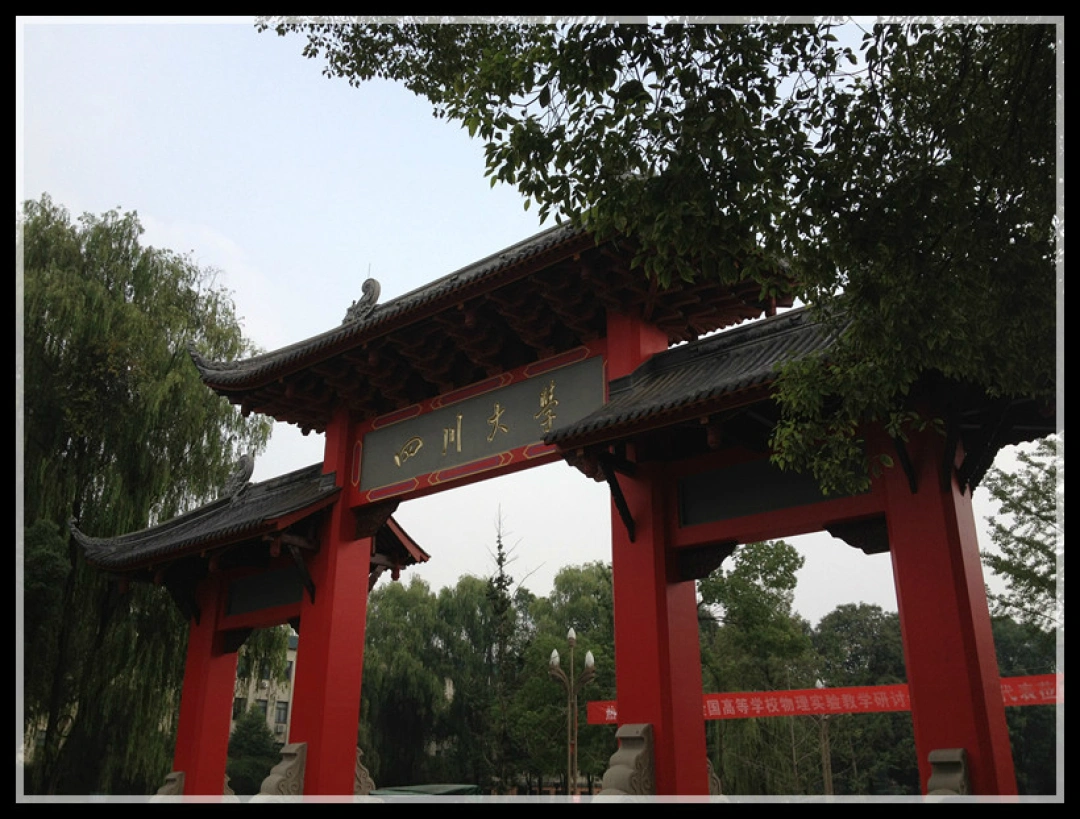
So my first stop in Chengdu wasn't a temple or a garden—it was a computer mall. I found a portable charger and a spare battery for 160 yuan, and by the time I emerged, it was already late afternoon. Across the street, I spotted a park. A closer look revealed it was Sichuan University's Wangjiang Campus.
A Serendipitous Stroll Through Campus
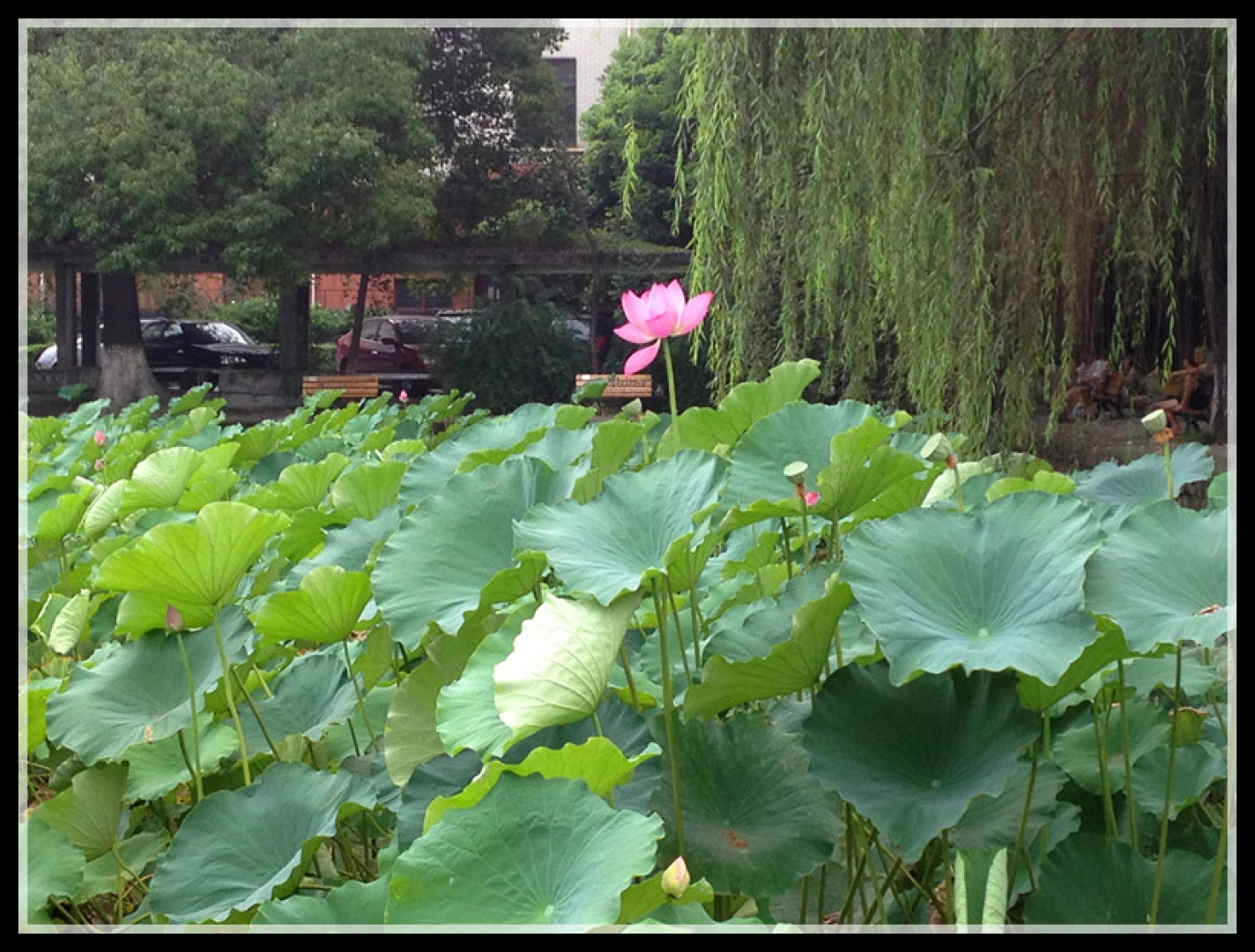
The university was unexpectedly beautiful. Lotus ponds flanked the entrance, and a few students were taking photos despite it being summer break. The main building faced the gate with an air of quiet grandeur. But what struck me most were the classroom buildings—structures with such unusual architecture that walking through them felt like stepping into a scene from Inception. I'll leave the details for you to discover yourself.
By 5 PM, hunger took over. I found a highly recommended congee shop near my hotel and ordered wood ear salad, Indian naan, and a prawn clay pot congee. As I ate, I couldn't help thinking how much better this would be shared with someone special.
Pro Tip: Always pack spare camera batteries and a universal charger before your Sichuan solo trip. [Link: Packing checklist for China travel]
Day 2: Wuhou Shrine and the Charm of Chengdu
Exploring Wuhou Shrine: A Temple for Rulers and Ministers

The next morning, I headed to Wuhou Shrine, a temple dedicated to Zhuge Liang and Liu Bei—the only temple in China where a ruler and his minister are worshipped together. The entrance fee was 60 yuan, and I quickly learned a valuable lesson: always read up on a site before visiting. Knowing the history transforms a passive walk into an active exploration.
I took photos with my phone, which later earned me some gentle mockery. But that's the beauty of traveling alone—you can linger where you please. My strategy was simple: explore on my own first, then "borrow" a tour guide's commentary at key spots. Museum guides, I found, often offer richer insights than freelance guides.
One thing I noticed about Sichuan's sculptures and bronzes—like those at Sanxingdui—is their subtle humor. They seem to smile at you, as if sharing an inside joke. Look longer, and they reveal deeper stories. I nicknamed one set of statues "The Q Version" for their cartoonish charm.
The Red Wall and Jinli Old Street
Behind the temple, a red-walled corridor leads to Liu Bei's tomb. This path was featured in Zhang Yimou's Chengdu promotional video, and it's easy to see why. The play of light and shadow is mesmerizing, though crowded conditions make photography a challenge.
The back gate of Wuhou Shrine opens directly onto Jinli Old Street, a lively market of snacks and souvenirs. It's charming but crowded—I made a quick circuit and moved on. (Spoiler: Kuanzhai Alley, which I visited later, offers a completely different vibe.)
By 11:15 AM, I was back at my hotel, ready for lunch. I tried a local specialty—suo bian fish (a Sichuan-style fish dish with a tangy, spicy broth)—at a nearly empty restaurant. The fish was tender and flavorful, costing just over 100 yuan for a 2-pound portion with vegetables and a bowl of fermented rice balls.
Pro Tip: Visit Wuhou Shrine early to avoid crowds. The red wall corridor is best photographed in soft morning light. [Link: Best time to visit Chengdu attractions]
Day 3: Jiuzhaigou—A Fairy Tale in the Rain
The Unpredictable Flight to Jiuzhaigou
The flight from Chengdu to Jiuzhaigou is famously unreliable. Locals joke, "Nine out of ten flights are delayed, and the tenth turns back." Fortunately, mine departed on time.
I woke at 6 AM the next day, eager to reach the Jiuzhaigou Valley entrance. A taxi took me 5 kilometers for 15 yuan. Seeing the iconic stone marker at the gate, I felt a surge of emotion—I'd finally made it.
Navigating the Y-Shaped Valley
Jiuzhaigou opens at 7 AM. Peak season tickets cost 220 yuan for entry, 90 yuan for the sightseeing bus, and 10 yuan for insurance. The valley is shaped like a "Y," and most visitors start with the right branch, heading to the farthest point: the Primeval Forest.
The bus guide pointed out scenic spots along the way. One lake, shrouded in morning mist, looked like a painting. The guide noted that such scenes are rare—wind can disperse the fog in minutes. Two girls beside me exchanged excited glances and jumped off the bus. That moment never returned, but its memory stayed with me.
Highlights of the Day
- Primeval Forest: A natural oxygen bar at 2,930 meters. I carried my camera and backpack up the steps, feeling slightly breathless but quickly adapting.
- Arrow Bamboo Lake, Panda Lake, Five Flower Lake, Mirror Lake, Pearl Shoal Waterfall: Each was stunning, but Five Flower Lake and Pearl Shoal Waterfall (where the original Journey to the West was filmed) were unforgettable. August's rains made the waterfall especially powerful.
- Long Lake and Five Color Pond: By afternoon, the crowds were overwhelming. The Five Color Pond's boardwalk was submerged, making it hard to appreciate. I pushed through the crowds back to the central station, tired but satisfied.
I ended the day at Nuorilang Waterfall, which offered a different kind of beauty from Pearl Shoal. A couple was taking wedding photos there—their silhouettes against the waterfall seemed like a perfect symbol of happiness.
Pro Tip: Arrive at Jiuzhaigou before 7:30 AM to beat the crowds. The misty morning views are worth the early start. [Link: Jiuzhaigou travel tips for solo travelers]
Day 4: Huanglong—Where Beauty Meets Challenge
The Misty Morning Drive to Huanglong
The rain stopped overnight, leaving a misty, tranquil morning. I set off for Huanglong at 7 AM, surrounded by endless green mountains wrapped in fog.
By 9 AM, we reached Chuanzhusi Town in Songpan County. This small town is a hub for several scenic areas and is home to Tibetan, Qiang, Hui, and Han communities. I later learned that "Chuanzhu" refers to Li Bing, the builder of the Dujiangyan irrigation system.
The Huanglong Experience
I took the cable car up Huanglong and walked down. The driver recommended a saffron oral liquid, which I bought (expensive but worth it if it helped with altitude sickness). I had no significant symptoms, though I can't say for sure if the liquid was responsible.
The forest trail after the cable car was breathtaking—far more impressive than Jiuzhaigou's primeval forest. Small oxygen stations dotted the path, but few people used them. The climb to the Five Color Pond was challenging; I met three young travelers from Ningbo who shared my camera model, and we exchanged tips.
The pond itself was stunning, but Huanglong's beauty extends far beyond that single spot. The travertine (calcium carbonate) formations are unique and mesmerizing. As I descended, the sky darkened, and rain began to fall. My rain jacket and umbrella saved me, though I still got soaked.
A Lesson in Mobile Networks
At 3:20 PM, I called my driver using my China Mobile number. Then a thunderclap hit—and my signal vanished. Later, I learned that lightning had knocked out a local tower. Fortunately, I had a China Unicom SIM card, and the driver's phone worked on that network. Lesson learned: carry two carriers' SIM cards when traveling in remote areas.
Pro Tip: Always carry SIM cards from at least two carriers when traveling in remote Sichuan areas. China Unicom and China Mobile are the most reliable. [Link: Best SIM cards for travelers in China]
Day 5: A Quiet Day in Chengdu
After flying back to Chengdu, I spent a lazy afternoon. I tried the hotel's restaurant (a generous portion of pickled fish for 35 yuan) and explored Tianfu Square and Chunxi Road via the metro. The heat and humidity were intense, but the city's energy was infectious.
This day reminded me that solo travel isn't about ticking off every attraction—it's about savoring the moments in between. A quiet meal, a stroll through a park, a conversation with a local vendor. These are the memories that last.
FAQ: Solo Travel in Sichuan
1. Is Sichuan safe for solo female travelers?
 Yes, Sichuan is generally safe for solo female travelers. Chengdu is a modern city with good public transport and a welcoming atmosphere. However, always exercise standard precautions: avoid walking alone late at night, keep valuables secure, and trust your instincts.
2. What is the best time to visit Jiuzhaigou and Huanglong?
The best time is autumn (September to November) for vibrant fall colors and stable weather. Summer (June to August) is peak season with higher crowds and rain, but the landscapes are lush and waterfalls are powerful.
3. How much does a solo trip to Sichuan cost?
A budget-friendly solo trip to Sichuan (8 days) can cost between $800–$1,200 USD, including flights, accommodation, meals, and entrance fees. Jiuzhaigou and Huanglong tickets are the biggest expenses.
4. Do I need to speak Mandarin to travel solo in Sichuan?
Basic Mandarin phrases help, but many tourist areas have English signage. Download a translation app and carry a phrasebook. Locals in Chengdu are generally helpful.
5. What should I pack for a solo trip to Sichuan?
Essentials include: comfortable walking shoes, rain jacket, sunscreen, insect repellent, portable charger, spare camera batteries, and a power bank. For Jiuzhaigou and Huanglong, bring warm layers and altitude sickness medication.
Conclusion: Your Solo Sichuan Adventure Awaits
Solo travel through Sichuan is more than a vacation—it's a journey of self-discovery. From the misty lakes of Jiuzhaigou to the travertine terraces of Huanglong, every moment teaches you something new about yourself and the world.
If this guide has inspired you, take the first step today. Book your flight, pack your bags, and embrace the unknown. The memories you'll create are worth every moment of uncertainty.
Ready to plan your own solo adventure through Sichuan? Start by researching flights to Chengdu, booking Jiuzhaigou tickets in advance, and downloading offline maps. Your journey begins now.
Share your own Sichuan travel stories in the comments below—I'd love to hear them!
This article is based on a true solo travel experience in August 2012. Prices and conditions may have changed since then. Always check current information before traveling.
You may also like


