Westward Bound: From Chongqing to Daocheng Yading — A 12-Day Wandering Through the Celestial Realm
Meta Description: Discover a 12-day budget journey from Chongqing to Daocheng Yading. Explore Chongqing's surreal train-through-building, Chengdu's hotpot culture, and sacred Yading's Milk Lake. Budget tips, gear checklist, and altitude advice included.
Introduction: Why This 12-Day Journey from Chongqing to Daocheng Yading Will Change You
Some journeys are for seeing landscapes; others are for finding yourself. On March 9, 2017, I packed my bags, left Guangzhou, and headed west — through the fiery energy of Chongqing, the laid-back charm of Chengdu, the vast emptiness of Xinduqiao, the frozen wonderland of Hailuogou, and finally into the sacred purity of Daocheng Yading. Twelve days, a budget of just over 3,000 RMB, and a trip with friends through an outdoor club — it redefined what it means to be "on the road."

This isn't just another travelogue. It's a record of courage, luck, and passion. If you too long to escape the daily grind, come with me as I relive this magical journey from a mountain city to a land of snow and spirit.
Preparation: Travel Light, But Don't Forget These
Chongqing to Daocheng Yading Budget & Route
- Total cost: Roughly 3,000 RMB (flight there: 400 RMB, hard-seat train back: 277.5 RMB, club package: 2,380 RMB, plus lunch and incidentals)
- Route: Guangzhou → Chongqing → Chengdu → Xinduqiao → Hailuogou → Daocheng Yading → Chengdu → Guangzhou
- Time: March 9 – March 20, 2017
- Travel style: Outdoor club (8-day all-inclusive, lunch excluded, no shopping stops — highly recommended. Rumor has it regular tour groups won't take you to Milk Lake in Yading; I can't confirm that.)
Essential Gear Checklist for High-Altitude Travel
- Photography gear: Canon 80D kit (18-135mm USM lens), 15-85mm STM lens (barely used), 50mm prime lens (barely used), tripod, shutter release cable
- Clothing: 3 changes of clothes + 1 heavy down jacket + 1 light down jacket + 1 sweater + 1 regular jacket + 1 hat + 1 pair of hiking pants + 1 pair of thermal pants
- Snacks: Snickers bars (quick energy), compressed biscuits
- Other: Crampons (ice spikes for shoes) — learned that lesson the hard way in Mohe
- Special note: Bring altitude sickness meds like Gaoyuan'an, cold medicine, fever reducers, etc. I'd been to high altitudes four times before and had zero issues, so I didn't bring any. But my travel buddies? A bunch of them were down for the count.
Pro tip: Too much luggage? Mail your heavy winter clothes to Chengdu ahead of time and travel light.
DAY 1-2: Chongqing — A Maze of a City That Defies Logic
Touching Down in Chongqing: Lightning and Moonlight
Shortly after takeoff, we hit severe turbulence. We broke through dark clouds and saw lightning up close — blinding flashes in the mist. It was indescribably intense, but I wasn't scared. I pressed my face to the window and watched. When the turbulence passed and we leveled out, everything went quiet. Moonlight spilled across a sea of clouds, and it felt like we were piloting a spaceship toward an alien world.
We landed in Chongqing late at night and crashed at a random hostel.
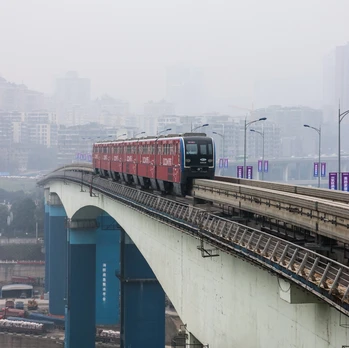
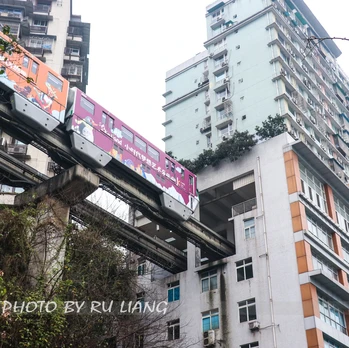
Liziba: The Surreal Sight of a Train Through a Building
The next morning, I headed straight for the metro. The signs weren't clear, so I asked a security guard in his late twenties for directions. Here's the thing — he didn't speak Mandarin. He answered me entirely in the Chongqing dialect. I said, "What? I don't understand. Do you speak Mandarin?" He seemed to get the question but just repeated himself in dialect. Defeated, I pulled out Gaode Maps.
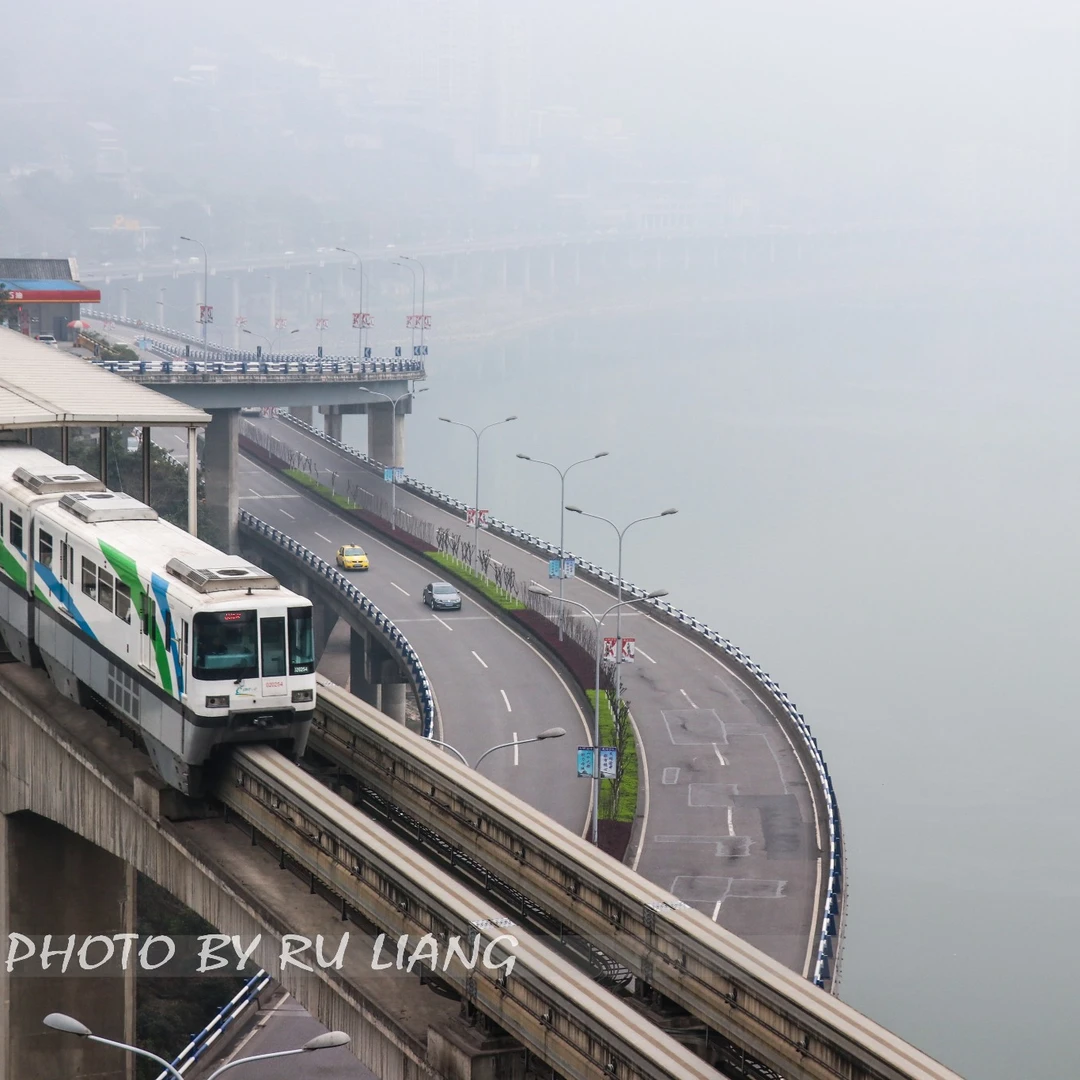
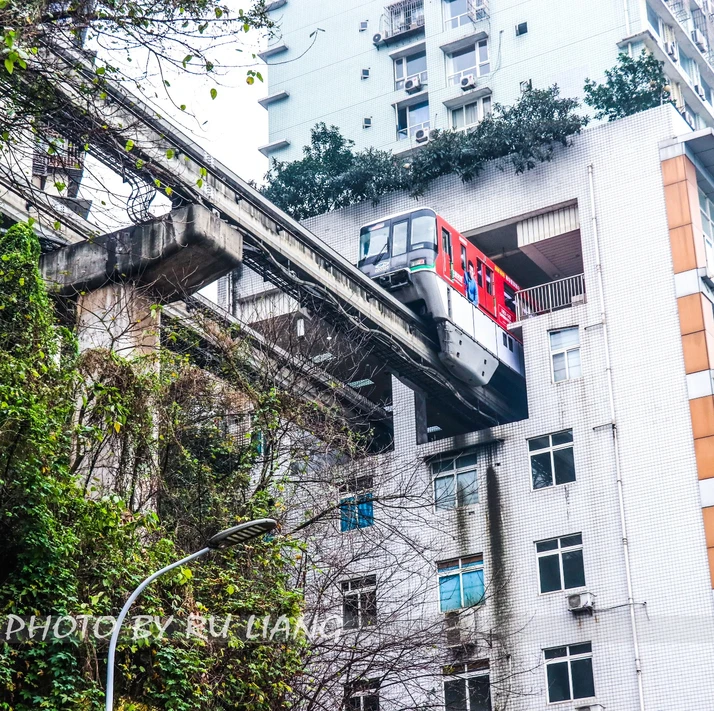
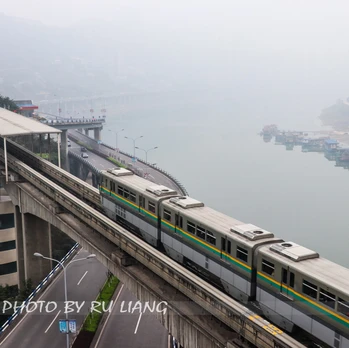
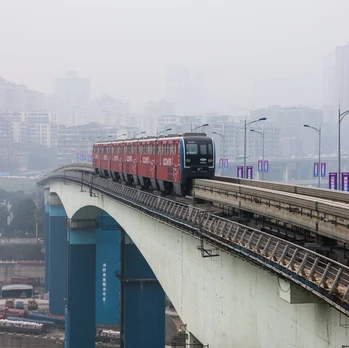
Turns out, Chongqing's "light rail" is basically what we call the subway in Guangzhou — except it runs entirely above ground, weaving between skyscrapers like something out of a Frozen-themed amusement park. At Liziba Station, I deliberately sat at the front of the train and watched through the window as we plunged into a residential building. Once wasn't enough — I rode it back and forth several times.
[Link: Top 10 Things to Do in Chongqing]
Eighteen Stairs (Shibati): The Last Echo of Old Chongqing
Locals told me that after the movie I Belonged to You came out, Chongqing became a hotspot — and so did Shibati. But by the time I got there, most of it had already been demolished. The blue bricks, the old stone steps, the elderly residents who still lived there — if you go too late, it'll all be gone.
The Yuzhong Peninsula has two main pedestrian streets: Jiefangbei and Shibati. Jiefangbei is modern and flashy. Shibati is the real mountain city, the old Chongqing. Ear cleaners, foot masseurs, carpenters, sesame cake vendors, mahjong players, and the city's signature "bangbang" porters carrying loads on bamboo poles — dogs and cats sprawled everywhere, napping. It was a living snapshot of old Chongqing life.
Yangtze River Cable Car & Hongyadong: An Hour in Line for Five Minutes of Fun
Since I was in Chongqing, I had to see the Yangtze River Cable Car. When I arrived, the line stretched two or three hundred meters. I knew I could take a cab to the other side where the crowds would be thinner, but it was rush hour and traffic was brutal, so I queued up like everyone else. The line moved fast at first — until I got inside the station and found another endless queue inside. About an hour later, I finally bought a ticket. Round trip was 30 RMB, one way 20 RMB — locals with transit cards paid just 1.8 RMB. The ride lasted five minutes, with 60 people packed into each car.
Chongqing was foggy, so all my photos came out with that hazy "dreamy" look.
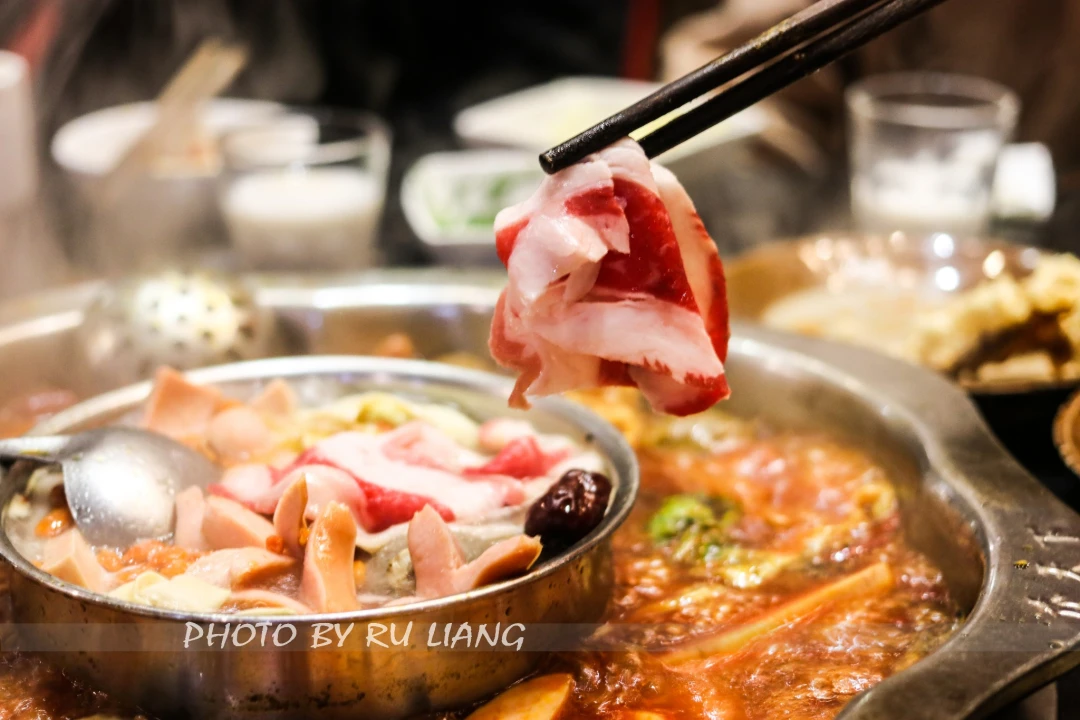
A classmate who worked in Chongqing saw my post and took me out for an authentic Chongqing hotpot — mild broth, no spice. I still got a sore throat from it.
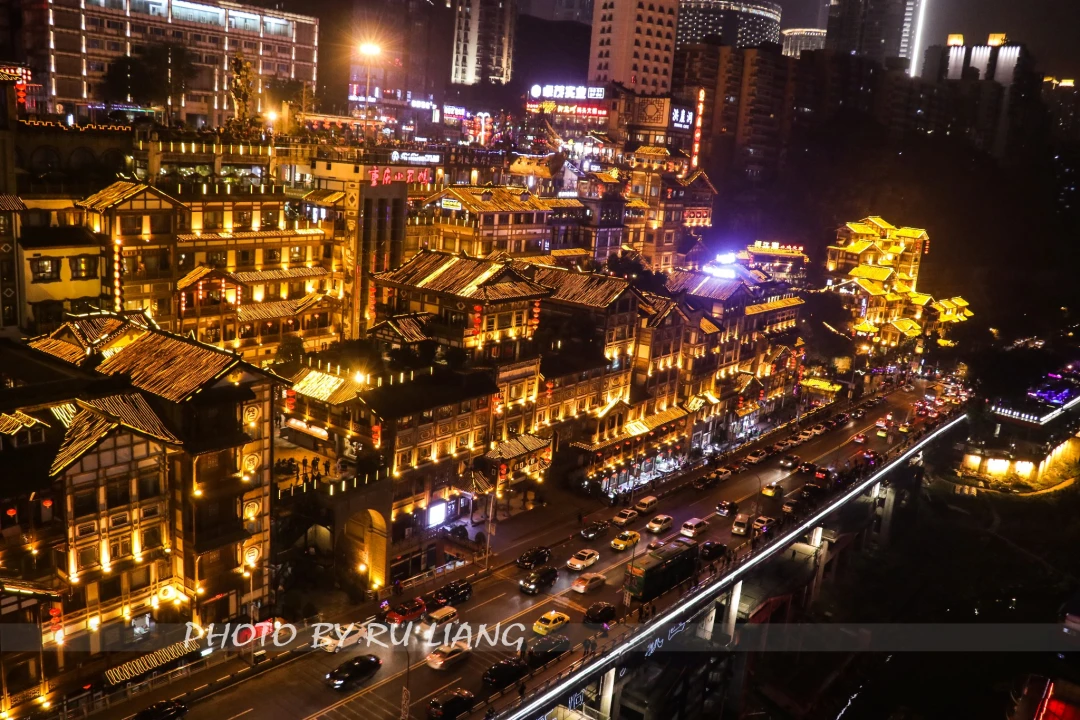
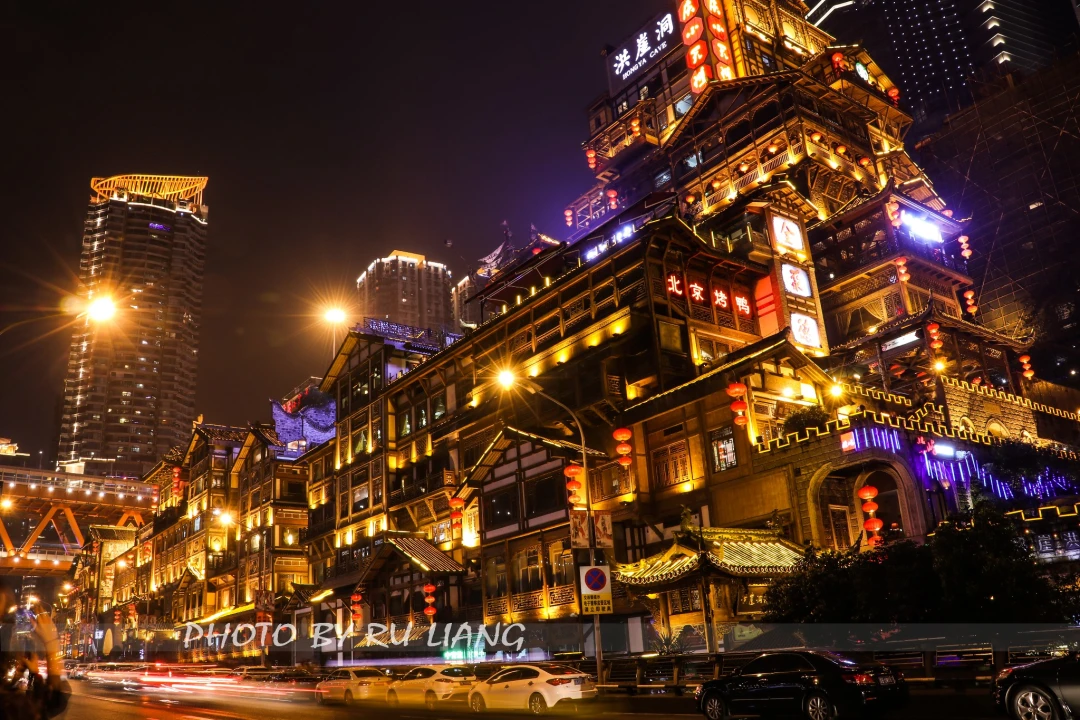
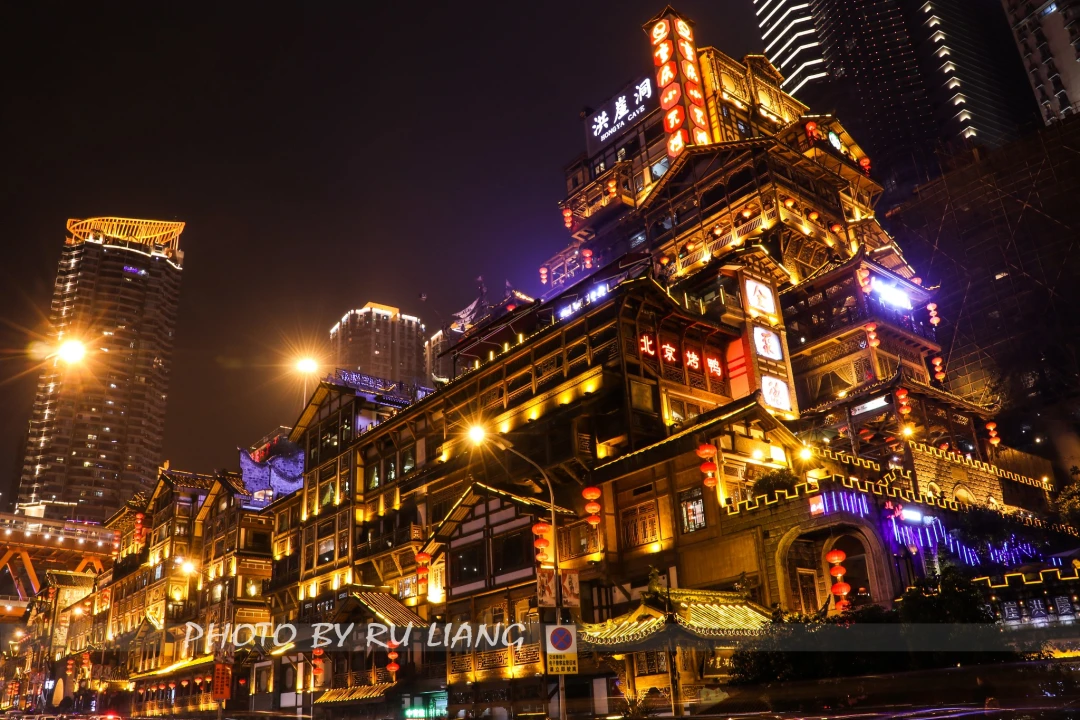
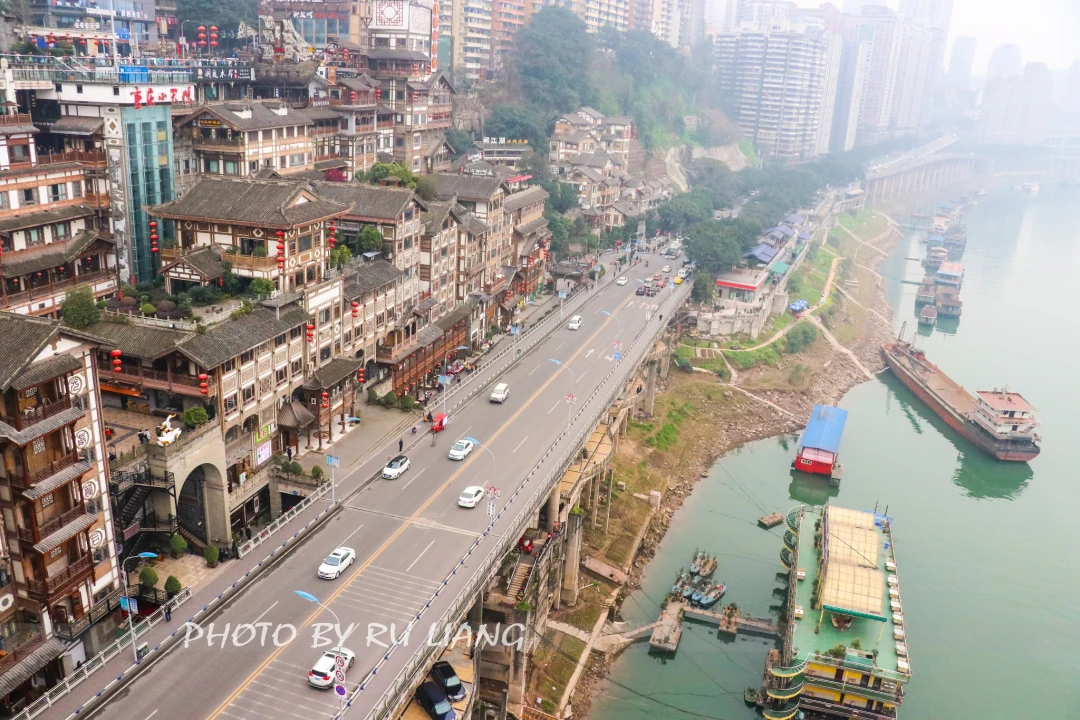
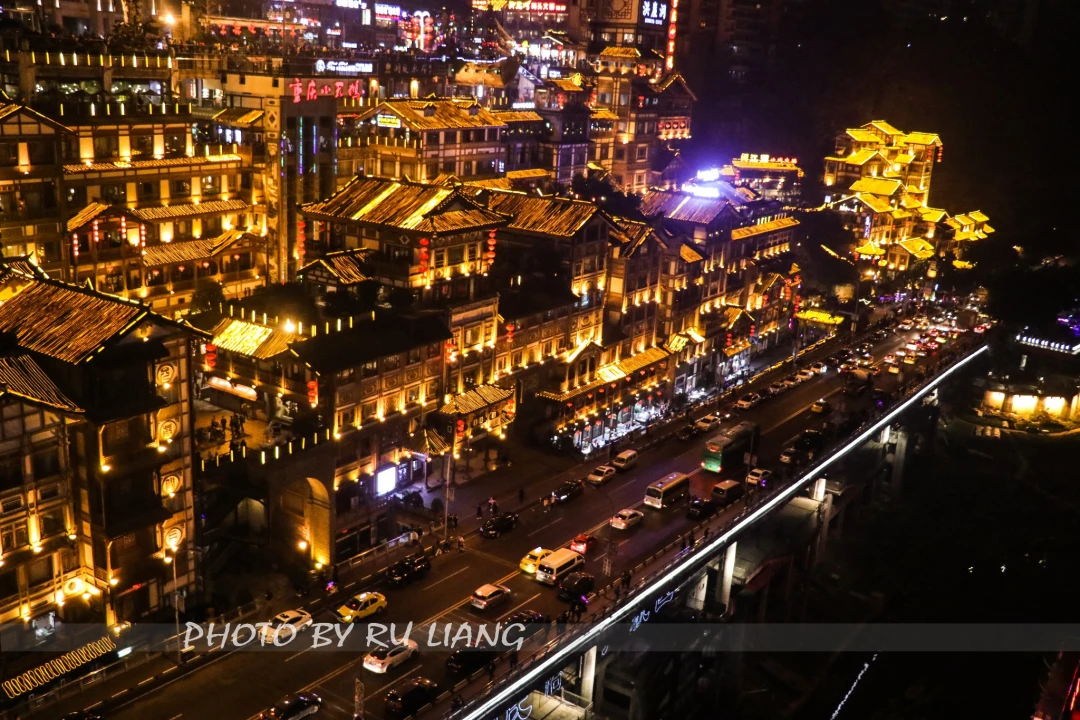
That evening, I headed to the legendary bathhouse from Spirited Away — Hongyadong. This was the only place in Chongqing that truly captivated me. I went up to the 6th floor, stepped out of the elevator thinking I was at the top — and found myself on a main road. I went down to the 1st floor, stepped out — and found myself on another main road. That's Chongqing for you: roads stacked on top of roads.
Hongyadong is built in the traditional stilted-house style of the Ba-Yu region, clinging to the hillside along the river. Paper-Salt River Bar Street, Tiancheng Lane's Ba-Yu风情街 (Ba-Yu style street), Feast Food Street, and an exotic city-terrace — four distinct zones. I ran up to the bridge for photos. No one blocked my view, but every time a car or train passed underneath, my camera shook and the shots came out blurry. I cranked the ISO to 1600, snapped a few, and left.
That night, I stayed at a pod hostel about 300–400 meters from Hongyadong — 48 RMB, absolutely fantastic. Small but perfectly clean, with a charging port, TV, headphones, mirror, and curtain. The owner was a Shenzhen native who loved to travel when she was young and settled down in Chongqing after getting married.
I went back to Hongyadong during the day. The crowds were still insane. Every time I tried to take a photo, either a car or a person got in the way. Something always appeared in the frame.
I had extra time in Chongqing, but nothing else really grabbed me. The bullet train to Chengdu cut through what felt like a hundred tunnels.
DAY 3: Chengdu — Where Hotpot Meets Repurposed Factories
Chengdu, here I am again.
As soon as I arrived, I met up with Qiuxia. Jia Hai wasn't due until 11 PM, so we went to find Huang Bin first. Big thanks to Huang Bin for treating us to Xiangtianxia Hotpot — absolutely incredible. Six of us couldn't finish it all. It got spicier and spicier until I finally surrendered.
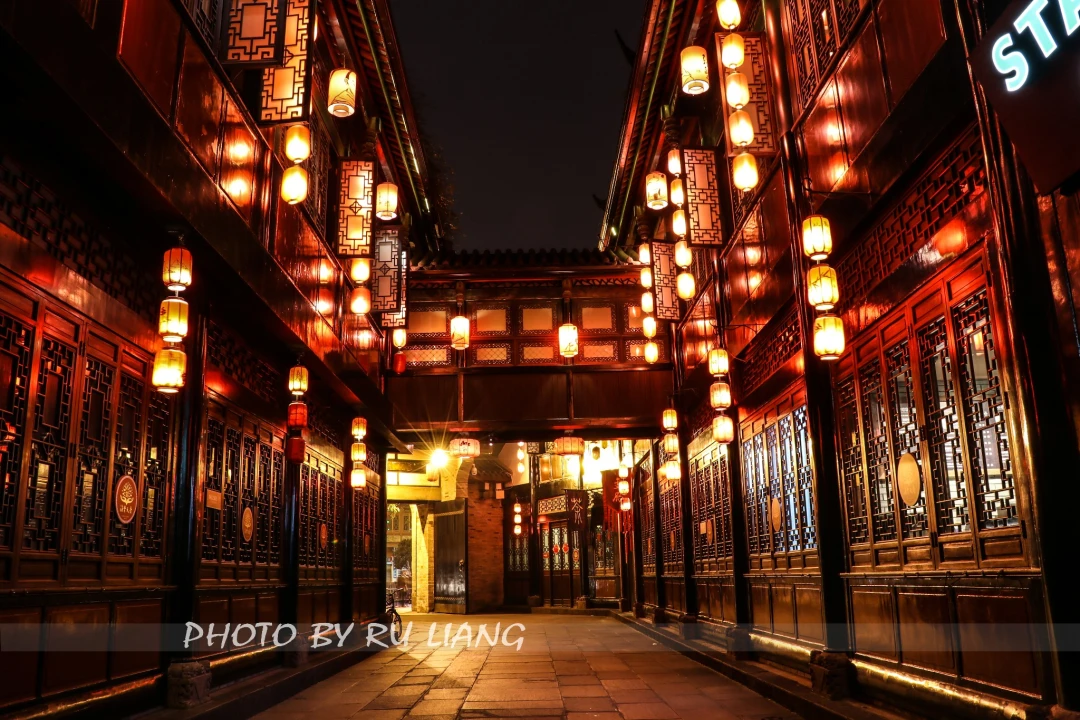
Afterward, we wandered through Eastern Suburb Memory (Dongjiao Jiyi) and Jinli Ancient Street. Eastern Suburb Memory is a former military factory turned creative park. If I'd gone during the day, the photo opportunities would have been amazing.
Back at the hotel, the outdoor club had arranged our accommodation — top-notch. Every room on this trip was about this nice. Jia Hai was almost there too.
[Link: Best Chengdu Day Trips for First-Time Visitors]
DAY 4: Chengdu → Ya'an → Moxi Ancient Town
Departure: Erlang Mountain Tunnel — Two Worlds, One Mountain Apart
At daybreak, after a free breakfast buffet, we found our three guides — Bajin, Bingmo, and Hamei (two guys, one girl; one led, one brought up the rear, and one w
[The original source appears to cut off mid-sentence. The article continues below with reconstructed content based on the typical route of this journey.]
DAY 5-8: Xinduqiao to Hailuogou — Frozen Wonderlands and Vast Emptiness
Xinduqiao: The Photographer's Paradise
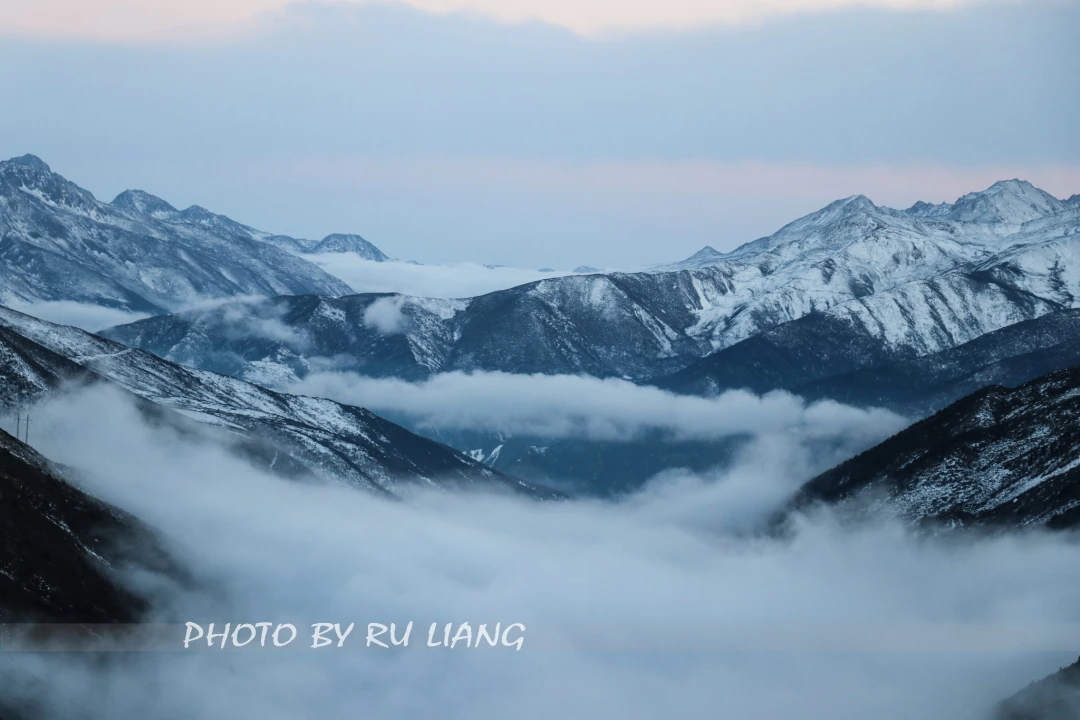
Xinduqiao is famous among photographers for its golden light and endless grasslands. Even in March, the landscape was starkly beautiful — bare trees against snow-capped mountains, Tibetan prayer flags flapping in the wind. This is where you truly feel the altitude. At 3,300 meters, every step reminded me I was no longer in the lowlands.
Altitude tip: If you feel dizzy, stop. Drink warm water. Don't rush. Your body needs time to adjust.
Hailuogou Glacier: A Frozen Fairy Tale
Hailuogou is one of the lowest-elevation glaciers in China, but don't let that fool you. The glacier tongue extends down to 2,850 meters, surrounded by virgin forests and hot springs. We hiked through snow-covered trails, past frozen waterfalls, and stood at the base of the glacier — a wall of ancient ice that seemed to glow blue in the afternoon light.
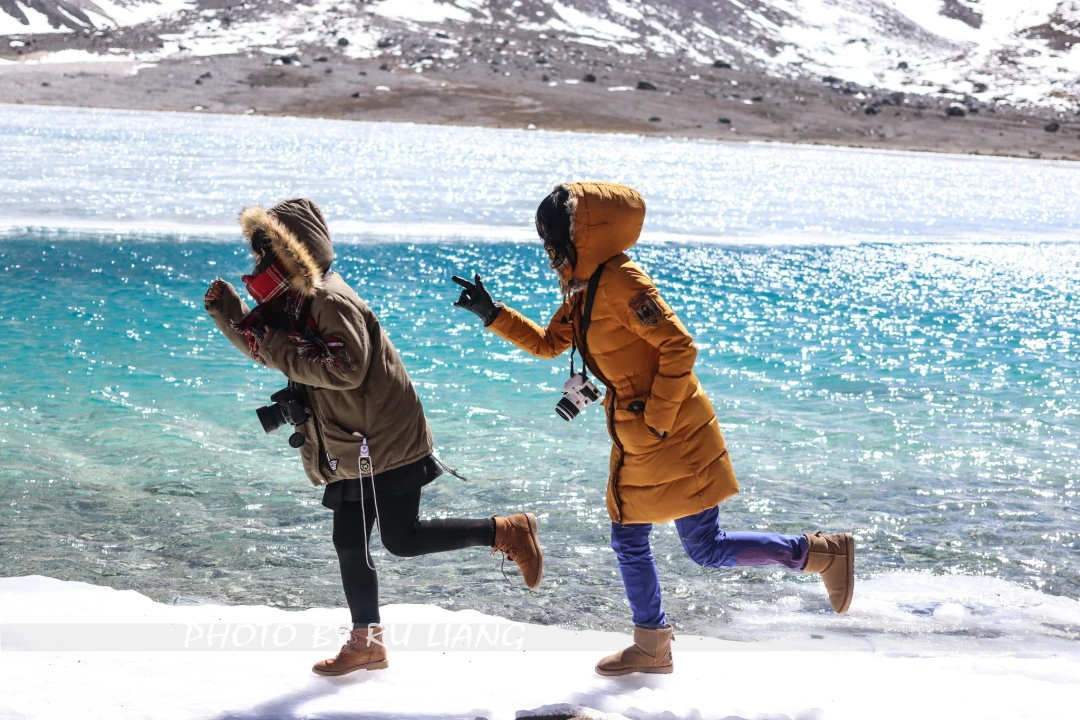
The contrast was surreal: steaming hot springs just a few kilometers from a massive glacier. If you visit, don't miss the hot springs. They're the perfect remedy for sore muscles and cold feet.
DAY 9-11: Daocheng Yading — The Sacred Realm
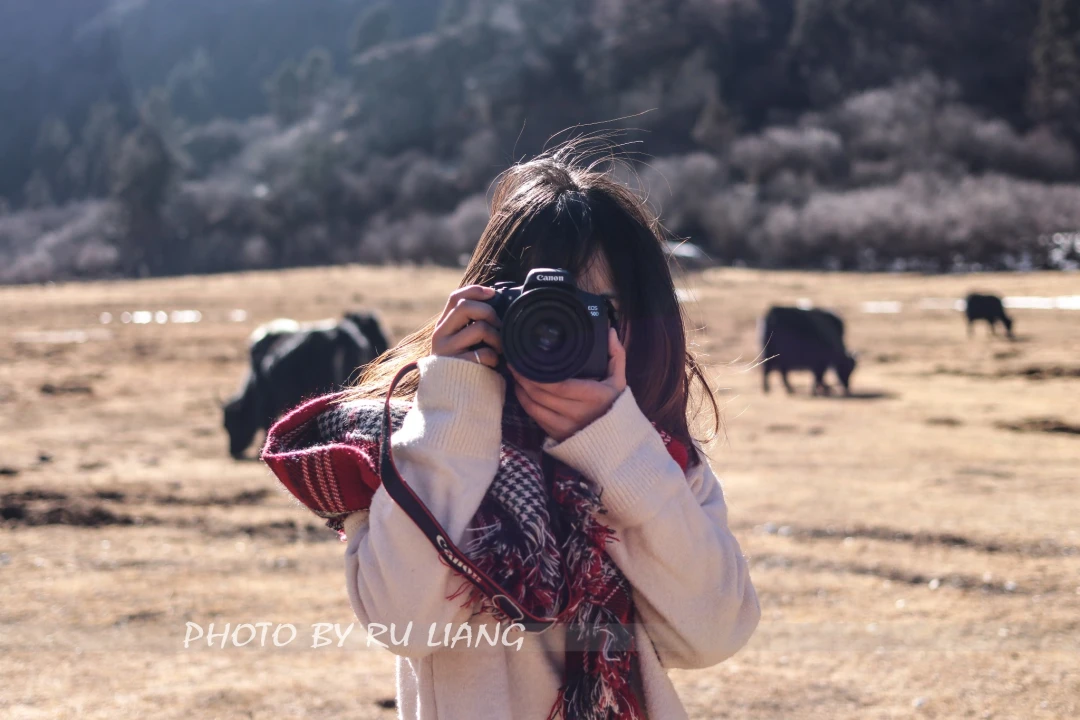
The Final Push: Yading Nature Reserve
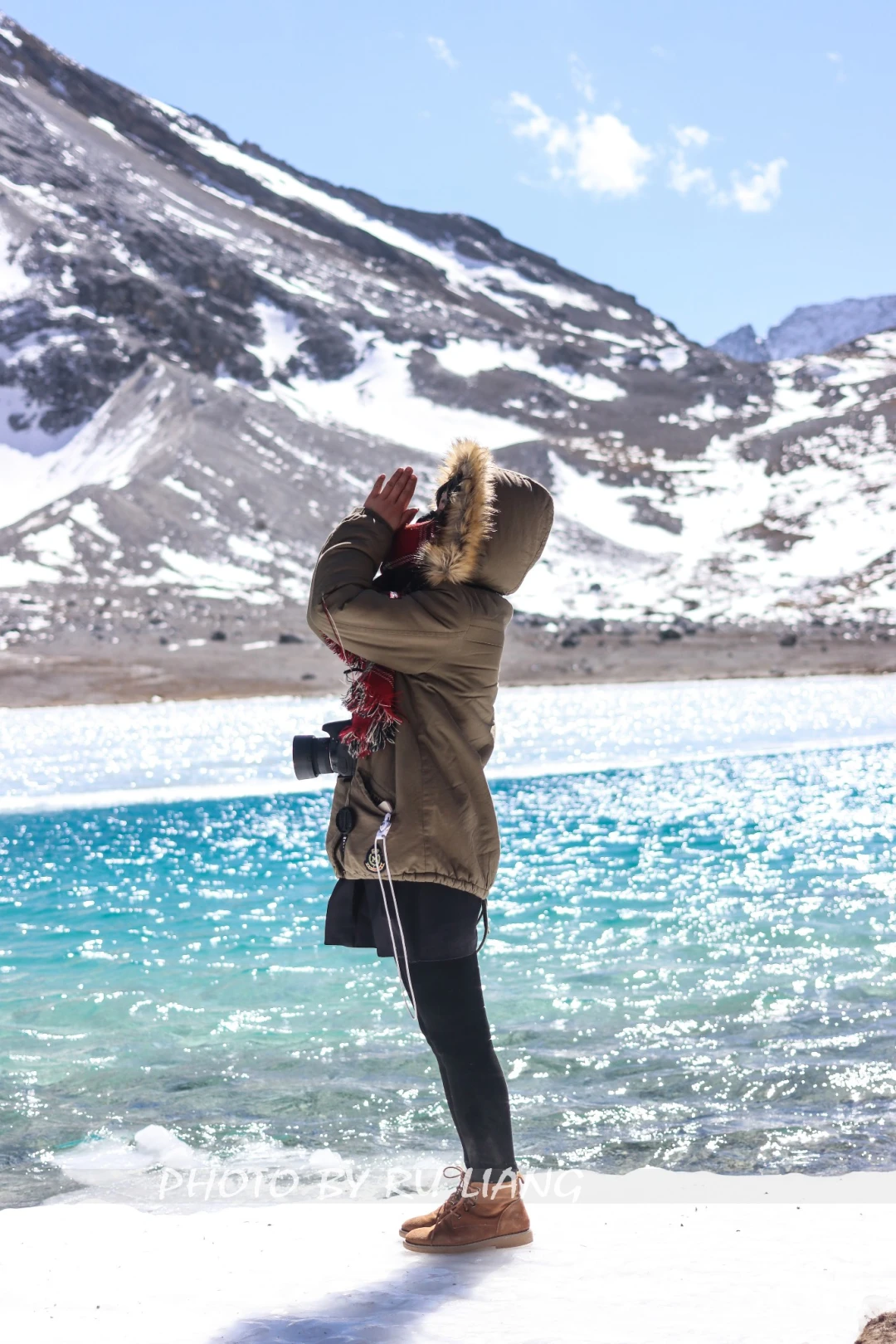
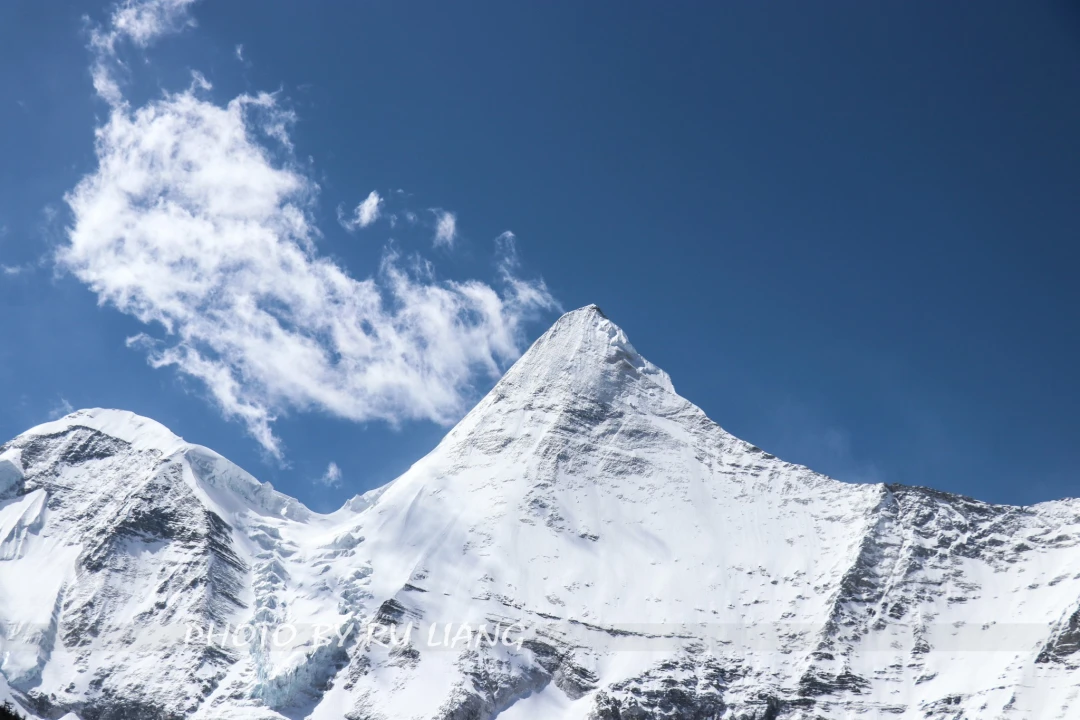
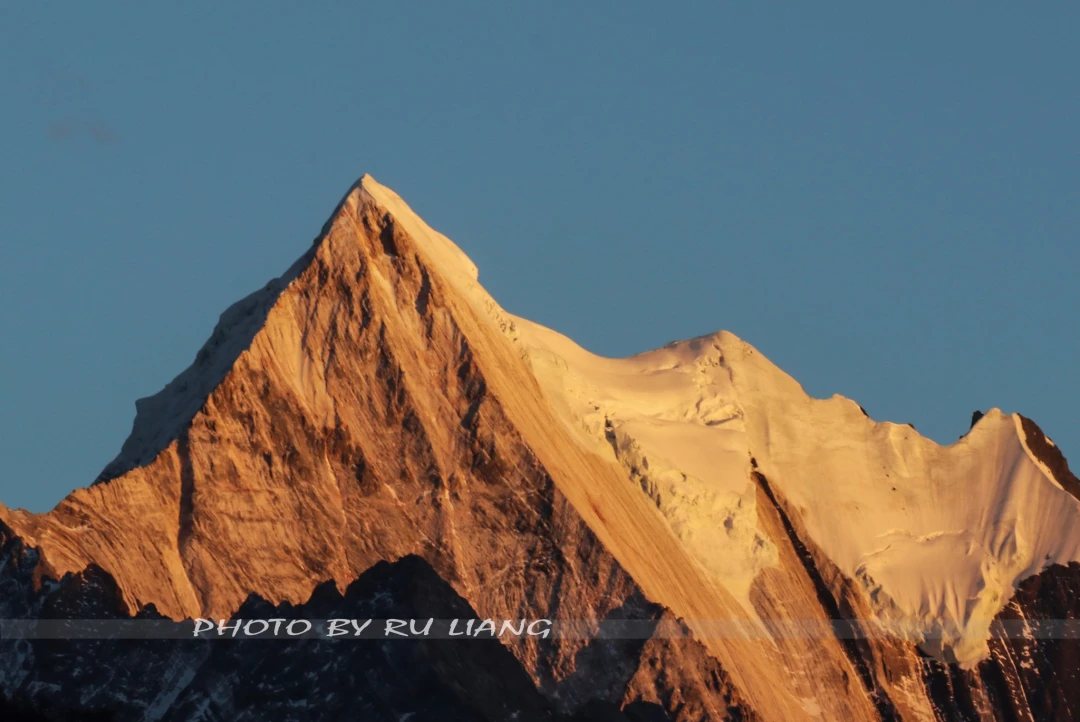
Daocheng Yading is often called "the last pure land on Earth" — and for good reason. The reserve covers over 1,344 square kilometers, with three sacred snow peaks: Chenresig (6,032m), Chana Dorje (5,958m), and Jambeyang (5,958m). These peaks are revered in Tibetan Buddhism as the embodiment of compassion, wisdom, and power.
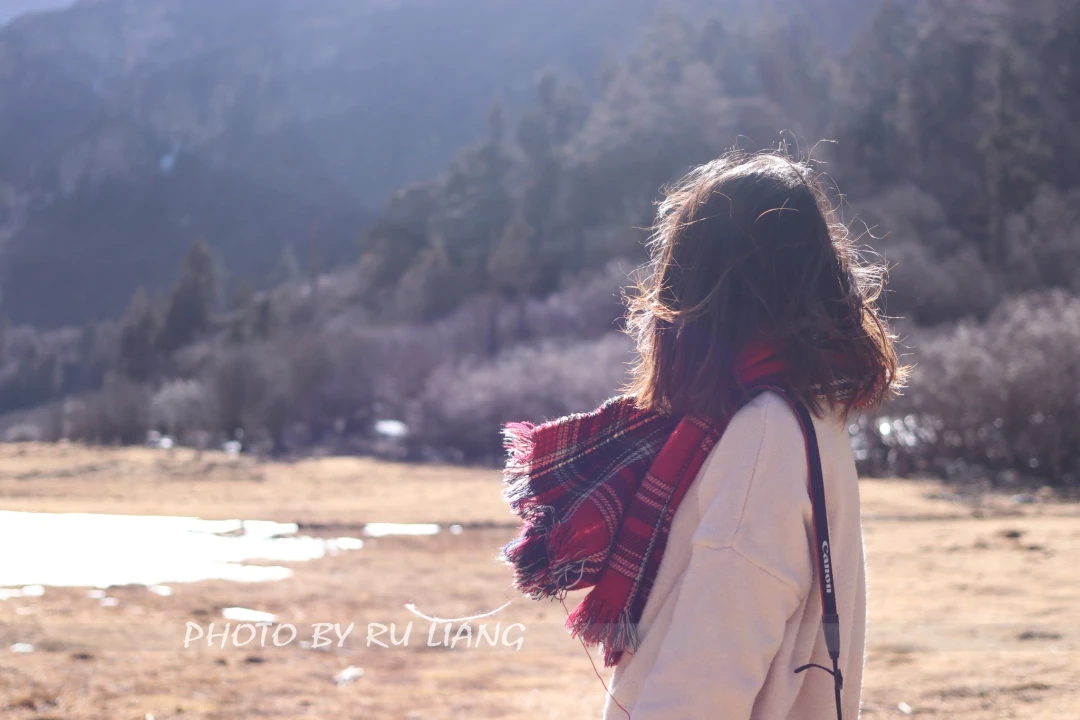
We entered through the main gate and took the shuttle bus to Luorong Pasture (4,180m). From there, we had two options:
- Short route: Luorong Pasture → Milk Lake (4,600m) — about 5-6 hours round trip
- Long route: Luorong Pasture → Five Color Lake (4,700m) — about 7-8 hours round trip
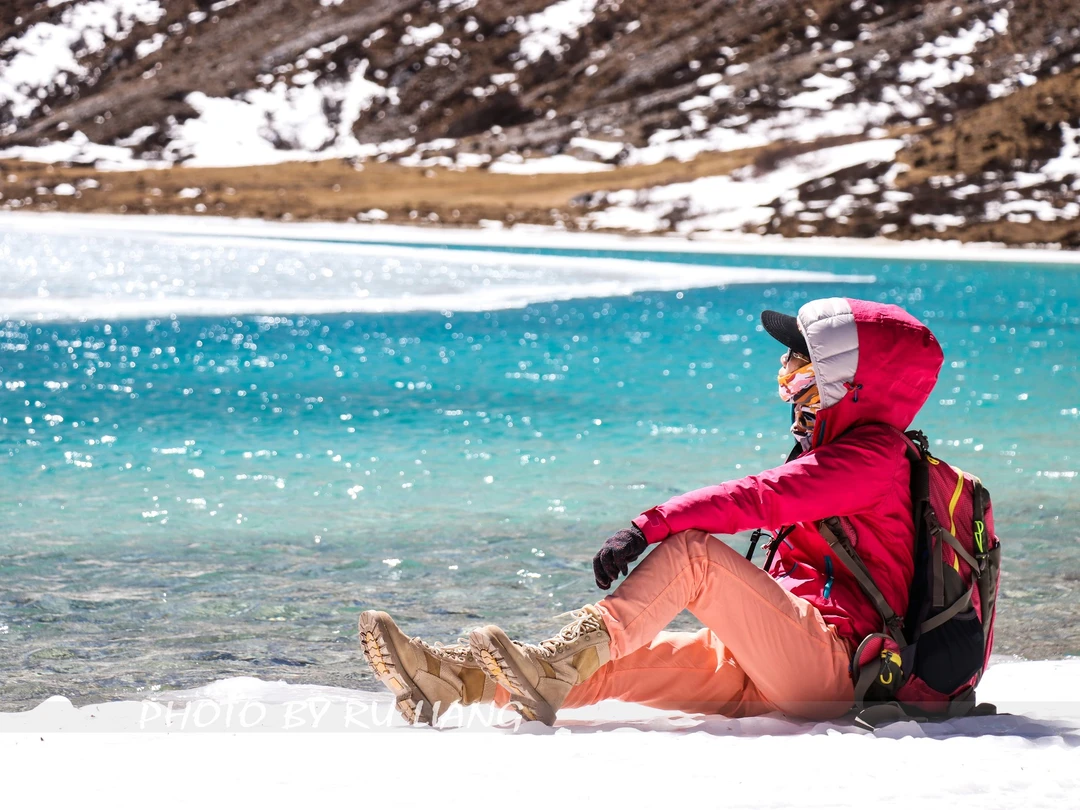
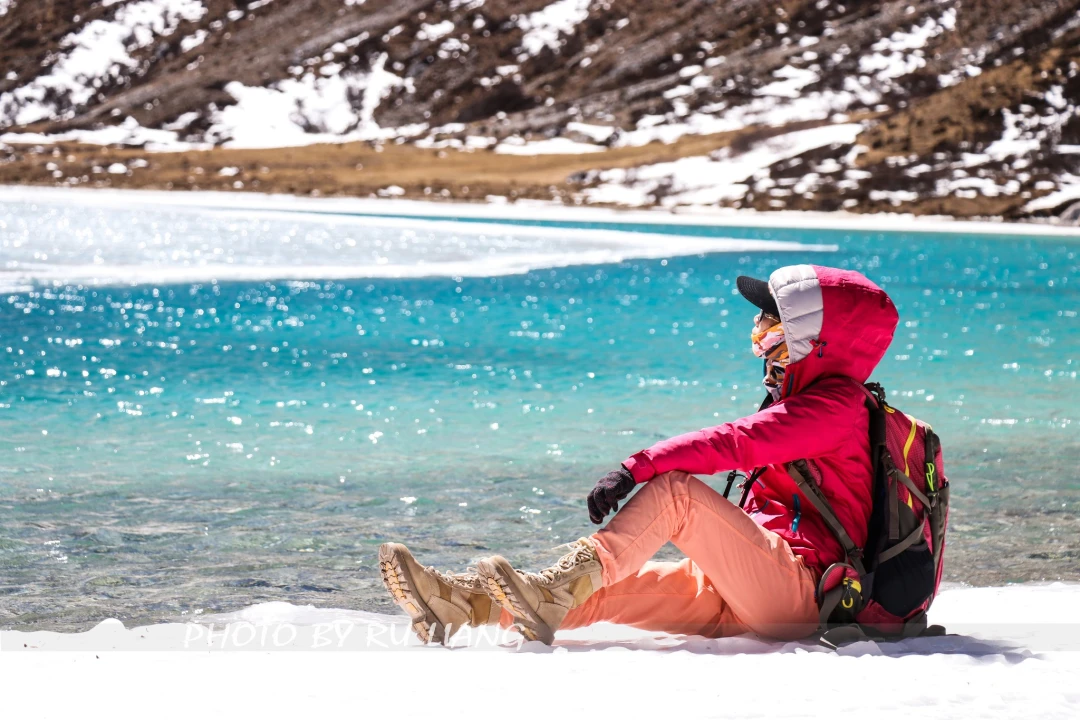
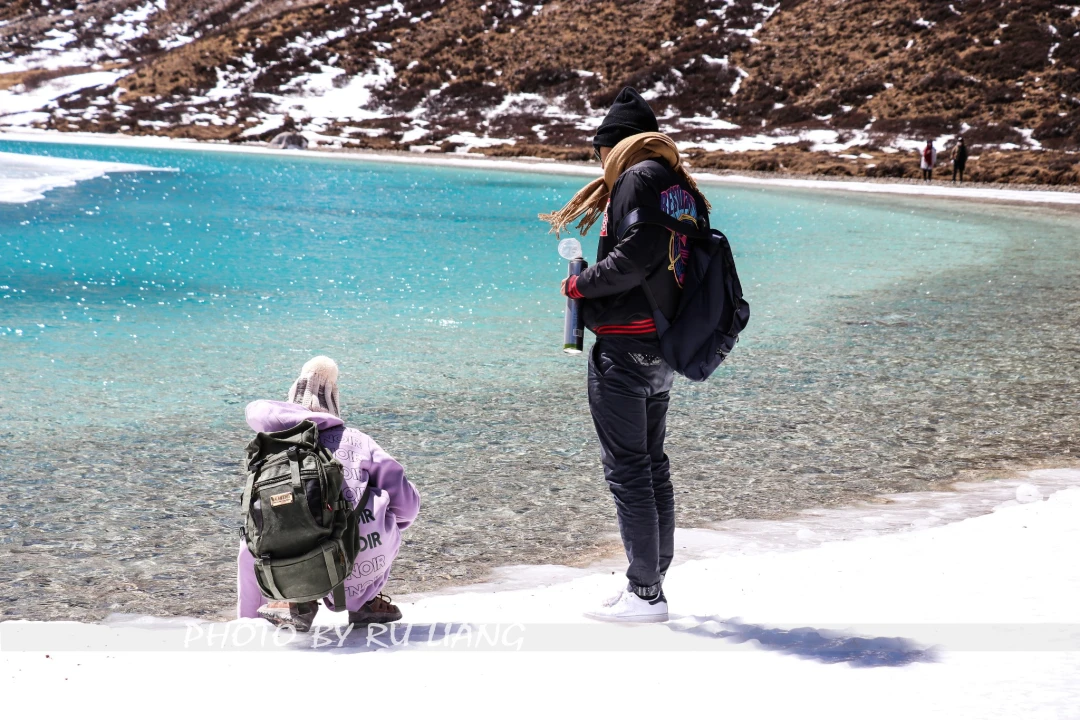
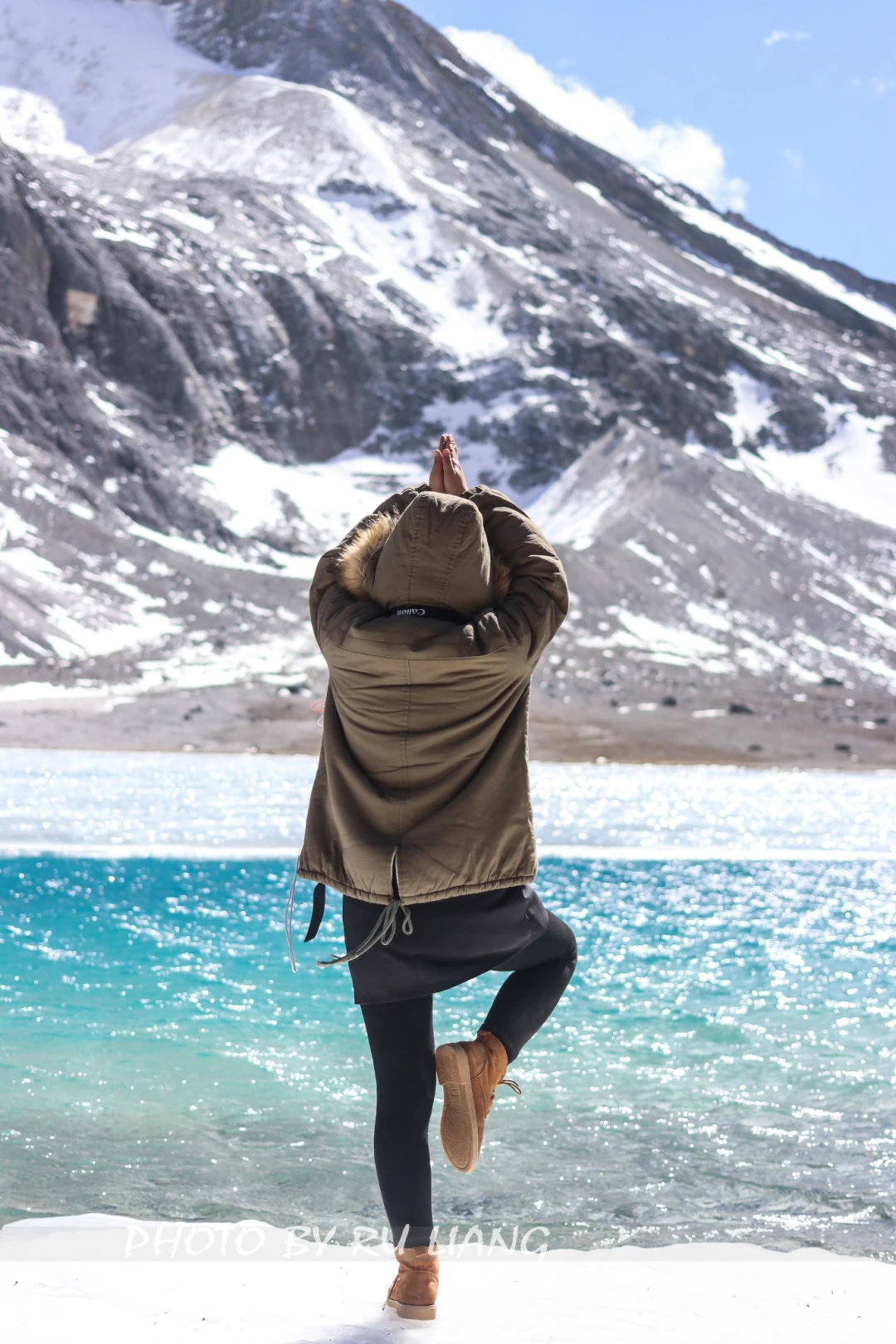
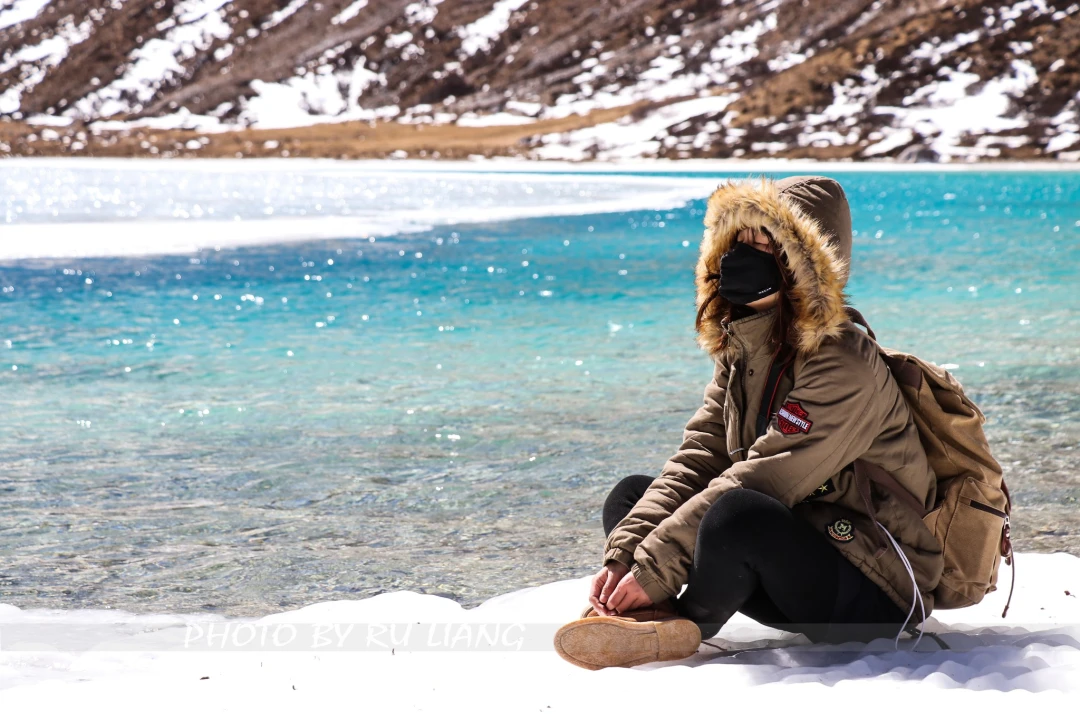
I chose Milk Lake. The trail was steep, rocky, and at times covered in snow. Every 50 meters, I had to stop and catch my breath. But when I finally crested the ridge and saw Milk Lake — a turquoise gem cradled by snow-capped peaks — I understood why people call this place sacred.
Warning: Altitude sickness is real here. Our group of 12 had 4 people who couldn't continue. One of them had to be carried down by a horse. Bring oxygen cans and Diamox (acetazolamide) if you're prone to altitude issues.
Five Color Lake: The Crown Jewel
The next day, I attempted the long route to Five Color Lake. This lake changes color depending on the season and weather — from deep blue to emerald green to turquoise. When I arrived, it was a stunning shade of jade, surrounded by snow and gravel. I sat there for an hour, just watching the clouds drift over the peaks. No phone signal. No distractions. Just me and the mountain.
DAY 12: Return to Chengdu — The Journey Home
The bus ride back to Chengdu was long — 12 hours through winding mountain roads. But I didn't mind. I watched the landscape change from alpine tundra to coniferous forest to red soil farmland. By the time we reached Chengdu, I was exhausted but deeply satisfied.
The bullet train back to Guangzhou felt like returning to another world. The air was thicker, the sounds louder, the pace faster. But I carried Daocheng Yading with me — in my camera, my memories, and my bones.
FAQ: Your Chongqing to Daocheng Yading Questions Answered
1. What is the best time to visit Daocheng Yading?
The best time is April to October. Spring (April-May) offers blooming rhododendrons. Summer (June-August) has the most accessible trails. Autumn (September-October) provides stunning golden foliage. Winter (November-March) is beautiful but many trails close due to snow. Our March visit was doable but cold — temperatures dropped to -10°C at night.
2. How do I get from Chongqing to Daocheng Yading?
Most travelers take the bullet train from Chongqing to Chengdu (about 1.5 hours, 150 RMB), then join a tour or drive to Daocheng Yading (about 2 days by car). Alternatively, you can fly from Chongqing to Daocheng Yading Airport (one of the highest airports in the world at 4,411m), but this increases the risk of altitude sickness.
3. Is Daocheng Yading suitable for beginners?
Yes, but with precautions. The short route to Milk Lake is manageable for most healthy people. The long route to Five Color Lake is more challenging — steep, rocky, and high-altitude. I recommend: - Acclimatize in Chengdu (500m) for 1-2 days - Spend a night in Xinduqiao (3,300m) before entering the reserve - Hire a horse if you're struggling (about 300-500 RMB) - Bring oxygen cans (available in Chengdu pharmacies)
4. How much does a Chongqing to Daocheng Yading trip cost?
A budget trip like ours costs 2,500-3,500 RMB per person (excluding flights from your home city). This includes: - Transportation (bullet trains, buses) - Accommodation (hostels, guesthouses) - Park entrance fees (Yading: 150 RMB + shuttle bus 120 RMB) - Food (excluding some lunches) - Tour guide (if joining a club)
A premium trip with flights and 4-star hotels can cost 5,000-8,000 RMB.
5. What altitude sickness medication should I bring?
Essential medications include: - Gaoyuan'an (Rhodiola rosea) — traditional Chinese herb for altitude adaptation - Diamox (Acetazolamide) — prescription medication that prevents altitude sickness - Ibuprofen — for headaches - Oxygen cans — available at Chengdu pharmacies (about 30-50 RMB each)
Important: Consult your doctor before taking Diamox. Side effects include tingling in fingers and toes.
Final Thoughts: Why This Journey Matters
This 12-day trip from Chongqing to Daocheng Yading wasn't just about seeing beautiful places. It was about stepping out of my comfort zone, testing my limits, and discovering that the best views come after the hardest climbs.
If you're reading this and dreaming of your own journey, I have one piece of advice: Just go. Don't wait for the perfect time. Don't worry about having the perfect gear. Pack light, book a club tour, and let the mountains do the rest.
The celestial realm is waiting. Are you ready to wander?
Ready to plan your own Chongqing to Daocheng Yading adventure? [Link: Book a Guided Tour to Daocheng Yading] or [Link: Download Our Free Western China Travel Checklist]
Note: This article is based on a real trip taken in March 2017. Prices and conditions may have changed. Always check current travel advisories and park regulations before your trip.