Western Sichuan Plateau Autumn Travel Guide: A 3,000-Kilometer Pilgrimage Through Snow Peaks and Golden Landscapes

Meta Description: Discover the ultimate Western Sichuan Plateau autumn itinerary. From Mount Siguniang to Daocheng Yading, explore 15 days of breathtaking snow-capped mountains, alpine lakes, and Tibetan culture. Your complete guide to an unforgettable autumn pilgrimage.
Introduction: Why Western Sichuan Plateau in Autumn?
Starting from Beijing, I always crave a touch of "proper" hardship. This time, my destination was the Western Sichuan Plateau — a sacred land where snow-capped mountains, alpine lakes, ancient monasteries, and autumn colors converge. Fifteen days, over 3,000 kilometers, tracing a heart-shaped loop through western Sichuan without ever leaving the province. Back home, scrolling through photos, those mountains, lakes, prayer flags, and wind-swayed swings remain as vivid as ever. This wasn't my first time on this plateau, but every journey delivers a fresh shock.
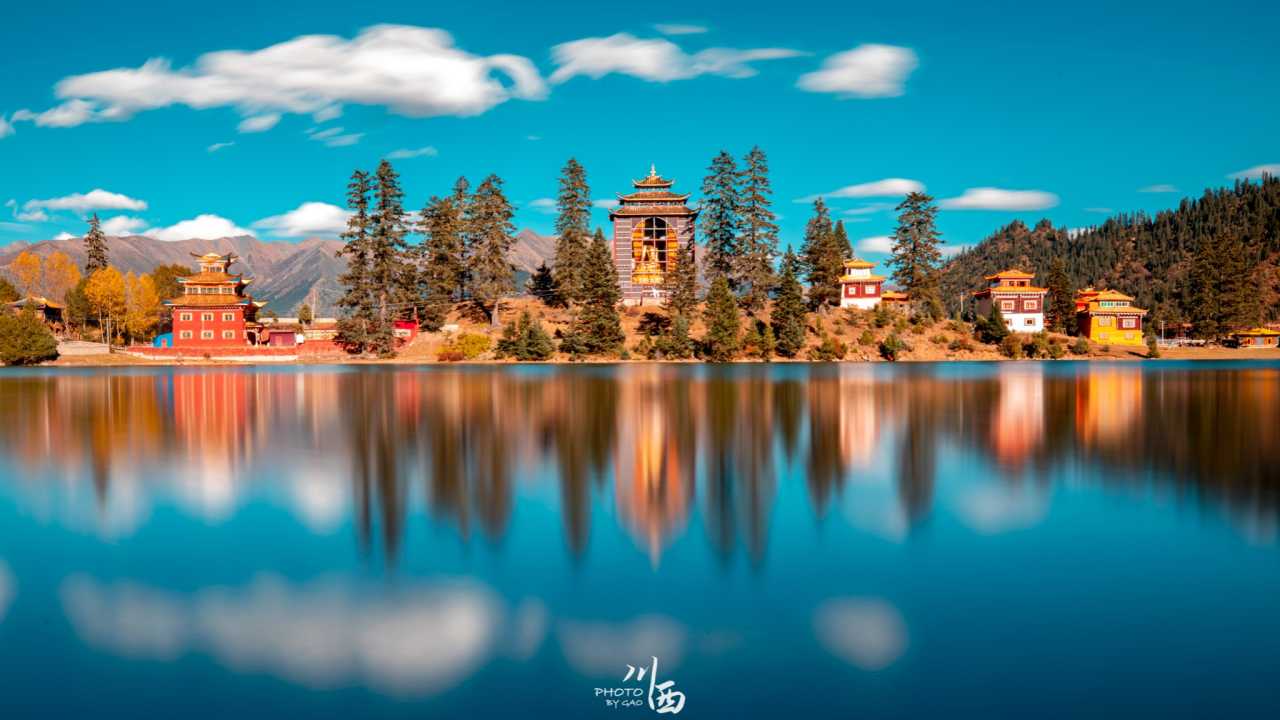
Autumn in Western Sichuan isn't the overwhelming golden blanket you might expect. It's a surprise tucked into every corner. From the alpine lakes and forests of Mount Siguniang (Four Sisters Mountain) to the sea of clouds overlooking Mount Gongga from Yuzixi; from the snowy peaks of Yading to the otherworldly landscapes of Moshi Park (Stone Ink Park) — this land, belonging to Sichuan yet flowing with Tibetan blood, is wild yet refined, rugged yet vast. It doesn't have the boundless desolation of Tibet, but it has its own unique rhythm.
[Link: Best time to visit Western Sichuan Plateau]
From the Sichuan Basin to the Snowy Peaks: Your Autumn Journey Begins
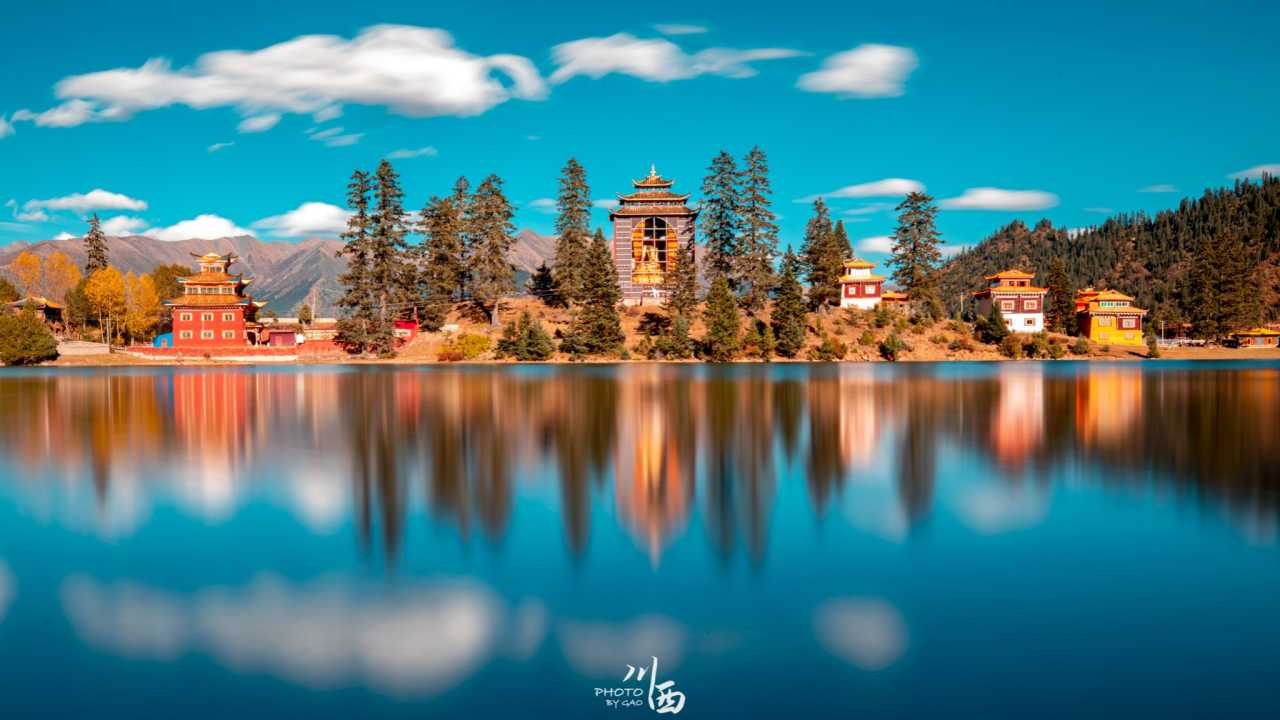
In recent years, my friends in Chengdu love to post photos: open the window, and you can see the King of Sichuan Mountains, Mount Gongga, and the Queen, Mount Siguniang. Snowy peaks are just a window away for Chengdu residents. This happiness of "seeing snow mountains from the window" is truly unique in all of China.
A three-hour drive from Chengdu takes you to Rilong Town in Xiaojin County, Aba Prefecture. The altitude climbs from 500 meters to over 3,000 meters, and there stands the second-highest peak in Sichuan — Mount Siguniang, at 6,250 meters. On a weekend, you can go from the city to the foot of a snowy mountain, eating yak hotpot while gazing up at the peaks. This ultimate outdoor experience makes you exclaim: Sichuan is truly a treasure trove.
Mount Siguniang: An Eastern Beauty Beyond Comparison
Many people call Mount Siguniang the "Alps of the East," but I believe its beauty needs no reference point. The four peaks rise in succession from Big Peak to Yaomei Peak, with Yaomei Peak standing supreme at 6,250 meters. Its near-vertical granite walls pierce the clouds, making it a world-class climbing challenge. At sunrise and sunset, light and shadow dance across the mountain's face, and the steep cliffs are gilded in gold against the dusk — majestic and dazzling.
Cat's Nose Ridge (Maobiliang) is the best viewpoint for photographing Mount Siguniang and the easiest to reach. From there, the four peaks line up in a row, exuding immense grandeur. Once inside the scenic area, you have three valleys to choose from:
Shuangqiao Valley (Double Bridge Valley): The Easiest Autumn Hike
The easiest option. An eco-shuttle takes you straight to the end, with stops along the way. Half a day is enough. Although Shuangqiao Valley doesn't offer views of the four main peaks, the scenery within is no less impressive. Riding the eco-shuttle through the valley, the mountainsides on either side feel almost within arm's reach, creating a powerful sense of immediacy. Peaks over 5,000 meters, like Budala Peak (Potala Peak) and Eagle's Beak Peak, stand like giants amid the primeval forest.
That autumn, a drizzling rain fell all day. Just before sunset, the clouds parted, and the river flats mirrored the surrounding peaks like a polished surface. Sea buckthorn groves stood in the riverbeds, dotted with withered branches, like a delicate ink-wash painting. The mudflats along the boardwalk, carved by the river into vein-like patterns, spread across the land. Clouds were in the water, and water was in the sky — it was impossible to tell what was real.
Changping Valley (Long Peace Valley): Up Close with Yaomei Peak
Partially accessible by vehicle, but mostly requires hiking or horseback riding. Ideal for travelers seeking a deeper experience. Changping Valley stretches 29 kilometers and offers the best route for an up-close view of Yaomei Peak. The Lamasery (Lama Temple) at the valley entrance is the only temple here, with the Mount Siguniang peaks rising behind it. On a clear day, Yaomei Peak's towering ridge seems to pierce the sky, visible even from Chengdu, over 100 kilometers away.
Walking along the boardwalk through the valley forest, you're surrounded by bizarre peaks, strange rocks, and babbling streams. The pyramid-shaped Bomi Peak (Bomiu Peak) left a deep impression on me — I first saw it back in 2009 while climbing Third Peak, and I thought back then: What kind of incredible person could climb that mountain? Only later did I learn that the climbing community's legends had already soloed it. True masters always accomplish what others consider impossible, almost without notice.
Haizi Valley (Lake Valley): For the Adventurous
The most primitive. Entirely on foot or horseback, perfect for mountaineering enthusiasts and those seeking a raw Western Sichuan Plateau hiking experience.
Recommended itinerary: For most visitors, I recommend setting aside a full day and a half to two days. Leave Chengdu on Saturday morning, visit Shuangqiao Valley in the afternoon; then head into Changping Valley early Sunday morning for a full day of hiking or horseback riding — just the right amount of time.
[Link: Mount Siguniang hiking tips and altitude preparation]
The Swing at Yuzixi and the Snow of Yala: Iconic Western Sichuan Views
On the Western Sichuan Plateau, Mount Yala, at 5,884 meters, is a low-key yet noble presence. It's not as famous as Mount Gongga or Mount Siguniang, but as one of the four sacred mountains recorded in the Epic of King Gesar, it has been revered by Tibetan pilgrims for generations and is known as the "Eastern White Yak Mountain." Driving from Chengdu, passing through Tagong (Temple of the Goddess), on a clear day you can see Mount Yala's massive body sprawled across the highland meadows.
Yuzixi, once a hidden gem, has become a prime viewpoint for both Mount Gongga and Mount Yala in recent years. The simple swing at the summit has become an iconic photo spot for Western Sichuan Plateau photography. But don't let the pictures fool you — in October, the wind at Yuzixi is strong enough to blow you away! Standing at 4,200 meters, even the thickest down jacket can't keep the wind from finding its way in, leaving you shivering with a runny nose and streaming eyes. Want to duck inside for shelter? Twenty yuan per person, no discounts.
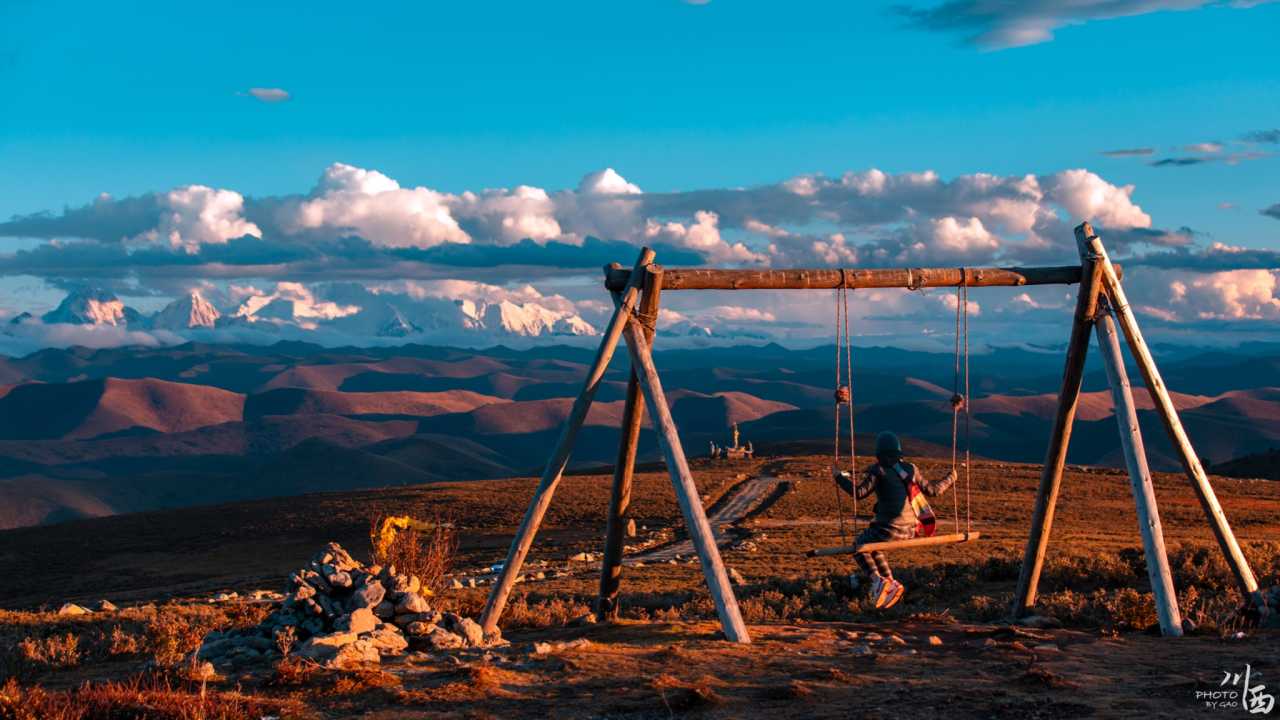
But when you see the view, all the cold is worth it. With luck, you can gaze at 7,556-meter Mount Gongga, the King of Sichuan Mountains, lined up in a row, with rolling mountain ranges stretching before it like waves. At sunset, twilight dyes the clouds red, and golden warm light spills over every snow-covered peak. Mount Yala's granite body acts like a giant screen, reflecting all the sunset's glow against its face, dazzlingly bright.
Twilight is always fleeting. In a blink, most of the color fades, leaving only a trace of afterglow in the clouds and the lonely swing at Yuzixi, swaying in the wind.
[Link: Yuzixi viewpoint guide and photography tips]
Daocheng Yading: The Eternal Shangri-La of Western Sichuan
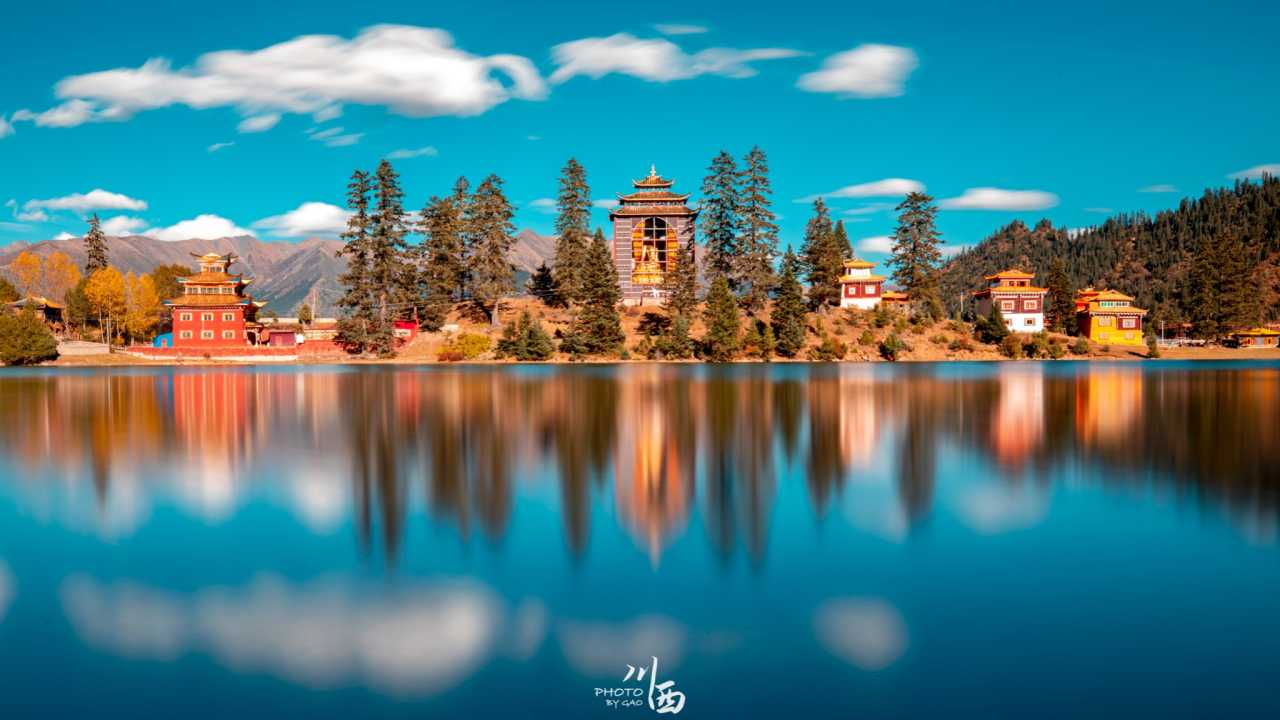
When it comes to Western Sichuan Plateau travel, Daocheng Yading is undoubtedly the top destination. Even though countless photos and videos online capture its beauty across all seasons, even though some complain about the high altitude or that the scenery isn't stunning enough, nothing stops people from coming here in person. For me, at least, Yading's landscapes are absolutely top-tier in China — even world-class for high-altitude snowy mountain scenery.
The Three Sacred Mountains (Xiannairi, Yangmaiyong, and Xianuoduoji) are highly accessible, with numerous lakes and primeval forests along the way, and the scenic area's transportation is fairly convenient. Want to hike? There are boardwalks. Tired? There are electric carts. For the steep climb to Milk Lake (Niuhaizi), you can even take a horse. Of course, if you're used to the comfort of sunny beaches, this kind of outdoor adventure requires preparation.
Autumn Highlights in Daocheng Yading
- Golden meadows contrasting with snow-capped peaks
- Crystal-clear alpine lakes reflecting autumn foliage
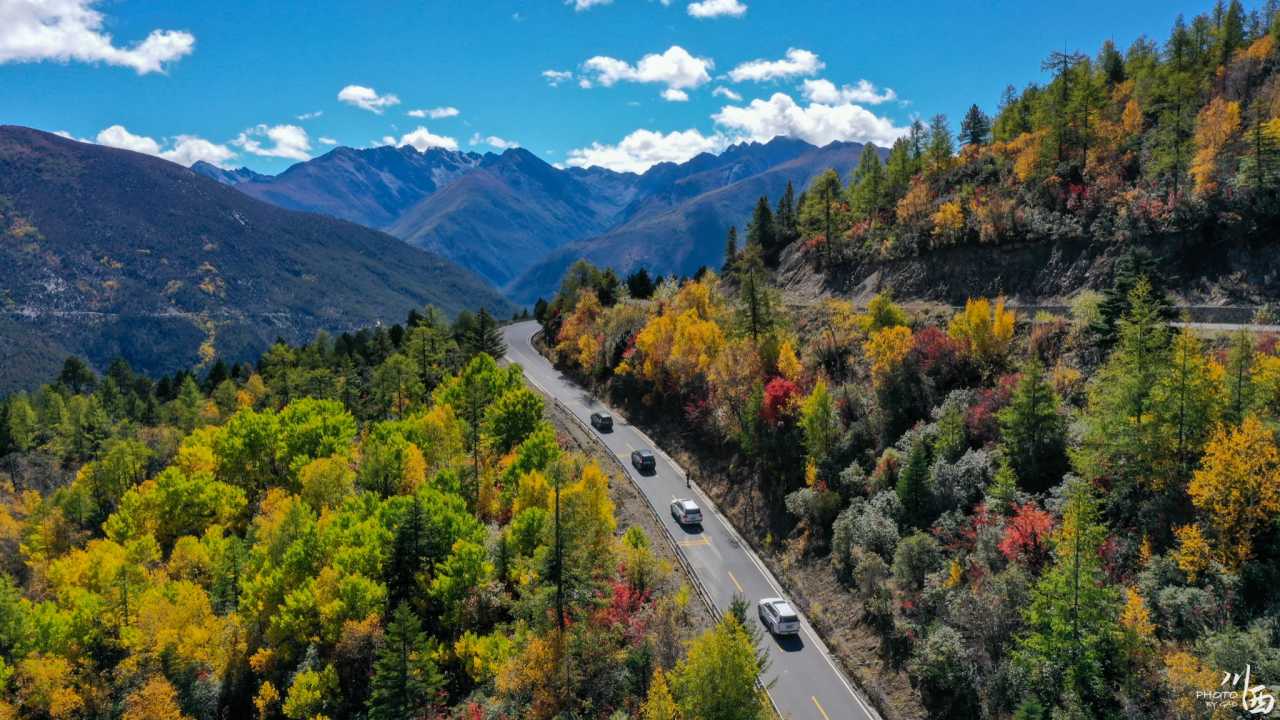
- Primeval forests in shades of gold, orange, and red
- Tibetan villages with prayer flags fluttering in the wind
[Link: Daocheng Yading autumn itinerary and altitude tips]
Western Sichuan Plateau Autumn FAQ

Q1: When is the best time to visit Western Sichuan Plateau for autumn colors?
A: The peak autumn foliage season typically runs from mid-October to early November. This varies by altitude — higher elevations (like Yuzixi at 4,200m) turn color earlier, while lower valleys (like Shuangqiao Valley) peak in late October. For the best experience, plan your trip between October 15 and November 5.
Q2: How do I prepare for altitude sickness on the Western Sichuan Plateau?
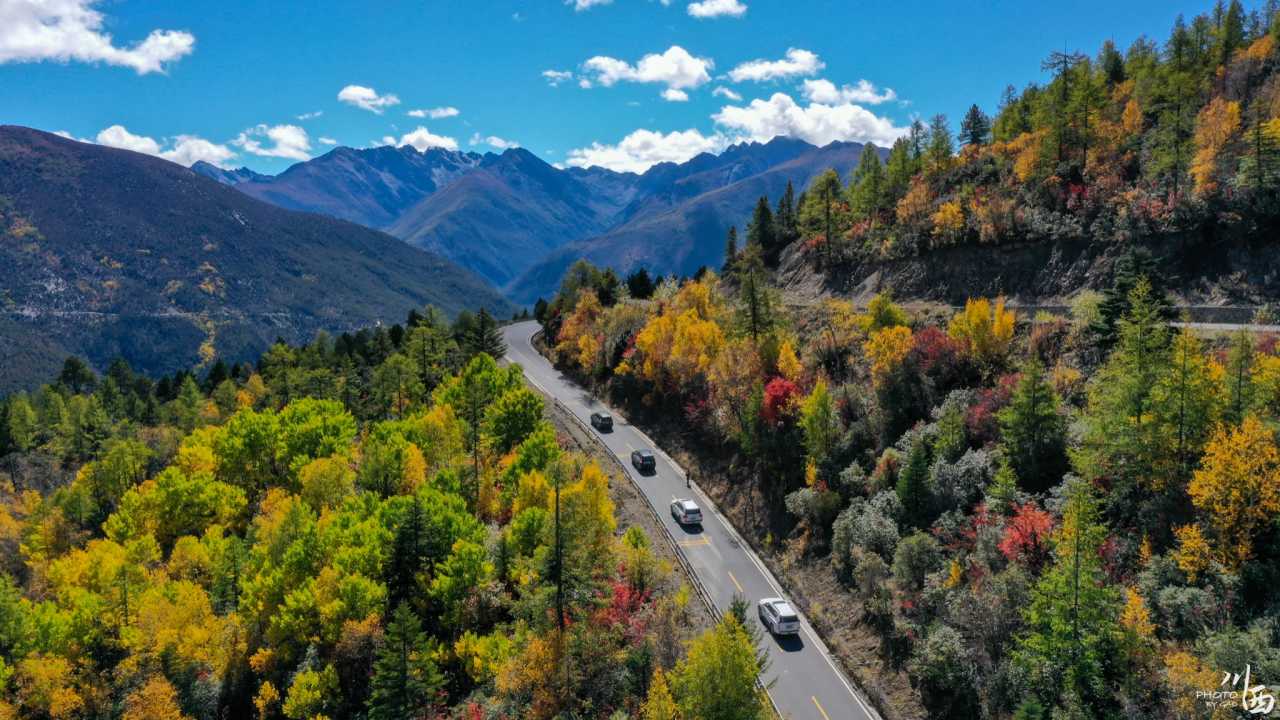 A: Acclimatize gradually — spend a night in Chengdu (500m) before heading to Rilong Town (3,000m). Stay hydrated, avoid alcohol, and consider taking Diamox (acetazolamide) after consulting your doctor. Many travelers find that Ganzi Prefecture (around 3,500m) requires 1-2 days of adjustment before attempting higher elevations like Yuzixi (4,200m) or Daocheng Yading (4,700m).
Q3: What should I pack for an autumn trip to Western Sichuan?
 A: Layer up! Daytime temperatures range from 10-18°C (50-65°F) but drop below freezing at night. Essentials include: - Thermal base layers - Fleece or down jacket - Windproof outer shell - Sturdy hiking boots - Sunscreen and sunglasses (UV is intense at altitude) - Lip balm and moisturizer - Reusable water bottle
Q4: Is it safe to drive the Western Sichuan Plateau loop?
A: Yes, but with caution. The roads are generally well-maintained, but mountain passes can be narrow and winding. October weather is usually stable, but snow can fall at higher elevations. Consider hiring a local driver if you're not experienced with high-altitude mountain driving. Many travelers prefer joining a small group tour for safety and convenience.
Q5: Can I visit Western Sichuan Plateau on a budget?
A: Absolutely. Budget options include: - Public buses between major towns (Chengdu to Kangding, then to Daocheng) - Hostels and guesthouses in Rilong Town and Shangri-La Town - Self-catering with local markets - Free hiking trails outside paid scenic areas Expect to spend around 300-500 RMB per day for a comfortable budget trip.
Your Western Sichuan Autumn Pilgrimage Awaits
The Western Sichuan Plateau in autumn is more than a destination — it's a transformation. From the moment you leave Chengdu's basin and climb into the thin, crisp air of the highlands, every mile reveals a new layer of wonder. The golden larch forests, the prayer flags snapping in the wind, the sudden appearance of a snow peak through the clouds — these moments stay with you long after you've returned home.
Whether you're a seasoned mountaineer seeking the challenge of Yaomei Peak, a photographer chasing the perfect sunset at Yuzixi, or a pilgrim walking the sacred paths of Daocheng Yading, this 3,000-kilometer loop offers something profound. It's not just about the scenery — it's about the journey itself, the people you meet, the meals shared over yak butter tea, and the quiet moments when the vastness of the plateau makes your own problems seem small.
Don't wait for the perfect time. The autumn colors are fleeting, but the memories last a lifetime. Start planning your Western Sichuan Plateau adventure today.
[Link: Book a Western Sichuan tour package] [Link: Download our complete Western Sichuan packing checklist]
Note: Altitude sickness is a real concern. Consult your doctor before traveling, especially if you have pre-existing health conditions. Always carry travel insurance that covers high-altitude activities.
You may also like


