Weekend Escape Plan: 48 Hours in Chiang Mai – Cooking Thai Food, Shooting Wedding Photos, and Exploring Hidden Gems
Meta Description: Discover the ultimate 48-hour Chiang Mai weekend escape: Thai cooking classes, wedding photos on a farm, hidden markets, and insider tips for an unforgettable Thailand getaway.
Have you ever had that feeling? Friday after work, the whole world suddenly goes quiet. You collapse on the couch, scrolling through your phone, but your heart feels empty—another weekend, about to slip away in boredom.
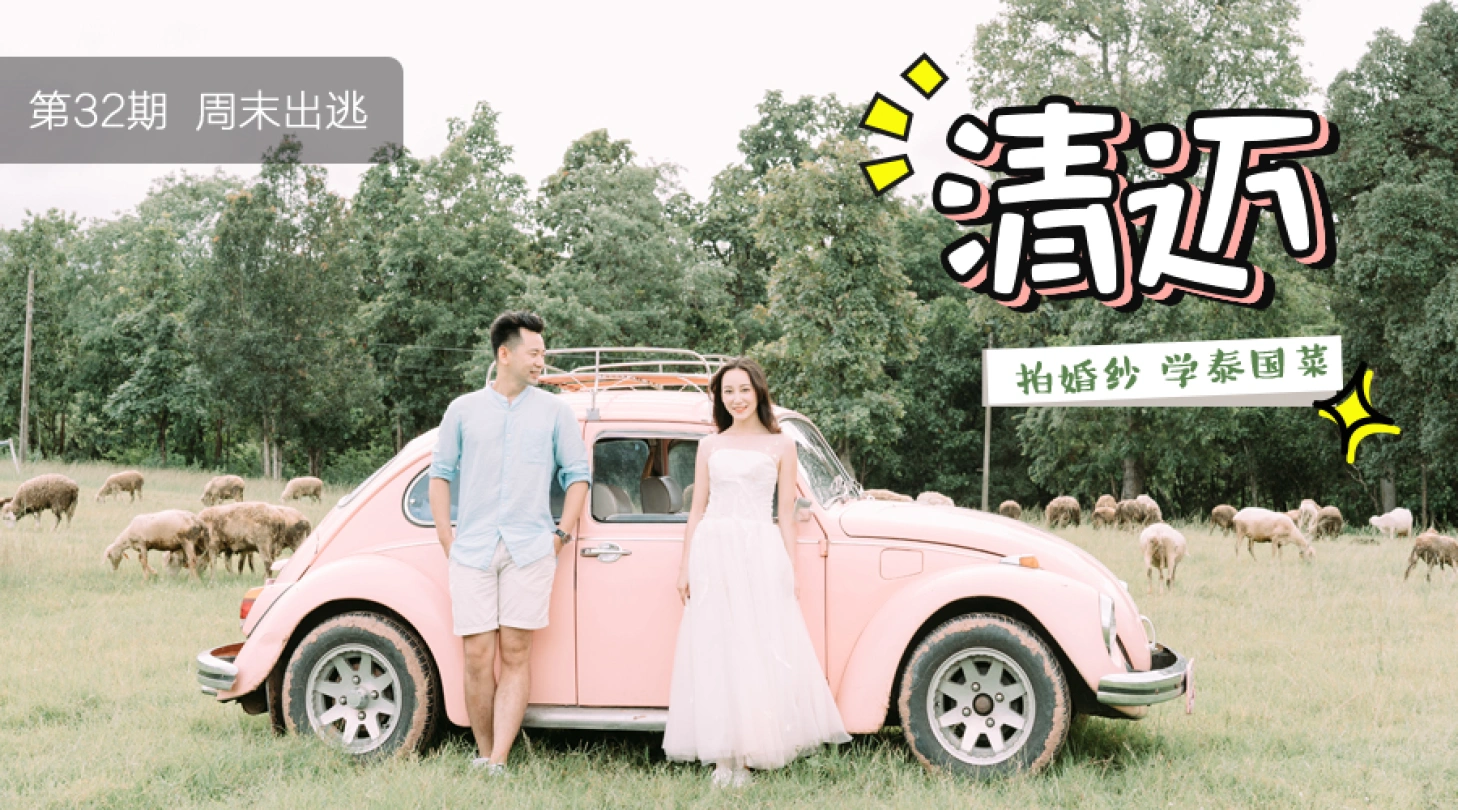
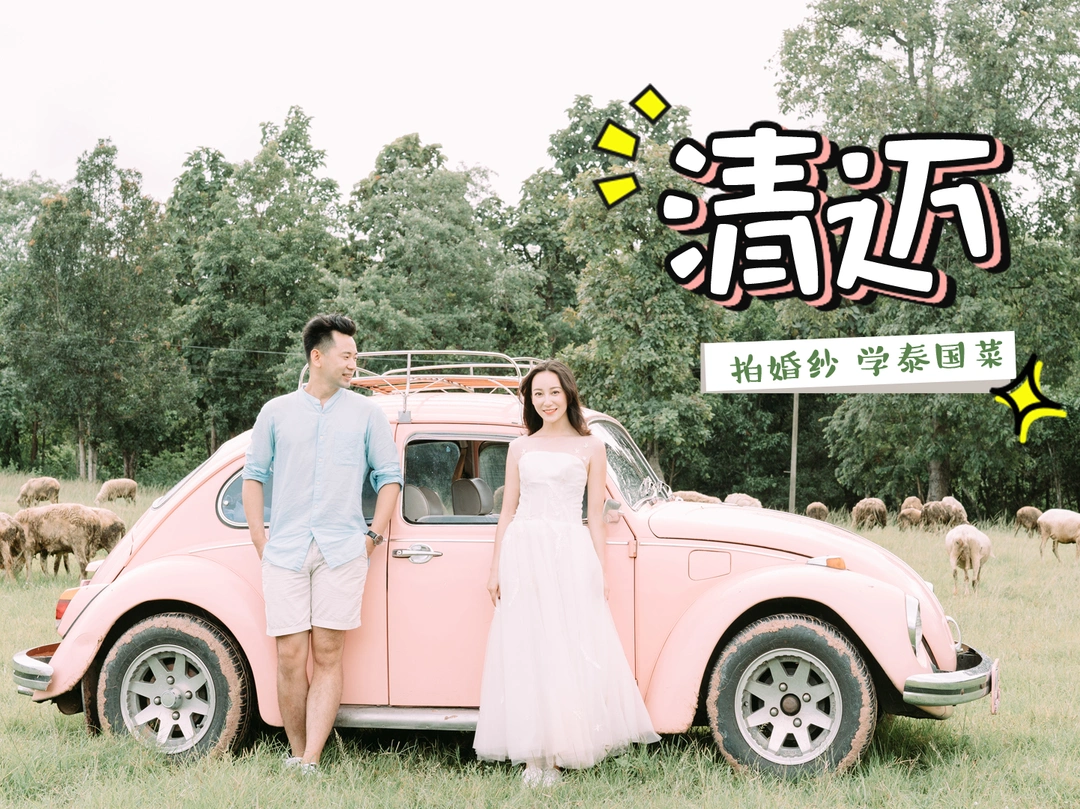
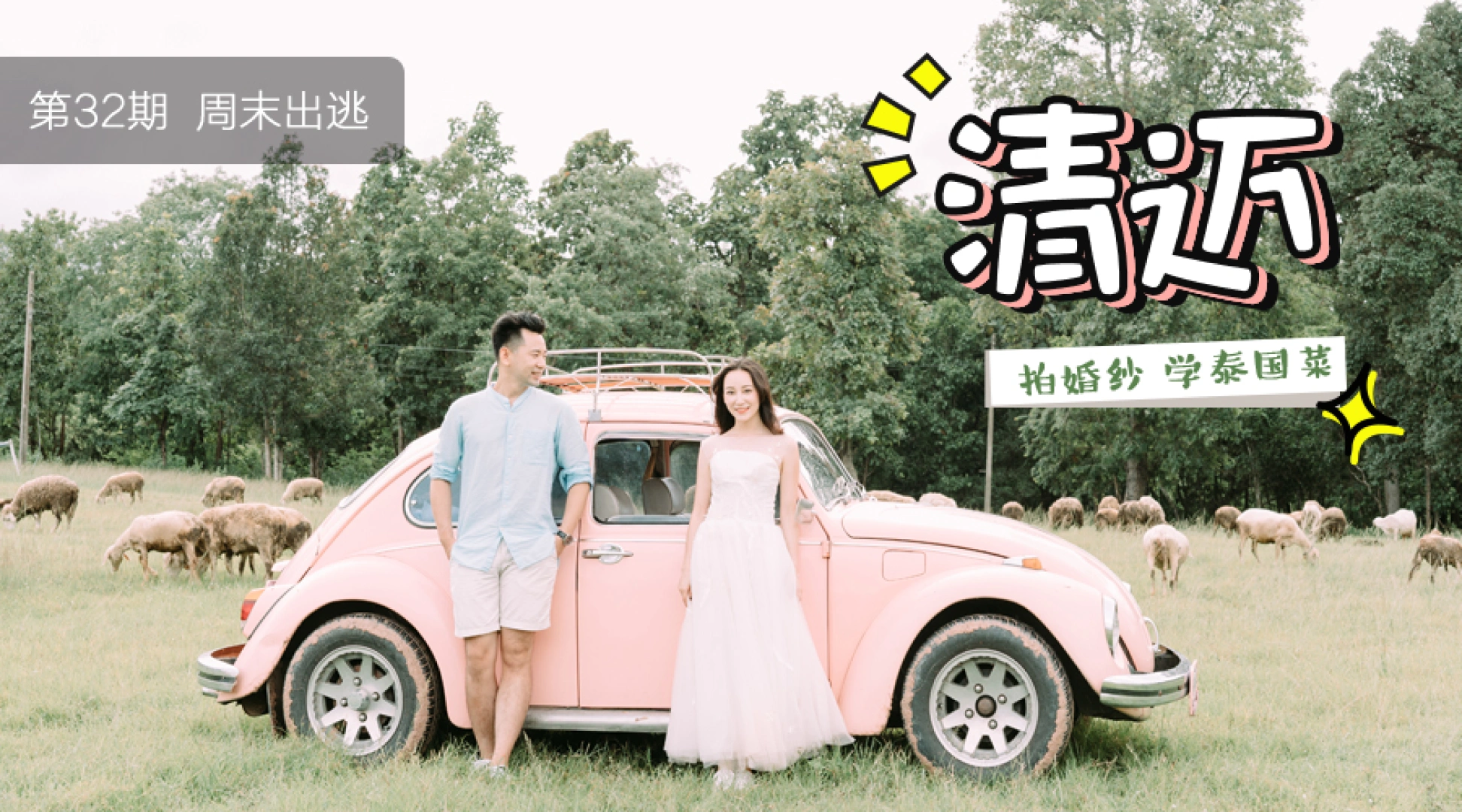
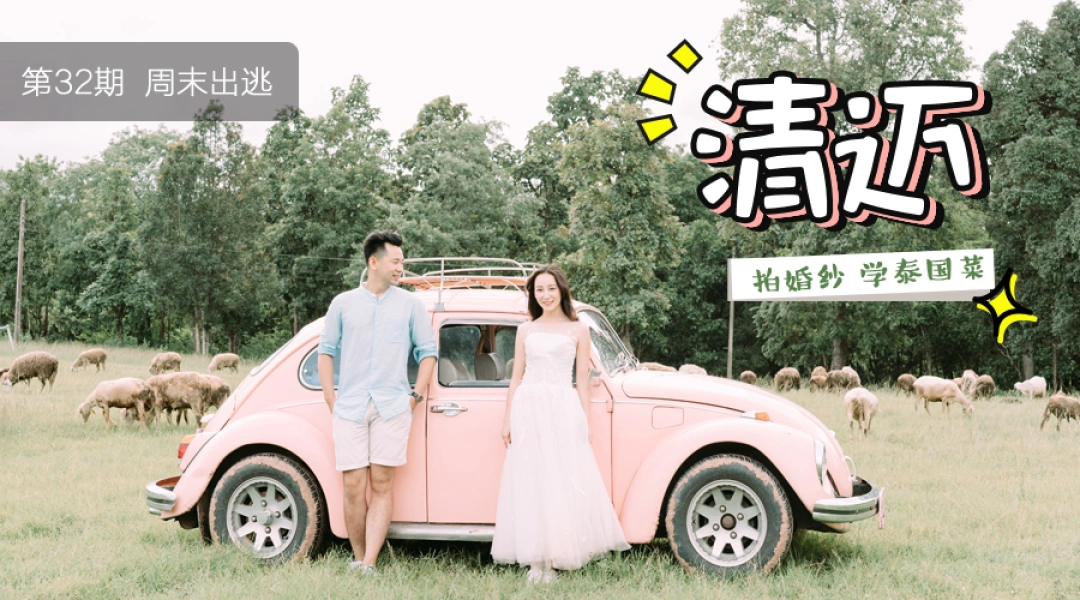
And yet, that same weekend, I was standing on a farm on the outskirts of Chiang Mai, wearing a wedding dress, surrounded by a flock of sheep, with the sky clearing after a rain shower. Behind me, a vintage pink Volkswagen Beetle looked like a prop straight out of a fairy tale.
This wasn't some extravagant vacation. It was just a spontaneous 48-hour escape to Northern Thailand's cultural capital. And it's easier than you think to replicate.
Why Chiang Mai? The Ultimate Weekend Getaway Destination
Every March and June, major airlines roll out their big sales, and they always make your heart itch. Flying out of Chengdu, tickets to Southeast Asia often drop to around 1,000 RMB—cheaper than flying to many domestic destinations. When the question "Where should we go this weekend?" comes up, Chiang Mai is almost an instinctive choice.
Three Reasons to Choose Chiang Mai for a Weekend Escape
- Direct flights take just 2 hours—perfect for a quick getaway
- Thai cooking classes, trendy cafes, and niche markets all hit our sweet spot for cultural immersion
- The farms on the outskirts are practically tailor-made for travel photography and wedding shoots
So, the Beef Couple's 48-hour Chiang Mai escape plan was officially launched. Here's how you can do the same.
First Impressions: A Gentle Welcome in the Rain
Sichuan Airlines' small plane landed right on time at Chiang Mai Airport. As we walked out of the terminal, a light drizzle greeted us, as if the city had prepared a special welcome ceremony.
We hopped into a red songthaew (shared pickup truck taxi), and the scenery outside rolled by slowly—low-rise buildings, lush trees, leisurely passersby. Our first impression of Chiang Mai was "slow."

After dropping off our luggage, we headed straight to a Chinese barbecue restaurant to meet our wedding photographer. The sweetness of Thai milk tea mixed with the aroma of charcoal. We ate and chatted, ironing out the details for the shoot two days later. The photographer was a cheerful girl who had the whole itinerary sorted in no time.
After dinner, we strolled to a night market that runs every day. The lights were bright, but it wasn't crowded. A live singer on stage was belting out tunes, lost in their own world. We ordered some snacks, sat in a corner, listened to the music, and felt the city's pulse.
Early June in Chiang Mai is the prelude to the rainy season. There's none of the midsummer heat. The evening breeze carried a slight dampness. Everything felt just right.
[Link: Best time to visit Chiang Mai for weather and festivals]
Saturday Morning: The Bread Market and Thai Cooking Class
A Morning Jog Through Nimmanhaemin Road
We'd eaten so well the night before that we woke up early the next day. Travel doesn't mean letting yourself go—we changed into workout gear and went for a jog along the streets near our hotel. In the early morning, Chiang Mai's roads are lined with colorful little houses. Every snapshot looks like a postcard.
We ended up jogging all the way to Nimmanhaemin Road, Chiang Mai's "trendy street." On the way back, we spotted a graffiti wall and did the obligatory tourist pose. Back at the hotel, Mr. Beef even jumped into the empty pool for a few laps.
Our hotel was done in black and white—minimalist and elegant, perfectly located between Nimmanhaemin Road and the Old City, away from the crowds. A courtyard full of greenery kept the noise at bay.
Nana Jungle: The Saturday-Only Bread Market
We called a Grab and headed straight to a market at the foot of Doi Suthep. Chiang Mai has so many markets you could never visit them all. But this one, called Nana Jungle, is a Saturday ritual for locals.
It started as a French bakery run by a French couple who had settled in Chiang Mai. The bread was good, and word spread fast. Eventually, nearby residents started setting up stalls too—homemade goods, jams, pour-over coffee, fresh fruits and vegetables—and a small but charming market was born.
Nana Jungle Market Tips: - Only open on Saturday mornings, starting at 8 a.m. - Uses a numbered entry system to avoid crowds - Some people start queuing as early as 6 a.m. - The longest line ever stretched for over a kilometer
By the time we arrived, the smell of freshly baked bread had already filled the little grove. Deep in the shaded paths, dozens of stalls were hidden. The most unique one was a "human-powered juice stall"—the owner was an environmentalist, and customers had to pedal a bicycle to extract their juice. Mr. Beef chose mango, lime, and passion fruit, added some milk and honey, hopped on the bike, and pedaled away to produce a fresh glass of juice.
We bought a classic chocolate croissant, paired it with a cup of coffee, and sat by a lake covered in duckweed to eat breakfast. A Saturday morning in the Chiang Mai suburbs, with a touch of French charm—it felt unreal.
[Link: Top Chiang Mai markets for foodies and photographers]
Thai Akha Kitchen: From Market to Table
We didn't eat too much at the bread market, because we had signed up for a full-day Thai cooking class—the top-rated one on TripAdvisor: Thai Akha Kitchen.
At 9 a.m., a red songthaew showed up right on time. On board were our "classmates" from Hong Kong, India, Germany, and the U.S. The driver took us to a local market near Chiang Mai Gate, where we met our teacher—Niti, from the Akha tribe.
A quick bit of background: The Akha people originally came from the mountainous regions of China's Yunnan Province and are a subgroup of the Hani ethnic group. In the 1930s, some crossed the border through Myanmar and migrated to northern Thailand, settling in the highlands.
If you want to understand Thai life, the morning market is the best window. Niti took us to Bumrung Buri Market, which is only open in the morning. We walked around as she explained the ingredients: Thai tamarind, shallots, lemongrass, galangal, kaffir lime leaves—all essential for Thai curries and tom yum soup.
The biggest surprise was a pink egg—it turned out to be a Chinese century egg! There was also a reddish meat paste, eaten by dipping sticky rice into it. The flavor was unique. Later, we learned it was a raw water buffalo salad.
After the market tour, we returned to the kitchen. Each of us had our own stove, with fresh vegetables and meat already prepared. Niti then taught us how to make seven Thai dishes and three Akha-style side dishes.
Green papaya salad and spring rolls were the appetizers. The papaya salad was dressed with fish sauce and lime juice—refreshing and light. Eating something I'd made myself for the first time felt amazing.
Making the curry paste was the most skill-intensive part. Chili peppers, galangal, garlic, lemongrass, shallots... and the most important ingredient: Thai shrimp paste. It smells a bit funky, but it's the soul of the curry. We ground everything in a stone mortar, and the whole kitchen was filled with the rhythmic pounding sound of pestles.
Mr. Beef chose a red curry with three chilies' worth of heat, while I went for a green curry made with green chilies. The Indian lady next to us, who makes curry almost every day, was already 80% done while we were only halfway through.
Niti tasted Mr. Beef's tom yum soup and gave a thumbs-up: "Classic Thai street food flavor!" Mr. Beef's face lit up with a huge smile.
Pad Thai is the most iconic Thai dish, and it was actually invented by the Akha people. Niti explained that during World War II, when rice was scarce because the military took it all, people turned to rice noodles as a staple, adding bean sprouts and tamarind paste. The texture won over Thai hearts faster than anyone expected.
By the end of the full-day class, we hadn't just learned to cook—we'd made friends from all over the world. A German guy marveled that Chengdu's population was five times that of Germany. An American girl said she'd always wanted to see giant pandas.
Before we left, Niti gave us two packs of curry ingredients and a Thai cooking "secret" —the perfect ratio of sweet, sour, salty, and spicy.
[Link: Best Thai cooking classes in Chiang Mai for beginners]
Sunday: Wedding Photos on a Farm and Hidden Gems
The Farm Wedding Shoot: A Dream Come True
Sunday morning started early. We met our photographer at a farm about 30 minutes from the city center. The sky was still a bit gray from the previous night's rain, but as we arrived, the clouds parted.

The farm was everything we'd imagined: rolling green hills, a flock of curious sheep, and that iconic vintage pink Volkswagen Beetle. We changed into our wedding attire—nothing too formal, just something that felt like us.
The photographer guided us through the shoot, capturing candid moments as we walked through the fields, fed the sheep, and laughed at Mr. Beef's terrible attempts at romantic poses. The entire session took about two hours, but it felt like minutes.
Tips for a Chiang Mai wedding shoot: - Book a photographer who knows the local farm locations - Bring comfortable shoes—you'll be walking on uneven ground - Plan for early morning or late afternoon light - Check the weather forecast for the rainy season (June–October)
Exploring Hidden Gems: Off-the-Beaten-Path Chiang Mai
After the shoot, we had a few hours before our flight. We decided to explore some hidden gems that most tourists miss.
Wat Umong (the Tunnel Temple) was our first stop. Unlike the ornate temples in the Old City, this one is a network of ancient tunnels built in the 13th century. It's quiet, atmospheric, and perfect for reflection.
Next, we visited Baan Kang Wat, an artist village near the Old City. It's a collection of small studios and cafes where local artisans sell handmade crafts. We picked up a few souvenirs—hand-painted ceramics and organic soaps.
Finally, we stopped at a local coffee shop in the Nimmanhaemin area. Chiang Mai's coffee culture is legendary, and we couldn't leave without one last cup. The barista recommended a cold brew made with beans from the nearby highlands. It was smooth, chocolatey, and the perfect end to our trip.
[Link: Hidden gems in Chiang Mai for experienced travelers]
FAQ: Your Chiang Mai Weekend Escape Questions Answered

1. Is 48 hours enough time to enjoy Chiang Mai?
Absolutely! While you won't see everything, 48 hours is perfect for a focused itinerary: a cooking class, a market visit, a wedding shoot or photo session, and exploring a few hidden gems. The key is to plan ahead and prioritize what matters most to you.
2. What's the best time of year for a Chiang Mai weekend trip?
 The cool season (November–February) offers the most comfortable weather. However, June and March are great for flight deals, especially from Chinese cities like Chengdu. Just be prepared for occasional rain showers during the rainy season (June–October).
3. How much does a Thai cooking class in Chiang Mai cost?
A full-day cooking class like Thai Akha Kitchen typically costs 1,000–1,500 THB ($30–$45 USD), including market tour, ingredients, and lunch. Half-day classes are cheaper but offer fewer dishes.
4. Can I arrange a wedding photo shoot in Chiang Mai on short notice?
 Yes! Many local photographers specialize in elopement and couples shoots. We booked ours a week in advance through Instagram and Facebook. Prices vary, but expect to pay 5,000–10,000 THB ($150–$300 USD) for a 2-hour session with digital edits.
5. What are the must-try dishes in a Chiang Mai cooking class?
Don't miss green papaya salad (som tam), tom yum soup, pad Thai, green curry, and mango sticky rice for dessert. Many classes also include local specialties like khao soi (curry noodle soup) and sai oua (Chiang Mai sausage).
Your Chiang Mai Weekend Escape Awaits
From the moment we landed to our final coffee in Nimmanhaemin, every second of our 48 hours in Chiang Mai felt like a gift. We cooked, we laughed, we posed for photos, and we discovered a city that moves at its own gentle pace.
The best part? You don't need a long vacation or a huge budget to experience this. A direct flight, a well-planned itinerary, and a sense of adventure are all you need.
Ready to plan your own weekend escape? Start by booking your flight to Chiang Mai, then reserve a cooking class and a photographer. The rest—the markets, the temples, the hidden gems—will fall into place.
Book your Chiang Mai adventure today. Your 48-hour escape is closer than you think.
Have you visited Chiang Mai? Share your favorite hidden gem in the comments below!
You may also like