Walking with You on the Streets of Chengdu: A Gluttonous Adventure Across Chongqing, Chengdu, and Xi’an (With Insider Tips)
Meta Description: Discover the ultimate China food travel guide from Chongqing hotpot to Xi’an lamb paomo. Insider tips on budget travel, hidden eats, and must-see sights across three iconic cities.
Introduction: Why This Southwest-to-Northwest Route Is a Food Lover’s Dream
From the fiery spice of Chongqing to the laid-back charm of Chengdu, and then to the deep history of Xi’an, this southwest-to-northwest route plays out like a symphony of flavors. In November 2016, my buddy Fatty and I spent seven days crossing three cities, measuring China’s "heavy-flavor" heartland with our taste buds and footsteps. This isn’t a show-off travelogue—it’s a real record: surprises, pitfalls, heartfelt moments, and practical tips that go straight to the bone.
Ever since I Belonged to You, Chongqing became a city with a cinematic filter. Meanwhile, Chengdu’s easygoing charm and Xi’an’s ancient weight offer their own flavors. Chongqing hotpot, Chengdu skewers, Xi’an lamb paomo—every bite tells a story. If you’re dreaming of a spontaneous adventure, this travelogue might spark some inspiration—or at least save you a few meal costs.
[Link: Best China food cities for budget travelers]
Pre-Trip Preparation: How to Save Money on Your China Food Tour
Transportation: Flights, High-Speed Rail, and Trains

- Hangzhou → Chongqing: November 23, China Southern Airlines, 330 RMB/person. Book on the official website—on the 28th of each month (member day), you get a 100 RMB coupon or a 1.7% discount.
- Chongqing → Chengdu: November 24, high-speed rail, 94 RMB/person.
- Chengdu → Xi’an: November 26, train, 230 RMB/person.
- Xi’an → Hangzhou: November 30, Air China, 414 RMB/person. Grip: Air China’s meals and service fall short of China Southern’s. If you’re a China Southern member, you’ll feel spoiled rotten.
Accommodation: Pick Metro-Accessible Spots Over City Centers
- Chongqing: Skip Jiefangbei (Liberation Monument area). Stay near Chaotianmen or along the metro line for better value. The old town has shabby buildings but solid transport.
- Chengdu: A global city—Spring Road (Chunxi Road) area is prime. You can walk everywhere for shopping, but one-way streets are common, so staying central saves hassle.
- Xi’an: The Muslim Quarter (Huimin Street) is too chaotic. Xiaozhai metro station area is better for travelers from Jiangsu, Zhejiang, and Shanghai—easy access to food, lodging, and transport.
[Link: Budget-friendly hotels near metro stations in China]
Money-Saving Essentials: Cash, Transit Cards, and Student IDs
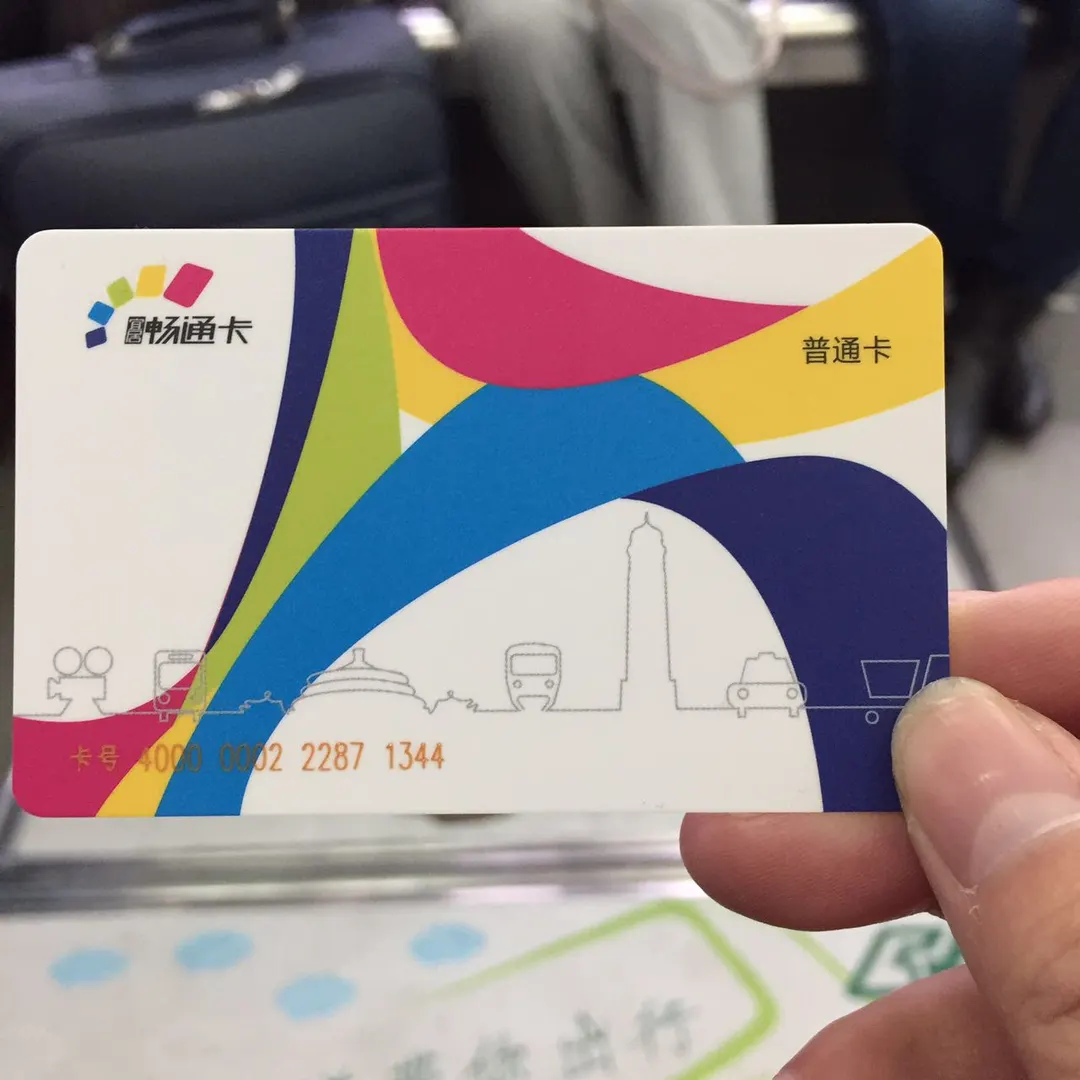
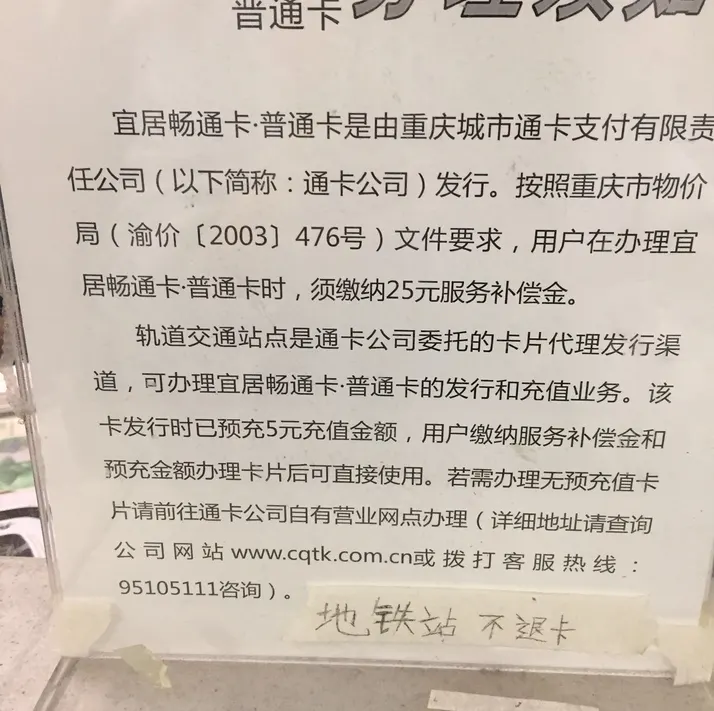
- Chongqing: Bring cash! Many authentic local joints only take cash. A transit card (25 RMB deposit, 1 RMB daily fee, refundable) gives discounts: buses, metro, the Yangtze River Cableway, and even some snack shops. Top up 50 RMB—enough for three days.
- Chengdu: Pay with your phone—Dianping (a review app) works everywhere. The "Little Yellow" buses (manned ticket sales, accept 100 RMB bills) can take you across the city and save time over the metro.
- Xi’an: Bring enough cash and watch your belongings. This 14-dynasty ancient capital has a payment system that’s frustratingly outdated.
- Tickets: A student ID gets you half off in Chongqing and Chengdu, but only 20-30% off in Xi’an. I had a tour guide ID, so I got free entry to the Giant Panda Base, Mount Hua (only the main gate; cable car extra), and the Terracotta Warriors.
Climate and Clothing: Winter Travel Survival Guide
- Chongqing: Humid—clothes won’t dry. Wear a thick coat, sweater, jeans, and snow boots.
- Chengdu: Dryer and a bit colder than Chongqing. Pack a down jacket.
- Xi’an: Classic northern China—indoor heating is available, but outside you’ll need a scarf, snow boots, and heavy clothes. Don’t think about skipping checked luggage; it’s better to have everything than freeze.
Chongqing (Yu): A Journey Through Hotpot and Cableways
Day 1: Hongyadong Night View, Zhu’s Fatty’s Rotten Hotpot, Jiefangbei, Bayi Road Snack Street
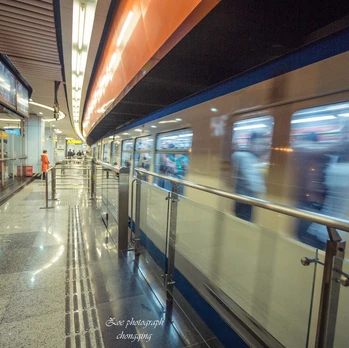
Flew from Hangzhou to Chongqing with China Southern—only 10 minutes late, a small blessing. At the airport, took Line 3 to Line 1, got off at Xiaoshizi Station, and checked into the Buding Hotel. Chongqing’s light rail moves like a snail—thanks to the mountain city’s terrain, the monorail sways and takes a shaky hour to reach downtown.
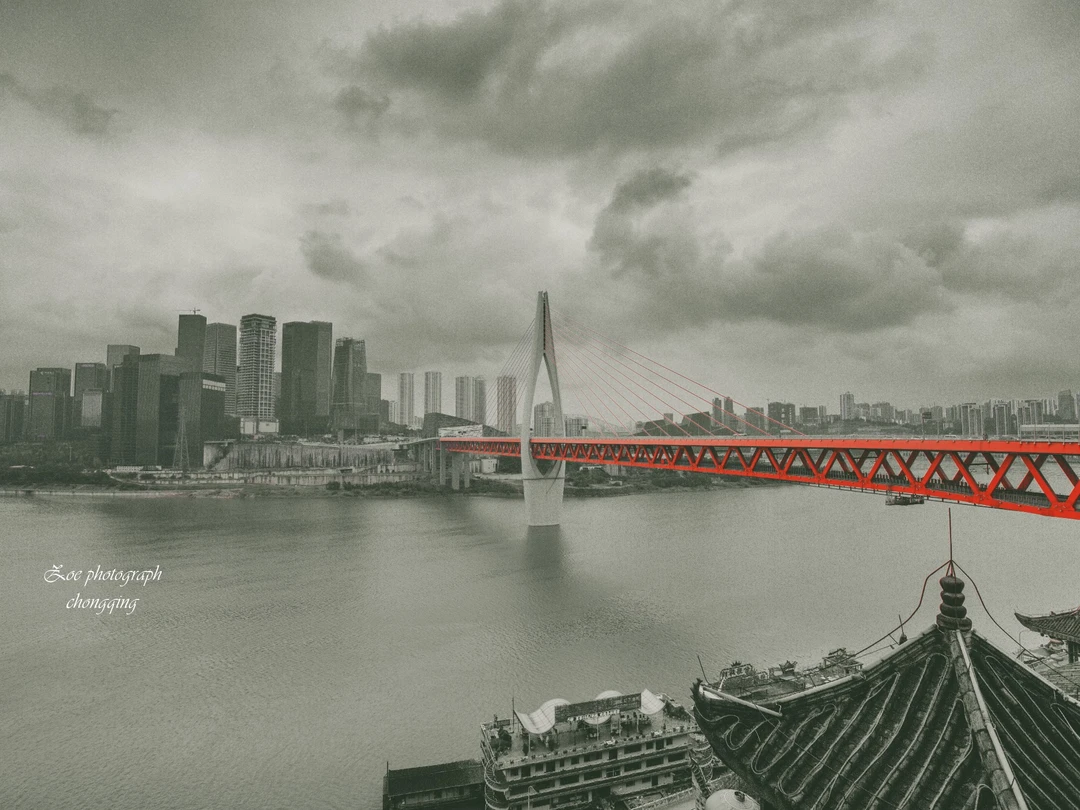
Hongyadong Night View: Stunning beyond words! Take photos from the Qiansimen Bridge—it wobbles, especially when trucks pass, with a noticeable vibration. Remember: Hongyadong has 11 floors, and you’ll never know which one you’re on—that’s Chongqing’s magic. Here’s a floor guide to avoid getting lost.
Zhu’s Fatty’s Rotten Hotpot: The storefront is unremarkable, the stairs greasy, but the flavor is incredible! The red spicy pot is free; a dual pot (half spicy, half mild) costs 30 RMB. I recklessly ordered the red pot and regretted it—spicy to the point of questioning life, and even Yili soy milk and iced Sprite couldn’t save me. Friends from Jiangsu, Zhejiang, and Shanghai: don’t be stubborn—the dual pot is the way to go.
Jiefangbei: A monument to the victory in the War of Resistance Against Japan, topped with a Rolex clock face worth a fortune. Bayi Road Snack Street is dead after 10 PM, but you must try Hao You Lai Hot and Sour Rice Noodles (8 RMB) and Cold Rice Cake (5 RMB). The noodles are tangy and spicy enough, with a firm texture; the rice cake is sweet—a perfect spice killer. Shancheng Tangyuan (sweet rice balls, 6 RMB) is just okay—sesame filling, similar to Jiangsu-Zhejiang versions.
Crown Grand Escalator: Asia’s longest escalator, 2 RMB one-way (1.8 RMB with transit card). Open until 21:45, worth a quick ride. There are homeless people in the metro station—a bit heartbreaking.
Day 2: Wanza Noodles, Eighteen Ladders, Sichuan Fine Arts Institute, Ciqikou, Yangtze River Cableway, Yikeshu
Huashi Wanza Noodles Main Store: Ranked among Chongqing’s top five small noodles, with explosive flavor. You’ll have to climb slopes and stairs to get there, but it’s worth it.
Eighteen Ladders (Shibati): The memory of old Chongqing, a filming location for I Belonged to You. Everywhere you see "Demolition" signs, which is sobering. Walking through it makes you appreciate the present more.
Sichuan Fine Arts Institute: The train passes through a building at Liziba Station—transfer by bus to the campus. Free entry, full of photo spots, dripping with artistic vibes.
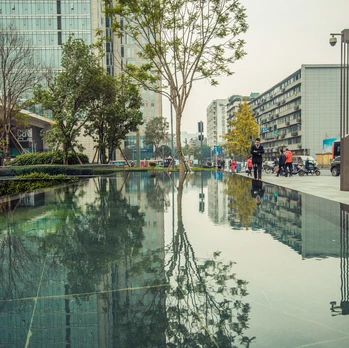
Ciqikou Ancient Town: Disappointing. Crowded, paid toilets, and scammers shouting about "Zhashidong Prison" and "boat tours." The only highlight was the purple sweet potato noodles—among the top ten small noodles, made fresh on-site by a大叔 (middle-aged man).
Old Hemp Wontons (Lao Ma Chao Shou): On the 4th floor snack street of Hongyadong. I ordered hot and sour rice noodles, while Fatty got mild-spicy wontons (options: mild, medium, or old hemp spice). The guy next to us ordered old hemp, eating while shouting "I can’t take it," chugging Yili soy milk.
Yangtze River Cableway: With a transit card, early morning (8:00-9:30) or evening (17:00-19:30), it’s only 1.8 RMB! One-way is 20 RMB, round-trip 30 RMB. After crossing the river, head to Yikeshu (One Tree) for the night view—take a taxi; the bus requires a long uphill walk and you might miss your stop. The viewing platform isn’t crowded, and you can see planes flying low overhead—breathtakingly beautiful.
[Link: Chongqing food guide: Must-try street eats]
Chengdu (Rong): Pandas, Skewers, and Little Yellow Buses
Day 3-4: Giant Panda Base, Jinli Ancient Street, Kuanzhai Alley, and Chengdu Hotpot
Arriving in Chengdu from Chongqing by high-speed rail is a breeze—just 94 RMB and about 90 minutes. The vibe shifts immediately: less chaotic, more relaxed.
Giant Panda Base: Go early (before 9 AM) to see pandas active. With a tour guide ID, I got free entry—otherwise, it’s 58 RMB. The pandas are adorable, but the real highlight is the panda cubs in the nursery. Bring snacks—the food inside is overpriced and mediocre.
Jinli Ancient Street: A tourist trap, but worth a quick walk. Skip the overpriced snacks and head to the side streets for authentic eats. The Dan Dan Noodles at a tiny stall near the entrance are life-changing—spicy, nutty, and savory.
Kuanzhai Alley: Three parallel alleys—Kuanzhai (Wide and Narrow), Jingxiang (Well Alley), and Zhai Alley (Narrow Alley). Kuanzhai is the most touristy, but Zhai Alley has hidden gems. Try the Three-Pao (Three-Punch) Tea at a traditional teahouse—it’s a cultural experience.
Chengdu Hotpot: Skip the chains and head to Huangcheng Laoma (Old City God’s Mother) for an authentic experience. Order the "nine-grid" pot—it keeps different ingredients separate. The tripe (maodu) and duck blood (xuewang) are must-tries. Pro tip: Dip everything in sesame oil with garlic and cilantro—it cuts the spice and adds richness.
Little Yellow Buses: These are Chengdu’s secret weapon. They run everywhere, cost 2 RMB, and accept cash. The manned ticket system means you can ask the conductor for directions—most are friendly and helpful.
[Link: Chengdu food map: Where locals eat]
Xi’an (Chang’an): Ancient History and Lamb Paomo
Day 5-7: Terracotta Warriors, Muslim Quarter, Mount Hua, and Xi’an Street Food
Taking the train from Chengdu to Xi’an (230 RMB, overnight) saves a night’s accommodation. Arrive early and head straight to the Muslim Quarter for breakfast.
Terracotta Warriors: The main attraction, 120 RMB entry. With a tour guide ID, I got in free. Go early to avoid crowds. Pit 1 is the largest and most impressive—the sheer scale is overwhelming. Pit 2 has the most detailed warriors, while Pit 3 is the command center. Hire a guide (100 RMB) for context, or use an audio guide (30 RMB).
Muslim Quarter (Huimin Street): Chaotic but essential. Try Lamb Paomo (bread soaked in lamb broth) at Lao Sun Jia—break the bread into tiny pieces yourself, and the waiter will bring it back in a rich, savory broth. Biang Biang Noodles (wide, hand-pulled noodles) are another must—thick, chewy, and drenched in chili oil and garlic.
Mount Hua: One of China’s five sacred mountains, famous for its plank walk. The cable car (140 RMB round-trip) is terrifying but worth it. The hike to the North Peak takes about 2 hours from the cable car station. The plank walk (30 RMB) is not for the faint of heart—harness up and cling to the cliff face.
Xi’an Street Food: Don’t miss Roujiamo (Chinese hamburger) at Zi Xuan Roujiamo—the bread is crispy, the meat is tender and fatty. Yangrou Paomo (lamb soup with bread) is a winter staple. For dessert, try Jing Gao (persimmon cake)—sweet, sticky, and fried to perfection.
[Link: Xi’an travel guide: Top 10 things to do]
FAQ: Your China Food Travel Questions Answered
Q1: Is it safe to eat street food in Chongqing, Chengdu, and Xi’an?
 A: Yes, but choose busy stalls with high turnover. Look for places where locals queue—that’s a sign of quality. Avoid raw or undercooked items if you have a sensitive stomach.
Q2: How spicy is Chongqing hotpot compared to Chengdu hotpot?
A: Chongqing hotpot is fierier—it uses more chili and Sichuan peppercorns. Chengdu hotpot is more balanced, with a focus on aromatic spices. If you’re not a spice lover, order a dual pot (half spicy, half mild) in both cities.
Q3: What’s the best time to visit these three cities?
 A: Spring (March-May) and autumn (September-November) are ideal. Summer is unbearably hot and humid in Chongqing and Chengdu; winter is cold in Xi’an but manageable with proper clothing.
Q4: How much does a 7-day trip to these cities cost?
A: Budget 4,000-5,000 RMB per person (excluding flights from your home city). This covers accommodation, food, transport between cities, and entry fees. Street food is cheap—most meals cost 10-30 RMB.
Q5: Do I need to speak Chinese to travel independently?
A: Basic phrases help, but you can get by with translation apps. Many restaurants have picture menus, and metro stations have English signs. In Xi’an’s Muslim Quarter, some vendors speak basic English.
Insider Tips for Your Gluttonous Adventure
- Cash is king in Chongqing and Xi’an—don’t rely on mobile payments everywhere.
- Transit cards save money—get one in Chongqing for discounted cableway rides.
- Student IDs are gold—half off in Chongqing and Chengdu, but only 20-30% off in Xi’an.
- Avoid tourist traps in Ciqikou and Jinli—the real food is on side streets.
- Book flights on member days—China Southern’s 28th of the month offers are unbeatable.
- Pack layers—winter in Xi’an is harsh, but indoor heating is excellent.
[Link: How to travel China on a budget]
Ready to Plan Your Own Food Adventure?
This 7-day journey through Chongqing, Chengdu, and Xi’an is more than a trip—it’s a feast for the senses. From the fiery hotpot of Chongqing to the ancient flavors of Xi’an, every bite tells a story. Whether you’re a seasoned traveler or a first-timer, these insider tips will save you money, time, and stomachaches.
What’s next? Share this guide with a travel buddy, bookmark it for your next trip, or start planning your own gluttonous adventure. The streets of Chengdu are calling—and they’re delicious.
Have questions? Drop them in the comments below, or check out our other guides on [China food tours] and [budget travel in Asia].
Happy eating and safe travels!
You may also like