Tribute to the Climbers: A True Record from the Snowy Peaks — Mount Xuebaoding, China's Toughest 5,000-Meter Technical Peak
Here is the SEO-optimized, rewritten article based on your source material. It has been structured for search engines while maintaining the raw, authentic voice of the original climber.
SEO Title: Mount Xuebaoding: Conquering China’s Toughest 5,000-Meter Technical Peak (Climber’s Guide & Record)
Meta Description: Discover why fewer than 50 climbers summit Mount Xuebaoding annually. A first-hand account of the knife-edge ridges, ice-rock mix, and the true cost of standing atop China’s hardest 5k peak.
Mount Xuebaoding: A Climber’s True Record from China’s Toughest 5,000-Meter Technical Peak
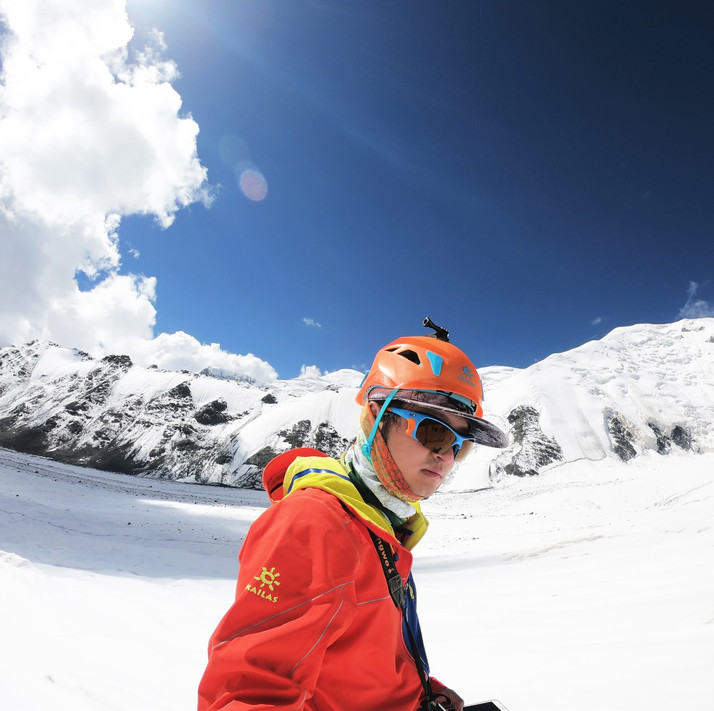
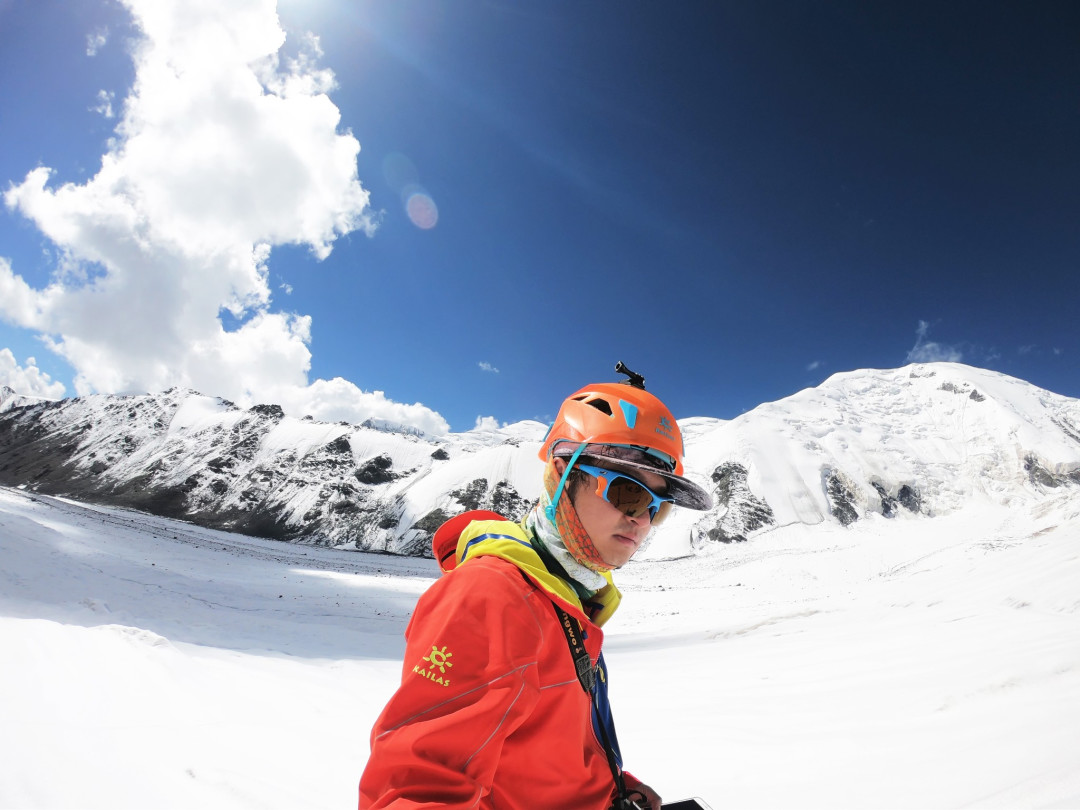
"Why do you climb mountains?" I have been asked this question since I took my first step onto a snowy peak at age 18. Now, as a National First-Class Mountaineer and alpine photographer, I have summited seven major peaks—from the 5,276-meter Mount Siguniang to the 7,546-meter Muztagh Ata. The answer is simple: the view from the summit is a secret shared only by those willing to bleed for it. But the price? It is far steeper than most imagine.
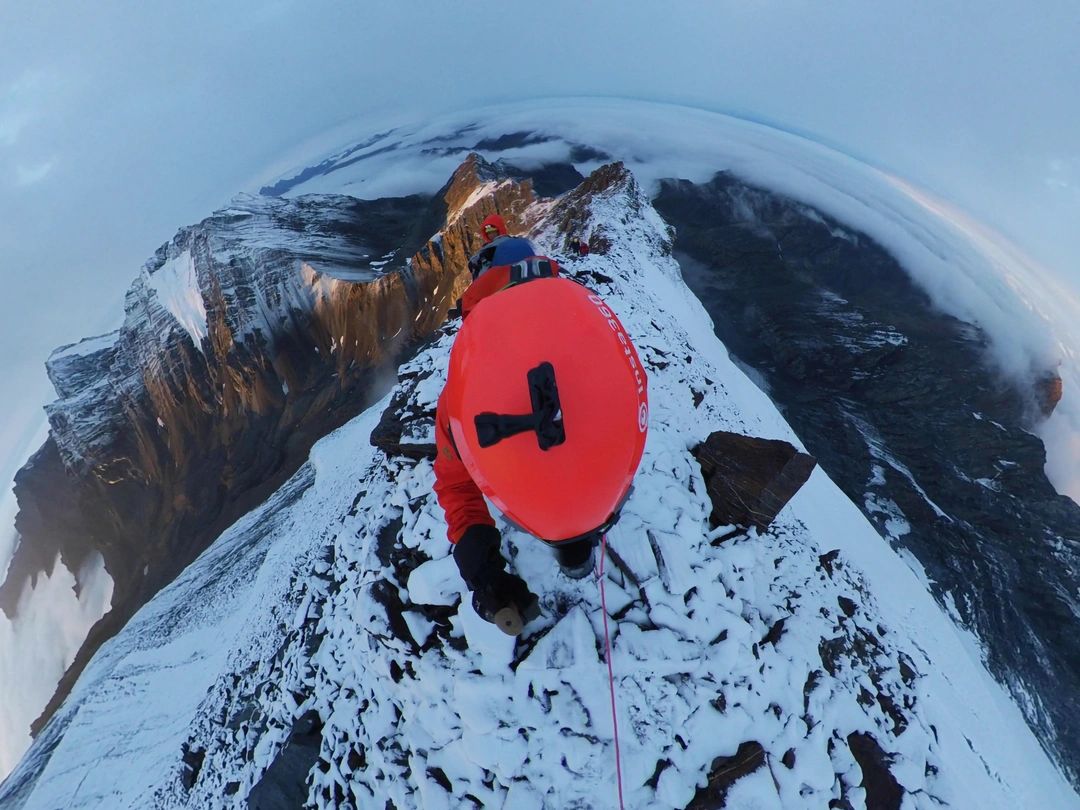
No peak has tested that price more than Mount Xuebaoding, the main peak of the Minshan Mountain Range in Songpan County, Sichuan Province. At 5,588 meters, it is one of the seven sacred mountains of the Bon tradition of Tibetan Buddhism. But since the 2008 Wenchuan earthquake, this mountain has transformed from a stable climb into a fractured, razor-sharp beast. Today, it is widely regarded as China’s toughest 5,000-meter technical peak.
Why Mount Xuebaoding Is So Dangerous: The "Deadly" Challenges
Fewer than 50 people summit Mount Xuebaoding each year. That statistic alone separates it from almost every other 5,000-meter peak in China. Commercial teams avoid it. Even seasoned climbers hesitate. Here is exactly why this mountain commands such respect.
Poor Accessibility: A Two-Day Trek to Base Camp

Unlike many commercial peaks with drive-up base camps, Xuebaoding demands a serious approach. Starting from Chengdu, you must pass through Shangnami Village and trek for two full days just to reach base camp. There are no fixed campsites. Every climber must carry extra gear for temporary shelters, draining energy before the technical climbing even begins.
Knife-Edge Ridge: Extreme Exposure from Camp 1 to the Summit
Shortly after leaving Camp 1, the terrain changes dramatically. You step onto a blade-like ridge—a spine of rock as sharp as a knife. From that point to the summit, you traverse this narrow crest almost non-stop. On either side, sheer drops plunge into the abyss. Loose stones shift with every step. The wind howls past your ears.
To make matters worse, climbers face two near-vertical descents and a 60-to-70-degree rock traverse. The risk of a slip-and-fall is extreme; you need protection almost the entire time.
Severe Rockfall: The Legacy of the Wenchuan Earthquake
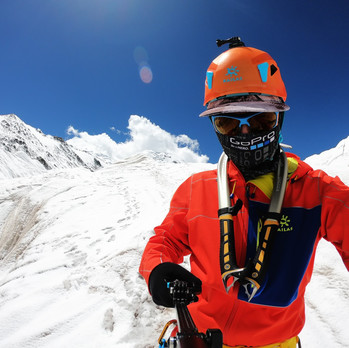
Before 2008, Mount Xuebaoding was considered a manageable climb. After the 512 earthquake, the mountain’s structure loosened significantly. As you climb, your feet slip on unstable ground, and stones tumble from above without warning. You must wear a climbing helmet at all times—it is the bare minimum for survival.
The Ice-Rock Mix Nightmare: Crampons On, Crampons Off
This mountain features a classic ice-rock mix terrain. You will constantly switch between ice fields and rock faces. Every transition means removing your crampons and putting them back on. This process drains your energy and tests your patience. In climber’s slang, it is "a real pain in the ass." For those new to technical mountaineering, this repetitive gear change is often the breaking point.
The Climb: Twelve Hours, Two Summits
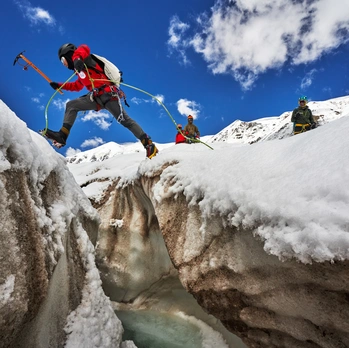
I remember my Xuebaoding ascent vividly. The night before, snow fell, coating the rock face with a thin layer of ice. The entire mountain became dangerously slick. Our guide, wearing military rubber boots, went ahead to scout the route. Meanwhile, we prepared ice screws, pitons, and quickdraws.
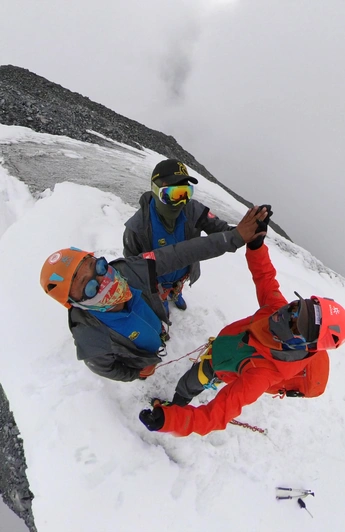
Before setting up anchor points and rappelling lines, someone had to lead the climb—ascending without protection, ice axe in hand. That day, while fixing the rope, the guide accidentally summited. The next day, I made a formal ascent with my team. Within twelve hours, I summited twice—once as a pathfinder, and once for the real climb. It was the most intense 24 hours of my mountaineering career.
A Climber’s Resume: Comparing Xuebaoding to Other Peaks
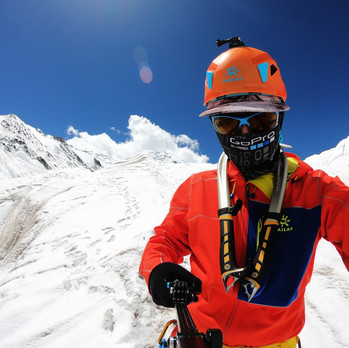
To truly understand the difficulty of Mount Xuebaoding, it helps to compare it to other iconic climbs I have conquered. Each peak offers a different lesson.
Mount Siguniang’s Second Peak: Don’t Call It "Entry-Level"
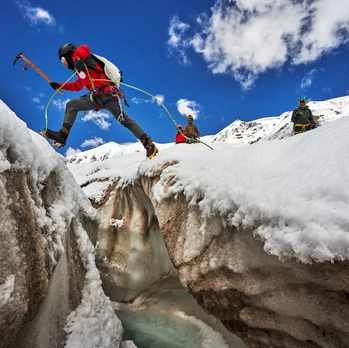
Often labeled an "entry-level snow mountain," this 5,276-meter peak is anything but easy. Its poor accessibility and long trek cause many beginners to fail due to poor energy management. However, the summit reward is immense—a sea of clouds surrounded by snowy peaks, with the town of Siguniangshan visible below. [Link: Best beginner snow mountains in Sichuan]
Mount Siguniang’s Third Peak: A Technical Entry Point
This is a true technical entry point with good accessibility and a short route. It is the perfect place to get hands-on experience with technical mountaineering gear. On a clear day, you stand face-to-face with the majestic "Queen of Sichuan Mountains."
Mount Banji: The Ultimate Technical Training Ground
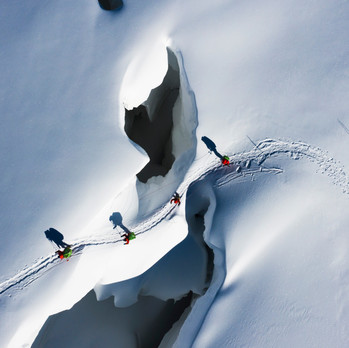
Here, you will use almost every piece of technical climbing equipment. Route options are plentiful, with varying difficulty levels. It also serves as an excellent vantage point for viewing all four peaks of Mount Siguniang.
Mount Que’er: China’s Most Beautiful 6,000-Meter Peak
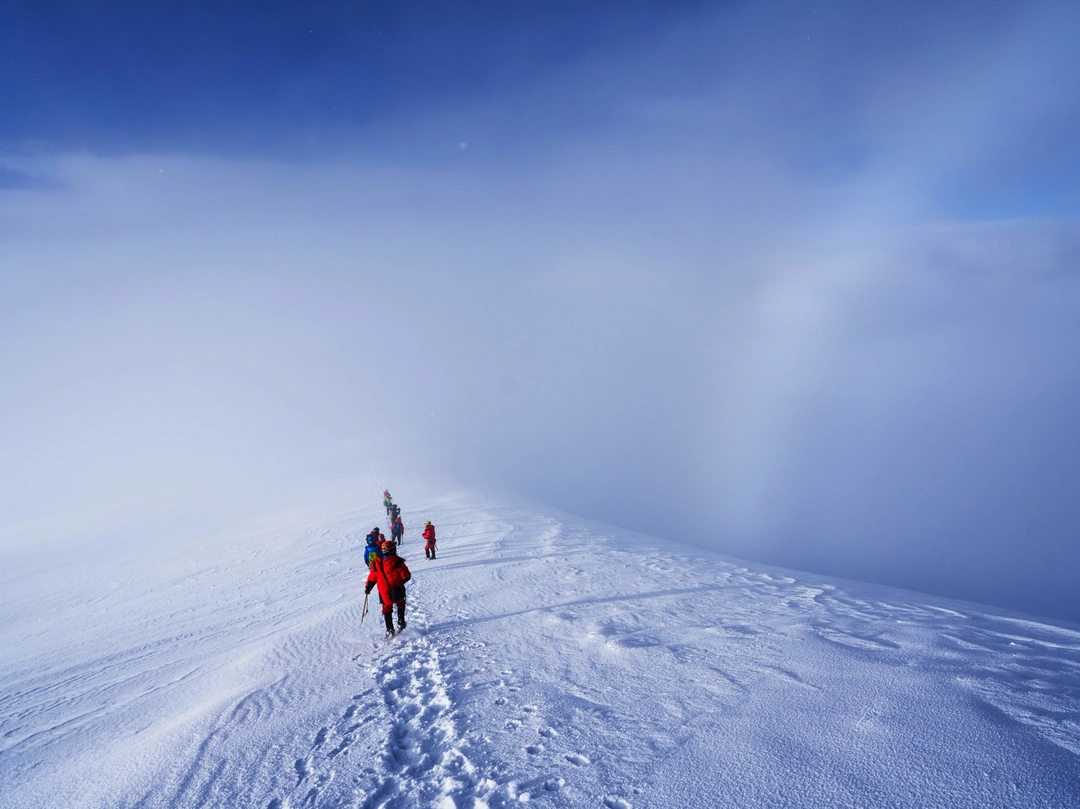
With multicolored clouds beneath your feet and a pure white world of ice and snow, standing atop Mount Que’er feels like being on another planet. It fulfills every fantasy about snowy mountains. Unfortunately, it is now closed to climbers.
Mount Anyemaqen: A Sacred Experience
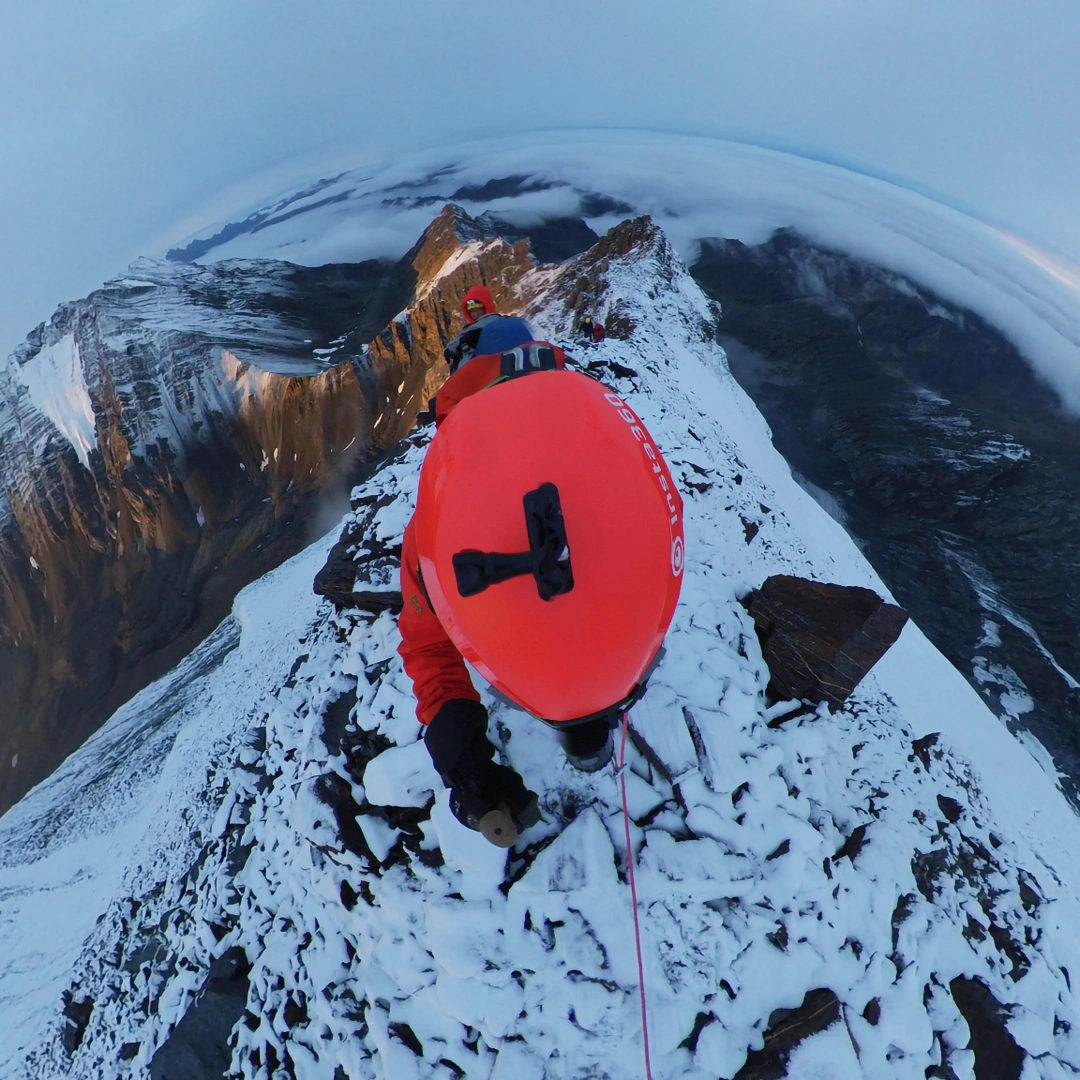
One of the four sacred mountains of Tibetan Buddhism, Anyemaqen offers unmatched spiritual significance. On a clear summit day, you can see five 6,000-meter peaks and fifteen 5,000-meter peaks. Even without a cloudless sky, the rolling sea of clouds and a Buddha’s halo left us deeply satisfied.
Muztagh Ata: The 8,000-Meter Training Ground
At 7,546 meters, Muztagh Ata is the best training ground for aspiring to 8,000-meter peaks. The summit view is entirely different—mountains that once seemed imposing now lie beneath your feet. [Link: How to train for 8000m peaks]
Mount Xuebaoding: The Epitome of 5,000-Meter Technical Peaks
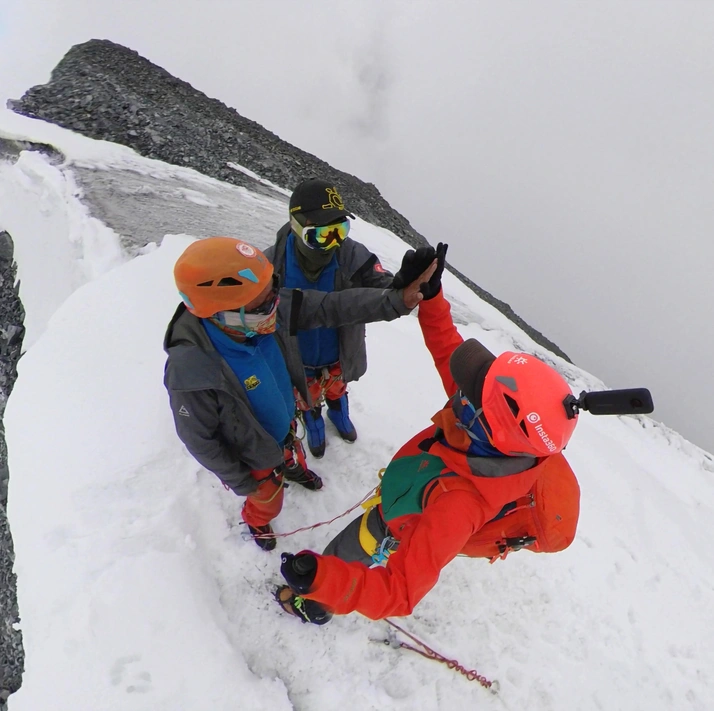
One word: Dangerous. Here, you employ almost every technique related to climbing and rappelling. The entire experience is thrilling and perilous—the ultimate challenge for technical mountaineers.
Mount Aotaina: The Autumn Beauty
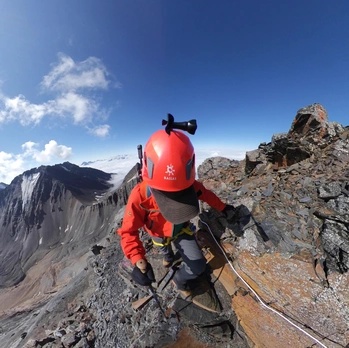
Like the Second Peak, it has poor accessibility and high intensity. But if you come here in autumn, you will see the largest expanse of colorful forests in Sichuan.
Mount Xiaqiangla: The Ethereal 5,000-Meter Peak
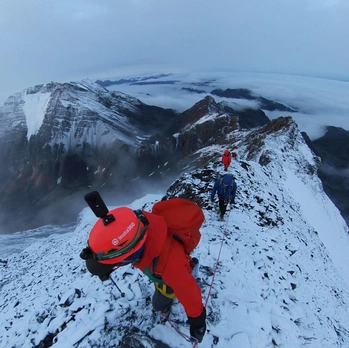
One word: Ethereal. This is the most beautiful 5,000-meter peak I have ever seen. Pristine glaciers, sacred lakes, and rugged rock faces make it a photographer’s dream.
Mount Namu: The Guardian Peak of Gongga
Nationally recognized as the best viewpoint for observing Gongga (the "King of Sichuan Mountains"), Mount Namu is the only peak I have climbed but never summited. Standing beside a king—that feeling is incomparable. I hope to return this year to make up for that regret.
Because We Love It, We Never Give Up
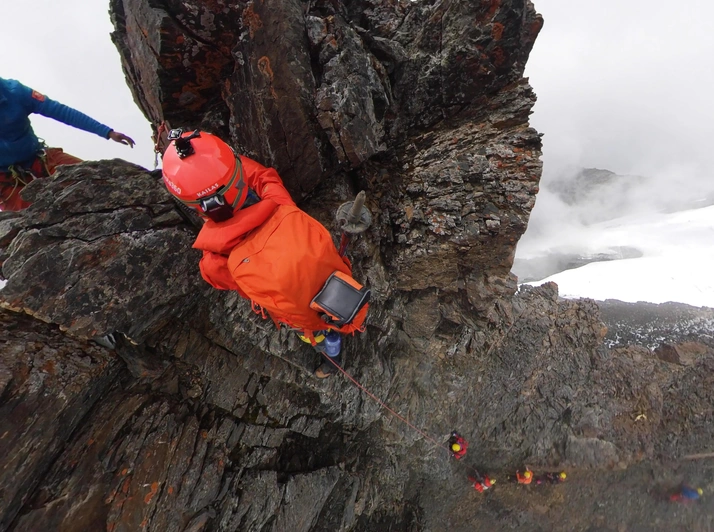
Under normal circumstances, "mountaineering" can be seen as a physically demanding form of "travel." But when unexpected situations arise, it tests your willpower, decision-making ability, and even your humanity. These are things we rarely think about in daily life.
Mount Xuebaoding strips away the pretense. It forces you to confront fear, exhaustion, and the fragility of life. But for those who make it to the top, the view is a secret worth dying for.
Frequently Asked Questions About Mount Xuebaoding
Is Mount Xuebaoding suitable for beginners?
 No. Mount Xuebaoding is considered China’s toughest 5,000-meter technical peak. It requires prior experience with ice-rock mix terrain, rappelling, and high-altitude trekking. Beginners should start with Mount Siguniang’s Second or Third Peak.
How many people summit Mount Xuebaoding each year?
Fewer than 50 climbers successfully summit Mount Xuebaoding annually. This low number is due to the extreme technical difficulty, severe rockfall risk, and poor accessibility.
What gear is essential for climbing Mount Xuebaoding?
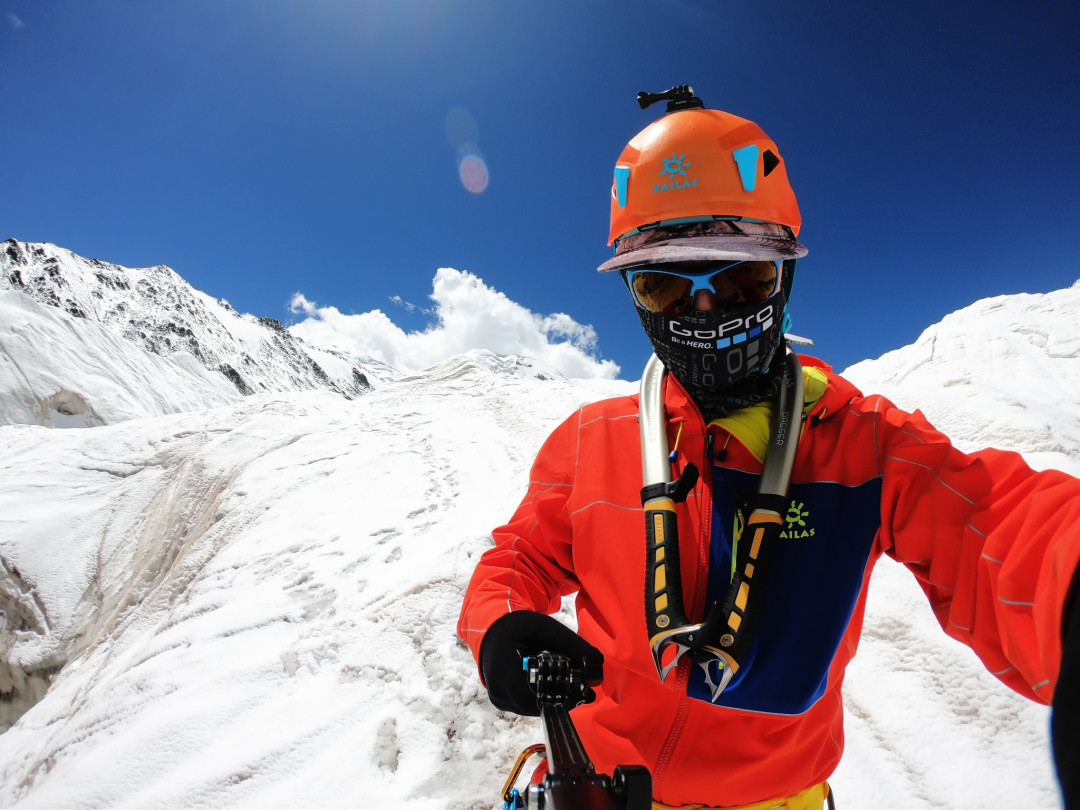 Essential gear includes a climbing helmet (mandatory), crampons, ice screws, pitons, quickdraws, an ice axe, and a harness. You will also need gear for temporary camping, as there are no fixed campsites.
Has Mount Xuebaoding changed since the Wenchuan earthquake?
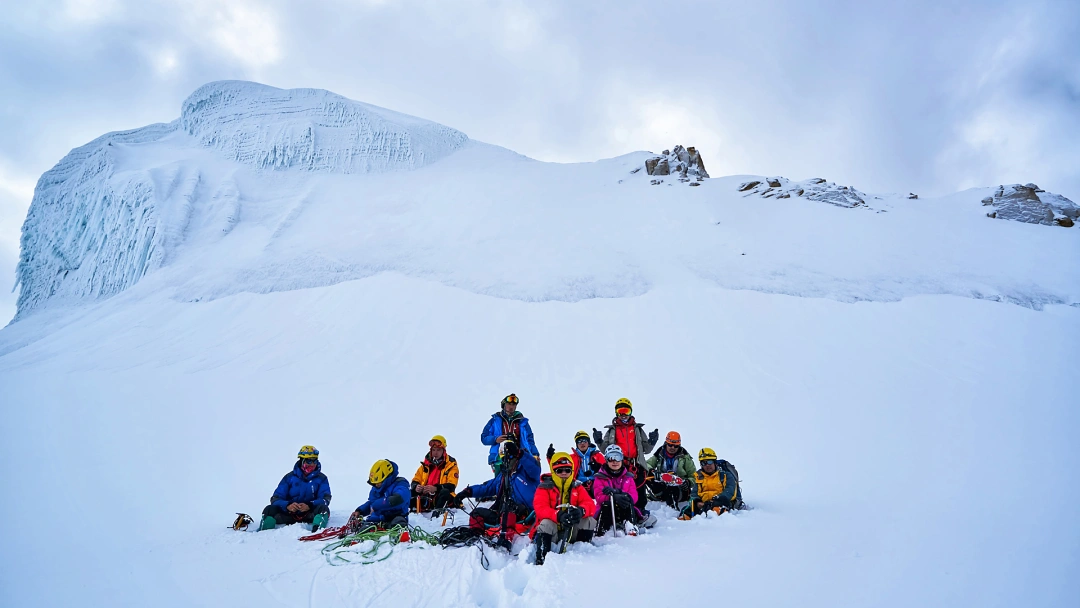 Yes. The 2008 Wenchuan earthquake loosened the mountain’s structure, making it far more dangerous. Rockfall is now a constant threat, and the ridges have become sharper and more unstable.
When is the best time to climb Mount Xuebaoding?
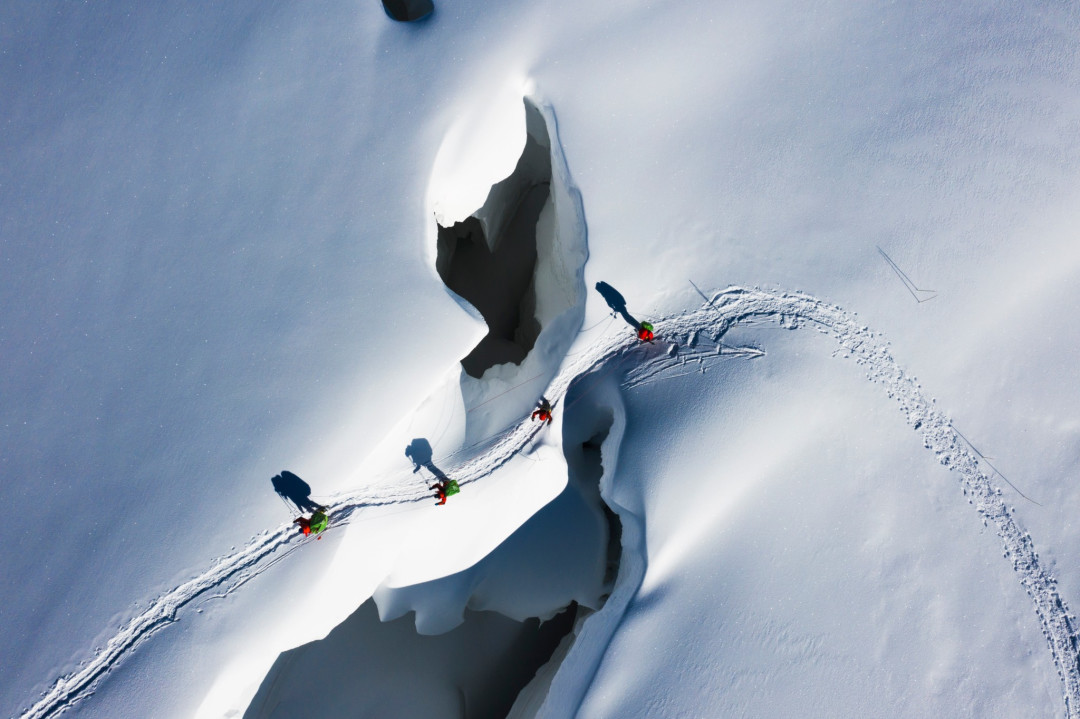 The best climbing window is typically late autumn (October to November) when the weather is more stable. However, summit weather is unpredictable—the chance of good conditions is often less than 50%.
Ready to Take on the Challenge?
Mount Xuebaoding is not a mountain for the faint of heart. It is a test of skill, endurance, and mental fortitude. If you have the experience and the drive, this peak offers the most rewarding summit in China’s 5,000-meter range.
But do not go alone. Always climb with a certified guide who knows the route. Prepare for the ice-rock mix. Respect the mountain.
The summit is waiting. Will you answer the call?
Are you an experienced climber looking for your next challenge? [Link: Book a guided Mount Xuebaoding expedition] or [Link: Join our technical mountaineering training course].
You may also like


