Toward the Snow Mountains: An 11-Day Soul Pilgrimage Through Western Sichuan – The Ultimate Travel Guide
Meta Description: Discover the ultimate Western Sichuan itinerary: an 11-day soul pilgrimage through snow mountains, cloud seas, and starry skies. From Niubei Mountain to Yuzixi, experience the raw beauty of the Tibetan Plateau. Perfect for adventure seekers and spiritual travelers.
Introduction: Why Western Sichuan Should Be Your Next Travel Destination
In 2022, I embarked on an 11-day journey through Western Sichuan that changed how I see travel forever. This wasn't just another vacation—it was a soul pilgrimage through some of the most breathtaking landscapes in China. From the golden sunrise over Gongga Snow Mountain to the star-studded skies above Yuzixi, every moment felt like a gift.
If you're searching for a Western Sichuan travel guide that goes beyond the typical tourist trail, you've come to the right place. This article covers everything: the best time to visit, must-see attractions, practical tips, and the emotional journey that awaits you.
What you'll learn in this guide: - How to plan an 11-day Western Sichuan itinerary - The best snow mountain viewpoints (Niubei Mountain, Yuzixi, and more) - Practical tips for plateau travel (altitude sickness, weather, permits) - How to find the best travel companions for a group trip - Insider advice on accommodation, food, and transportation
The Origin Story: How a Simple Agreement Became a Life-Changing Journey
The idea for this Western Sichuan road trip began with a simple agreement between four friends. After years of scheduling conflicts, we finally aligned our calendars. The destination? Western Sichuan—a region I'd always dreamed of exploring but never had the chance to visit.
Why Western Sichuan?
We considered Xinjiang, Tibet, and Inner Mongolia, but Western Sichuan won for several reasons: - Xinjiang was too crowded and expensive during peak season - Tibet required special permits and was still recovering from pandemic restrictions - Inner Mongolia felt too familiar for most of the group
Western Sichuan offered the perfect balance: stunning snow mountains, rich Tibetan culture, and relatively accessible roads. Little did we know, our timing was impeccable. While we were traveling, Xinjiang and Tibet went into lockdown. By the time we finished, Garzê also reported cases. We were like children favored by Lady Luck, perfectly squeezed into a narrow window of opportunity.
The Cast: Why Your Travel Companions Matter More Than Your Destination
A successful Western Sichuan road trip depends heavily on your travel companions. Here's how our group dynamic worked:

- Me (the planner): Responsible for the entire itinerary, logistics, and handling unexpected situations
- George (the photographer): Always charging ahead, willing to cross mountains alone for the perfect camera angle
- Zac (the laid-back friend): Happy to wait in the car if a sight didn't interest him, no complaints about food or accommodation
- Zhang (the new friend): Just finished his PhD in Hong Kong, eager for adventure
Key takeaway: The best travel companions are those who share your passion but complement your weaknesses. If you're planning a group trip to Western Sichuan, make sure everyone understands their role and is flexible enough to adapt to changing conditions.
Day 1-2: Slow Life in Chengdu – The Perfect Start to Your Western Sichuan Adventure
Before heading into the highlands, we spent two days in Chengdu to acclimate and prepare. Back then, the "three days, two tests" policy was still in effect, which meant we had to quarantine at a hotel in Jianyang.
What we did in Chengdu: - Ate at 合一简串串 (He Yi Jian Skewers): Jianyang's famous lamb soup was tempting, but none of us liked lamb, so we skipped it - Explored the city: We crossed a bridge at sunset, watching locals dance, play basketball, and row dragon boats. The warm evening breeze and relaxed pace made us forget about the inconvenience of testing requirements - Shopped for supplies: Oxygen canisters, snacks, and warm clothing for the plateau - Tried local cuisine: 符缸酸菜鸡 (Fu Jar Pickled Cabbage Chicken) was tasty and reasonably priced. Avoid the trendy Western restaurant "简尤餐食 (Jian You Dining)"—mediocre food and long waits
Pro tip: Use your time in Chengdu to adjust to the altitude gradually. Even though Chengdu is at only 500 meters, it's a good opportunity to rest and prepare mentally for the challenges ahead.
Day 3: Niubei Mountain – Clouds Within Reach
After getting tested, we finally set off. From Jianyang to Niubei Mountain, it was a five-hour drive through Luding County, where we caught a distant glimpse of the famous "Flying Capture of Luding Bridge" from our textbooks.
Niubei Mountain: What You Need to Know
| Detail | Information |
|---|---|
| Ticket price | 160 RMB (must be purchased in advance on official WeChat account) |
| Shuttle bus | Free, but must arrive at Pangou before 4:00 PM |
| Route | 50-minute bus to Changhaizi, then 50-minute minibus to summit |
| Altitude | Highest point: 3,666 meters |
| Best time | September to November for clear skies |
Why Niubei Mountain is special:
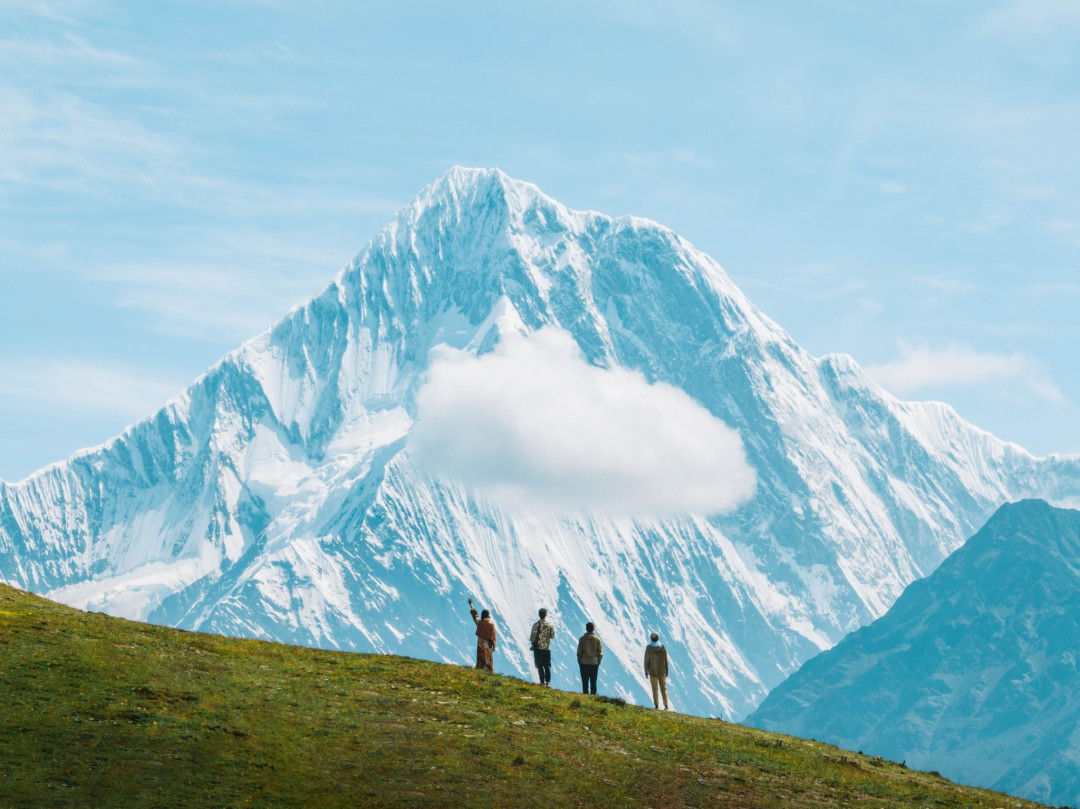
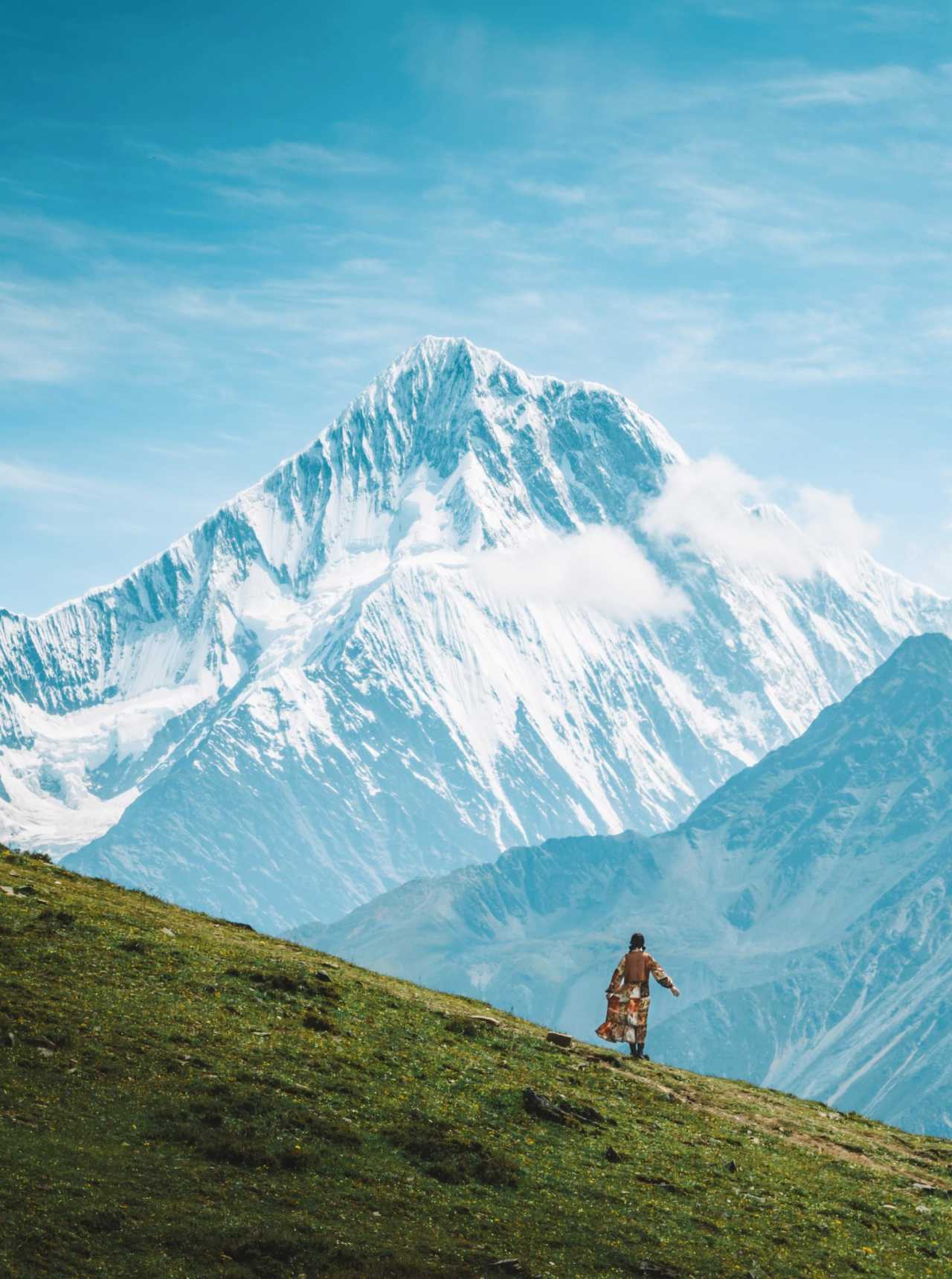
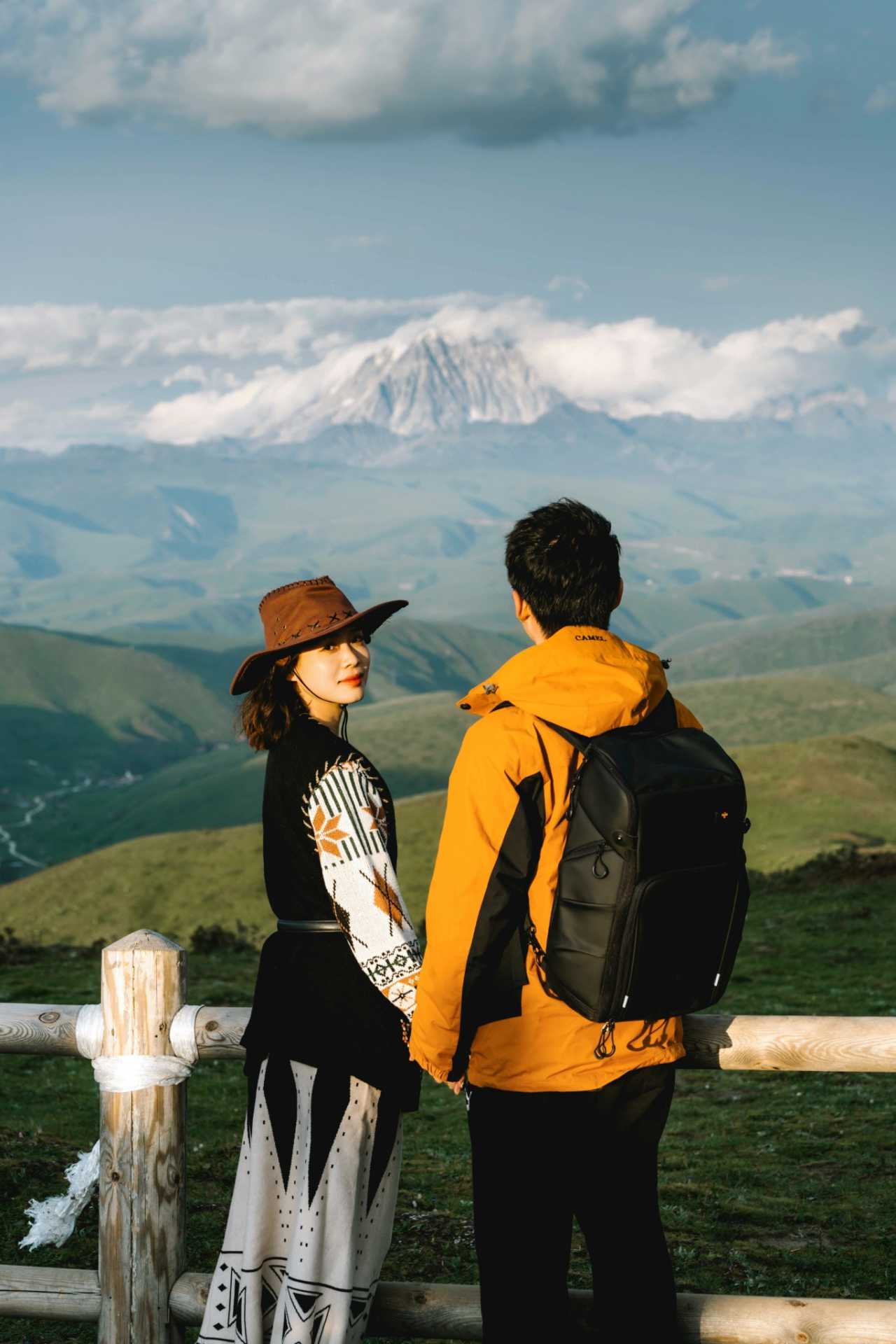
Originally called Big Mine Mountain or Wild Ox Mountain, it gets its name from a massive protruding rock at the summit that resembles an ox head. At 7,556 meters, Gongga Snow Mountain stands right before you, only 51 kilometers away.
Our experience:
Before we even reached the summit, we saw beautiful clouds halfway up. When we arrived, the sky was perfectly clear. But as evening approached, temperature changes caused layers of clouds to gather around the mountain peaks like cotton candy. Standing there, it felt like we could reach out and grab them.
Warning: The two-hour winding mountain road can cause motion sickness. Bring medication if you're prone to it. Also, pack light but bring warm clothes—the temperature drops dramatically at sunset.
Day 4: From Pink Dawn to Golden Light – The Magic of Golden Mountain
We woke up before 6:00 AM, hoping to catch the golden sunrise on Gongga Snow Mountain. The previous day's clouds had been too thick, so we tried again.
The golden mountain moment:
It was still dark when we stepped outside. By the time we slowly made our way to the viewing boardwalk, Gongga Snow Mountain in the distance was already bathed in pink twilight. We watched it transform from pink to gold—a spectacular golden mountain moment, dreamlike and surreal.
As the sun jumped above the horizon, the sky looked like it was on fire. Crimson light flooded the earth, and the biting wind softened. Standing at the summit, looking around, mountains floated and clouds surged. The sea of clouds below was sometimes as smooth as silk, sometimes as turbulent as ocean waves.
Local saying: "After Niubei, no need to see clouds anywhere else." It truly lived up to its reputation.
On the way down:
The winding roads made us dizzy. Sitting in the front seat, I caught one last glimpse of Gongga Snow Mountain and even encountered a yak blocking the road. It was a perfect ending to a perfect morning.
Yuzixi: Falling for a Snow Mountain Sunset Ten Thousand Times
In the afternoon, we headed to Yuzixi. On the way, we passed through Zheduo Mountain and photographed the prayer flags and white pagoda at the pass.
What is Yuzixi?
Originally called Qumogong, Yuzixi is named after a village beside Highway 318. There's a temple on the mountain called Qumogong, while Yuzixi refers to the starry sky camp built on the mountain. Both names are beautiful.

How to visit Yuzixi: - Entrance fee: Free, but locals charge a 30 RMB cleaning fee - Best time: Sunset and stargazing (bring warm clothes) - Road condition: Bumpy washboard track, be prepared for traffic
Our experience:
We almost missed the sunset due to traffic. The road up was a bumpy washboard track, and many cars were turning back. But we insisted on the "we're already here" mentality and finally drove to the top.
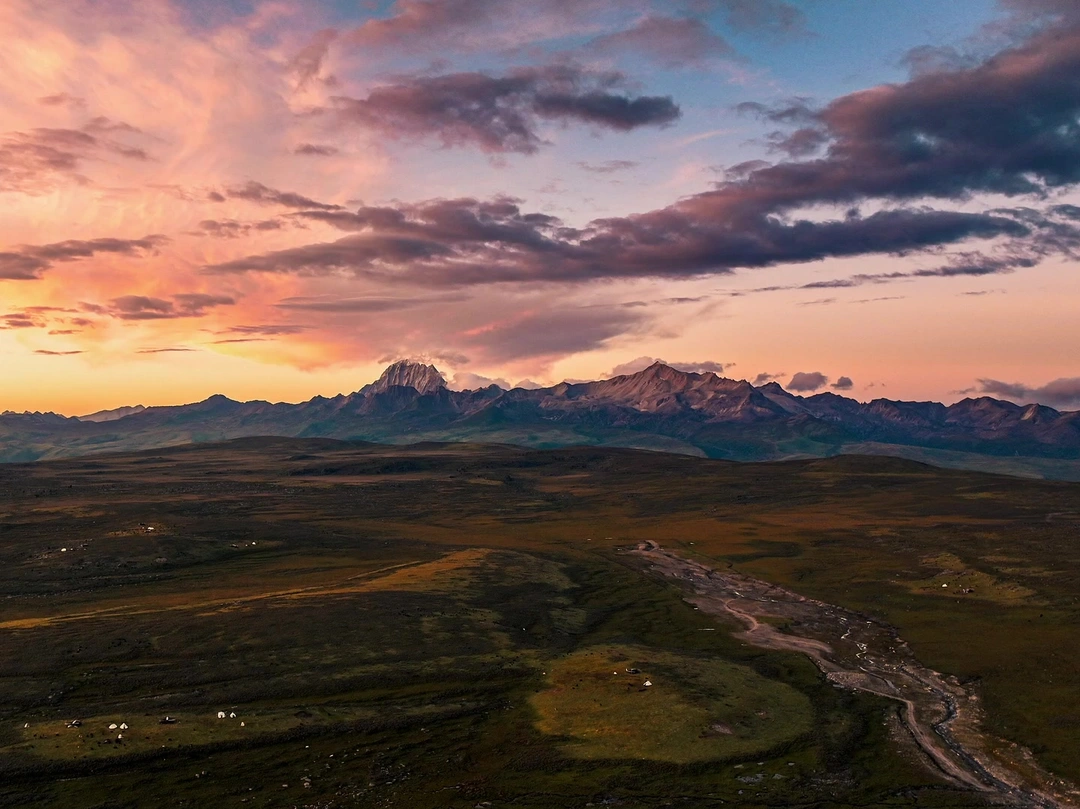
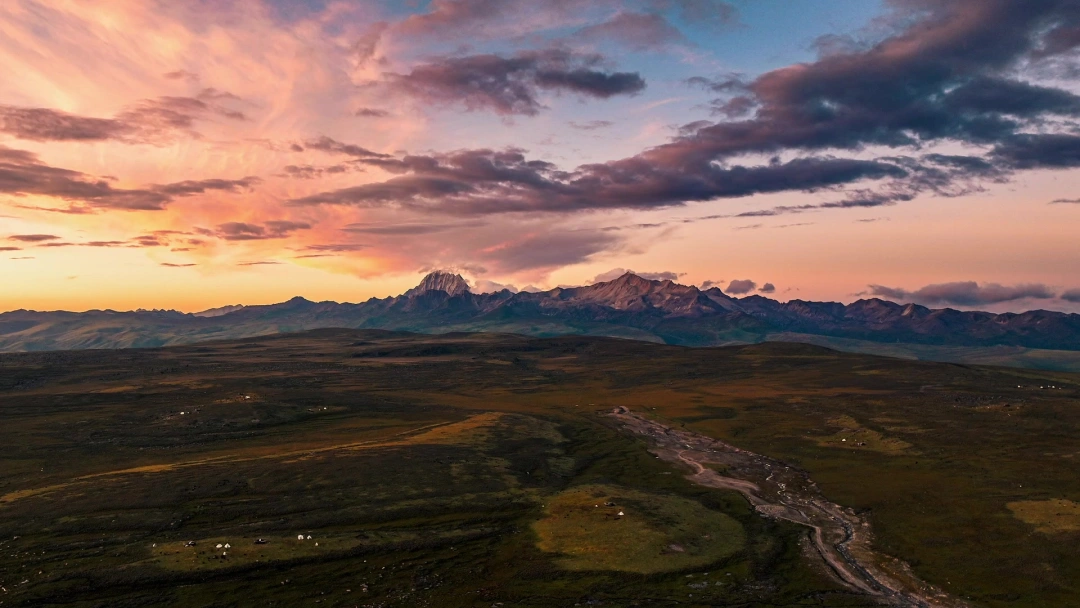
The sunset at Yuzixi was unlike anything I'd ever seen. The sky turned shades of orange, pink, and purple, with Gongga Snow Mountain glowing in the distance. It was a moment of pure magic.
Important note: Please be a responsible traveler. Seeing all the trash left behind was heartbreaking. Pack out what you pack in, and leave no trace.
Frequently Asked Questions (FAQ)
1. What is the best time to visit Western Sichuan for snow mountain views?
The best time is September to November when the skies are clearest and the golden autumn colors are at their peak. Avoid July and August (monsoon season) when clouds and rain can obscure the mountains.
2. How do I prevent altitude sickness in Western Sichuan?

- Acclimate gradually: Spend 1-2 days in Chengdu (500m) before heading to higher elevations
- Stay hydrated: Drink at least 2-3 liters of water per day
- Avoid alcohol and smoking: They worsen altitude symptoms
- Bring medication: Diamox (acetazolamide) can help, but consult your doctor first
- Listen to your body: If you feel severe headaches, nausea, or dizziness, descend immediately
3. Do I need special permits to visit Western Sichuan?
Most areas in Western Sichuan are open to domestic and international tourists without special permits. However, some border areas near Tibet may require a Tibet Travel Permit. Check with local authorities before your trip.
4. What should I pack for a Western Sichuan road trip?
- Warm clothing: Temperatures can drop below freezing at night, even in summer
- Layered clothing: Base layer, fleece, and waterproof jacket
- Sun protection: Sunglasses, sunscreen (SPF 50+), and a hat
- First aid kit: Motion sickness medication, pain relievers, altitude sickness pills
- Electronics: Camera, power bank, and a headlamp for stargazing
- Snacks: High-energy bars, nuts, and dried fruit
5. Is Western Sichuan safe for solo travelers?

Western Sichuan is generally safe for solo travelers, but it's recommended to travel with a group or hire a local guide for remote areas. The roads can be challenging, especially in winter, and cell phone reception is limited in some areas. Always inform someone of your itinerary and carry a satellite phone if possible.
Internal Linking Suggestions
- [Link: Best time to visit Western Sichuan for snow mountain views]
- [Link: How to plan a Western Sichuan road trip]
- [Link: Top 10 snow mountain viewpoints in Sichuan]
- [Link: Altitude sickness prevention guide]
- [Link: Tibetan culture and etiquette in Western Sichuan]
Conclusion: Your Soul Pilgrimage Awaits
Western Sichuan is more than just a travel destination—it's a soul pilgrimage that will stay with you long after you return home. From the golden sunrise over Gongga Snow Mountain to the starry skies above Yuzixi, every moment is a reminder of the raw beauty of our world.
Your next step: Start planning your Western Sichuan adventure today. Whether you're a solo traveler, a group of friends, or a family, this region has something for everyone. Book your flights, pack your bags, and get ready for an experience that will change how you see travel forever.
Don't wait. The best time to visit Western Sichuan is now. The mountains are calling, and you must go.
Have you been to Western Sichuan? Share your experience in the comments below. If you have questions about planning your trip, feel free to ask—I'm happy to help!
Disclaimer: This article is based on a personal travel experience in 2022. Conditions may have changed since then. Always check local travel advisories, weather forecasts, and permit requirements before your trip.
You may also like


