Tokyo Architecture Guide: A Poetic Journey Through Kanto with the Masters
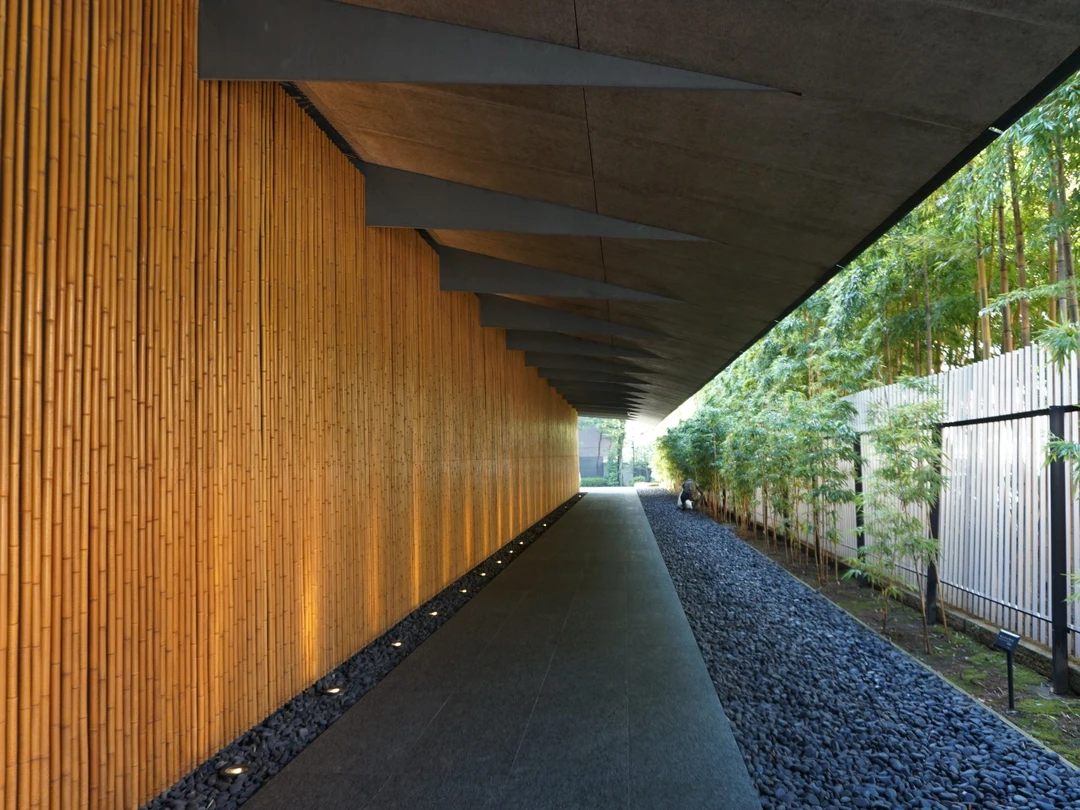
Meta Description: Discover Tokyo's architectural masterpieces in this 8-day Kanto travel guide. From Le Corbusier to Kengo Kuma, explore modernism's finest works across Ueno, Asakusa, Roppongi, and more.
Introduction: When Travel Becomes an Architectural Pilgrimage
Tokyo topped the 2018 World's Most Attractive Cities ranking—and for architecture lovers, it's easy to see why. Last autumn, my journey began in Kansai, where I was deeply moved as an architecture professional by Japan's human-centered public spaces and extraordinary masterpieces. This year, I returned for a deeper dive: six full days in Tokyo (plus a Hakone day trip) dedicated to what I call an "architectural pilgrimage"—an intense, walking-based exploration of the city's modernist and contemporary gems.

If you love architecture, this Tokyo architecture guide will resonate. Every day, I approached this city with a curious heart, absorbing the emotions stirred by its built environment. Here's your complete itinerary and analysis of Kanto's architectural treasures.
Day 1-2: Ueno Park & Ginza – The Birthplace of Japanese Modernism
The National Museum of Western Art: Le Corbusier's Only East Asian Masterpiece
Architect: Le Corbusier & disciples (including Kunio Maekawa)
Site Area: 17,227 m²
Access: Ueno Park JR Station, Gate 7, Platform 7
Opening Hours: 9:30 AM – 5:30 PM
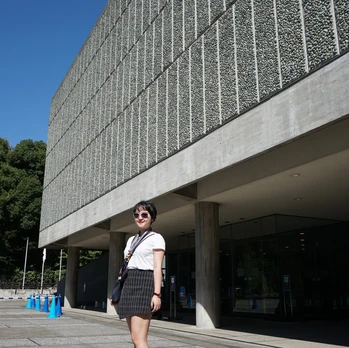
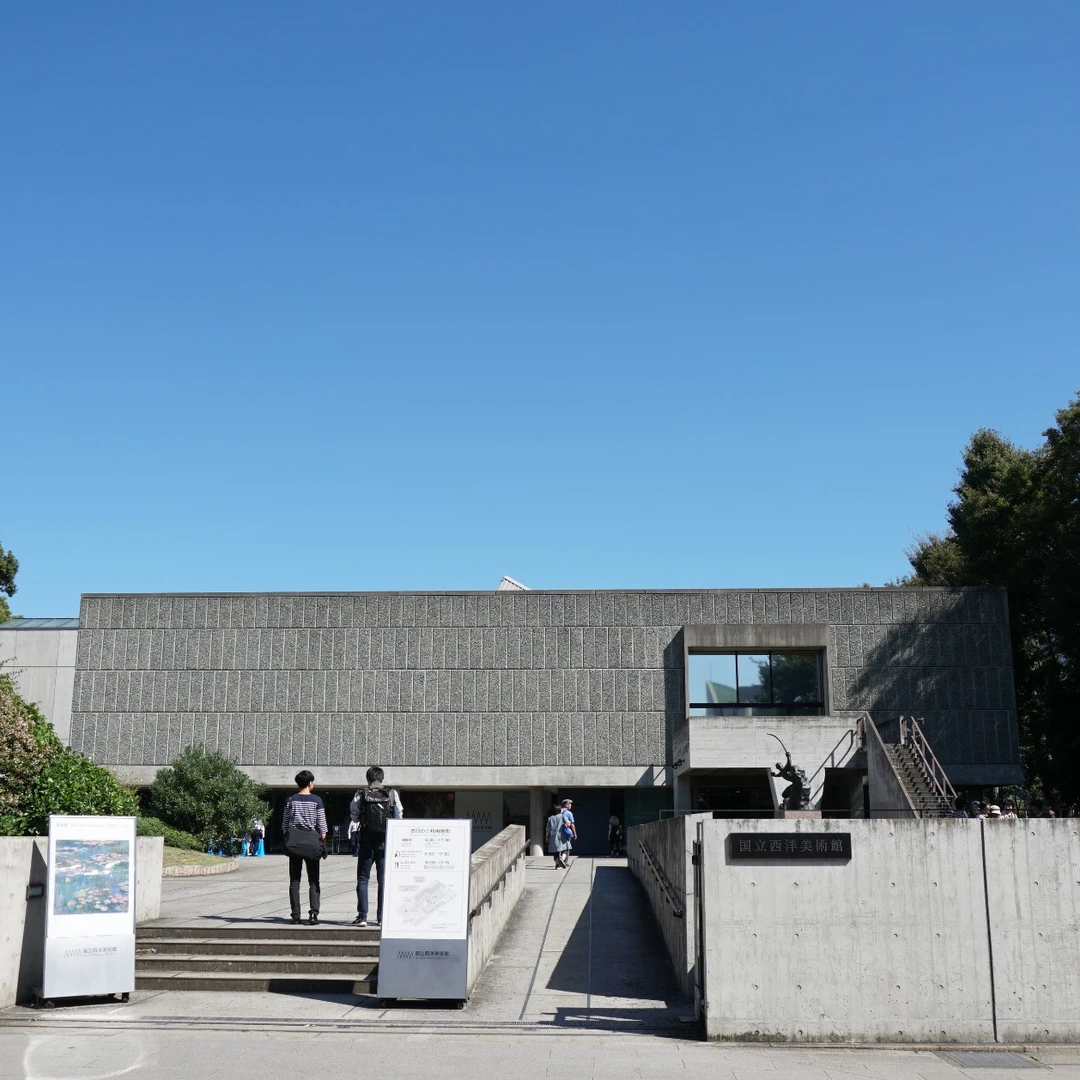
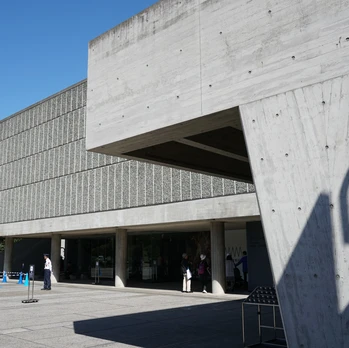
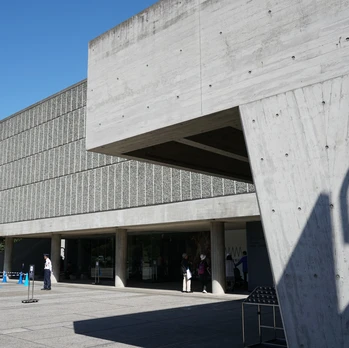
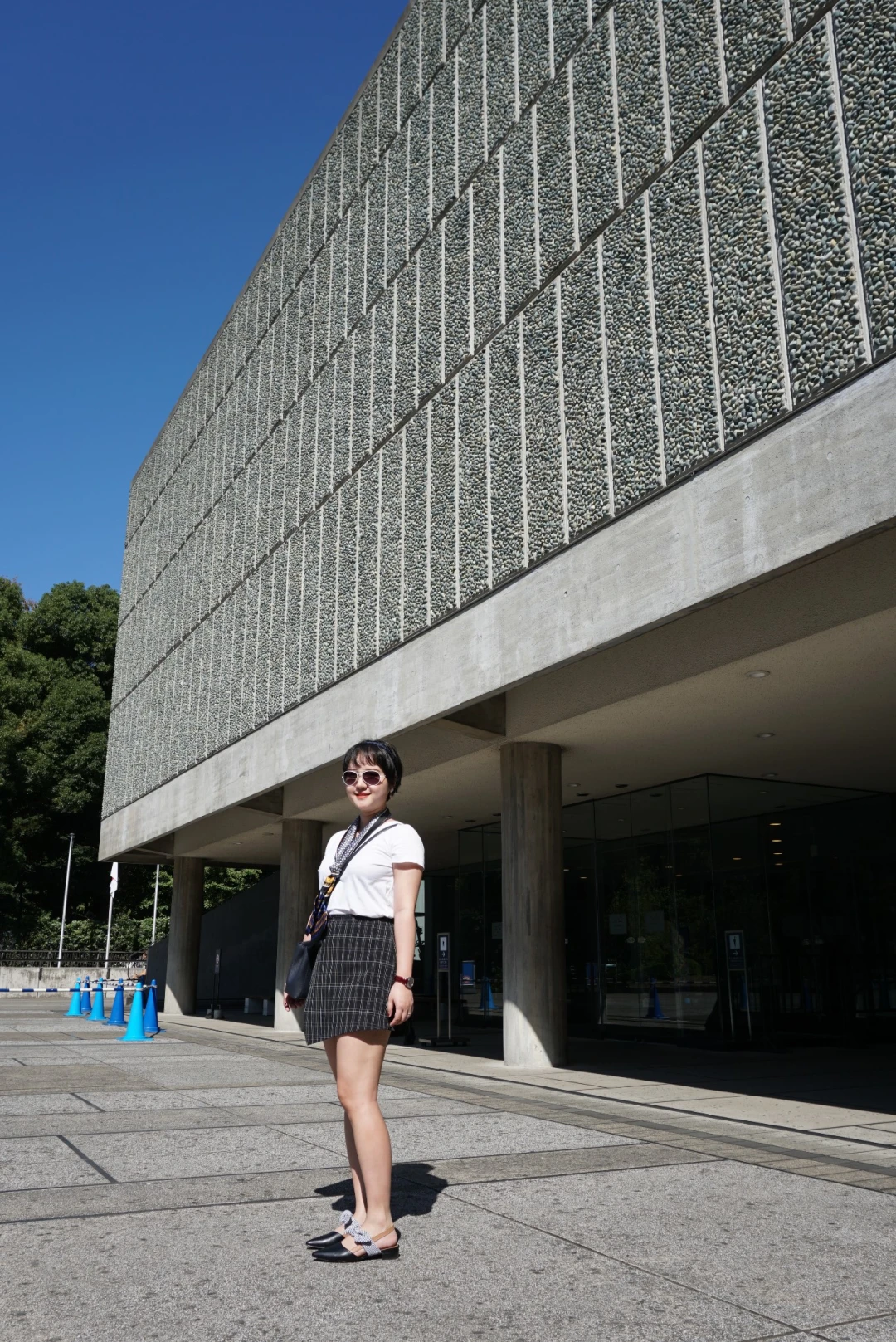
As Le Corbusier's sole work in East Asia, this UNESCO World Heritage site is a pilgrimage destination for architecture students worldwide. For me, it brought back memories of my sophomore-year model of Villa Savoye—through which I first understood his Five Points of Architecture. Here, those principles come alive.
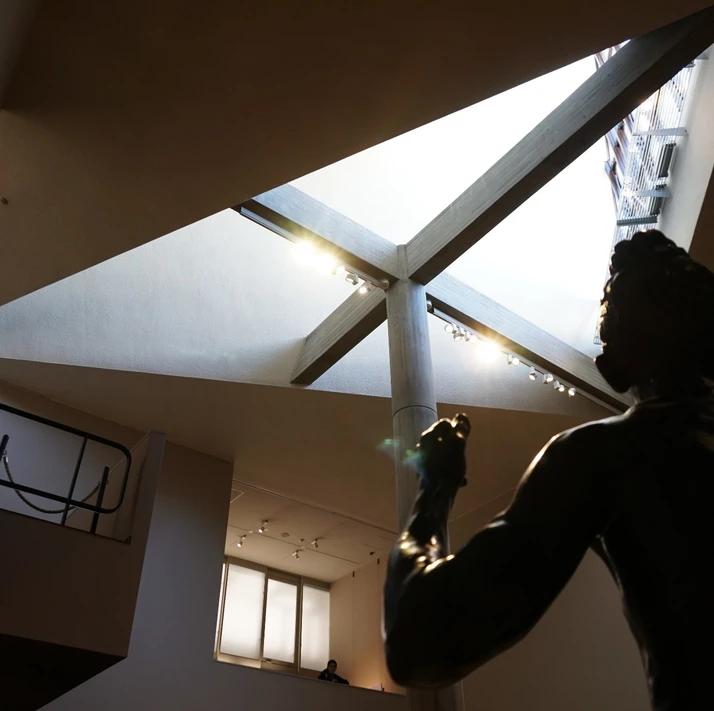
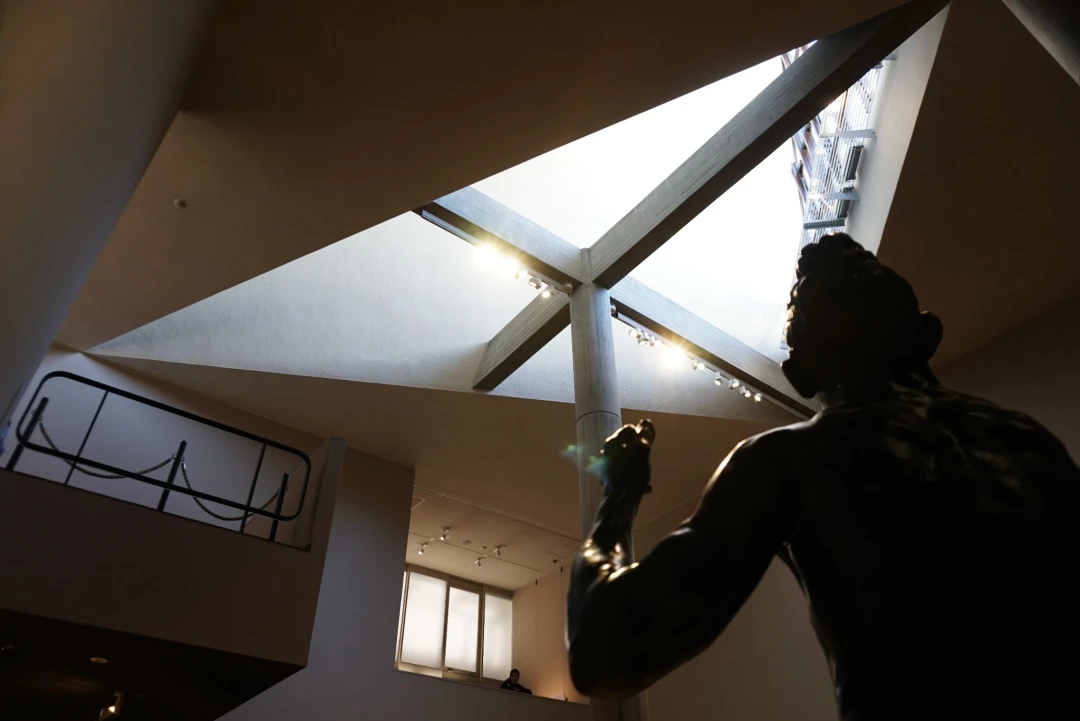
What to look for: - Pilotis design: The ground floor's independent columns lift main functions to the second floor—a classic Corbusier technique. - Triangular skylight: Natural light cascades softly into a disciplined dark cubic space at the entrance. - Double-height hall: Supported by columns, space flows freely. Don't miss the beautifully crafted scale model inside. - Ramp to second floor: The mezzanine increases exhibition area while providing ideal settings for smaller pieces. - Balconies and circular openings: On the second floor, balconies project into the hall, while circular openings let in soft, warm light.
[Link: Le Corbusier architecture in Japan]
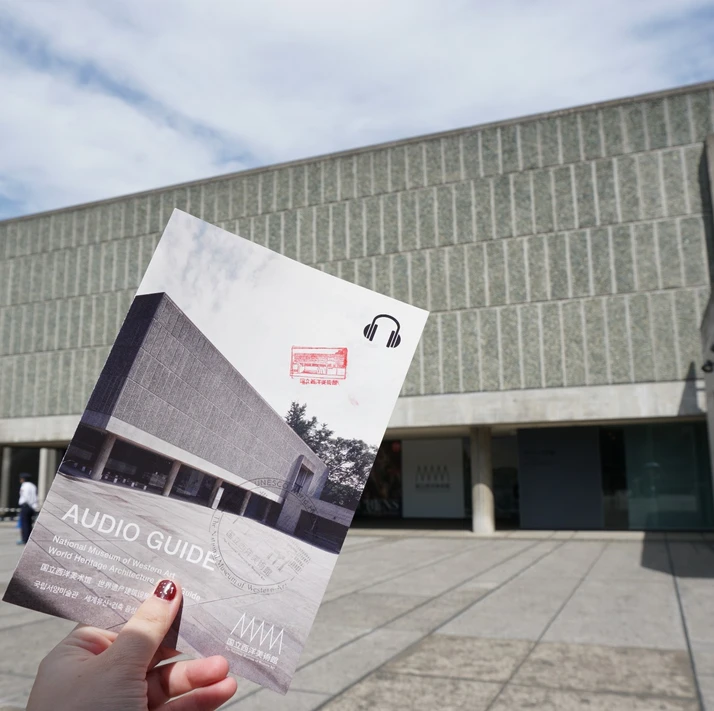
After your visit, stamp a souvenir at the ground floor and lounge on the sofas with a book—blissfully comfortable.
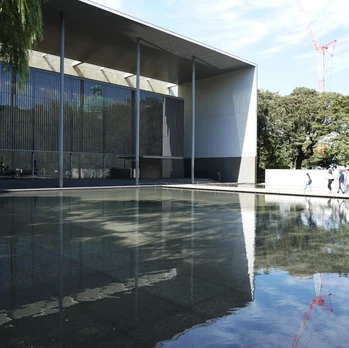
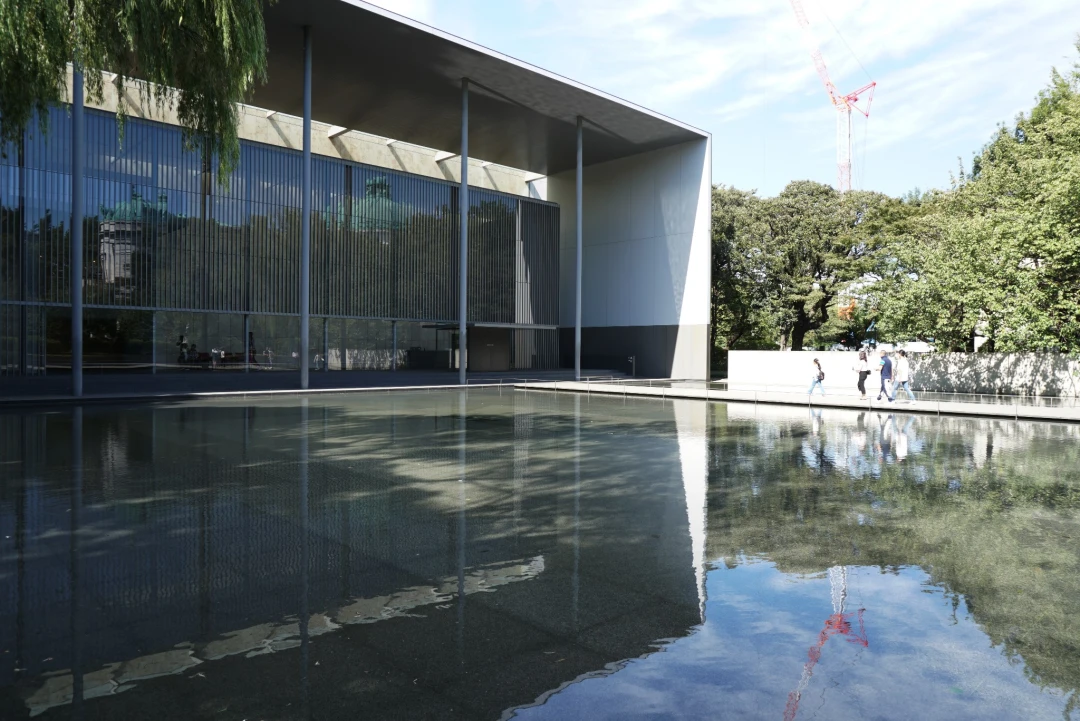
Horyuji Treasure House: Yoshio Taniguchi's Precision Aesthetic
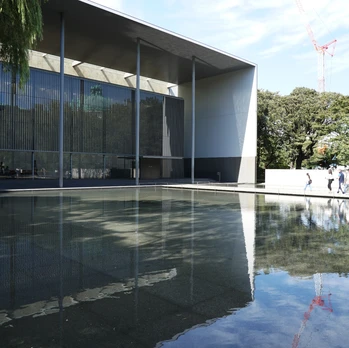
Architect: Yoshio Taniguchi
Floor Area: 4,030 m²
Completed: 1999
Ticket: 600 yen (combined with Tokyo National Museum)
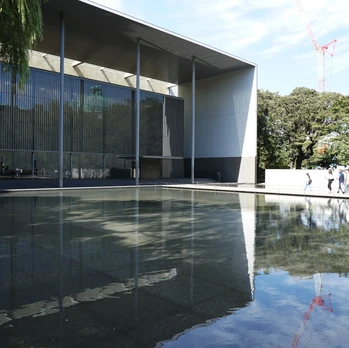
Part of the Tokyo National Museum complex, this building showcases the same meticulous precision as Taniguchi's Kyoto National Museum Heisei Chishinkan Wing. The approach is consistent: clean, grand, and impeccably detailed.
Architectural highlights: - Still water reflects the building like a framed painting. - Astonishingly slender columns make the structure feel exceptionally light. - Joint precision so extreme that even someone with OCD would find it therapeutic. - Lobby chairs perfectly aligned with wall seams—a compositional harmony that brings immense comfort.
The Treasure House houses approximately 300 artifacts from the 7th and 8th centuries, donated by Nara's Horyuji Temple in 1878. A spiral staircase connects exhibition halls, with a beautiful prayer banner hanging between floors. Inside, a small reading room offers views of greenery.
[Link: Yoshio Taniguchi museum architecture]
Tokyo Metropolitan Art Museum: Kunio Maekawa's Forest Pavilion
Architect: Kunio Maekawa
Opening Hours: 9:30 AM – 5:30 PM (until 8:00 PM Fridays during special exhibitions)
Closed: First and third Mondays of each month
Opened in 1926 and renovated in 2012, this museum reflects Maekawa's deep Le Corbusier influence. Designed when he was 70, about 60% of the building sits underground to blend into Ueno Park's forest—you can't even see the main entrance from the front gate.
What makes it special: - Brick-like appearance? Actually clad in ceramic tiles. - Second-floor model of the museum—neat and orderly. - Commercial spaces, restaurants, lounges, auditorium, and meeting rooms—functions like a small mixed-use complex. - Colorful stairwells and lounges inject vitality into orderly architecture.
Day 3: Asakusa – Tradition Meets Modernity
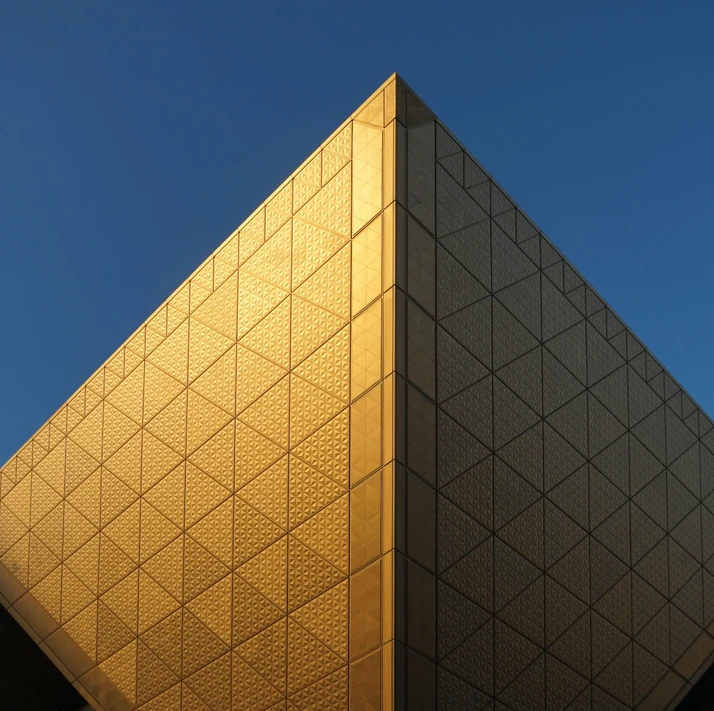
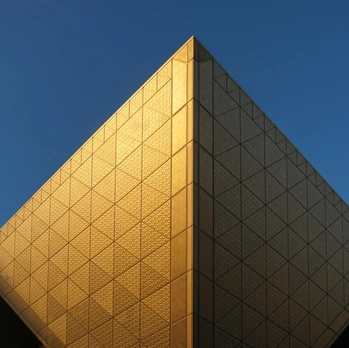
Asakusa Culture Tourist Information Center: Kengo Kuma's Vertical Stacking
Architect: Kengo Kuma and Associates
Floor Area: 2,159.52 m²
This eight-story building houses a tourist information center, meeting rooms, a multi-purpose hall, and exhibition spaces. The first and second floors are double-height, serving as the lobby. From the top floor, you can overlook all of Asakusa with Tokyo Skytree clearly visible.
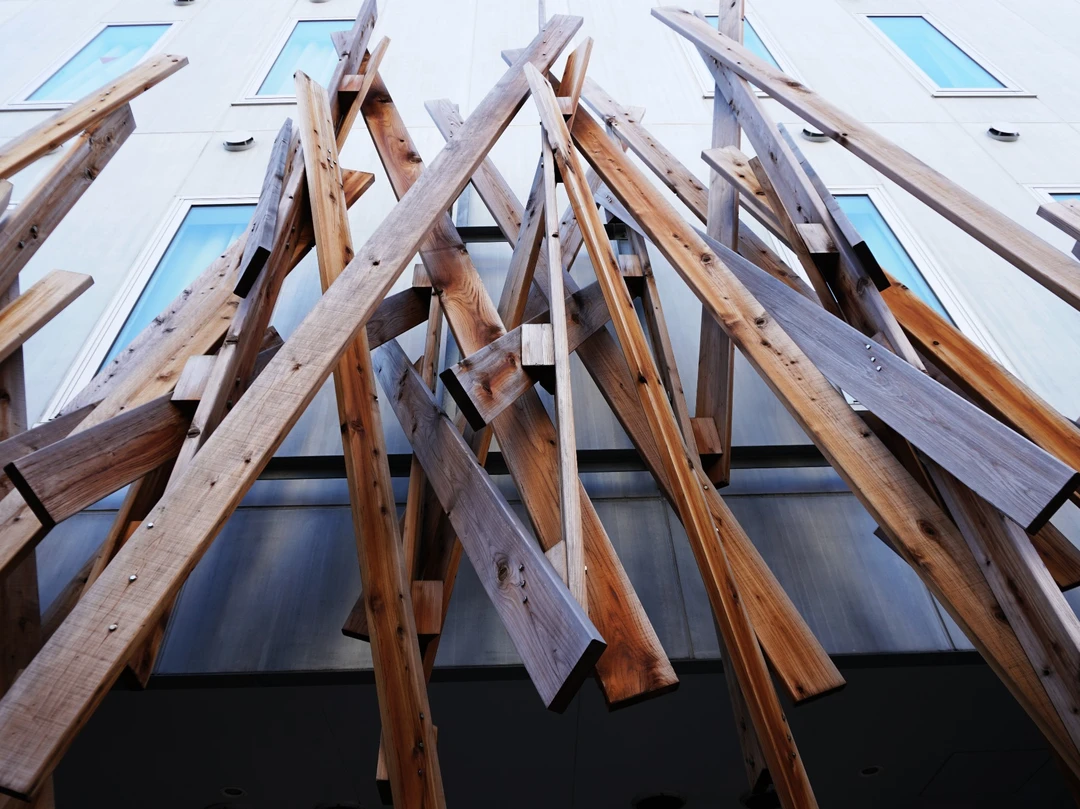
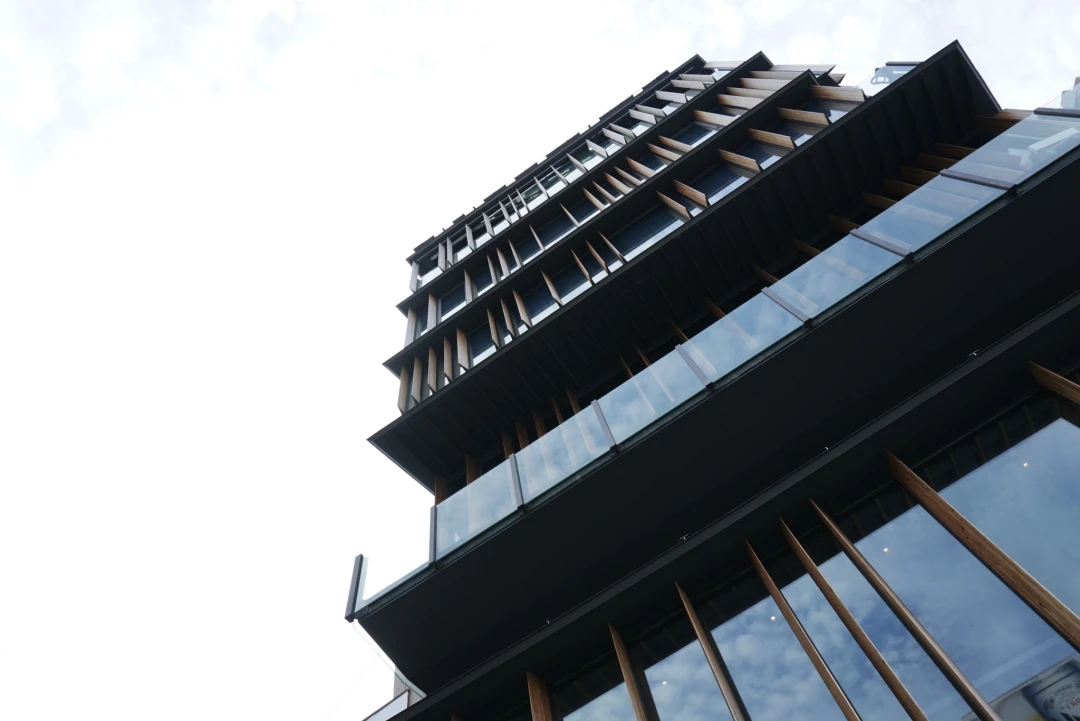
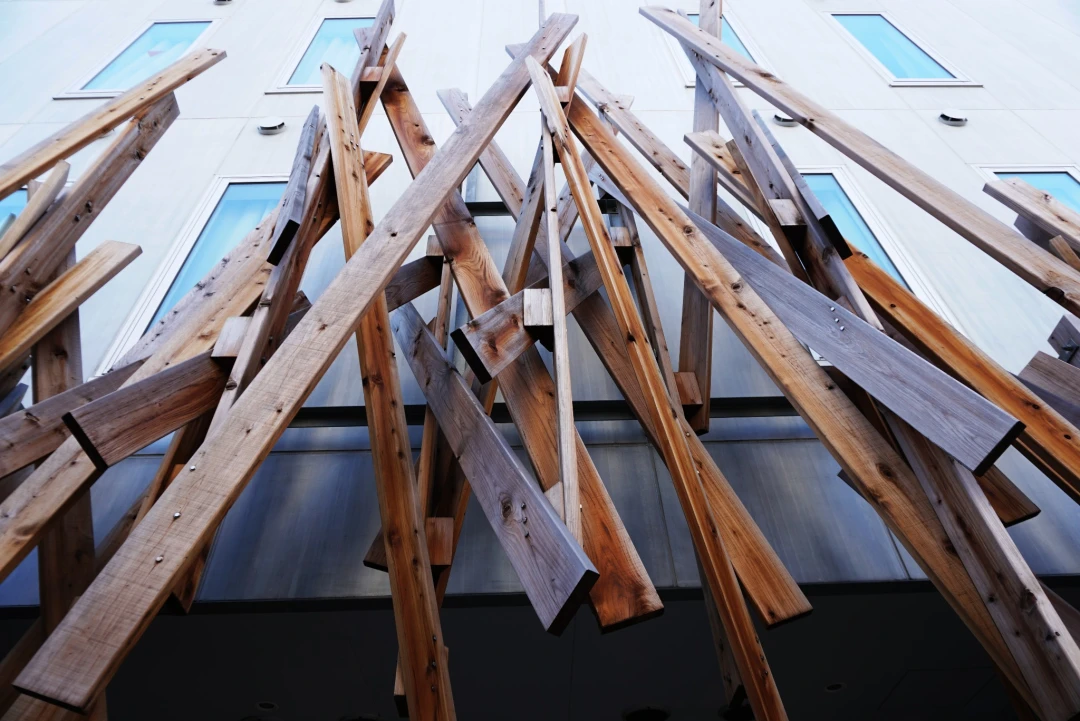
Architectural innovation: - Roofs and floors stack vertically, creating a new sectional logic that overturns traditional hierarchical relationships. - Varied diagonal spaces between roof and floor soften the building's mass. - Angled roofs create varying floor heights, each level relating differently to the outdoors. - Wooden slats on the facade drape the modern building in an ancient cloak, echoing Senso-ji Temple nearby.
[Link: Kengo Kuma architecture Tokyo]
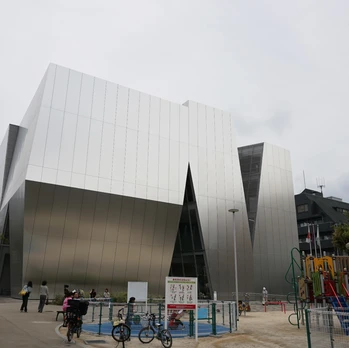
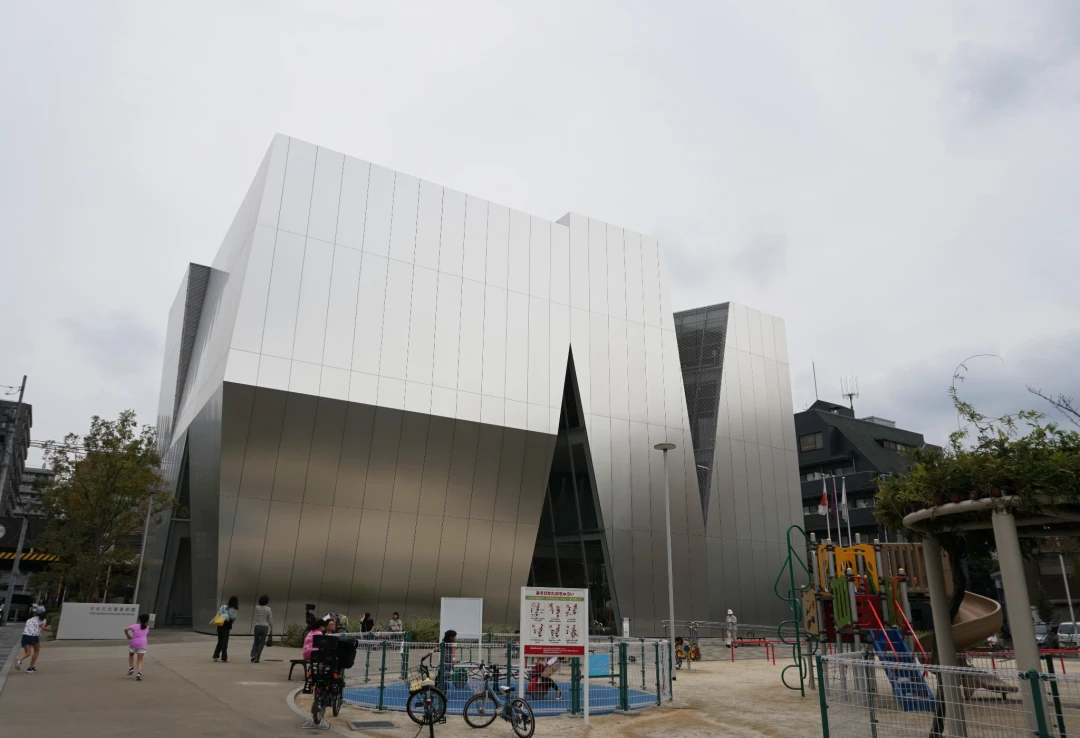
Sumida Hokusai Museum: Kazuyo Sejima's Visual Impact
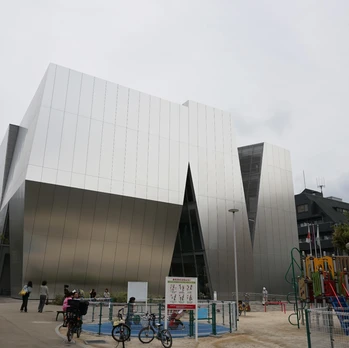
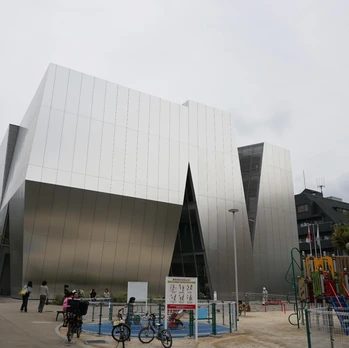
Architect: Kazuyo Sejima (SANAA)
Ticket: Permanent exhibition 400 yen; lecture room and library free
Unlike Sejima's typical lightweight, transparent style, this building delivers a powerful visual punch. Angled planes and gaps in various directions fragment the regular site, dividing functions into exhibition halls, lecture rooms, and a library. Sharp intersections between metal cladding and glass缝隙 create a sense of hardness. Under refracted natural light, the entire building gleams brilliantly.
Don't miss: - Angled entrance door sets the tone. - Second-floor exhibition halls—pure, clean space that's deeply satisfying. - Spiral staircase in the public area—exposed structure at its purest. - Impeccable construction quality throughout.
[Link: SANAA architecture Japan]
Day 4: Roppongi – Contemporary Art and Architecture
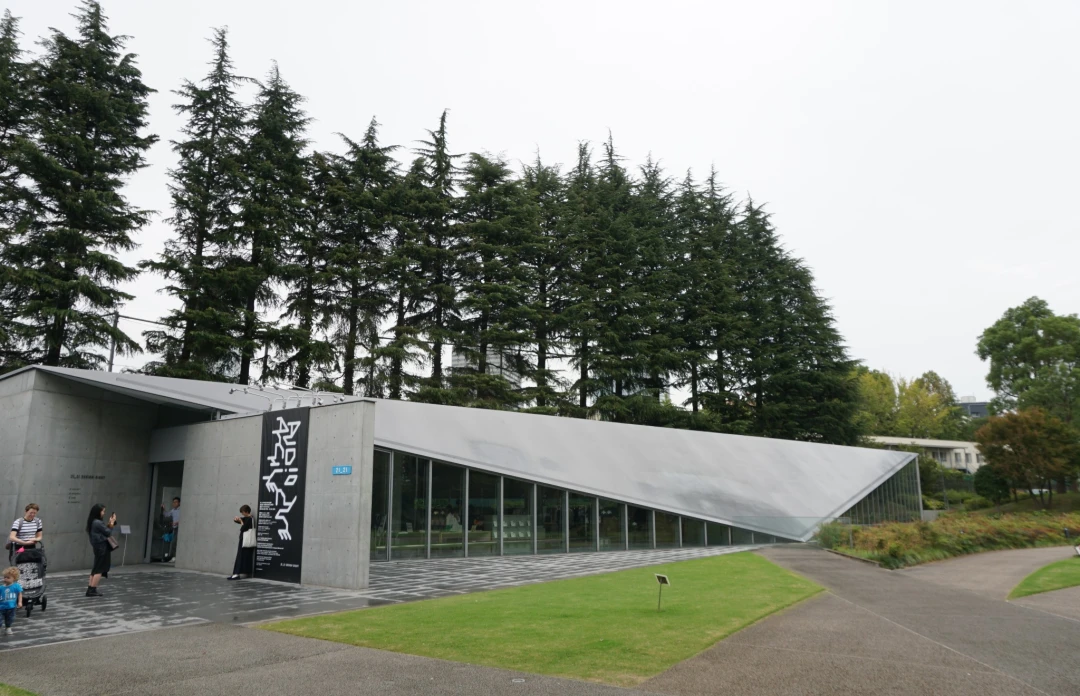
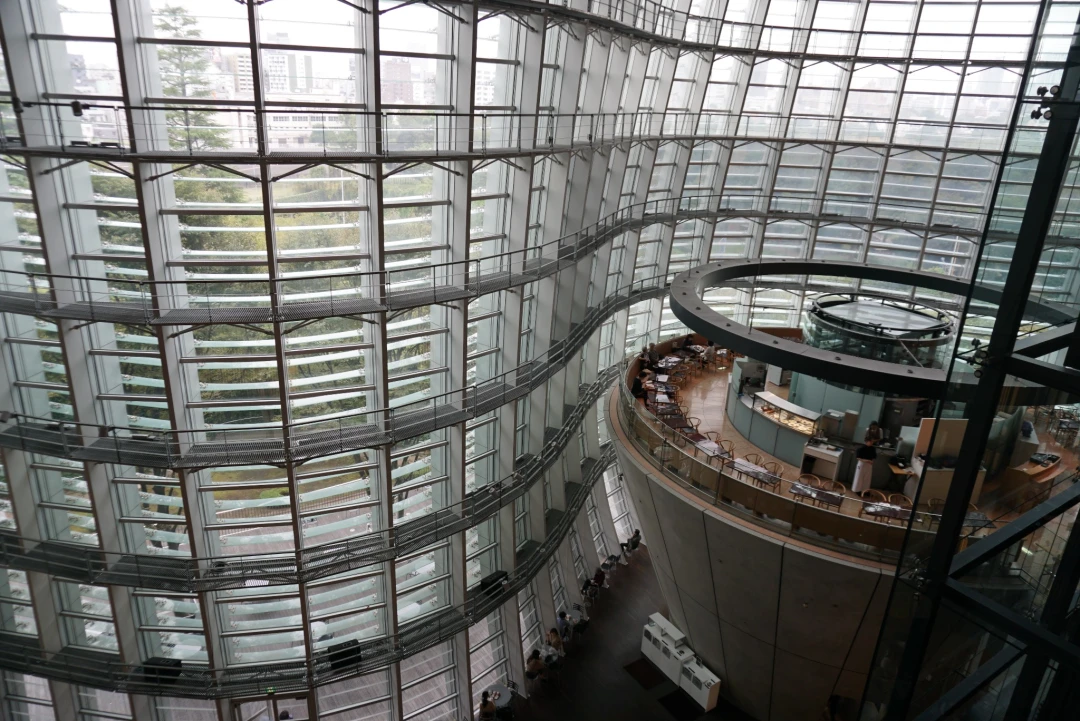
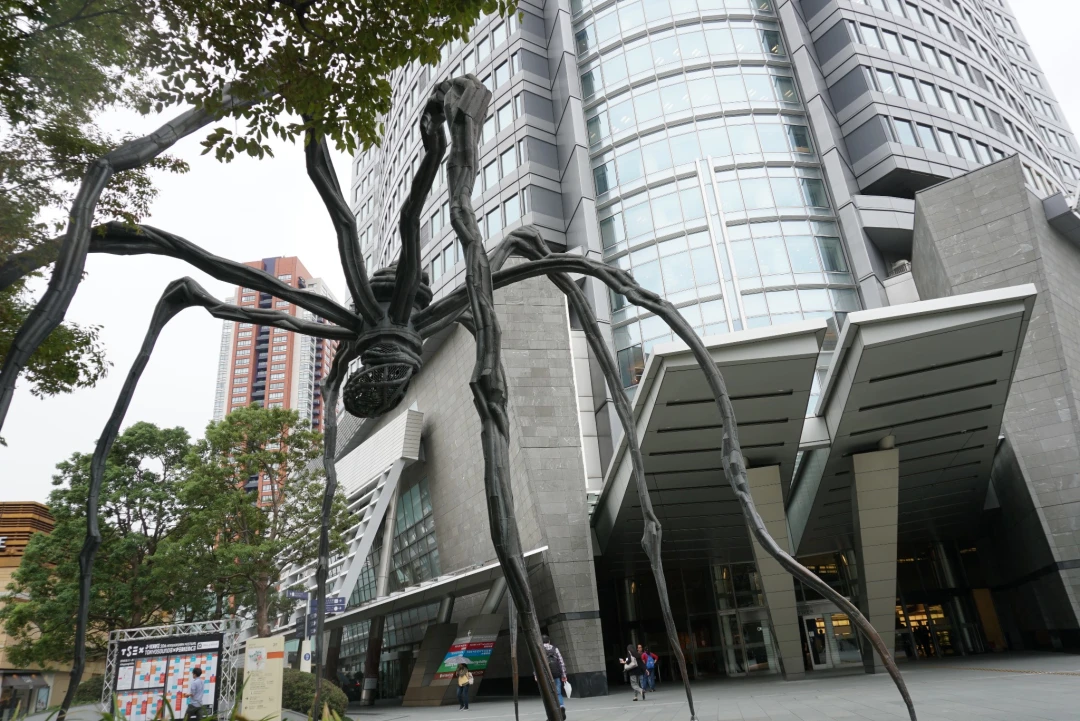
(Note: While the original source doesn't detail Roppongi extensively, this area is home to key architectural sites like Mori Art Museum, 21_21 Design Sight, and the National Art Center Tokyo—all worth exploring for architecture enthusiasts.)
Day 5: Hakone Day Trip – Nature and Design
A day trip from Tokyo, Hakone offers a refreshing contrast to urban architecture. While not detailed in the original article, it's worth noting that the area features the Hakone Open-Air Museum, with sculptures by Henry Moore and others set against Mount Fuji views.
Day 6: Omotesando – A Street of Masterworks
Omotesando is Tokyo's Champs-Élysées for architecture lovers. This tree-lined avenue features flagship stores designed by world-renowned architects:
- Prada Aoyama by Herzog & de Meuron
- Tod's Omotesando by Toyo Ito
- Dior Omotesando by SANAA
- Louis Vuitton Omotesando by Jun Aoki
Each building offers a unique interpretation of retail space, transparency, and materiality. Allow at least half a day to walk and photograph.
[Link: Omotesando architecture walking tour]
Day 7: Odaiba – Futuristic Waterfront
Odaiba offers a different architectural experience—futuristic, large-scale, and waterfront. Key sites include the Fuji Television Building by Kenzo Tange and the Tokyo Big Sight convention center. The area's artificial islands and wide boulevards create a unique urban landscape.
Day 8: Shibuya – Urban Energy and Iconic Crossings
Your final day in Tokyo ends at Shibuya, home to the famous Shibuya Crossing and the stunning Shibuya Scramble Square. The area's architectural highlights include:
- Shibuya Station redevelopment
- Shibuya Hikarie by Tokyu Corporation
- Miyashita Park by SANAA
[Link: Shibuya architecture guide]
FAQ: Tokyo Architecture Travel
1. What is the best time of year for an architecture tour in Tokyo?
 Spring (March-May) and autumn (October-November) offer mild weather and beautiful scenery. Cherry blossom season in Ueno Park is particularly stunning for the National Museum of Western Art.
2. Do I need to book tickets in advance for these architectural sites?
 For major museums like the National Museum of Western Art and Sumida Hokusai Museum, advance booking is recommended, especially during peak seasons. Smaller sites like the Horyuji Treasure House typically allow walk-in entry.
3. How long should I spend at each architectural site?
 Plan 1-2 hours per major site. The National Museum of Western Art deserves at least 90 minutes, while smaller sites like the Asakusa Culture Tourist Information Center can be explored in 30-45 minutes.
4. Is English signage available at these locations?
 Yes, most major museums and cultural facilities offer English signage and audio guides. The National Museum of Western Art provides Chinese audio guides as well.
5. Can I combine architecture tours with other activities in Tokyo?
Absolutely. Ueno Park offers museums, a zoo, and cherry blossoms. Asakusa combines Senso-ji Temple with modern architecture. Omotesando is near Harajuku and Shibuya for shopping and dining.
Conclusion: Your Architectural Pilgrimage Awaits
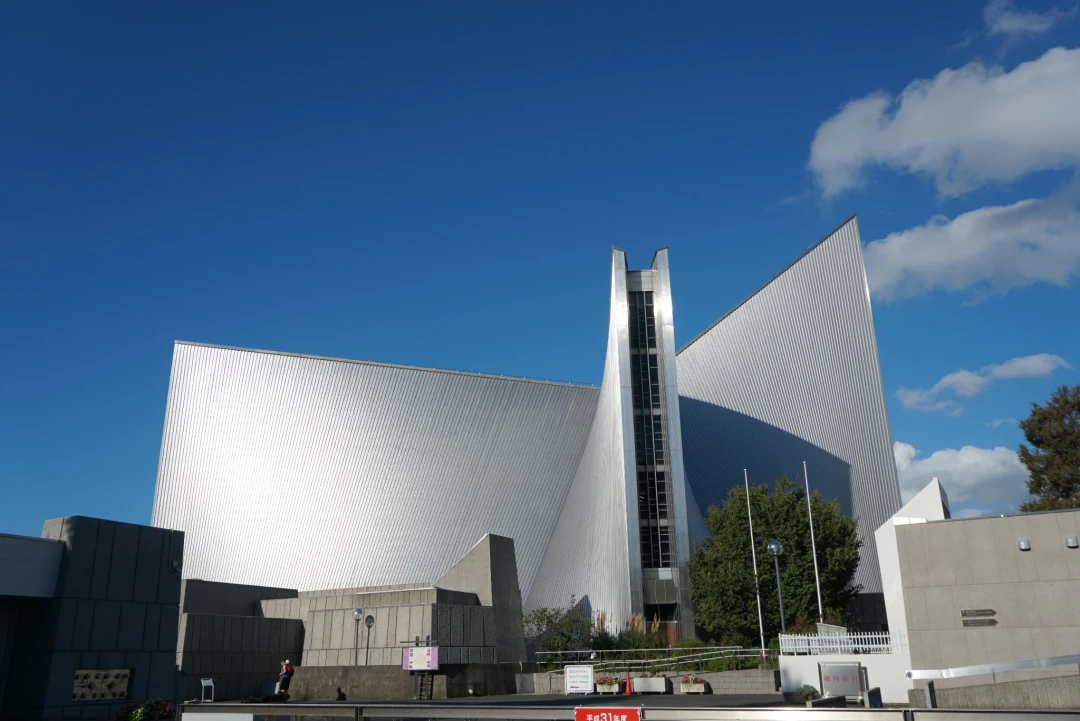
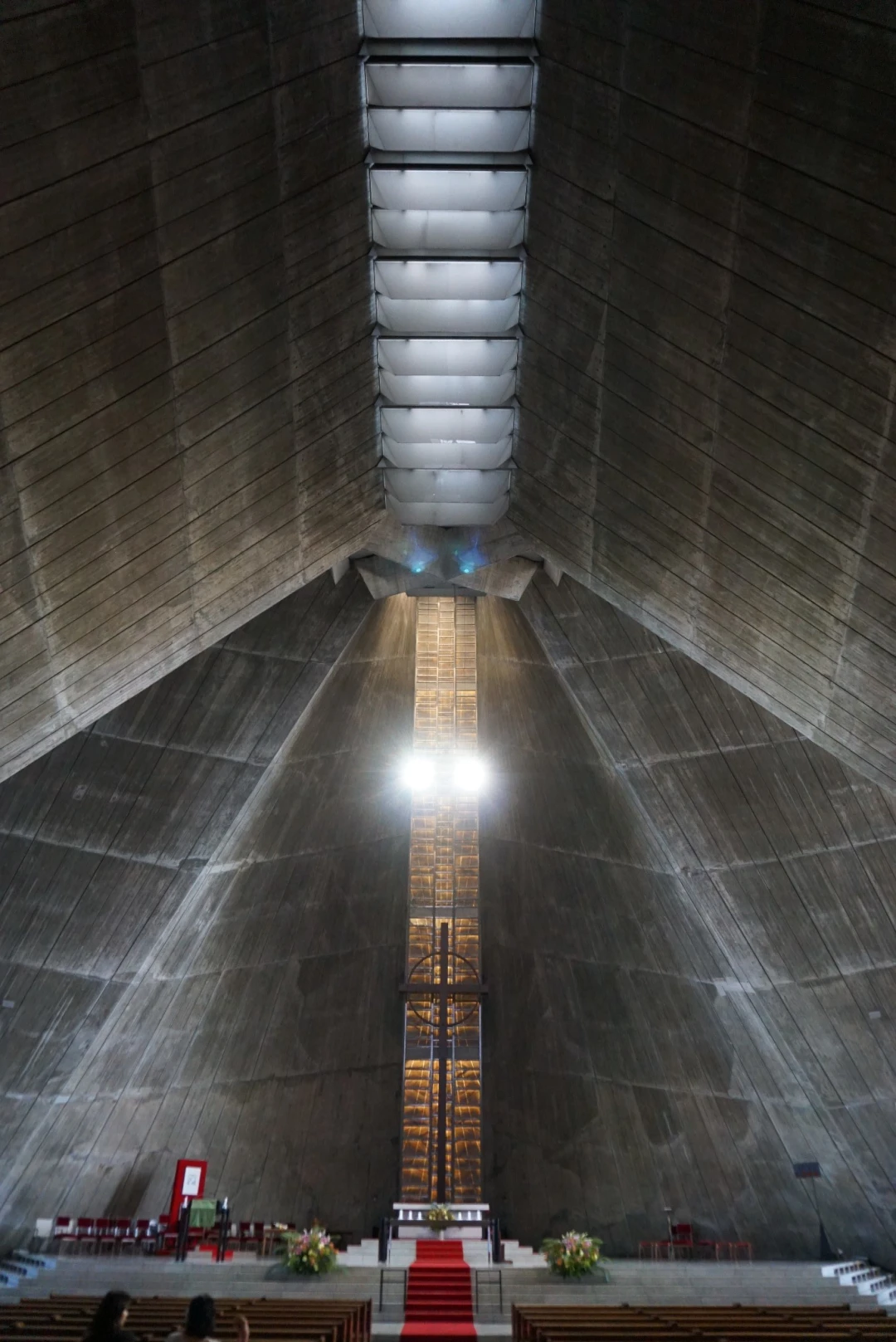
Tokyo is more than a city—it's a living museum of architectural history, from Le Corbusier's modernist principles to Kengo Kuma's innovative stacking techniques. Each building tells a story of cultural exchange, technical mastery, and artistic vision.
Whether you're an architecture student, a design professional, or simply a traveler who appreciates beautiful spaces, this Tokyo architecture guide offers a framework for your own pilgrimage. Walk the streets with a curious heart, photograph the details, and let the city's built environment stir your emotions.
Ready to plan your trip? Start with our recommended itinerary, book your flights to Narita, and prepare for eight days of architectural discovery. Don't forget comfortable walking shoes—your feet will thank you.
[Link: Tokyo travel planning resources]
[Link: Japanese architecture books and references]
Note: All factual information, including opening hours, ticket prices, and building details, is sourced from the original article and should be verified with official websites before travel.
You may also like


