【This is Western Sichuan】|An "Unserious" Road Trip: Mountains, Lakes, and the Joy of Life
Meta Description: Discover Western Sichuan's hidden gems on an "unserious" road trip from G318 to G227. Explore Gunong Village, Litang's sky-high monasteries, and Xiangcheng's secret valleys. Real travel tips for spontaneous adventurers.
Introduction: Why the Best Western Sichuan Road Trips Start with a Broken Plan
Before setting off, I spread a map across the table and traced a perfect loop with a highlighter. Every stop was timed—how long we'd stay, where to refuel, even the exact minute to catch the sunset. But the moment our tires hit the asphalt of G318, the plan unraveled like prayer flags torn by the wind—never to be pieced back together.
Because of a rainstorm, we gave up on the starry sky at Balangshengdu. Because of a rice field, we spent an extra day in Xiangcheng. Because of a gust of wind, we laughed like maniacs by the Daocheng River.
This "unserious" trip taught me one thing: the beauty of Western Sichuan is never found in guidebooks. It's found in the courage to turn onto any nameless little road whenever you feel like it. If you're planning a Western Sichuan road trip, this article will show you the unplanned magic that awaits.
Part One: Surprises and Serendipity on G318
Gunong Village—Stumbling into Paradise
"Gunong Village? Never heard of it." Before the trip, every friend I mentioned it to just shook their heads. But when I said Balangshengdu Village, their eyes lit up: "That place is incredible for sunrise and sunset!"
Yes, Balangshengdu was our original goal. We imagined ourselves on the mountaintop, gazing at snow-capped peaks, waiting for the stars, camping in perfect romance. What a beautiful picture.
Reality slapped us hard.
The guidebook said "no problem for sedans," but our SUV got completely stuck in the last stretch of mud. Light rain fell, tires spun, the car tilted—at that moment, all I could think was "survival first." As we retreated in disgrace, a Tank 300 roared past us, the driver shooting us a knowing look.
Practical Tip: The last section of road to Balangshengdu is muddy. If it's raining, don't risk it with a regular vehicle. That's not cowardice—that's clarity.
So, by accident, we stopped at Gunong Village at the foot of the mountain.
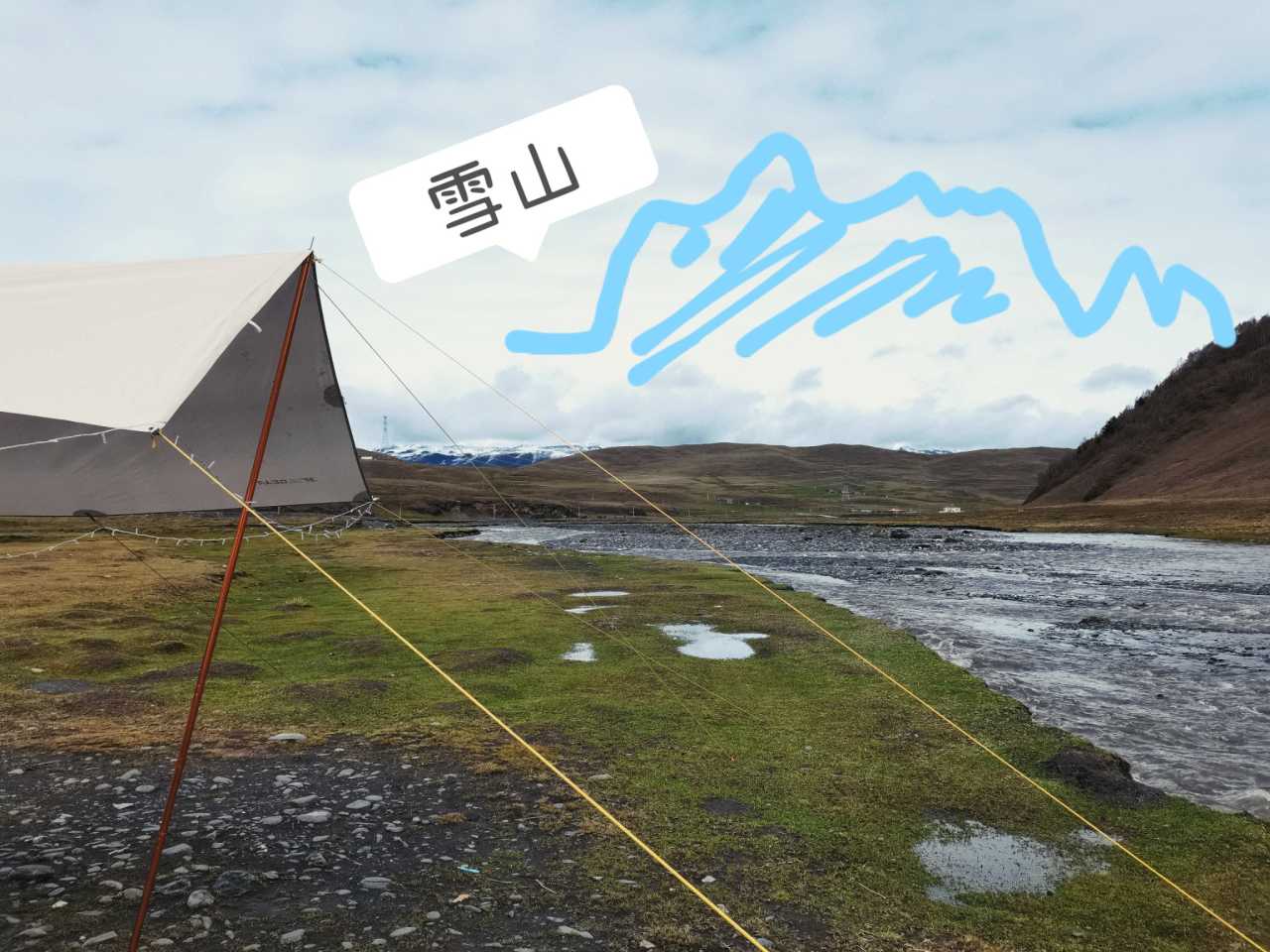
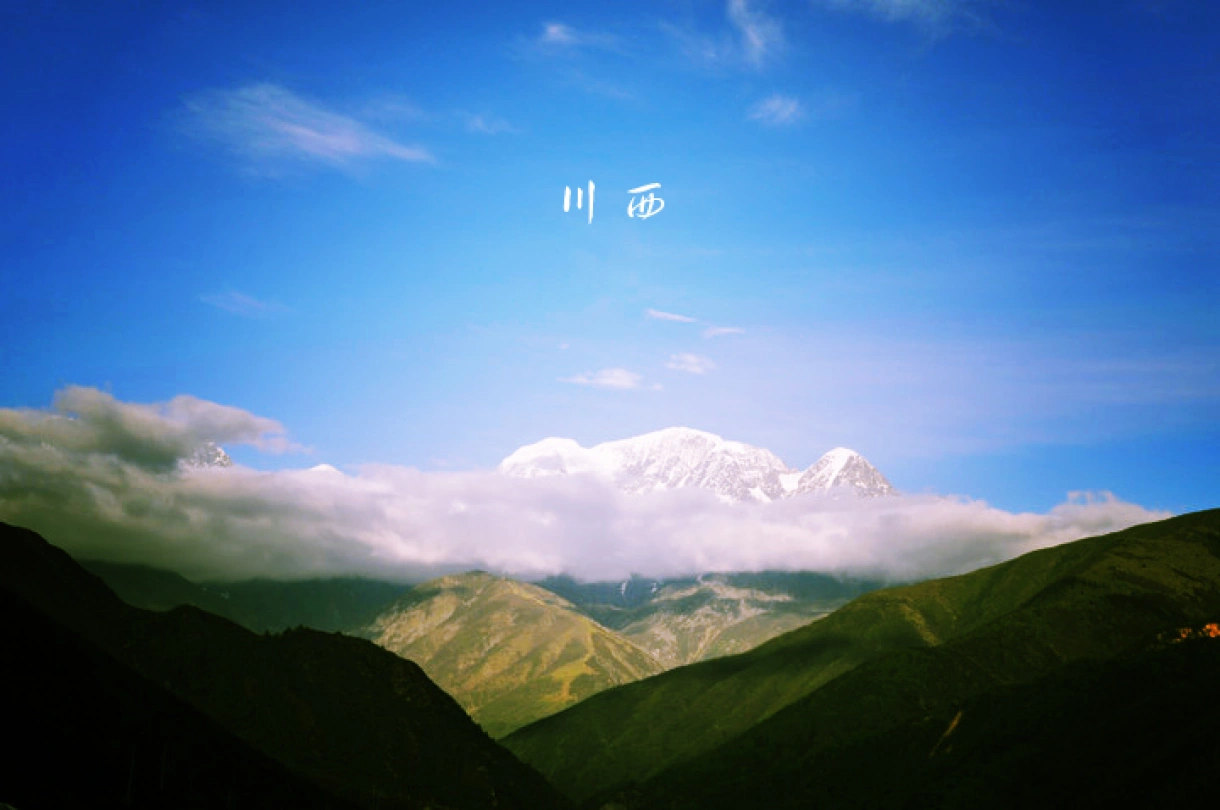
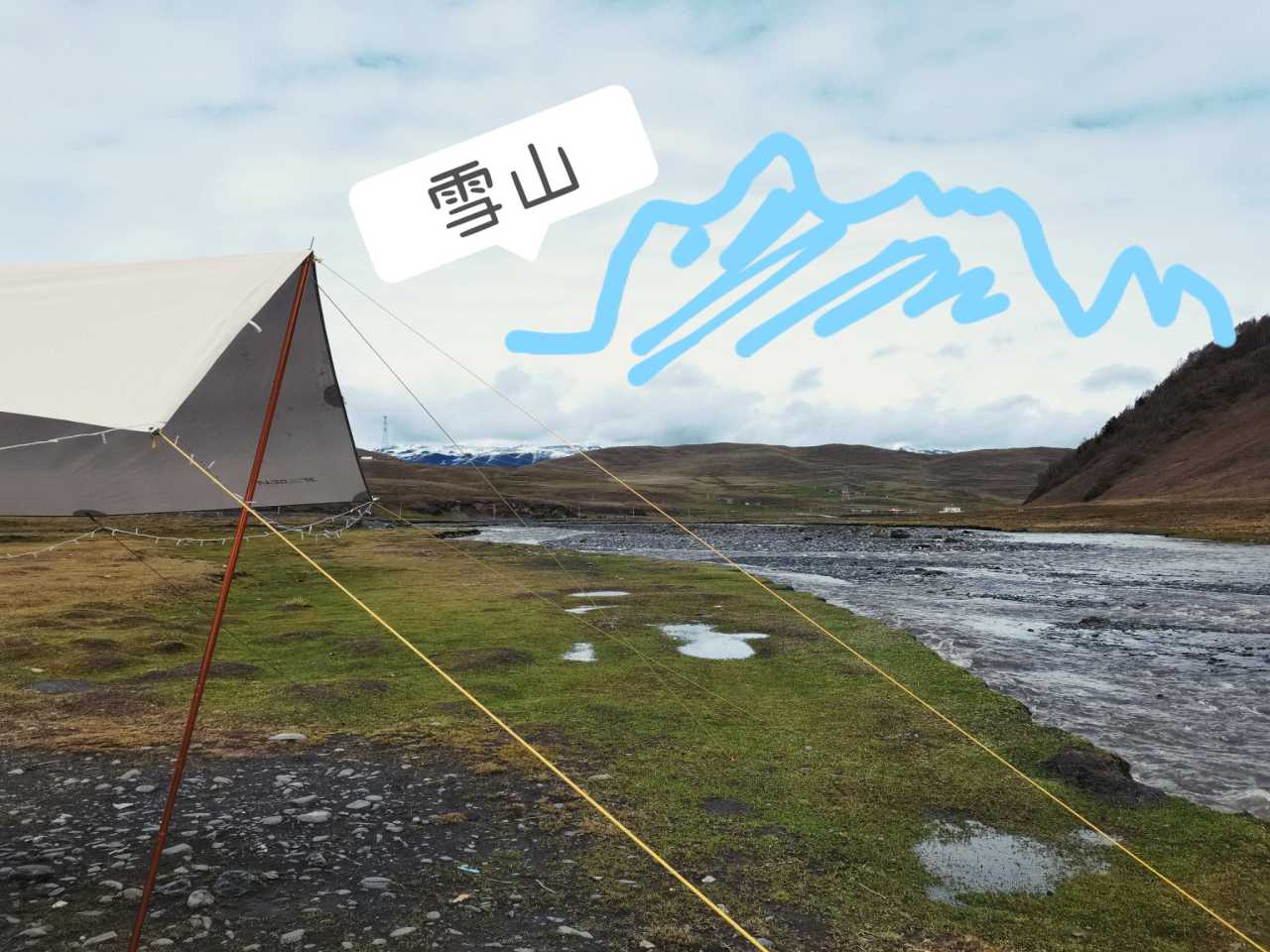
This tiny village in Tagong Township, Kangding, sits right in front of Yala Snow Mountain, making it a secret base for camping enthusiasts. From Kangding, take Provincial Road 434 for about 2.5 hours, and you'll find this hidden paradise.
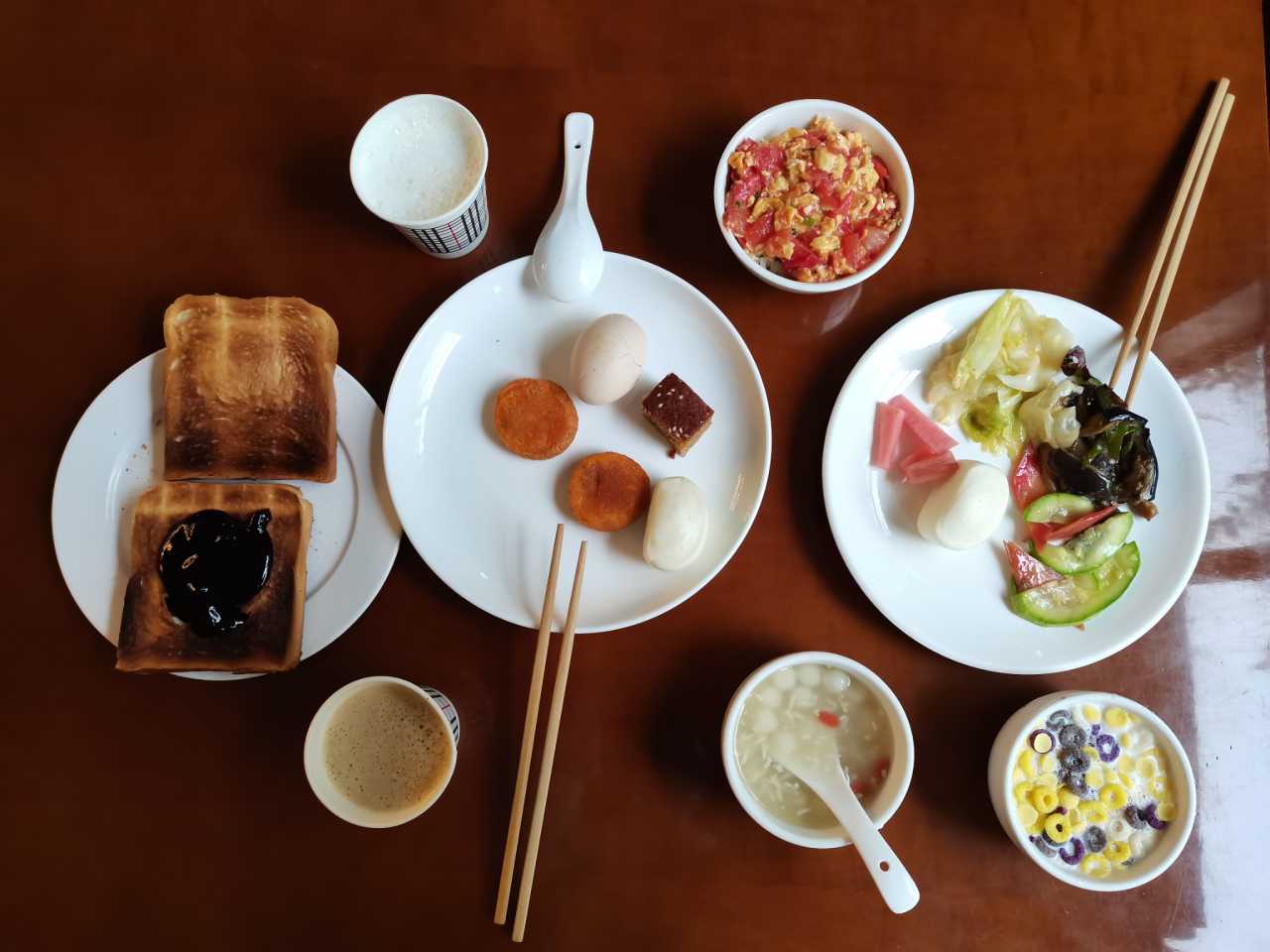
We had breakfast at the Kangding Yujing Xuelian Hotel—simple but hearty, and pet-friendly (we stay there every time we pass through)—then hit the supermarket for supplies. Cherries, bread, eggs—we forgot the butter. Later, when making sandwiches, we had to make do with the sweetness of cherries to compensate.
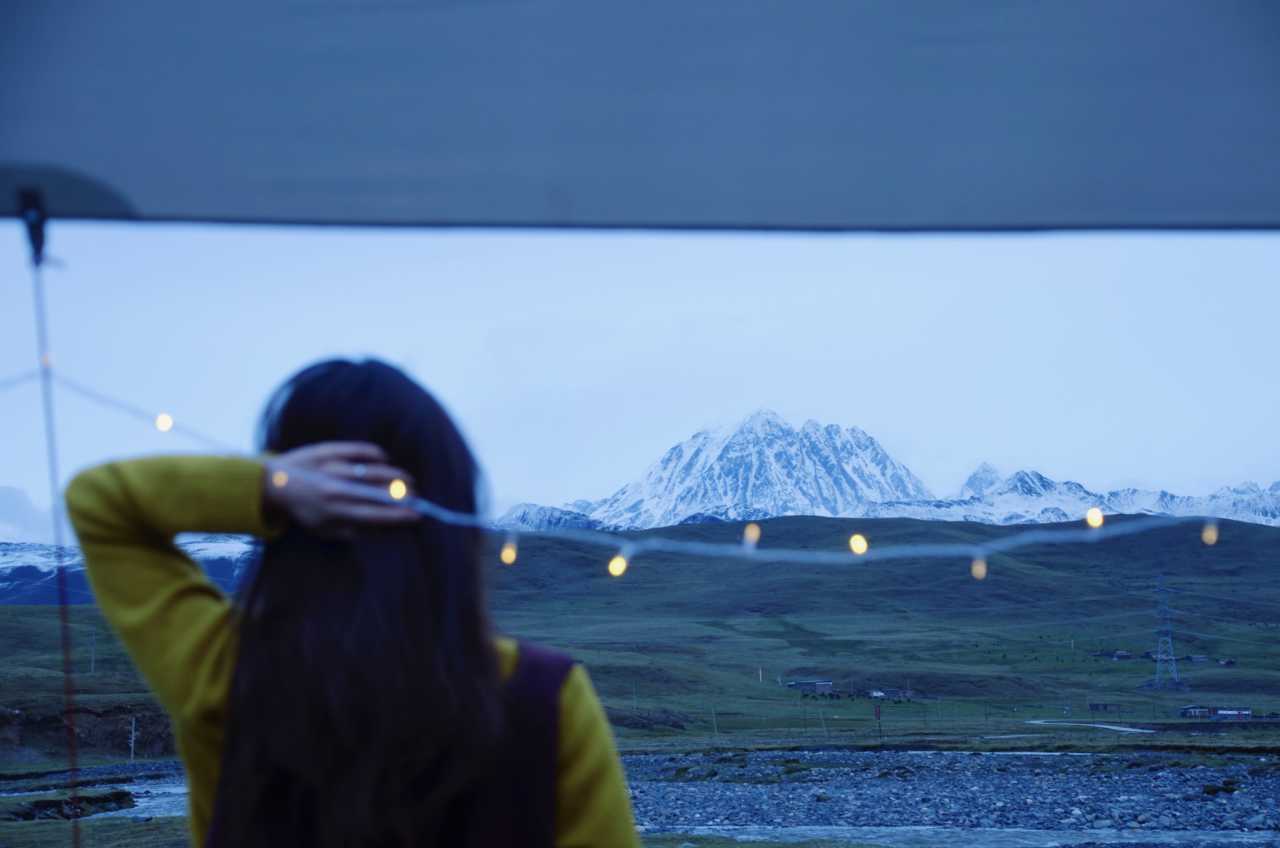
As we set up the awning, the sun unexpectedly peeked out. Yala Snow Mountain stayed hidden behind clouds, refusing to show itself, but that moment of warmth was precious enough. By four or five in the afternoon, the light began to fade, and we braced ourselves for a "camping fail." But just as dusk settled, the snow mountain suddenly pulled back its veil and revealed itself.
In that moment, the whole world fell silent—only the wind and our quickened breaths remained.
Camping Experience: Find a meadow beneath the snow mountain, pitch your tent by the river, and fall asleep to the sound of flowing water. This is what Western Sichuan camping should feel like.
The next morning was even more thrilling. When I opened the car window, the world was covered in white. Waking up to a snowstorm in early summer felt like a joke from fate—but a beautiful one.
I suddenly thought of a line from "Peach Blossom Spring": "At the end of the forest, there was a mountain... At first it was very narrow, barely wide enough for one person; after another few dozen steps, it opened into a vast expanse." At Gunong Village, we experienced a triple symphony of sunshine, rain, and snow. We didn't get perfect camping weather, but we gained something more precious—a wondrous experience of coexisting with nature.
[Link: Best camping spots in Western Sichuan]
Litang—A Few Steps to Paradise
What comes to mind when you think of Litang? The City of the Sky? Dingzhen's hometown? Or the dreaded altitude sickness?
I've been to Western Sichuan many times, but this was my first visit to Litang. On our first afternoon, a group of Tibetan children surrounded us, dragging us to take photos. Afterward, they insisted on checking the results—their professionalism rivaled any photographer's.
Litang County, in Garze Tibetan Autonomous Prefecture, lies 285 kilometers from Kangding and 654 kilometers from Chengdu. Because it's close to Daocheng, Xiangcheng, and Batang, it's often used as a stopover on the way to Tibet. But at such high altitude, it's known as "the highest place except for the snow mountains," earning it the nickname "City of the Sky."
Itinerary Suggestion: Two days and one night is enough. On the first afternoon, visit the G318 landmark at the West Gate, explore Changqing Chun'er Kesi Monastery, and head to Dongshan Peak for sunset. On the second morning, wander through Letong Ancient Town and find a café to daydream.
Changqing Chun'er Kesi Monastery (Recommendation: ★★★★)
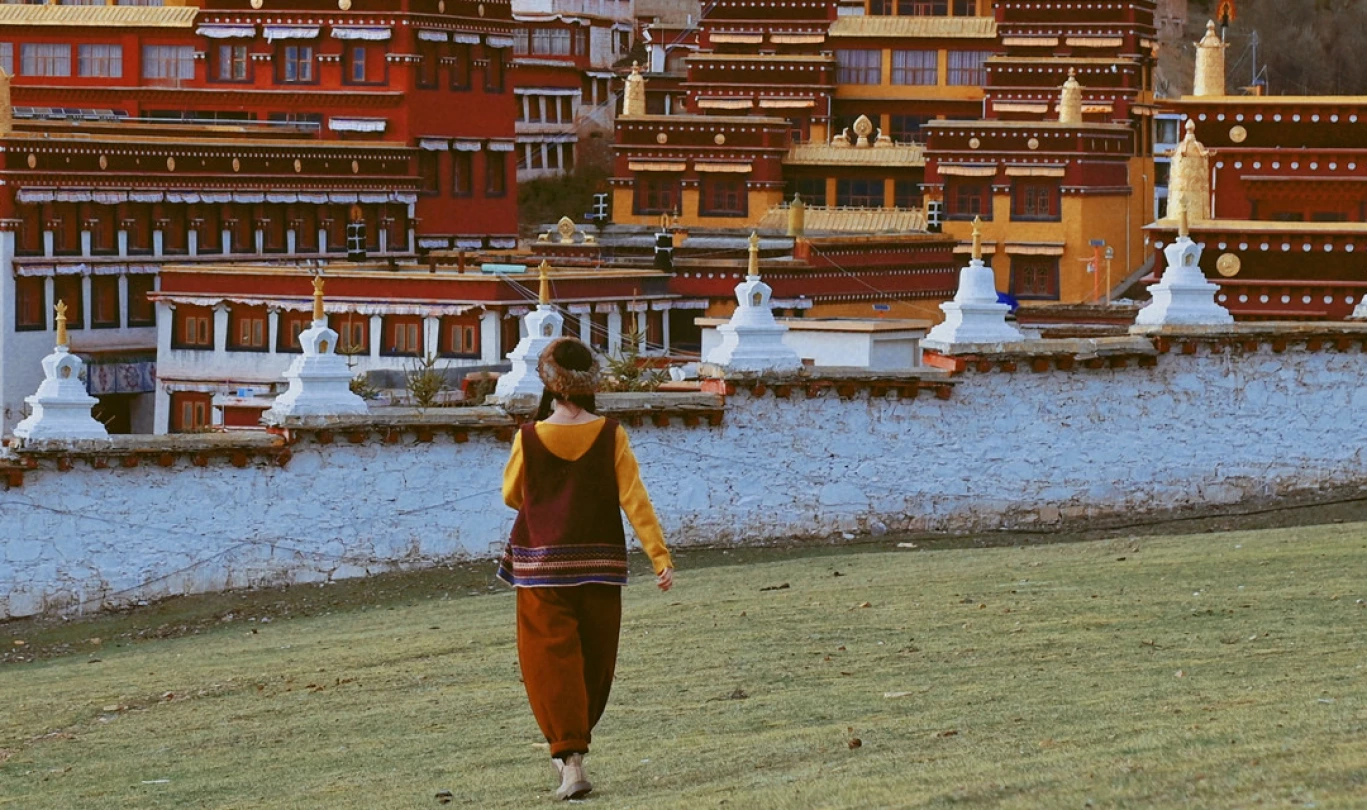
The oldest and largest Gelugpa (Yellow Hat) monastery in the Kham region. Stepping inside, the grand complex is breathtaking. Under the blue sky and white clouds, a national flag flutters above the main hall, while white walls and golden roofs gleam brilliantly.
Dongshan Peak (Recommendation: ★★★★★)
"On the eastern mountaintop, the white moon rises; the face of Majiami appears in my heart." — Tsangyang Gyatso's poem has made this place synonymous with romance.
How to Get There: Facing the main gate of Changqing Chun'er Kesi Monastery, look to the right for a hundred-meter-long white wall. Follow the wall upward for about 10 minutes, and you'll reach the prayer flags at the top. Though it's only a hundred meters, at this altitude, it'll leave you gasping for breath.
We stood at the top, buffeted by cold wind for a long time, clouds thick overhead. The sunset's glow flickered faintly—it seemed we wouldn't get a perfect sunset. But just as the light was about to disappear, the last rays spilled over Litang County, making the entire city shimmer.
Tip: The wind at the top is fierce—wear a jacket. If you can't take it, hide behind the prayer flags on the side facing the county—the wind disappears instantly. This secret spot was shared by a local child.
West Gate (Recommendation: ★★★☆)
The G318 sign on the ground has made this a viral photo spot. Traffic is heavy, but it's safe enough for photos. Come in the morning or afternoon to avoid crowds and queues.
Letong Ancient Town (Recommendation: ★★★★)
The world's only attraction themed around Tsangyang Gyatso. Rengu Ancient Street, Thousand-House Tibetan Village, the Khampa Museum—every corner is steeped in centuries of Khampa culture. Locals in Tibetan attire walk through the alleys, like a living painting.
When you visit the ancient town in the morning, don't miss "Black Yak Coffee"—it's a filming location for the show "Just Right as a Teenager."
Unnamed Viewpoint
On the road from Litang to Xiangcheng, I was so captivated by a view that I forgot to mark the spot. On one side, you can see Haizi Mountain and Xingyi Lake in the distance; on the other, Genie Mountain. A 360-degree panoramic view, with hardly anyone around. Strange, massive round boulders and unnamed lakes dot the landscape, like an alien world.
"This golden-glowing plateau, a few steps away, is paradise." Coming to Litang, I realized Tsangyang Gyatso was a realist.
[Link: Litang travel guide – things to do]
Part Two: Immersion and Healing on G227
Xiangcheng—Long Trapped in a Cage, Returning to Nature
Before the trip, my focus was entirely on Daocheng. When I accidentally searched for "Xiangcheng," I found almost no travel guides. Sandwiched between Litang and Daocheng Yading, this small town is completely overshadowed by their fame, making it remarkably low-key.
But that very low-key nature made Xiangcheng the biggest surprise of the entire trip.
Niangyong—A Hidden Valley of Mulberry Fields and Green Waters
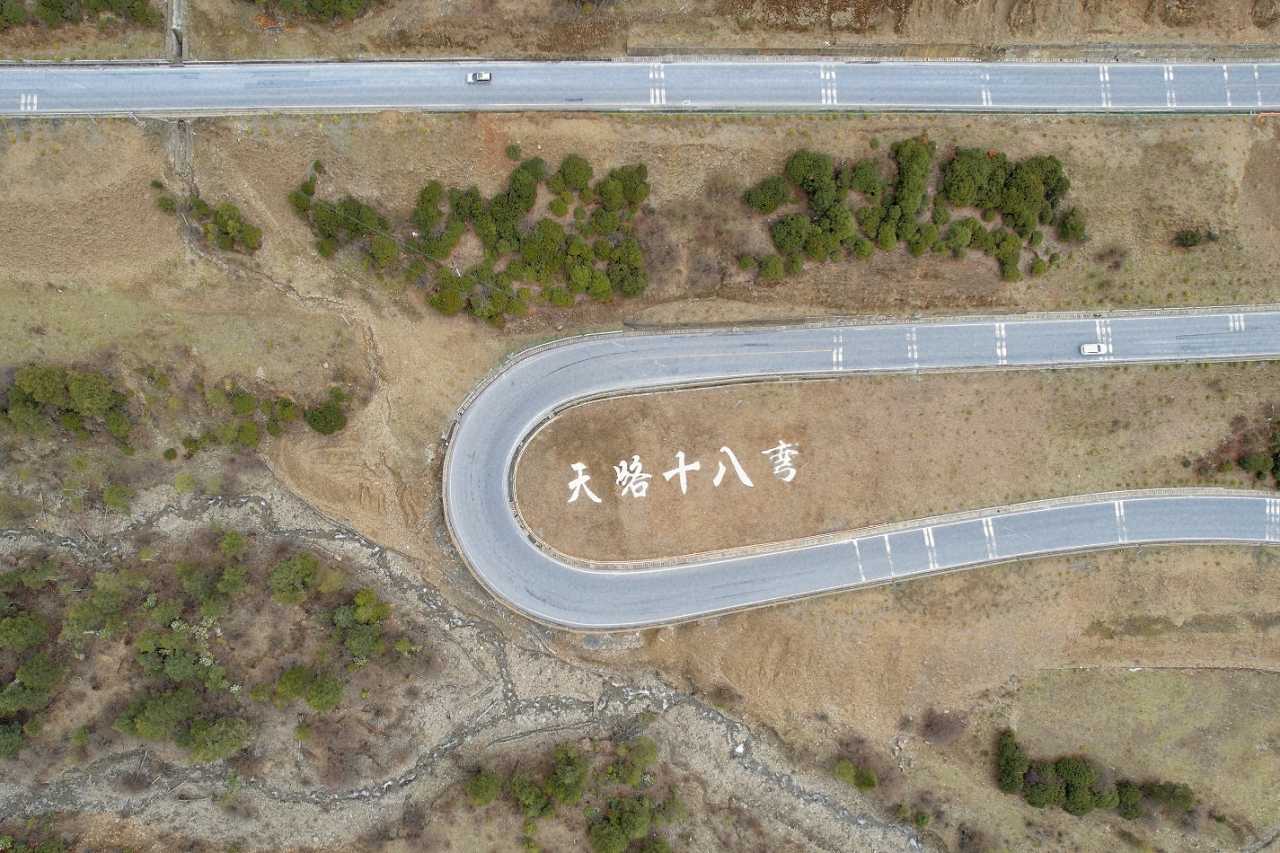
Niangyong—a place so obscure that even search engines only find "Niangyong Hydropower Station." Driving here, we were surrounded by mulberry fields, green waters, and terraced rice paddies that seemed to stretch forever. The road curved gently through the valley, each turn revealing a new vista of pastoral tranquility.
We spent an entire extra day here simply because we couldn't leave. Locals waved as we passed, children played by the stream, and the air smelled of wildflowers and damp earth. This is the kind of off-the-beaten-path Western Sichuan that no guidebook can capture.
Why Xiangcheng Works: It's a perfect base for those who want to escape crowds. The elevation is lower than Litang (around 3,000 meters), making it easier to acclimatize. Plus, it's only a 1.5-hour drive to Daocheng Yading, so you can use it as a peaceful launchpad for the main attraction.
[Link: Hidden gems in Garze Tibetan Autonomous Prefecture]
FAQ: Western Sichuan Road Trip Essentials
1. What is the best time for a Western Sichuan road trip?

The ideal season is May to October. Summer (June–August) offers green meadows and wildflowers, while autumn (September–October) brings stunning golden foliage and clear skies. Avoid winter (November–March) unless you have a 4WD and winter driving experience—many mountain passes close due to snow.
2. Do I need a 4WD vehicle for Western Sichuan roads?
Not always, but it helps. Paved roads like G318 and G227 are fine for sedans. However, side roads to villages like Gunong Village or Balangshengdu can be muddy and require high clearance. If you're planning spontaneous detours (which we recommend), rent an SUV or 4WD for peace of mind.
3. How do I handle altitude sickness in Litang and Daocheng?
Litang sits at 4,014 meters—altitude sickness is common. Tips: - Ascend gradually: spend a night in Kangding (2,600m) first - Stay hydrated, avoid alcohol, and eat light meals - Carry Diamox (acetazolamide) or local remedies like Rhodiola - If symptoms worsen, descend immediately
4. Is Xiangcheng worth visiting if I have limited time?
Absolutely—especially if you want to avoid crowds. Xiangcheng offers authentic Tibetan village life, lower elevation, and easy access to Daocheng Yading. Even one day here (with a night at a local guesthouse) will enrich your trip with genuine cultural encounters.
5. What should I pack for a Western Sichuan road trip?
- Clothing: Layers—temperatures swing wildly. A down jacket, waterproof shell, thermal base layers, and a sun hat.
- Gear: Sunscreen (SPF 50+), sunglasses, lip balm, reusable water bottle, power bank, and a first-aid kit.
- Vehicle: Tire chains (even in summer for mountain passes), extra fuel, snacks, and a paper map (GPS can fail in remote areas).
Final Thoughts: Embrace the "Unserious" Spirit
This Western Sichuan road trip taught me that the best memories aren't planned—they're stumbled upon. A stuck tire led us to Gunong Village's snowstorm sunrise. A missed sunset in Litang gave us the most intimate view of the city. An unnamed valley in Xiangcheng stole our hearts for an entire day.
So here's my advice: print a map, mark a few key spots, and then throw it away. Let the road decide. Stop for the rice field. Laugh by the river. Turn onto that nameless road.
Your Western Sichuan adventure is waiting—unserious, unscripted, and unforgettable.
Ready to plan your own Western Sichuan road trip? [Link: Complete Western Sichuan itinerary 7 days] or [Link: Best Western Sichuan camping gear checklist]
What's the most spontaneous travel decision you've ever made? Share in the comments below!
You may also like