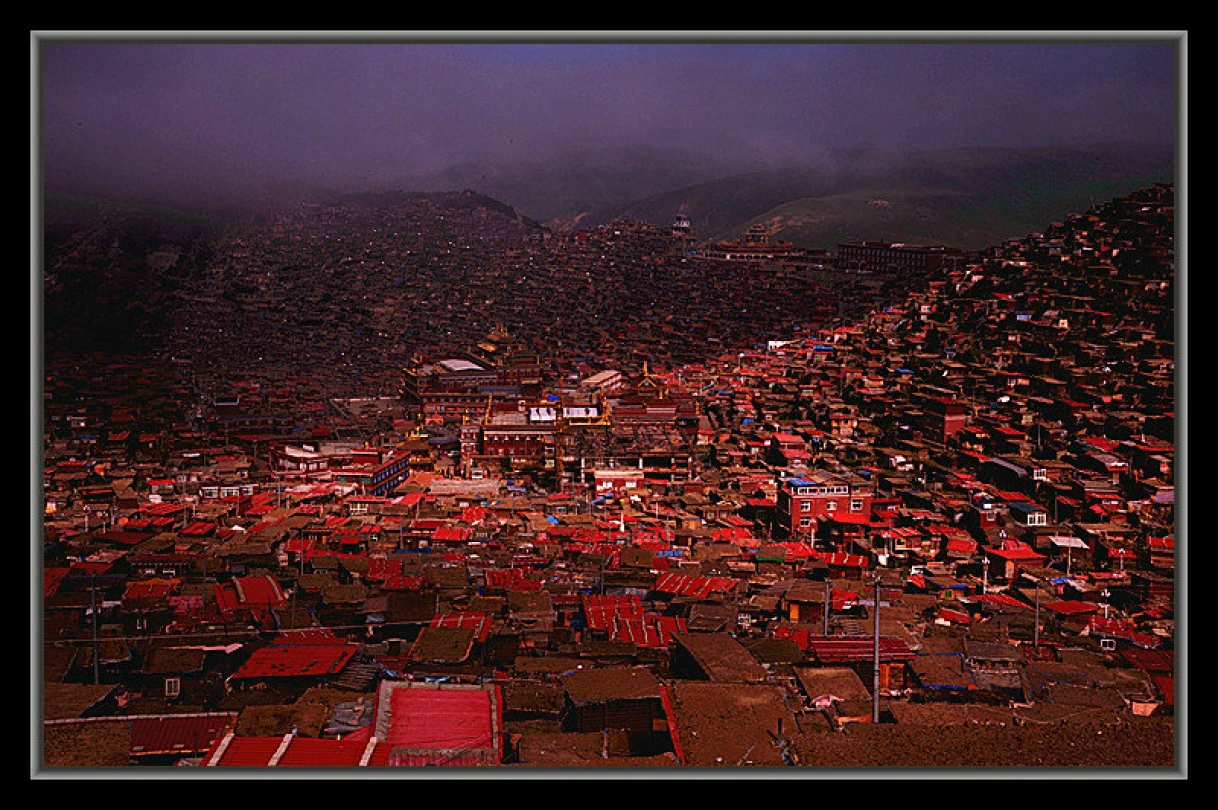
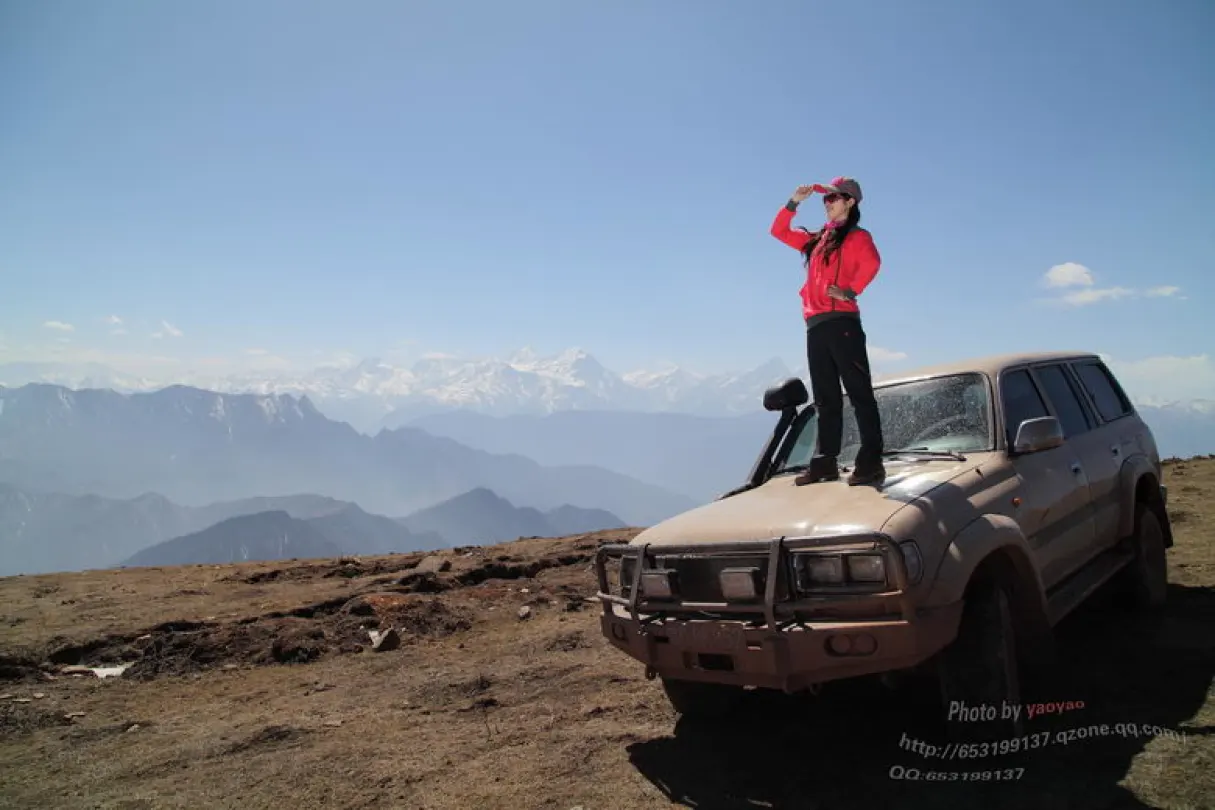
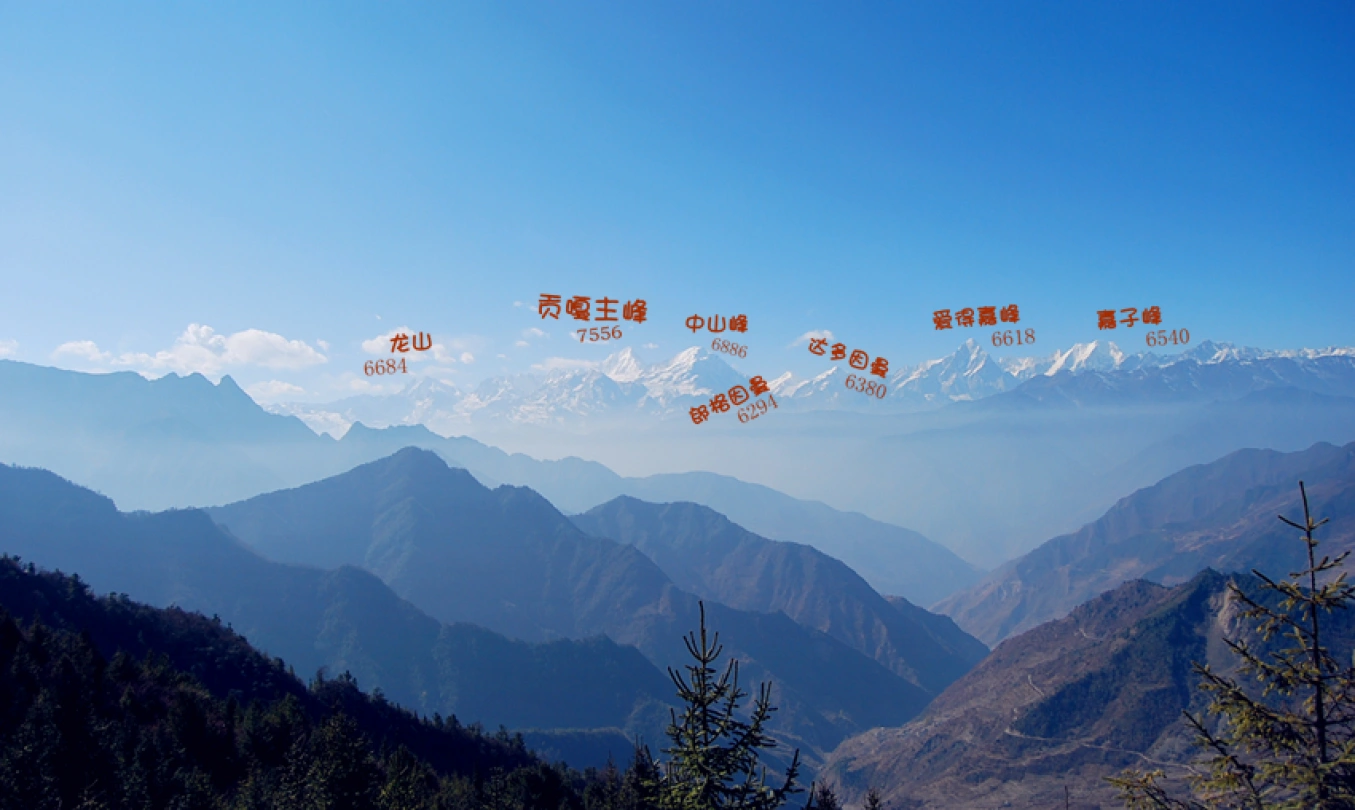
Thirty, and Heading West Sichuan: Life Is Short, So Climb a Mountain
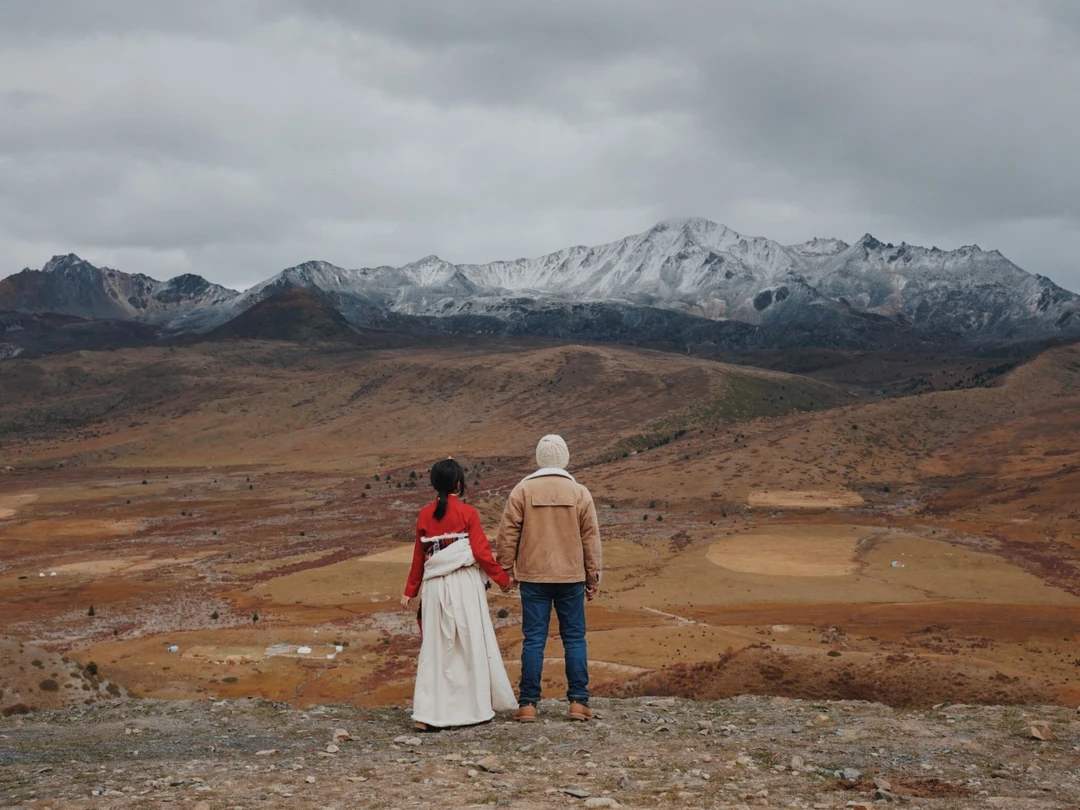
A couple's self-drive travel and photography journey spanning over 300,000 kilometers | Photography by Lao Zhao, post-production by Xiao Yan | This is our 18th year together
Meta Description
Turn 30 and conquer Western Sichuan: one couple's raw, honest self-drive journey through Aba and Ganzi. From altitude fears to bear sightings, discover why life is short—so climb a mountain. [150 chars]
Introduction: When Thirty Meets Western Sichuan
"Life is but a brief stay, just a few decades long." If fate is kind and grants me a long life, then thirty years old marks roughly one-third of that journey.
When I shared this reflection with my mom, she shot back without hesitation: "How old are you to be philosophizing about life? What am I supposed to say at my age?"
Fair point. Since it's too early for lamenting, why not go on an adventure instead?

I opened the map, and my eyes settled on a place countless road trip enthusiasts call a "must-drive in this lifetime" — Western Sichuan (Chuanxi). To be honest, Lao Zhao and I have traveled across most of China, yet we'd never truly challenged this land. The reason was simple: a childhood trip to Aba left me with deep-seated trauma from altitude sickness. That sleepless night of vomiting and agony became an invisible barrier, keeping me away from Western Sichuan all these years.
But years of fear couldn't withstand the allure of those snow-capped mountains. I thought to myself: perhaps, after thirty years of being tempered by life, I no longer fear altitude sickness. Or maybe, even if it hits me, this weathered body can handle it.
So, Lao Zhao, I'm only thirty — let's hit the road to Western Sichuan!
[Link: Best time to visit Western Sichuan for self-drive trips]
Western Sichuan Self-Drive Itinerary: Two Routes, Two Experiences

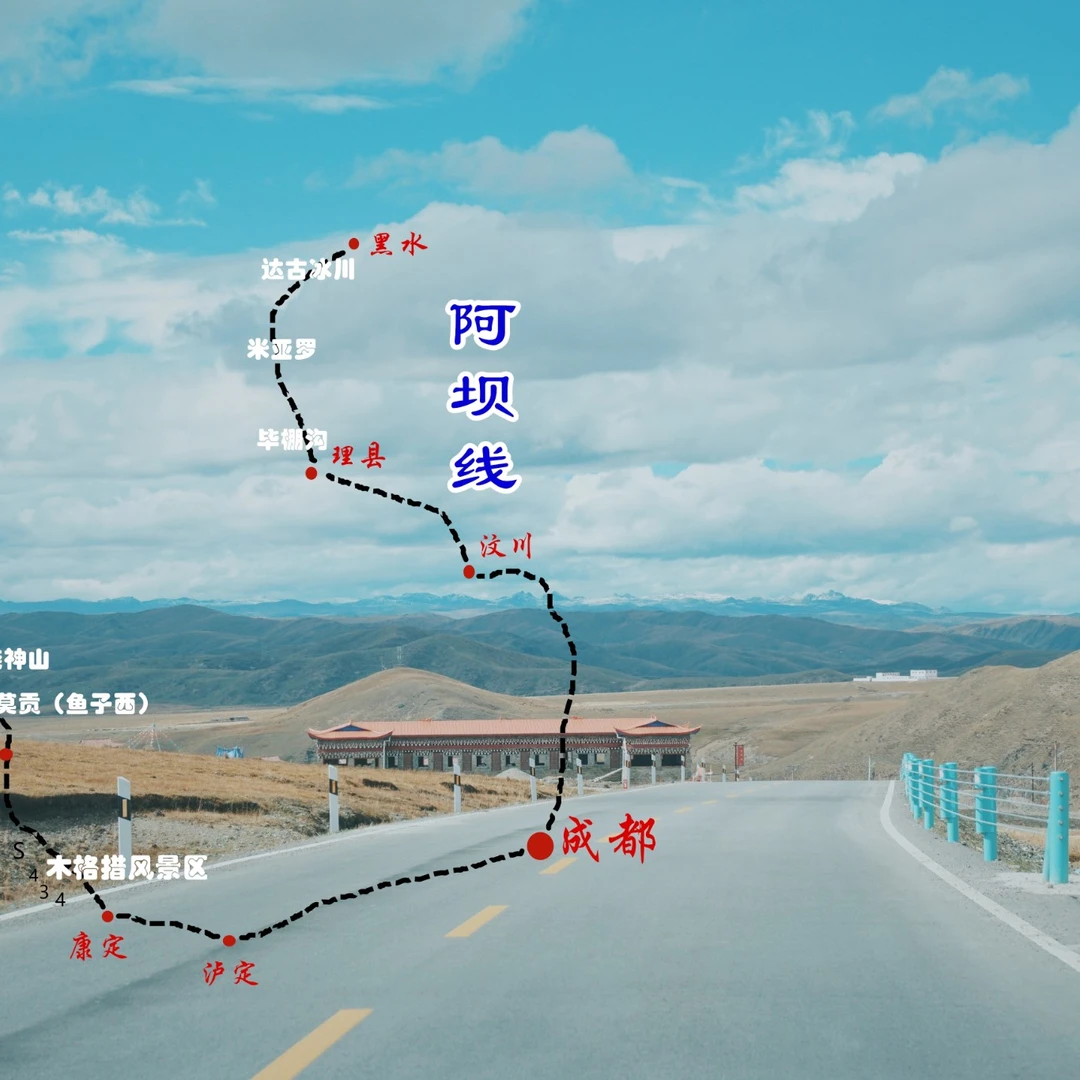
Many people take the full Western Sichuan loop, but after careful consideration, we decided to split the trip into two segments: Aba Segment and Ganzi Segment. This meant some backtracking, but it saved us from an 8-9 hour mountain drive between Dagu Glacier and Ganzi.
Ganzi Segment: The Classic G318 & S434 Experience
Route: Chengdu → Luding → Kangding (via S434 Provincial Road) → Xinduqiao → Tagong (end point, returning to Chengdu via G318)
Highlights: This route lets you experience both S434 and G318 — each offers its own scenery, and both are absolutely worth it.
- S434 Provincial Road – Less crowded, more alpine meadows and yak pastures
- G318 National Highway – The legendary Sichuan-Tibet Highway, with stunning mountain passes
[Link: Kangding travel guide – what to see and do]
Aba Segment: Thrills, Scenery & Caution
Route: Chengdu → Li County → Bipenggou → Miyaluo → Dagu Glacier → Chengdu
Note: This route inevitably involves backtracking, and road conditions are poor. Parts of G317 are downright "devilish roads" — we encountered rain, snow, hail, and mudslides. It was terrifying. Non-experienced drivers, proceed with extreme caution! That said, the scenery at Dagu Glacier more than makes up for the bumpy ride.
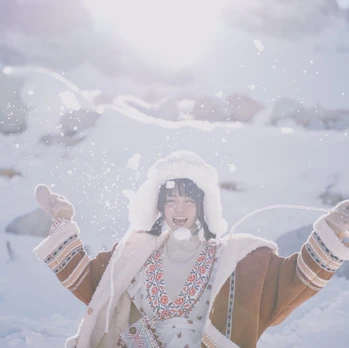
Key considerations for the Aba route: - Road surface: Potholed, rough, some sections half-destroyed by falling rocks - Warning signs: "Drive with Caution" appeared frequently - Weather: Expect rain, snow, hail, and potential mudslides - Best for: Experienced drivers only
Even with the routes set, the road ahead remained full of unknowns. The mystery of Western Sichuan left me both excited and anxious — especially about altitude sickness, which I'd imagined in countless scenarios. Honestly, it had been a long time since I felt this eager about a journey. Perhaps that's the magic of Western Sichuan, and the magic of the unknown.
I've never feared the unknown, but Lao Zhao is the opposite. He always anticipates potential problems, while I only look forward to unexpected surprises. He often says this is the difference between Type A and Type B blood — Type A is practical, Type B is romantic. But I think the courage not to fear the unknown comes entirely from him. With someone I love by my side, what is there to worry about? Ha, in the end, that's still romance.
[Link: How to prepare for a Western Sichuan road trip]
Aba Segment: A Journey of Thrills and Surprises
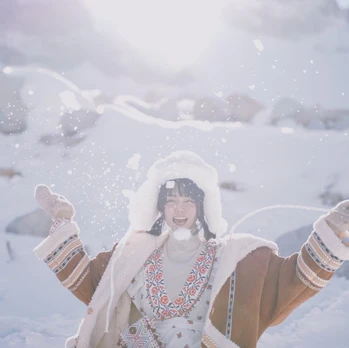
Haunted by the Name "Wenchuan"
For our generation, the name "Wenchuan" carries an indelible memory. When planning the Aba route, seeing that we'd pass through Wenchuan stirred a flicker of unease. But Lao Zhao and I silently avoided mentioning it — perhaps to spare each other worry, or perhaps in self-reassurance.
Yet when we saw houses nestled deep in the mountains and the shocking scars of mudslides along the roadside, we fell silent. Those TV news images from that year came flooding back. The people living in these mountains indeed face hardships unimaginable to most.
Although roads are now open and tourism has boosted development, many sections of the Aba route remain potholed and rough, some even half-destroyed by falling rocks. Warning signs reading "Drive with Caution" kept us on edge from the start. Looking back, this was probably the trip where Lao Zhao and I said "be careful" the most.
Bipenggou: We "Met a Bear" in Dense Fog
Everyone else's photos of Bipenggou are stunningly beautiful. But on the day we visited, we were "lucky" enough to encounter thick fog. Don't be shocked by the photos below — this really is the Bipenggou you've seen in others' pictures, just in its "bare-faced" moment.
Lao Zhao lamented that this was the "Waterloo" of his wife-photography career — I looked greasy and disheveled in the fog. We debated for a long time whether to share these photos, but eventually decided to post them. After all, this experience was both terrifying and endearing.
At thirty, my greatest growth has been learning self-acceptance. I allow the journey to be imperfect, I allow photos not to compete for beauty, but to capture reality. Perhaps the most genuine, unforgettable memories — even if not pretty, even if a little awkward — as long as they make us smile when we recall them, will surely move others too.
Everyone else competes for the most beautiful Bipenggou; our family competes for the most miserable Bipenggou!
After entering the scenic area, we transferred to an eco-friendly bus, then bought tickets for an electric cart to reach the highest point. The cart fees weren't included in the entrance ticket — and while it wasn't mandatory to ride, walking would have been brutal. So we gave in, bought two cart tickets, rode to the top, and planned to walk down.
From every angle, the distant snow-capped mountains and colorful forests were hidden in the thick fog. The sky was a dull white, like worries shrouding the mind that refused to disperse.
I felt frustrated and deflated — hours of driving and a specially booked nearby accommodation seemed wasted. Just then, Lao Zhao comforted me: "No worries! No matter how bad the weather, I can still make you look like a flower!" (He didn't actually pull it off, but my mood did improve significantly.)
We pulled ourselves together and started walking downhill. The reflections by the lake were decent, though the mist made them imperfect. We could still catch traces of snow-capped mountains on the horizon, hinting at where they lay hidden.
As we walked, we tried to wave down downhill electric carts, but every one was packed. Dusk was approaching, and everyone was rushing to get down before closing time. Resigned, we continued on foot.
Luckily, because we walked, we stumbled upon the red rocks. I showed off my limited knowledge to Lao Zhao: "The red color comes from a type of moss that only grows in high-altitude, clean-air regions." He gave me an admiring look, and I quickly changed the subject, afraid he'd ask more questions — because that's all I knew.
Passing the famous "Three Trees" marked the beginning of our terrifying experience. These trees were once an important landmark for hunters heading to Mount Siguniang. The signboard introduced the history of the "Three Trees" and also mentioned that black bears in Bipenggou live above 3,400 meters. Lao Zhao and I read this and simultaneously wondered: What altitude are we at now? We checked — 3,400 meters!
My heart skipped a beat: Wait, we're at the same altitude as black bears?!
Just then, eagle-eyed Lao Zhao suddenly grabbed my wrist and whispered shakily, "A bear, there really is a bear! But don't scream." Before he finished, I let out an instinctive shriek, cold sweat pouring down, legs feeling like lead. So this is what it's like to be frozen with fear — you really can't run. I'll never mock why Japanese horror movie characters just stand there with their mouths open when they see Sadako.
The next second, Lao Zhao's grip loosened: "Ah... it's just a yak."
[Link: Bipenggou travel tips – when to go, what to pack]
Dagu Glacier: Worth Every Bumpy Kilometer
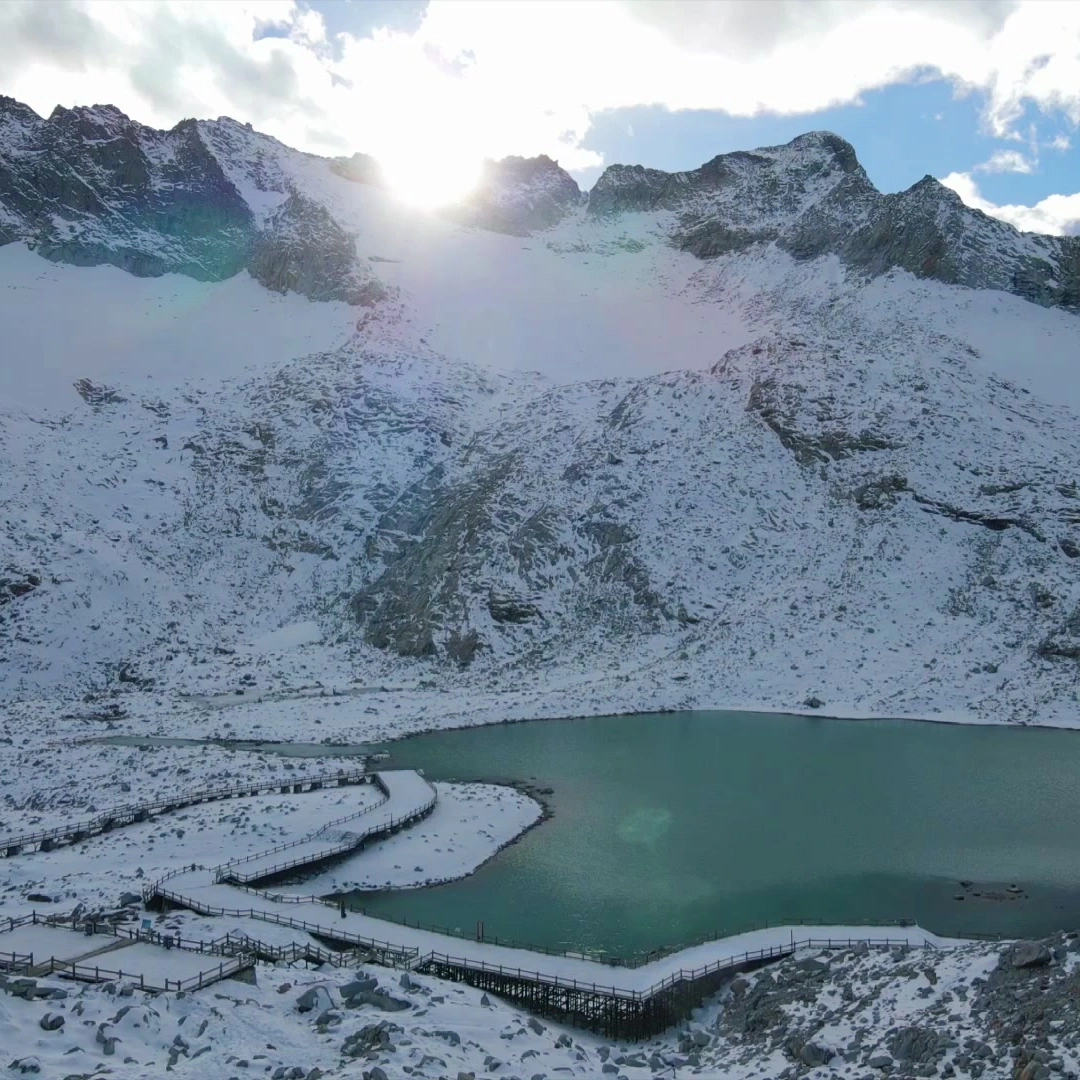
Despite the terrifying road conditions on G317, Dagu Glacier was the crown jewel of our Aba segment. The scenery at Dagu Glacier more than makes up for the bumpy ride. Snow-capped peaks, pristine glaciers, and the feeling of standing at the edge of the world — it's an experience that words and photos struggle to capture.

Why Dagu Glacier should be on your Western Sichuan itinerary: - One of the most accessible glaciers in China - Stunning contrast between black rock and white ice - Panoramic views of surrounding snow peaks - Less crowded than some other glacier destinations
[Link: Dagu Glacier travel guide – tickets, altitude, tips]
Western Sichuan Altitude Sickness: What We Learned
For anyone considering a Western Sichuan self-drive trip, altitude sickness is a real concern. Here's what we experienced and what we recommend:
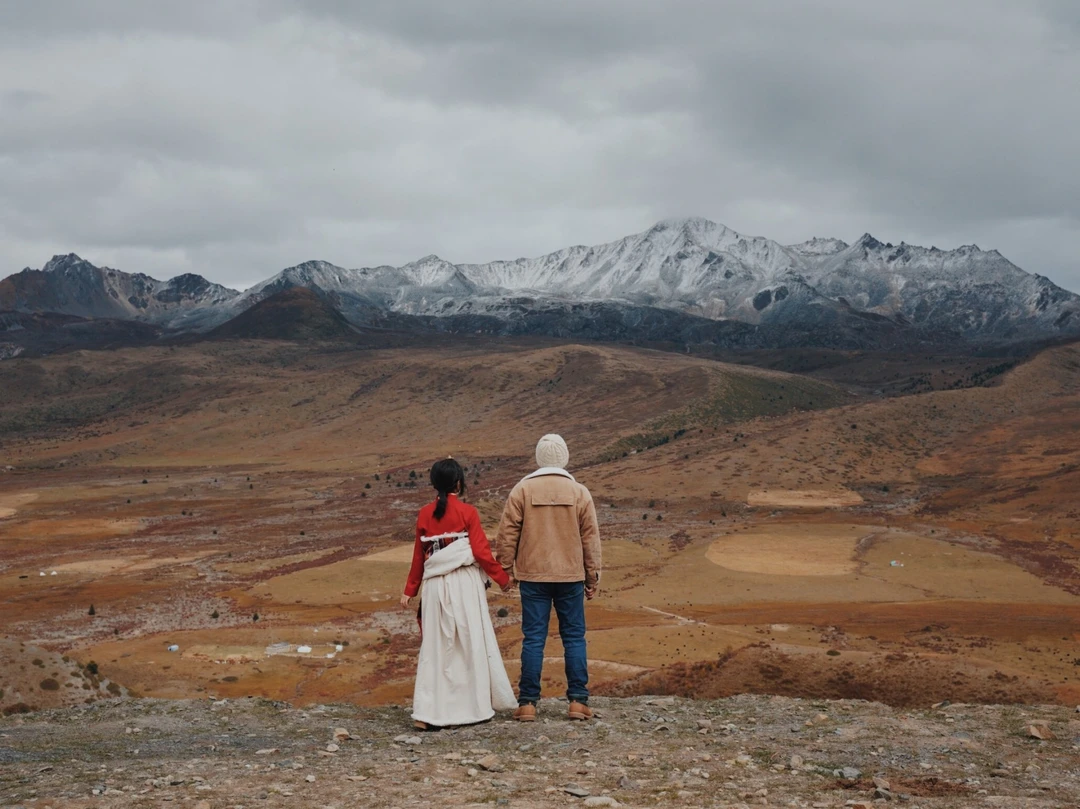
Our altitude sickness reality check: - I had childhood trauma from altitude sickness in Aba - Years of fear kept me away from Western Sichuan - At 30, I decided to face it head-on - Result: Some discomfort, but manageable with preparation
Tips for managing altitude sickness in Western Sichuan: 1. Acclimatize gradually – Don't go from Chengdu (500m) to high altitude in one day 2. Stay hydrated – Drink more water than you think you need 3. Avoid alcohol – At least for the first 48 hours 4. Consider medication – Consult your doctor about Diamox 5. Listen to your body – If symptoms worsen, descend immediately
[Link: Altitude sickness prevention and treatment guide]
FAQ: Western Sichuan Self-Drive Travel
1. Is Western Sichuan safe for self-drive trips?

Yes, but with caveats. The Aba segment (especially G317) has poor road conditions, including potholes, falling rocks, and mudslides. The Ganzi segment via S434 and G318 is generally better maintained. Only experienced drivers should attempt the Aba route. Always check weather conditions and road reports before setting out.
2. When is the best time to visit Western Sichuan?
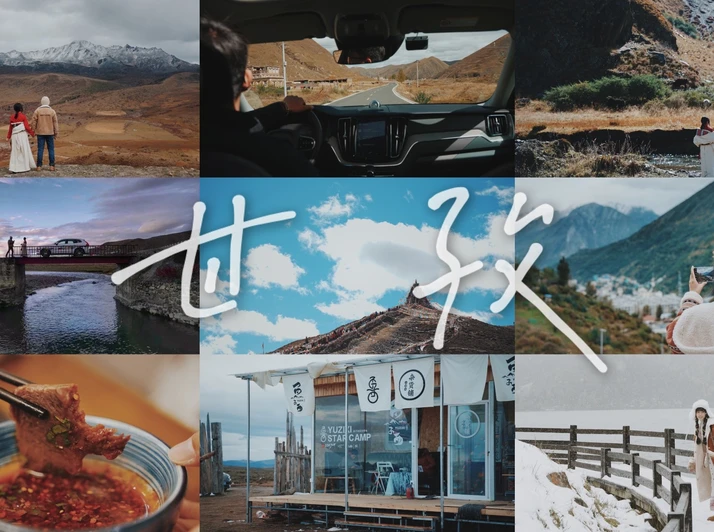
The best time is September to October for autumn colors, or May to June for spring wildflowers. July and August are monsoon season with higher risk of mudslides. Winter (November to March) offers clear skies but very cold temperatures and possible road closures.
3. How do I prevent altitude sickness in Western Sichuan?
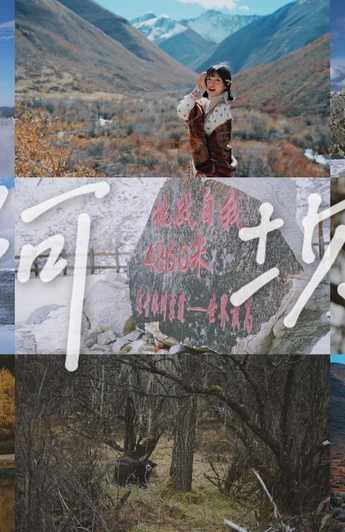
Gradual acclimatization is key. Start with lower-altitude destinations like Kangding (2,600m) before heading to higher spots like Dagu Glacier (4,800m). Stay hydrated, avoid overexertion, and consider altitude sickness medication. If symptoms become severe, descend immediately.
4. Can I visit Bipenggou and Dagu Glacier in one trip?
Yes, but plan for at least 4-5 days for the Aba segment alone. The driving distance between them is significant, and road conditions are poor. We recommend splitting the trip into two segments (Aba and Ganzi) to avoid exhausting 8-9 hour mountain drives.
5. What should I pack for a Western Sichuan road trip?
Essentials include: warm layers (temperatures drop significantly at night), rain gear, sturdy walking shoes, sun protection (high altitude = strong UV), snacks and water, a first-aid kit with altitude sickness medication, and a reliable GPS or offline maps (cell service is spotty).
Final Thoughts: Life Is Short, So Climb a Mountain
At thirty, I learned that the best adventures come when you face your fears head-on. Western Sichuan taught me that the unknown isn't something to dread — it's something to embrace. Yes, the roads are rough. Yes, the altitude can be brutal. Yes, sometimes you'll mistake a yak for a bear.
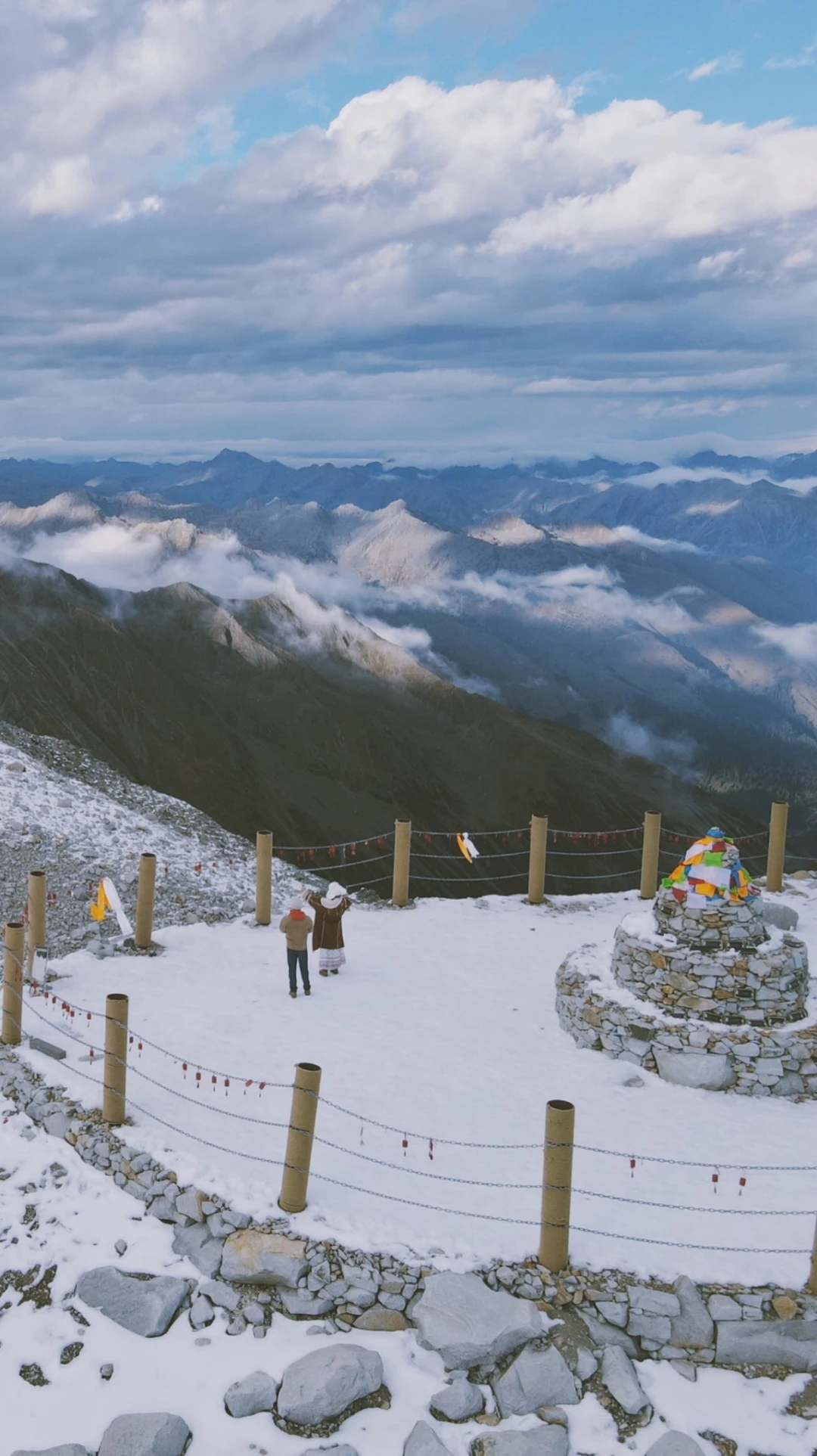
But those moments — the foggy walk through Bipenggou, the terrifying yet hilarious "bear" sighting, the breathtaking views at Dagu Glacier — are what make the journey unforgettable.
Life is short. So climb a mountain. Or drive through one. Just go.
Ready to Plan Your Western Sichuan Adventure?
Whether you're turning thirty or turning fifty, Western Sichuan is waiting. Start your journey today:
- Book your accommodation – Reserve early, especially during peak season (September-October)
- Check road conditions – Use local travel forums and official sources
- Pack smart – Don't forget altitude sickness medication and warm layers
- Share your story – Tag us in your Western Sichuan photos
The mountains are calling. Will you answer?
[Link: Complete Western Sichuan travel guide – routes, tips, and more]
This article is based on a real couple's journey through Western Sichuan. Photography by Lao Zhao, post-production by Xiao Yan. This is our 18th year together — and we're still exploring.