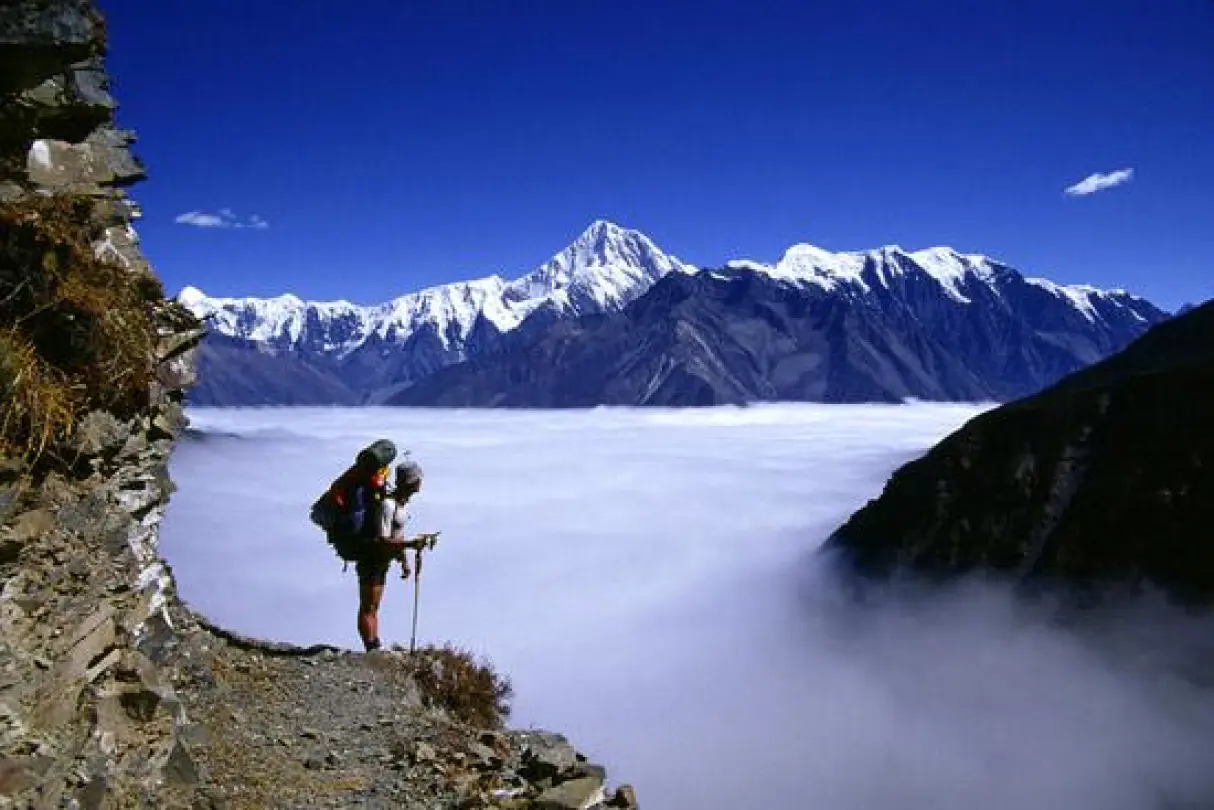
The Summit of Daocheng, the Pass of Yading: A Highland Pilgrimage of Self-Discovery
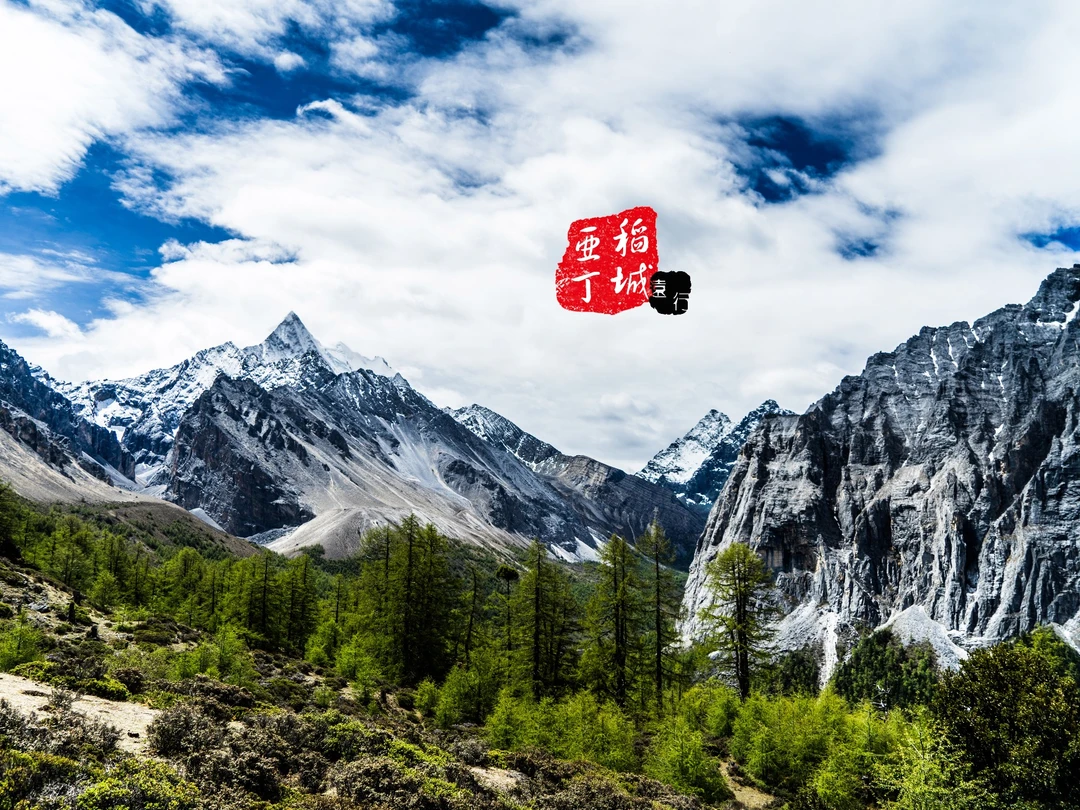
Meta Description: Embark on a high-altitude journey through Daocheng Yading—from glacial rivers to sacred White Stupas. Discover why this Tibet plateau trek is the ultimate test of body and soul.
Introduction: When "Next Time" Becomes "Right Now"
Some journeys begin with a packed suitcase and a flight itinerary. Others start with a subtle shift in the heart—a quiet ripple that grows into an unshakable call. For me, the journey to Daocheng Yading began not with a grand plan, but with an unexpected ten-day "single vacation" after a decade of traveling with my partner, Xiaoxiao.

I'd never packed my own bags before. This time, I forgot my hat, sunglasses, sunscreen, slippers, pajama pants, towel, and even the propellers for my drone. But I made it to the world's highest civilian airport—Daocheng Airport—ready to confront altitude sickness, unpredictable weather, and my own limitations.
As I read Bi Shumin's Three Miles in Africa on the plane, I found my answer: "A journey doesn't begin with the body's restlessness, but with the heart's ripples." Using a book about Africa to justify a snow mountain adventure sounds absurd—but isn't that how life works? Some places you've always wanted to go, but you keep putting them off with "next time," until one day, that "next time" finally becomes "right now."
Daocheng Yading was one of those places—a destination I'd pushed off countless times. This highland pilgrimage became my ultimate test of body and will.
First Impressions of Daocheng: Altitude is a Brutal Gatekeeper
Daocheng Airport sits at 4,411 meters (14,472 feet)—the highest civilian airport in the world. It serves as a brutal gatekeeper, testing the sincerity of every pilgrim who dares to visit this remote corner of Sichuan Province.
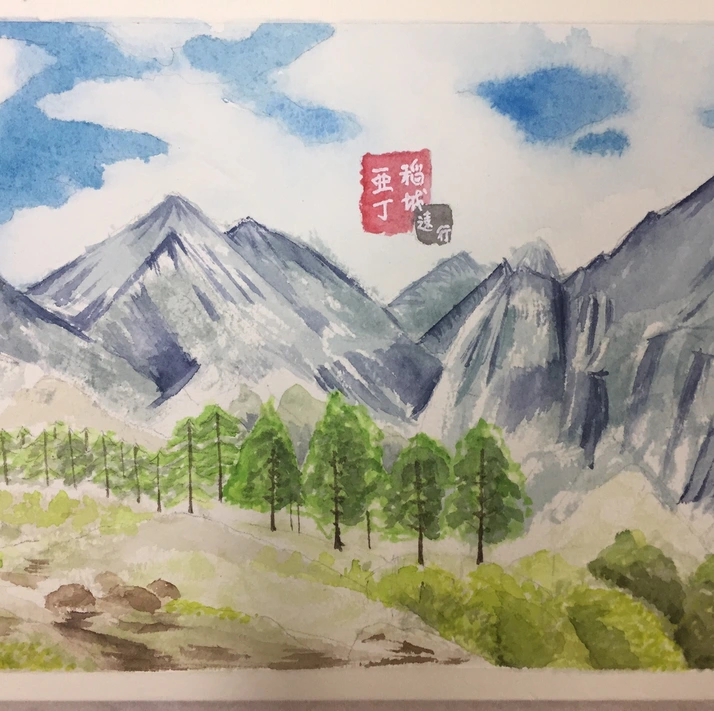
The last time I was this miserable at high altitude was ten years ago in Huanglong, where my purple lips scared my mom half to death. This time, I played it smart, moving carefully with every step after getting off the plane. Every movement felt deliberate, every breath shallow.
The driver I'd booked online was already waiting. This guy was a gem—not only a steady driver but also a hidden photography master. Along the way, he enthusiastically recommended various spots, but I stubbornly declined several times because of the bad weather.
"It's been rainy these days, the weather isn't great," he said.
I mentally prepared myself for three days of gloom. But the heavens seemed to show some mercy. As we drove toward Xingyi Lake, patches of blue sky broke through the clouds. I quickly pulled out my new drone and launched its first high-altitude flight.
Xingyi Lake: A Mirror to the Sky
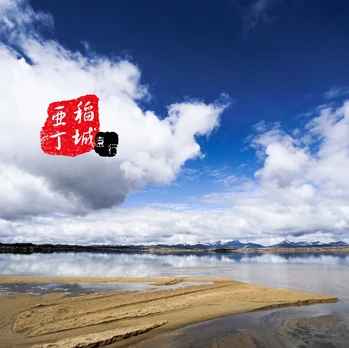
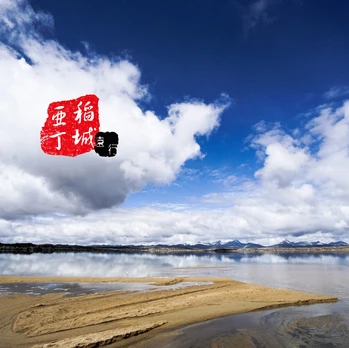
Xingyi Lake isn't on the main tourist route because the road hasn't been paved—it's all rocks and potholes. The driver swerved left and right, somehow managing to get me to the lakeshore. The lake was as smooth as a mirror, reflecting distant snow-capped mountains and blue sky.
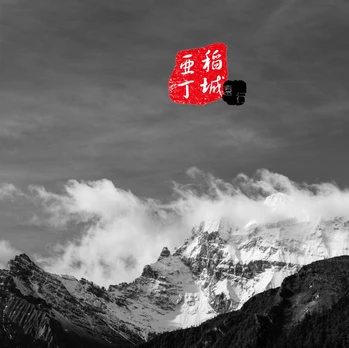
I stood there, silently praying for the clouds to part. Maybe my sincerity moved the heavens—the clouds really did disperse, leaving only a few wispy strands decorating the sky.
In that moment, the entire lake became a giant mirror, perfectly reflecting the blue sky, white clouds, and snow mountains. There were only a handful of other tourists around. I soaked in the stillness, watching the clouds break and the sun emerge, with only one thought: Worth it.
[Link: Best photography spots in Daocheng Yading]
Glacial Rivers and Bangpu Temple: Where Nature Meets Faith
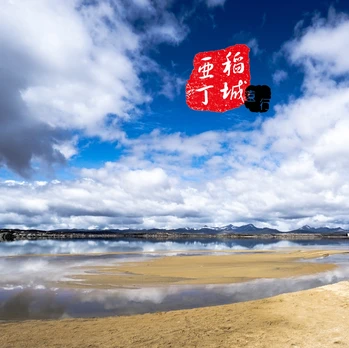
Leaving Xingyi Lake, we passed Xiaru Lake—a dot on the map, but barely any tourists actually visit. The water was crystal clear, with clouds casting shifting shadows on its surface, and snow-capped mountains stretching into the distance beyond. This was the Daocheng Yading I'd imagined: still water, drifting clouds, blue sky. The only downside? The mosquitoes were relentless.
June in Daocheng is just the beginning of spring. The glaciers were melting, sending meltwater down the valley through a field of rubble locals call "Glacier Stone River." After parking, I hopped over the railing and walked straight into the so-called "scenic area." I later noticed a ticket booth not far away. If there was a ticket seller, I felt for him—waiting all day for a visitor who just walked in for free.
Bangpu Temple: A Glimpse into Tibetan Buddhism
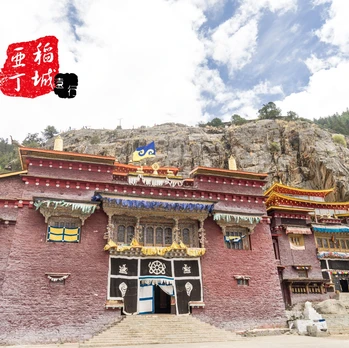
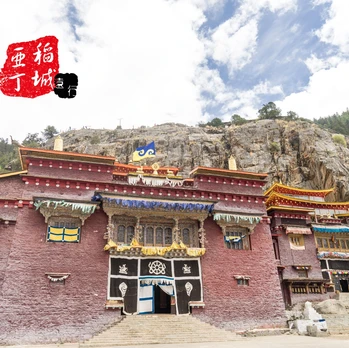
The people here practice Tibetan Buddhism, specifically the White Sect (Kagyu). Religion has always felt mysterious to me. I didn't bother researching its history but entered Bangpu Temple as a curious tourist.
Prayer wheels spun in the sunlight, and every passerby gave them a turn for good luck. A side gate led to the back hill, where small stone huts—once monks' quarters—now stood abandoned. Inside the temple, an old friend of the resident monk had been living there for over a decade.
"What do you do every day?" I asked.
"Chanting," he replied.
Out of respect, I didn't ask if he ever got bored. But I couldn't help wondering: Does he scroll through social media when he's bored?
[Link: Tibetan Buddhism and sacred sites in Sichuan]
White Stupa and Clouds: Rituals at High Altitude
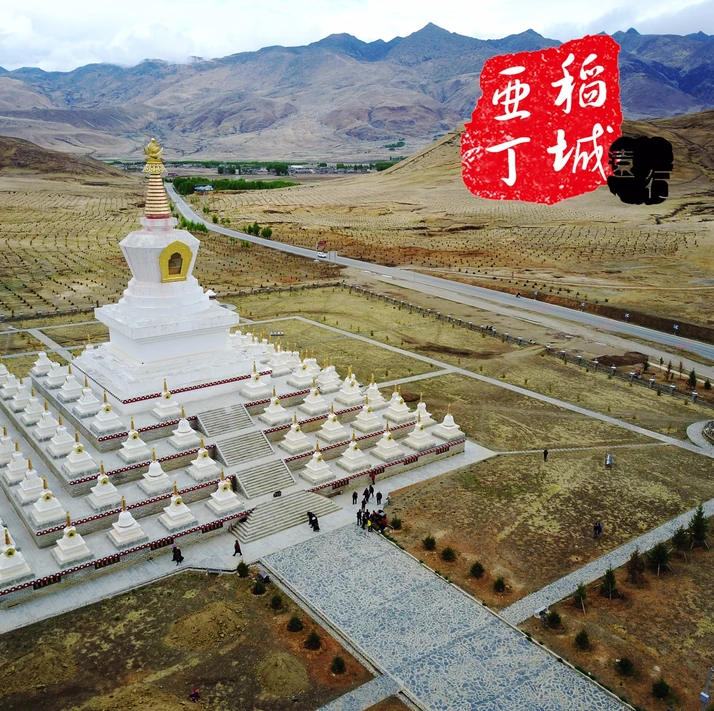
I hadn't eaten since landing, and by noon, I was starving. The driver kept raving about high-altitude cod and yak meat, making me hungrier by the minute. But when we passed the White Stupa Temple, the blue sky made a brief appearance, and I couldn't resist hopping out for photos.
The White Stupa is a sacred site for Tibetans, much like a church for Christians. "Turn the mountain, turn the water, turn the White Stupa"—walking clockwise around it brings blessings for the year ahead. The driver loved my drone and insisted I fly it around.
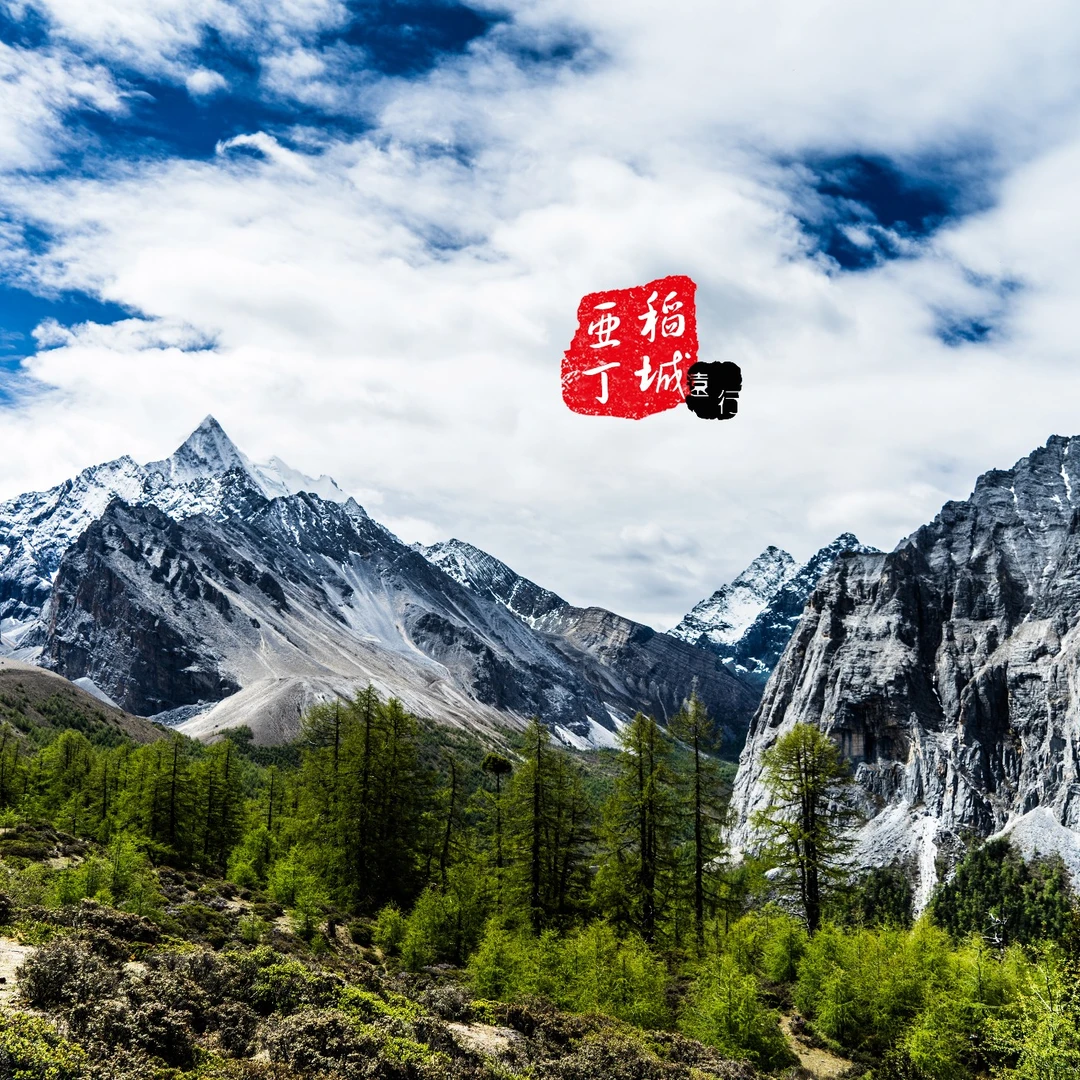
Unfortunately, Daocheng's clouds move too fast. The sky was blue when we parked, but by the time I got out, it had turned gray. My photo op with the blue sky and White Stupa would have to wait.
We grabbed a quick meal, then headed to Shangri-La Town for the night. By 8 PM, I was sound asleep—the high altitude and thin air had drained every ounce of energy.
[Link: High-altitude travel tips for first-time visitors]
Yading: 90-Degree Mountain Roads and a Sea of Clouds
The next morning, I took a bus from Shangri-La Town into the Yading Scenic Area. The bus driver was a madman—he didn't slow down for 90-degree mountain curves. I sat there silently praying, "Driver, are we on the Akina Mountain race track from Initial D?"
As we climbed higher, some passengers started feeling sick. The driver, clearly used to it, ignored the "weaklings." Anyone who'd left snacks under their seat could only watch helplessly as they slid across the floor.
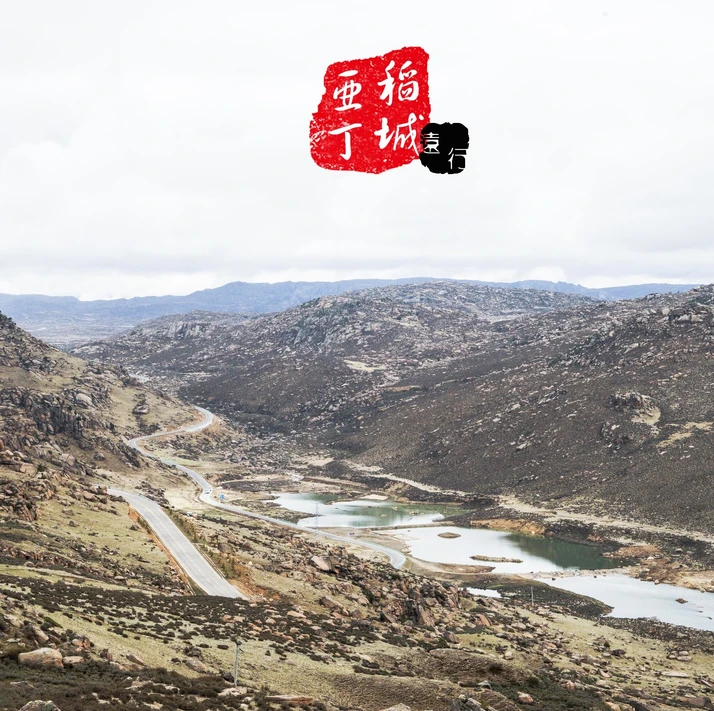
The weather was awful—thick fog with visibility under 5 meters. The bus drove through the clouds like we were in a fairyland. We stopped at a viewpoint, and I was stunned by the beauty: swirling mist and rolling clouds.
Years ago, I'd wrapped myself in a blanket on Huangshan Mountain, waiting all morning for a cloud sea and seeing nothing. Today, I stumbled upon it by accident. The hazy, dreamlike atmosphere was more captivating than a clear day.
[Link: Best times to visit Yading for clear views]
Short Route: First Glimpses of Xiannairi and Pearl Lake
We got off at Yading Village's third stop and checked into the Mofan Cultural Theme Hotel. This hotel deserves a special mention—if I hadn't changed my plans and stayed here, my Yading trip would have been incomplete.
I dropped my bags and headed out. It was already 11 AM, too late for the long route, so I settled for the short one. I later learned this "short route" was aptly named—I set out ready to conquer a peak, only for the hike to end before it really began.
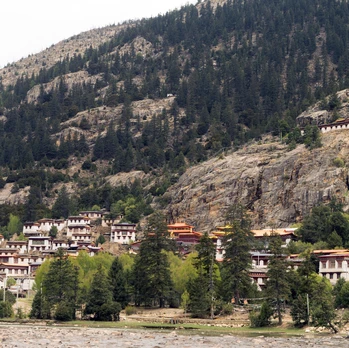
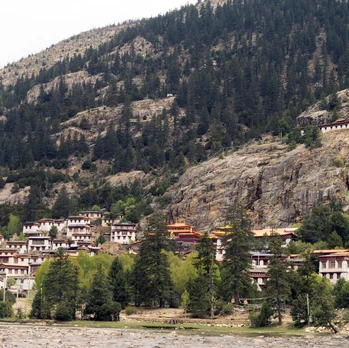
Getting off at Zhaguanbeng, there was a short uphill stretch of less than a kilometer. It had been ages since I'd hiked, and I was already panting. I glimpsed Chonggu Temple in the distance. Crossing a bridge, the sky began to clear.
On the path, I met an elderly pilgrim. These days, Yading is overrun with tourists, and despite the pagodas, few come to pray. The old man bowed toward Chonggu Temple, knelt, stood up, and knelt again—a rhythmic devotion that spoke volumes about faith in the modern world.
[Link: Yading hiking routes: Short vs. Long comparison]
Frequently Asked Questions About Daocheng Yading
Q1: How do I prepare for high altitude in Daocheng?
 A: Acclimatize gradually. Spend a night in Chengdu (500m) before flying to Daocheng (4,411m). Avoid alcohol, stay hydrated, and consider taking acetazolamide (Diamox) after consulting your doctor. Move slowly and listen to your body.
Q2: What's the best time to visit Daocheng Yading?
 A: June to October offers the best weather. June brings spring wildflowers and melting glaciers. July-August is peak season with warm temperatures but more rain. September-October offers crisp air and autumn colors. Winter (November-March) is extremely cold with road closures.
Q3: Can I visit Daocheng Yading without a tour guide?
 A: Yes, independent travel is possible. The scenic area has clear bus routes and marked trails. However, hiring a local driver (like the photography enthusiast I met) enhances the experience—they know hidden spots like Xingyi Lake and can help with altitude issues.
Q4: What should I pack for a Daocheng trip?
 A: Don't make my mistakes! Essentials include: sun hat, UV-protective sunglasses, high-SPF sunscreen, warm layers (temperatures drop sharply at night), comfortable hiking boots, lip balm, portable oxygen canisters, and motion sickness medication for mountain roads.
Q5: Is the short route or long route better for first-timers?
A: The short route (to Xiannairi and Pearl Lake) is ideal for first-timers—it takes 2-3 hours and offers stunning views without extreme physical demands. The long route (to Milk Lake and Five-Color Lake) requires 6-8 hours of hiking at 4,500m+ and demands excellent fitness.
Conclusion: The High Cost of Worthwhile Journeys
Standing at the summit of Daocheng, looking out over the Pass of Yading, I understood something profound: the best journeys don't come easy. They demand something from you—your comfort, your pride, your carefully laid plans.
I forgot half my gear. I battled altitude sickness. I endured a bus driver who thought he was racing on Mount Akina. But I also witnessed Xingyi Lake transform into a mirror of heaven, stumbled upon a cloud sea that Huangshan denied me for years, and watched an elderly pilgrim pray with unshakeable devotion.
Daocheng Yading isn't a vacation. It's a pilgrimage—a high-altitude test of body and will that strips away everything unnecessary and leaves you with only the essential: the raw, unfiltered beauty of the Tibetan plateau.
Are you ready to answer the call?
If you've been putting off this journey with "next time," let this be your sign. Pack your bags (carefully, unlike me), book your flights, and prepare for the most challenging, rewarding adventure of your life.
[Link: Book your Daocheng Yading tour package] [Link: Essential gear checklist for high-altitude trekking]
Have you visited Daocheng Yading? Share your experience in the comments below—I'd love to hear about your own pilgrimage of self-discovery.
You may also like