The Splendid Southwest of Sichuan: Encountering the Warmest Winter Sun in the City of Flowers
Meta Description: Discover Panzhihua, China's "City of Flowers," where winter sunshine meets blooming landscapes. Your ultimate guide to a 6-day wellness retreat in Sichuan's warmest winter destination.
Introduction: Why Panzhihua is Sichuan's Best-Kept Winter Secret
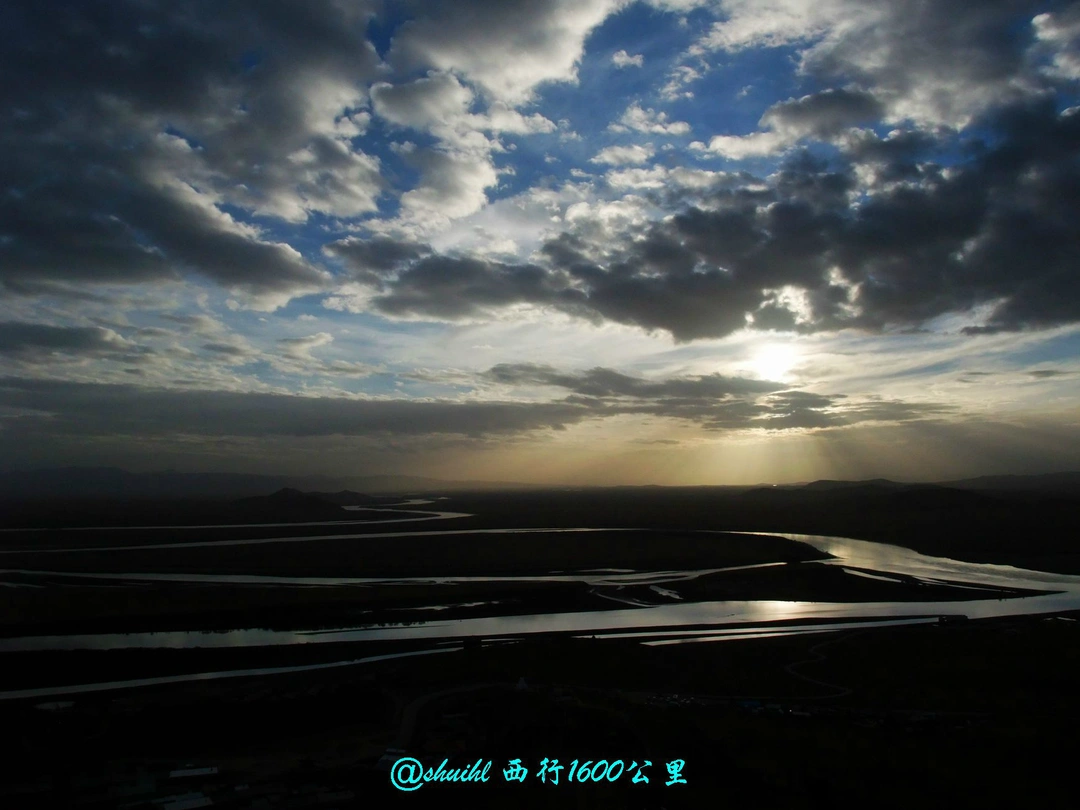
While the northern lands lie locked in ice and snow, and bitter winds sweep across desolate earth, have you ever dreamed of a place where the sun shines just right, where flowers bloom into a sea of color, and even the air carries the sweet fragrance of citrus? At the southernmost tip of Sichuan, where the Jinsha River meets the Yalong River, lies a city blessed by the sun: Panzhihua.

This hidden gem—a city that is itself a flower, and a flower that is itself a city—offers the perfect winter escape. There is no bitter cold here—only the scent of blossoms and the comfort of wellness retreats. There is no barrenness—only the red memories of the Third Front construction era and the ancient songs of ethnic minorities.
In this comprehensive guide, we'll explore why Panzhihua winter tourism is gaining popularity, what makes it a top Sichuan wellness destination, and how to plan the perfect winter sun getaway in this extraordinary city.
Panzhihua: The Only City in China Named After a Flower
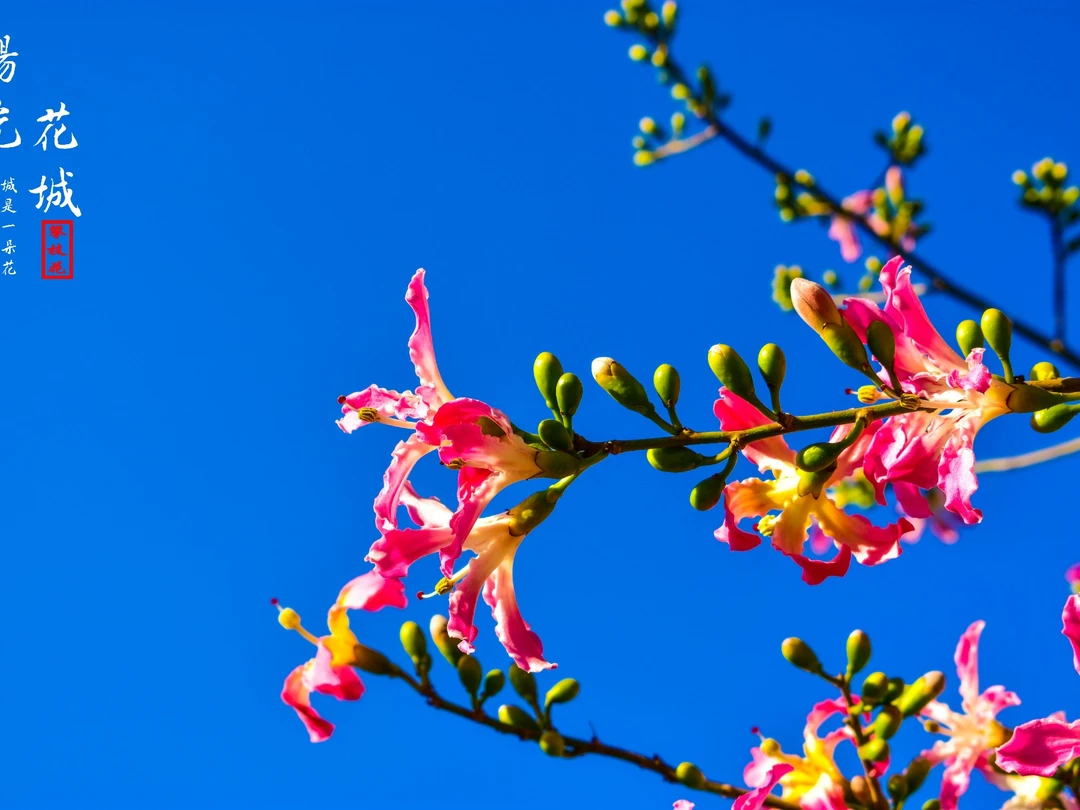
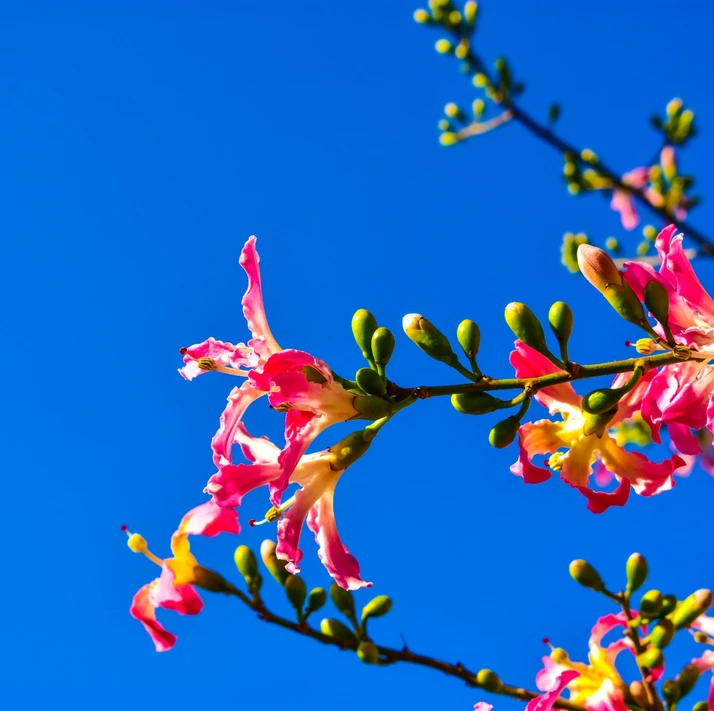
Panzhihua is the only city in China named after a flower. The name itself reads like a poem—when the kapok trees bloom, their fiery red blossoms cover the branches without a single leaf, a dazzling display of near-defiant beauty. But its allure goes far deeper.
As a migrant city born from the national Third Front construction project, Panzhihua carries a profound history. The Jinsha and Yalong Rivers meet here, shaping the geographical格局 of the first city on the upper Yangtze. The roar of the Ertan Hydropower Station testifies to China's ambition in hydropower development, while the abundant vanadium-titanium magnetite resources have earned it the title "Capital of Vanadium and Titanium in China."
Panzhihua administers three districts and two counties—East District, West District, Renhe District, Miyi County, and Yanbian County. Locals joke that the city has "rice (mi) and salt (yan), east and west, and the perfect harmony of heaven, earth, and people." These five place names together weave the soul and skeleton of this city.
Note: Kapok flowers bloom from March to April, and when they flower, there are no leaves; when leaves appear, there are no flowers. If you want to witness the spectacle of "the city draped in heroic blossoms," choose the right time. But even in winter, you'll still find a hundred flowers vying for attention—only the tall kapok trees stand quietly, gathering strength for next year's bloom.
Day One: A Stroll Through the Sunlit City
Panzhihua Park: Childhood Memories and a Monument to Heroes
In the early morning, Panzhihua's sun gently spreads across the earth. At the Grand Sun Stairway, crowds flow beneath the tourist city landmark, and the vitality of this wellness capital begins from dawn.
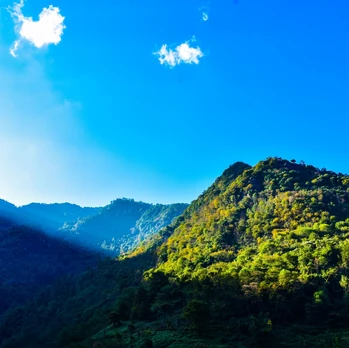
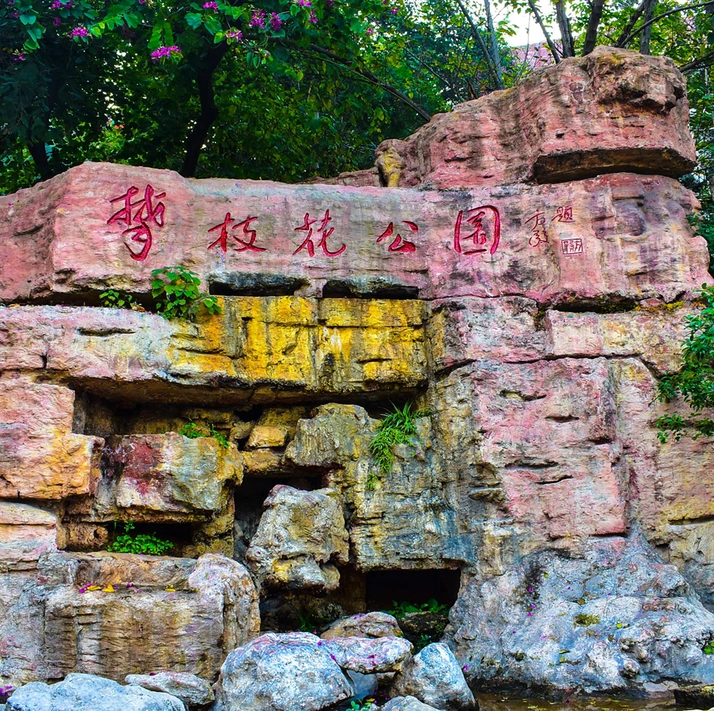
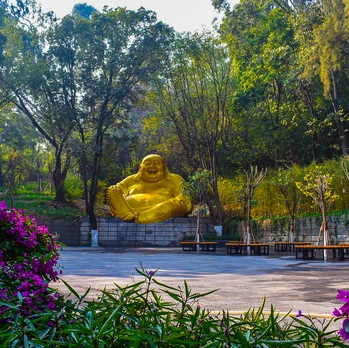
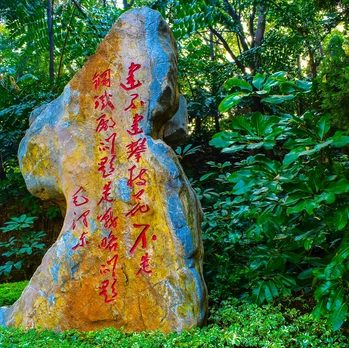
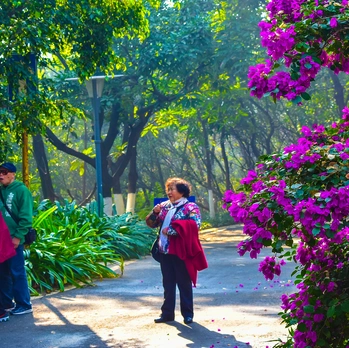
Panzhihua Park, located at Jiangnan Third Road in the East District, remains lush and flower-filled even in winter. It's not just a place for residents to stroll and relax—it holds the childhood memories of many locals: laughter from the children's playground, curiosity at the zoo, and solemnity at the patriotic education base.
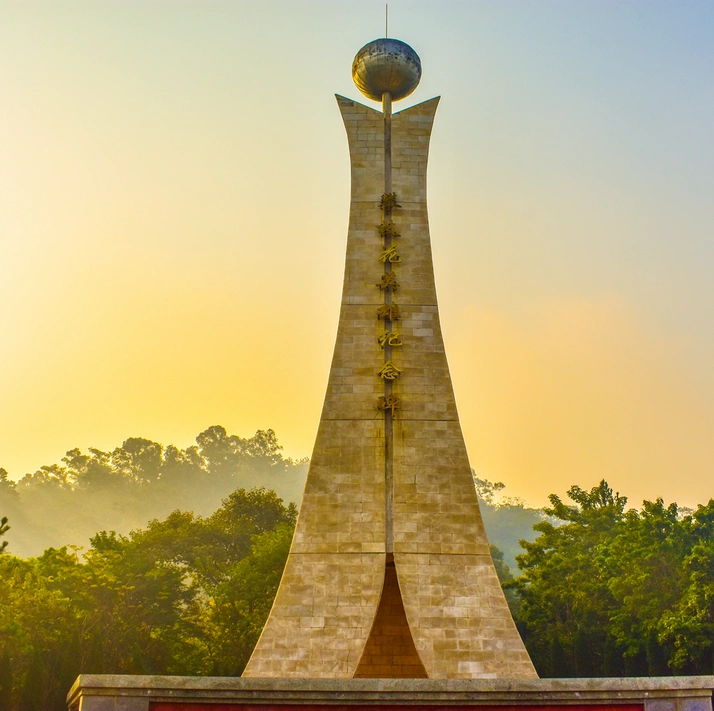
The Panzhihua Heroes' Monument gleams in the sunlight, its base adorned with reliefs chronicling the city's development from nothing to something. The stories of those who dedicated their youth, wisdom, and even their lives to this industrial base in the 1960s are etched into the stone—and flow in the blood of every Panzhihua native.
Inside the park lies a "garden within a garden"—the Cycad Garden. Here, thousands of nationally protected Panzhihua cycads stand, said to have appeared even earlier than the dinosaurs. The cycads are male and female, their leaves spreading like phoenix tails, silently telling ancient secrets in the sun.
[Link: Best parks in Panzhihua for winter walks]
Practical Information
- Address: Entrance at Jiangnan Third Road, East District, Panzhihua
- Tickets: Park free; Children's Zoo and Animal Park 2–5 RMB
Puda Sunshine Wellness Resort: An Exotic Haven for Health and Healing
With an average annual temperature of around 20°C (68°F), Panzhihua is warm in winter and cool in summer—truly a "wellness paradise." Driving to Puda Sunshine Resort, you'll spot exotic-style windmills spinning against the blue sky and white clouds from afar.
The area offers not only beautiful natural scenery but also therapeutic rooms combining pharmacology and physiotherapy, herbal baths, and acupuncture and massage treatment rooms. Many northerners come here for three or four months each winter, adjusting their bodies in this spring-like environment, reluctant to leave.
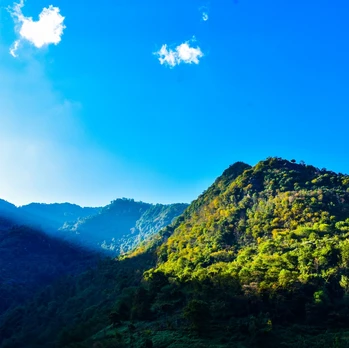
The resort's villa complex is clean, bright, and well-equipped. And when you're here, how could you neglect your stomach? Sichuan cuisine, as China's largest culinary tradition, has its unique charms. The crispy pork belly bowl (酥肉扣碗) is crispy on the outside and tender within; raw beef salad (生拌牛肉) is spicy and refreshing; durian pastries (榴莲酥) are sweet without being cloying. And then there's "Stir-Fried Double Crisp" (炒双脆)—made from pig's penis, so order with caution if you're squeamish.
[Link: Top wellness resorts in Sichuan for winter]
Practical Information
- Address: Intersection of Yishala Avenue and Bingren Line, Renhe District, Panzhihua
Renhe Riverside Landscape Belt & Jique Inkstone Museum
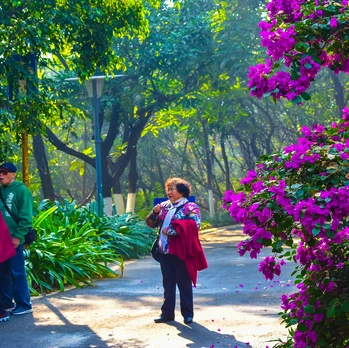
A great river runs through the city, with green trees lining both banks and flowers scenting the air. People live by the water, falling asleep to the fragrance of blossoms. By day, benches along the riverside are filled with those listening to music, reading, or dancing—peaceful and serene.
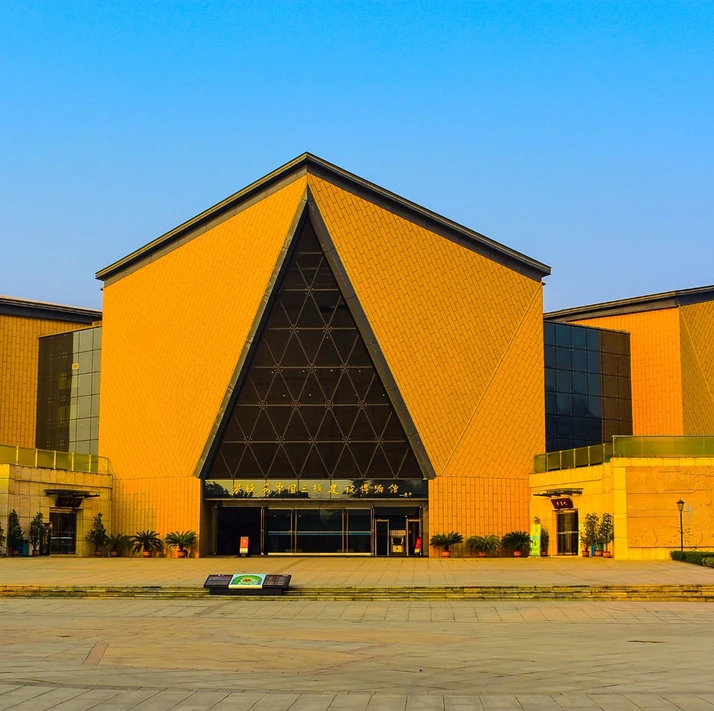
At the end of the riverside landscape belt stands the Jique Inkstone Museum. The Jique inkstone is one of Panzhihua's calling cards, combining the strengths of China's four famous ancient inkstones. Thanks to its rich colors, it's also known as "China's Colored Inkstone."
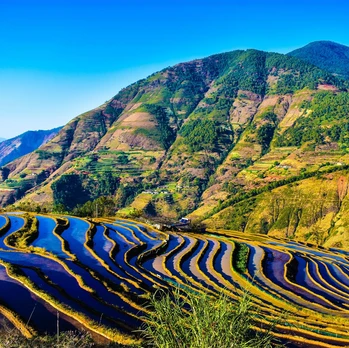
Through reliefs, photographs, and physical exhibits, the museum tells the story of Jique stone mining and inkstone craftsmanship. The most awe-inspiring display is the "Thousand Inkstones Project"—a thousand colored inkstones, each with its own charm, blending into the profound depths of Chinese culture.
[Link: Cultural museums in Panzhihua worth visiting]
Practical Information
- Address: Luxie Bridge, Renhe Town, Renhe District, Panzhihua
- Opening Hours: Tuesday–Sunday, 9:00 AM–5:00 PM (last entry at 4:30 PM)
Day Two: Vineyards, Ancient Villages, and Seas of Flowers
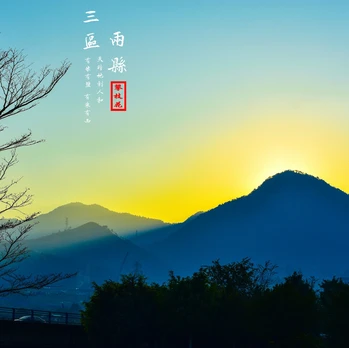
Pingdi Yidu Winery: A Rendezvous of Sunshine and Red Wine
The noonday sun gilds the Yidu Winery in gold. Beneath the blue sky and white clouds, the very air seems to carry the taste of sunlight. Inside the red wine art exhibition hall, colorful lights play across the bottles, and the aroma of wine seems to seep through the glass, filling the space.
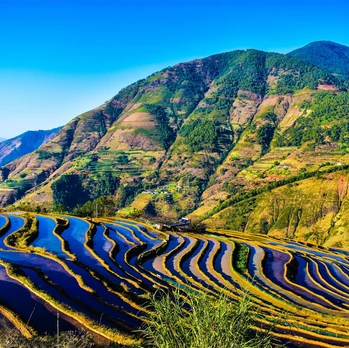
The cellar stores many fine wines, and some visitors even keep their treasured bottles here. The wellness villas atop the hill stand out vividly in the sunlight—this is not just a place for leisure, but a destination for health and rejuvenation.
[Link: Wine tourism in Sichuan's Panxi region]
Yishala Historical and Cultural Village: Six Centuries of Jiangnan Charm
A short drive from the winery brings you to Yishala Historical and Cultural Village. Two thousand years of the Ancient Tea Horse Road, six hundred years of Jiangnan elegance—when Emperor Zhu Yuanzhang of the Ming Dynasty sent troops to conquer Yunnan, wounded soldiers were left behind here. They intermarried with the local Lipu Yi people, forming what is now the first Lipu Yi village in China.
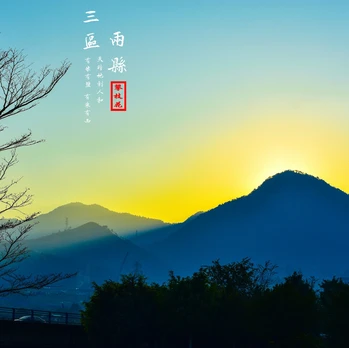
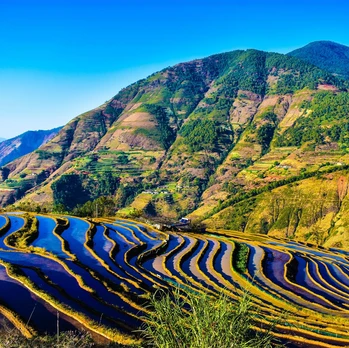
From the observation deck, the entire village unfolds below. The starkness of the Panxi Grand Rift Valley blends with the refined charm of Jiangnan Hui-style architecture, creating a unique aesthetic. The village's "Chanting Ancient Music," passed down for generations, has a history of over a thousand years. It sings of mountains and waters, combining the elegance of Jiangnan water towns with the boldness of the Lipu people.
[Link: Ancient villages in Sichuan's southwest]
Practical Information
- Address: Southeast of Pingdi Town, Renhe District, Panzhihua
- Transport: Renhe District bus or private car recommended
Why Panzhihua is the Ultimate Winter Sun Destination
Climate and Weather
Panzhihua enjoys over 2,700 hours of sunshine annually, making it one of Sichuan's sunniest cities. Winter temperatures average 15–20°C (59–68°F), perfect for outdoor activities without the biting cold of northern China.
Wellness and Health Tourism
The city's thermal springs, clean air, and abundant sunshine make it a premier wellness destination in Sichuan. Many visitors from northern China spend entire winters here, enjoying traditional Chinese medicine treatments, herbal baths, and therapeutic massages.
Cultural Richness
From the Third Front construction history to the Lipu Yi ethnic culture, Panzhihua offers a unique blend of modern industrial heritage and ancient traditions. The Jique inkstone, the "Chanting Ancient Music," and the Hui-style architecture all tell stories worth exploring.
Frequently Asked Questions About Panzhihua Winter Travel
1. When is the best time to visit Panzhihua for winter sun?
The best time is November through February, when temperatures are mild (15–20°C) and sunshine is abundant. December and January offer the most stable weather for outdoor activities.
2. How do I get to Panzhihua from Chengdu?
You can take a high-speed train (about 4–5 hours from Chengdu East Station) or fly into Panzhihua Bao'anying Airport (about 1.5 hours from Chengdu). Direct flights are also available from major cities like Beijing, Shanghai, and Guangzhou.
3. What should I pack for a winter trip to Panzhihua?
Pack layers—light sweaters or jackets for mornings and evenings, and t-shirts for midday. Sunscreen, sunglasses, and a hat are essential due to the strong UV index. Comfortable walking shoes are a must for exploring parks and villages.
4. Is Panzhihua suitable for family travel with children?
Absolutely! Panzhihua Park has a children's playground and zoo, while the wellness resorts offer family-friendly activities. The mild winter climate makes it ideal for elderly family members seeking warmth.
5. What are the must-try local dishes in Panzhihua?
Don't miss crispy pork belly bowl, raw beef salad, durian pastries, and local citrus fruits. The city's Sichuan cuisine has unique twists, especially in Renhe District's restaurants.
Your Winter Sun Awaits in Panzhihua
Panzhihua is more than just a city—it's an invitation to slow down, breathe deeply, and reconnect with nature and history. Whether you're seeking a wellness retreat, a cultural journey, or simply a warm escape from winter's chill, this "City of Flowers" delivers beyond expectations.
Plan your trip today and discover why Panzhihua is becoming Sichuan's most sought-after winter destination. With its unique blend of sunshine, flowers, history, and healing, it offers an experience you won't find anywhere else in China.
[Link: Book your Panzhihua winter tour package] [Link: Find hotels and resorts in Panzhihua]
Have you visited Panzhihua in winter? Share your experience in the comments below!
You may also like