1,600 Kilometers West: A Winter Fairytale Through Western Sichuan – An Unforgettable Family Road Trip
Meta Description: Embark on a 1,600-km winter journey through Western Sichuan: Zoigê grasslands, Nine Bends of the Yellow River, Songpan Ancient Town, Huanglong & Jiuzhaigou. A family travelogue with practical tips & hidden gems.
Introduction: When Spontaneity Meets the Snowy Wilderness
In November 2012, our family of three set off on a 1,600-kilometer westward adventure from southern Gansu into the heart of Western Sichuan. This wasn't a meticulously planned itinerary—it was a spontaneous exploration of chance encounters, breathtaking landscapes, and unexpected stories. From the vast Zoigê grasslands to the turquoise waters of Jiuzhaigou, from the ancient walls of Songpan to the bustling streets of Chengdu, every kilometer traded for memories that could never be replicated.
The magic of travel isn't about following a map step by step. It's about embracing every possibility along the road. Here's our winter fairytale through Western Sichuan—complete with tips, pitfalls, and the kind of serendipity that turns a simple trip into a lifetime story.
Chapter One: Zoigê Grasslands – Freedom, Yaks, and the Nine Bends
The Empty Bus That Became Our Private Tour
Our minibus from Langmusi to Zoigê cost just 22 yuan, but it felt like we had chartered the entire vehicle. My husband and I switched seats like mischievous kids—front row, back row, left side, right side—just to change our view of the rolling grasslands, distant hills, and yaks ambling across the road. The driver, a kind Tibetan man, turned a blind eye to our antics and even offered valuable advice for the journey ahead.
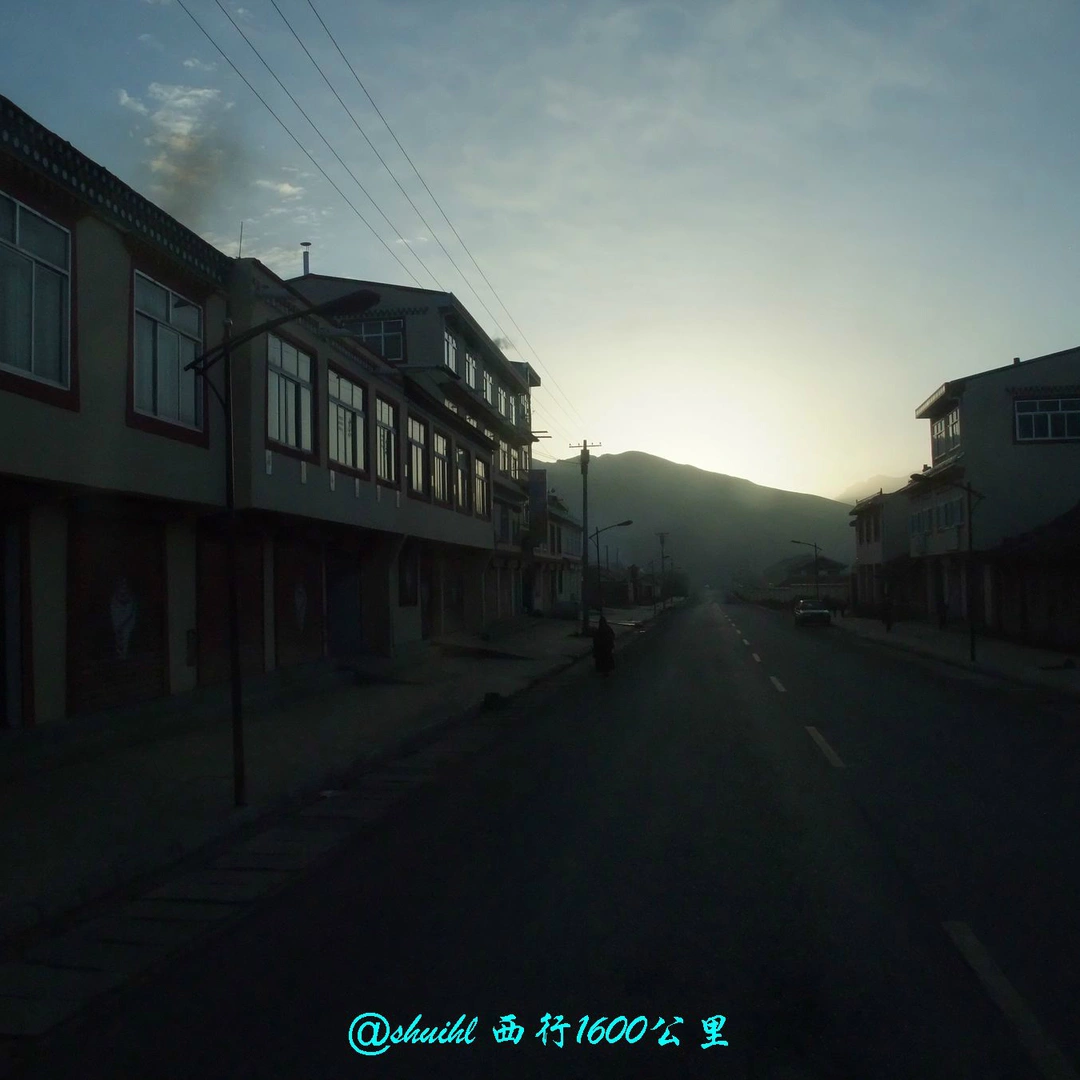
At 8 AM, the bus detoured through Hongxing Township to pick up passengers. The sun rises late here; the sky showed only a pale fish-belly white, smoke curling from Tibetan-style houses as the village slowly woke.
Spontaneous Bus to Heishui: The Nine Bends Beckon

We expected to waste a day in Zoigê county town, but the bus station offered an 18-yuan ticket to Heishui. Without hesitation, we jumped on—the Nine Bends of the Yellow River at Tangke was our must-see destination.
An hour later, we were dropped at a fork in the road. The only option: hire a private car. 250 yuan for a round trip from Tangke town to the Nine Bends and back to Zoigê. Later, we met travelers who paid only 200 yuan for the same route—and they skipped the entrance fee entirely. We stayed from 1 PM until sunset at 7 PM. The extra 50 yuan? Worth it. The 54 yuan on pre-booked bus tickets we never used? A lesson learned.
An Afternoon Healed by Yaks and "Wangcai" the Dog
Entrance fee: 48 yuan (student discount to 40 yuan—graduate student IDs work too). The scenic area was building a new main gate, originally planned to open before National Day with triple-digit pricing. We caught the last train at the old price.
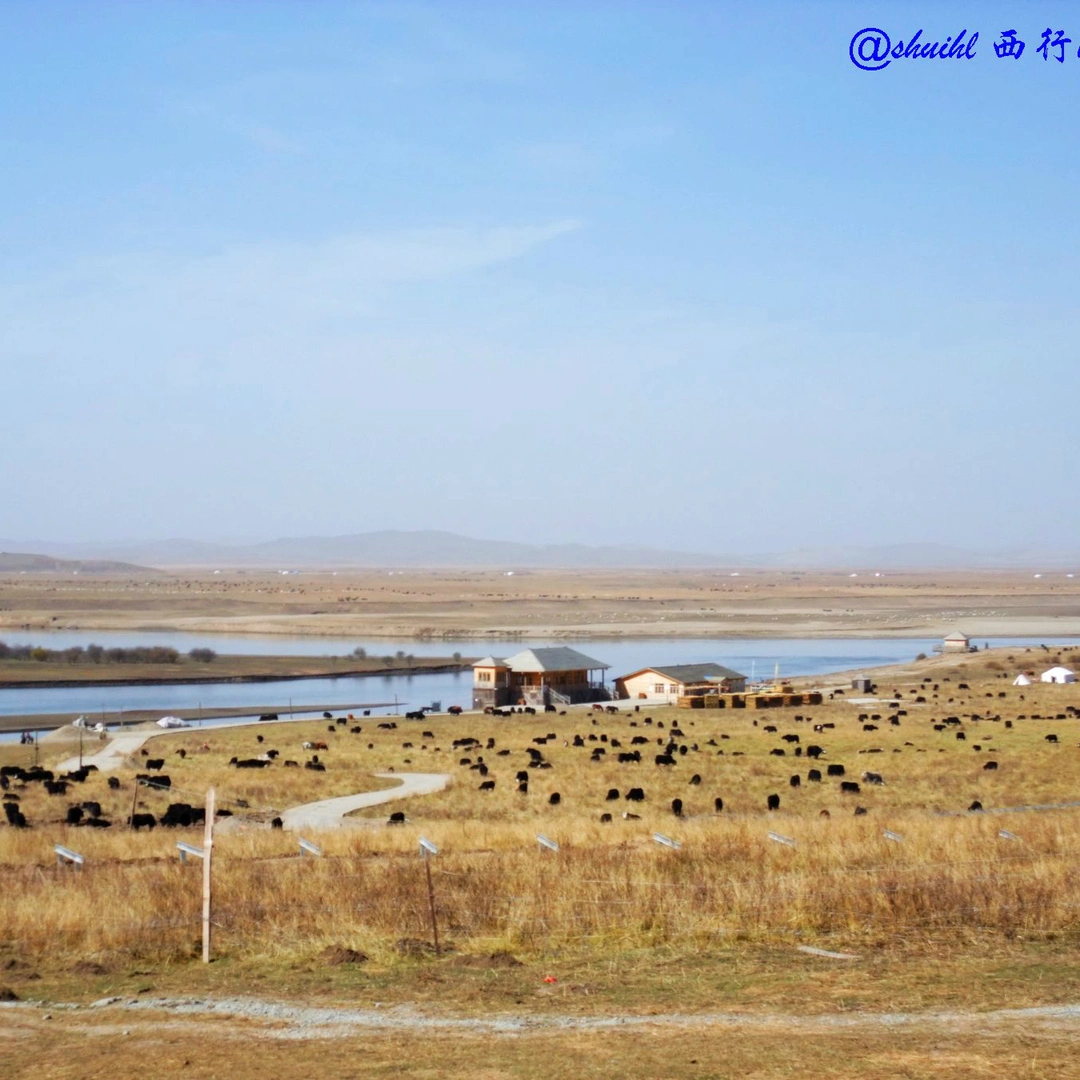
The area is vast. If you can handle the altitude, you can wander freely. Having seen enough temples at Labrang Monastery and Langmusi, we headed straight for the water. Herds of yaks grazed on the grass, their herders on horseback—real Tibetan locals who didn't speak Chinese. When my mom asked questions, they just smiled, nodded, or shook their heads.
The most amusing sight: a handsome guy riding his horse against the flow of the yak herd, as if wanting to experience what it felt like to be a yak eating grass. We photographed everything—even yak droppings, which looked like chocolate-colored rose-shaped buns. My mom stepped right in one but comforted herself: "Totally organic, no pollution."
Wangcai: The Most Professional Model
Deep in the scenic area, workers were building a boardwalk, so most tour groups didn't venture this far. We discovered a stone tablet inscribed with "First Bend of the Nine-Bend Yellow River" and met Wangcai—a dog that appeared from nowhere. He was incredibly professional, squatting beside my mom, waiting patiently for photos with perfect camera awareness. After our group shots, he got beef jerky as payment, then wandered off to take a leak. An old pro! My mom couldn't stop talking about him for the rest of the trip.
Horseback Riding and Sunset: Worth the Rip-off
To truly appreciate the stunning beauty of the Nine Bends, you must climb that dirt slope. Worried about altitude sickness but itching to ride a horse, we paid 100 yuan per person for a horse up and down. The local Tibetans were shrewd—they verbally agreed to wait until sunset, but once at the top, they gave us only five minutes before insisting on heading back down. It felt like a rip-off, but at least we satisfied our curiosity about horseback riding.
To avoid regrets, we climbed back up on foot for sunset. What impressed me most: my mom, who initially said she'd stay at the bottom to watch our bags, appeared at the same altitude carrying two bags. Impressive!
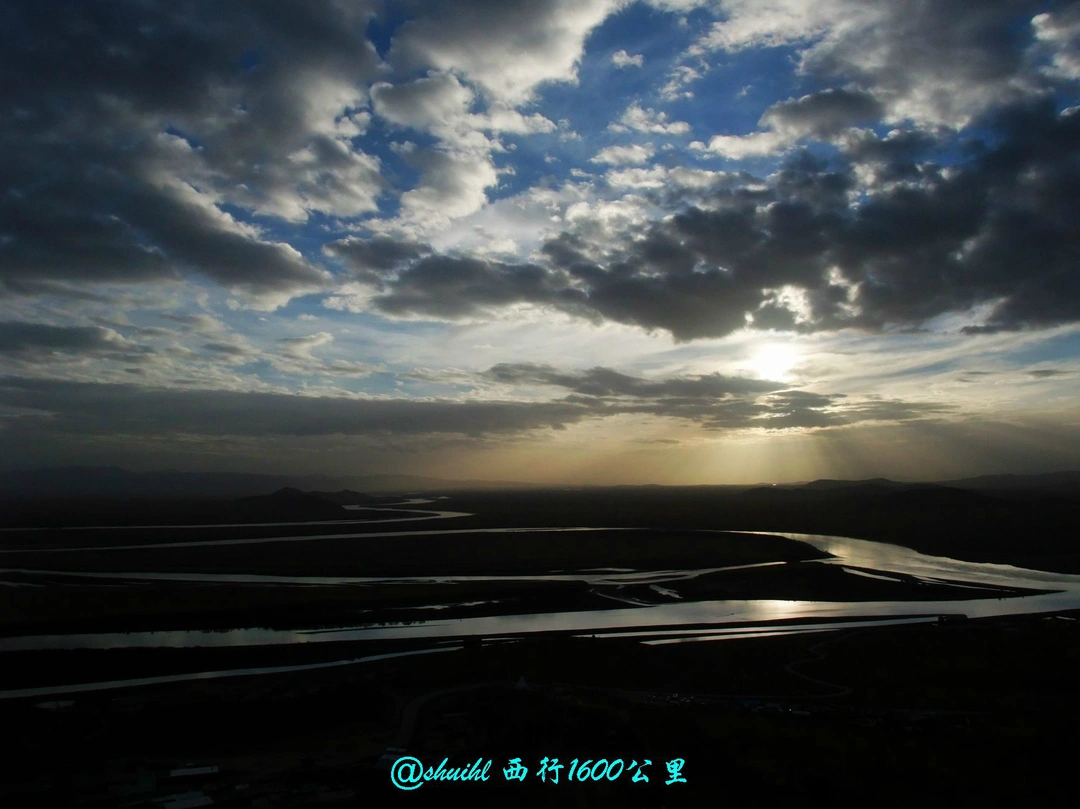
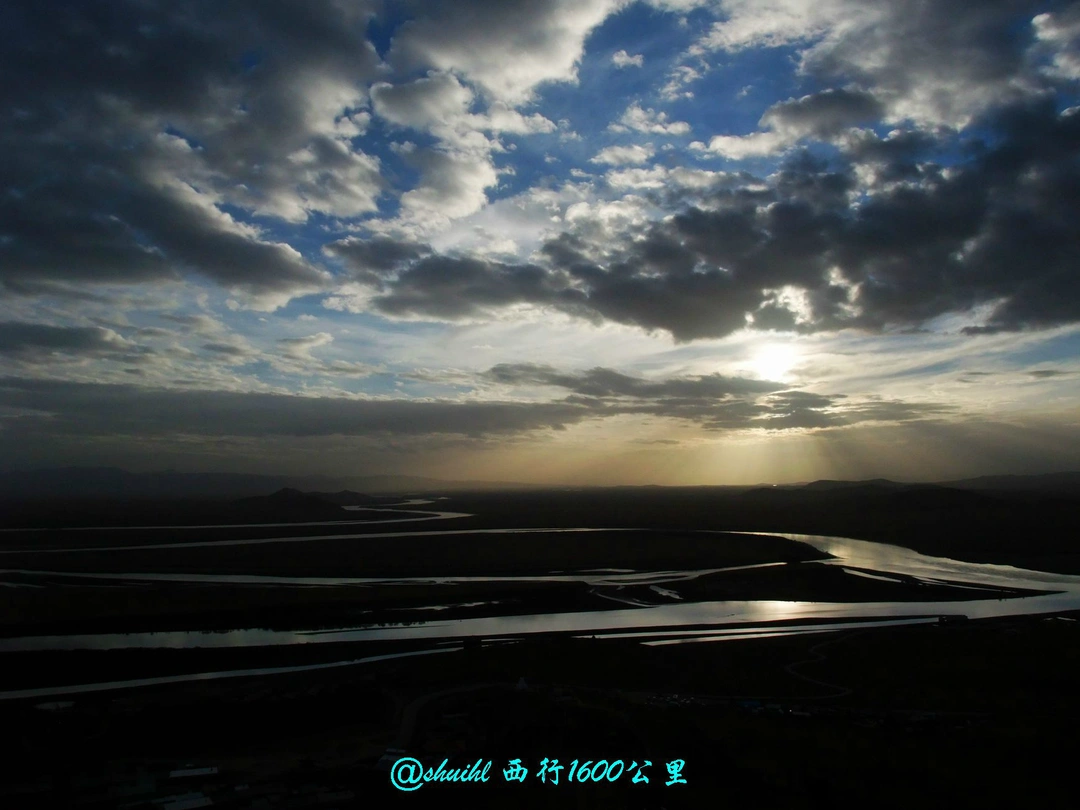
Suocang Temple on the right side of the slope has a different architectural style from Gansu's monasteries. At the summit, mules and prayer flags fluttered in the wind. We photographed our shadows, felt the breeze, and watched photography enthusiasts claim the top—except one handsome guy lost in thought, probably contemplating life.
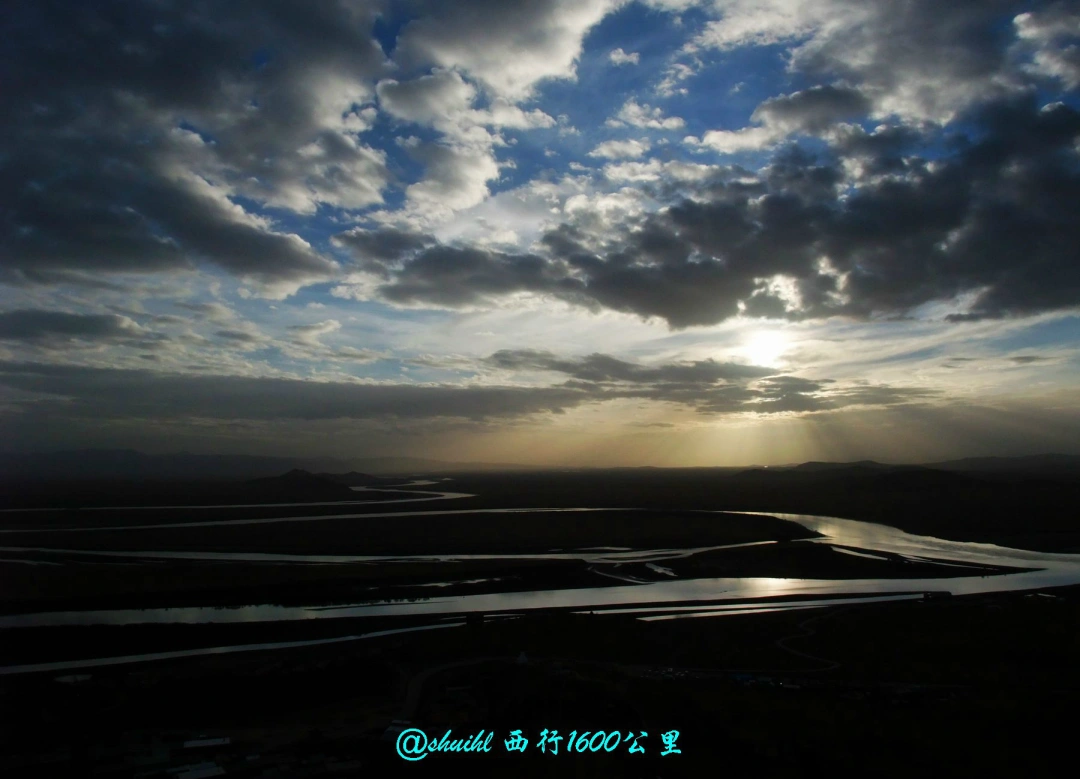
The hour-long wait was absolutely worth it. The water, the sky, the curves, the halos of light—breathtaking. My phone silhouette shots became great Weibo material.
We didn't return to Zoigê until 9 PM. Because we hadn't compared hotel prices, we paid 50 yuan more for accommodation. Lesson: always check multiple hotels for prices and room facilities before checking in.
Chapter Two: Songpan Ancient Town – Tea Horse Road Memories
Getting Ripped Off and Highland Barley Bread
After breakfast, the shop owner took advantage of us again—souring my impression of Sichuan businesspeople. No postcards at the post office, so we took a bus to Songpan (48 yuan per ticket). A little ladybug hitched a ride.
Along the way, I finally understood: the snow-capped mountains you see from the plains are actually just snowy grasslands at high altitude.
Songpan Ancient Town, famous for Songtsen Gampo and Princess Wencheng, is the original site of the Tea Horse Road. Today, it's taken on a new-town look. Learning from Zoigê, we compared prices and settled on the Shunjiang Hotel—a triple room for 100 yuan.
Food and Creativity
My mom stopped at a shop called "犇羴鱻" (Ben Shan Xian), which she'd seen in a documentary. Busy and tasty, but prices 30-40% higher than similar halal places. The highland barley bread that sold for 10 yuan at the street corner, we bought for 6 yuan in an alley—it solved our lunch problem for both Huanglong and Jiuzhaigou.
The newly built city wall divides the county's main street from the old town's ancient street—which, after renovation, looks identical to every other old street in China. A memorial hall on the city tower was closed.
[Link: Best time to visit Western Sichuan]
[Link: Jiuzhaigou Valley travel guide]
[Link: Tibetan culture and etiquette in Sichuan]
FAQ: Planning Your Western Sichuan Winter Trip
1. What is the best time to visit Western Sichuan?
Winter (November–February) offers fewer crowds, lower prices, and stunning snow-covered landscapes. However, some passes may close due to snow. Spring and autumn provide milder weather and vibrant colors.
2. How do I get to Zoigê and the Nine Bends of the Yellow River?
 From Chengdu, take a bus to Zoigê (about 8–10 hours). Alternatively, fly to Jiuzhaigou Huanglong Airport and take local transport. From Zoigê, hire a private car to Tangke (Nine Bends) for around 200–250 yuan round trip.
3. Is altitude sickness a concern in Western Sichuan?
Yes. Zoigê sits at 3,400m, and the Nine Bends area is even higher. Acclimatize for 1–2 days, stay hydrated, avoid alcohol, and consider bringing Diamox. If symptoms worsen, descend immediately.
4. What should I pack for a winter trip?
Warm layers (thermal underwear, fleece, down jacket), waterproof boots, gloves, hat, sunscreen (UV is strong at altitude), lip balm, and snacks. A power bank is essential—cold drains phone batteries fast.
5. Are entrance fees expensive?
 Most scenic areas charge 40–100 yuan. Student IDs (including graduate) often get discounts. Some spots like the Nine Bends are raising prices, so check current rates online before visiting.
6. Can I visit Jiuzhaigou and Huanglong in winter?
Yes, but some boardwalks may be icy. Jiuzhaigou remains open year-round, though certain trails close. Huanglong's colorful pools are even more magical under snow. Check road conditions before driving.
7. Is it safe to travel with elderly family members?
Yes, with precautions. Choose lower-altitude accommodations, avoid strenuous hikes, and ensure proper medical insurance. My 60+ mom managed fine—just take it slow.
Conclusion: Your Winter Fairytale Awaits
Our 1,600-kilometer journey through Western Sichuan wasn't perfect. We got ripped off, missed bus connections, and stepped in yak droppings. But we also watched sunsets that defied description, met a dog who posed better than most models, and shared moments of pure wonder with family.
The Nine Bends of the Yellow River, the ancient walls of Songpan, the snow-dusted forests of Jiuzhaigou—these aren't just destinations. They're chapters in a story you write as you go.
Ready to create your own winter fairytale? Start planning today. Book your transport, pack your warmest clothes, and leave room for the unexpected. The grasslands are waiting, the yaks are grazing, and Wangcai might just be looking for his next photo shoot.
[Link: Book your Western Sichuan tour package]
[Link: Download our Western Sichuan packing checklist]
[Link: Join our travel community for real-time tips]
Note: Prices mentioned reflect 2012 rates. Always check current costs before traveling.
You may also like


