The Sacred Chants of Aba: A Gentle Symphony of Faith and Life in the Embrace of the Highlands
Meta Description: Discover the sacred chants of Aba, where Tibetan Buddhism, ancient stone towers, and highland meadows create a symphony of faith. Explore Guanyin Temple, Zamtang, and more in this 1500-word travel guide.
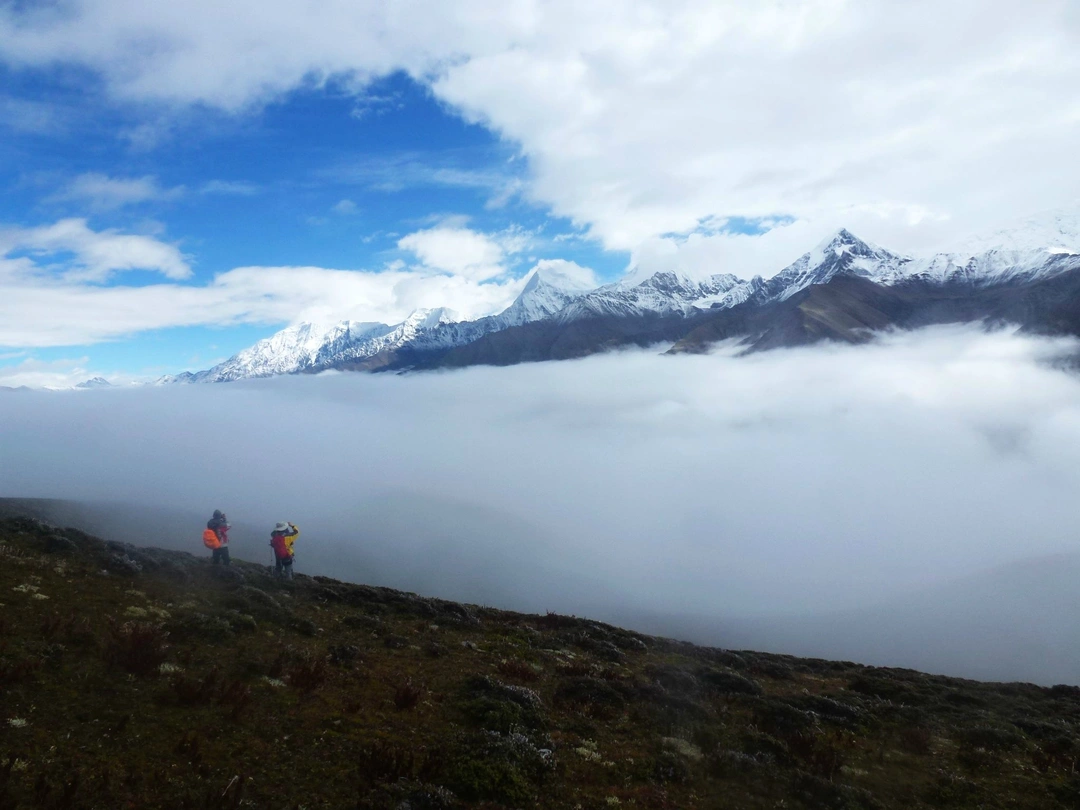
When the neon lights and clamor of the Chengdu Plain faded into memory, our family of three embarked on a five-day journey into the heart of the highlands. From the smoke curling over Tibetan villages in Barkam to the fluttering prayer flags in Guanyinqiao Town, from the tranquil valleys of Zamtang to the vast grasslands of Aba County—each stretch of road unfolded like a slowly opening scroll. And the sacred chants of Aba, deep within this panorama, gently knocked on the door of our hearts.
Before we set out, my understanding of Aba was limited to "a distant highland"—a vague geographical concept, a faraway place labeled "hidden秘境." But when the morning mist clung to the mountain ridges, when the sunlit meadows were dotted with wildflowers, and when our child chased butterflies through the wind, I understood: Aba's beauty lies not only in its majestic landscapes, but in the tenderness where nature and faith intertwine.
Why Aba Should Be on Your Travel Radar
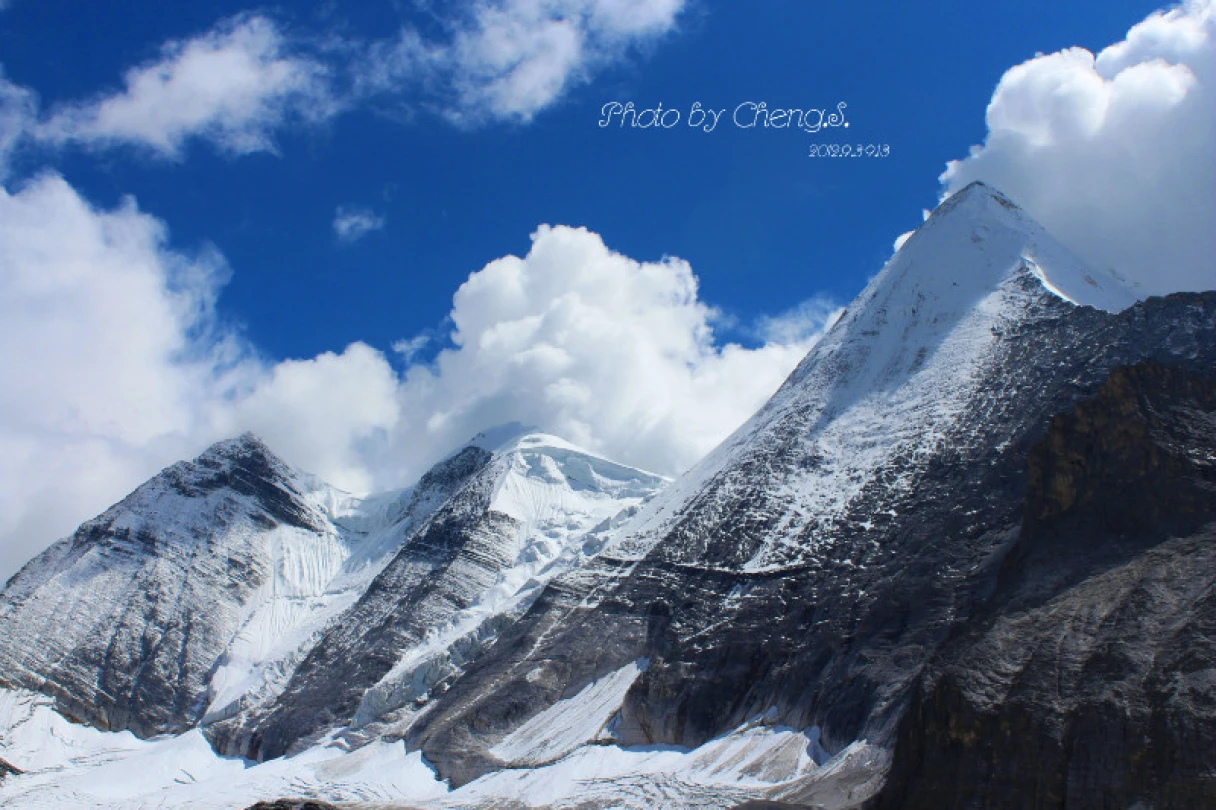
Aba Tibetan and Qiang Autonomous Prefecture, located in the northwest of Sichuan Province, is a land where Tibetan Buddhism meets pristine nature. Unlike the crowded tourist hubs of Tibet or Yunnan, Aba offers an authentic, unspoiled experience. Here, the sacred chants of Aba echo through valleys, prayer flags dance in the wind, and ancient traditions live on in daily life.
Whether you're a spiritual seeker, a cultural enthusiast, or a family traveler, Aba delivers a journey that nourishes the soul. Let's explore the must-visit destinations that make this highland region a symphony of faith and life.
Guanyin Temple: A Beacon of Faith at 3,685 Meters
The "Second Potala Palace" of the Western Sichuan Plateau
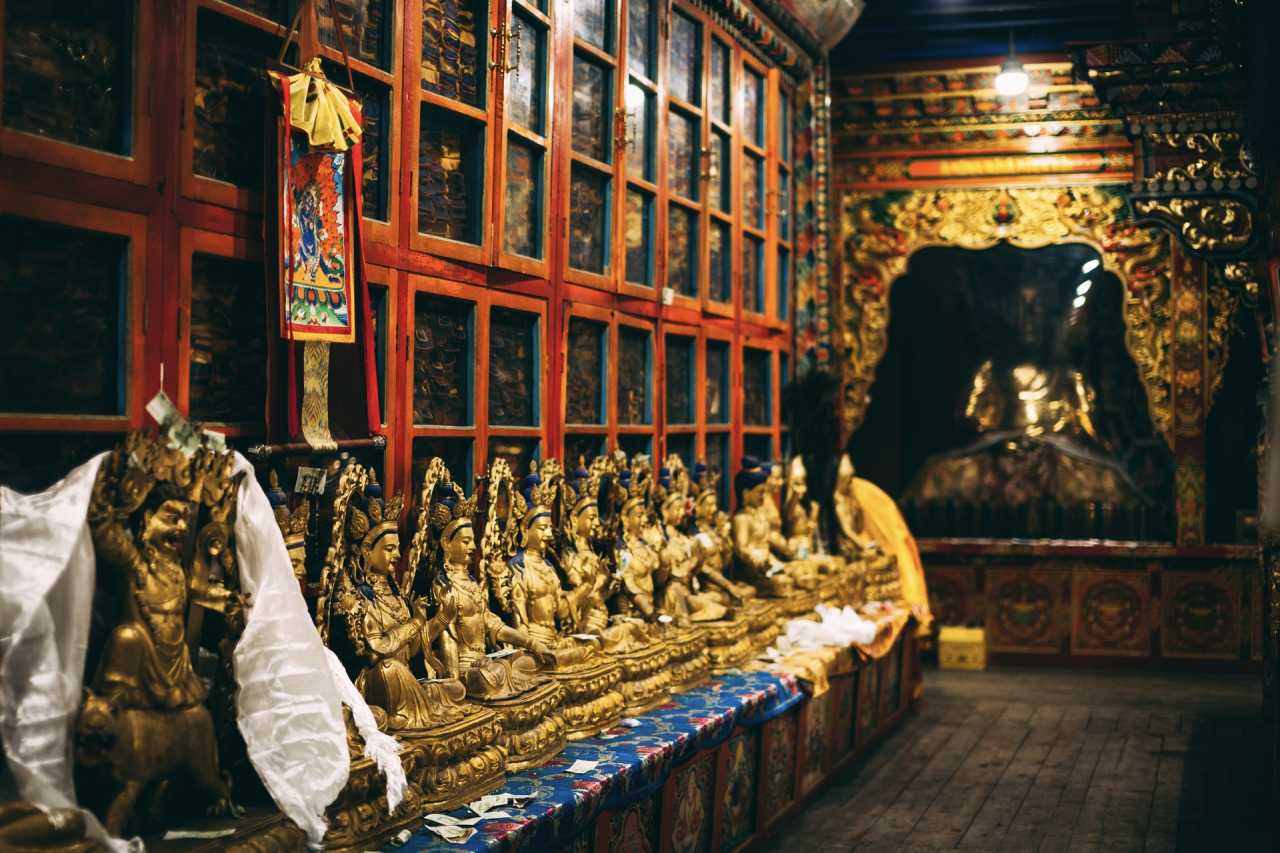
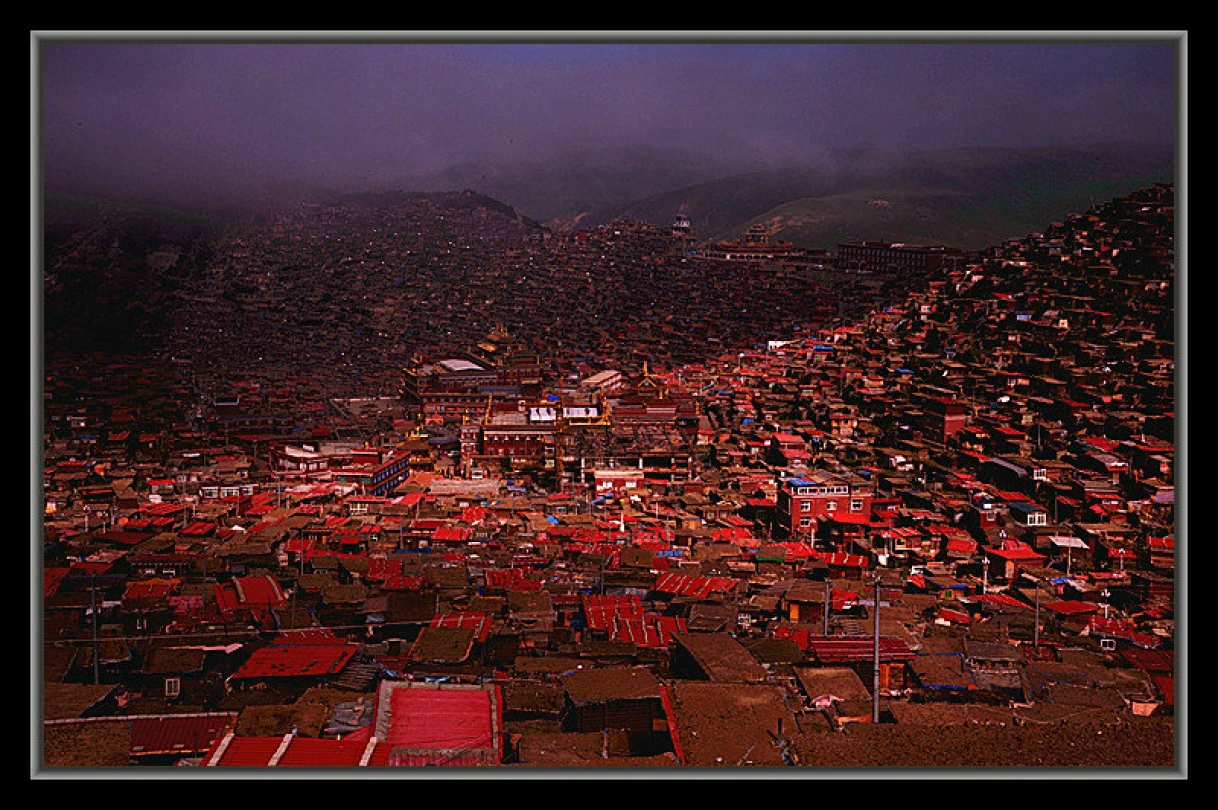
Among the towering mountains of the Western Sichuan Plateau lies a small town called Guanyinqiao (Guanyin Bridge). There is no bridge here, but the town is famous for a temple—Guanyin Temple (Guanyin Si). Perched on the mountainside of Mount Nale at an altitude of 3,685 meters, this Nyingma sect sanctuary overlooks all living beings.
With its red walls and golden roofs shimmering in the sunlight, Guanyin Temple is often called the "Second Potala Palace." Its unique Tibetan architectural aesthetics draw visitors from across the region. But it's not just the architecture that captivates—it's the spiritual energy that permeates every corner.
The 1,300-Year-Old Avalokiteshvara Statue
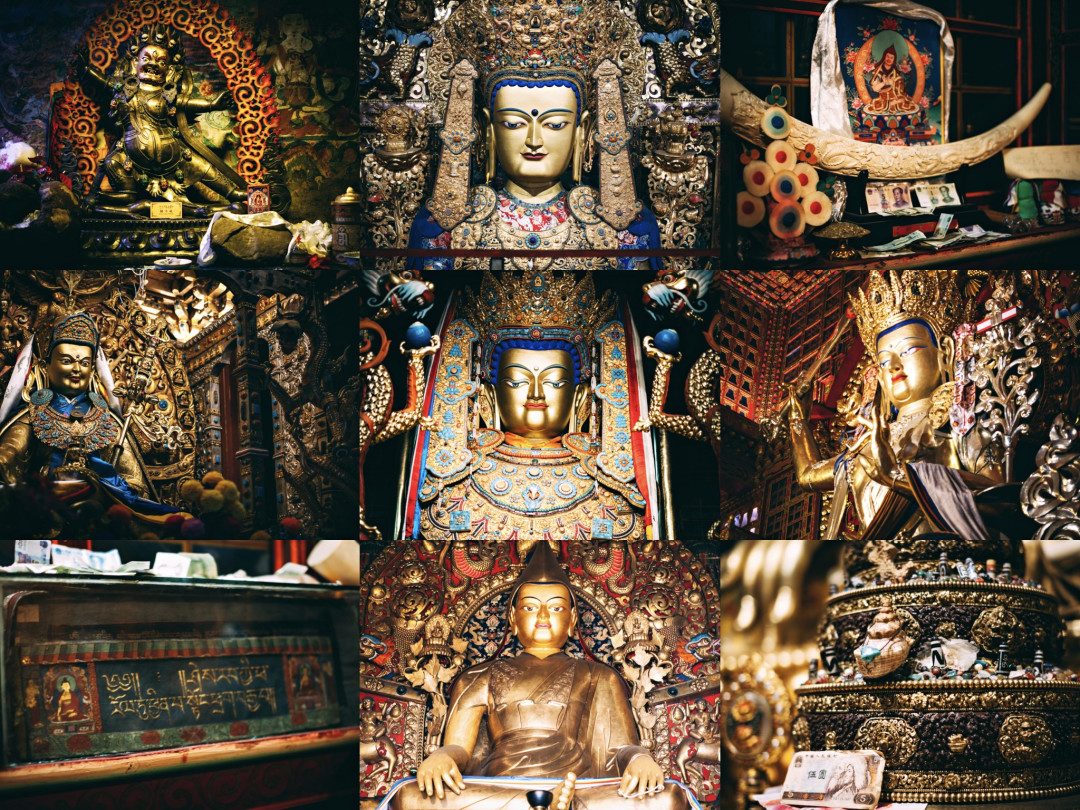
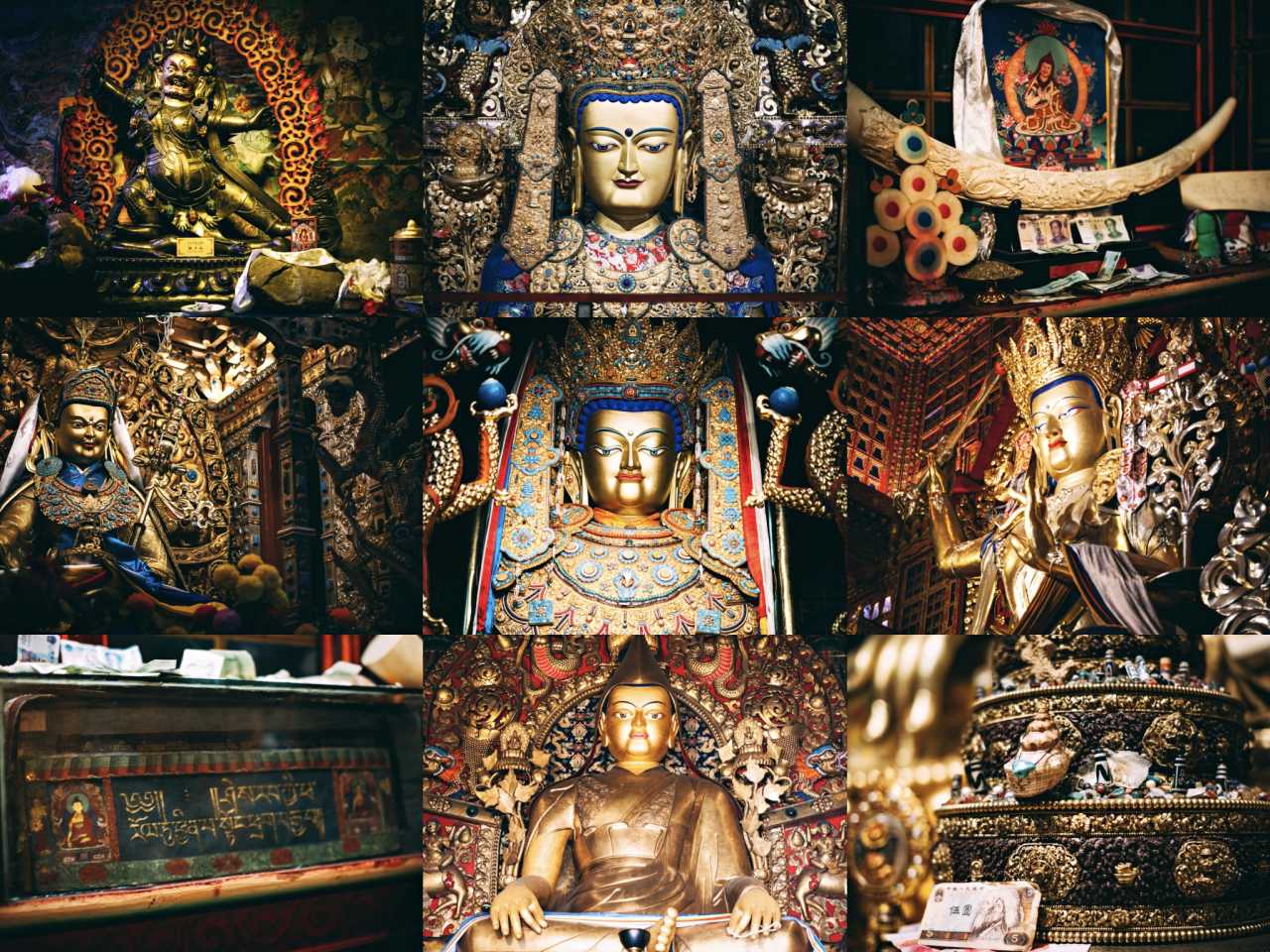
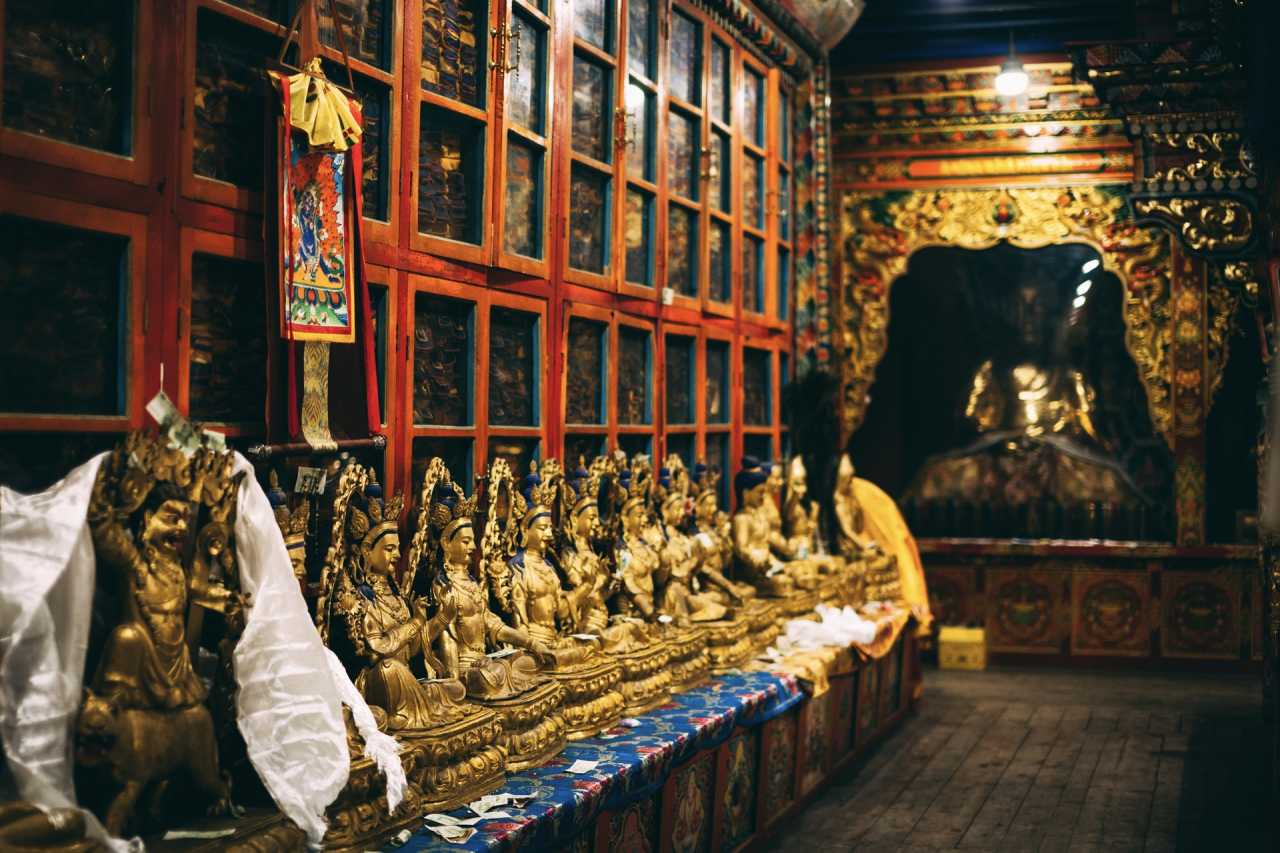
Stepping into the Tsokchen (Main Assembly Hall), you'll encounter a four-armed Avalokiteshvara statue (Tukyi Chenpo) with a history of 1,300 years. The Buddha's body, cast from gold, silver, and coral, glows under the flickering butter lamps. Together with the treasured Kangyur (the translated words of the Buddha) and Tengyur (the translated treatises), these artifacts tell the story of a thousand-year dharma lineage.
The Kangyur contains the Buddha's discourses, encompassing the sutras and tantras of both exoteric and esoteric Buddhism. The Tengyur consists of commentaries and explanations of the sutras, as well as descriptions of tantric rituals.
Prayer Wheels and Pilgrims' Faith
Outside the prayer wheel corridor, the wind carves the six-syllable mantra into the mountain ridges. The carved pattern of "Om Mani Padme Hum" on the opposite cliff face is like a permanent tattoo on the Hengduan Mountains—and the faith trail of countless pilgrims.
The fragrant smoke from the incense burner rises gently, the chanting of sutras blends with the hum of turning prayer wheels, and prayer flags wind through the mountains, offering a profound metaphor for the "six realms of samsara." Beside me, devotees prostrate themselves full-length, measuring faith with their bodies. This devotion, transcending time and space, is the most moving vitality of Tibetan Buddhism—and the first baptism of my journey.
Tip: Visit early morning or late afternoon to avoid crowds and experience the temple's serene atmosphere.
[Link: How to Plan a Tibetan Buddhist Temple Tour in Sichuan]
Risimangba Stone Tower House: A Living, Thousand-Year-Old Dwelling

Architecture That Defies Time
To adapt to the harsh highland climate, early Tibetan people built houses from piled stone, resembling blockhouses. The Risimangba Stone Tower House is a masterpiece of this architectural style. Built at the turn of the Yuan and Ming dynasties (late 13th to early 14th century), it rises nine stories high, built into the mountainside.
This tower house is not a chieftain's fortress but an intermediate structure between a chieftain's residence and an ordinary home. Its original owner was a painter serving the local Chosgyal chieftain. Astonishingly, it has been passed down through thirteen generations—and is still inhabited today.
A Glimpse into Daily Life
The tower has nine levels, each with a distinct purpose:
- First floor: Livestock pen (a young calf can still be seen)
- Second floor: Kitchen to the north (also the dwelling place of household gods) and a living room to the south, its dark, soot-covered walls exuding warmth
- Third and fourth floors: Bedrooms, featuring a wooden outhouse balcony where the owner's cat peers curiously at visitors
- Fifth floor: Buddhist prayer hall, used to honor the Year God and Mountain God
- Sixth floor and above: Storage rooms, with wooden racks full of freshly harvested highland barley
Why This Place Matters
Tibetan ancestors built these stone tower houses both to keep warm and store grain in the frigid highlands and to defend against external threats. Standing at the top of the tower, the entire valley unfolds before you. There are very few tourists here—on our visit, we were the only visitors. The entire village remains undeveloped, incredibly unspoiled.
Everywhere we walked, we were greeted with smiling faces. A simple "Tashi Delek" (blessings and good luck) filled the air with warmth. Places like this, rich in cultural atmosphere and offering immense travel value, are becoming increasingly rare.
Tip: Respect local customs—ask permission before photographing residents or interiors.
[Link: Top 10 Undeveloped Tibetan Villages in Sichuan]
Zongke Township: A Picnic at 3,800 Meters
The Beauty of Simplicity
Arriving at Zongke Township, a white stupa appeared unexpectedly. At noon after the Start of Autumn, the air still carried a lingering heat. We moved our "little tank" (our car) into the shade and set up a stove under the wind-horse flags.
Potatoes and carrots were diced and simmered with cured pork. The aroma of rice mixed with the fragrance of oil, drifting over the sound of the stream and birdsong. Fresh tomatoes were halved and placed into bowls, their sweet and sour juice bursting with the taste of highland sunshine. Finally, we cracked open a can of cola, and as the bubbles exploded, a mountain breeze suddenly swept through the leaves, scattering dappled light and shadow into a cool, refreshing mosaic.
Finding Home in the Highlands
The stream babbled, the prayer flags fluttered in the wind. This picnic at 3,800 meters gave travelers a taste of home. Our child sat on a rock, bowl in hand, sipping soup slowly, but their eyes were fixed on the fish swimming in the stream.
At that moment, I suddenly felt that the meaning of travel lies not in how many places you've visited, but in these seemingly insignificant moments—when a family's laughter echoes through the valley, when the aroma of food mingles with the highland wind, when the prayer flags of faith flutter overhead—we forge the most genuine connection with this land.
Tip: Pack a portable stove and easy-to-cook ingredients for a memorable highland picnic.
Xiutianxiuka Tibetan Village: A Historical Imprint on the Cliff
A Village Hidden in the Clouds
Xiutianxiuka Tibetan Village is not located on any famous main road, nor is its scale grand enough to be a noticeable spot on a satellite map. But standing at its foot, with the forests of Western Sichuan as a backdrop, this Tibetan village is truly breathtaking.
What is stunning is not just the village itself, but the Duoke River Gorge it occupies—a valley often shrouded in clouds and mist, where countless signs of people's industrious lives dot the hillsides, cliff faces, and snowy mountains.
A Strategic Location with Historical Significance
The village occupies a strategic location, once serving as a chieftain's fortress and checkpoint. Later, it opened its arms warmly to the Red Army. This terrain provided a highly safe haven for the Red Army troops needing rest and to evade enemy pursuit.
Although few physical relics remain, being in such an environment still allows one to feel the weight of history. Perhaps this is why almost everyone looks up to this Tibetan village in awe.
Tip: Hire a local guide to learn about the village's history and hidden trails.
[Link: Red Army History Sites in Western Sichuan]
Zengke Monastery: Sky-High Prayer Wheel Circling and "Chöd" Practice
A Monastery Above the Clouds
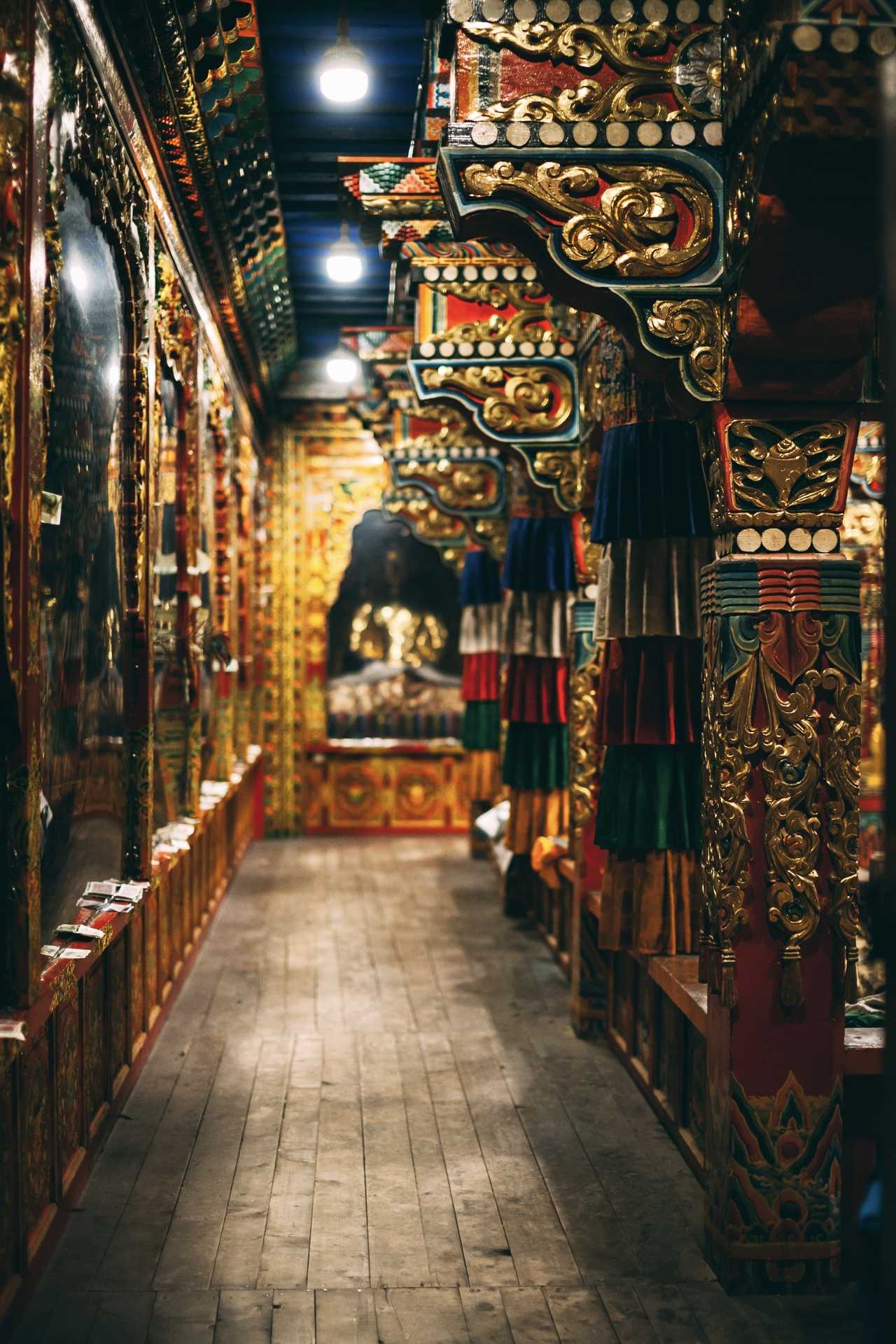
Zengke Monastery is a hidden gem for those seeking deeper spiritual experiences. Perched at high altitude, this monastery is known for its sky-high prayer wheels and the traditional "Chöd" practice—a tantric ritual of cutting through ego and attachment.
The prayer wheels here are enormous, requiring physical effort to turn. The sound of the wheels grinding, combined with the monks' chanting, creates a meditative atmosphere that lingers long after you leave.
The "Chöd" Practice
Chöd, meaning "cutting through," is a Tibetan Buddhist practice that involves visualizing the offering of one's body to demons and spirits as a means of overcoming fear and attachment. While not for the faint-hearted, observing this practice offers profound insights into Tibetan Buddhist philosophy.
Tip: Check with the monastery for visiting hours and whether Chöd ceremonies are open to visitors.
FAQ: Planning Your Aba Journey
1. When is the best time to visit Aba?
The best time is from May to October, when the weather is mild and the grasslands are in bloom. July and August offer the most vibrant wildflowers, while September and October provide clear skies and golden autumn colors.
2. Do I need a permit to visit Aba?
No special permit is required for most areas, but some border regions near Tibet may require one. Always check local regulations before traveling.
3. How do I get to Aba from Chengdu?
The most common route is by self-drive or bus from Chengdu. The journey takes approximately 6–8 hours via the Wenchuan–Maerkang highway. Alternatively, you can fly to Jiuzhai Huanglong Airport and then drive to Aba.
4. Is Aba suitable for family travel?
Absolutely. Aba offers a mix of cultural experiences and outdoor activities that appeal to all ages. However, be mindful of high altitude (3,000–4,000 meters) and plan for gradual acclimatization.
5. What should I pack for a trip to Aba?
Pack warm layers (temperatures drop sharply at night), sunscreen, sunglasses, a hat, comfortable walking shoes, and altitude sickness medication. Also bring a reusable water bottle and snacks for long drives.
Final Thoughts: The Symphony of Faith and Life
The sacred chants of Aba are more than just sounds—they are the heartbeat of a culture that has thrived in the highlands for centuries. From the ancient Guanyin Temple to the living history of Risimangba Stone Tower House, from the simple joy of a highland picnic to the profound spirituality of Zengke Monastery, every moment in Aba is a note in a gentle symphony.
This journey reminded me that travel is not about ticking off destinations. It's about the moments when faith meets life, when nature embraces culture, and when a family's laughter becomes part of a larger, sacred melody.
Are you ready to hear the sacred chants of Aba? Start planning your journey today—pack your bags, gather your loved ones, and let the highlands call you home.
[Link: Book Your Aba Tour Package] [Link: Explore More Tibetan Cultural Sites in Sichuan]
Follow us for more travel inspiration and cultural insights from the highlands of Western China.