Mountain Kora: Encountering the Sacred Peak on the Pilgrimage Road to Gongga
Meta Description:
Discover the ultimate Gongga trekking experience on the sacred pilgrimage road. From altitude sickness to snow-capped peaks, this 1500-word guide covers everything you need to know about Mountain Kora in Sichuan.
Prologue: When City Dwellers Meet the King of Sichuan Mountains
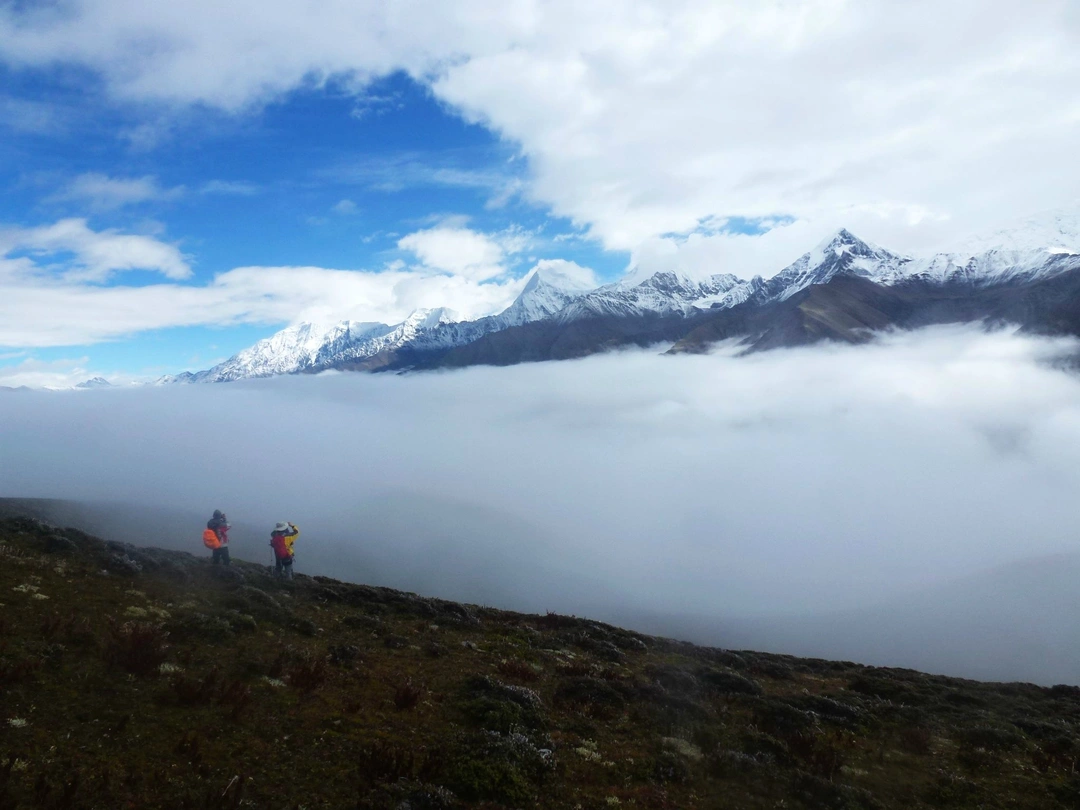
Waking up in the early morning, thick fog had sealed off the entire world. From the moment we set out, endless uphill slopes greeted us. Not until we stood at the mountain pass did the sun tear through the clouds and the cold wind scatter the mist—and there, without any warning, Mount Gongga appeared above the sea of clouds.
Some people cried. Some laughed. Some shouted at the top of their lungs. A group of city dwellers from all corners of the country had come together under the call of the King of Sichuan Mountains. We endured altitude sickness together, pushed through blizzards together, ran fevers together, climbed snow-capped peaks and waded through glacial rivers together. In the end, we were blessed by the sacred mountain, frolicking freely at its feet.
Some say the meaning of travel is to escape from something. But true outdoor enthusiasts know—we're just craving the wild. We want to toss materialism, office politics, social etiquette—all of it—into the Ice Age. When you're on a high plateau where even money can't buy you a steamed bun, the children of privilege shed their halos and become nothing more than naked souls born into this world. Two legs that can walk, one hand that can work, a backpack that carries your home—the wanderer knows no boundaries.
There were nine of us "donkeys" (as hardcore trekkers call themselves in Chinese slang), cooped up in the city for an entire year. Finally, National Day arrived. We threw off our restraints and raced toward freedom, setting foot on this pilgrimage road, heading for the Gongga of our dreams.
Day One: On the Lovely Mountain – The Journey to Kangding
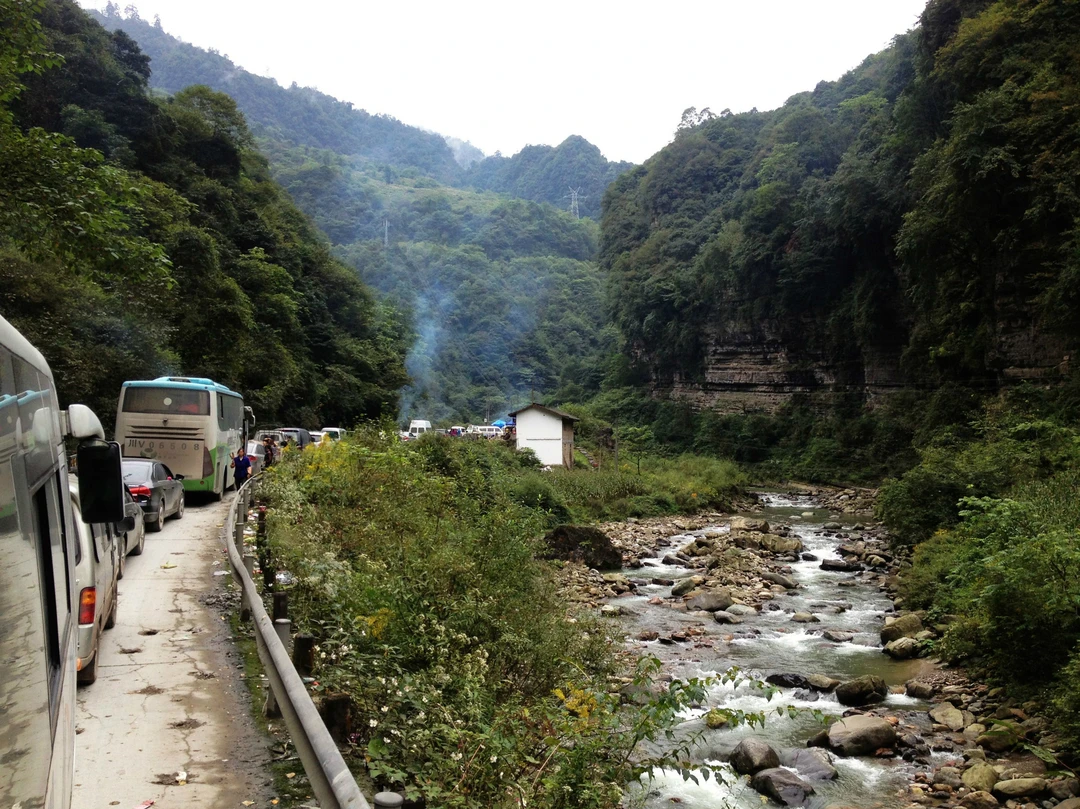
The bus from Chengdu to Kangding had barely left the city when it plunged into the towering peaks and flowing waters of National Highway 318. Erlang Mountain soared into the clouds; the Yalong, Min, and Dadu Rivers roared through the canyons below. The perennial floods and landslides meant road workers never had to worry about job security. What should have been a seven-hour drive stretched into thirteen hours thanks to a mudslide in front of Erlang Mountain.
By the time we reached Kangding, darkness had fallen. Our supply run had to be pushed to the next morning, which meant losing at least 10 kilometers of trekking time. Pushing hard was now inevitable.
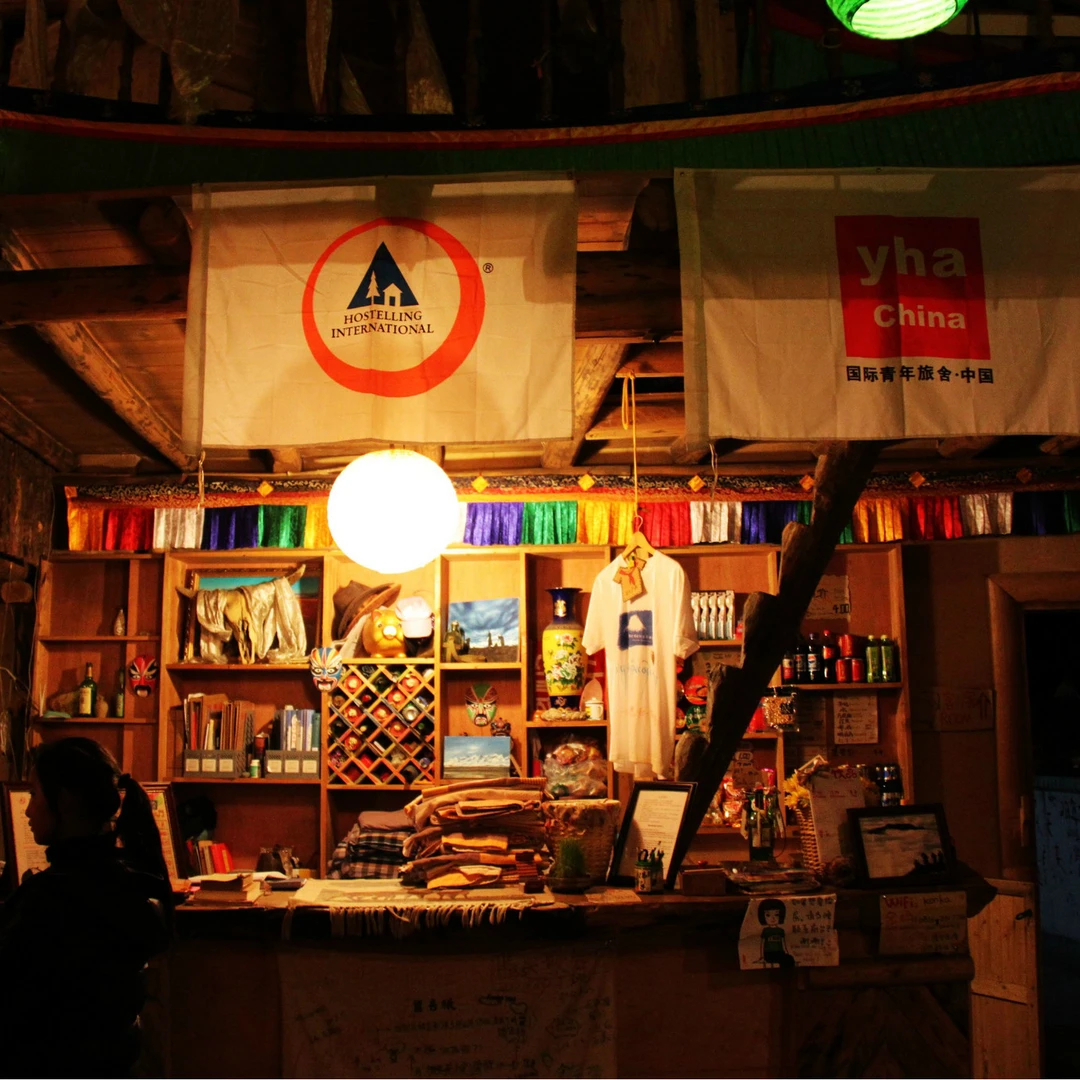
Brother Prairie Wolf from Kangding Gongga International Youth Hostel picked us up and got us settled. We had our last "civilized" meal at a Sichuan restaurant—a makeshift Mid-Autumn Festival dinner. There was no moon over Kangding that night; apparently it had been raining for days. Staring into the pitch-black sky, I felt a quiet worry about the road ahead.
After dinner, Brother Wolf drove us 10 kilometers to Old Yulin Village, where we checked into the Cilang Duoji Tibetan Guesthouse. A Tibetan mother served us fragrant butter tea, and we went over the route, horses, vehicles, and other details one last time. It was late by the time we finally lay down.
[Link: Best Time to Visit Gongga Mountain]
Day Two: Supplies, Hot Springs, and Setting Out
The morning was surprisingly clear. Blue sky set off the fresh snow on distant peaks. Floating Image, Poplar, and I channeled the spirit of "fearing neither hardship nor fatigue" and headed back to Kangding for supplies. The rest of the team went to soak in the hot springs at Old Yulin.
The market in Kangding was fresh and cheap. Potatoes, carrots, apples, rice, flatbread, pickled vegetables, soy sauce... We hauled our bulging bags back to Old Yulin by noon. The hot spring crew was already sunbathing in the courtyard. After a simple Tibetan meal, we were finally ready to go.
Our guide and muleteer was Uncle Daji and a Tibetan beauty named Qimu. The team was thrilled—when it came time to load the packs onto the horses, everyone rushed to help Qimu. Nobody paid any attention to Daji.
Altitude Sickness Strikes Early

The first day's trek was a slow climb. The highlands I'd dreamed of were finally under my feet, but before I could even get excited, altitude sickness hit me. The chaotic sleep schedule in the city, the pre-holiday rush—all of it caught up with this self-proclaimed "old hand at high altitudes." At just over 3,000 meters, I was down for the count. Nausea, vomiting, headaches, cold sweats. Two steps and I had to stop to catch my breath. Floating Image, the handsome guy, stayed with me, stopping every two steps as well.
Luckily, the glacial valleys, red rock beaches, alpine meadows, and the gentian flowers dotting the landscape eased my suffering. It had been too long since I'd seen scenes like this. I knew even more beauty lay ahead—how could I give up here?
Arriving at Two Rivers Camp
By four in the afternoon, fog rolled in, followed by rain. I was still moving painfully slowly, feeling deeply sorry for Floating Image walking beside me—his waterproof jacket wasn't, and he was soon soaked through. The fog thickened. The sun began to set. Every gust of wind sent shivers through me. Several teammates were waiting for us in the thick fog, making me feel even guiltier for holding up the camp setup.
By the time we reached Two Rivers Camp, it was nearly dark. Old hand Alang was already waiting. Knowing I was in trouble, he told me to lie down in his already-pitched tent and boiled water to warm me up. Alang was a bit annoyed—it's very unwise for the whole team to walk with the slowest person. At least someone should have gone ahead to set up tents. In bad weather, the rear team needs a place to recover when they finally reach camp.
That night's dinner was cooked in the dark. It was freezing cold. Taking your hands out of your pockets for two minutes and they'd go numb. The river water was bone-chilling. We dug drainage ditches, lit the stove, washed vegetables, and cooked in the biting wind. One big pot of rice, another big pot of potatoes and carrots braised with cured pork. It smelled amazing, but my altitude sickness wouldn't let me eat.
Floating Image had disappeared into his tent right after setting it up. I went to check on him. Soaked through and chilled by the wind, he had a fever, curled up in his sleeping bag, shivering uncontrollably. I knew it was because he'd walked slowly with me—every outdoor person knows that walking with someone else is the most tiring thing. At 3,600 meters, a cold doesn't heal easily. I brought him hot water and hot food, hoping he'd recover by tomorrow.
That night, several teammates fell ill—some with colds, some with altitude sickness. After dinner, everyone took medicine and went to bed early.
[Link: Altitude Sickness Prevention Tips for High-Altitude Trekking]
Day Three: The Hardest Day – Crossing Riqie Pass
Up at seven. A sleepless night from altitude sickness. The headache and nausea continued. Floating Image's fever had broken—he declared himself "strong as an ox again." Alang mixed me a big bowl of tsampa (roasted barley flour) with barley powder, nuts, and butter. The teammates who couldn't stomach tsampa boiled noodles. The horses grazed leisurely on the hillside. Qimu rekindled last night's campfire to brew Tibetan tea and burn the trash.
I knew I still couldn't walk fast today, so Floating Image and I set out early.
Why Day Three Was the Most Challenging
This was the hardest day of the entire trip. The bus delay meant we hadn't made it to Upper Riqie Camp below the Riqie Pass the day before. That added an extra 10 kilometers to our journey—30 kilometers total, plus we had to cross the highest point of the route: the 4,900-meter Riqie Pass, with a cumulative elevation gain of 1,300 meters.
The weather held until Upper Riqie. Mount Jiazi revealed its full glory without reservation. Low-growing alpine rhododendrons bloomed at our feet. Birds sang, flowers scented the air, and we climbed, climbed, climbed. My altitude sickness grew worse.
Since I hadn't been able to eat since the day before, I kept stopping to dry heave. Floating Image still walked behind me. The other teammates had long since disappeared from sight. The entire high plateau was just the two of us.
The Summit Moment
We reached the pass at 4,900 meters with the sun high overhead. The wind howled, but the sky was a perfect blue. Below us, the Gongga glacier gleamed like a frozen river of silver. The sacred peak itself—Mount Gongga at 7,556 meters—stood in silent majesty, its summit wrapped in a veil of cloud.
I knelt in the snow, not from exhaustion but from reverence. This was the moment we had come for. The pilgrimage road had tested us, broken us, and now it was rewarding us.
The descent was steep and treacherous. Loose scree, hidden ice patches, and the ever-present risk of a twisted ankle. But the views kept us going. Alpine lakes in shades of turquoise and emerald dotted the valley below. Yak herds grazed on distant slopes. The world felt ancient and untouched.
Day Four: The Final Push to Gongga Base Camp
By morning, my altitude sickness had finally begun to ease. The team moved as one now—slower, more deliberate, but united. We crossed glacial rivers on makeshift log bridges, climbed through alpine meadows carpeted with wildflowers, and followed the pilgrimage kora path that Tibetan Buddhists have walked for centuries.
The final approach to Gongga Base Camp was surreal. The mountain loomed so large it filled the entire horizon. We set up camp at 4,200 meters, directly beneath the King of Sichuan Mountains. That night, the stars came out in a way only the high plateau can deliver—thick as sand, bright as diamonds.
We built a campfire, shared stories, and sang songs. The nine of us, strangers just a week ago, were now a family. The sacred mountain had blessed us.
Day Five: The Return to Civilization
The hike out was bittersweet. Every step took us closer to Kangding, closer to hot showers and warm beds, but further from the wild. We passed through Old Yulin Village one last time, said goodbye to Uncle Daji and Qimu, and boarded the bus back to Chengdu.
As the bus wound through the mountains, I watched Gongga disappear into the clouds. I knew I would return. The mountain calls to those who have walked its pilgrimage road.
Essential Tips for Your Gongga Kora Trek
- Best Season: Late September to early October for clear skies and manageable temperatures.
- Acclimatization: Spend at least one night in Kangding (2,600m) before starting the trek.
- Essential Gear: Waterproof jacket, trekking poles, high-altitude sleeping bag, and altitude sickness medication.
- Guide Required: Hire a local guide and pack animals for safety and logistics.
- Fitness Level: Moderate to high. Prepare with cardio and leg strength training.
[Link: Complete Gongga Trek Packing List]
FAQ: Gongga Pilgrimage Road Trekking
1. How long does the Gongga kora trek take?
The full pilgrimage circuit typically takes 5–7 days, depending on weather, fitness levels, and route variations. Our group completed it in 5 days including travel from Chengdu.
2. Is altitude sickness common on this trek?
Yes, especially for those not acclimatized. The route reaches 4,900 meters at Riqie Pass. Symptoms like headaches, nausea, and fatigue are common. Proper acclimatization and medication are strongly recommended.
3. Do I need a guide for the Gongga pilgrimage road?
Absolutely. The terrain is remote, weather changes rapidly, and trail markings are minimal. Local guides like Uncle Daji and Qimu provide essential navigation, pack animal support, and cultural insight.
4. What is the best time of year for this trek?
Late September to early October offers the best weather—stable, clear skies, and moderate temperatures. Summer brings monsoon rains, while winter is extreme with heavy snow and freezing temperatures.
5. Can I do this trek solo?
Solo trekking is not recommended due to the high altitude, remote location, and lack of infrastructure. Even experienced trekkers should join a group or hire a guide for safety.
Conclusion: The Sacred Mountain Awaits
The Gongga pilgrimage road is not a vacation—it's a transformation. It strips away everything unnecessary and leaves you raw, humble, and alive. Whether you're a seasoned trekker or a first-time high-altitude adventurer, the King of Sichuan Mountains will test you, break you, and ultimately bless you.
If you're ready to leave the city behind, to trade office politics for glacial rivers and social etiquette for starry skies, then answer the call. The sacred peak is waiting.
Are you ready to walk the pilgrimage road?
[Link: Book Your Gongga Trekking Tour]
[Link: Gongga Kora Route Map & Itinerary]
Have you trekked the Gongga pilgrimage road? Share your experience in the comments below. For more high-altitude trekking guides and Sichuan travel tips, subscribe to our newsletter.
You may also like


