The Po-Sang Adventure: A Photographer's Custom Santana Road Trip on the Sichuan-Tibet Southern Route (G318)

Meta Description: Discover the ultimate G318 Sichuan-Tibet road trip in a restored vintage Santana. A photographer's custom-built adventure through snowy mountains, glaciers, and seas of clouds. Read the full journey.
Introduction: Why This G318 Sichuan-Tibet Journey Is Every Photographer's Dream
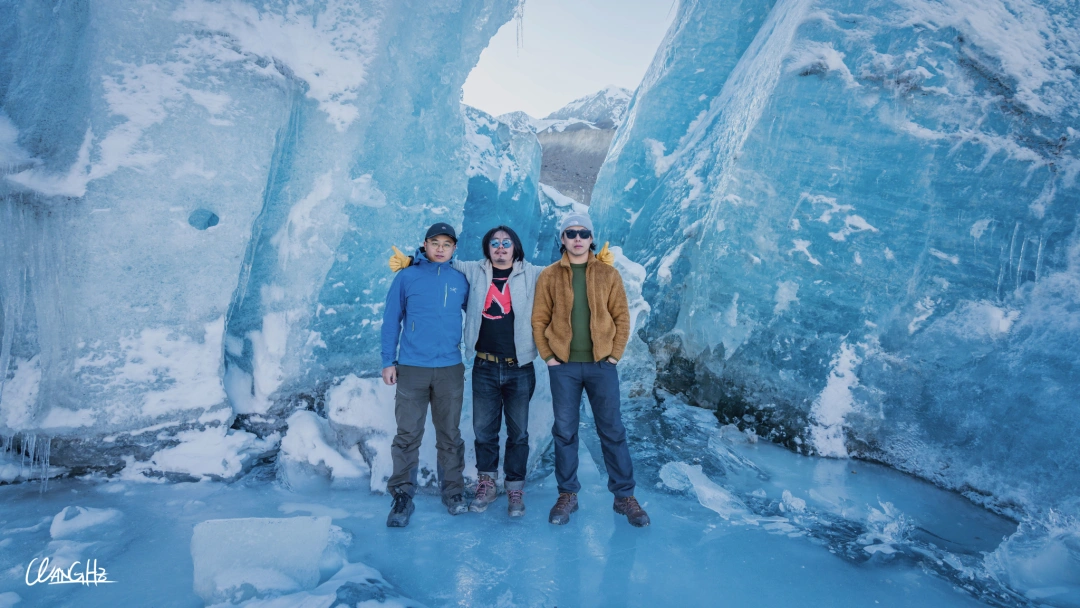
What's the most extraordinary gift you've ever received? For me, it wasn't an object—it was a journey. A journey woven together by old friends, an old car, and an old road, exploring the hidden wonders of Sichuan and Tibet. In November 2020, at the milestone of turning thirty, I joined a group of like-minded friends to restore a vintage Santana by hand, drive it onto China National Highway G318, and chase those secret realms hidden among snowy mountains, glaciers, and seas of clouds.

The significance of this trip isn't about how grand it was, but how every detail felt worth sharing. I love road trips. I love nature. But this was the first time I'd personally taken part in restoring and modifying a car, then driven it toward the most revered mountains, rivers, lakes, and seas. Travel teaches us: flowers bloom when they bloom, petals fall when they fall. There's no need for sorrow or regret—just appreciate and document the process.
Look around—everything is worth anticipating. Rush toward what you love, seizing every moment. The scenery recedes, but we move forward.
The Beginning: Building Your Own Dream with Your Own Hands
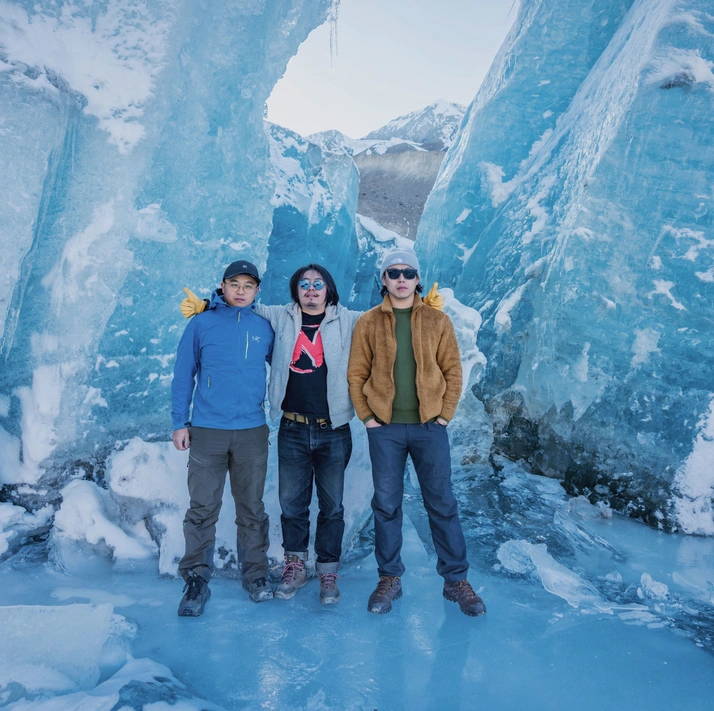
Four years of university, eight years of work—I'd spent twelve years in Chengdu. People came and went. Age crept up. But my passion for travel never faded, and neither did the bond with old friends. So when I proposed doing something different for my thirtieth, everyone was instantly on board.
That day, the sunlight was faint, the sky half-hearted. I got a call from my old friend Teacher Gao: "We found the car. Come over." Still half-asleep, I flew to Shanghai that very night. No one could have guessed that from that moment, we'd embark on a complex and magical journey of craftsmanship.
Why a Santana for a G318 Road Trip?
Delicate sedans and pretentious SUVs were ruled out first—they're built for city life, not for chasing the raw, dangerous real world. Rugged off-roaders were also excluded—they'd make the journey too easy, robbing it of its soul-shaking impact. So no ready-made option existed.
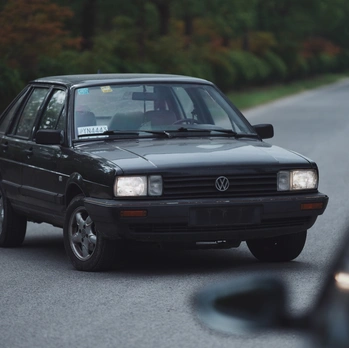
At a car meet, a friend's pristine Santana suddenly struck me. The old slogan flashed back: "Own a Santana, fear no road in the world." This thirty-year-old German design was simple, sturdy. When emotion stirred, a quick rational assessment followed—the idea of modifying a Santana for the road wouldn't let go. It gradually took shape.
Finding the car was grueling. A long-discontinued model, even in Shanghai, is hard to find in condition capable of completing the full G318 Sichuan-Tibet route. After inspecting over a dozen cars, we finally found this one—the best-condition "square-head" of the lot.
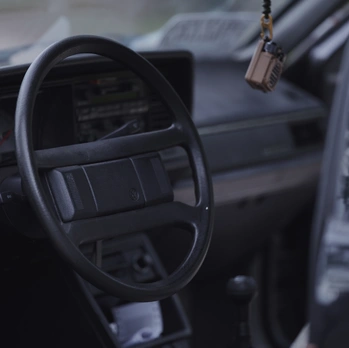
To me, the Santana looks exactly like an "old friend" should. As a kid, taxis on the street and government fleet cars were all Santanas. It sparked a boy's first understanding of automobiles. Though it's lost its former glory, as the movie Coco says: "Real death is being forgotten." In my eyes, it's still worthy of trust.
The Restoration: Surprises at Every Turn
The day after the transfer paperwork was done, we sent it to the shop. On day one, a surprise: peeling back the floor mats, we discovered it had been flood-damaged. But the Santana's simple mechanical structure—no complex electronics—turned out to be an advantage.
When we opened the engine, we found the previous owner hadn't kept up with maintenance. Pistons and crankshaft were badly worn and needed replacing. The process of tearing down and rebuilding the engine ourselves was fun, but our inexperience planted seeds of trouble for the road ahead.
The worst was yet to come. When we stripped the frame for repainting, sanding revealed a badly wrecked car—from the right rear to the C-pillar top to the right rear wheel arch, there were weld marks from previous repairs. The right rear taillight was deformed and rusted from poor bodywork, making water leaks hard to detect—later causing short-circuit risks on the trip.
But these unexpected difficulties only proved the intensity of our passion. And when the finished car finally emerged—this "slowest time machine" cobbled together by a bunch of "mad scientist uncles"—the anticipation overflowed. So cherish the people and things that make your heart hum.
Sichuan: Leaving the Mire of Difficulty Behind
Traveling with close friends is both the ultimate test of friendship and an exhilarating world tour.
Baokang Route: Sichuan's Answer to the Duku Highway
Itinerary: - D1: Chengdu → Baoxing → Zhonggang Village - D2: Zhonggang Village → First Pass (3,800m) → Lianghekou → Second Pass (4,300m) → Hanniu → Danba
The Baokang Route was a stretch in western Sichuan I'd always wanted to drive but never had. Since my thirtieth year's theme was "no regrets," it had to get its moment in the spotlight. Front-wheel drive. A sedan. Everything seemed to say we couldn't make this crossing. But knowing fate doesn't mean accepting it. Knowing difficulty doesn't mean fearing it. We set off.
This route connects Baoxing, Kangding, Danba, and Xiaojin. About 70% is unpaved. Rain and snow seasons bring frequent hazards. You cross two passes above 4,000 meters. But the scenery is breathtaking. We drove the Baoxing-to-Danba section: Baoxing to Zhonggang Village was simple paved road; Zhonggang to the first pass was unpaved; after the first pass to Lianghekou was asphalt; Lianghekou to Hanniu was unpaved again; only after Hanniu did we hit full pavement.
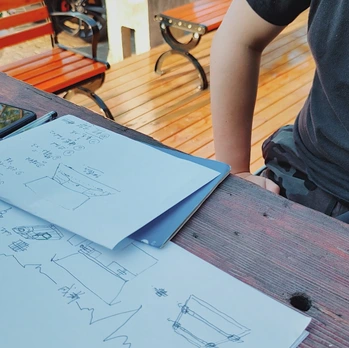
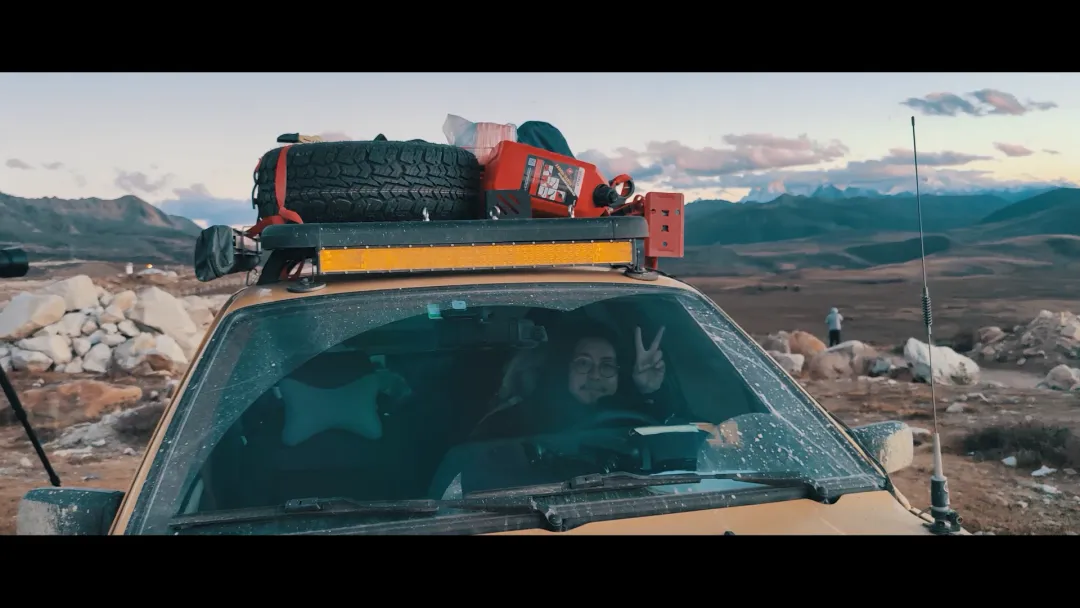
Four-wheel-drive vehicles can manage it fairly easily, but two-wheel drive faces real challenges. Recovery boards, jacks, tire chains—these are essential. Chains especially, carry them year-round. Our little beat-up Santana had been modified with a lifted chassis for more ground clearance and all-terrain tires.
The mud after leaving Zhonggang Village was demoralizing. No pastoral idyll. No birds or fish. Just a low, heavy atmosphere. Then trouble hit. Just as we started climbing to the first pass, we hit a landslide from recent rain. Strangely, I felt excited—maybe like life, sometimes there's a sudden love affair amid cruelty.
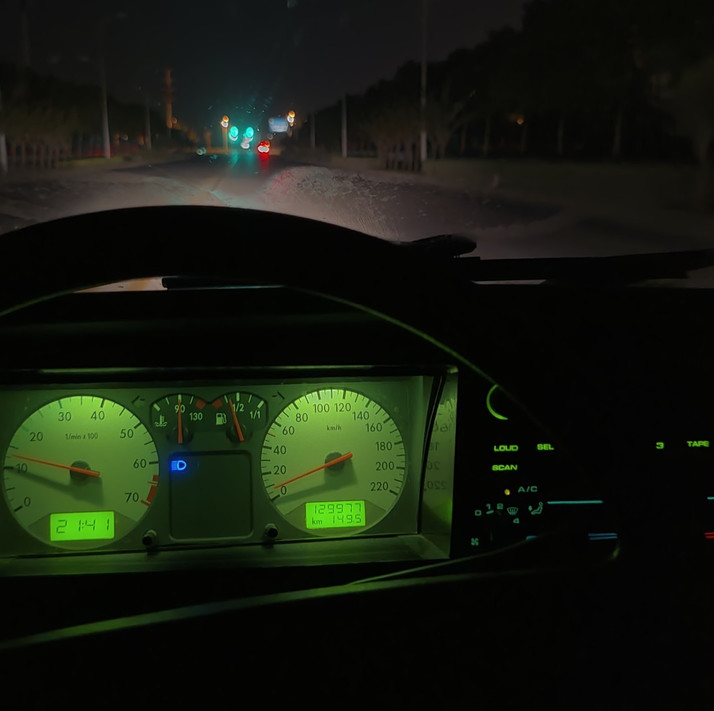
Our front-wheel-drive Santana howled helplessly in the mud. The tires clawed again and again for solid ground, but found only thick, sticky sludge. Mud swallowed our hiking boots. Recovery boards didn't help. Reversing to turn front-wheel drive into rear-wheel drive still couldn't find firm footing. Finally, the tire chains bit into something solid, and the force pulled us—gasping—free.
We were all caked in mud, like grass blades after a storm. Many beautiful things are captivating because they offer unique experiences. We knew in advance the difficulty might be "impossible," but we approached with a "let's try" attitude. When we actually reached the hard part, failure seemed inevitable. But if we could find a way through, it became an unforgettable splash of color.
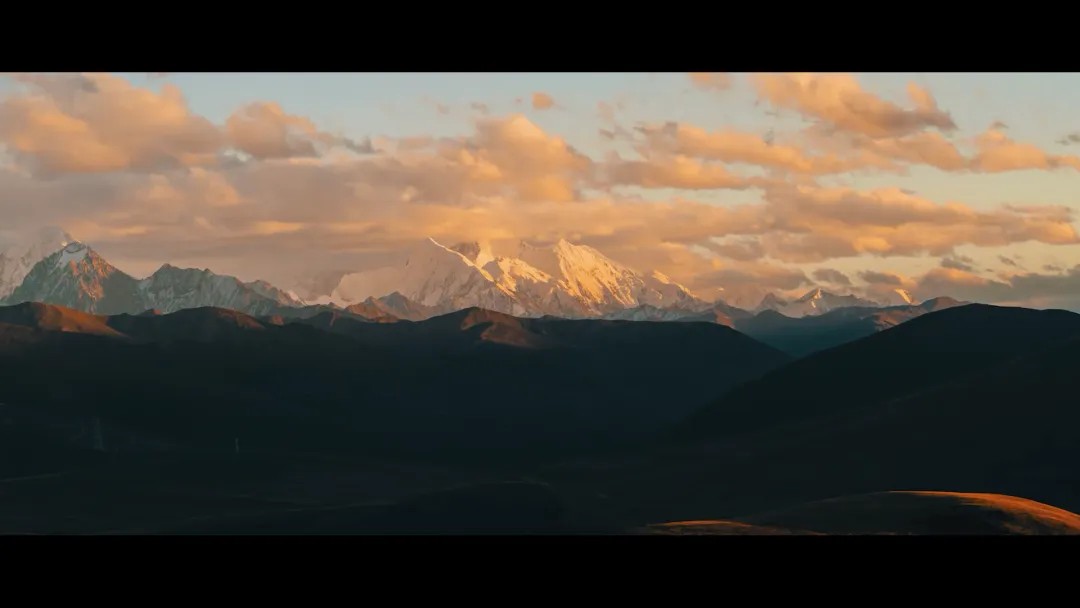
When we broke through the fog at the second pass, clear views and cold air greeted us. The beauty of the Baokang Route was in full bloom. If our earlier struggles hadn't delayed us, we wouldn't have arrived at the right place at the right time. That sunset sea of clouds was the route's blown kiss to us after our ordeal.
Western Sichuan: The Last Shangri-La
Itinerary: - D3: Danba → Bamei → Tagong → Kangding Airport → Xinduqiao (Zheduo Mountain Pass 4,298m) - D4: Xinduqiao → Yajiang → Litang (Gao'er Temple Pass 4,412m, Scissors Bend Pass 4,659m, Kalazi Pass 4,429m)
Our experiences since the trip began had deepened our trust in both the Santana—our old companion—and our travel partners. Many people go to Tibetan areas alone. But if your mind is at peace, why avoid the world? Quiet down, listen to your true feelings, and you can keep your distance from the noisy world.
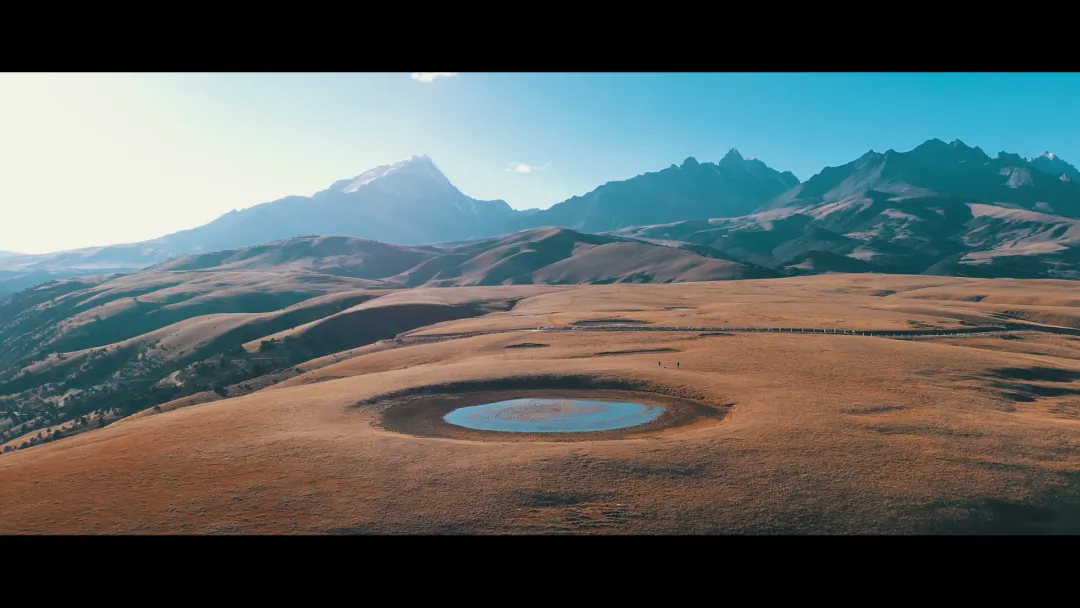
The stretch through western Sichuan offered some of the most photogenic landscapes on the entire G318 route. From the rolling grasslands of Tagong to the dramatic switchbacks of Scissors Bend, every turn presented a new frame for the camera. The Santana, despite its age and our earlier struggles, handled the high-altitude passes with surprising resilience. The modified suspension and all-terrain tires paid off.
Practical Tips for Your Own G318 Sichuan-Tibet Road Trip
Essential Gear for a Custom-Built Santana Adventure
- Tire chains – Carry them year-round. They saved us in the mud.
- Recovery boards – Essential for two-wheel-drive vehicles on unpaved sections.
- Jack and basic tools – For unexpected repairs on the road.
- Spare parts – Bring extra belts, hoses, and fuses for older vehicles.
- First-aid kit – High-altitude travel requires preparation for altitude sickness.
Best Time to Drive the Sichuan-Tibet Southern Route
The ideal window is May to October, when snow levels are lower and roads are generally passable. November, when we traveled, offers stunning autumn colors but brings increased risk of snow and ice at higher passes.
What to Expect on the Baokang Route
- Road conditions: 70% unpaved, with frequent landslides during rain/snow seasons
- Altitude: Two passes above 4,000 meters
- Difficulty: High for two-wheel-drive vehicles; moderate for 4WD
- Scenery: Breathtaking alpine meadows, forests, and cloud seas
FAQ: Your Questions About the G318 Sichuan-Tibet Southern Route

1. Is it safe to drive a vintage Santana on the G318 Sichuan-Tibet route?
Yes, with proper preparation. Our Santana was extensively restored and modified—lifted chassis, all-terrain tires, and reinforced components. However, any older vehicle requires meticulous maintenance and carrying spare parts. Modern vehicles are generally more reliable, but the adventure factor is lower.
2. What is the best time of year for a G318 road trip?
The best months are May through October. November offers fewer crowds and stunning autumn colors but brings higher risk of snow and ice at high passes. Winter travel is not recommended for standard vehicles.
3. How long does the full Sichuan-Tibet Southern Route take?
A complete journey from Chengdu to Lhasa typically takes 10–14 days, depending on stops and side trips. Our custom itinerary focused on western Sichuan and took 4 days for that section alone.
4. Do I need a 4WD vehicle for the Baokang Route?
While 4WD makes it easier, a well-prepared two-wheel-drive vehicle can manage with tire chains, recovery boards, and careful driving. The key is ground clearance and traction. Our lifted Santana proved that determination and preparation can overcome limitations.
5. What photography gear should I bring for a G318 road trip?
Bring a versatile zoom lens (24-70mm or similar) for landscapes, a wide-angle lens for expansive views, and a telephoto lens for wildlife and mountain details. A tripod is essential for low-light shots and cloud sea photography. Don't forget extra batteries—cold temperatures drain them quickly.
Internal Linking Suggestions
[Link: Best time to visit Sichuan-Tibet route]
[Link: How to prepare a vintage car for a road trip]
[Link: Top photography spots on G318]
[Link: Essential gear for high-altitude road trips]
[Link: Baokang Route vs Duku Highway comparison]
Conclusion: Your Own G318 Adventure Awaits
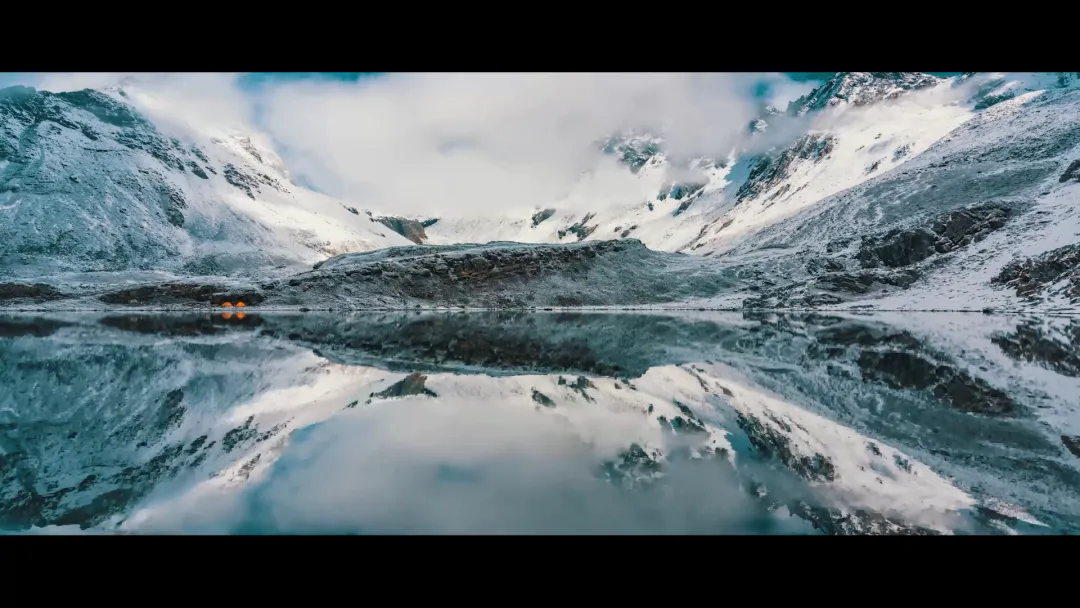
The Po-Sang Adventure proved that the best journeys aren't about the destination—they're about the people, the preparation, and the moments of struggle that make the triumphs unforgettable. Whether you're driving a vintage Santana or a modern SUV, the G318 Sichuan-Tibet Southern Route offers landscapes and experiences that will stay with you forever.
Are you ready to build your own dream? Start planning your G318 road trip today. Research the route, prepare your vehicle, gather your friends, and set out to chase those snowy mountains, glaciers, and seas of clouds. The road is waiting.
[CTA: Plan Your G318 Sichuan-Tibet Adventure Now – Download Our Free Route Guide]
You may also like