The Mountain Won't Come to Me, So I'll Go to the Mountain: A Spontaneous Winter Pilgrimage to Western Sichuan
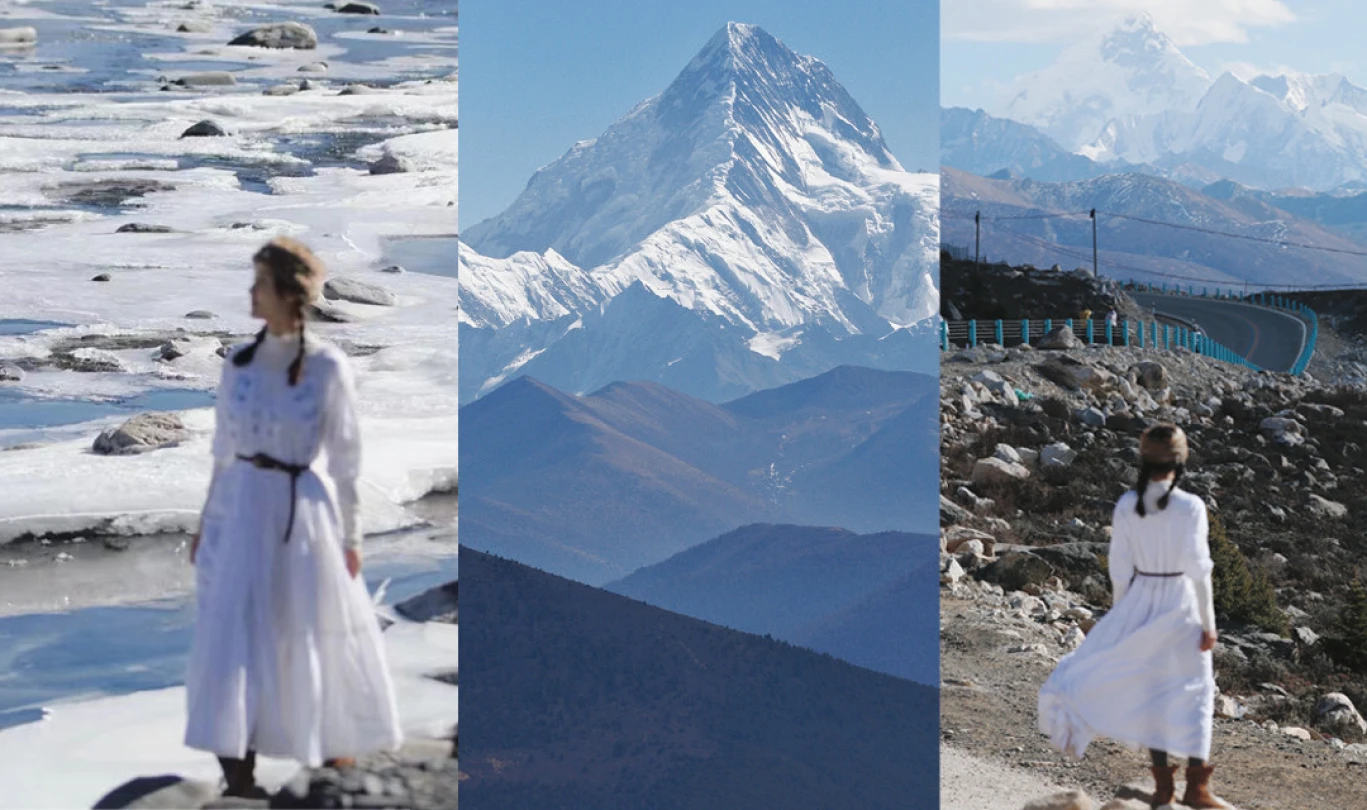
Meta Description: Discover Western Sichuan in winter with our guide to Mount Gongga, Red Lake, Yuzixi, and the Airport Rainbow Road. Tips on altitude, road conditions, and photography spots for your winter trip.
Introduction: When the Cold in Memory Melts Away in the Sun
Last year, at the Gyawu La Pass beneath Mount Everest, the 5,200-meter altitude winds turned me into a complete mess. That bone-chilling cold, mixed with the headache from oxygen deprivation, left a deep scar in my memory. At that moment, I swore to myself: no more high-altitude trips for a while.
But people are fickle creatures. When winter sunlight streamed through the office window onto my desk, that restless heart began stirring again. They say winter's low temperatures and strong winds can worsen altitude sickness, but the snow-capped mountains of Western Sichuan seemed to have a magic, calling softly from the depths of my soul. So I set myself three rules: keep it short—three days would be enough; go with the flow—winter forest closures had shut down many areas anyway; stay focused—I was going to see mountains, to see snow.
And just like that, a winter trip to Western Sichuan, burning through my annual leave, quietly began without any real planning.
Chapter 1: Western Sichuan in Winter – Gentler Than You'd Imagine
Winter's "Unexpected" Warmth
Before setting out, I prepared for the worst: thick down jacket, scarf, gloves, altitude sickness pills—my suitcase was stuffed full. But Western Sichuan in winter slapped me in the face with three days of "sunny and mild" weather. By midday, an 18°C breeze felt almost balmy. Those two heavy down jackets stayed in the trunk the entire trip, the most loyal of "passengers."
As for altitude sickness in Sichuan? Didn't happen. As someone who barely exercises and has a remarkably low oxygen consumption rate, 4,200 meters turned out to be a surprisingly friendly number. I could even bounce around on the mountaintop without needing to gasp for air. And the winter road conditions in Western Sichuan? Surprisingly good. Of course, that only applies to the regular routes. For "Xiao Mo" (Little Mo), a driver with limited off-road experience, staying alive always comes first.
Mount Gongga: A Three-Day Appointment, Seen Every Day
Those three days in Western Sichuan felt like a pilgrimage centered around Mount Gongga. In Tibetan, "Gong" means ice and snow, "Ga" means white—together, "White Ice Mountain." Standing at 7,556 meters, this "King of Sichuan Mountains" is not only the tallest peak in the province but also one of the mountains with the greatest vertical relief in the world. Its sharp peak stands out among the surrounding ranges, instantly recognizable.
Notably, Gongga has a famous name in international mountaineering circles—it was once miscalculated and declared the world's highest peak, drawing countless foreign explorers. Yet its summit is far more difficult to reach than Everest, second only to Meili Snow Mountain in terms of challenge. According to incomplete statistics, fewer than thirty people have ever successfully summitted Gongga.
If you want to catch a glimpse of Gongga yourself, here are some popular viewpoints near Xinduqiao, with distances and altitudes at a glance:
- Zimei Pass: Straight-line distance 17+ km, altitude 4,600+ m
- Lengga Lake (Cold Gala Lake): Straight-line distance 20 km, altitude 4,500 m
- Muya Lake (Muyacuo): Straight-line distance 32 km, altitude 4,500 m
- Mudu Pass: Straight-line distance 40+ km, altitude 4,200+ m
- Siding Lake (Sidingcuo): Straight-line distance 60+ km, altitude 4,200+ m
- Gongga Dressing Table: Straight-line distance 70+ km, altitude 4,500+ m
- Yuzixi: Straight-line distance 70+ km, altitude 4,200+ m
- Baranangduo (Balangshengdu): Straight-line distance 70+ km, altitude 4,200+ m
A friendly reminder: Lengga Lake and Muya Lake require hiking or motorcycle access; the rest can be reached by car (or off-road vehicle). [Link: Best viewpoints for Mount Gongga photography]
Chapter 2: Red Lake (Honghaizi) – A Surprising Splash of Blue
First Glimpse: A Frozen Blue Dream
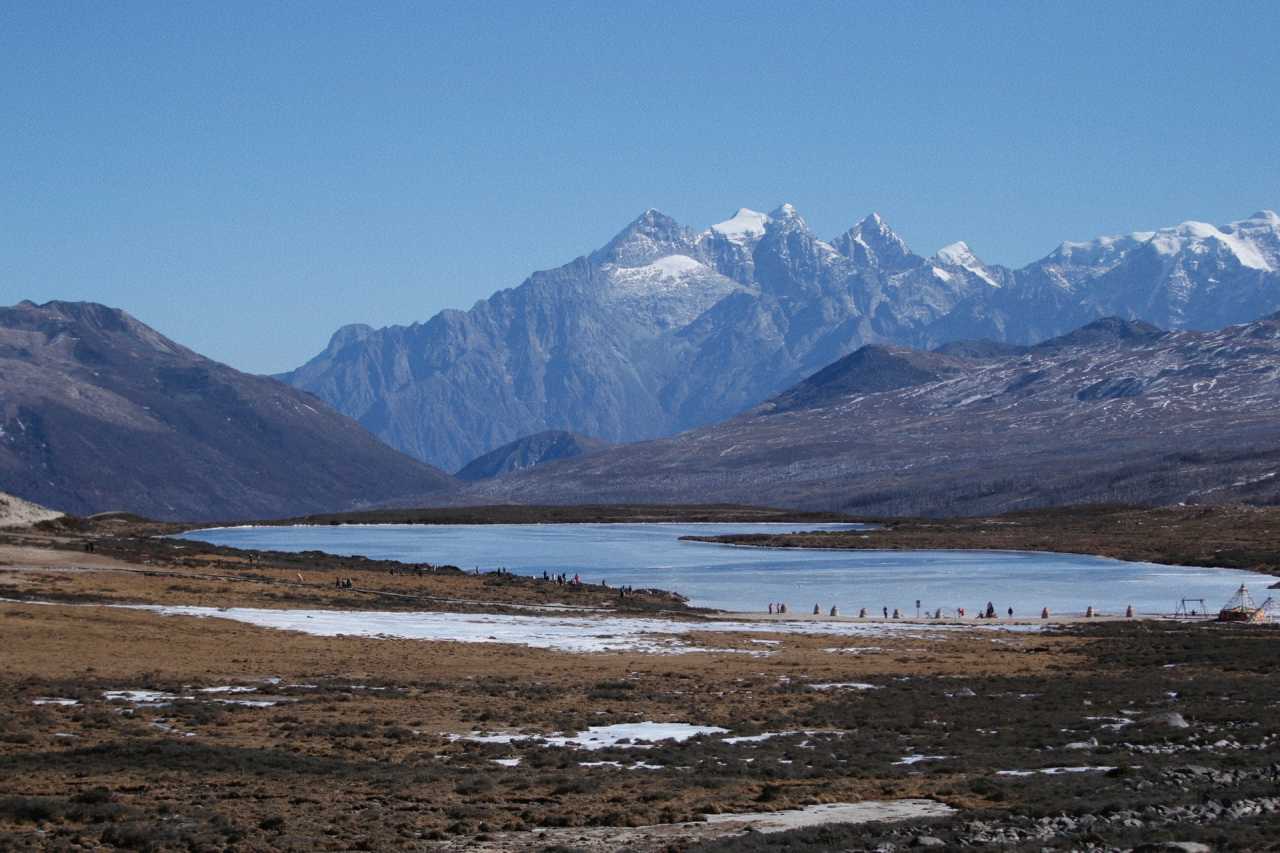
The first stop in Western Sichuan was a high-altitude lake by the roadside called Red Lake, sitting at nearly 4,200 meters. It's also known as Jiaga Lake. Compared to "lake," I prefer the Chinese term "海子" (haizi)—it carries a sense of longing, without the sacred, solemn distance that "措" (cuo, the Tibetan word for lake) implies. And the name "Red Lake" has a straightforward kind of romance. Legend has it that when the sunset glow hits the distant snow peaks and reflects onto the lake surface, it creates a beautiful red glow, dyeing the entire lake—hence the name.

In the early afternoon, Red Lake was still a frozen "blue" lake. The ice showed layers of varying shades of blue, with thinner areas already beginning to melt. Colorful prayer flags lined the shore, and staff urged visitors not to walk on the ice—unfortunately, that meant missing out on winter's "skating tradition." In the distance, the residual snow on Brush Holder Peak (Bijiashan) still looked deliciously like a dollop of cream.
Meadows, shrubs, and the babbling brooks formed by melting ice and snow—bubbling and gurgling happily—were utterly delightful to the ears.
Practical Tip: Red Lake charges a 10 RMB/person environmental protection fee. Please take all your trash with you—plastic waste just doesn't belong in this landscape. [Link: High-altitude lakes in Western Sichuan]
The Quiet Beauty of a Highland Winter
In winter, high-altitude lakes carry a feeling of seven parts chill and three parts thin air, making everything feel more vast and still. Blue skies, white clouds, snow-capped peaks, lakes, shrubs, meadows, and flowing streams—it's like a paradise on earth. Though it wasn't the snow-blanketed world I'd imagined, the landscape revealed richer layers. The same scene wears different faces across the seasons—perhaps that's the real meaning of being there in person.
Chapter 3: Airport Rainbow Road – First Encounter with the "King of Sichuan Mountains"
One Road, One Mountain, A Gaze That Lasts a Lifetime
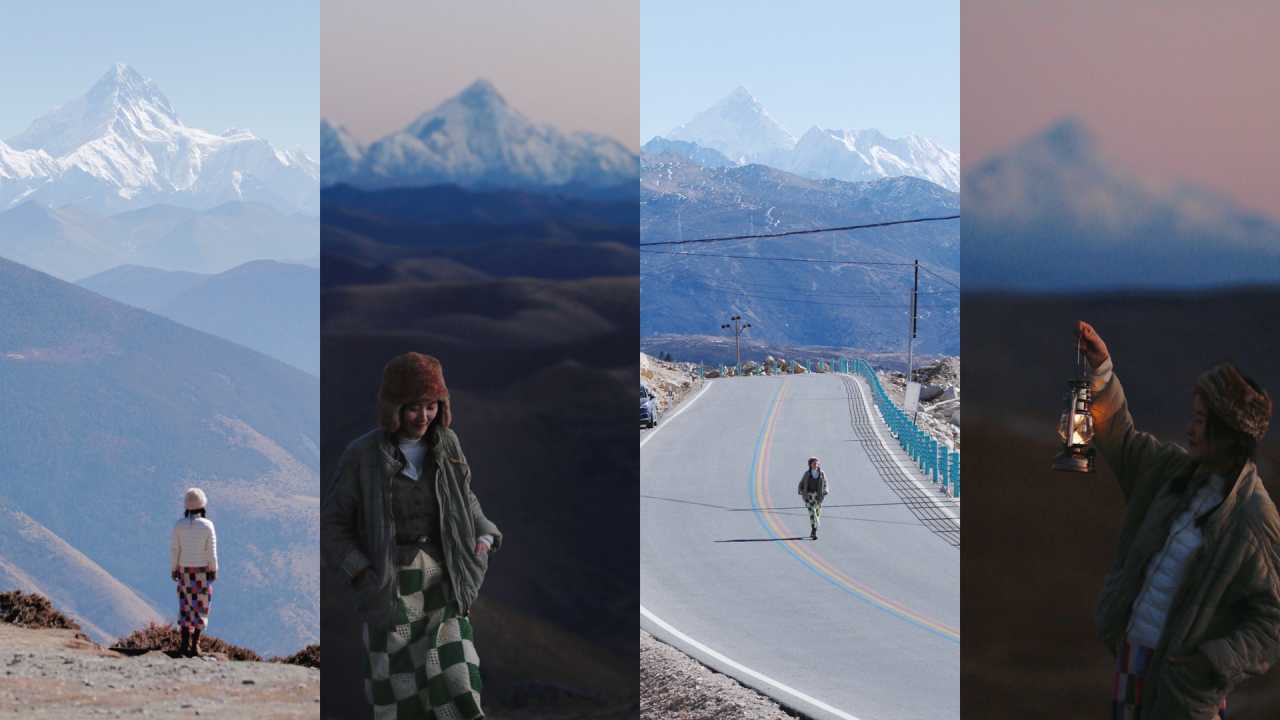
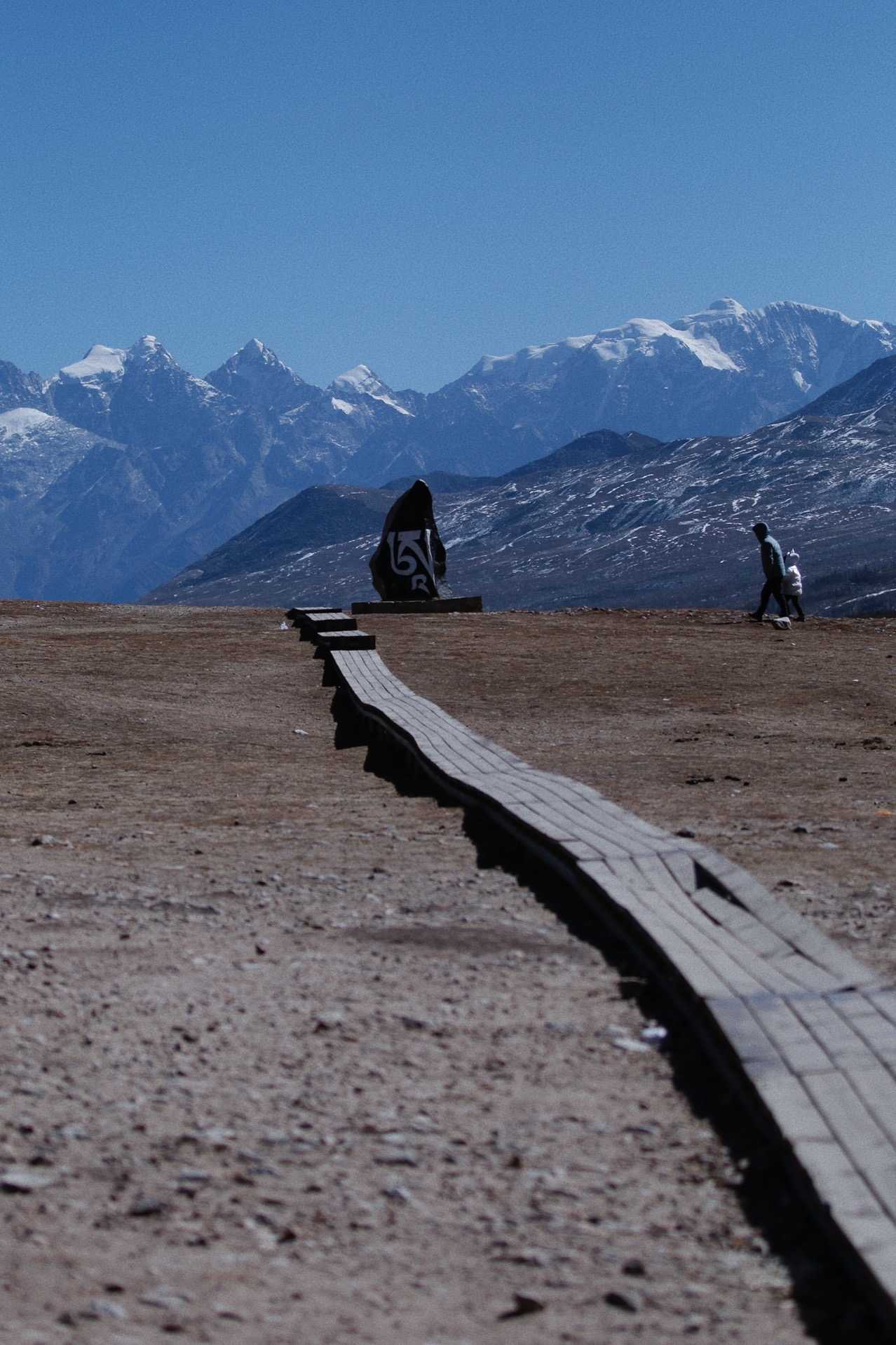
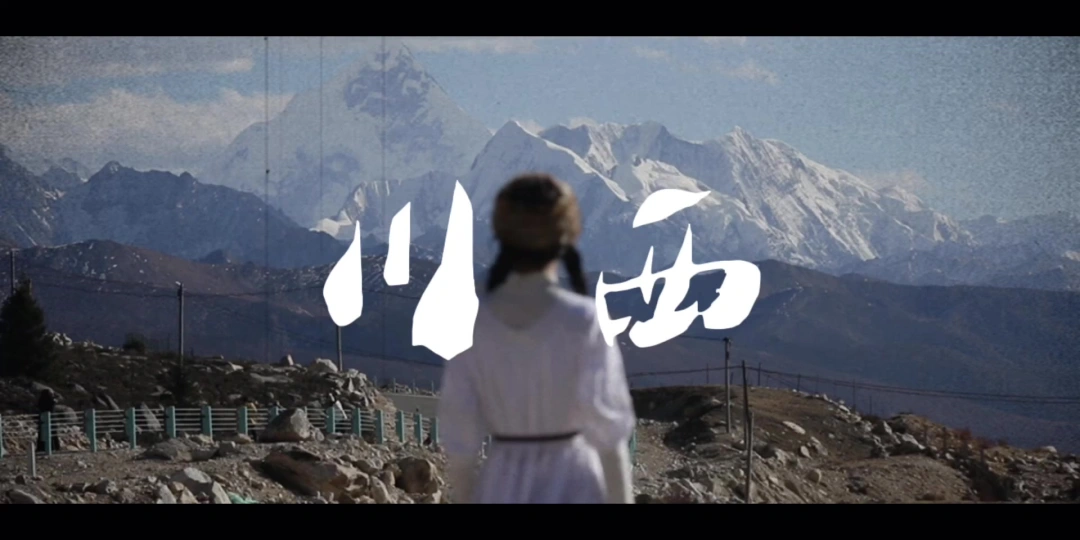
On the way from Kangding to Xinduqiao, there's a spot well worth a special stop: Airport Rainbow Road. Looking toward Kangding, you can see the 7,556-meter Mount Gongga, along with 45 surrounding peaks over 6,000 meters. The sweeping curve of the road, paired with the snow-capped mountains standing in a row and piercing the clouds, strikes straight at the heart.

The blue railings, colorful road markings, and distant white snow peaks make a perfect combination. Climb the slope opposite the airport, and you can capture the perfect shot of the colorful S-curved road. A word of caution: drones are banned near the airport, and be mindful of safety when shooting on the road.
During my three days in Western Sichuan, every day was clear and cloudless. On the last day, heading back to Chengdu, I couldn't resist taking a detour back to Rainbow Road. This time, the sky was dotted with clouds. If I hadn't been in a hurry, I would've loved to "drive at 70 miles per hour, with a carefree heart"—I was already humming a little tune. [Link: Kangding to Xinduqiao road trip itinerary]
Chapter 4: Yuzixi – Waiting for a Golden Sunset on the Mountains
Full of Challenges, But Worth It
The road to Yuzixi was "full of challenges"—I won't go into detail here. Fortunately, we made it just before sunset and witnessed the golden light hitting the mountains. My photography skills are limited, so I didn't capture the sunset well, but the first day's mission was accomplished.
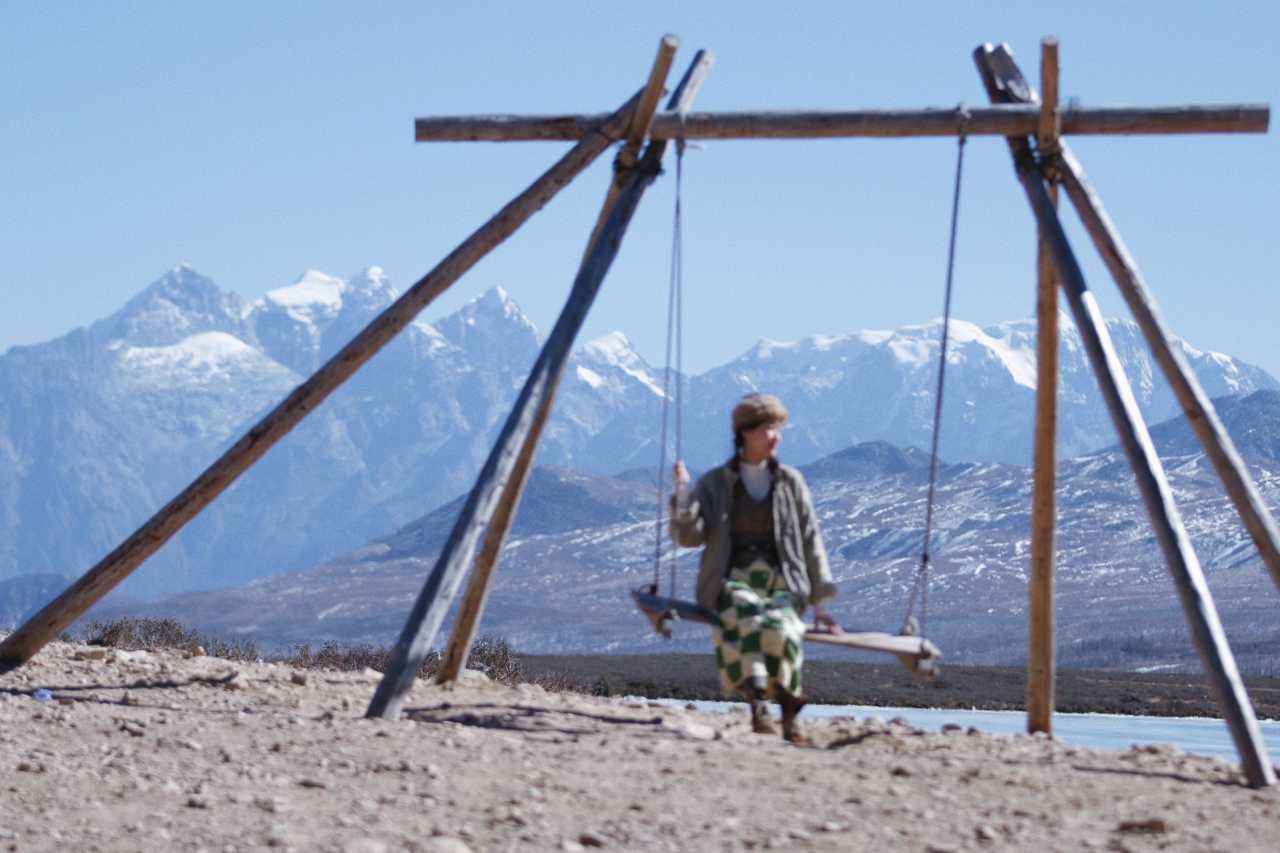
As the sun dipped below the horizon, the lingering light gilded the mountain ridges with gold. I imagined a few clouds drifting by in the sky—it would have been even more beautiful. Yuzixi became famous thanks to a variety show, and I hear it gets congested during peak season. In summer, stargazing at the campsite here is supposedly breathtaking. Though it's a bit far from Gongga, the view is wide open, and with the distant snow mountains as a backdrop, the hills in front ripple like endless waves.
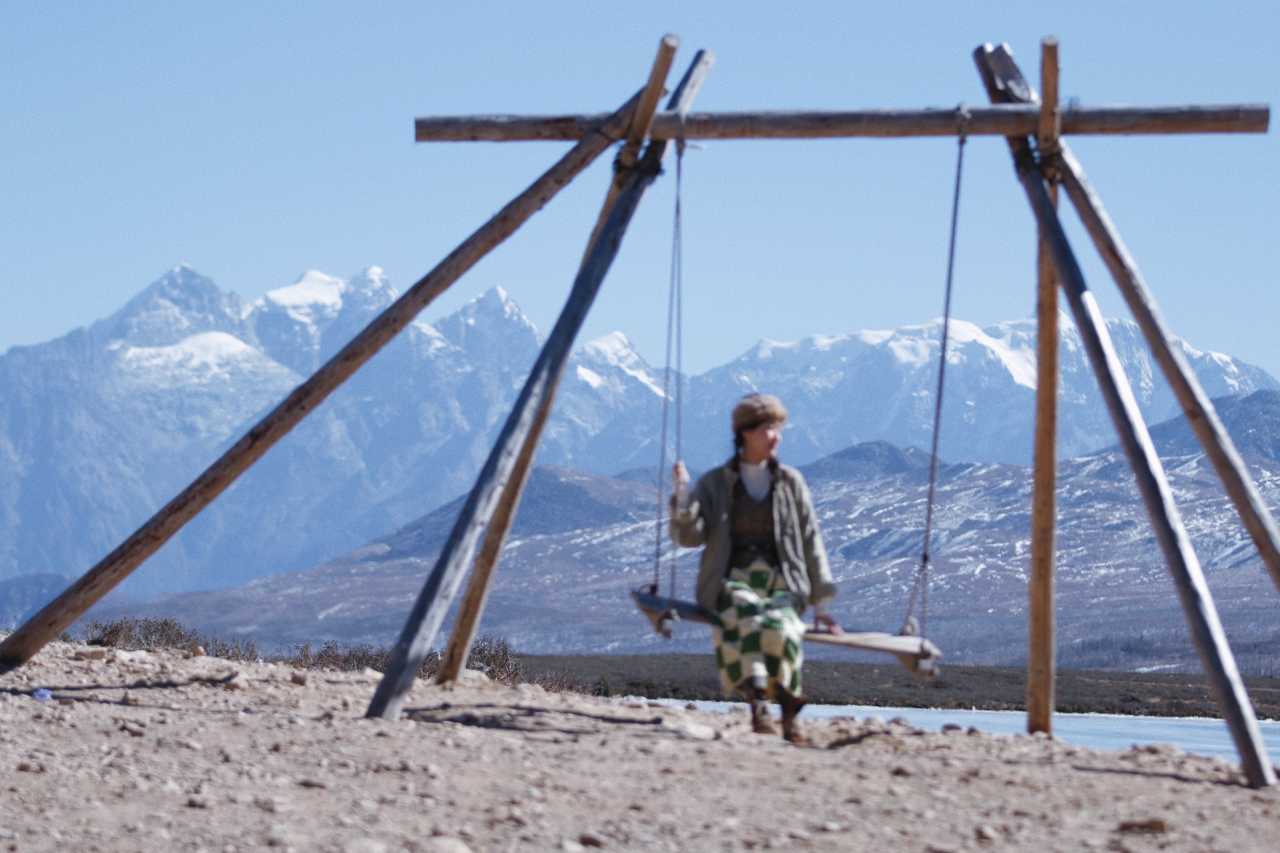
In Western Sichuan, swings seem to be a standard feature with snowy mountain backdrops—every viewpoint we passed had one. [Link: Yuzixi sunset photography tips]
FAQ: Winter Travel in Western Sichuan
Q1: Is winter a good time to visit Western Sichuan? A: Absolutely. Winter offers clear skies, fewer crowds, and stunning snow-capped mountain views. Just be prepared for cold mornings and evenings, and check road conditions for mountain passes.
Q2: How do I prevent altitude sickness in Western Sichuan? A: Ascend gradually, stay hydrated, avoid alcohol, and consider taking acetazolamide (Diamox) if you're prone to altitude sickness. Most viewpoints in this article are between 4,200–4,600 meters.
Q3: What are the road conditions like in winter? A: Main routes like Kangding to Xinduqiao are well-maintained. However, some high passes may have ice or snow. A 4WD vehicle is recommended for side roads like Yuzixi. Always carry tire chains.
Q4: Can I see Mount Gongga from the road? A: Yes! The Airport Rainbow Road near Kangding offers one of the best roadside views of Gongga. Other viewpoints like Zimei Pass and Yuzixi require a short drive or hike.
Q5: What should I pack for a winter trip to Western Sichuan? A: Layered clothing (thermal base, fleece, windproof jacket), sunglasses, sunscreen, lip balm, a good camera, and snacks. A down jacket is useful for early mornings.
Conclusion: Your Winter Pilgrimage Awaits
Three days in Western Sichuan, three days of clear skies, three days of mountain gazing. From the frozen blue of Red Lake to the golden sunset at Yuzixi, from the sweeping curves of Airport Rainbow Road to the eternal presence of Mount Gongga—this winter pilgrimage reminded me why we travel: not just to see new places, but to feel alive.
If you've been dreaming of snow-capped peaks and high-altitude lakes, don't wait for the perfect moment. The mountain won't come to you—so go to the mountain.
Ready to plan your own Western Sichuan adventure? Start with our recommended 3-day itinerary from Chengdu, and don't forget to bookmark this guide for the best viewpoints and practical tips. Share your photos with us using #WesternSichuanWinter – we'd love to see your journey!
[Link: 3-day Western Sichuan itinerary from Chengdu]
[Link: Best time to visit Mount Gongga]
[Link: Kangding travel guide]
You may also like


