The Gongga Grand Loop: A Reckless Trekker's Guide to Surviving Altitude Sickness on the Plateau
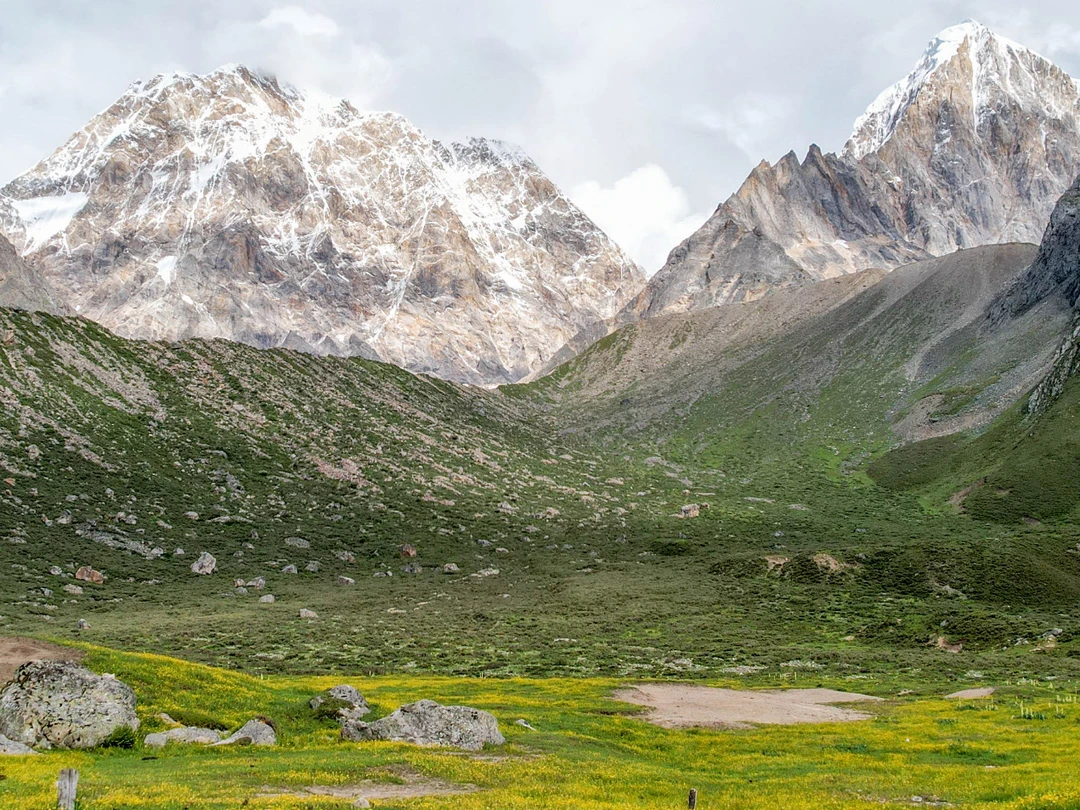
Meta Description: One reckless soul. Seven days. 80 kilometers above 4,000 meters. No shell jacket, no bowl, no clue. This is the Gongga Grand Loop—and the humbling welcome that awaits every overconfident hiker.
Introduction: When the Plateau Teaches You Humility
Have you ever met someone who takes over your life in the most brutal way possible—leaving you with a splitting headache, sleepless nights, and a profound respect for your own limitations? I met him on the Gongga Grand Loop. His name was Altitude Sickness.
This wasn't my first time on the Tibetan Plateau, but it was the first time I truly understood what it meant to be "dominated by fear." Over seven unforgiving days, I would trek 80 kilometers through the Gongga Mountains at elevations above 4,000 meters—and I, a "reckless warrior" who signed up without even bringing a proper shell jacket, was about to pay dearly for my arrogance.
But every story has to start somewhere. Mine begins in Kangding, the gateway to one of China's most challenging high-altitude treks.
Chapter One: Pre-Trek Preparation—Don't Make My Mistakes
Kangding: More Than Just a Love Song
July 25, 2022. Kangding.
This city, famous for its love songs, wasn't as cool as I'd imagined that summer. The daytime sun baked the streets, and the rows of shops lining both sides reminded me: this was no longer the idyllic "mountain where horses run free" of legend. It had been thoroughly transformed into a commercial hub shaped by tourism.
If you're planning to start your Gongga Grand Loop journey here, remember one name: Guodaqiao Farmers' Market. It's a paradise for supplies—from bowls and chopsticks to matsutake mushrooms, from fruit to disposable items, everything you need is there. I later learned that fruit stalls on Kangding's main streets are rare; locals do their shopping at this market. It's where I bought the bowl and chopsticks I'd later use on the trek. Fair prices, and you can haggle.
[Link: Essential gear checklist for high-altitude trekking in China]
Gexi Meadow: First Impressions Crumble
According to plan, we were supposed to hike 3 kilometers from the power station to Gexi Meadow. But our group, for reasons known only to them, decided to drive straight down a gravel road that would make even sedans think twice. We bounced all the way to the campsite.
When the car finally stopped and I stood on Gexi Meadow, only three words came to mind: "This is it?"
As someone who grew up on the edge of the Inner Mongolian grasslands, this so-called "meadow" did nothing for me. The grass was sparse, the view limited—a far cry from the "wind blows, grass bends, and cattle and sheep appear" of my childhood imagination.
But that's travel for you: what feels like disappointment is often just the prelude to something wonderful.
My Team: A Collection of "Oddballs" Who Saved My Life
I signed up for this trip alone. When I got on the bus and saw it full of women, I made a careless comment that came off as discriminatory, successfully plunging myself into social awkwardness from Day One. So while everyone else set up tents and got to know each other, I stood on the sidelines like an outsider.
That's when you really wish you had a partner.
Then Xiao Zhao appeared—a guy flying a drone at the campsite. But don't get too excited for him; in storytelling, characters who show up too early are rarely the protagonists.
What really stuck with me was my teammates' generosity. When the guide announced we didn't have enough disposable bowls and chopsticks, I realized I hadn't even brought a bowl. Worse, I was wearing sneakers and had a backpack with no shell jacket—a textbook "reckless warrior."
Yueyue—a girl crouching in the corner—heard about my predicament and, without a second thought, lent me her black shell jacket. That jacket stayed with me through the entire journey and saved my life more than once. Every time I think about it, I'm reminded that there are still good people in this world.
Then there were Cheng Jie, Lyu Jie, Vivi, Xiao Sun… and an 8-year-old kid named Tudou (Potato). An eight-year-old tackling the Gongga Grand Loop? That kid's going places.
Oh, and Xiao Peng—our tail-end guide. Tall, long-legged, handsome. Over the next few days, I would forcibly assign him plenty of "dramatic roles," even if he never knew it.
The First Night: Stars and a Test of Altitude
That evening, two photography enthusiasts planned to shoot the stars. Meanwhile, I—someone who hadn't even brought a down jacket—could only huddle in my tent. During a quick "fertilizing the wild grass" break outside, I snapped a blurry photo with my phone. Just pretend that blurry mess behind it is a brilliant Milky Way and piles of cash. A night without cash isn't brilliant enough.
My first night's sleep was mediocre, but at least I hadn't thrown up yet. The subtext: someone in the group already had.
Word has it that people new to high altitudes shouldn't eat too much. If you ever cook bad food, just tell people: "This meal might trigger altitude sickness. Don't eat too much—if you throw up, don't blame me."
[Link: How to prevent and manage altitude sickness on multi-day treks]
Chapter Two: The "Gentle" Prelude to Altitude Sickness
Liangcha River: Don't Be Stupid
The next morning, we ate breakfast using last night's disposable bowls—yes, the guide said we had to conserve them because there weren't enough. If you join a multi-day outdoor trip like this, bring your own bowl and chopsticks. Nothing is more important.
We followed a faint dirt path until we reached a rushing river. Note: there's a bridge over the river. Don't be an idiot and try to wade across. The water here comes from glacial melt—freezing cold, fast-flowing, and wading through it is basically suicide.
Along the way, I spotted a small pink flower—pedicularis (lousewort). There are over 500 species of this plant, and ordinary people can't tell them apart. But it's common in the Gongga Mountains, appearing in yellow and pink, small and delicate.
Red Rock Beach: The Truth Behind the Color

Continuing forward, large patches of red rocks appeared along the riverbank—the legendary Red Rock Beach.
According to CCTV-10's "Geographic China," the red color comes from an algae called Trentepohlia jolithus. But honestly? The rocks aren't that red to the naked eye. I specifically color-graded my photos so you could imagine how "legendary" Red Rock Beach is supposed to look.
The truth about travel photography: the paradise you see in pictures often needs post-processing to "restore" it.
Xiawuqie: Altitude Sickness Strikes
We set out at 8 a.m. and reached Xiawuqie by 12:30 p.m.
There's a small shop here selling cola, Red Bull, and instant noodles. The prices are steep, but considering the logistics of getting supplies up here, it's understandable. Bring cash—cell service basically disappears from Gexi Meadow onward.
My lunch that day consisted of an apple, a flatbread, milk, and a marinated egg, plus some Snickers bars and beef jerky. I'd packed for seven days, and it turned out to be just enough. If you're not a snacker, don't bring too much—it's just dead weight.
But my body was already protesting. Altitude sickness crept in: I couldn't walk fast, I couldn't walk far. A distance that looked like just a few steps required multiple breaks to catch my breath. I love plants, but during this entire trek, I barely crouched down to photograph a single flower—because I was afraid that if I crouched, I'd never get back up, graduating from "reckless warrior" to "casualty."
Flower Fields and the Brink of Collapse
Past Xiawuqie, I came across a sea of yellow flowers. But honestly? By the time I saw it, altitude sickness had me on the verge of a breakdown. There was only one thought in my mind: Where's the end? When do we get to camp? Why did I choose this trail?
But you have to motivate yourself somehow. I told myself: "Look how lucky you are—such beautiful flowers!"
This kind of self-hypnosis is more important than oxygen at high altitude.
[Link: Best time of year for Gongga Grand Loop trekking]
Chapter Three: Shangwuqie—The Final Verdict
Struggling in the Rain
When I reached a riverbed, the weather turned. Rain began to fall, and with it, my spirits sank further. Each step felt heavier. My lungs burned. My head throbbed. The altitude sickness that had been lurking was now in full control.
I thought about quitting. I thought about the warmth of a hotel room in Kangding. I thought about how stupid I was to attempt this without proper gear or preparation.
But then I looked up. Through the rain, I saw the silhouette of Shangwuqie—our camp for the night. And I kept walking.
The Camp That Changed Everything
Shangwuqie sits at approximately 4,200 meters. By the time I arrived, I could barely stand. My teammates, seeing my condition, didn't mock me. They handed me hot tea. They helped me set up my tent. They reminded me to eat, even though I had no appetite.
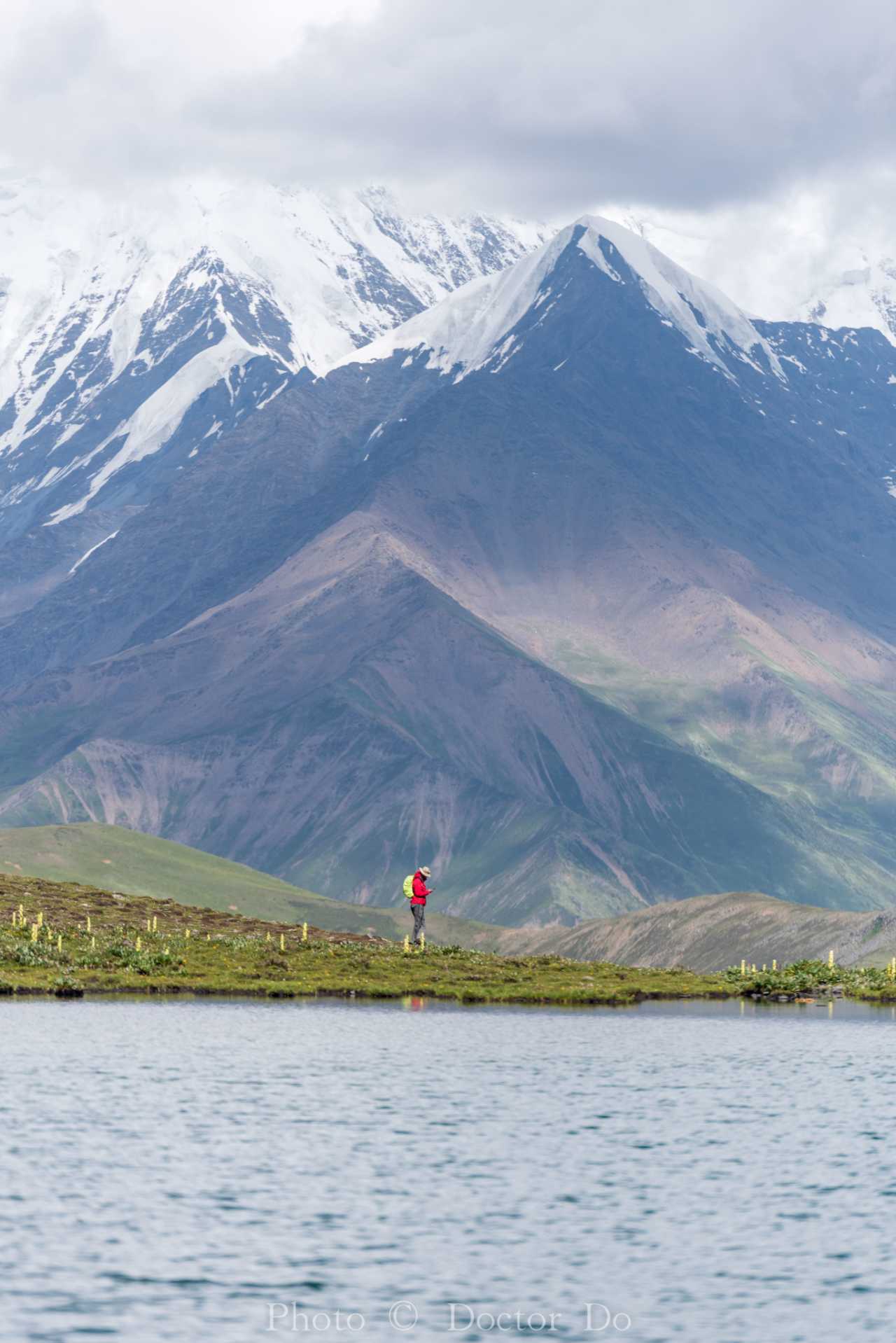
That night, lying in my sleeping bag with Yueyue's shell jacket wrapped around me, I realized something: the Gongga Grand Loop wasn't just a physical challenge. It was a test of character—and I was failing spectacularly.
But failure, I learned, is just the first step toward wisdom.
Chapter Four: Lessons from the Plateau
What I Wish I'd Known Before Starting
- Bring your own bowl and chopsticks. Disposable ones run out fast, and you don't want to be the person eating with your hands.
- Pack a proper shell jacket. Borrowing one from a kind stranger works, but it's not a strategy.
- Bring cash. Cell service disappears after Gexi Meadow. The small shops at Xiawuqie charge premium prices, but they're your only option.
- Don't overpack food. Seven days of Snickers bars and beef jerky was just enough. Extra weight is your enemy at high altitude.
- Prepare for altitude sickness. It doesn't care how fit you are. It doesn't care how many times you've been to the plateau. It will humble you.
The Gongga Grand Loop: A Reality Check
The Gongga Grand Loop is not a beginner's trek. It's 80 kilometers of high-altitude terrain, with elevations consistently above 4,000 meters. The weather can change in minutes. The trails are rugged. And altitude sickness is a constant companion.
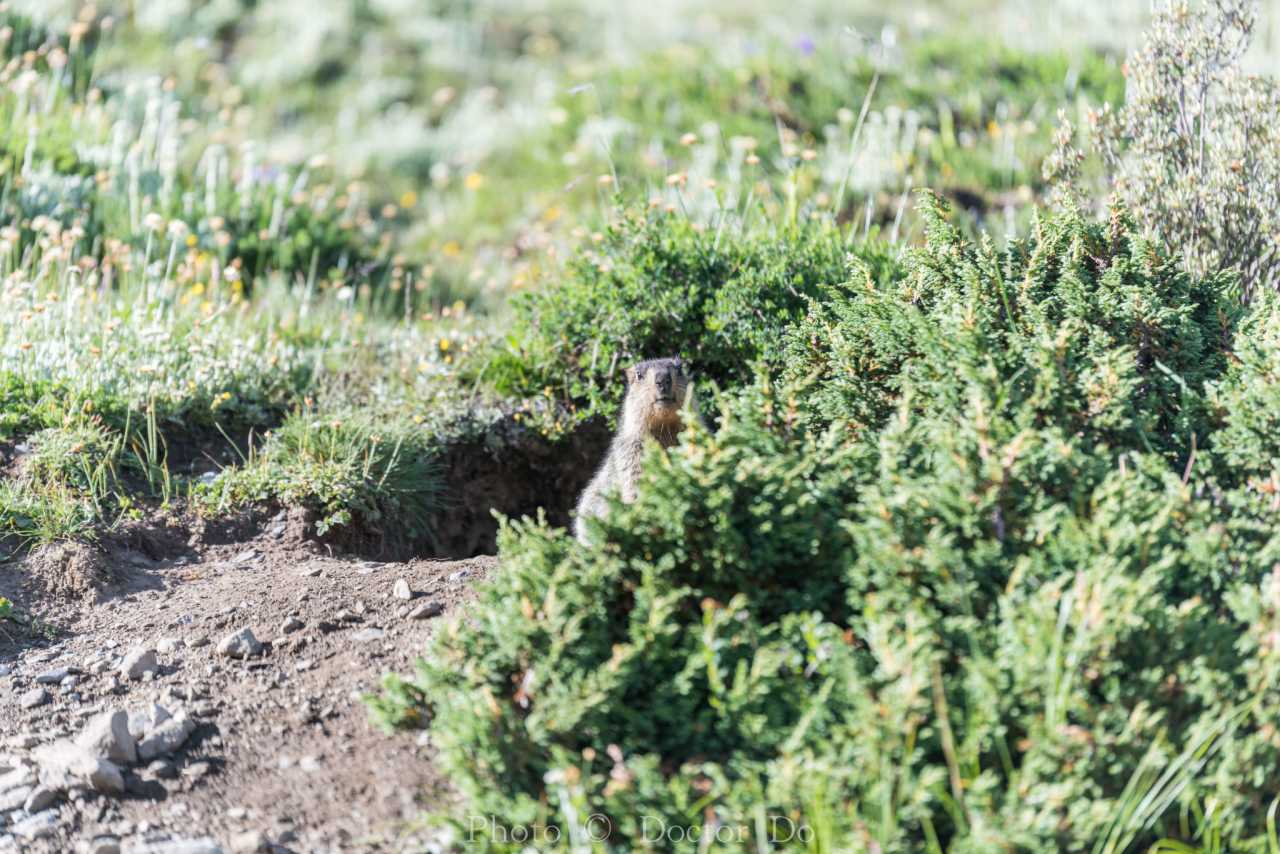
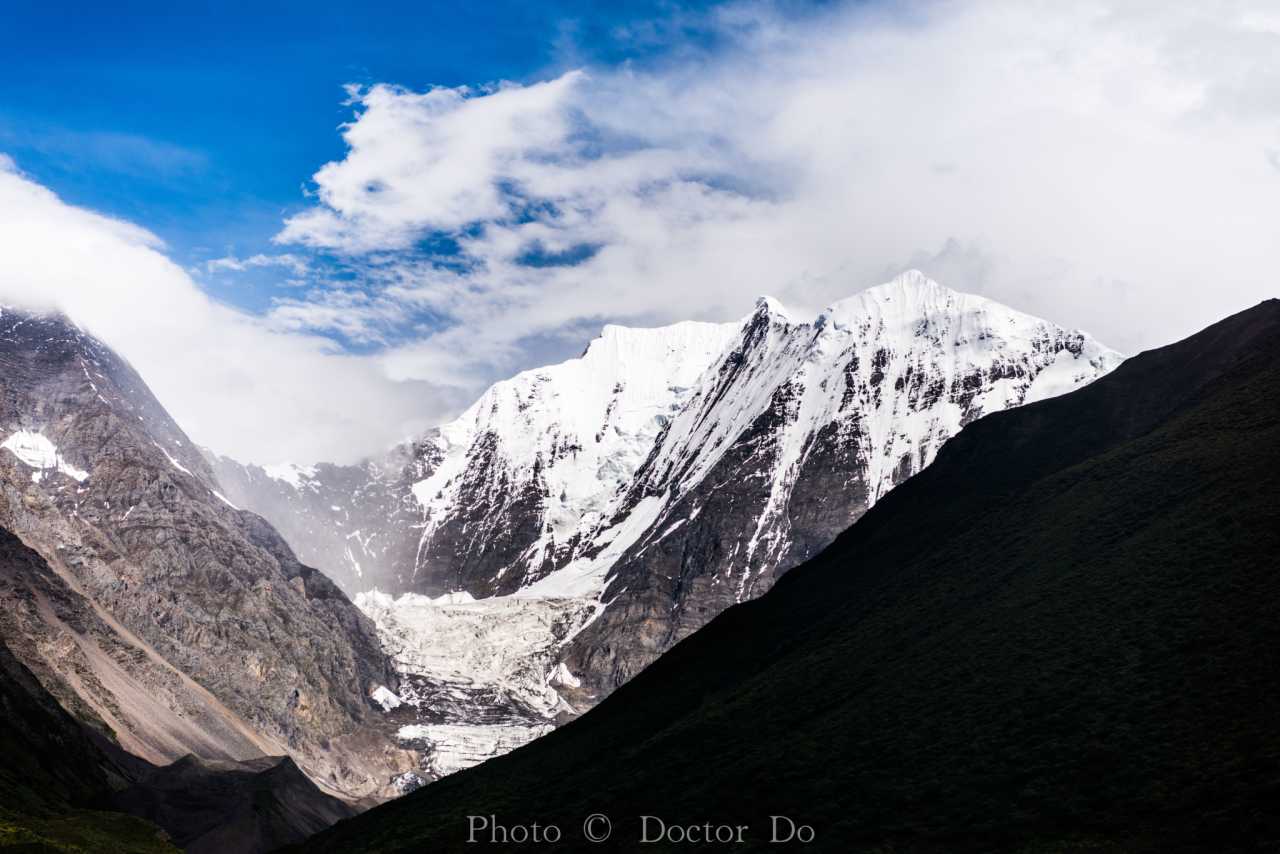
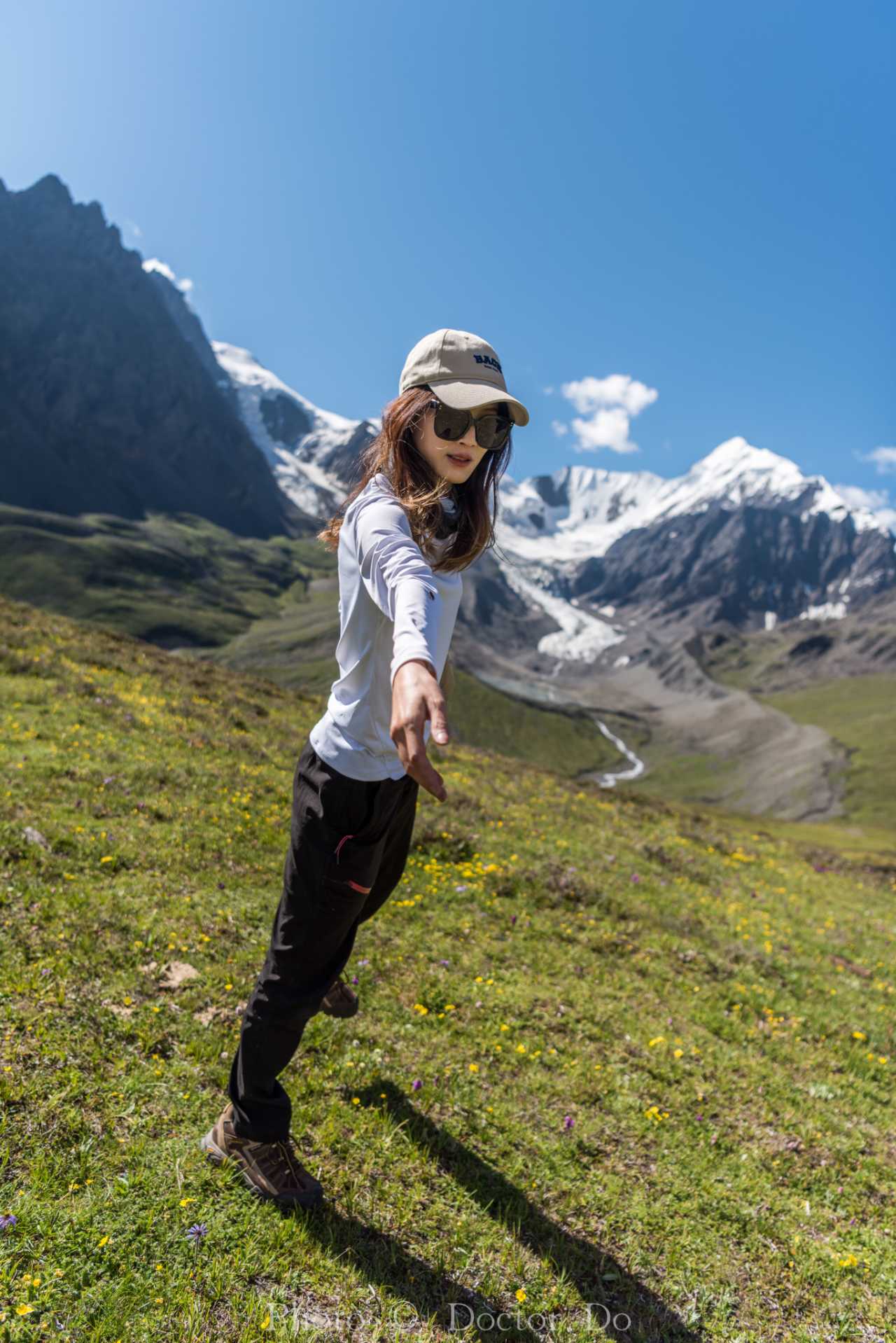
But it's also one of the most beautiful treks in China. The Gongga Mountains, also known as Minya Konka, are sacred to Tibetan Buddhists. The glaciers, the alpine meadows, the wildflowers, the star-filled nights—they're all worth the pain.
If you're willing to prepare properly, that is.
[Link: Top 10 high-altitude treks in Sichuan for experienced hikers]
Frequently Asked Questions About the Gongga Grand Loop
Q1: How difficult is the Gongga Grand Loop?
The Gongga Grand Loop is considered a challenging high-altitude trek. It covers approximately 80 kilometers over 5–7 days, with daily elevations above 4,000 meters. Altitude sickness is a serious risk, and the terrain includes river crossings, rocky paths, and steep ascents. This trek is recommended for experienced hikers with prior high-altitude exposure.
Q2: What is the best time of year to hike the Gongga Grand Loop?
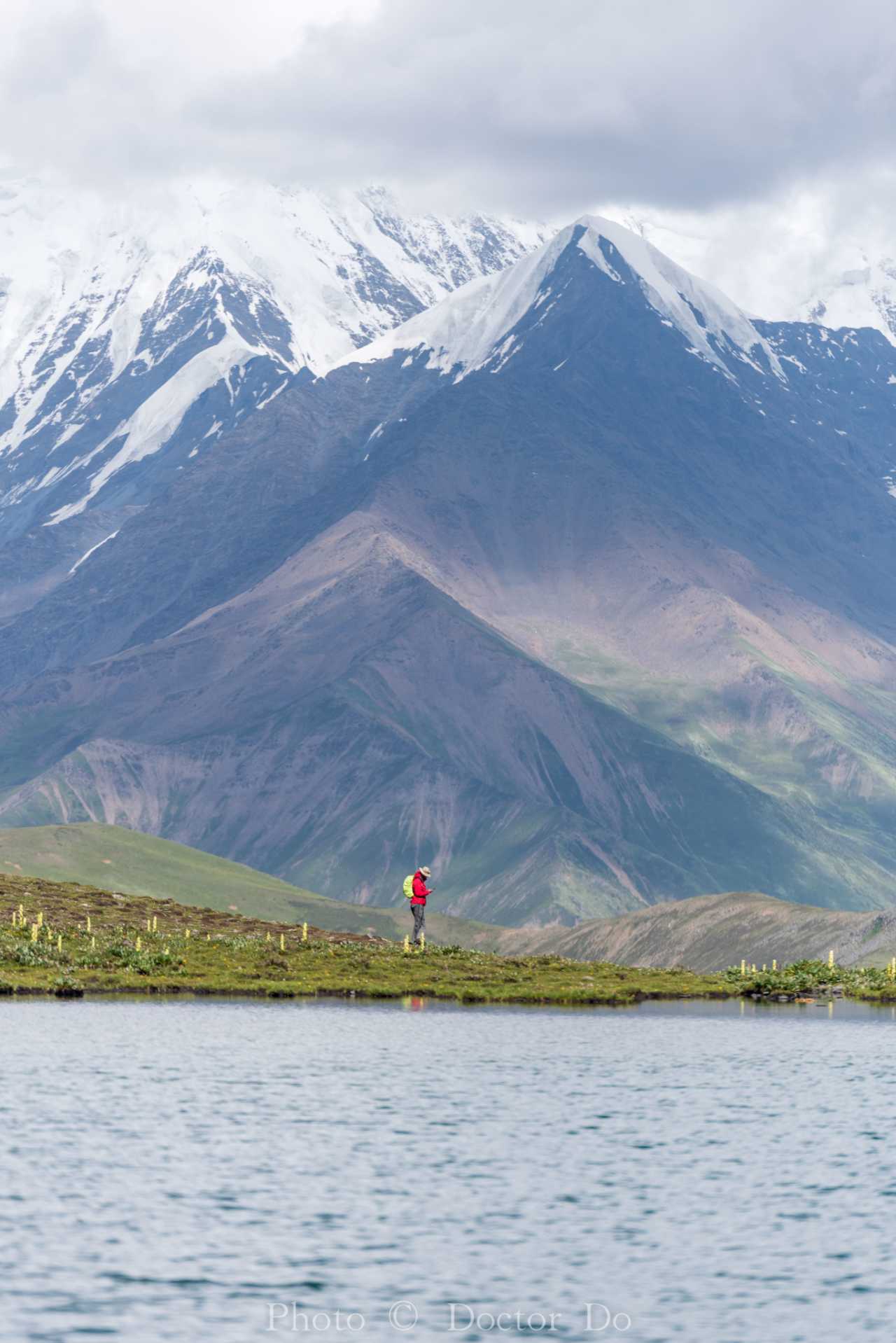
The optimal trekking season is from late June to early October, when temperatures are milder and rainfall is less frequent. July and August offer the best wildflower displays but also carry a higher risk of rain. Avoid the winter months (November–March) when snow and ice make the trails dangerous.
Q3: Do I need a guide for the Gongga Grand Loop?
Yes, a guide is strongly recommended, especially for first-time trekkers. The terrain is remote, cell service is nonexistent after Gexi Meadow, and navigation can be challenging in poor weather. Many trekkers join organized groups that include guides, porters, and camping equipment.
Q4: What should I pack for the Gongga Grand Loop?
Essential items include: a high-quality shell jacket, down jacket, waterproof hiking boots, trekking poles, sleeping bag rated for -10°C, personal bowl and chopsticks, cash, water purification tablets, high-calorie snacks, and a first-aid kit with altitude sickness medication (e.g., acetazolamide). Do not rely on disposable supplies.
Q5: How do I prevent altitude sickness on the Gongga Grand Loop?
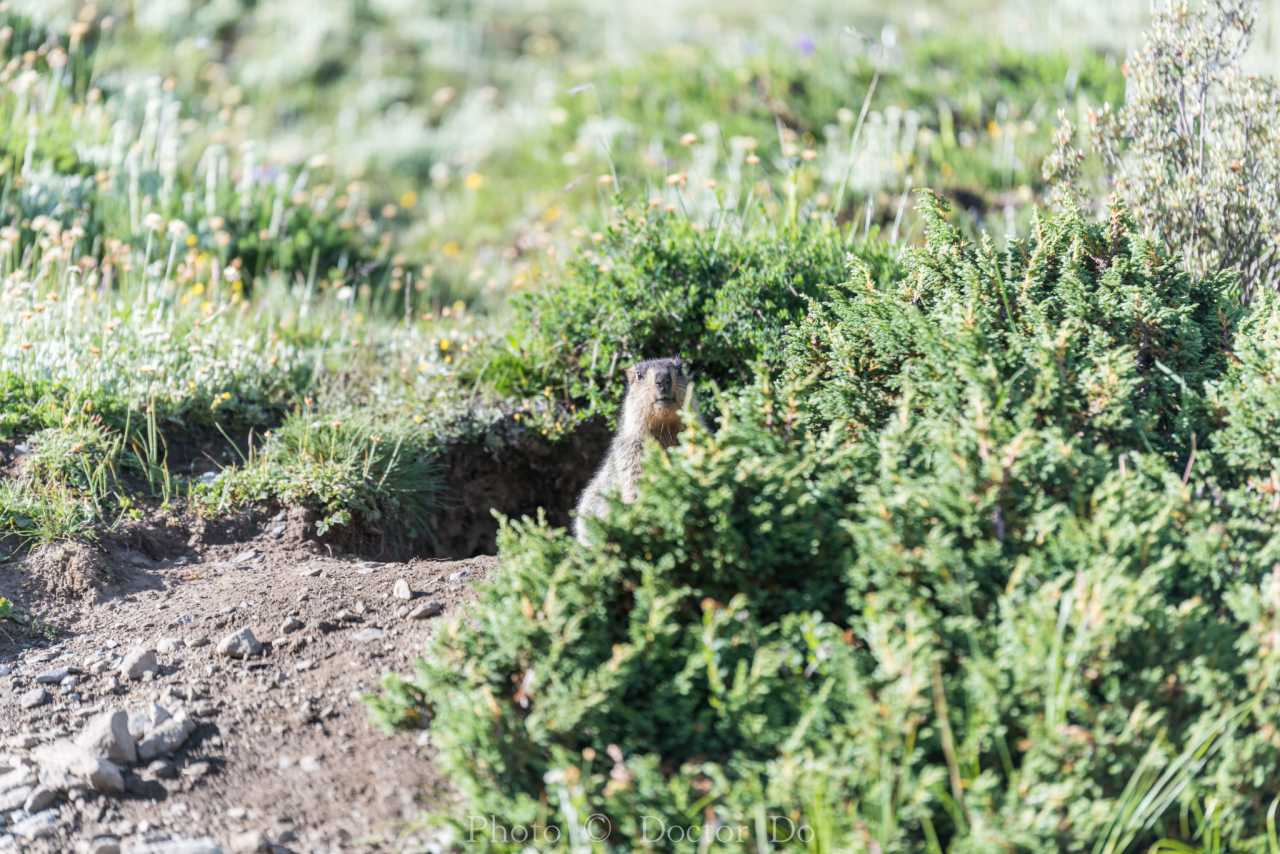
Gradual acclimatization is key. Spend at least one night in Kangding (2,600 meters) before starting the trek. Ascend slowly, stay hydrated, avoid alcohol, and listen to your body. If symptoms become severe (persistent vomiting, confusion, difficulty breathing), descend immediately. Many trekkers carry Diamox (acetazolamide) as a preventive measure, but consult your doctor first.
Final Thoughts: The Humbling Welcome
The Gongga Grand Loop broke me—and then it rebuilt me.
I started as a "reckless warrior" with no shell jacket, no bowl, and no respect for the plateau. I ended as someone who understands that the mountains don't care about your ego. They care about your preparation, your humility, and your willingness to keep walking even when every cell in your body screams "stop."
If you're planning to tackle this trek, do it right. Research. Prepare. Pack properly. And above all, respect the altitude. It will humble you—but if you let it, it will also transform you.
Ready to Conquer the Gongga Grand Loop?
Don't make my mistakes. Start your preparation today with our comprehensive Gongga Grand Loop trekking guide, complete with gear checklists, acclimatization tips, and route maps.
[Link: Download the Ultimate Gongga Grand Loop Preparation Checklist]
Your turn: Have you hiked the Gongga Grand Loop? What lessons did the plateau teach you? Share your story in the comments below—I'd love to hear how you survived the "humbling welcome."
This article is based on a firsthand account of the Gongga Grand Loop trek in July 2022. Altitude sickness experiences vary by individual; consult a medical professional before undertaking high-altitude treks.
You may also like


