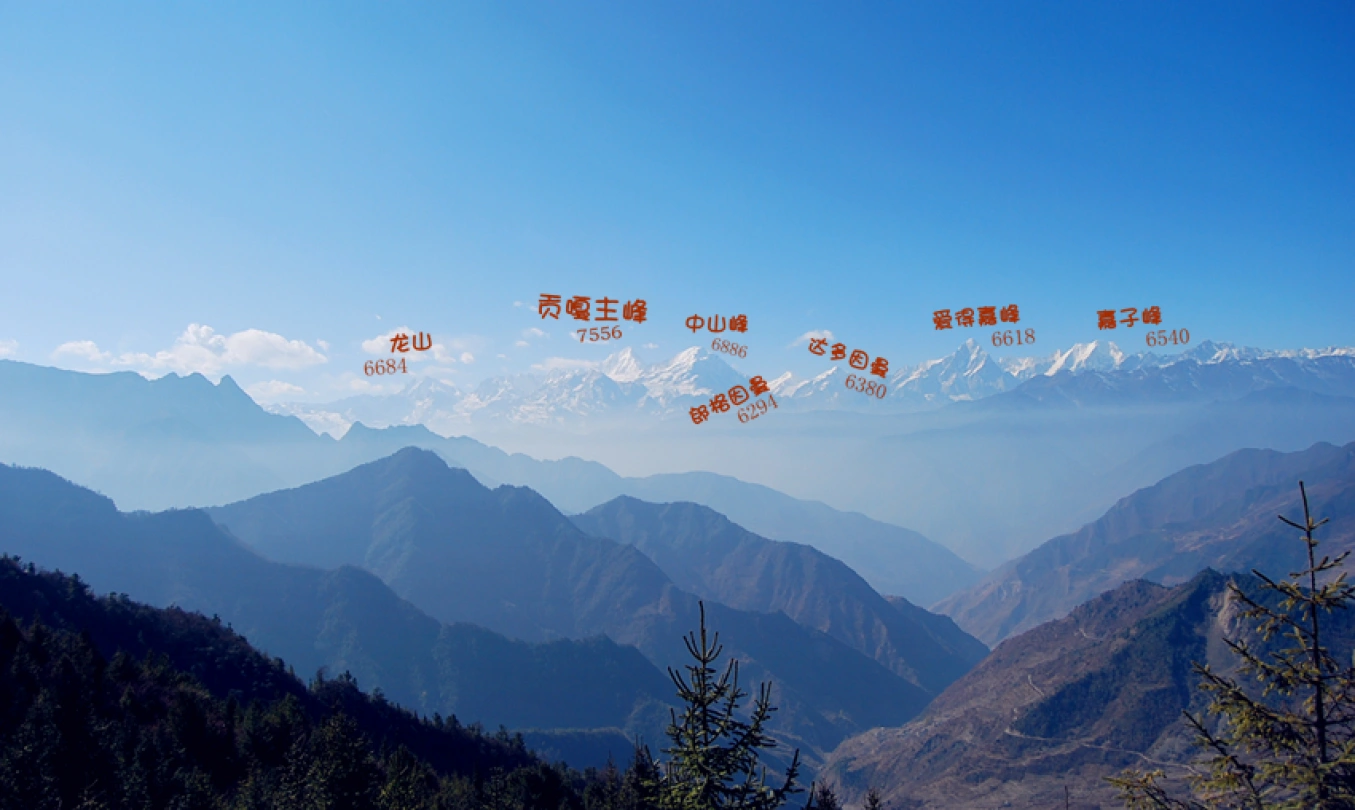
The Gift of Mount Emei: A Winter Encounter with Sunrise, Sea of Clouds, Snow-Capped Peaks, and Mischievous Monkeys
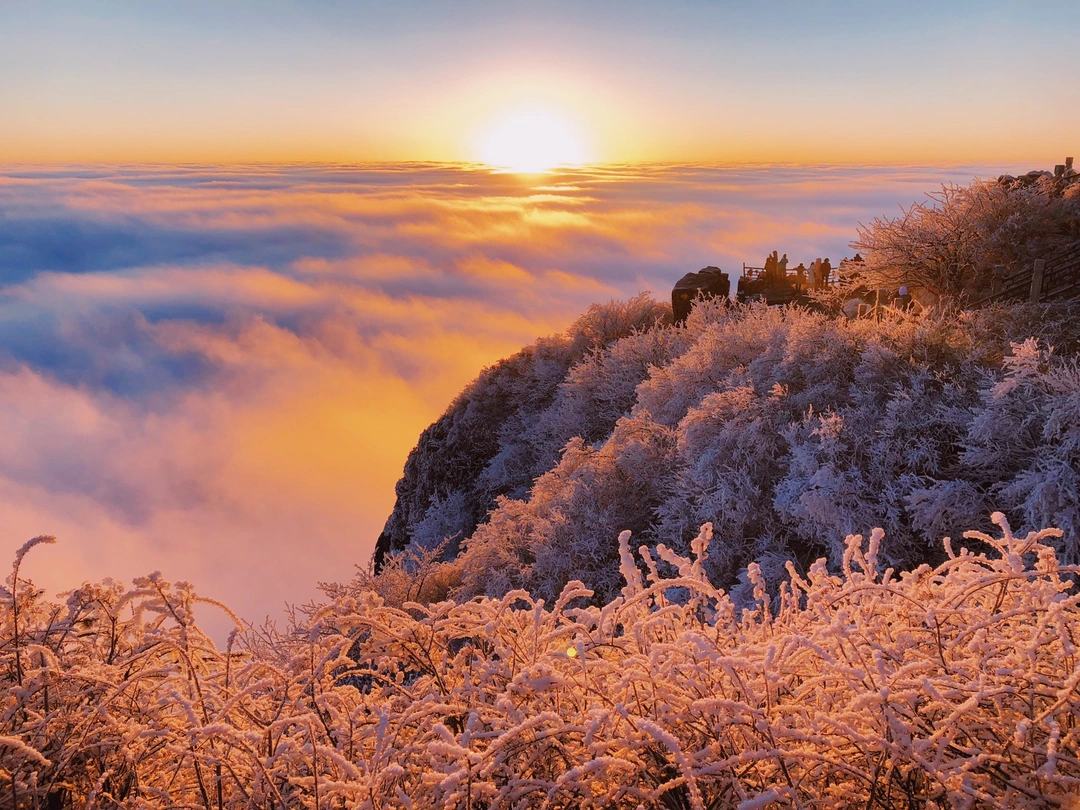
Meta Description: Discover the ultimate Mount Emei winter travel guide—sunrise over a sea of clouds, snow-dusted peaks, and cheeky Tibetan macaques. Perfect for a two-day weekend escape from Beijing. Plan your journey now.
If wandering is the deepest calling of your soul, then Mount Emei must be the most beautiful pursuit of my life. In December, Beijing was a city of biting winds. At minus eleven degrees Celsius, the entire metropolis huddled into the embrace of radiators. But for someone who lives life to the fullest, no winter is cold enough to trap a restless heart. So, on a Friday evening, I threw my bulging backpack over my shoulders and set off on a spontaneous journey to Mount Emei in winter.
This isn't your ordinary travelogue. It's a practical Mount Emei travel guide for every lazy soul who wants to witness the world's wonders without asking for time off, without climbing endless stairs. From sunrise at Golden Summit to starry skies, from sea of clouds to snowy peaks, from cheeky monkeys to ancient temples—Mount Emei laid all its gifts before us, holding nothing back.
Before You Go: Essential Mount Emei Winter Packing Tips
Don't let the cold beat your enthusiasm. Here's what you need for a winter trip to Mount Emei.
Packing List: Three Lifesavers for Golden Summit

I rushed out of the office at 5 PM, dashed into a supermarket, and grabbed a neck warmer and gloves. This last-minute scramble turned out to be a lifesaver. So, first thing: when visiting Mount Emei in December, never skimp on cold-weather gear.
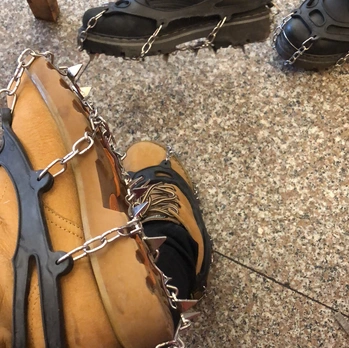
Second thing: Buy a pair of crampons online for about thirty yuan. With them, you can walk sideways on the summit—no exaggeration. Without them, be prepared to "fall down and fall down again." These are non-negotiable for navigating icy paths on Mount Emei.
Third thing: Crampons cannot be carried on the plane as cabin luggage. They must be checked in, and you'll need to drop them off at the oversized baggage counter. Be mentally prepared so you're not scrambling at the airport.
Quick Itinerary: The Ultimate Two-Day, One-Night Plan
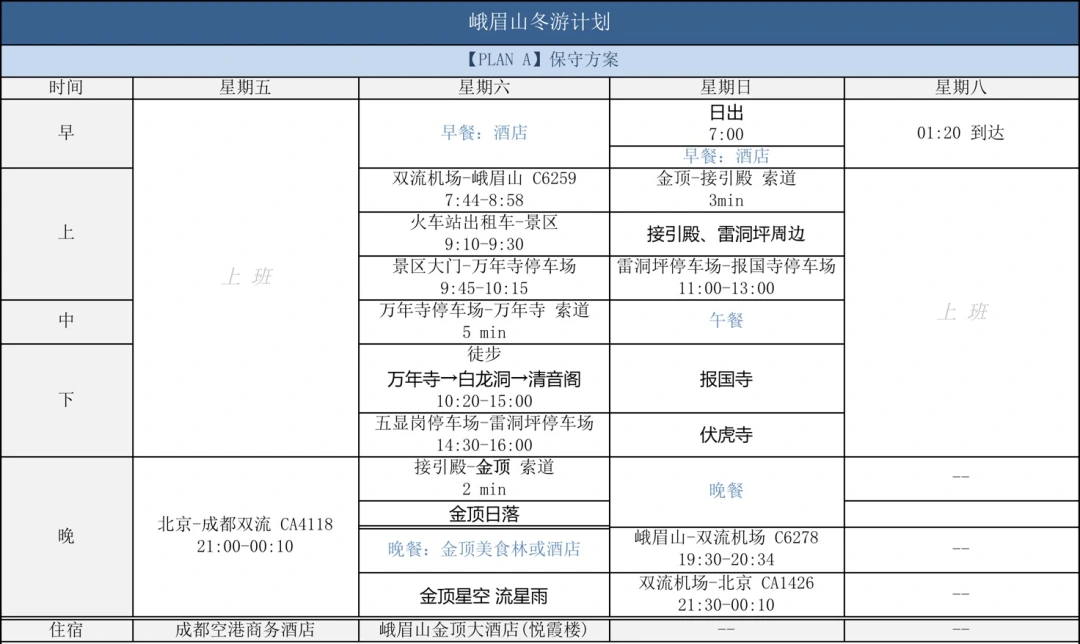
As a Beijing office worker, my annual leave was long gone. But I wanted to play without losing pay, so I designed this "extreme weekend" plan—perfect for a Mount Emei weekend getaway:
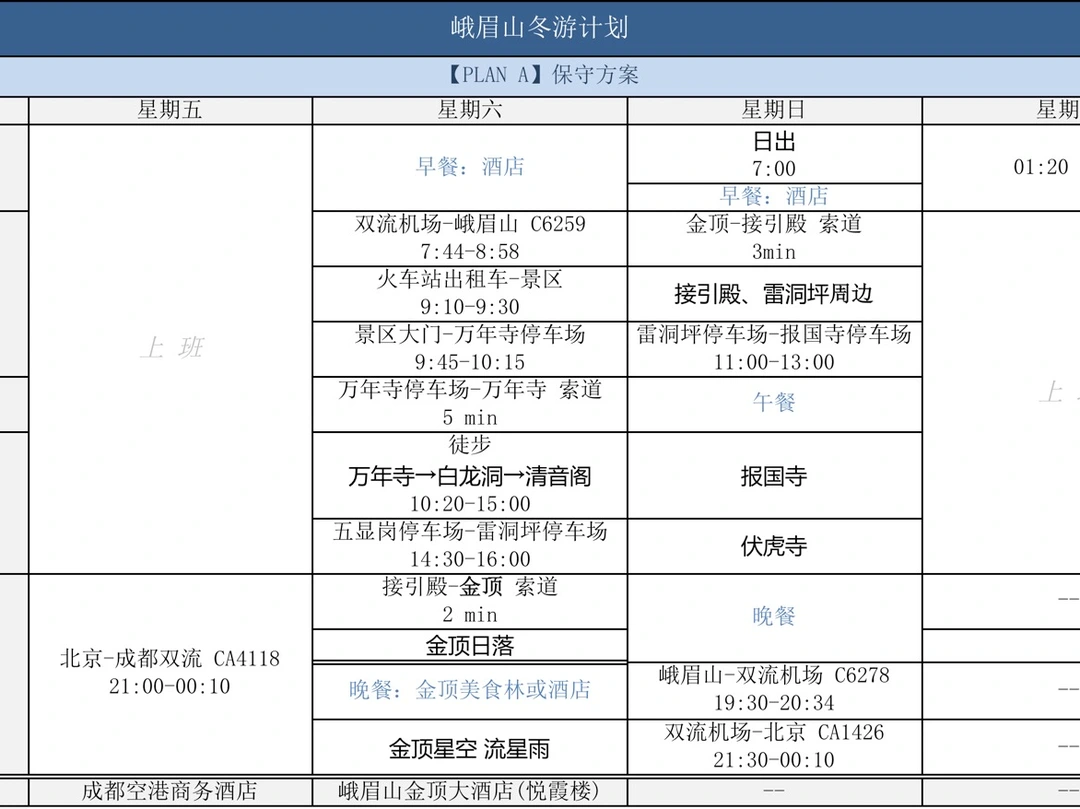
- Friday: Late-night flight to Chengdu Shuangliu, stay near the airport
- Saturday: Early morning intercity train to Mount Emei, head straight up the mountain, stay at Golden Summit (Jinding), watch sunset and stars
- Sunday: Watch Mount Emei sunrise, descend to visit ancient temples, then return to Beijing
This itinerary is relaxed and unhurried, hitting all the must-see spots without rushing. Perfect for lazy folks who don't want to hike all the way up.
[Link: How to plan a weekend trip to Mount Emei from Beijing]
Friday: From Beijing to Chengdu, a Late-Night Escape
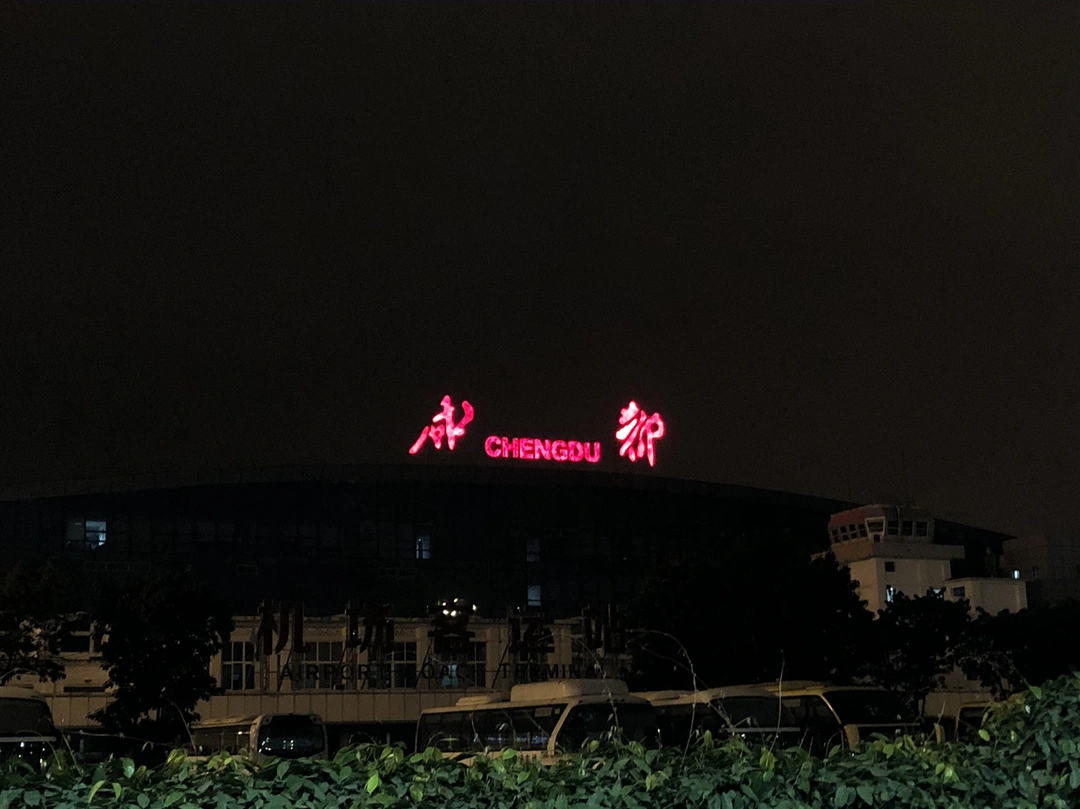
After a three-hour flight, the lights of Chengdu Shuangliu Airport glowed softly in the night. Our hotel was a ten-minute walk away. We dropped our bags and wandered the streets of Chengdu. Oh, the freedom of breaking free from the northern chill—it was more intoxicating than any delicacy.
Saturday: First Day on Mount Emei—from Ten Thousand Year Temple to Golden Summit
Early Birds Get the Ride
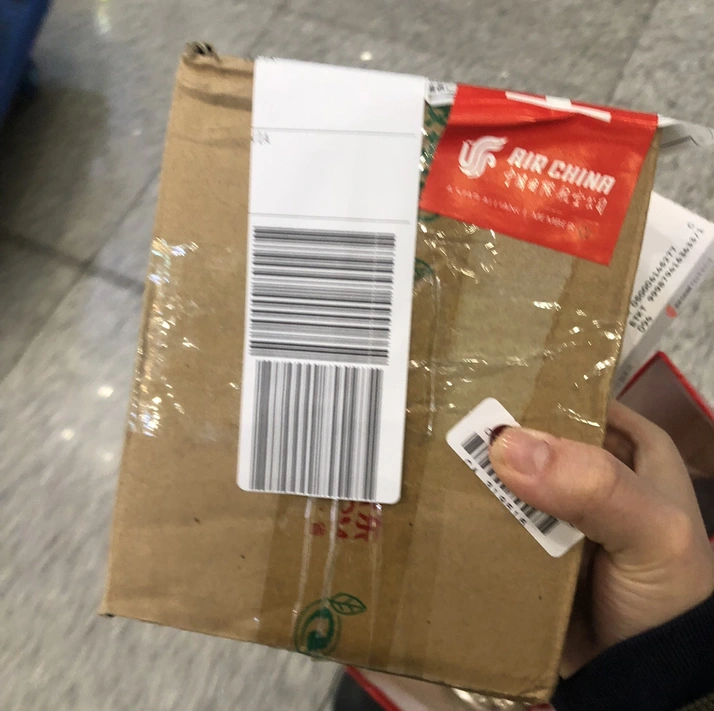
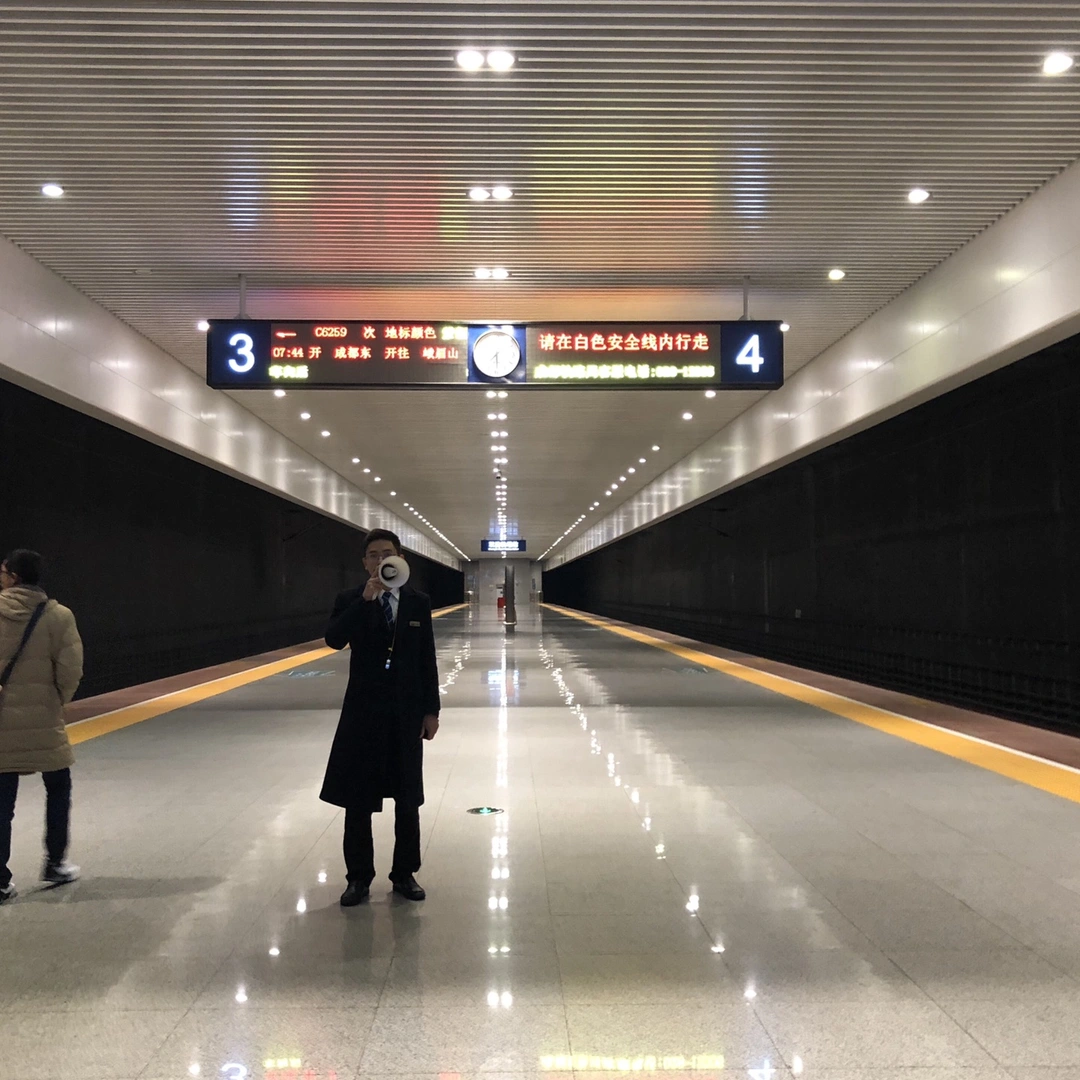
Hotel breakfast started at a little past five. Shuttle buses ran every half hour to the airport or Shuangliu Airport Train Station. We bought tickets for the 7:44 intercity high-speed train, caught the 7:00 bus, and sailed through smoothly. The train station was on level B2. After purchasing tickets on the 12306 app, we swiped our IDs to enter—so convenient it was almost moving.
An hour later, we arrived at Mount Emei Station. There were shuttle buses right inside the station, heading to various scenic spots. Tickets for the scenic area, cable cars, and shuttle buses were all paperless—just swipe your ID to pass. I recommend buying tickets directly through the official Mount Emei scenic area WeChat account. Purchase and use instantly, saving time and effort.
Ten Thousand Year Temple (Wannian Temple): A Conversation Between Moss and Ancient Buddhas
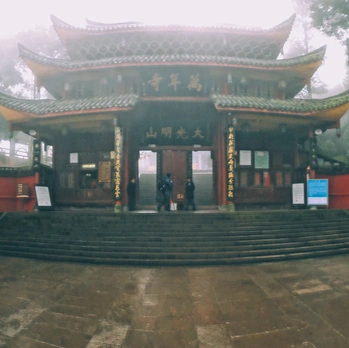
Our first stop was Ten Thousand Year Temple. We originally planned to walk from Five Manifestations Ridge (Wuxiangang) to the temple, but the shuttle bus driver kindly warned us: that route is all uphill and very tiring. So we went the other way, from the temple downward. Thank you, driver!
Ten Thousand Year Temple is one of Mount Emei's main ancient temples, home to the famous beamless brick hall. The Bodhisattva Samantabhadra (Puxian) sits serenely in the center. The ceiling is painted with flying apsaras, and the walls are lined with countless Buddha statues. Prayer charms were everywhere, and moss covered the walls and ground. We lit a red candle for blessings and protection. Under the stage light portrait mode of my iPhone, the lotus lamp looked unrealistically beautiful.
At this lower altitude, the temple was still damp, like autumn. Fallen petals scattered among the lush greenery—if it felt like autumn, it was pure coincidence. Elephants are the mounts of Samantabhadra, so elephant carvings are everywhere on Mount Emei. Ten Thousand Buddha Temple and Nation-Repaying Temple (Baoguo Temple) have larger souvenir shops where you can take home blessings.
White Dragon Cave and Pure Sound Pavilion: Legends and Flowing Water
Walking downhill from Ten Thousand Year Temple, you'll first pass White Dragon Cave (Bailong Dong)—legend says it's where Lady White (from the tale of the White Snake) cultivated her powers. Constantly soaked by the humid forest, the stone lions at the temple gate have moss for clothing.
At Pure Sound Pavilion (Qingyin Ge), you can hear the music of water. Mountain springs converge at Twin Bridges into pools, then flow clear and pure through the valleys. "Leaving behind defilement"—washing away worldly troubles. The music of Twin Bridges cleanses one worry, then another. There's an official photography spot recommended by the scenic area—worth a pause.
We had lunch at the temple's vegetarian hall. A bowl of plain noodles cost 15 yuan. We arrived late, and all the dishes were gone. If you want to eat at temple dining halls, I suggest arriving by 11 AM.
The Kingdom of Monkeys: See No Evil, Hear No Evil, Speak No Evil
Passing the Sino-Japanese Poetry Stele Pavilion, you'll see a bridge. On it stand four human statues—no idea what they mean. Many little monkeys sat by the bridge—but so far, none were real.
"Speak no evil, see no evil, hear no evil"—three stone monkeys perfectly embodying Confucius's teaching.
Before reaching Five Manifestations Ridge, we passed the second-to-last restaurant cluster. We stumbled upon locals holding a wedding in the scenic area. They played the same song on repeat for half an hour.
Thunderclap Ridge (Leidongping): From Autumn to Winter in Half an Hour
While waiting for the shuttle to Thunderclap Ridge at Five Manifestations Ridge, there was a hiccup. The security guard asked us twice if we were going to the summit. We said yes, and they told us to wait. Later, I asked the ticket inspector and found out the guard should have told the ticket seller about our request. This delay left us waiting at the station for two hours, freezing our butts off. Thank goodness again for my gloves, neck warmer, and hand warmers.
The shuttle ride to Thunderclap Ridge took about 1.5 hours. As we climbed, the altitude rose, and the weather changed dramatically. From damp branches to branches covered in frost—the transformation took only half an hour. Midway, the bus had to put on tire chains. I planned to nap, but the snowy landscape mesmerized me. I kept repeating, "So beautiful! Too beautiful! Ahhh!"—looking like a complete tourist.
Here Come the Monkeys: Fat, Hungry, and Bad-Tempered
The 1.5-kilometer walk from Thunderclap Ridge to the Golden Summit cable car wasn't tiring. Not because of the southern snow, but because of—the monkeys!
As a girl from the north, I was excited to see snow, but the monkeys thrilled me even more. Look—a corn cob finished in no time, but they still licked it, unwilling to let go. Mount Emei has so many monkeys! Fat! Hungry! And bad-tempered! But utterly adorable.
Officially, these are Tibetan macaques. There are three monkey families in the mountains, about 300 in total. The monkey keepers are fierce—one shout and many scatter. They said if you hold food, the monkeys will snatch it. Keep your belongings secure and never tease them.
[Link: Tips for safely viewing monkeys at Mount Emei]
Sunday: Sunrise at Golden Summit—A Winter Spectacle
We woke at 5:30 AM to catch the Mount Emei sunrise. The temperature was minus 15°C, but the anticipation kept us warm. We walked to the Golden Summit observation deck and found a spot among the crowd.
At 7:12 AM, the first rays of light pierced the horizon. The sea of clouds below us glowed gold, then orange, then pink. The snow-capped peaks of the surrounding mountains emerged like islands in a celestial ocean. The Golden Summit—with its towering Samantabhadra statue—seemed to float above the world.
This is why people brave the cold. This is why Mount Emei in winter is a gift. The sunrise over the sea of clouds is a moment of pure transcendence.
After the sunrise, we explored the Golden Summit area. The Huazang Temple and the Golden Dome gleamed in the morning light. We took the cable car down, passing over the sea of clouds one last time.
FAQ: Your Mount Emei Winter Questions Answered
1. Is Mount Emei worth visiting in winter?
 Absolutely. Winter at Mount Emei offers unique experiences: snow-capped peaks, sea of clouds, and sunrise that are often clearer than in other seasons. The monkey sightings are also more concentrated near the cable car area.
2. What is the best time to see the sunrise at Golden Summit?
 The sunrise at Golden Summit typically occurs between 7:00 AM and 7:30 AM in winter. Arrive at the observation deck by 6:30 AM to secure a good spot. Check the Mount Emei weather forecast the night before.
3. How cold does it get at Golden Summit in winter?
Temperatures at Golden Summit can drop to -15°C to -20°C in December and January. Wind chill makes it feel even colder. Dress in layers, wear thermal underwear, and bring hand warmers.
4. Do I need to book tickets in advance?
 Yes. Tickets for the Mount Emei scenic area, cable cars, and shuttle buses sell out quickly during peak winter weekends. Book through the official WeChat account or 12306 app for trains. Paperless entry via ID is seamless.
5. Are the monkeys dangerous?
The Tibetan macaques are wild and can be aggressive if they see food. Do not carry open snacks or bags. Keep your distance, avoid eye contact, and follow the monkey keepers' instructions. They are adorable but unpredictable.
[Link: Complete Mount Emei travel guide for first-timers]
Final Thoughts: Why Mount Emei Should Be Your Next Winter Escape
Mount Emei is not just a mountain—it's a pilgrimage. From the ancient temples of Ten Thousand Year Temple to the snowy summit of Golden Summit, from the cheeky monkeys to the sea of clouds, every moment feels like a gift.
This Mount Emei winter travel guide is designed for the modern traveler: short on time, big on adventure. No need for annual leave. No need for endless hiking. Just a weekend, a backpack, and an open heart.
Are you ready to experience the magic of Mount Emei in winter?
Start planning your trip today. Book your flights, pack your crampons, and prepare for a journey that will leave you breathless—literally and figuratively. The sunrise at Golden Summit is waiting. The monkeys are waiting. The sea of clouds is waiting.
Don't let another winter pass you by. Go. Explore. Live.
[Link: Book your Mount Emei tickets now]
[Link: Find the best Mount Emei hotels near Golden Summit]