The Celestial Mountain of Shu: Encountering a Belated Hibernation Above the Clouds at Wayushan on the 30th Parallel North
Meta Description: Escape Chengdu's spring gloom for a winter wonderland at Mount Wayu (Wawu Shan). Discover Asia's largest table mountain, rime ice, ancient forests, and Tibetan macaques on the 30th parallel north. Your ultimate travel guide.
Introduction: Why Mount Wayu Deserves Your Next Weekend Escape
Spring in Chengdu arrives with hesitation—a fleeting warmth, then a fortnight of grey gloom. When the weather forecast finally promised two days of sunshine, I knew exactly where I was headed. Not to another crowded city landmark, but to Mount Wayu (Wawu Shan) , a celestial mountain in Sichuan where winter refuses to surrender until late spring.
This is not a typical "special forces" tourist sprint. This is a slow, deliberate retreat into nature's last stronghold of winter. A two-day, one-night itinerary filled with private hot springs, crystalline rime ice, snow-dusted peaks, and ancient forests that have witnessed millennia of Chinese history. As the car left Chengdu's smog and wound up the mountain roads, the exhaustion of daily trivialities dissolved into the crisp mountain air.
What Makes Mount Wayu Unique? Asia's Largest Table Mountain
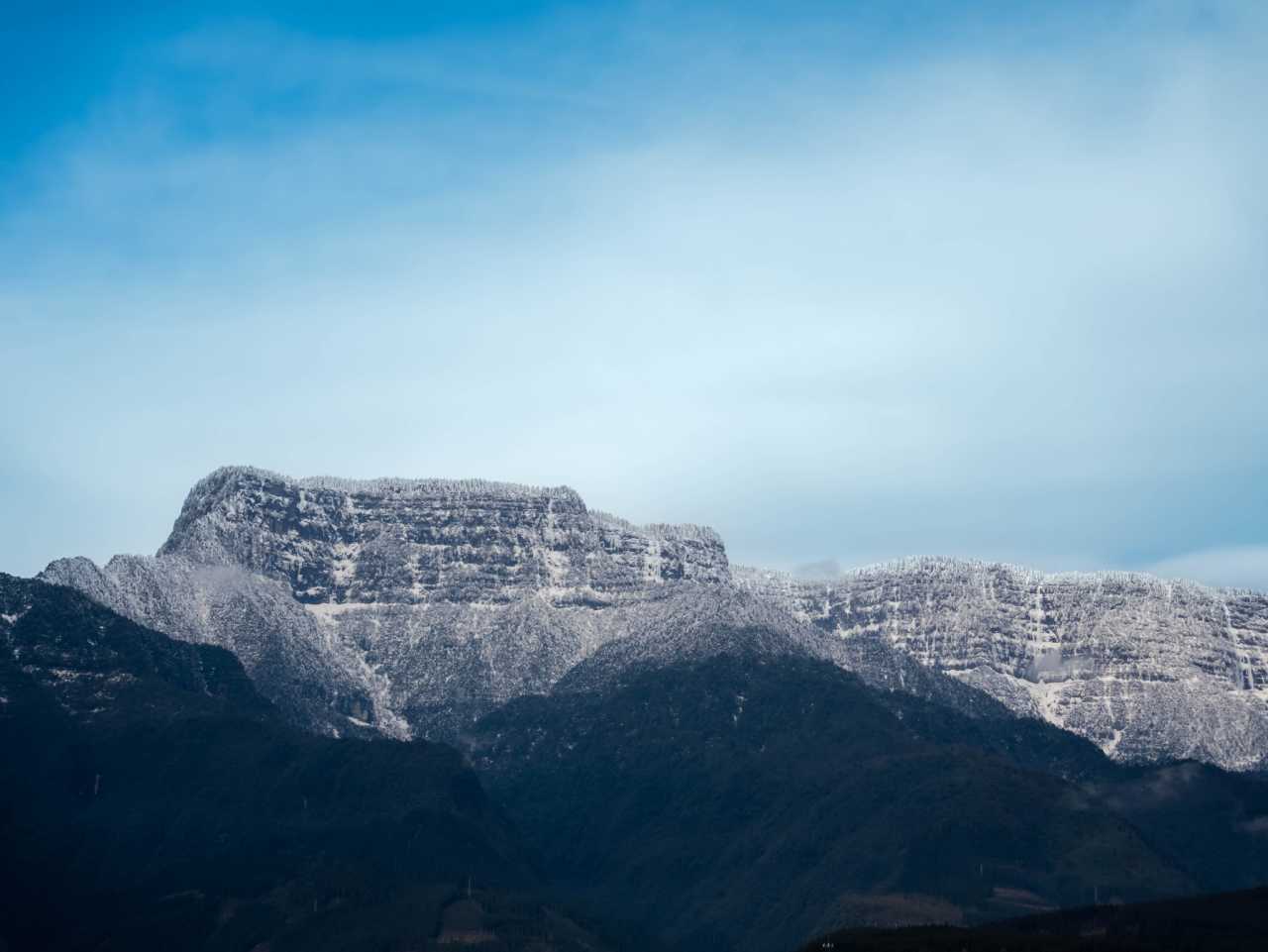
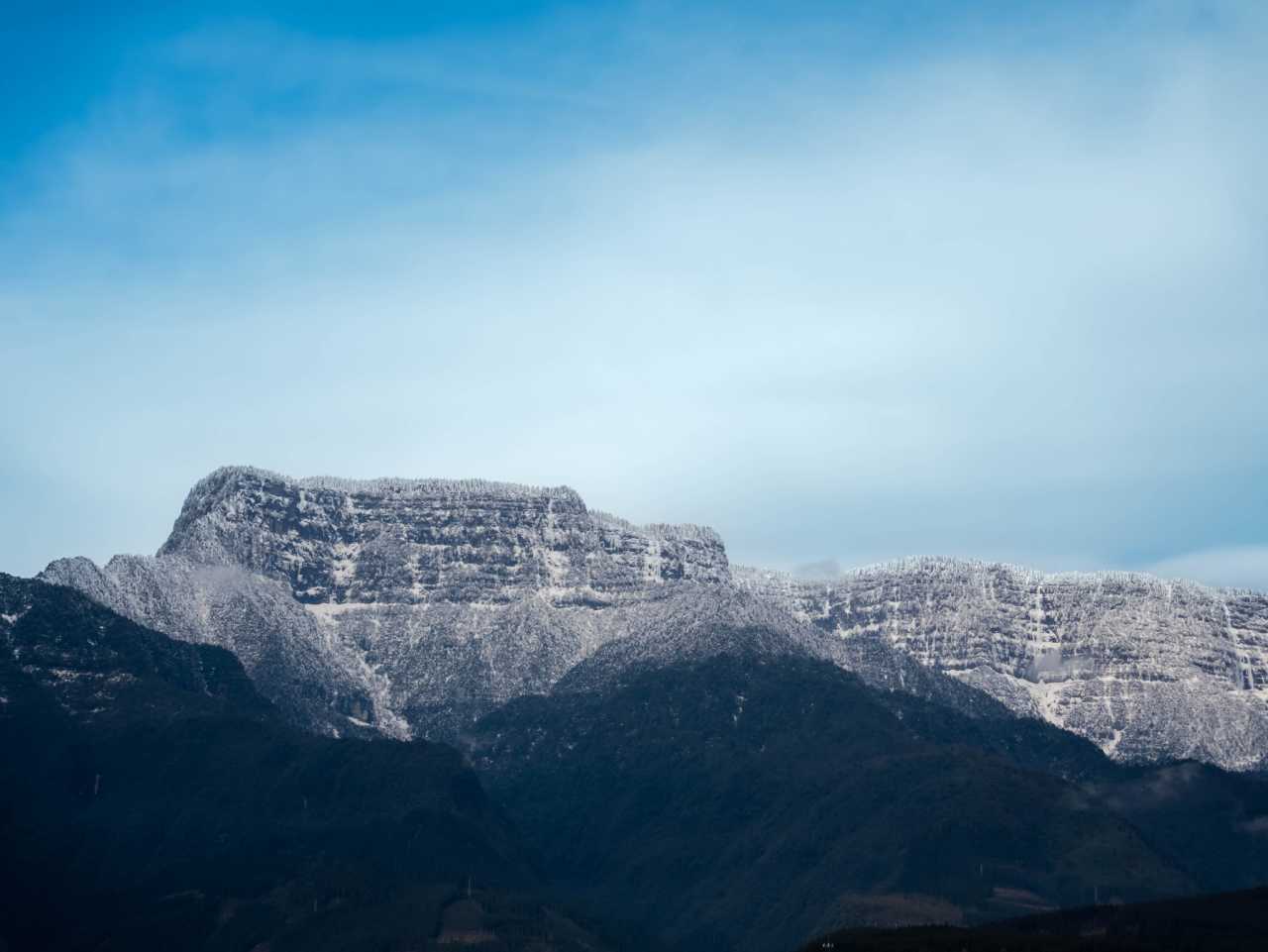
Mount Wayu earns its nickname "Table Mountain" from its distinctive flat summit—an 11-square-kilometer plateau surrounded by thousand-meter cliffs with a vertical drop exceeding 700 meters. This rare geological formation was recognized by Chinese National Geography in 2017 as "China's Most Beautiful Table Mountain," and its scale is truly staggering: the largest in Asia and second-largest in the world.
The mountain sits on the mystical 30th parallel north, a latitudinal line known for ancient civilizations, mysterious phenomena, and extraordinary natural beauty. From the pyramids of Egypt to the Himalayas, this parallel seems to concentrate Earth's wonders—and Mount Wayu is no exception.
Ancient Legends of Mount Wayu
Local folklore weaves a rich tapestry around this mountain: - The goddess Nüwa is said to have melted stones here to mend the sky - The ancient Shu king Cancong taught sericulture on these slopes - Laozi attained enlightenment here, making it a birthplace of Taoism - Even the Han dynasty mint master Deng Tong supposedly coined money on this mountain
These stories transform Mount Wayu from a scenic destination into a living museum of Chinese mythology.
First Encounter: Lake Yanü (Yanü Hu) – A Gentle Poem in Rippling Light
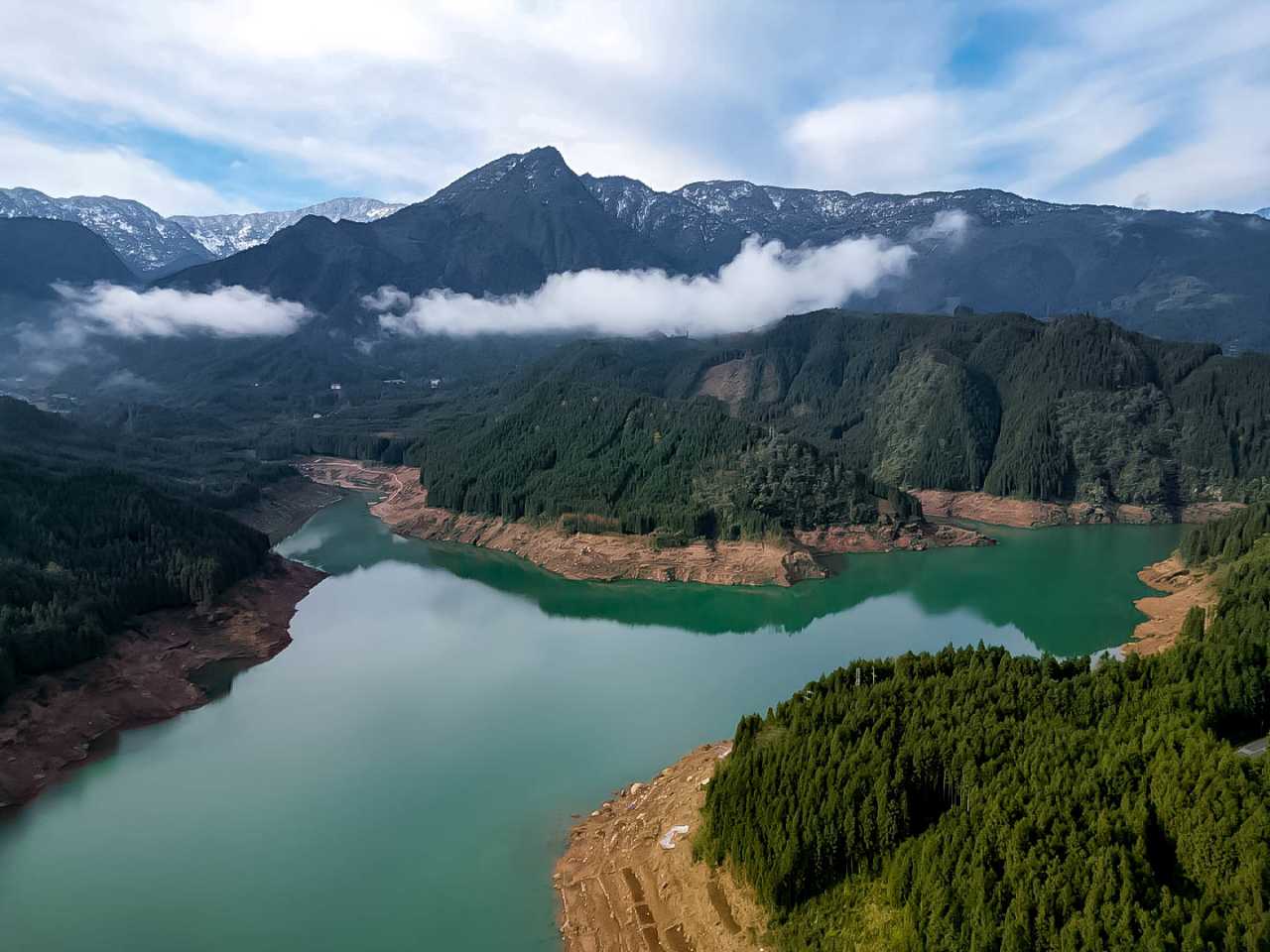
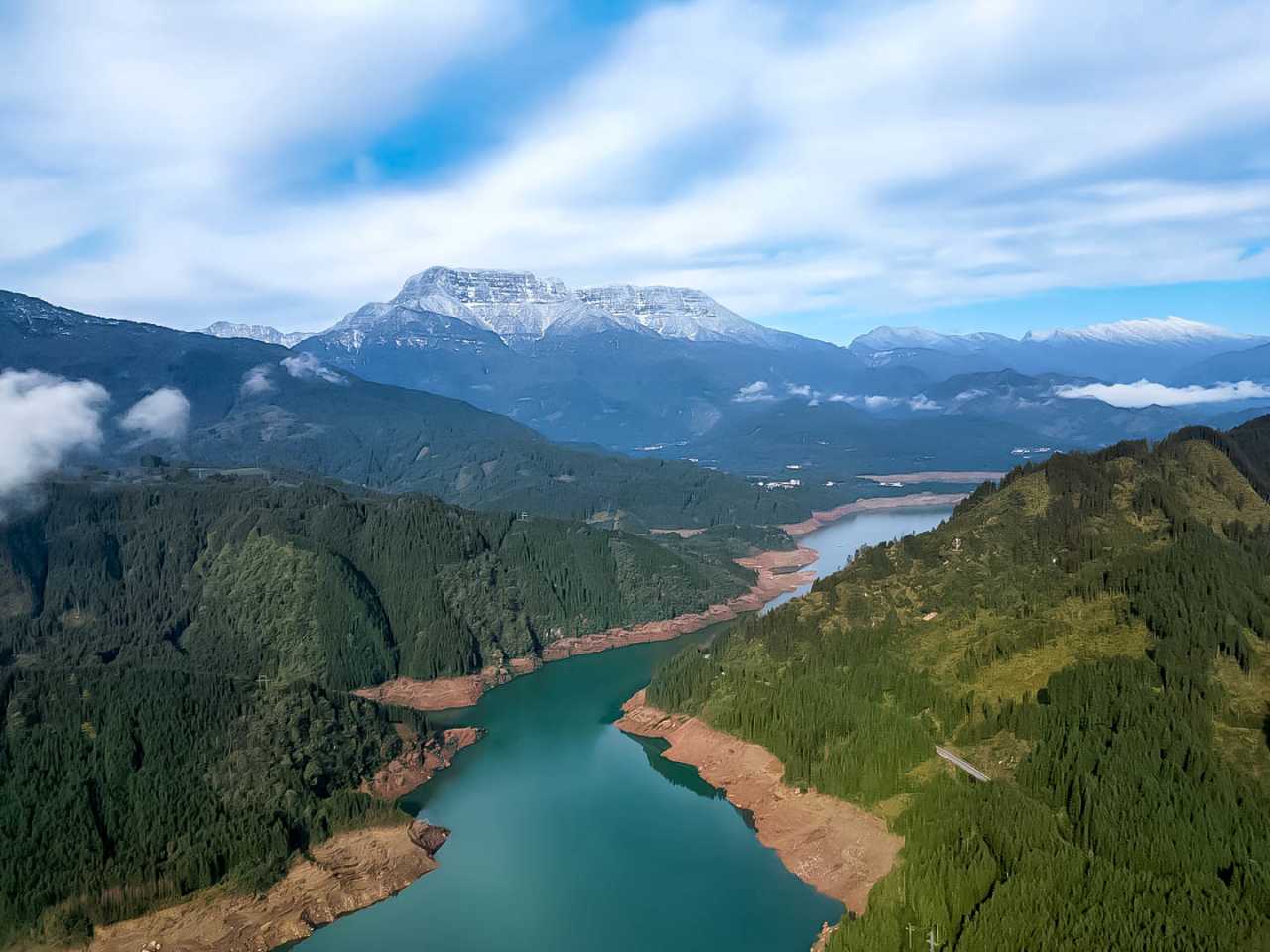
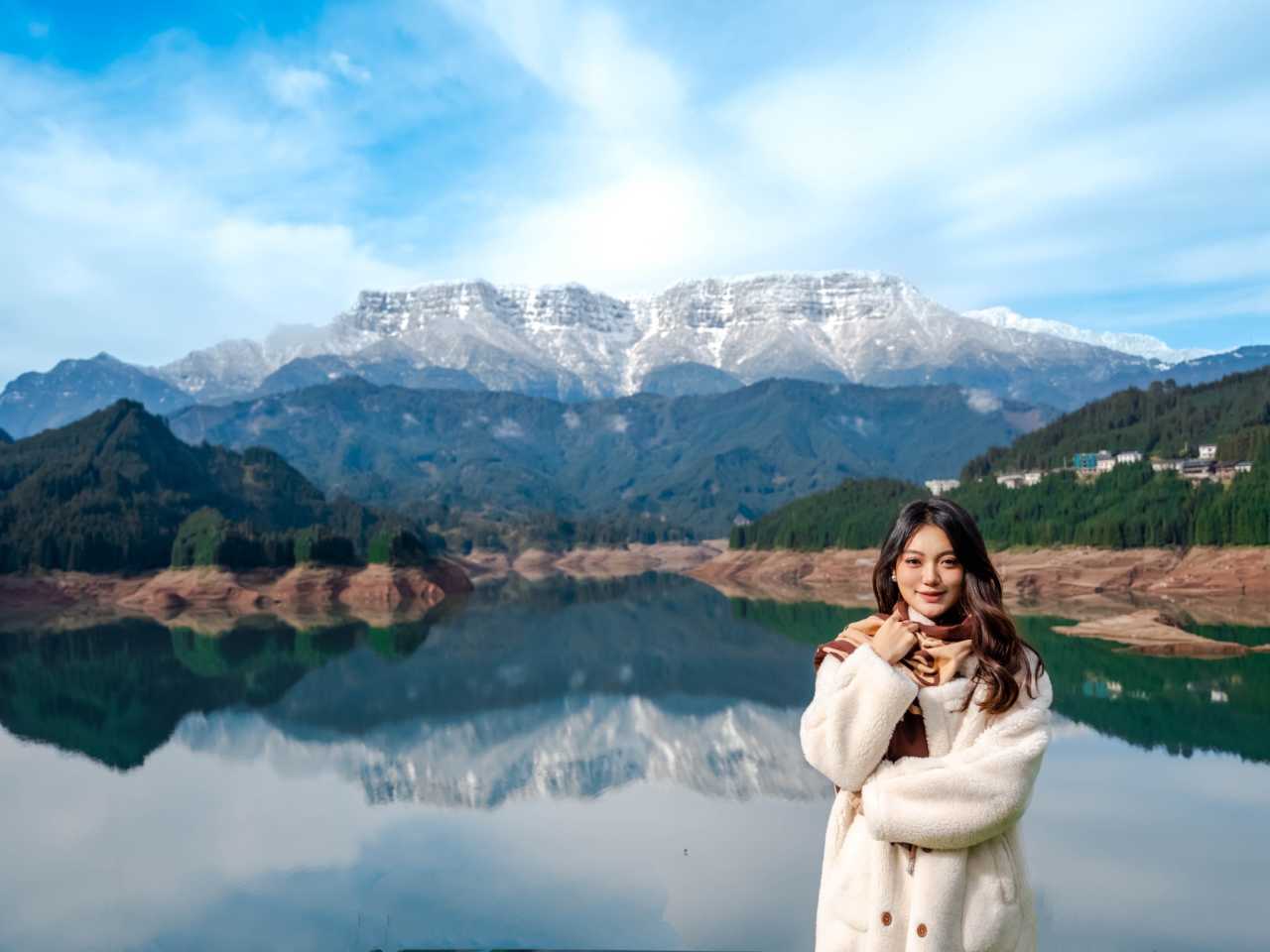
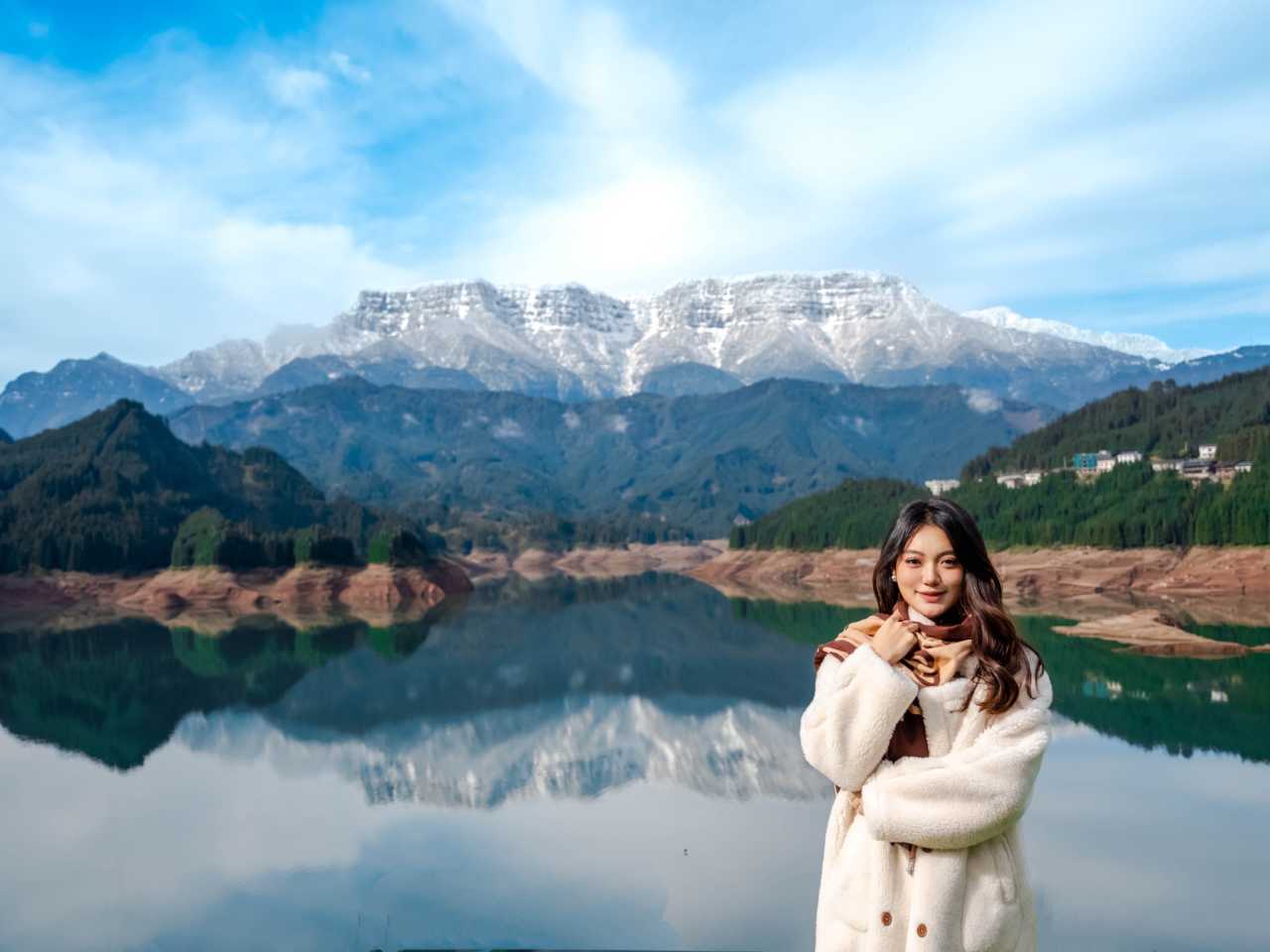
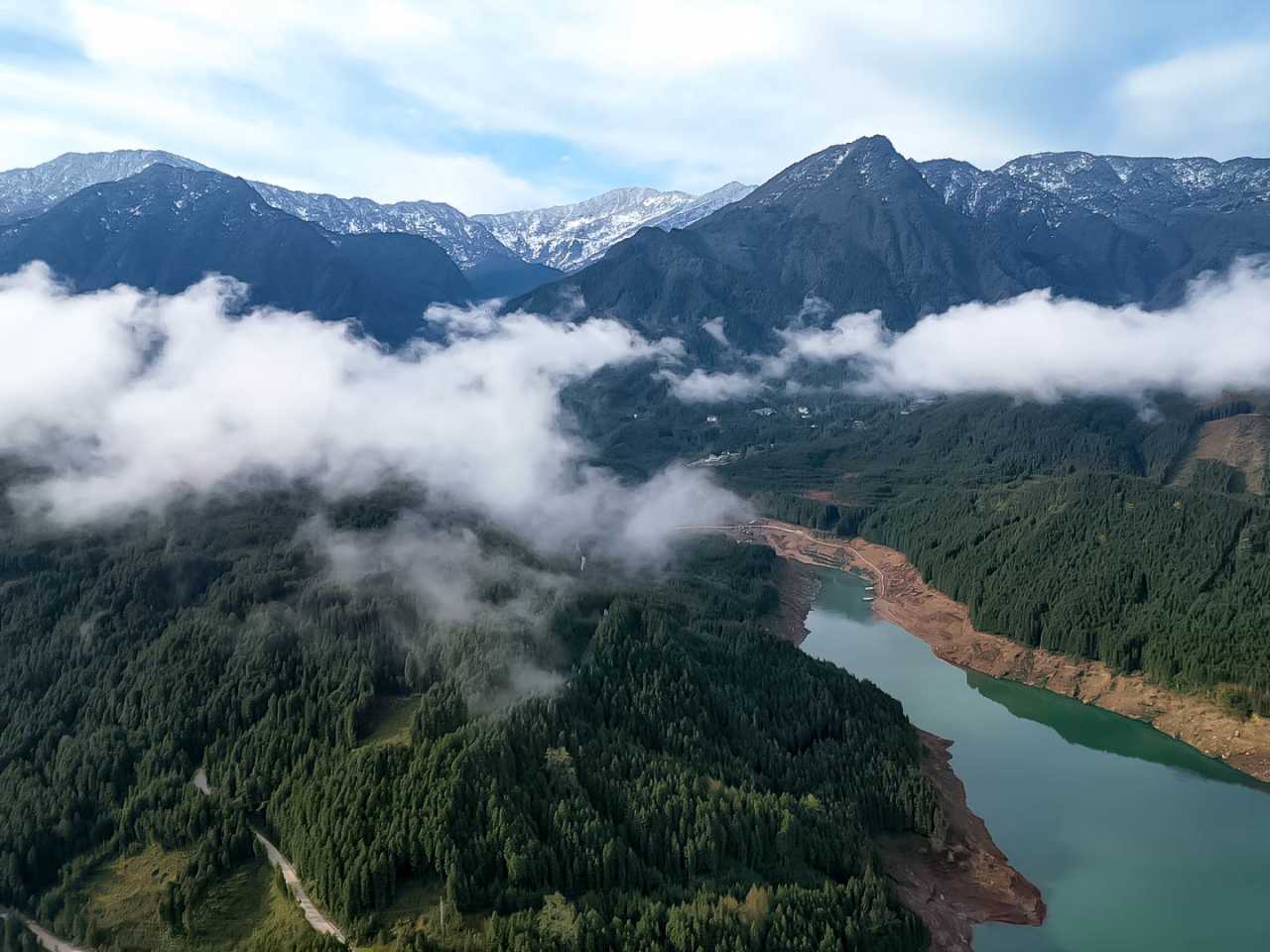
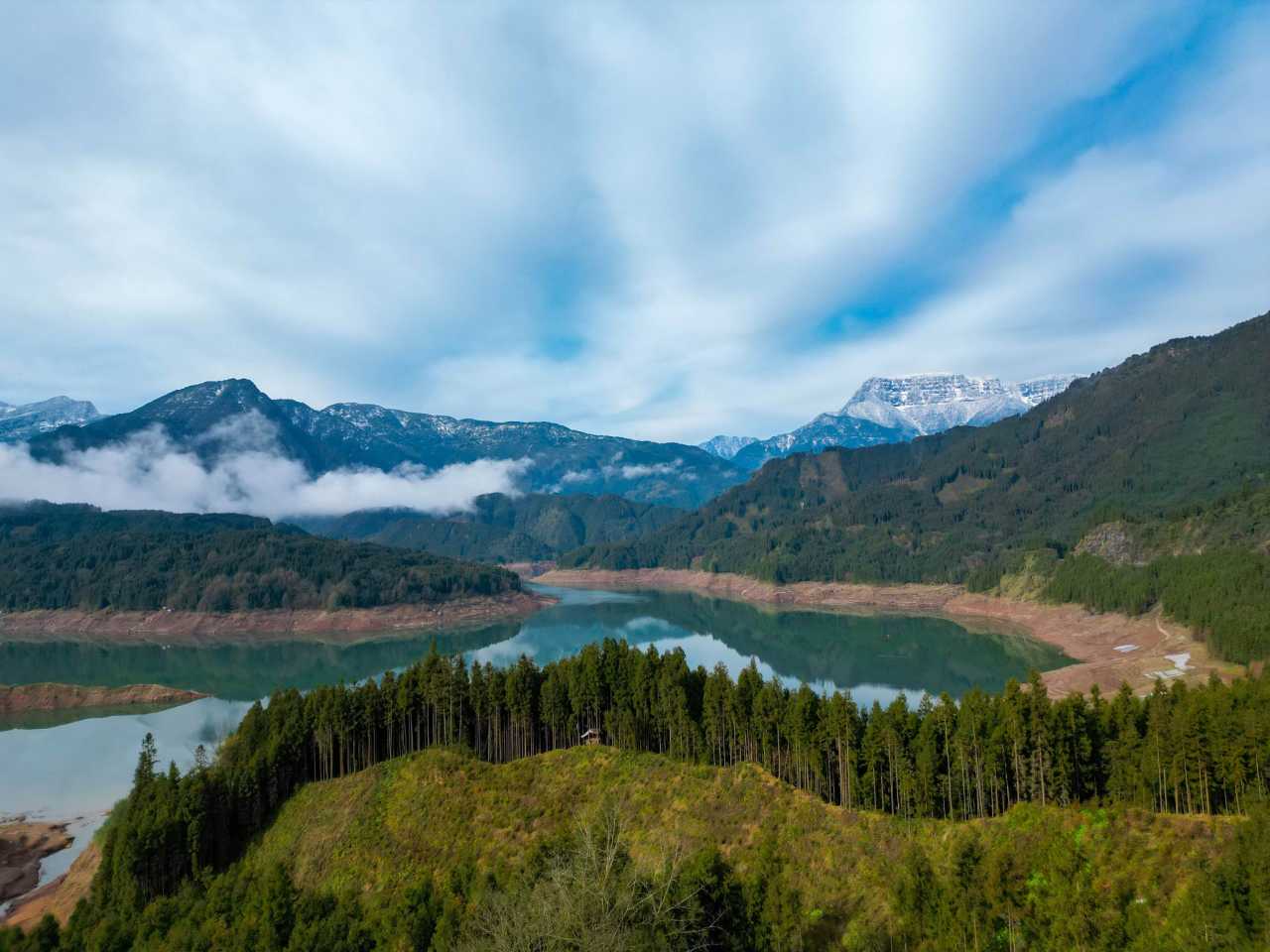
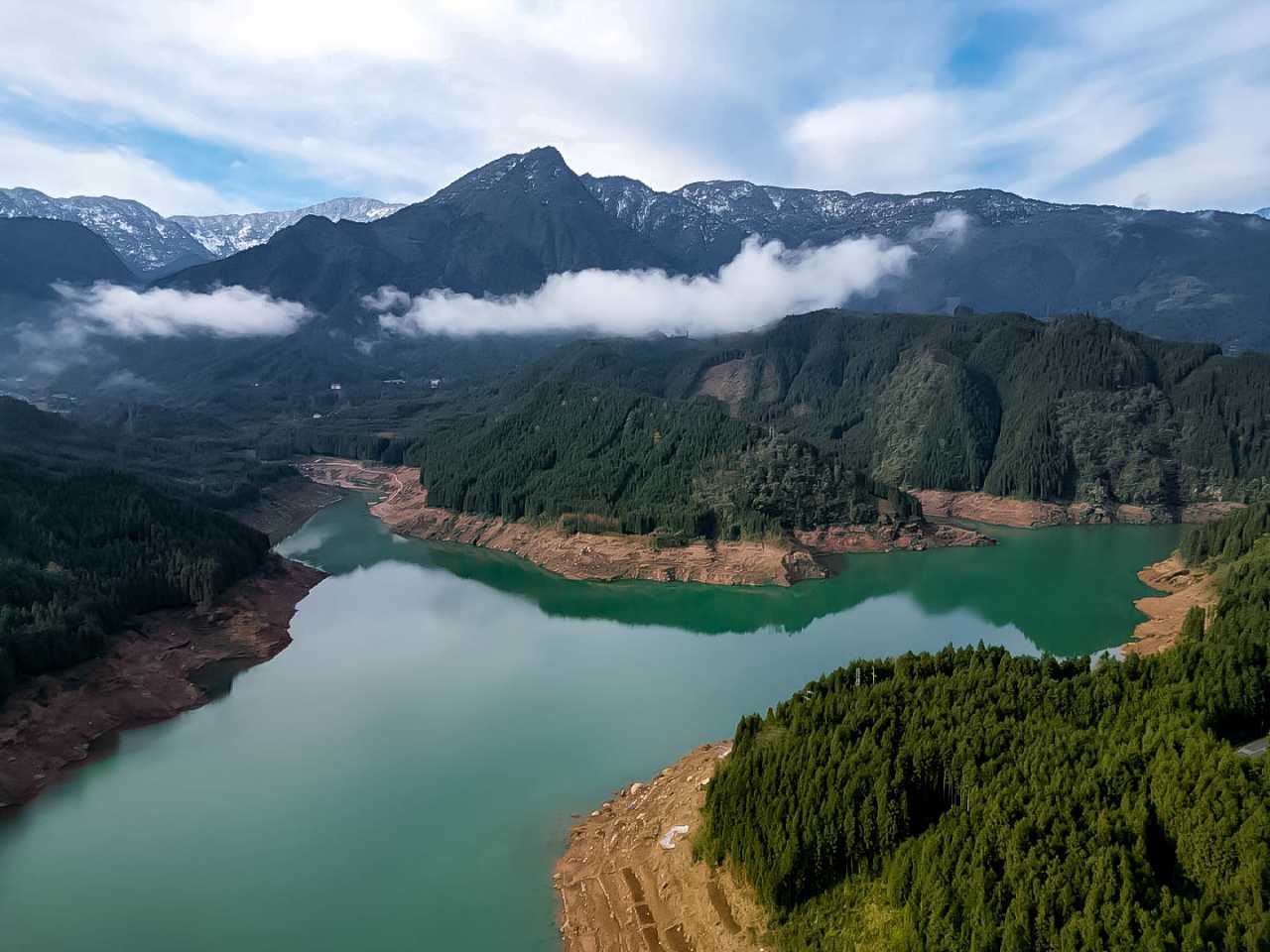
The mountain road twists through seven hairpin bends before revealing a breathtaking sight: Lake Yanü, cradled in the palms of surrounding peaks. At an altitude of over 1,000 meters, the clouds perform their slow-motion dance—one moment an impenetrable river of milk, the next torn into wisps of cotton by the mountain wind, revealing distant silver peaks.
The lake's surface reflects fragments of golden light, gently swaying with the ripples. The snowy summit of Mount Wayu mirrors perfectly in the water, blurring the line between mountain and cloud. You cannot tell if the mountain is in the clouds, or if the clouds have fallen to the lake's bottom.
This was my first encounter with Mount Wayu's winter magic, and it set the tone for everything that followed.
How to Visit Mount Wayu: Practical Travel Guide
Getting There from Chengdu
The drive from Chengdu to Mount Wayu takes approximately 3-4 hours. The mountain roads are well-maintained but winding—perfect for a scenic road trip. [Link: Chengdu to Mount Wayu driving routes and tips]
Entrance and Cable Car Information

I arrived at the Mount Wayu Scenic Area at 9:15 AM. Since it was the off-season, crowds were minimal. The entry process was seamless—just swipe your ID card and scan your reservation code.
Key details: - Cable car system: Two sections (Jinhuaqiao Cable Car + second cable car to summit) - First section mandatory during deep snow season - Walking path at summit: 6-8 km loop with options to shorten or extend - Best time for winter scenery: Late February through April
What to Expect at the Summit
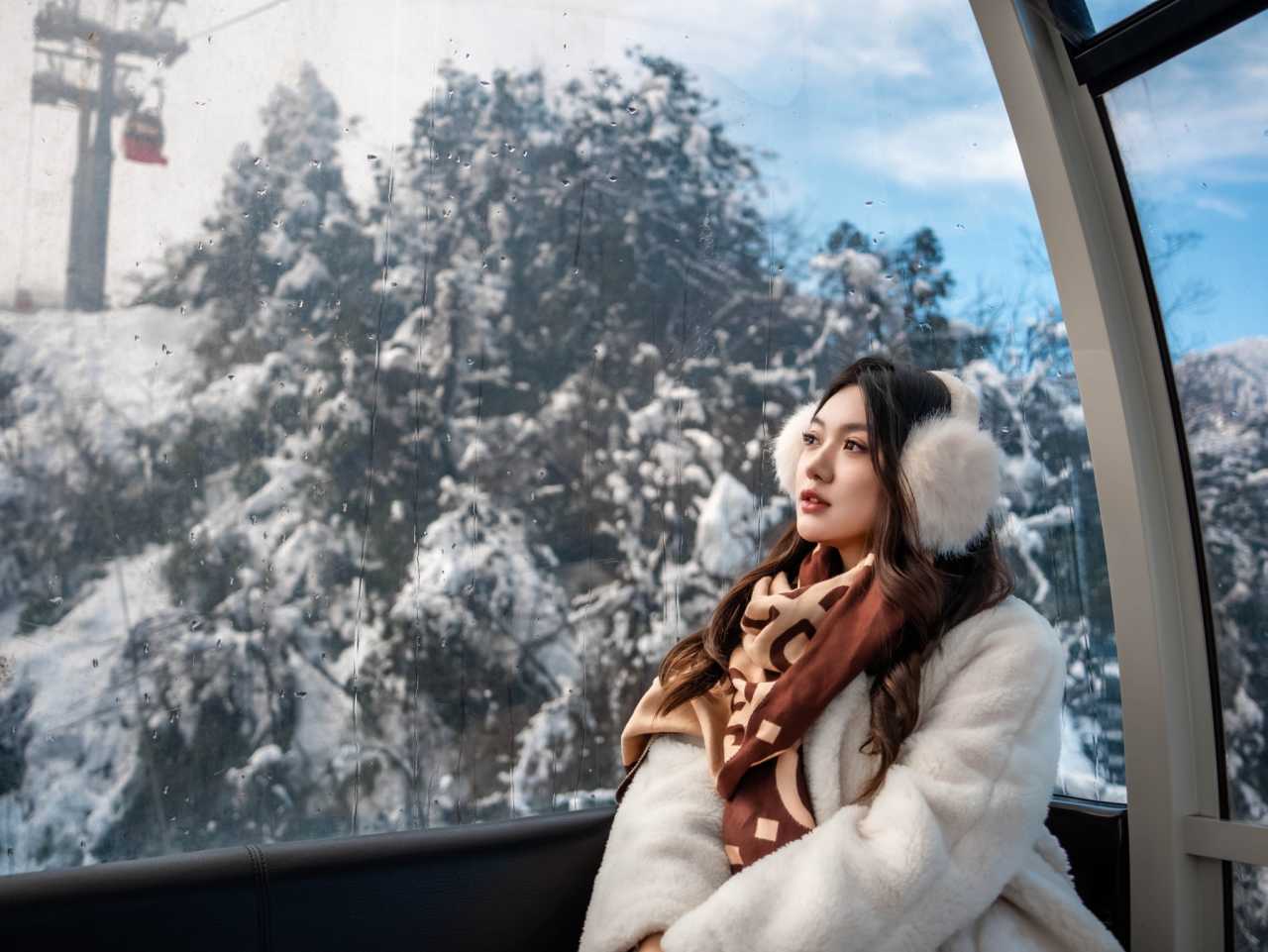
The transition between winter and spring becomes magical as you ascend. The shady slopes still hold deep snow, while sunny slopes burst with mountain flowers. After passing through a thin layer of mist, the view opens into a snowy fairyland suspended above the clouds.
The ten o'clock sun makes the snow shine brilliantly—even sunglasses struggle against the reflections. But you'll want to force your eyes open, storing every moment in memory.
Wildlife Encounters: Tibetan Macaques and Rare Flora
The Playful Tibetan Macaques
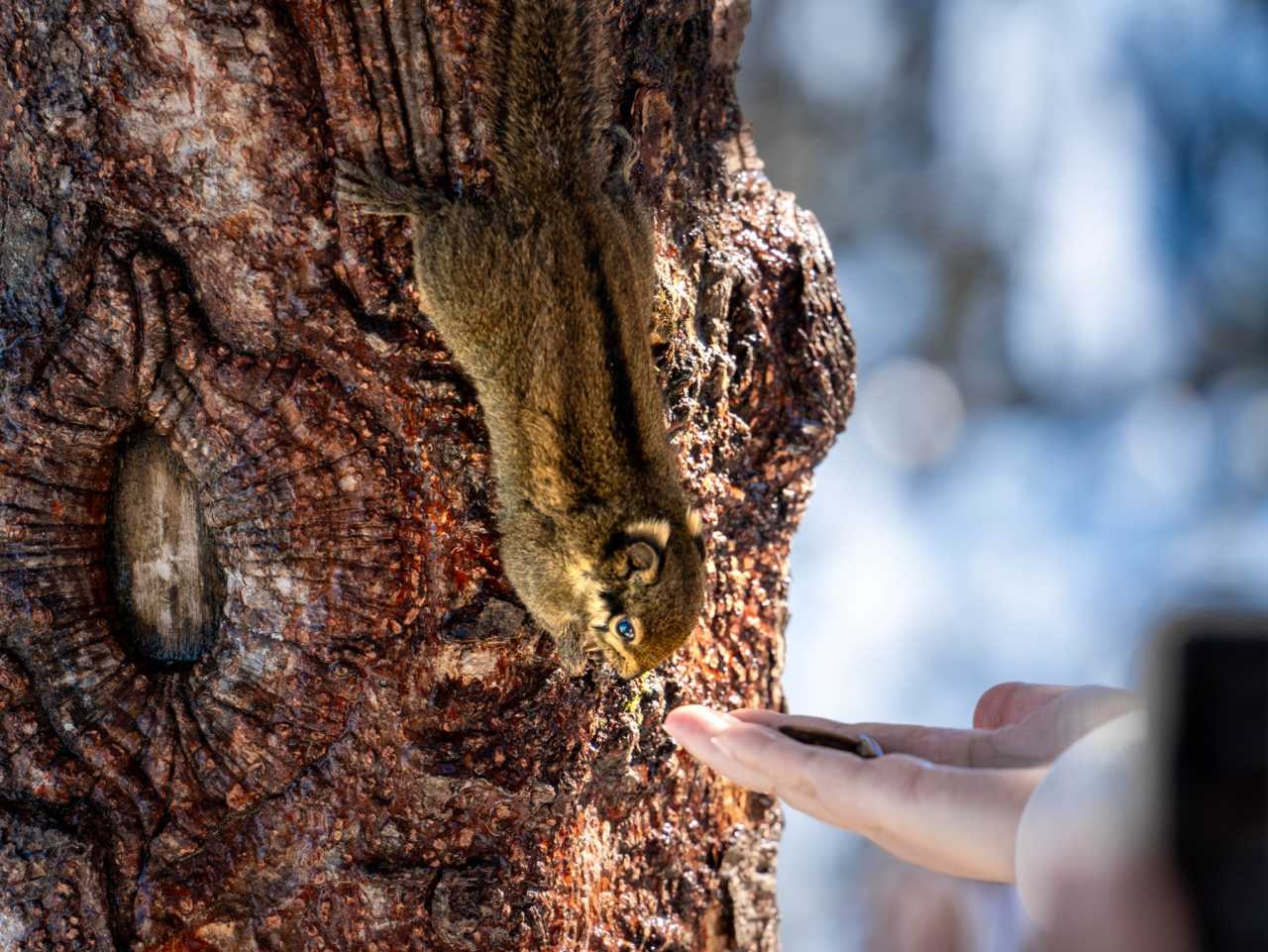
Before reaching the summit's full glory, I was completely captivated by the Tibetan macaques. These mountain spirits inhabit the area around the cable car station, displaying behaviors that feel almost human:
- Families huddling together, acting cute
- Pairs grooming each other's backs
- Newborn monkeys (barely a month old) jumping and leaping
- Half-grown monkeys swinging from eaves, hanging upside down to startle visitors
Their liveliness instantly dispels any anxiety about the weather or scenery. [Link: Wildlife watching tips at Mount Wayu]
The Dove Tree: A Living Fossil
The dove tree (Davidia involucrata) is like the giant panda of the plant world. When glacial plants from 3 million years ago went extinct elsewhere, Mount Wayu provided a sanctuary for these rare species. The international academic community recognizes this mountain as a holy land for studying the origin of the world's angiosperms.
During spring, these trees bloom with white bracts that resemble doves in flight—a sight worth planning your visit around.
Hiking the Snowy Path: A God's Perspective of Winter
The walking path at the summit is a loop of about 6-8 kilometers, with options to shorten or extend. We walked along the packed snow path left by previous visitors, heading towards the Azalea Garden—the first viewing platform.
The snow underfoot makes a soft crunching sound. At 30 centimeters deep, the railings on the path suddenly seem much lower than you'd expect. The trees on the mountain display all kinds of shapes and forms—old red pines, twisted branches, horizontal limbs suddenly springing upward, releasing cloaks of snow that explode into silver sand on the slopes.
When you are surrounded by such mountains and water, your mind naturally opens and becomes free. The combination of rime ice, snow-covered peaks, and ancient forests creates a landscape that feels both otherworldly and deeply peaceful.
Frequently Asked Questions About Mount Wayu
Q1: When is the best time to visit Mount Wayu for winter scenery?
A: The best period for winter scenery is late February through April. This is when you'll find deep snow at the summit while lower elevations begin showing signs of spring. The transition between seasons creates unique photographic opportunities.
Q2: Is Mount Wayu suitable for beginners or casual hikers?
A: Absolutely. The summit has well-maintained wooden walkways and cable car access, making it accessible for all fitness levels. The 6-8 km loop can be shortened, and the elevation gain is minimal once you reach the summit via cable car.
Q3: What should I pack for a winter visit to Mount Wayu?
A: Essential items include: - Warm, waterproof boots (snow can be 30+ cm deep) - Sunglasses (snow reflection is intense) - Layered clothing (mountain weather changes quickly) - Sunscreen (UV is strong at high altitude) - Snacks and water (limited facilities at summit)
Q4: Are there accommodation options near Mount Wayu?
A: Yes, there are several hotels and guesthouses near the scenic area entrance. Many offer private hot springs—perfect for relaxing after a day in the snow. [Link: Best hotels near Mount Wayu with hot springs]
Q5: How does Mount Wayu compare to other Sichuan mountains like Emei or Siguniang?
A: Mount Wayu offers a unique experience due to its flat summit and table mountain geology. While Emei is more famous for Buddhist temples and Siguniang for alpine climbing, Wayu provides easier access to spectacular winter scenery without extreme physical demands. It's ideal for photographers, families, and those seeking a peaceful retreat.
Final Thoughts: Why You Should Visit Mount Wayu This Season
Mount Wayu is more than a scenic destination—it's a journey into a world where winter lingers just long enough to remind us of nature's rhythms. The mist of private hot springs, the crystalline beauty of rime ice, the majesty of snow-capped peaks, and the silence of ancient forests create an experience that stays with you long after you return to the city.
Whether you're escaping Chengdu's spring gloom, seeking rare wildlife encounters, or simply wanting to walk above the clouds, Mount Wayu delivers an unforgettable adventure on the 30th parallel north.
Plan Your Mount Wayu Adventure Today
Don't wait for winter to end. Pack your bags, grab your camera, and head to Mount Wayu before the snow melts. This is your chance to experience a belated hibernation above the clouds—a final, gentle refuge of winter before spring fully arrives.
Book your trip now and discover why this celestial mountain of Shu deserves a place on every traveler's bucket list.
Have you visited Mount Wayu? Share your experience in the comments below, or tag us in your photos from this magical destination!