Taking My Parents on a Sichuan West Adventure: A Lesser-Known Loop Through Snow Mountains, Ancient Shu Culture, and Family Bonding

Here is the SEO-optimized article based on your source material, rewritten to meet your specific requirements while maintaining the original narrative and factual accuracy.
SEO Title: Sichuan West Family Trip: A Secret Loop Through Snow Mountains, Ancient Shu & Bipenggou
Meta Description: Plan the ultimate Sichuan West family trip with this detailed 7-day itinerary. From Chengdu pandas and Sanxingdui to Bipenggou’s snow peaks, discover how to bond with parents on a lesser-known loop.
Taking My Parents on a Sichuan West Adventure: A Lesser-Known Loop Through Snow Mountains, Ancient Shu Culture, and Family Bonding
Why September is the Ultimate Month for a Sichuan West Family Trip
People always say that Western Sichuan (川西) is a must-visit destination in a lifetime. However, timing is everything. Winter is too cold, and the rainy months of July and August bring the risk of landslides and mudflows. Only September feels like a gentle window left open specially by nature — the crowds have thinned, prices have dropped, and the weather is just right for a multi-generational Sichuan West family trip.
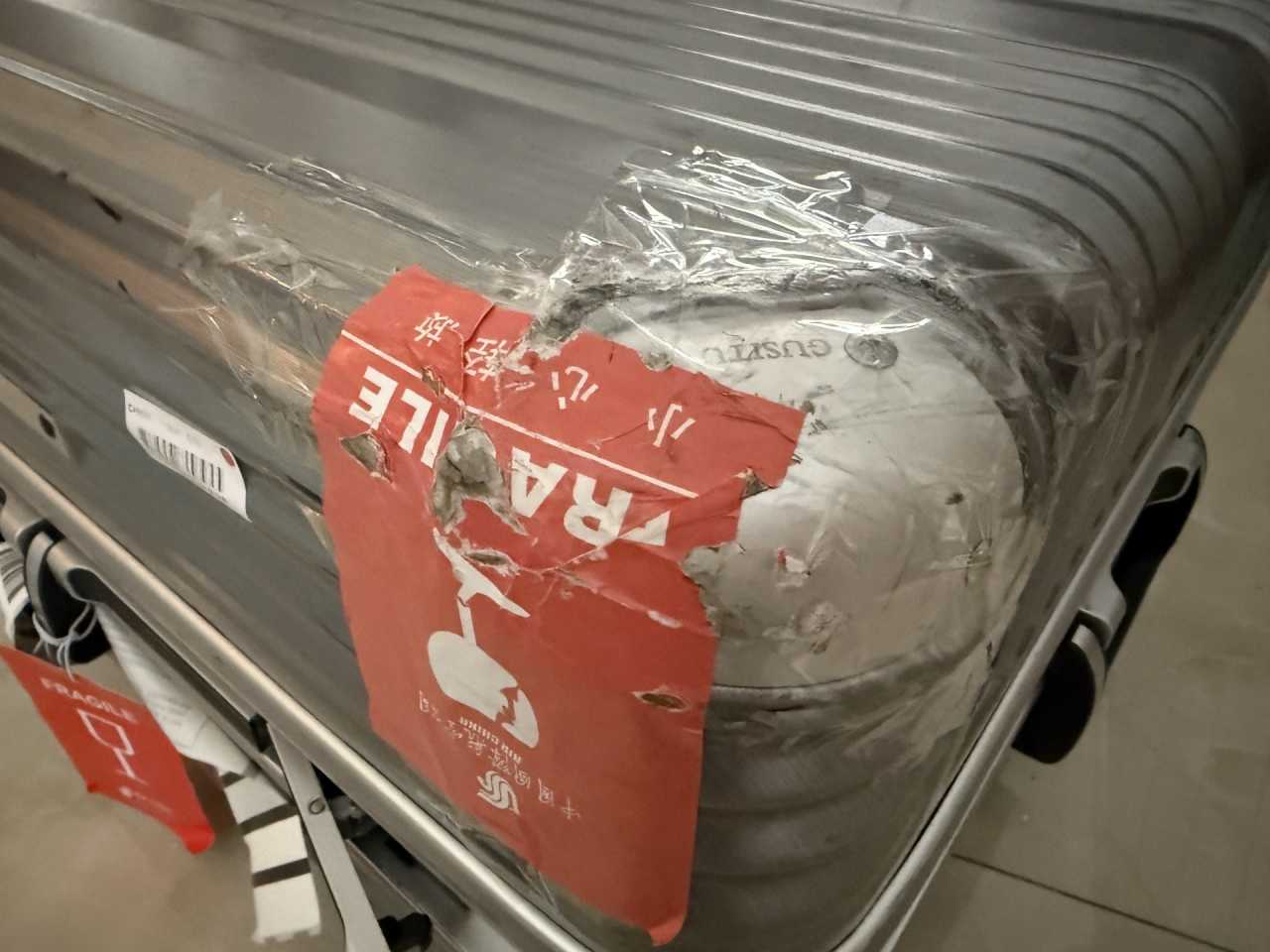
In early autumn of 2025, I set out on this carefully planned off-the-beaten-path loop with my retired parents. The night before departure, I was packing until midnight when I suddenly discovered that the only usable suitcase in the house had cracked open. I felt like I was cracking too. In the end, I had to tape it up and make do — life is probably like that, patching things up and moving forward through the twists and turns.
Day 1: From Suzhou to Chengdu — A 4 AM Rush to Eat Like Locals
To save a bit of money, we chose an early morning flight from Pudong to Chengdu. At 4 AM, dragging that tape-bound suitcase, we set off in the dark.
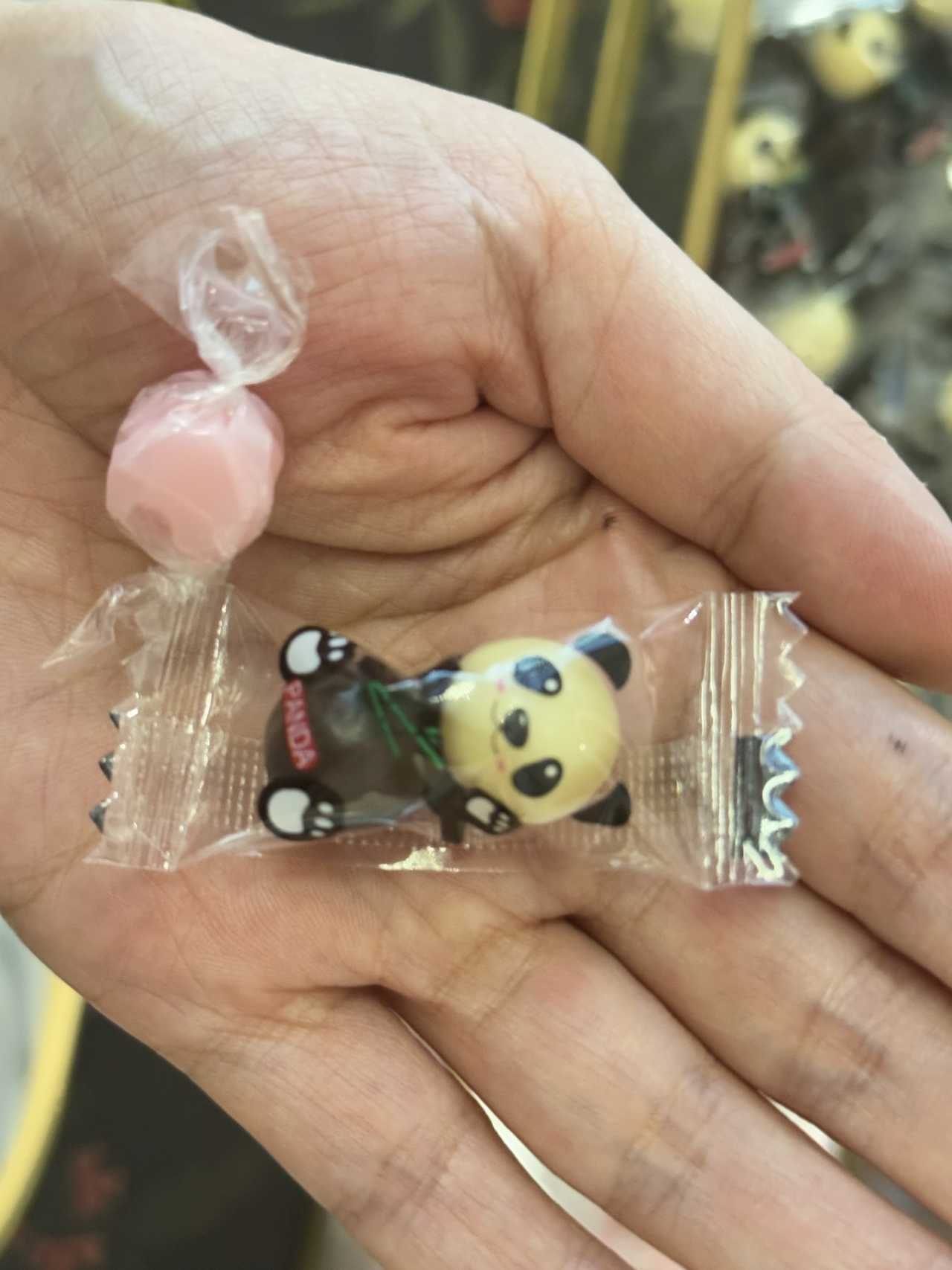
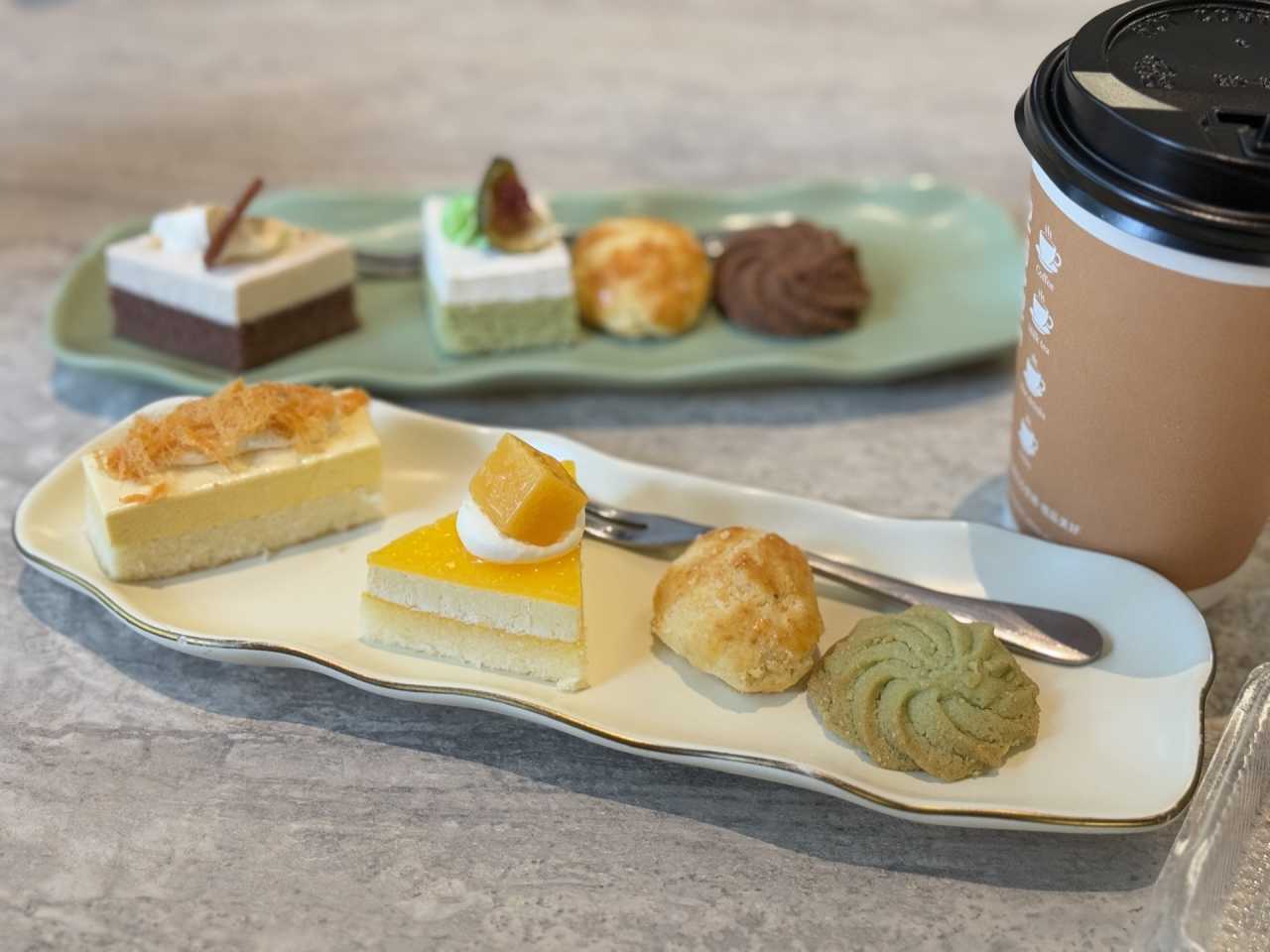
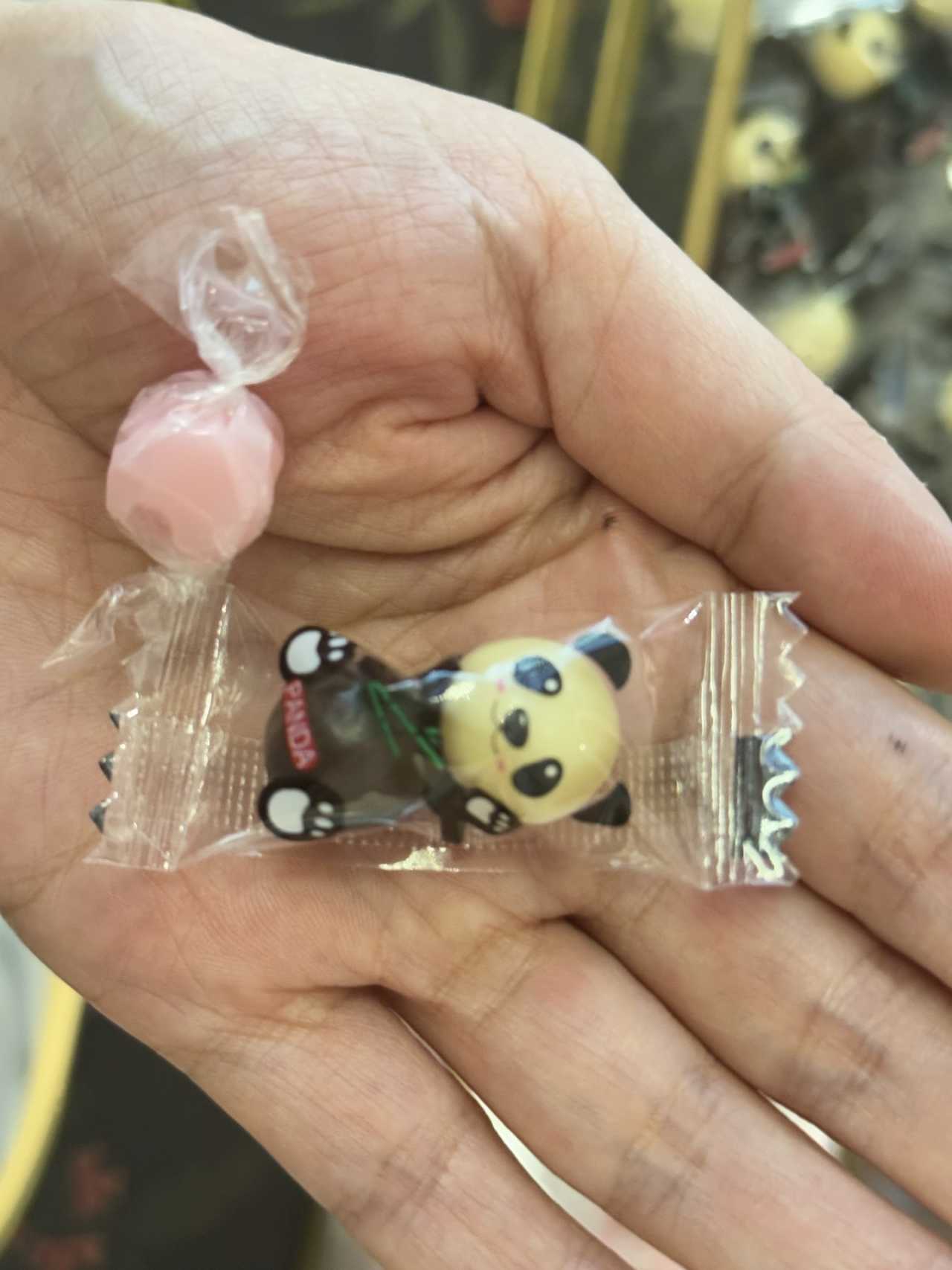
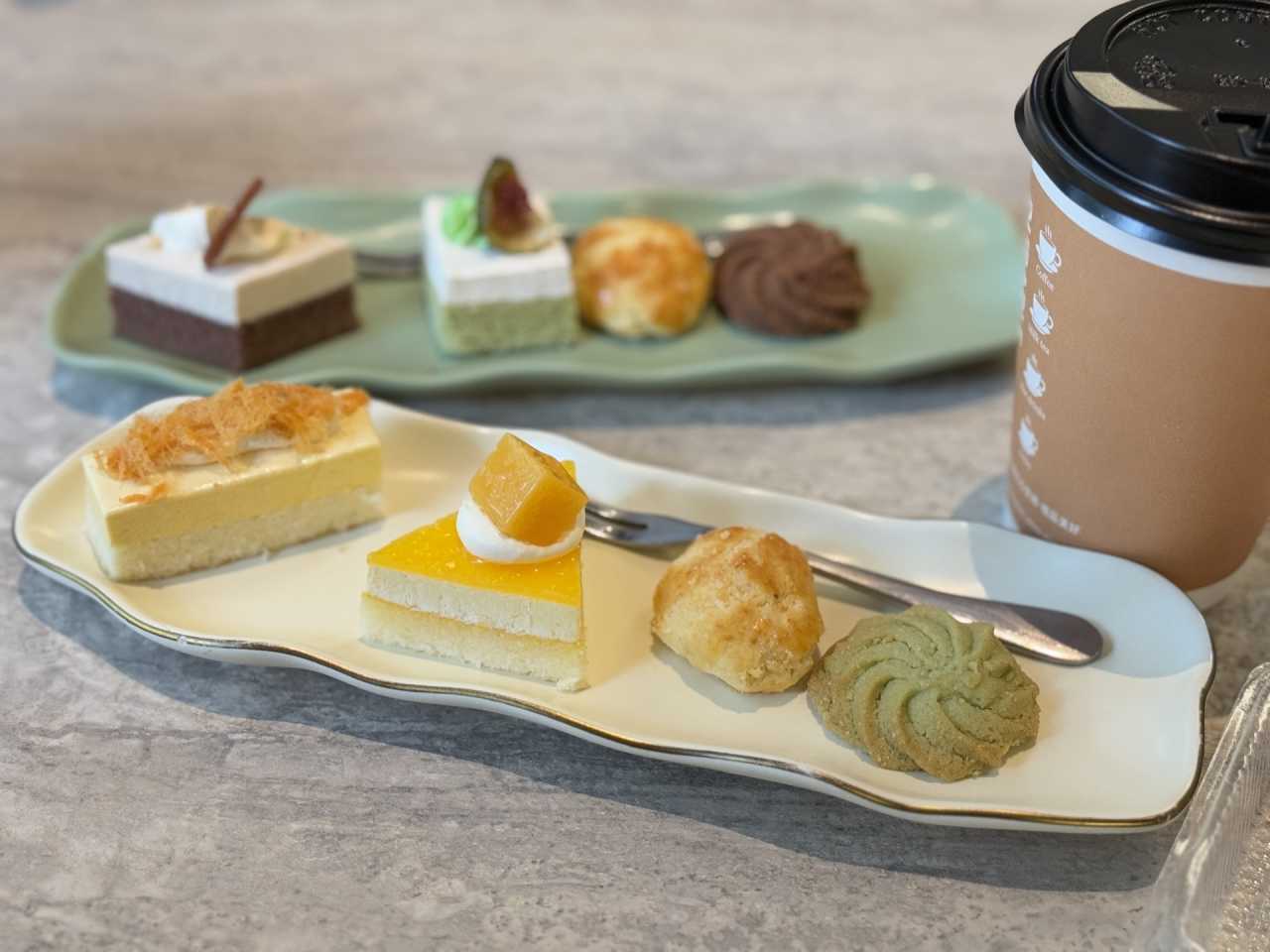
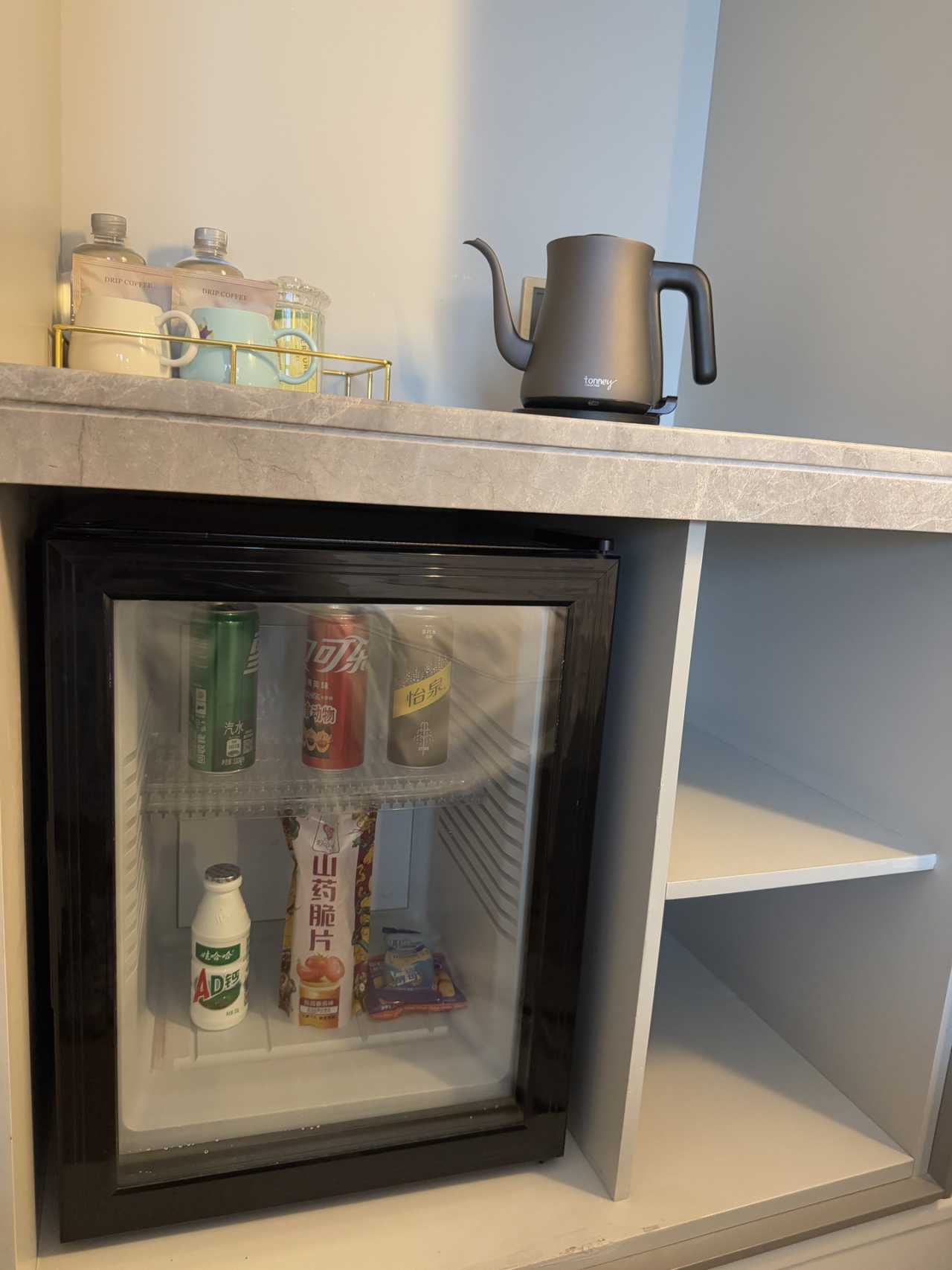
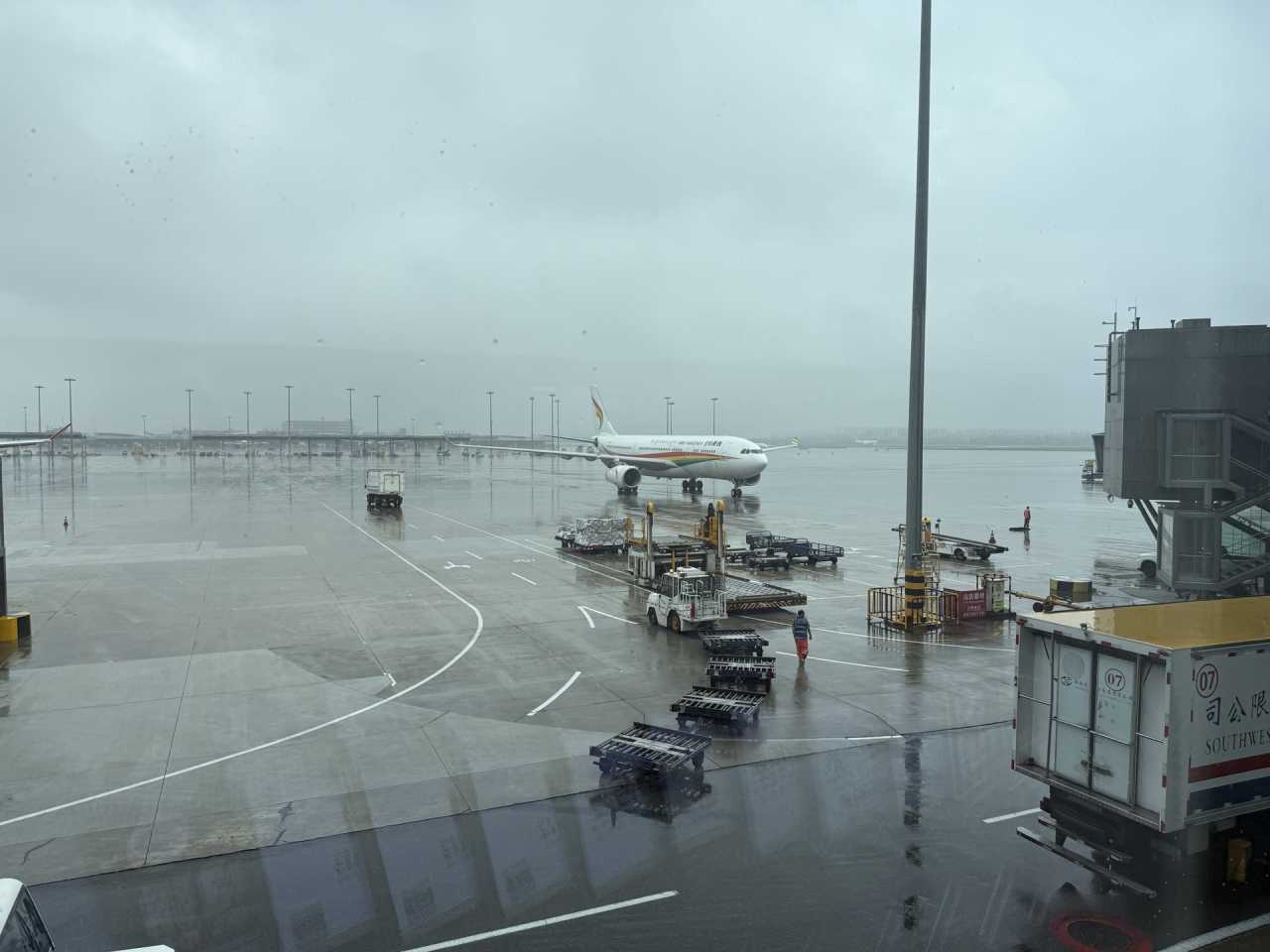
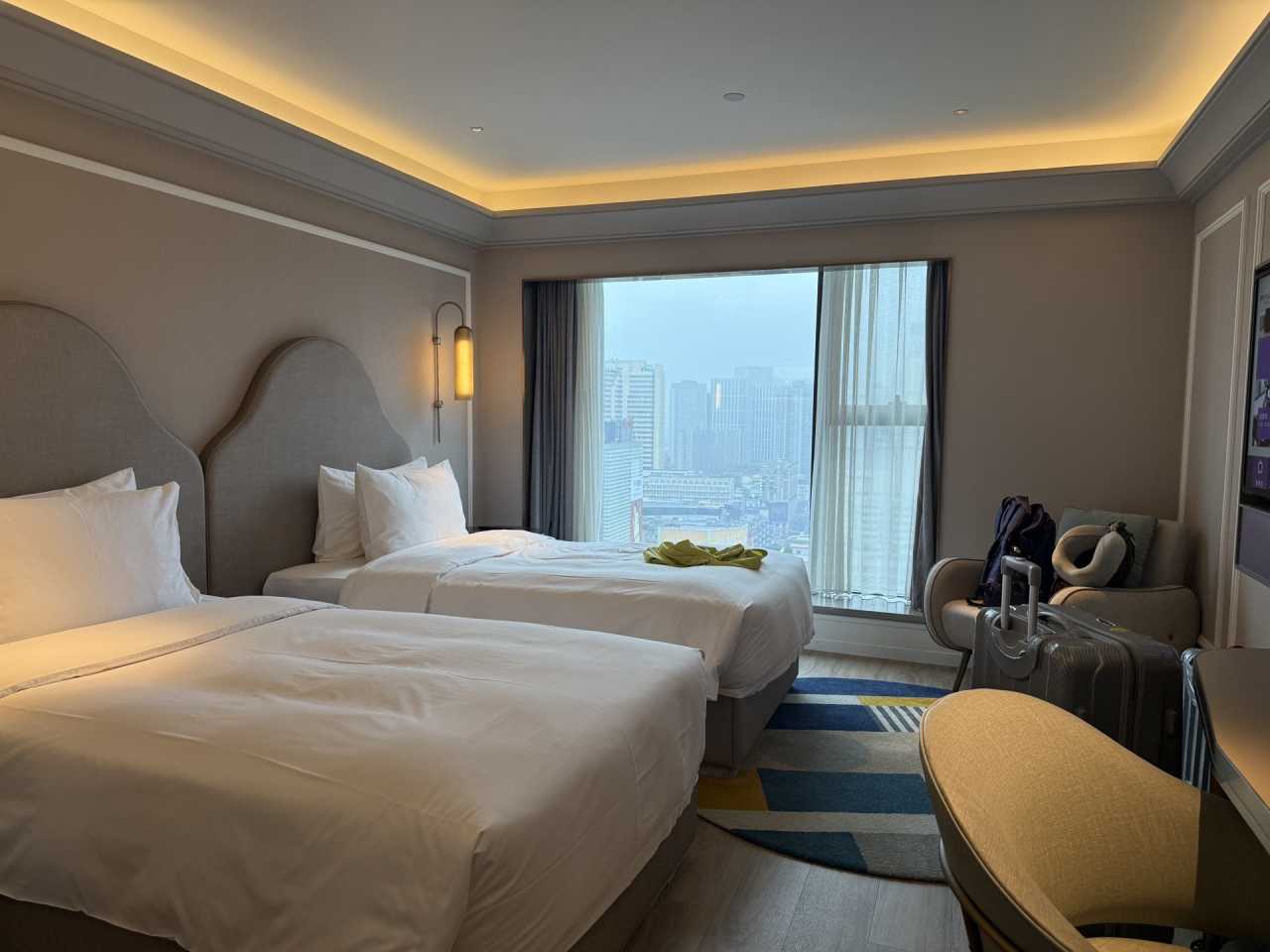
By noon, we landed at Chengdu Shuangliu Airport in a light drizzle. Shuangliu is very close to the city center — a 30-kuai (about $4) cab ride took us to our hotel, the Chengdu Taikoo Li Chunxi Mercure Hotel. The location was excellent, within walking distance of Chunxi Road and Taikoo Li, surrounded by great food options. The front desk staff, noticing I was traveling with my parents, upgraded our room for free. The lobby offered four types of complimentary tea and candy, and the afternoon tea was decent. The minibar snacks and bottled water in the room were all free, and the central air conditioning was quiet and unobtrusive. The only downside? The rainfall showerhead had a bit of a scattered water stream — but that's a minor flaw in an otherwise great stay.
Best Street Food on Kuixinglou Street
After settling in, we headed straight to Kuixinglou Street (奎星楼街) for food. This is the heart of authentic Chengdu cuisine, far less touristy than Jinli. We ordered:
- Minced beef hotpot (渣渣牛肉火锅): So fragrant it made rice irresistible.
- Deep-fried sugar-coated glutinous rice balls (糖油果子): Must be eaten fresh — crispy on the outside, soft inside, and only 5 kuai a skewer.
- Lao Yi's egg cake stall (老易蛋烘糕): We tried the peanut butter with peanut and sesame sugar filling — wrapped in three layers of paper, it burned your hands but not your mouth.
- Braised pig trotters (蹄花): Melt-in-your-mouth tender, and dipped in the sauce, they were incredibly satisfying.
Evening Stroll Through Kuanzhai Alley and Taikoo Li
After eating, we strolled to Kuanzhai Alley (宽窄巷子). It's undeniably commercialized, but as a landmark, the tourists' enthusiasm never wanes. The streets were lined with ear-cleaning shops, covered-bowl tea performances, and panda plush toys — we did a quick walk-through. In the evening, we checked out Chunxi Road and Taikoo Li, the luxury shopping district — nice to look at, but that's about it. We ended up having dinner at Pailou Laoma (牌楼老妈), a restaurant where they make the intangible-heritage "Big Knife Golden Noodle" (大刀金丝面) right at the entrance.
[Link: Best family-friendly hotels in Chengdu near Taikoo Li]
Day 2: Pandas, Sanxingdui, and a "Ruthlessly Competitive" Morning
Panda Base: A 7:30 Sprint to See Hua Hua
I'd been obsessively watching "Hua Hua" (花花) online, and today I'd finally see her in person. I'd read countless guides, but the only tip I remembered was — you have to get there early to see Hua Hua.
At 7 AM, we took a cab to the South Gate. Important note: only taxis can drop you off at the closest point to the South Gate. Since summer break had just ended, we were still able to queue inside the venue at this hour — those who arrived later had to line up outside. At 7:30, the gates opened, and the aunties and uncles in front started running. The three of us, with a combined age of 160, had no choice but to run along. This is what they call "involution," I guess.
When we got near Villa No. 6, where Hua Hua lives, staff members split the crowd into groups of three minutes each for staggered entry. At 7:47, we finally saw Hua Hua and Grandpa Tan (谭爷爷)! Hua Hua wasn't with her twin He Ye (和叶), but her iconic triangular rice-ball shape was just too adorable.
Friendly reminder: There are mosquitoes this season, so wear long pants and bring insect repellent. Also, Hua Hua doesn't work on Mondays.
The Star Nursery and Sunbathing Pandas
We originally wanted to visit Panda Villa No. 1 and No. 2, but staff told us the Moon Nursery (月亮产房) had a cub exhibition from 8 to 9 AM. We trudged over, only to be told that because it rained yesterday and the ground was wet, the cubs might not come out. But the staff gave us hope: "Try the Star Nursery (星星产房)!"
The Star Nursery is absolutely worth a visit. The little cubs inside were irresistibly cute — some hanging from trees, some lifting tiny paws, some lying flat like rice balls. The biggest surprise was seeing the legendary "sunbathing pandas" (晒熊猫) — on display from 9:30 for only one hour. So adorable, so healing.
Afterward, we headed back to the central plaza, where at the Panda Butt (熊猫屁屁) café we ordered a panda latte and chatted while enjoying the natural breeze. The plaza was about 2 kilometers from the South Gate and 1 kilometer from the West Gate. Just as we were debating how to leave, the owner told us there was an East Gate nearby — an employee entrance that's exit-only for visitors but very convenient for catching cabs.
[Link: Complete guide to Chengdu Panda Base tickets and timing]
Sanxingdui: A Dialogue Across Three Thousand Years
We took a cab to the Sanxingdui Museum in Guanghan City, which required an additional 20-kuai round-trip fee for the empty return. Alternatively, you can take the scenic area shuttle bus, but the fixed schedules offer less flexibility.
Lunch recommendation: For lunch, we chose Nanqiao Ecological Fish Restaurant (楠桥生态鱼庄) near the museum, a family-run place that's been open for over a decade. On a weekday at noon, there weren't many diners, and judging by the accents, they were all locals. I ordered a set meal online, and the service was very attentive — they lit mosquito coils, poured tea, and changed our bone plates without missing a beat. The fish head clear soup pot was perfect for my parents, who don't eat spicy food. The pot-sticker bread (锅边馍馍) was crispy on one side and soft on the other.
Museum tour: After lunch, we hired a guide for a full three-hour tour. From the origins of Sanxingdui to the major artifacts — the four national treasures, the internet-famous "Ma Yun and His Personal Trainer" (马云和他的健身教练), the "barbecue grill" (烧烤架), the adorable little pottery pig — every piece was awe-inspiring.
Getting back: On the way back, we took the scenic area shuttle bus to Chunxi Road. But I have to complain: the boarding signs weren't clear, the bus arrived just barely on time, and a crowd of people waited in the parking lot — not a great experience. I'd recommend trying the blue buses that board at Exit 6 — they run more frequently and let you get on early.
By the time we reached Chunxi Road, it was already past 7 PM. Both Ma Wangzi (马旺子) and Yongle Restaurant (永乐饭店) were fully booked. We ended up eating at Qiao Po Ji Mao Cai (巧婆鸡毛菜) near the hotel — it was average but reasonably priced.
[Link: How to get from Chengdu to Sanxingdui Museum]
Day 3: The Brutal Hit of Bipenggou — Altitude Sickness and a Hospital Night
Bipenggou: Beautiful Scenery and a "Roller Coaster"
Breakfast was at the hotel — freshly made dan dan noodles and rice noodles, both quite good. After checking out, our Sichuan West guide — Uncle Guanyin (观音大叔) — and his Tank 500 were already waiting at the entrance.
For this trip with my parents, given the altitude and safety concerns, hiring a private driver was the best decision. We headed straight for Bipenggou (毕棚沟), a stunning valley known for its snow-capped peaks, alpine lakes, and autumn foliage.
The reality check: The altitude hit us hard. My mother started feeling dizzy and nauseous about an hour into the scenic area. The beautiful scenery — crystal clear lakes, towering snow mountains, and vibrant forests — was a "roller coaster" of emotion. We had to cut the visit short and head back down.
The hospital night: By evening, my mother's condition worsened. We rushed to a local clinic in Li County. After oxygen therapy and medication, she stabilized. The doctors advised us to avoid high altitudes for the next 24 hours. This was a stark reminder: altitude sickness is no joke, especially for elderly travelers.
Key lessons learned: - Acclimatize in Chengdu for at least 2 days before heading to high altitudes. - Carry portable oxygen cans and medication (Diamox) from the start. - Listen to your body — if someone feels unwell, descend immediately.
[Link: Essential altitude sickness prevention tips for elderly travelers in Sichuan]
Day 4-7: Recovering and Exploring the Lesser-Known Loop

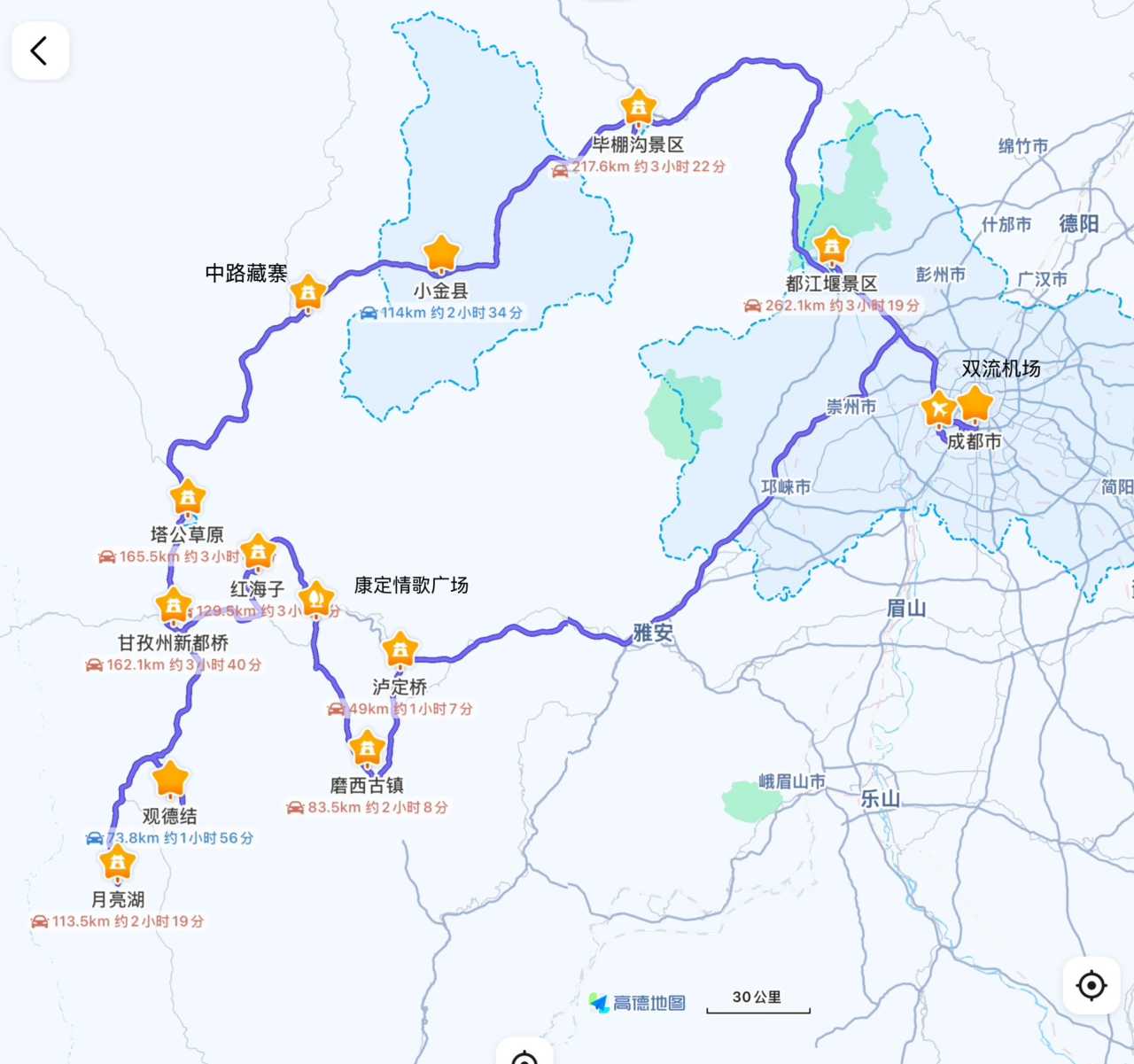
After the Bipenggou scare, we adjusted our itinerary. Instead of pushing further into high-altitude areas, we explored the lesser-known loop around the western foothills of the Qionglai Mountains. This area is rich in Ancient Shu culture and offers gentler terrain perfect for family bonding.
Highlights of the Adjusted Loop:
- Taoping Qiang Village (桃坪羌寨): A 2,000-year-old fortress village with labyrinthine alleyways. My parents loved watching the local Qiang women weave intricate patterns.
- Biwu Village (毕屋村): A quiet hamlet surrounded by terraced fields and apple orchards. We picked fresh apples and had a picnic.
- Ganbao Zang Village (甘堡藏寨): A Tibetan village with colorful prayer flags and stone houses. We stayed in a family-run guesthouse and ate homemade yak butter tea.
Family Bonding Moments
The best part of this trip wasn't the sights — it was the time we spent together. We played cards in the guesthouse courtyard, my dad taught me how to skip stones in a mountain stream, and my mom finally learned how to use WeChat Pay (with a little help from the local shopkeeper).
Frequently Asked Questions (FAQ)
1. Is September really the best time for a Sichuan West family trip?
 Yes. September offers mild temperatures (15-25°C in Chengdu, 5-15°C in the mountains), fewer crowds than October, and lower accommodation prices. The risk of landslides is also significantly lower than in July/August.
2. How do I prevent altitude sickness for elderly parents in Sichuan West?
- Acclimatize: Spend at least 2 full days in Chengdu before going above 2,500m.
- Medication: Consult a doctor about Diamox (acetazolamide) before the trip.
- Oxygen: Carry portable oxygen cans from pharmacies in Chengdu.
- Pacing: Avoid strenuous activity on the first day at altitude. If symptoms worsen, descend immediately.
3. Can I visit Sanxingdui and the Panda Base in one day?
 Yes, but it's a packed day. Start at the Panda Base at 7:30 AM, leave by 11 AM, take a cab to Sanxingdui (approx. 1 hour), have lunch, and tour the museum for 2-3 hours. Return to Chengdu by 6 PM.
4. What is the best way to get around the lesser-known loop in Western Sichuan?
Hiring a private driver (like "Uncle Guanyin" with a Tank 500) is the safest and most flexible option. Rental cars are available but require confidence in mountain driving. Public buses are infrequent and uncomfortable for elderly travelers.
5. Are there good vegetarian or non-spicy food options for parents in Sichuan?
Yes. Look for restaurants that serve "clear soup" (清汤) versions of hotpot or fish dishes. Many local eateries can adjust spice levels on request. The Nanqiao Ecological Fish Restaurant near Sanxingdui is a great example — they offer a non-spicy fish head soup pot.
Your Sichuan West Family Adventure Awaits
This trip taught me that the best adventures aren't about checking off bucket-list spots — they're about the moments you share along the way. Whether it's sprinting to see Hua Hua, huddling around a hotpot in Kuixinglou, or recovering from altitude sickness in a mountain clinic, these memories are what family bonding is made of.
Ready to plan your own Sichuan West family trip? Start by booking your flights for September, reserving a private driver, and packing your patience (and a spare suitcase). The snow mountains, ancient Shu culture, and unforgettable family moments are waiting for you.
[Link: Download our free Sichuan West family trip packing checklist]
Don't wait — the gentle window of September closes fast. Book your adventure today!


