Strolling Through Lingyun Mountain, Embracing the Summit of Mount Emei — A Five-Day Journey Through Landscape, Culture, and the Soul
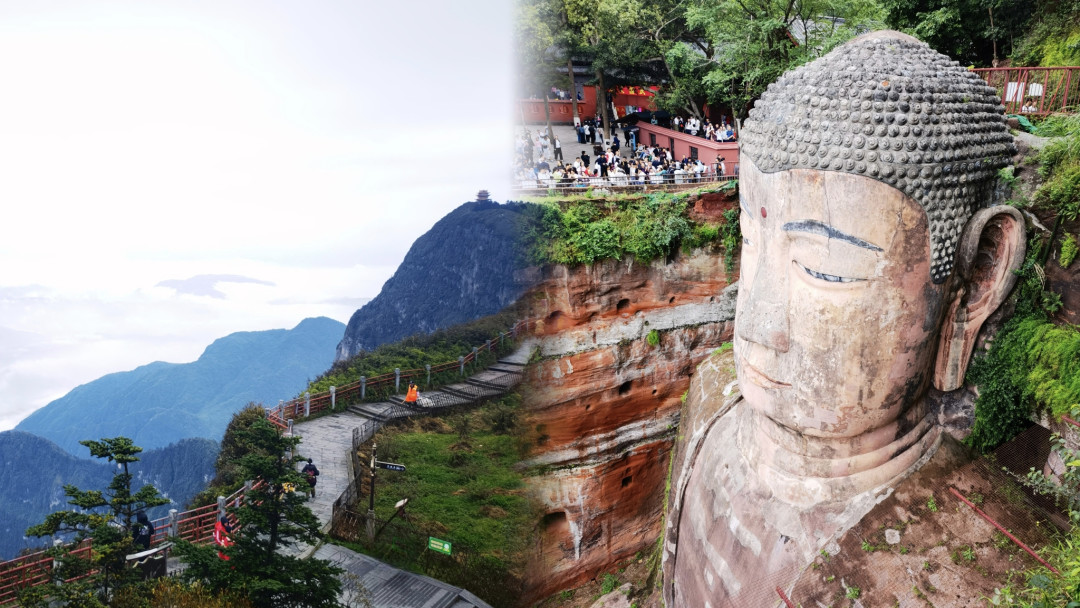
Meta Description: Discover the ultimate 5-day itinerary for visiting Leshan Giant Buddha and Mount Emei, a UNESCO World Heritage site. Learn crowd evasion strategies, gear tips, and cultural insights for an unforgettable journey through Sichuan's sacred landscapes.
Introduction: Where Nature and Civilization Converge
Across China's vast expanse, World Heritage sites dot the map like scattered pearls. Yet only four places on earth have earned the rare distinction of being recognized as both a "World Natural and Cultural Heritage Site." Mount Emei—Leshan Giant Buddha in Sichuan Province is one of them. This is not merely a geographical coordinate; it is a dialogue across millennia—where a colossal cliffside Buddha bathed in Buddhist radiance meets a sacred mountain wrapped in swirling seas of clouds. In October 2024, during the National Day holiday, I chose to spend five days slowing down, measuring this land step by step, to truly grasp the ancient saying: "The wise find joy in water; the benevolent find joy in mountains."
This comprehensive guide will help you plan your own journey, whether you're a first-time visitor or a seasoned traveler seeking deeper cultural immersion.
Pre-Trip Planning: The Art of Avoiding Crowds
Why Five Days?
Though Leshan Giant Buddha and Mount Emei are geographically close, a deep experience cannot be rushed in a single day. Hiking the entirety of Mount Emei on foot is equivalent in intensity to climbing Mount Tai three times in a row. By stretching the itinerary to five days, I avoided a superficial glance and gave my body ample time to adjust. This Mount Emei 5-day itinerary allows for proper acclimatization and meaningful exploration.
National Day Crowd Evasion Strategy
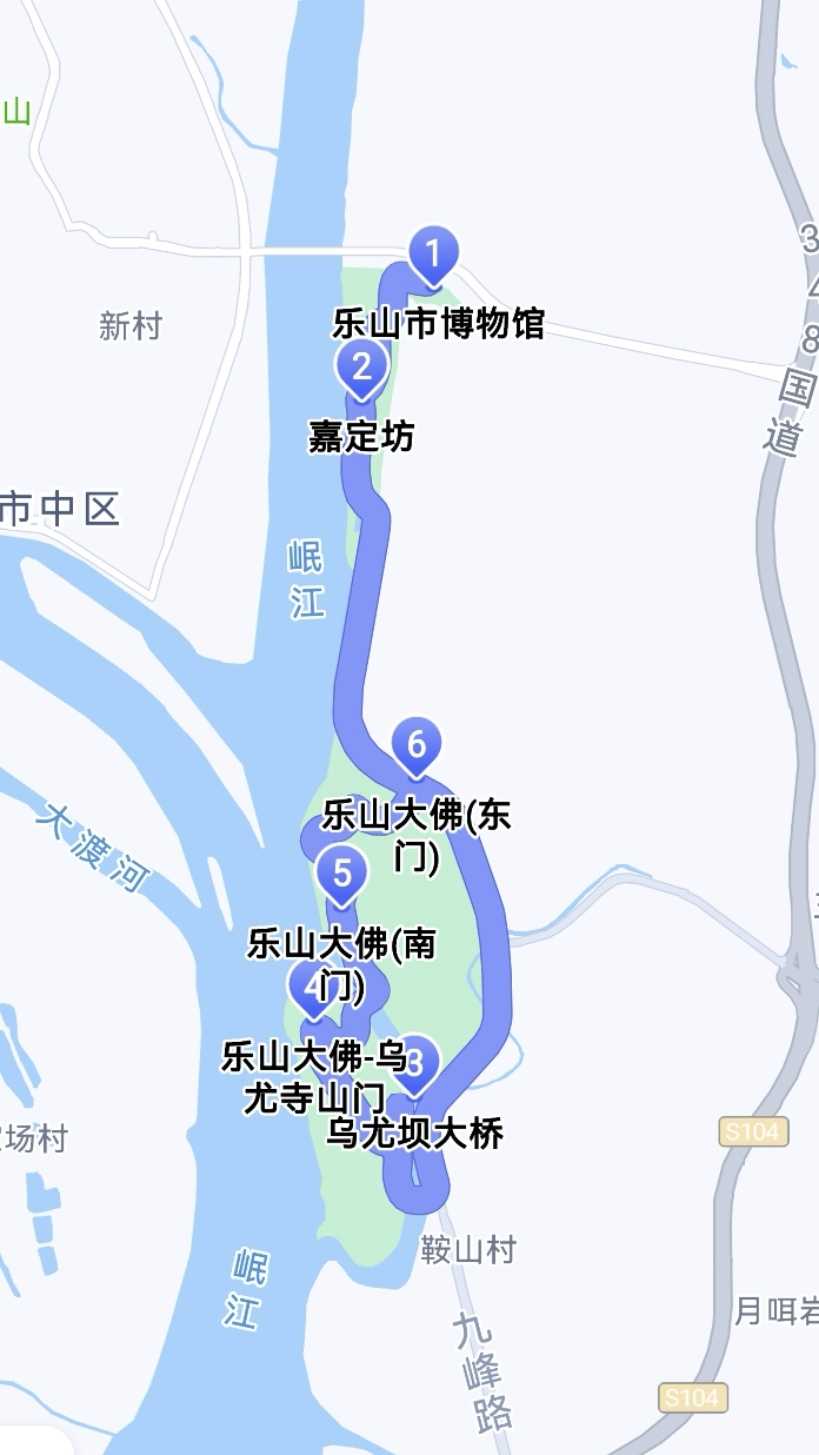
During the National Day holiday, scenic spots are notoriously packed. My strategy was simple: enter off-peak, reverse the flow. Most visitors to Leshan Giant Buddha choose the North Gate entrance and exit via the East Gate, often waiting in queues for two hours. Instead, I first explored Jia Ding Fang (a scenic commercial promenade), took a free shuttle bus to the South Visitor Center, and entered from the direction of Wuyou Temple (Wuyou Si), successfully dodging the main crowds. As for descending to the Buddha's feet, I went one hour before the park closed, waiting only 50 minutes—saving at least half the time compared to daytime visits. This Leshan Giant Buddha crowd avoidance technique is essential during peak seasons.
Gear Checklist (Beginner-Friendly Version)
As a hiking novice, my gear prioritized practicality over professionalism. Here's what you'll need for the Mount Emei hiking beginner gear:
- Waterproof jacket and pants: Decathlon, Camel—windproof and rainproof
- Quick-dry shirt and pants: UTO (Youtu)—keeps you dry
- Trekking poles and knee braces: Explorer (Tanxianzhe), Umay (Youmei)—protecting the knees is essential
- Comfortable hiking boots: Break them in before your trip
- Daypack: 20-30 liters for water, snacks, and layers
Transportation and Ticket Overview
- High-speed rail: Chengdu-Mianyang-Leshan intercity railway directly connects to Leshan Station and Mount Emei Station
- Flight: Fly into Chengdu Shuangliu Airport, then transfer to the high-speed rail within the terminal
- Ticket reservation: Book at least one day in advance via the WeChat mini-program; tickets often sell out during holidays
Leshan Giant Buddha: Mountain ticket 80 RMB, boat ticket 70 RMB, shuttle bus free
Mount Emei: Entrance ticket 160 RMB, sightseeing bus one-way 50 RMB / round-trip 90 RMB, Golden Summit cable car up 65 RMB / down 55 RMB
[Link: How to book Sichuan scenic spot tickets via WeChat mini-program]
Day 1: Leshan Giant Buddha — A Millennia-Old Marvel Carved in Stone
Echoes of History in the Museum
The journey began at the Leshan City Museum. This museum consists of "one zone and three halls," among which the "Leshan Giant Buddha Exhibition Hall" provides a detailed account of the statue's past and present.
The carving of the Giant Buddha began in the first year of the Kaiyuan era of the Tang Dynasty (713 AD), initiated by the monk Haitong of Lingyun Temple. Seeing the turbulent waters where three rivers converged, often causing shipwrecks and drownings, he vowed to harness the power of the Buddha to tame the currents. However, the project was colossal, and Haitong passed away before its completion. Thereafter, Zhangchou Jianqiong, Emperor Xuanzong of Tang, and Wei Gao successively took over the work. After 90 years and spanning three generations, the Buddha was finally completed in the 19th year of the Zhenyuan era of the Tang Dynasty (803 AD). Wei Gao had this history inscribed on the cliff wall to the right of the Buddha; the stele remains to this day, though eroded by time and difficult to read in full.
Jia Ding Fang and Wuyou Temple: Zen Amidst Mountains and Rivers
Leaving the museum, I crossed Jia Ding Fang (a promenade blending commerce and scenery) and took a shuttle bus to Wuyou Temple (Wuyou Si). Originally named Zhengjue Temple, it was built in the Tang Dynasty and sits atop Wuyou Mountain. This was once the "Li Dui" (a detached hill) created during Li Bing's flood control projects, which separated Wuyou Mountain from Lingyun Mountain, turning it into an island in the river. The temple's Main Hall is solemn and majestic, while the Arhat Hall houses 500 arhats (enlightened beings) with distinct expressions. The name "Wuyou" derives from Sanskrit, meaning "Face of Flames," and refers to one of the principal deities in Esoteric Buddhism.
Haoshang Bridge and Mahao Cliff Tombs
Descending from Wuyou Temple, I stepped onto Haoshang Bridge. "Haoshang" originates from the Zhuangzi chapter "Autumn Floods," where Zhuangzi and Huizi debated whether fish could feel joy. Standing on the bridge, the wind from the three rivers swept across my face, while distant tour boats drifted lazily—the perfect autumn afternoon. On the other side of the bridge lie the Mahao Cliff Tombs, a cluster of 544 Han Dynasty cliff burial chambers. On the door frame of Tomb No. 1, a high-relief seated Buddha is carved, one of China's earliest Buddhist sculptures. Unfortunately, the site was closed that day, so I missed it.
The Giant Buddha Itself: Awe and Reverence
Entering the Leshan Giant Buddha scenic area from the South Gate, I passed by the San Gui Jiu Ding Cheng (three-turtle nine-peak fortress) cannon platform ruins, a forest of steles, Piyu Hall (Piyu Yuan), and Lingbao Pagoda (Lingbao Ta). Built in the Tang Dynasty, Lingbao Pagoda served not only as a Buddhist tower but also as a "lighthouse" for ships navigating the three rivers.
Finally, the Giant Buddha came into view. Standing 71 meters tall, with its head level with the mountain, 1,051 coiled buns on its crown, and ears 7 meters long, it is the largest stone-carved cliffside Buddha in the world. The statue depicts Maitreya (the Future Buddha) in a seated posture. During the Tang Dynasty, Maitreya worship was widespread; Empress Wu Zetian even claimed to be the reincarnation of Maitreya. Thus, Haitong's choice of Maitreya as the Buddha to tame the waters aligned with both religious belief and contemporary trends.
The Buddha's body incorporates a sophisticated drainage system: horizontal channels in the spiral hair buns, a water-guiding groove on the chest, and cavities behind the ears—all forming a scientifically designed anti-erosion mechanism. Gazing up from the Buddha's feet, the scale is breathtaking. Inside the "Treasury Cave," a fragmentary stele from the Tianning Pavilion of the Song Dynasty was once discovered, but it was destroyed in the 1960s.
As night fell, the banks of the Min River were illuminated by lights, tour boats moved like a procession, and the Giant Buddha stood silent, as if guarding this land for a thousand years.
[Link: Leshan Giant Buddha drainage system explained]
Day 2: Leshan City — History Interwoven with Local Life
Leshan Confucian Temple: Memories of Wuhan University's Wartime Relocation
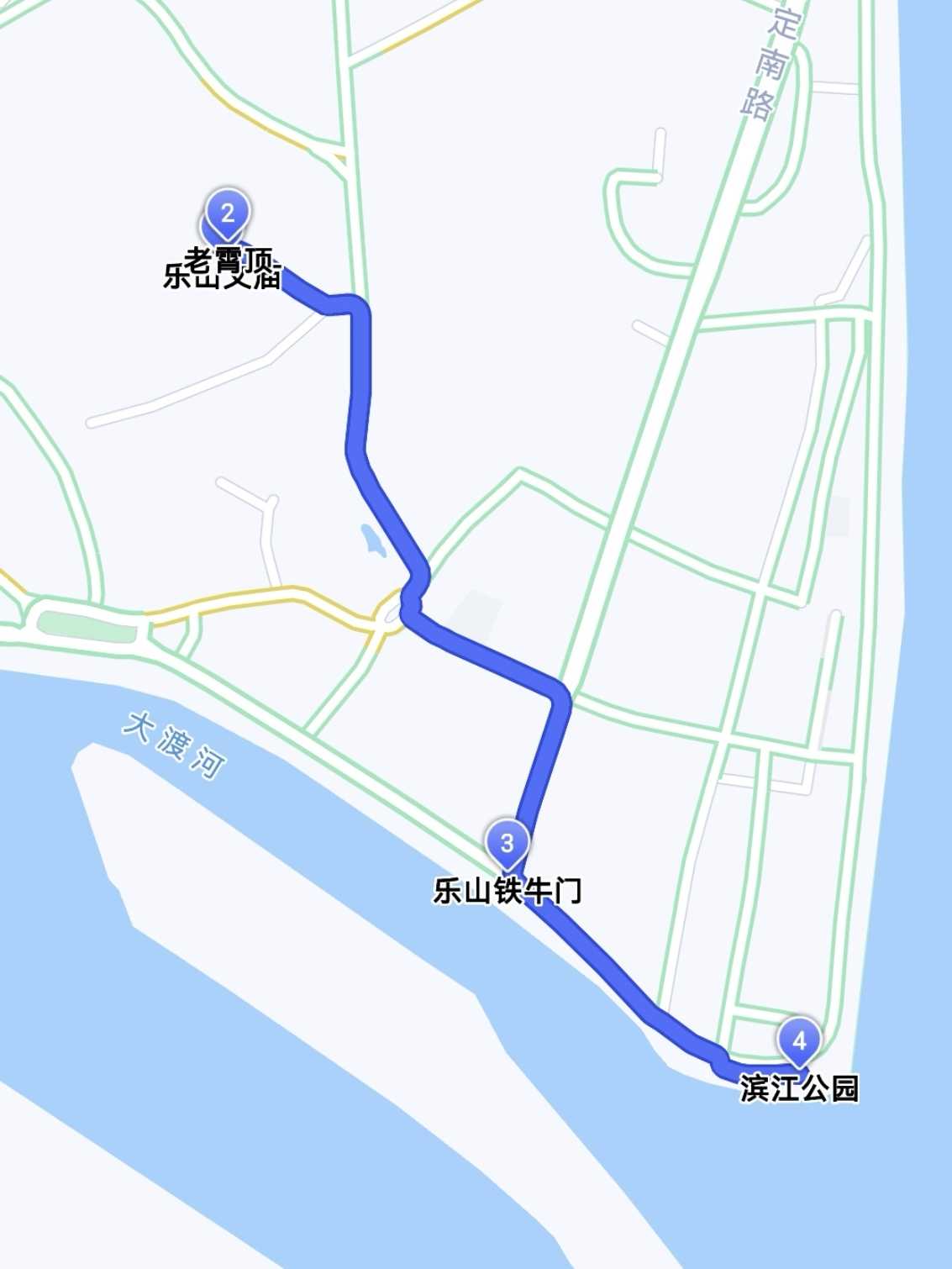
The second day was more relaxed, focusing on exploring Leshan's urban area. The Leshan Confucian Temple was first built in the Tang Dynasty, with the existing structures dating from a reconstruction during the Kangxi era of the Qing Dynasty. In 1938, when Wuhan University relocated westward during the Second Sino-Japanese War, its College of Arts and College of Law were housed in the temple's side halls. Over eight years, this temple nurtured 21 academicians of the Chinese Academy of Sciences and Chinese Academy of Engineering, who published numerous papers in top international journals. The Confucian Temple is not just a site for Leshan cultural attractions—it's a living testament to resilience.
Local Food Exploration
Leshan is famous for its street food. Don't miss: - Bobo Chicken: Skewers of meat and vegetables in spicy broth - Leshan Tofu Pudding: Silky tofu with chili oil and peanuts - Sweet-Pie Duck: A local specialty with a caramelized glaze
[Link: Best street food in Leshan, Sichuan]
Day 3-4: Mount Emei — Ascending the Sacred Mountain

Getting to Mount Emei from Leshan
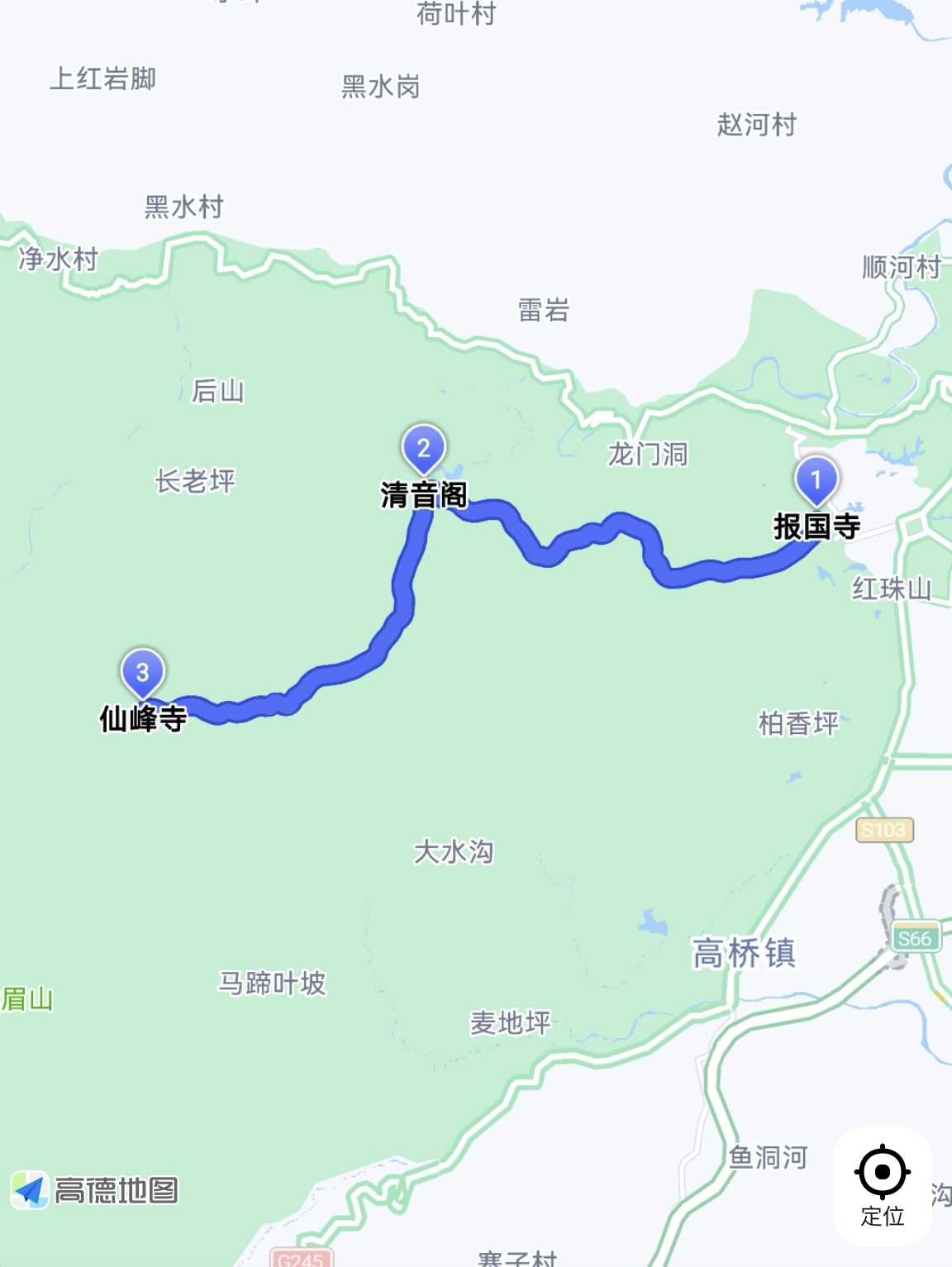
Take the high-speed rail from Leshan Station to Mount Emei Station (approximately 30 minutes). From there, a shuttle bus will take you to Baoguo Temple, the starting point for most ascents. This Leshan to Mount Emei transportation connection is seamless and affordable.
Hiking Routes and Altitude Strategy
For a Mount Emei hiking route that balances effort and reward:
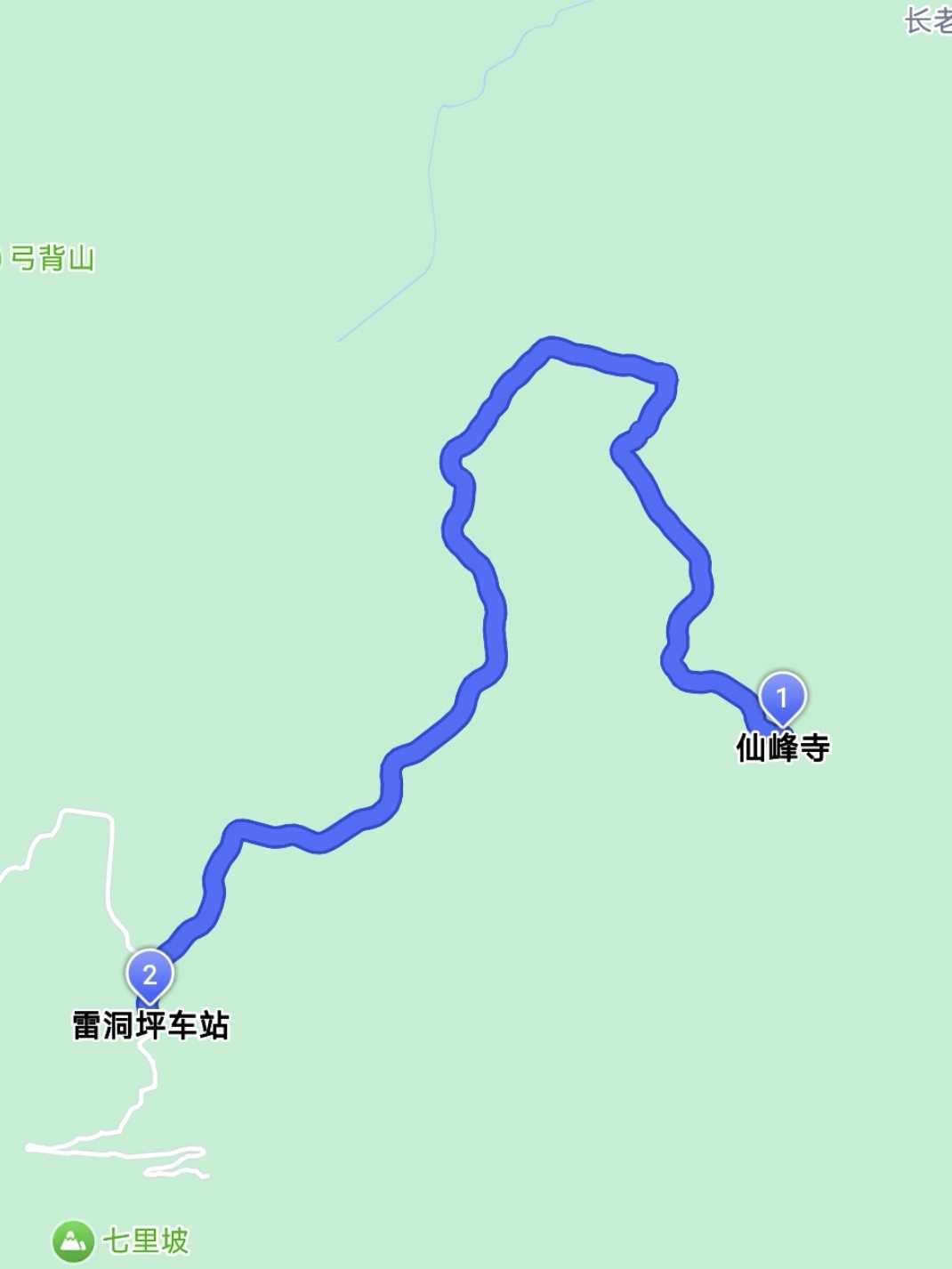
- Day 3 Morning: Take the sightseeing bus to Wannian Temple (万年寺), one of the oldest temples on the mountain
- Day 3 Afternoon: Hike from Wannian Temple to Xixiang Pond (洗象池), passing through lush forests and encountering wild monkeys
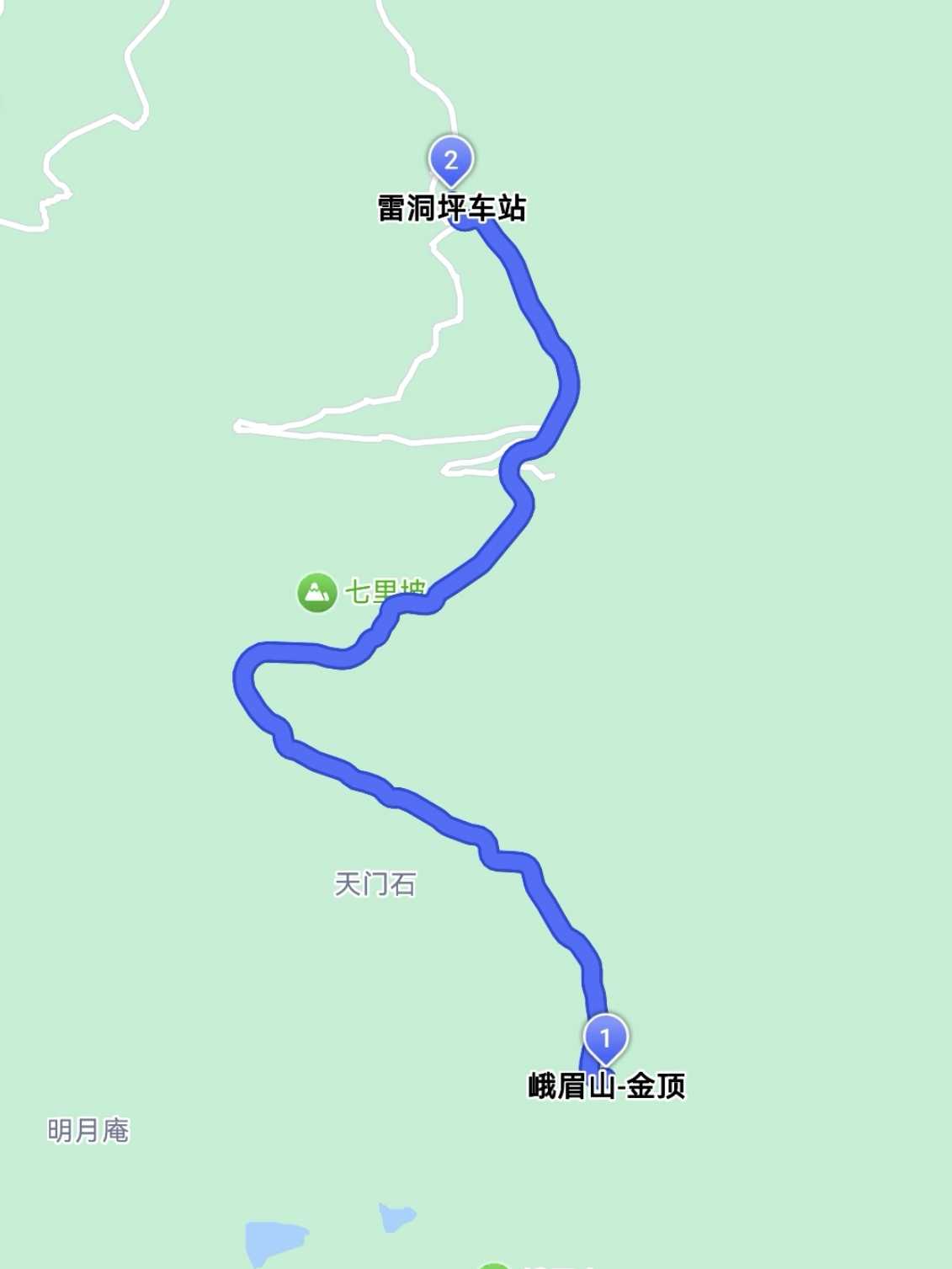
- Day 4 Morning: Continue from Xixiang Pond to Jieyin Hall (接引殿), then take the cable car to the Golden Summit (金顶)
- Day 4 Afternoon: Explore the Golden Summit, including the Ten Directions Samantabhadra statue and the sea of clouds
Golden Summit Highlights
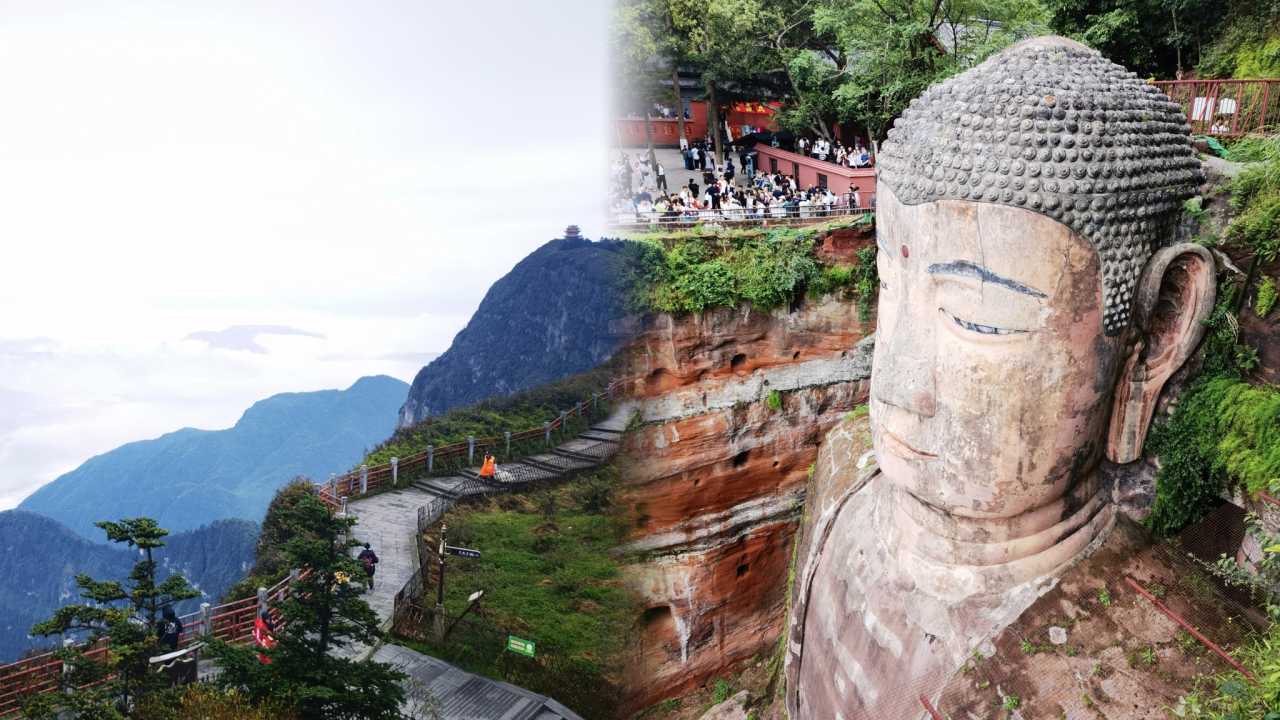
At 3,079 meters above sea level, the Golden Summit offers: - Ten Directions Samantabhadra Statue: A 48-meter-tall golden bronze statue - Cloud Sea: Best viewed early morning or late afternoon - Buddha's Halo: A rare optical phenomenon visible on sunny days - Sunrise and Sunset: Unforgettable views over the Sichuan Basin
[Link: Mount Emei Golden Summit sunrise viewing tips]
Day 5: Descent and Reflection
Baoguo Temple and Mount Emei Museum
On your final day, descend to Baoguo Temple (报国寺), the mountain's gateway. Visit the Mount Emei Museum to learn about the region's biodiversity and Buddhist history. The temple itself dates back to the Ming Dynasty and houses valuable cultural relics.
Practical Tips for the Descent
- Knee protection: Use trekking poles and knee braces
- Hydration: Carry at least 1.5 liters of water
- Monkey awareness: Keep food hidden and avoid direct eye contact
Frequently Asked Questions
1. Is it better to visit Leshan Giant Buddha in the morning or afternoon?
Visit in the late afternoon, one hour before closing. You'll encounter fewer crowds and enjoy softer lighting for photos. The queue to descend to the Buddha's feet is significantly shorter during this time.
2. Can I hike Mount Emei in one day?
Technically yes, but it's extremely strenuous. The full hike takes 8-12 hours depending on fitness level. For a more enjoyable experience, spread it over two days as recommended in this Mount Emei 5-day itinerary.
3. What is the best time of year to visit Mount Emei?
 Spring (March-May) and autumn (September-November) offer mild temperatures and clear skies. Summer sees heavy rainfall, while winter brings snow and ice on higher elevations.
4. Are there accommodations on Mount Emei?
Yes, there are temples and guesthouses at various altitudes. Popular options include Wannian Temple, Xixiang Pond, and the Golden Summit Hotel. Book in advance during peak seasons.
5. How do I get from Leshan to Mount Emei?
Take the high-speed train from Leshan Station to Mount Emei Station (30 minutes, approximately 20 RMB). From there, take a local bus or taxi to Baoguo Temple (15 minutes).
Conclusion: Your Journey Awaits
This Leshan Giant Buddha and Mount Emei travel guide has shown you how to transform a simple visit into a profound journey through landscape, culture, and the soul. From the engineering marvel of the Giant Buddha to the spiritual heights of Mount Emei's Golden Summit, every step offers a new perspective on China's rich heritage.
Ready to plan your own adventure? Start by booking your tickets online at least one week in advance, especially during holidays. Pack your gear, download offline maps, and prepare for an experience that will stay with you long after you return home.
Share your journey! Tag us in your photos and stories using #EmeiLeshanJourney. We'd love to see how you embrace the summit of Mount Emei and stroll through the timeless landscape of Lingyun Mountain.
[Link: Book your Mount Emei tickets online]
[Link: Find hotels near Leshan Giant Buddha]
[Link: Sichuan travel insurance recommendations]
You may also like


