Spring Snow in Western Sichuan: A Surreal Journey Where Peach Blossoms Meet Winter Ice
Meta Description: Discover the magic of a spring snow adventure in Western Sichuan. From peach blossoms dusted with snow to ancient Tibetan villages, this 1500-word guide reveals the unexpected romance of March blizzards.
Introduction
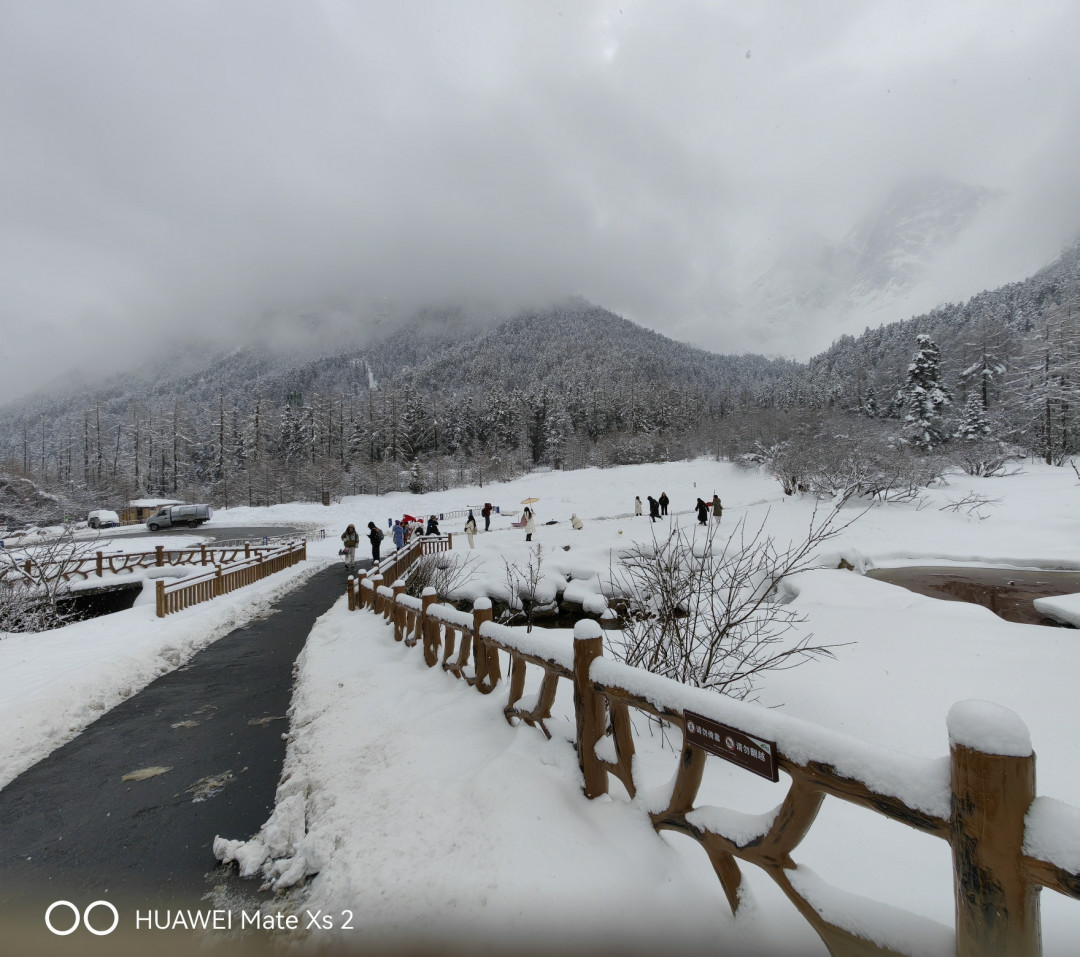
March in Western Sichuan typically whispers of gentle warmth—peach blossoms blazing in pink, pear blossoms falling like snowflakes. But nature had other plans. A once-in-a-century blizzard swept through, blanketing the landscape in silver overnight. My dream of watching clouds roll over Niubei Mountain and sleeping under a canopy of stars was "shattered" by heavy snow. Yet what I discovered was something far more profound: a journey where winter’s ice met spring’s blossoms in an unexpected, breathtaking romance.
This is not just a travelogue. It’s a guide to embracing the unplanned—and finding beauty in the chaos.
An Unexpected Surprise: Spring’s Blizzard in Western Sichuan
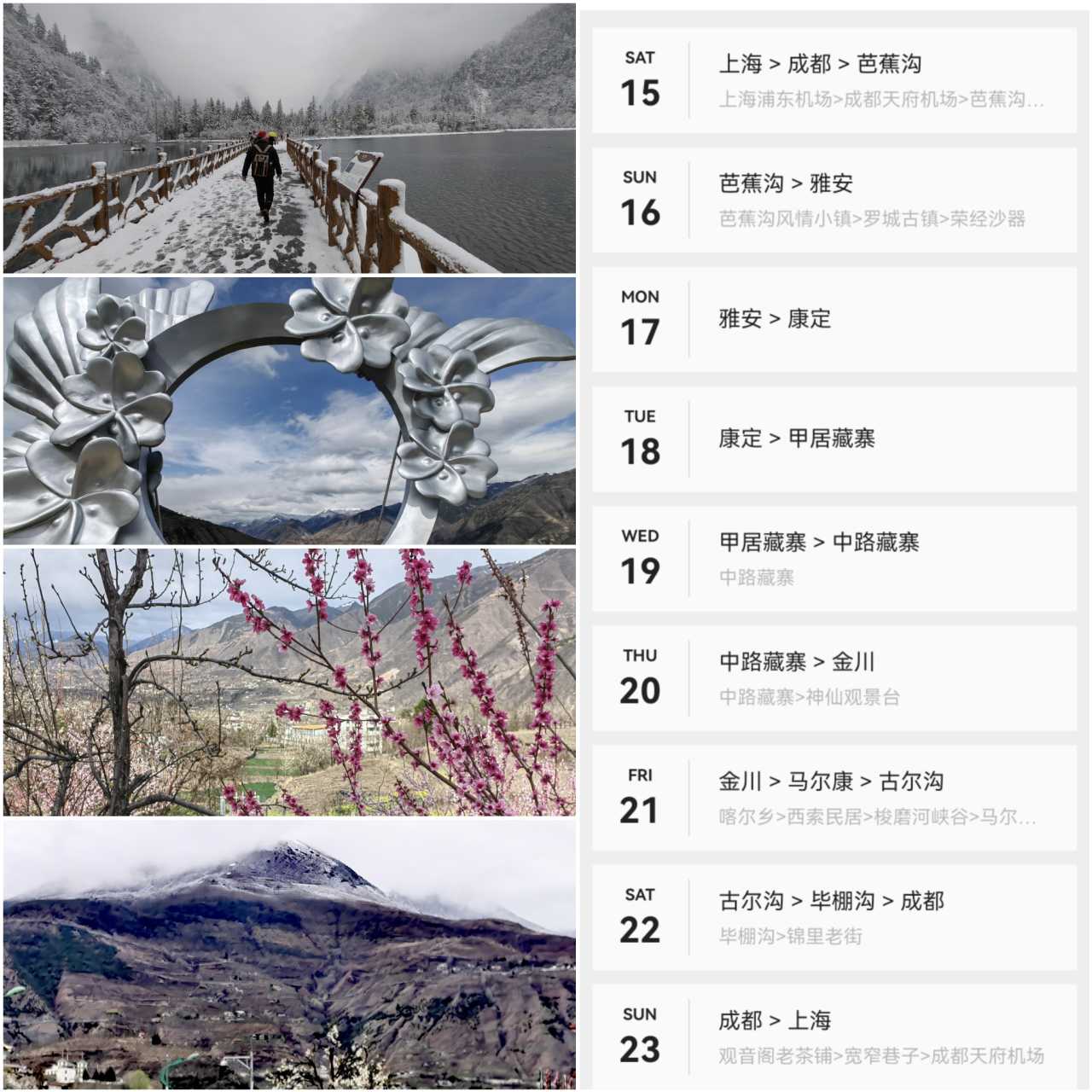
On March 15, 2025, I set off alone on a nine-day Western Sichuan road trip. My plan was simple: watch the sunrise over the sea of clouds on Niubei Mountain, experience the romance of "sleeping in the clouds, dreaming under the stars." But fate loves to play tricks.
As I drove from Ya’an toward Kangding, a rare blizzard descended. With snow chains gripping the tires, my car crawled forward like a snail. That night, I could only check into a hotel in Kangding, my itinerary in tatters.
Yet the blizzard brought unexpected gifts. Amid peach and pear blossoms, I witnessed winter’s ice and snow: thick drifts covering mountains, villages, and fields. The scene felt like stepping into Japan’s Shirakawa-go—only this was Western Sichuan, wilder and more untamed. The roads were treacherous, but the beauty was breathtaking. This, perhaps, is the most captivating part of travel: the unplanned scenery is often the most unforgettable.
Long-tail keyword variation: Spring snow in Western Sichuan travel guide
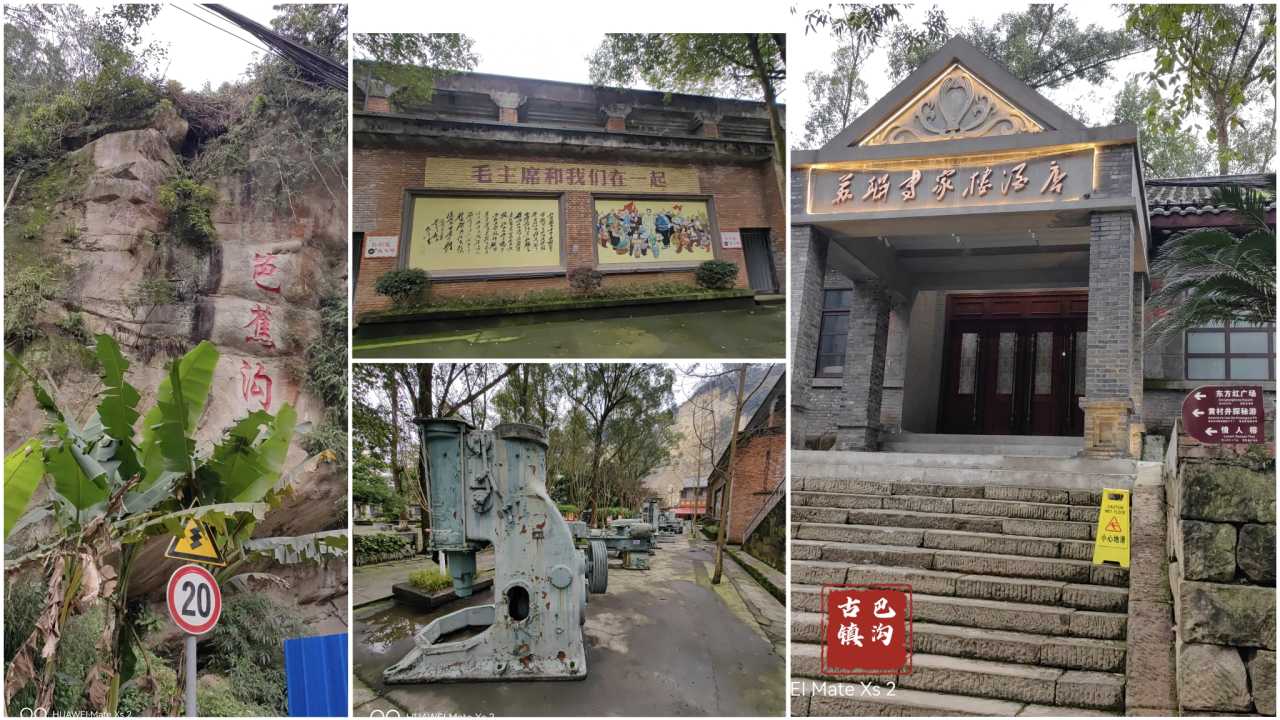
A Town Built on Coal: The Industrial Memory of Bajiao Valley
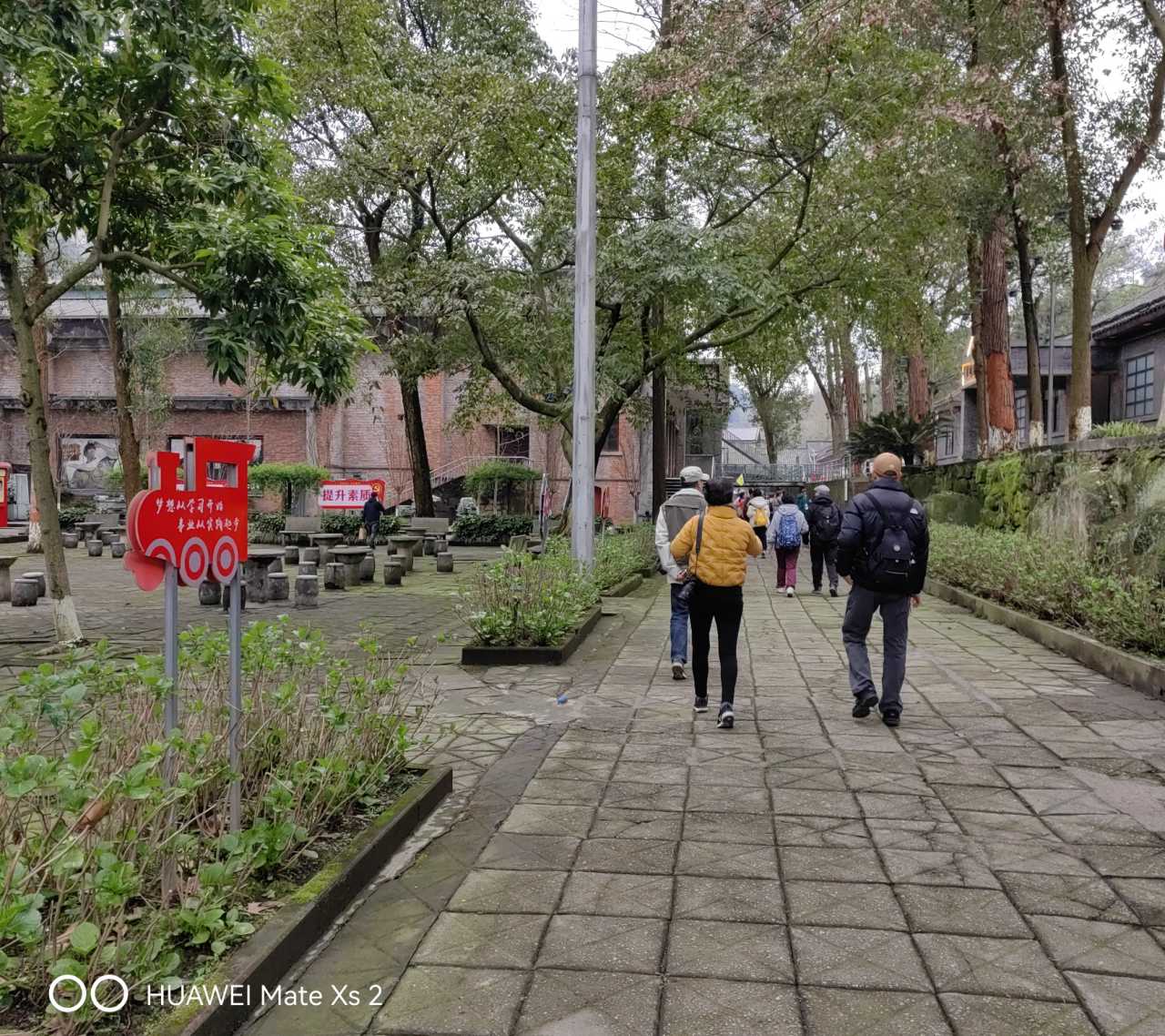
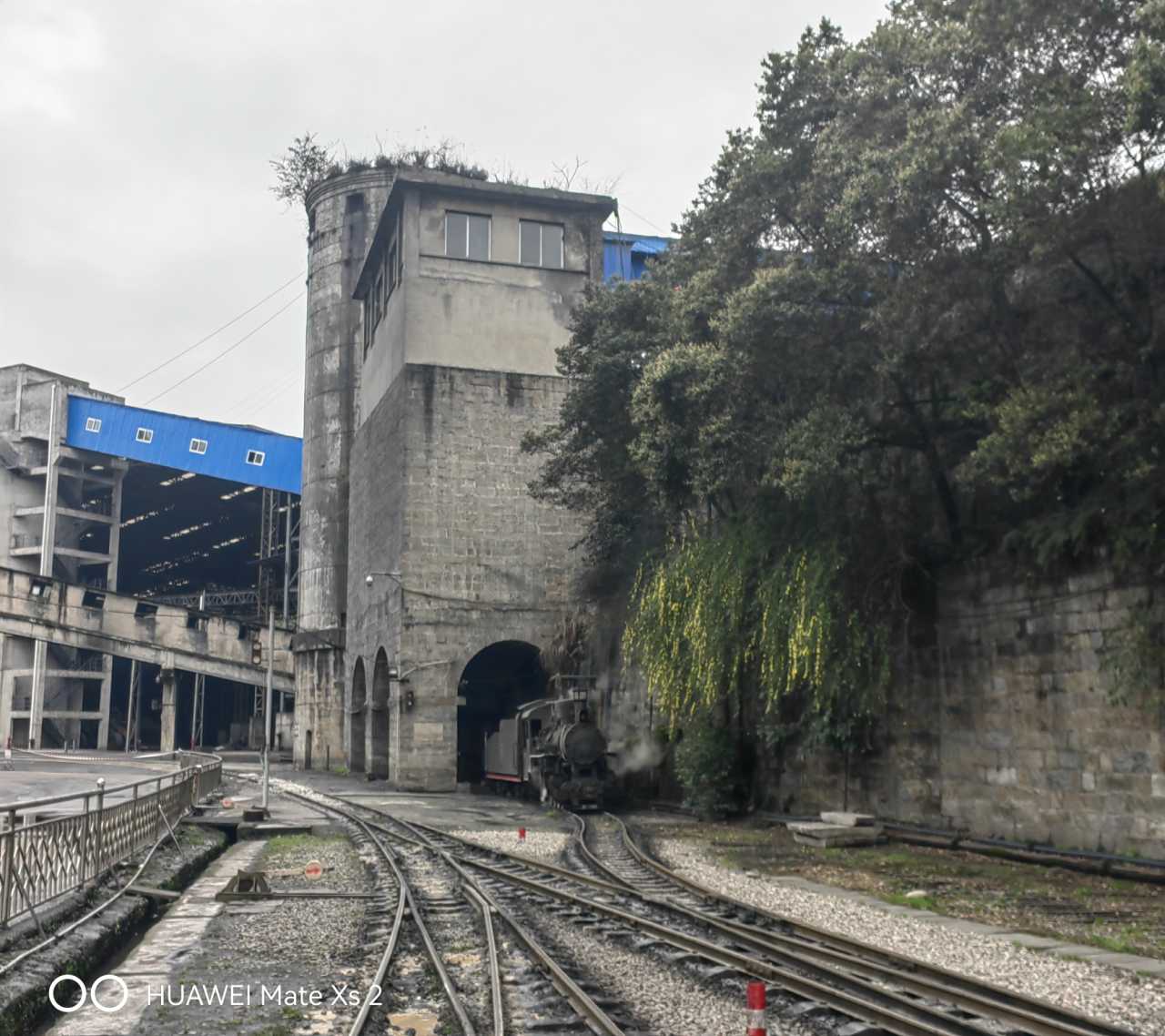
My first planned stop was Bajiao Ancient Town in Qianwei County, Leshan City. Nestled deep in a mountain valley, this small town rose to prominence because of coal mining. It still preserves China’s only operational steam-powered narrow-gauge railway—the Jiayang Small Train.
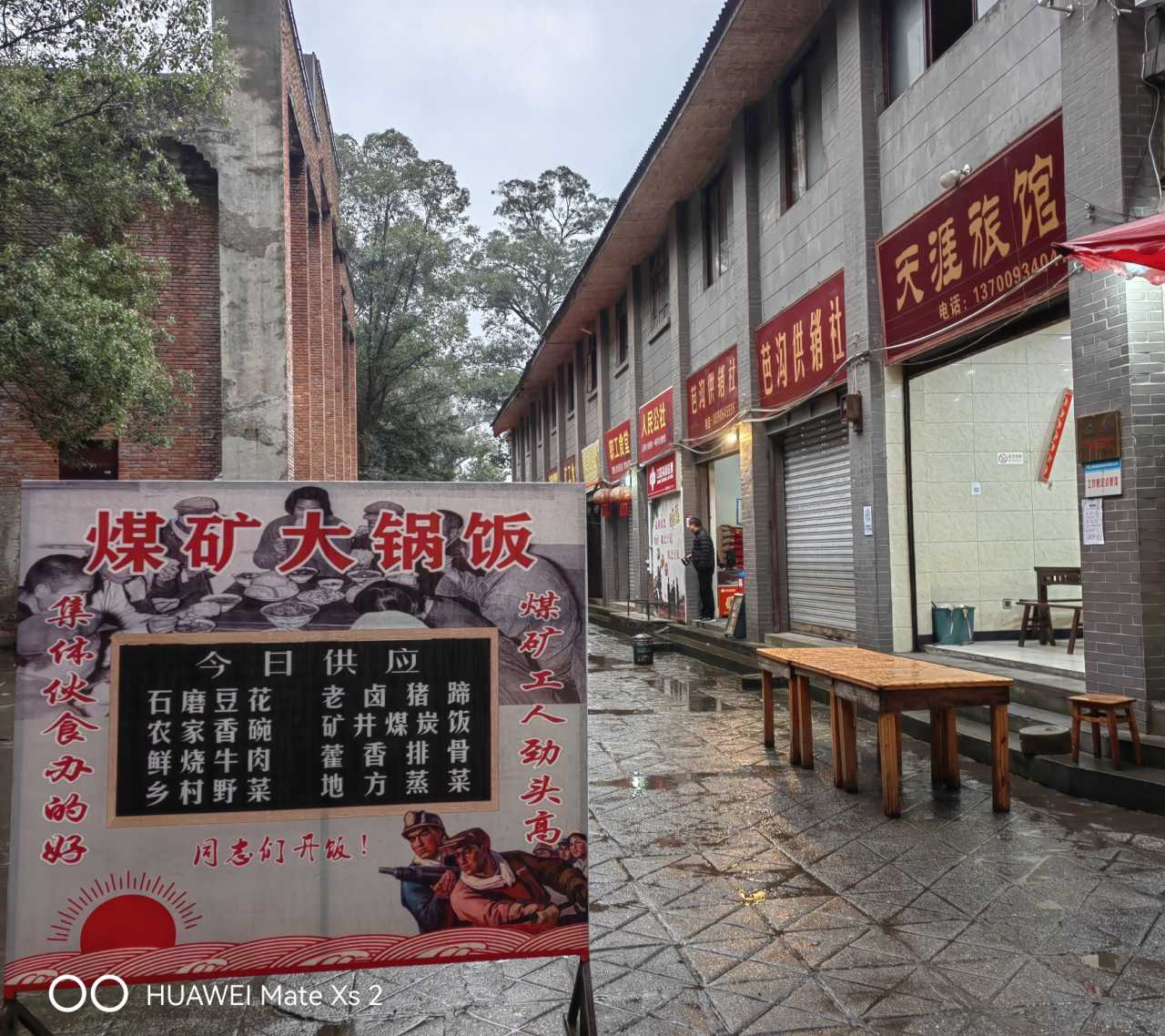
Walking into Bajiao felt like stepping back into the 1950s. Soviet-style and European-style houses stood in neat rows, with traces of history everywhere. What impressed me most was the "Dongfanghong Canteen"—a trendy hotel that perfectly recreates the 1950s scene: rough wooden square tables, long benches, and walls covered with propaganda posters. On stage, spirited Sichuanese women performed lively folk songs with local flair. The rustic, earthy charm was utterly delightful.
That night, I stayed at the Qianwei Grand Auditorium Hotel, converted from the original three-story Bajiao Grand Auditorium. From the ground floor to the third, walls were lined with red-history photos of Bajiao, filling the place with nostalgia. This wasn’t just a place to rest—it was an immersion in history.
Jiayang Small Train: A Living Fossil of the Industrial Revolution
The Jiayang Small Train is the world’s only operating narrow-gauge steam train, hailed as a "living fossil of the Industrial Revolution." During rapeseed flower season, riding this ancient train through terraced fields and blooming rapeseed and tung flowers feels like a genuine time warp. The unique pastoral scenery of Sichuan is intoxicating.
TIPS: - Location: Yuejin Bridge, Bajiao Town, 20 km west of Qianwei County, Leshan City—Jiayang National Mining Park - Ticket: 80 RMB/person - Best time: March–April for rapeseed blossoms
[Link: Best time to visit Sichuan for spring flowers]
China’s Noah’s Ark: Luocheng Ancient Town
"A shuttle in the clouds, a boat on the mountaintop"—that’s the saying about Luocheng Ancient Town in Qianwei. In the first year of the Chongzhen era of the Ming Dynasty (1628), a 209-meter-long, boat-shaped street called Liangting Street was completed. But it never set sail. Generations of residents and visitors have docked here in a harbor of the heart, going to markets, temple fairs, playing local card games, sipping covered-bowl tea, and savoring the simple yet profound flavors of everyday life.
After multiple visits by UN officials, Luocheng was called "China’s Noah’s Ark." Walking along Liangting Street, I could almost feel the centuries of vicissitudes and tranquility carried by this "great ship."
Long-tail keyword variation: Unique ancient towns in Sichuan
[Link: Top cultural heritage sites in Sichuan]
Millennia-Old Intangible Heritage: The Raw Beauty of Yingjing Sandware
In Gucheng Village, Liuhe Township, Yingjing County, I witnessed the making of Yingjing sandware—a craft with over 2,000 years of history. The methods still follow Spring and Autumn period techniques: ancient firing, no glaze, no chemical additives. It’s one of the few truly natural, eco-friendly cooking vessels available today.
In 2008, Yingjing sandware was listed as a national intangible cultural heritage. Watching the artisans work with the most primitive techniques—the meticulous, focused process—inspired deep respect.
Sandware Characteristics TIPS:
- Contains multiple trace elements beneficial to the human body and abundant activated carbon
- Softens and purifies water, with excellent breathability and strong adsorption
- Keeps tea fresh for long periods without spoiling
- No chemical reaction when cooking
- Preserves medicinal properties when boiling herbal medicine

In Ya’an, I also enjoyed an authentic Yingjing sandware feast. Fish, meat, tofu pudding, and other dishes were cooked directly in locally made sand pots, preserving the ingredients’ natural freshness and flavor—well worth trying.
[Link: Sichuan intangible cultural heritage experiences]
Night in Kangding: Warmth at the Yujing Xuelian Hotel
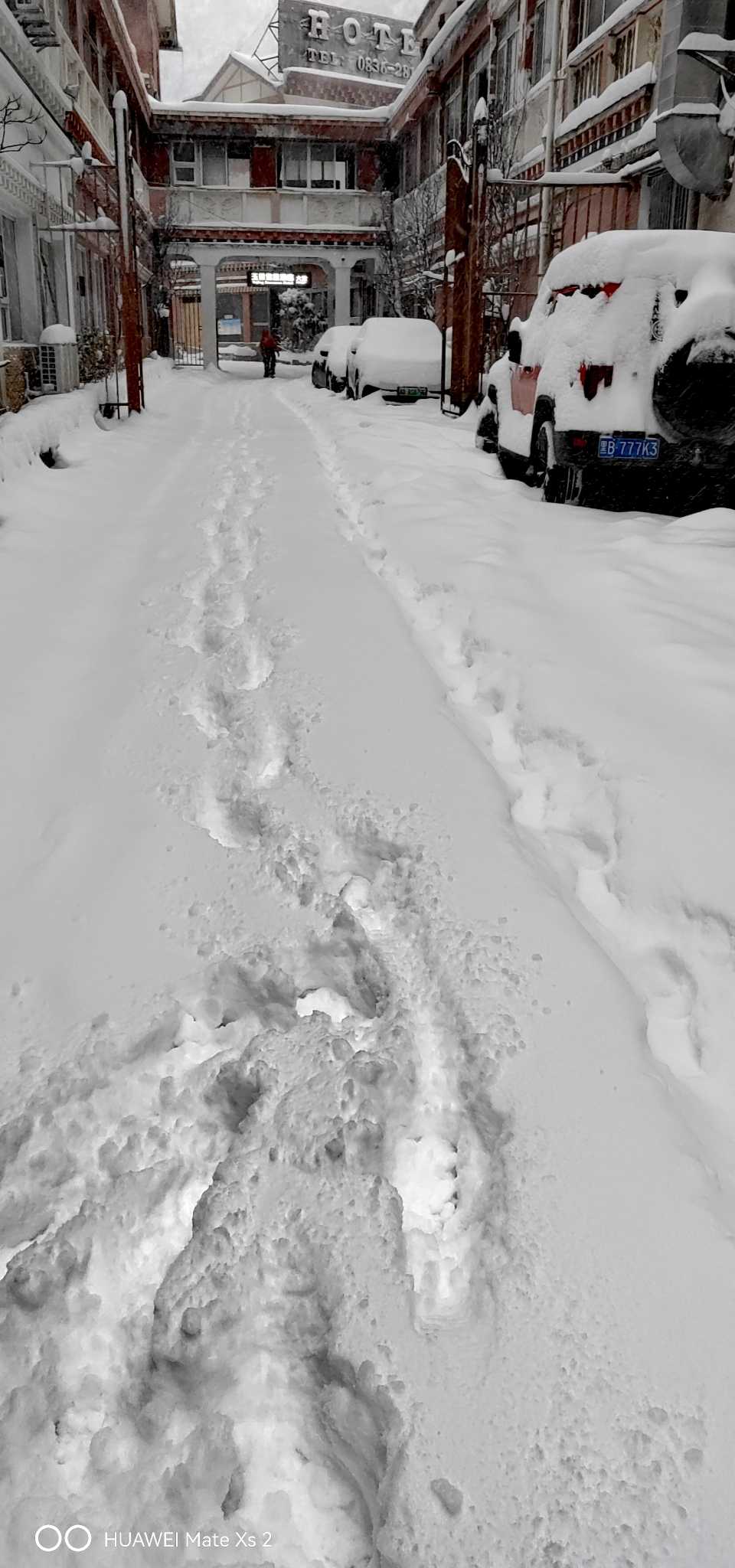
On the third day of my trip, the blizzard forced me to stop temporarily in Kangding. The Yujing Xuelian Hotel (elevation 2,900 meters) is a high-end hotel in the area. I stayed in a three-story Tibetan-style building. The room was spacious, the air conditioning already on, and I felt warm and comfortable as soon as I entered.
Outside, the temperature dropped to -4°C, snow fell relentlessly, and the roads were slippery. Even my luggage was carried in by the staff. In such weather, staying at this hotel was a true luxury.
Long-tail keyword variation: Kangding accommodation during spring snow
[Link: Best hotels in Western Sichuan for winter travel]
China’s Most Beautiful Village: Danba’s Tibetan Fortress Villages
Danba, located in the eastern part of Garze Prefecture, is known as the "Valley of Beauties," the "Land of a Thousand Fortresses," and "China’s Most Beautiful Village." The county seat sits at 1,800 meters elevation. Its human landscapes—such as Jiaju Tibetan Village, Zhonglu Tibetan Village, and Suopo Ancient Fortress Cluster—have earned it the reputation of "Ancient Fortresses · Tibetan Villages · Valley of Beauties."
Jiaju Tibetan Village: The Essence of Jiarong Tibetan Culture
"Jiaju" means "hundred households" in Tibetan. From the No. 1 viewing platform, I could see Tibetan houses climbing layer by layer from the Dajin River Valley up to the foot of the Kapama Mountain Range. The houses dot the slopes like scattered stars—some clustered together, some perched on cliffs, some nestled in river meadows. Cooking smoke rose gently, mingling with mist, creating a scene that seemed "a different world, not of the mortal realm."
I stayed at the Fanlatu Guesthouse (elevation 2,800 meters), almost at the highest point of the Jiaju scenic area. The Tibetan-style room was exquisitely decorated, with soft, clean bedding. Opening the window in the morning, I could see the distant Four Sisters Mountain—snow-capped peaks, lush forests—a painting come to life.
At Uncle Zeng Are’s reception in a Jiaju household, I enjoyed a Tibetan-style chicken hotpot. This typical Tibetan house was built of stone and wood, with religious motifs like sun, moon, and stars painted on the outer walls, reflecting unique Jiarong Tibetan culture. The yard was filled with banners donated by travelers from all over—a testament to the host’s warm hospitality.
TIPS: - Location: Danba County, Garze Prefecture, Sichuan - Transport: Transfer to scenic area shuttle at Jiaju Tourist Center - Ticket: 50 RMB/person - Best time: March–April for spring blossoms with snow
Zhonglu Tibetan Village: A Place Where Gods and People Dream
Zhonglu Tibetan Village lies in northeastern Danba, at 2,100 meters elevation. White Tibetan houses and golden-roofed temples are faintly visible through the mist. This ancient village, less commercialized than Jiaju, offers a more intimate glimpse into Jiarong Tibetan life. The ancient watchtowers—some over 1,000 years old—stand as silent sentinels over the valley.
Long-tail keyword variation: Danba Tibetan villages spring travel
[Link: Best Tibetan villages to visit in Sichuan]
Frequently Asked Questions (FAQ)
1. Is it safe to travel to Western Sichuan during spring snowstorms?
Yes, but with precautions. Roads can be icy, especially at higher elevations. Carry snow chains, drive slowly, and check weather forecasts daily. Hotels like the Yujing Xuelian in Kangding are well-equipped for winter conditions.
2. What is the best time to see peach blossoms in Western Sichuan?
Peach blossoms typically bloom from mid-March to early April. However, snowstorms can occur during this period, creating the unique "spring snow" phenomenon described in this article. For the best chance of blossoms without snow, aim for late March.
3. How do I get to Jiaju Tibetan Village from Chengdu?
From Chengdu, drive to Danba County (about 6–7 hours via the Sichuan-Tibet Highway). At the Jiaju Tourist Center, transfer to the scenic area shuttle. Alternatively, join a guided tour from Chengdu that includes Danba.
4. What should I pack for a spring snow trip in Western Sichuan?
Pack layers: thermal underwear, fleece, a waterproof jacket, and insulated boots. Don’t forget gloves, a hat, and sunglasses (snow glare is intense). Also bring snow chains for your vehicle and extra snacks in case of road closures.
5. Can I visit both Jiayang Small Train and Danba in one trip?
Yes, but allow at least 5–7 days. The Jiayang Small Train is in Leshan (southern Sichuan), while Danba is in Garze Prefecture (western Sichuan). A suggested itinerary: Day 1–2 Leshan/Bajiao, Day 3–4 Kangding, Day 5–7 Danba.
Conclusion: Embrace the Unexpected
This spring snow adventure in Western Sichuan taught me that the best journeys are often the ones we never planned. When peach blossoms meet winter’s ice, the result is not chaos—but unexpected romance. From the industrial echoes of Bajiao Valley to the timeless beauty of Danba’s Tibetan villages, every moment was a reminder that travel is about surrender.
So pack your bags, check the weather, and prepare for the unexpected. Western Sichuan in spring snow is waiting—and it’s more enchanting than you ever imagined.
Ready to plan your own spring snow adventure? [Link: Book a Western Sichuan guided tour] or [Link: Download our Sichuan travel checklist]. Share your own unexpected travel stories in the comments below—we’d love to hear them.
Note: This article is based on a real journey in March 2025. Weather conditions and opening hours may vary. Always check local advisories before traveling.
You may also like


