Snowy Buddhist Kingdom: Mount Emei in Sichuan — A Leisurely Journey Through "The Most Beautiful Mountain Under Heaven" in Three Days
Meta Description: Discover Mount Emei, Sichuan's snowy Buddhist kingdom. Plan a 3-day leisurely itinerary covering tea gardens, ancient temples, mischievous monkeys, and the Golden Summit. Your complete guide to "the most beautiful mountain under heaven."
Why Mount Emei Deserves a Spot on Your China Travel Bucket List
"Among the many immortal mountains in Shu, Mount Emei stands peerless." — Li Bai
For over a thousand years, this sacred mountain has drawn poets, pilgrims, and travelers seeking both natural wonder and spiritual solace. Mount Emei is not merely one of China's top ten famous mountains — it is a living museum of biodiversity and Buddhist heritage. With more than thirty ancient temples, over five thousand species of plants and animals, and a landscape that shifts dramatically with elevation, it offers a journey through four seasons in a single climb.
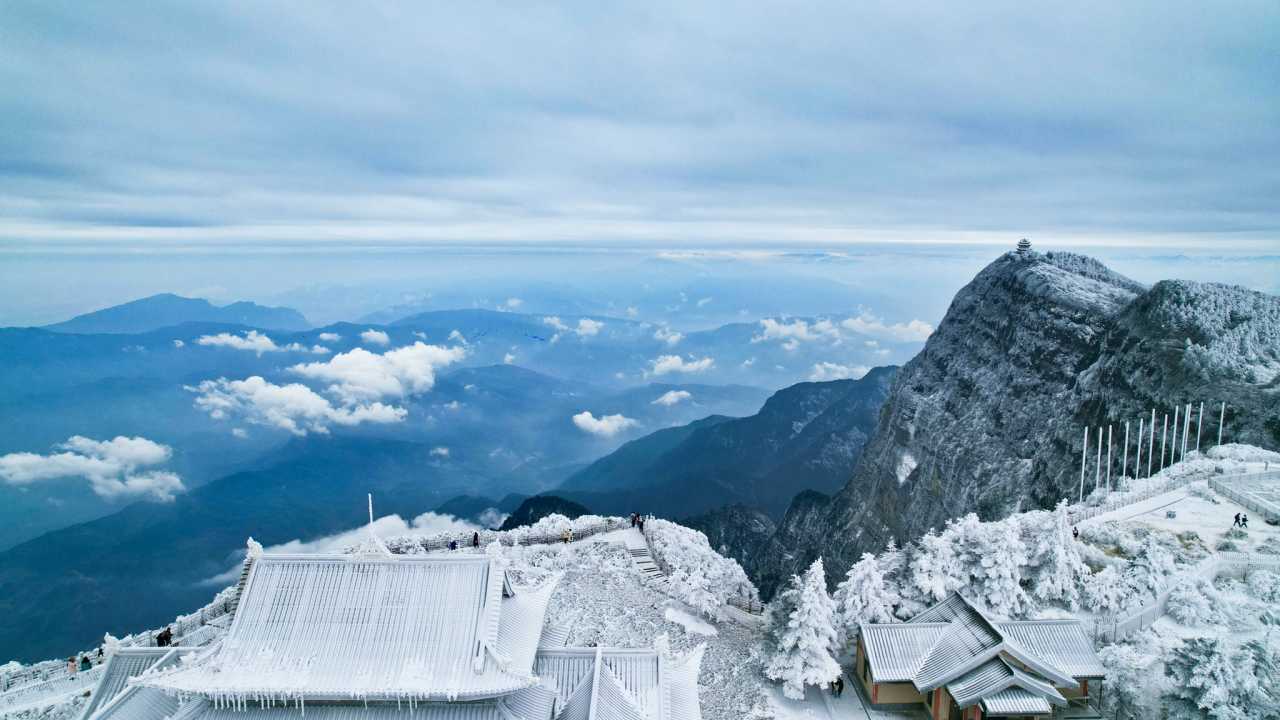
Some say Mount Emei "has four seasons in one mountain, and the weather changes every ten miles." This is no exaggeration. As you ascend from lush subtropical forests at the base to the snow-dusted Golden Summit at 3,099 meters above sea level, you'll witness a breathtaking time-travel from vibrant spring to deep winter.
But you don't need to conquer the summit in a single grueling day. Follow this three-day, two-night itinerary to savor every inch of this "Snowy Buddhist Kingdom" — from tea gardens and temple bells to playful monkeys, snowy summit vistas, and the comfort of hot springs and local cuisine.
Day One: Tea Gardens & Theater — First Encounters with Emei's Spirit
Emei Snow Bud Tea: A Thousand Years of Zen in a Single Cup
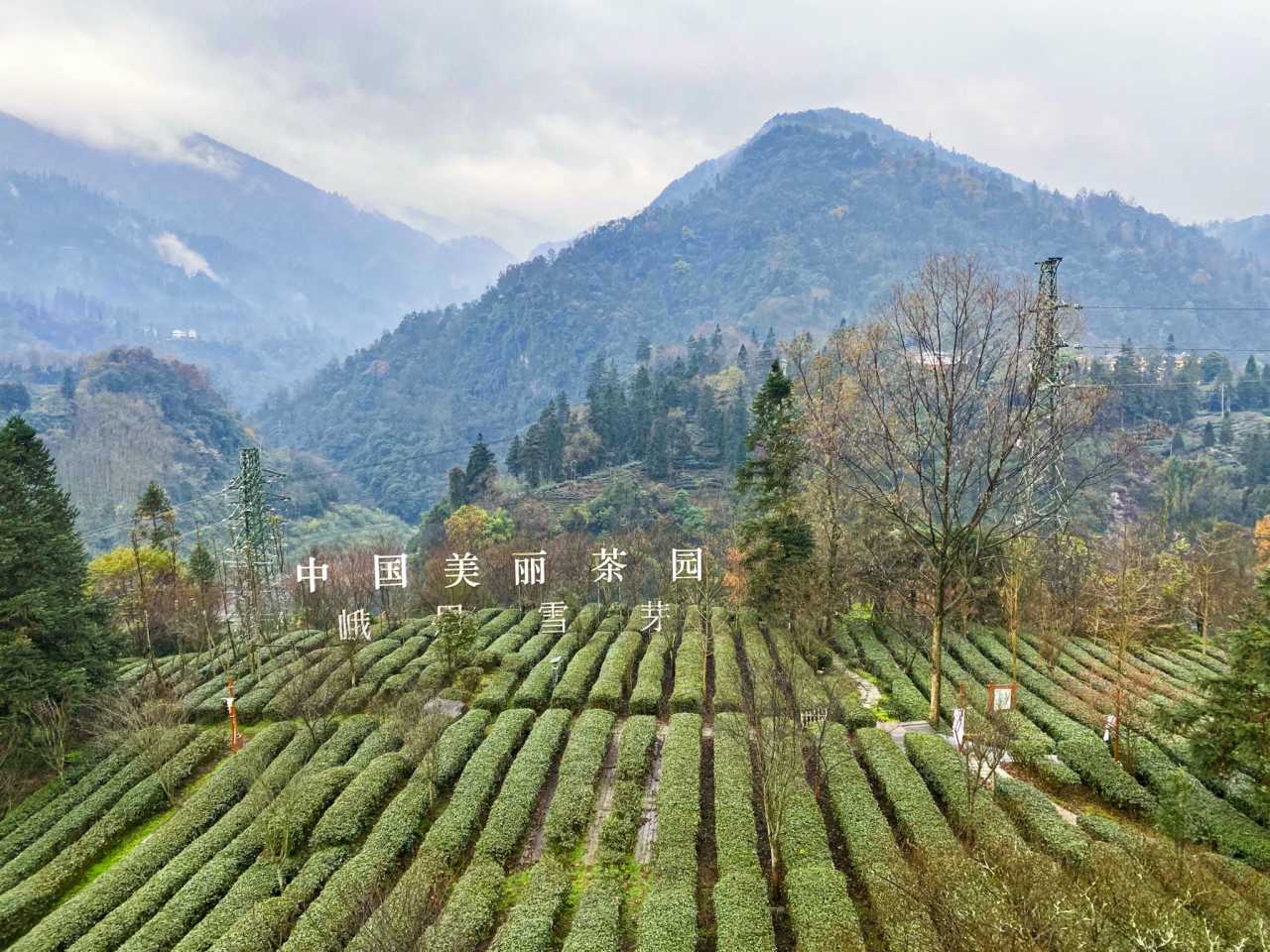
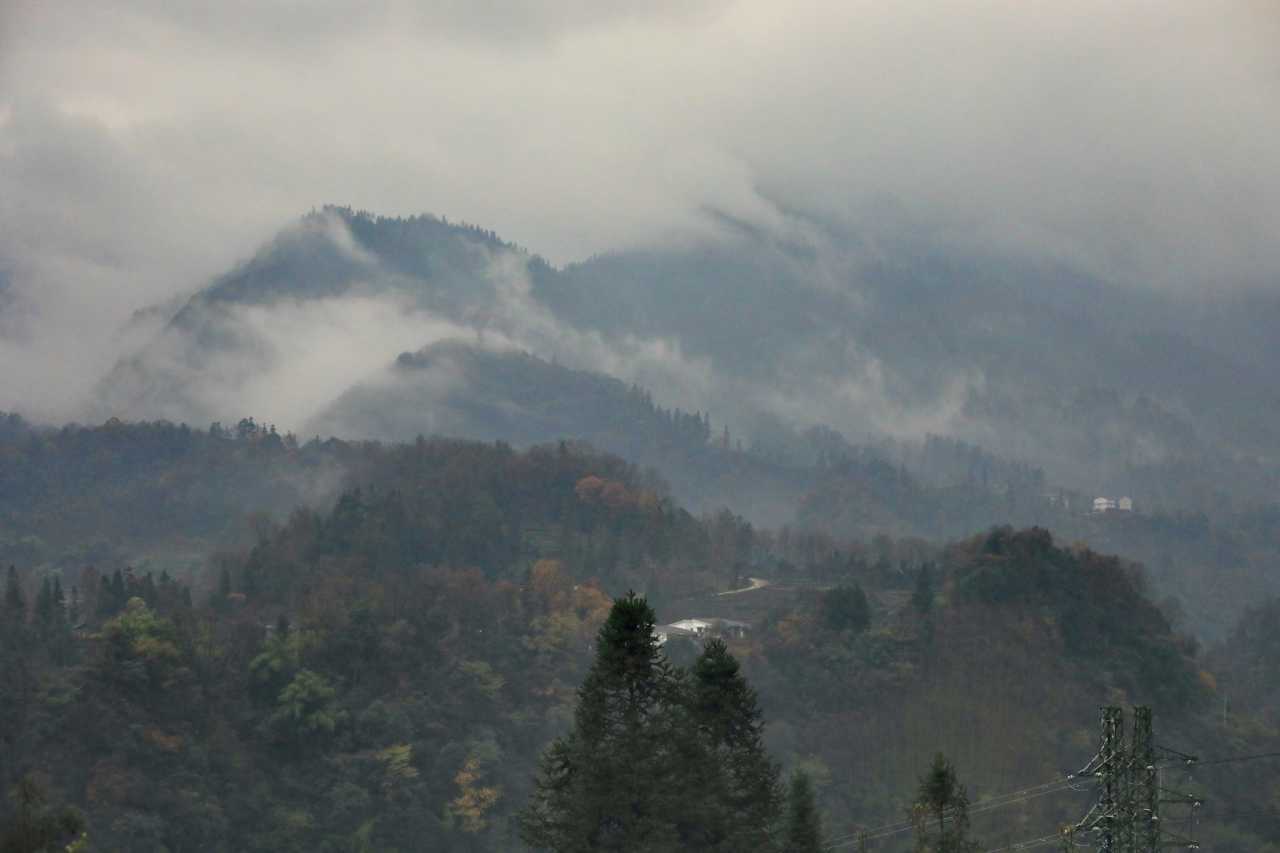
Arriving by high-speed rail from Chengdu to Emeishan City, your first stop should be the vast tea plantations at the mountain's foot. At elevations between 800 and 1,500 meters, the area is perpetually shrouded in mist and blessed with abundant rainfall — the perfect home for Emei Snow Bud Tea (峨眉雪芽). As a UNESCO World Natural and Cultural Heritage site, Mount Emei is also one of China's oldest tea-origin regions.
Standing on the observation platform of the tea gardens, you'll gaze out at layer upon layer of rolling hills, where thousands of acres of tea bushes undulate like green waves. What amazes visitors most is the preservation of wild ancient tea trees, coexisting with the primeval forest to create a wonder of "forest and tea as one."
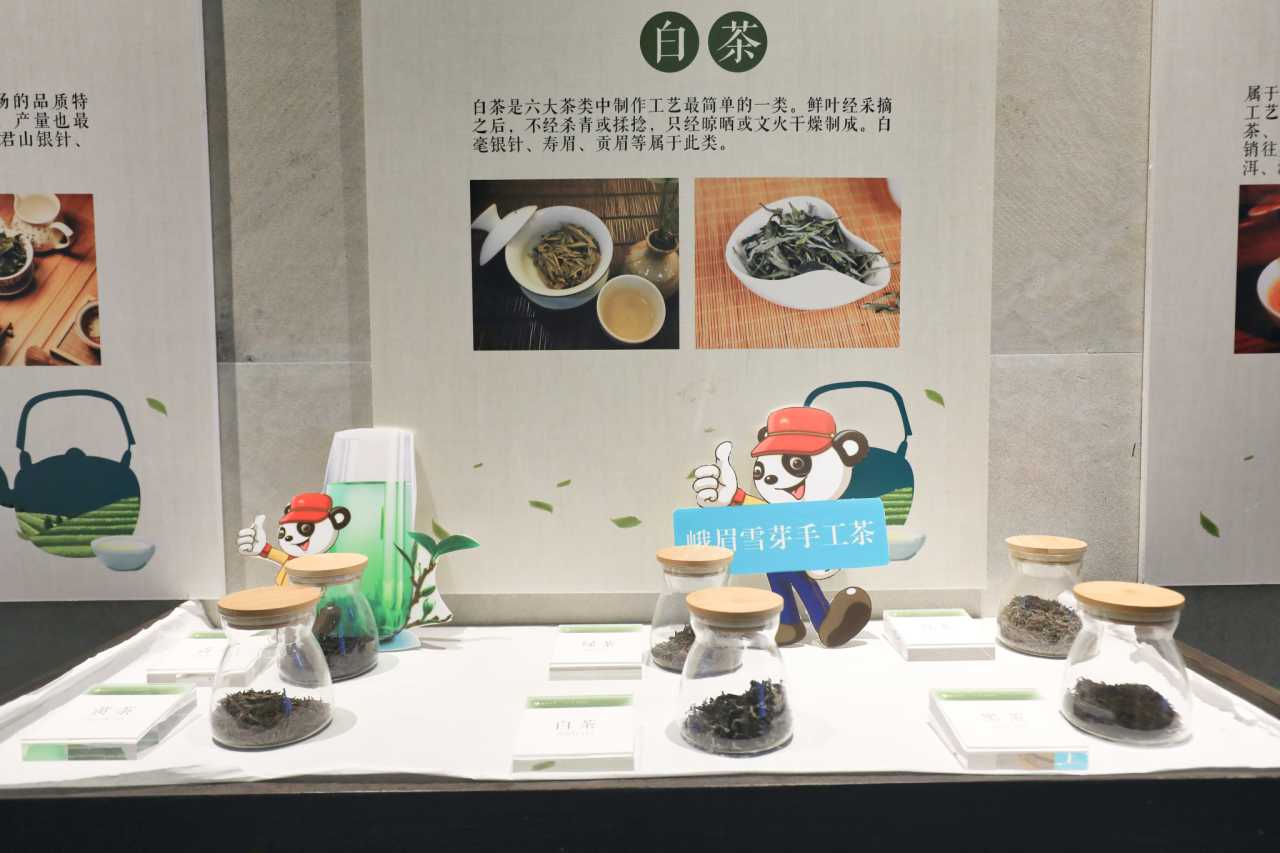
Inside the Emei Snow Bud exhibition hall, you'll learn why this tea is so precious: the dramatic temperature difference between day and night means tender new buds grow during the day and close at night, day after day, developing their jade-like color and crisp, clear aroma.
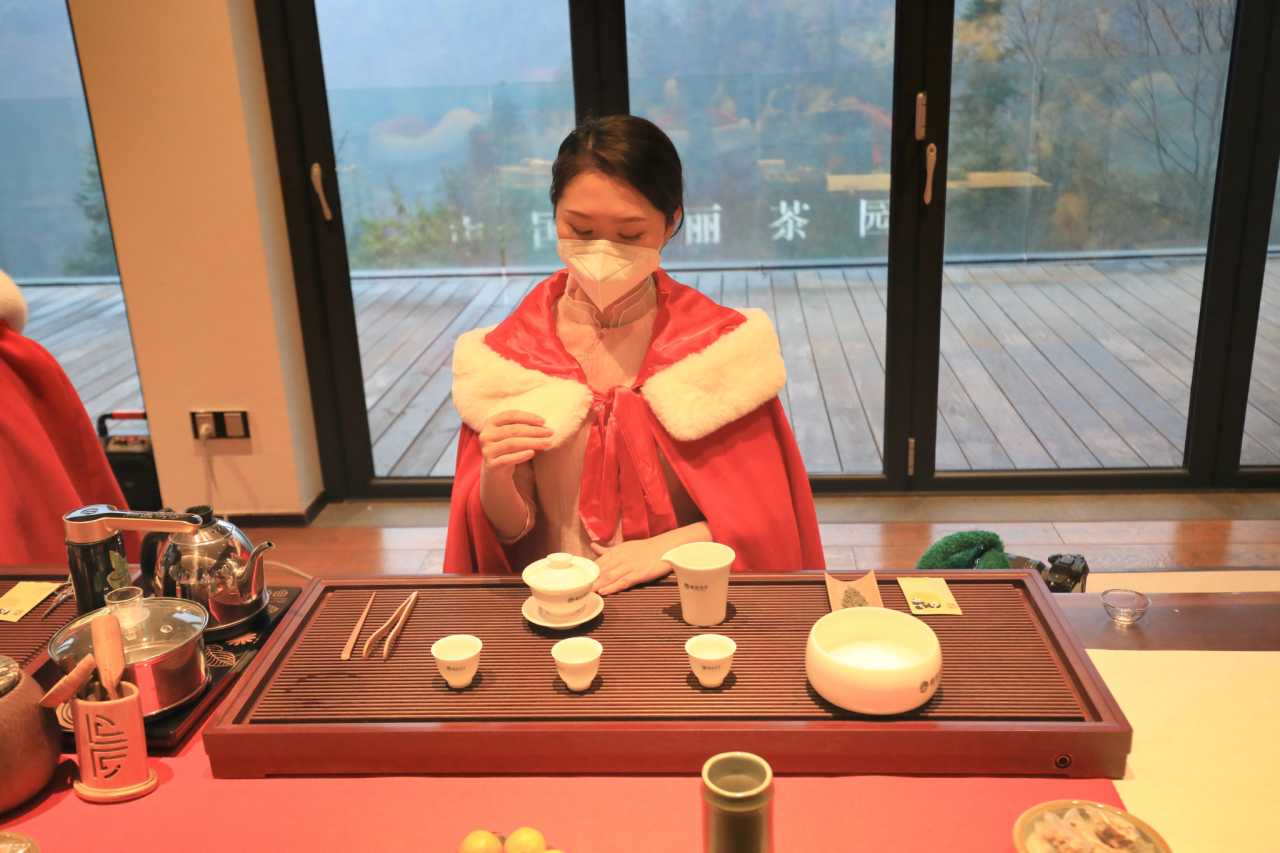
On the second floor, find a seat by the window and watch a tea ceremony performance. Brew a pot of hot tea, slowly savor the lingering sweetness, and let the fragrance mingle with the mountain breeze. In that moment, you can almost hear the chanting of monks from a thousand years ago.
[Link: Best tea experiences in Sichuan]
"Only Mount Emei": A Dreamlike Theater Conversing with the Sea of Clouds
Missing the sea of clouds at the Golden Summit? Don't worry — another "sea of clouds" awaits at the mountain's base. Created by renowned director Wang Chaoge, the "Only Mount Emei" (《只有峨眉山》) theater is a masterpiece of immersive "drama fantasy city" live performance. Divided into three stages — "Above the Clouds," "Within the Clouds," and "Below the Clouds" — it uses a blend of reality and illusion to immerse audiences in a grand narrative about life, nature, and society.
I chose the "Above the Clouds" theater. Six story chapters, six performance spaces, and just 90 minutes — yet I was moved to tears several times. Many performers are local villagers: farmers, workers, and vendors by day, who step onto the stage at night to tell their own stories. One story, about the "Mount Emei porters" (峨眉山背夫) , lingered long after — ordinary people who carry life on their shoulders, and who themselves are the most moving scenery of this sacred mountain.
If you come to Mount Emei, do not miss this performance. It is not just a show — it is a journey of dialogue with yourself.
Day Two: Ancient Temples & Mischievous Monkeys — The Essence of Mid-Mountain Beauty
Wannian Temple: The Heart of Mount Emei
People often say that if you visit Mount Emei and only go to the Golden Summit, skipping Wannian Temple, you have missed a great treasure. This ancient temple sits halfway up the mountain, and because of its location — like the heart in a body — it is known as "the heart of Mount Emei."
Stepping into Wannian Temple, the air is thick with incense smoke, and devout pilgrims move through the halls. The most astonishing structure is the main hall: the Beamless Brick Hall (无梁砖殿) . The entire building has not a single crossbeam, constructed entirely of stacked bricks, yet it has stood for a thousand years without collapsing. Inside, niches hold various Buddha statues, solemn and majestic.
Wannian Temple also houses three of Mount Emei's "mountain-protecting treasures": a Buddha tooth relic, palm-leaf sutras, and a gold seal from the Wanli Emperor of the Ming Dynasty. These three treasures are not usually open to the public — if you are lucky enough to see them, consider yourself fortunate. Even if you don't, simply wandering through the temple grounds is enough to feel timeless serenity.
[Link: Top Buddhist temples in China]
Qingyin Pavilion & the Ecological Monkey Area: Life in a Landscape Painting
From Wannian Temple, follow the hiking path downhill to the heart of Mount Emei's scenic beauty — Qingyin Pavilion (清音阁) . "The mountain waters have clear sounds; why need strings and bamboo?" The terrain here is steep, surrounded by water and mountains, like a three-dimensional landscape painting. The pavilion itself is modest but full of hidden charm, perched high above to showcase the harmony of heaven and humanity.
Continuing along the small path to the right, passing through the mysterious "Thread of Sky" (一线天) , you'll reach the Mount Emei Ecological Monkey Area. The monkeys here are the spirits of the mountain — lively, adorable, and often gathered in the treetops, on the boardwalks, and around the pavilions. Feeding them is an important interaction between visitors and these creatures. Watching their clever eyes and mischievous antics, you can't help but sigh: this is the most vivid postcard of Mount Emei.
Retrace your steps from the monkey area back to Qingyin Pavilion, then hike to Wuxiangang (五显岗) , passing by a jade-like lake along the way. An ancient suspension bridge spans the two banks, its reflection shimmering in the emerald water — so beautiful it takes your breath away.
Day Three: The Snowy Golden Summit & Hot Spring Revelry
The Golden Summit: A Rare Wonder of the Snowy Buddhist Kingdom
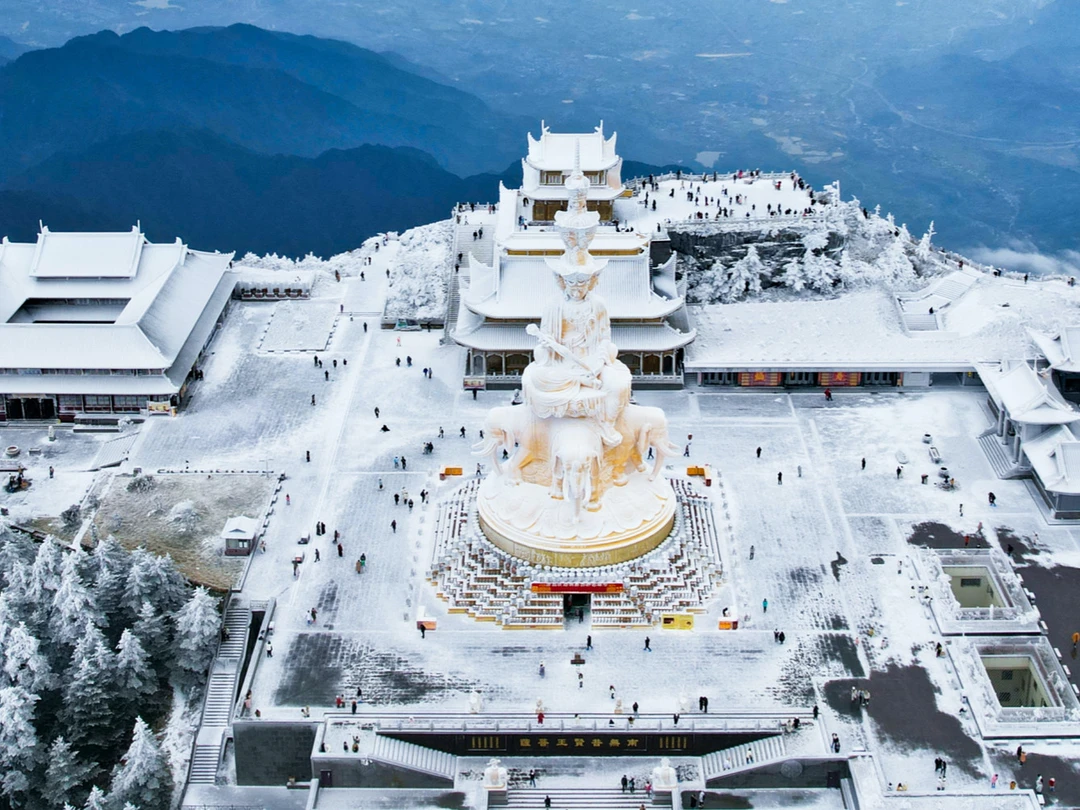
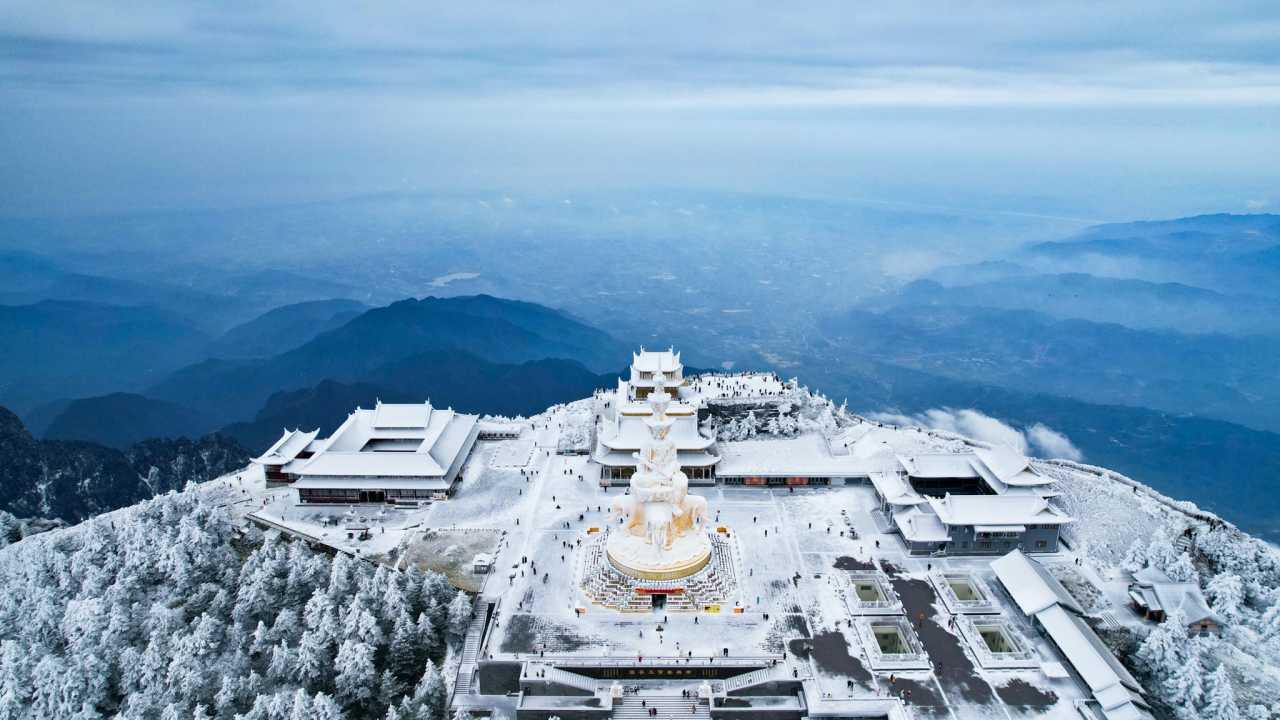
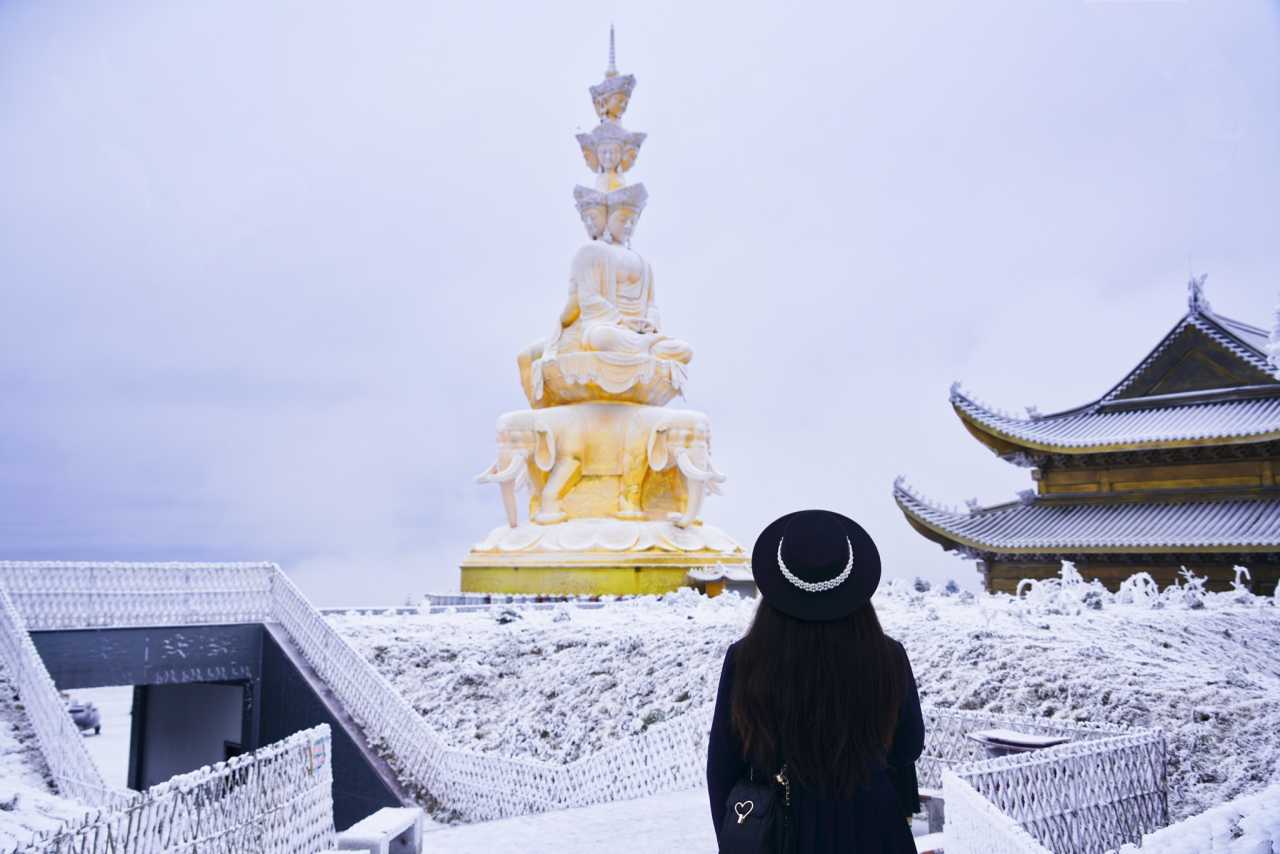
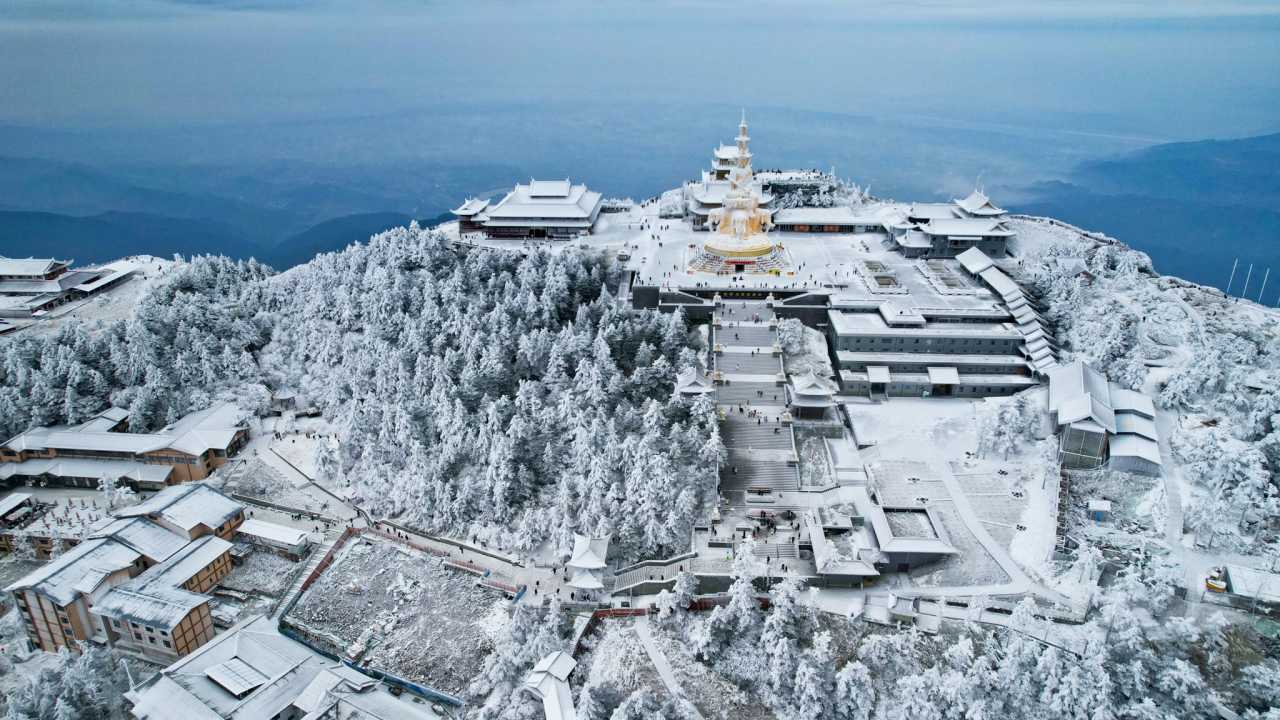
At dawn, take the scenic area shuttle bus to Leidongping (雷洞坪) , then transfer to the cable car up to the Golden Summit. As the cable car breaks through the clouds, the view opens up before you — the summit draped in silver white, the Ten Directions Samantabhadra Statue standing majestically amidst the snow and ice, golden light and white snow reflecting off each other in a dreamlike dance. This is the true face of the "Snowy Buddhist Kingdom."
The Golden Summit is the symbol of Mount Emei, and "Golden Summit Auspicious Light" (金顶祥光) is the crown jewel of the mountain's ten scenic wonders. If you are fortunate, you can encounter four great spectacles here: sunrise, sea of clouds, Buddha's light, and holy lanterns. Even if the Buddha's light eludes you, the sheer majesty of the summit — with its 360-degree panorama of snow-capped peaks and cloud-filled valleys — is an experience you will never forget.
Hot Springs & Local Cuisine: The Perfect Finale
After descending from the summit, reward yourself with a soak in one of Mount Emei's natural hot springs. The geothermal waters, rich in minerals, are the perfect remedy for tired muscles after two days of hiking. Many hotels at the base offer private or public hot spring facilities, often set in beautiful garden surroundings.

For dinner, indulge in Mount Emei's local cuisine. Must-try dishes include:
- Emei tofu pudding — silky, savory, and often served with chili oil
- Bamboo shoot stir-fry — fresh, crunchy, and sourced from the mountain's forests
- Snow bud tea chicken — a fragrant braised chicken dish infused with local tea leaves
- Pickled vegetables — tangy, spicy, and perfect for cleansing the palate
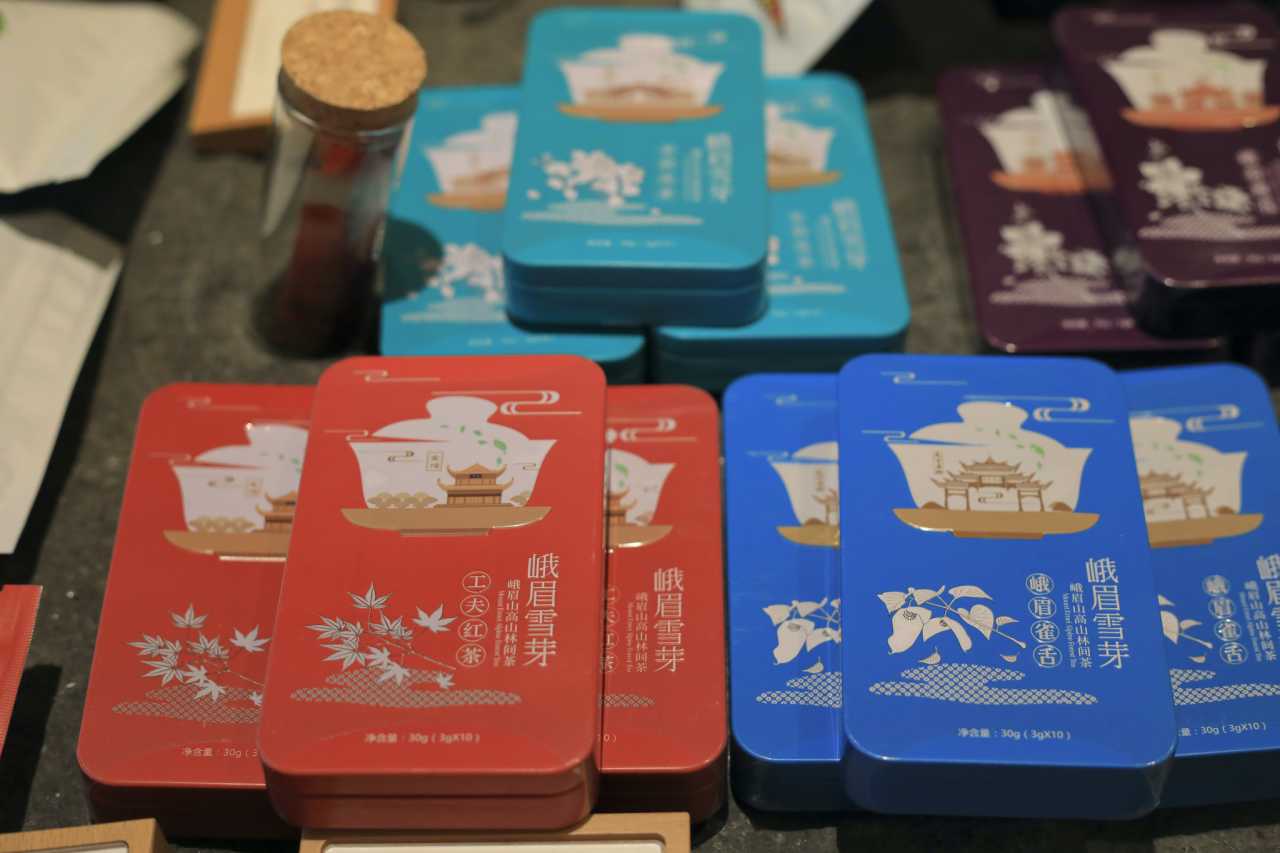
End your evening with a final cup of Emei Snow Bud tea, reflecting on three days of immersion in this sacred, snowy kingdom.
Frequently Asked Questions About Visiting Mount Emei
1. What is the best time to visit Mount Emei for snow?
The snow season typically runs from December to March, with the heaviest snowfall in January and February. For the best combination of snow scenery and clear skies, aim for late February or early March. The Golden Summit is almost always snow-covered during winter, while lower elevations remain green.
2. How difficult is the three-day Mount Emei itinerary?
This itinerary is designed as a leisurely journey — you won't be doing a full summit hike. The most physically demanding part is Day Two's hiking between temples and the monkey area, which is moderate. Cable cars and shuttle buses handle the elevation gain to the summit. It's suitable for most fitness levels, including families with older children.
3. Can I see monkeys on Mount Emei year-round?
Yes, the Ecological Monkey Area is accessible year-round, though monkeys are less active during heavy rain or extreme cold. They are most active in spring and autumn. Always follow park rules: don't tease them, keep food in closed bags, and avoid direct eye contact.
4. Do I need to book tickets in advance for "Only Mount Emei" theater?
Yes, especially during peak seasons (Chinese holidays, summer, and autumn). Book at least 3–5 days in advance online or through your hotel. The performance is incredibly popular, and same-day tickets are rarely available.
5. What should I pack for a winter visit to Mount Emei?
Pack layers: thermal underwear, a fleece or sweater, a waterproof/windproof jacket, and a warm hat and gloves. The summit can be -10°C to 0°C even during the day. Good hiking boots with grip are essential, as icy boardwalks can be slippery. Don't forget sunscreen — the UV reflection off snow is strong.
Your Mount Emei Adventure Awaits
Mount Emei is more than a mountain — it's a journey through time, nature, and spirit. From the ancient tea gardens that whisper of Zen monks to the mischievous monkeys that bring laughter, from the solemn halls of Wannian Temple to the breathtaking snowscape of the Golden Summit, every moment is a gift.
This three-day itinerary lets you experience the best of the "Snowy Buddhist Kingdom" without rushing, without exhaustion — just pure, immersive wonder.
Ready to plan your trip? Book your high-speed rail tickets from Chengdu, reserve your tickets for "Only Mount Emei," and pack your warmest layers. The most beautiful mountain under heaven is waiting for you.
[Link: How to get from Chengdu to Mount Emei] [Link: Best hotels near Mount Emei with hot springs] [Link: 7-day Sichuan itinerary combining Mount Emei and Leshan]
Have you visited Mount Emei? Share your favorite memory in the comments below — or ask any questions about planning your trip!
You may also like


