Snow Mountain Pilgrimage: The Ultimate Western Sichuan Snow Peaks Itinerary for Beginners
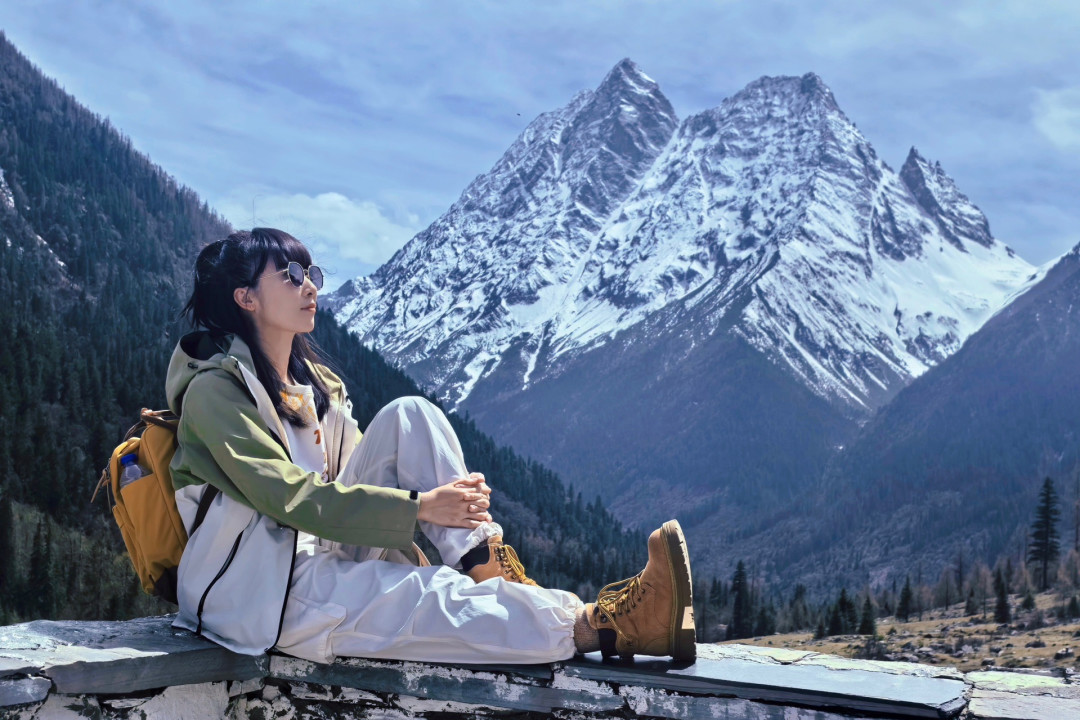
Meta Description: Discover a beginner-friendly snow mountain pilgrimage in Western Sichuan. See Mount Siguniang, Yala, Gongga & more with just 2-star effort. Complete itinerary, tips & FAQs.
Have you ever dreamed of witnessing Western Sichuan's legendary snow peaks but held back by fears of altitude sickness or physical exhaustion? You're not alone. For years, I hesitated—until I discovered a snow mountain pilgrimage route that promises a visual feast of snow-capped giants with just "two stars' worth of physical effort."
No grueling treks. No heavy backpacks. Just pure, jaw-dropping beauty across Mount Siguniang, Yala Snow Mountain, Gongga Snow Mountain, and a dozen other iconic peaks. I grabbed the last spot without hesitation.
Then I checked the weather: rain, rain, and more rain. I braced for disappointment. But this journey delivered far more than I ever imagined.
Why This Western Sichuan Snow Mountain Route Is Perfect for Beginners
Western Sichuan's snow peaks are world-renowned, but many travelers avoid them due to challenging terrain. This carefully curated pilgrimage route changes everything. Designed for those with limited stamina but unlimited wanderlust, it offers:
- Minimal hiking – Most viewpoints are accessible by vehicle or short walks
- Altitude acclimatization – Gradual ascent prevents severe sickness
- Diverse landscapes – Snow mountains, alpine meadows, forests, and lakes
- Cultural immersion – Tibetan monasteries, Guozhuang dance, local cuisine
[Link: Beginner's guide to altitude sickness prevention]
Day 1: Shanghai → Chengdu – A Belated Arrival, Yet the Perfect Start
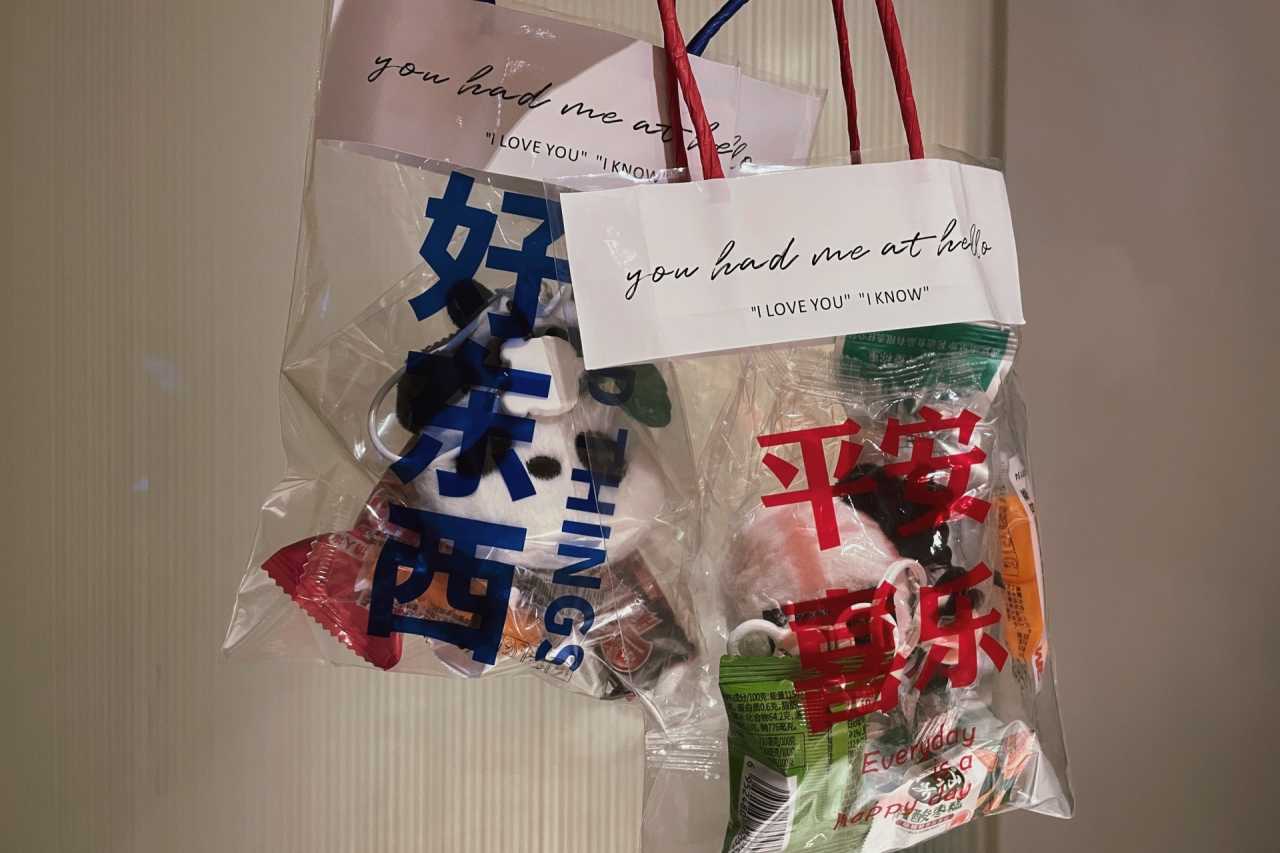
I landed in Chengdu late, missing the group's opening dinner. A twinge of regret lingered. But the moment I opened my hotel room door, our guide Tracy had prepared a welcome gift: an impossibly cute panda keychain and a generous bag of energy snacks. Thoughtful. Perfectly on theme.
Serendipitously, Tracy and I ended up as roommates. Our late-night conversations stretched from travel to life, zodiac signs to dreams. From the very start, this journey was painted in warm hues.
Pro tip: Arrive in Chengdu a day early to acclimate and explore the city's famous food scene.
Day 2: Chengdu → Mount Siguniang → Xiaojin County – From "Tipsy" to "Intoxicated"
China Panda Avenue: A Scenic Showcase Beyond the Window
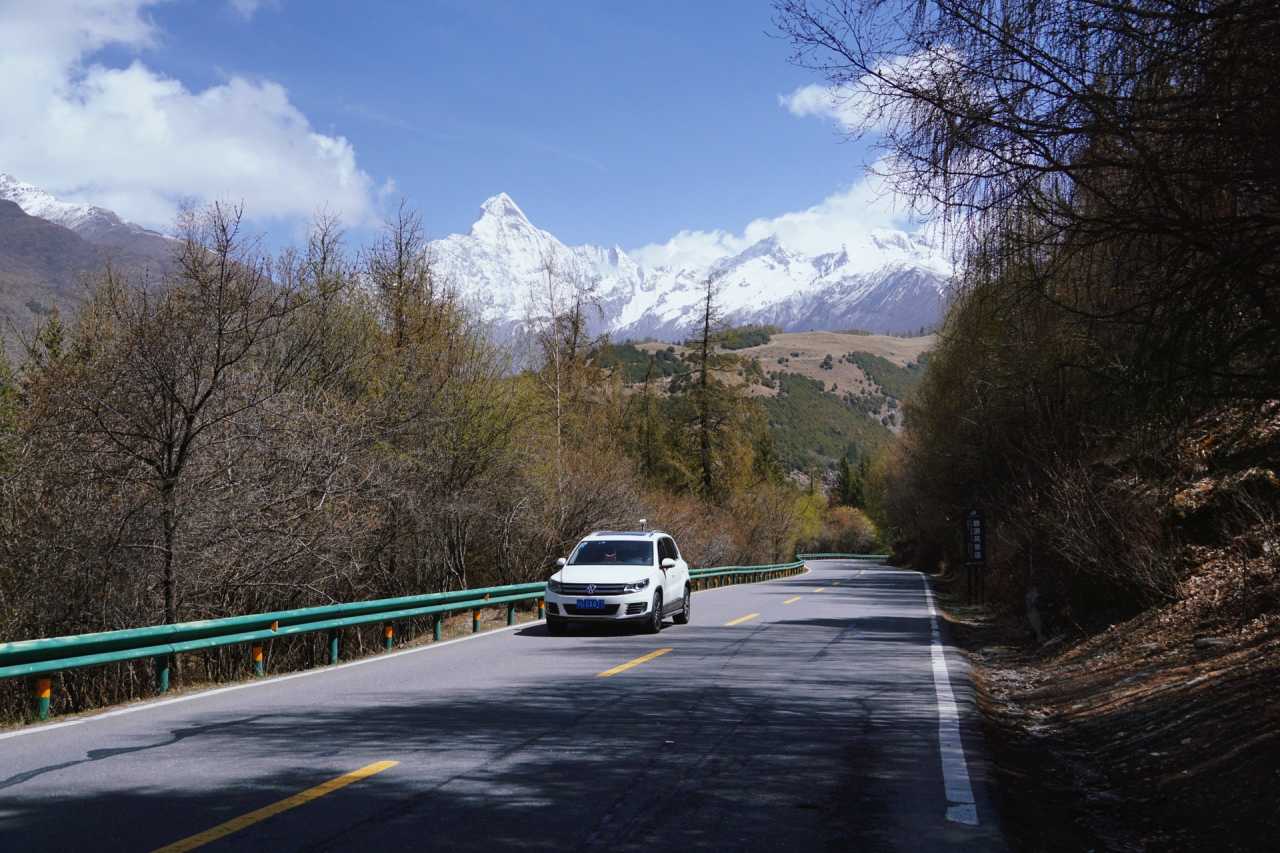
We departed Chengdu at dawn, cutting through Dujiangyan into a sea of mountains. Soon we cruised along China Panda Avenue—a legendary road that climbs into alpine territory. As altitude increased, vegetation transformed: broadleaf forests, coniferous forests, alpine meadows... then, without warning, snow-capped peaks appeared on the horizon.
The price of such beauty? A "tipsy" altitude sickness. Oxygen canisters hissed across the bus—a little comical, but Tracy had prepared oxygen tanks for everyone first thing in the morning. Nobody was seriously affected.
Cat's Nose Ridge Viewing Platform: First Encounter with the Four Sisters
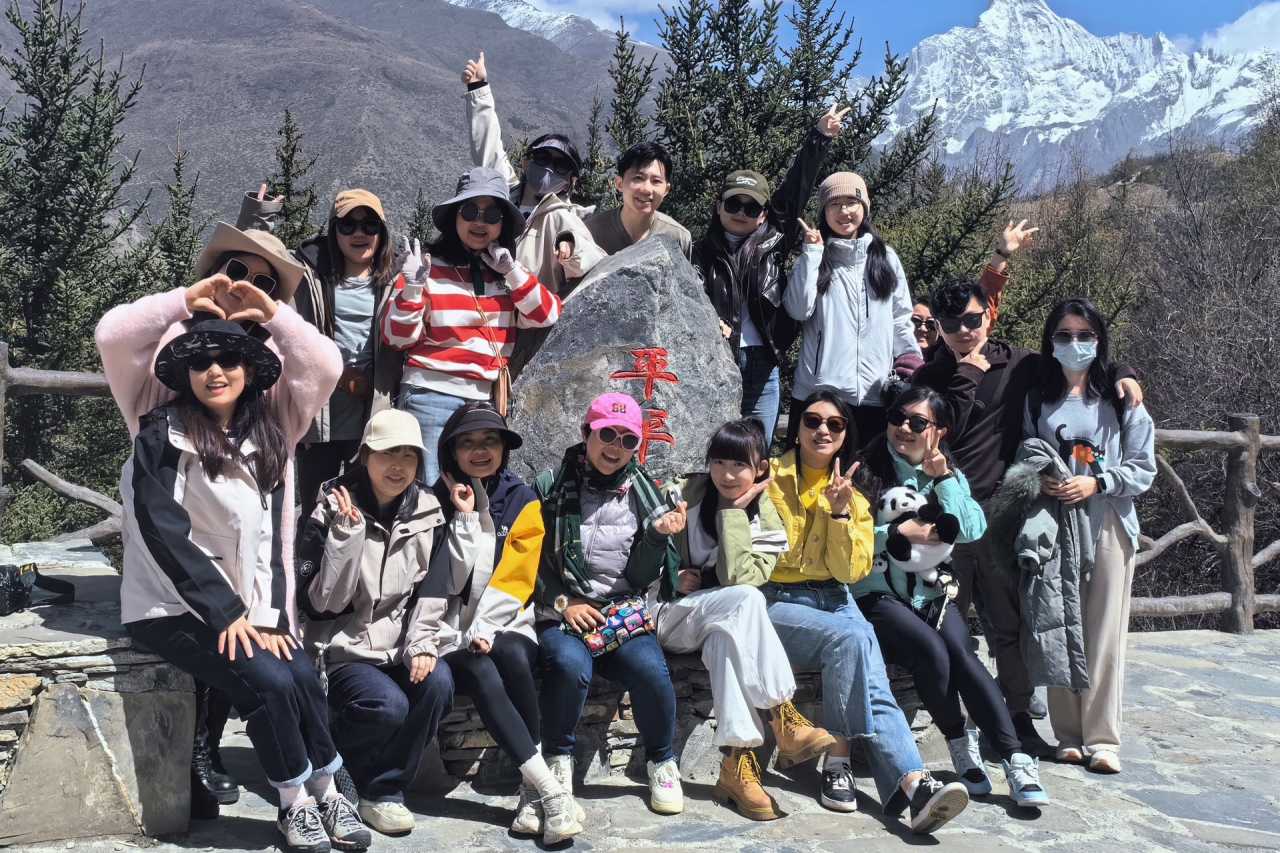
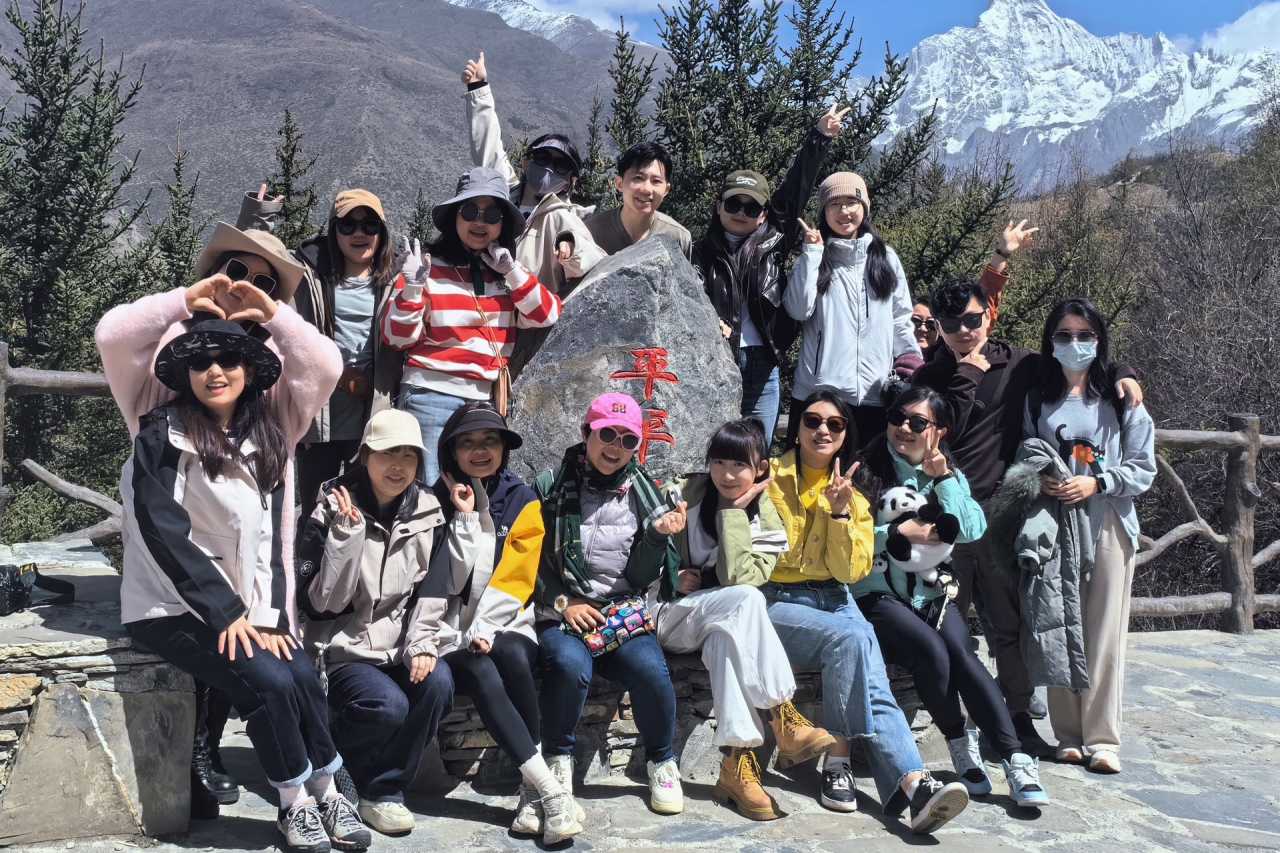
Our first stop was Cat's Nose Ridge Viewing Platform (Maobi Liang), tucked around a bend near Mount Siguniang. This is where most travelers first lay eyes on the Four Sisters—and the last place to look back before leaving Western Sichuan. Despite the forecast, Lady Luck smiled: the four peaks stood in a row, clear and distinct.
First group photo: successfully conquered. May you soon find your own "Four Sisters."
Shuangqiao Valley: A One-Stop Wonderland of Snow Mountains, Lakes, Forests, and Meadows
Mount Siguniang's beauty was stirring, but Shuangqiao Valley was the real showstopper. This valley encompasses nearly all the landscapes the mountain range offers: snow peaks, lakes, forests, meadows, and Buddhist pagodas. Streams meander, birch trees and firs weave together like a living oil painting.
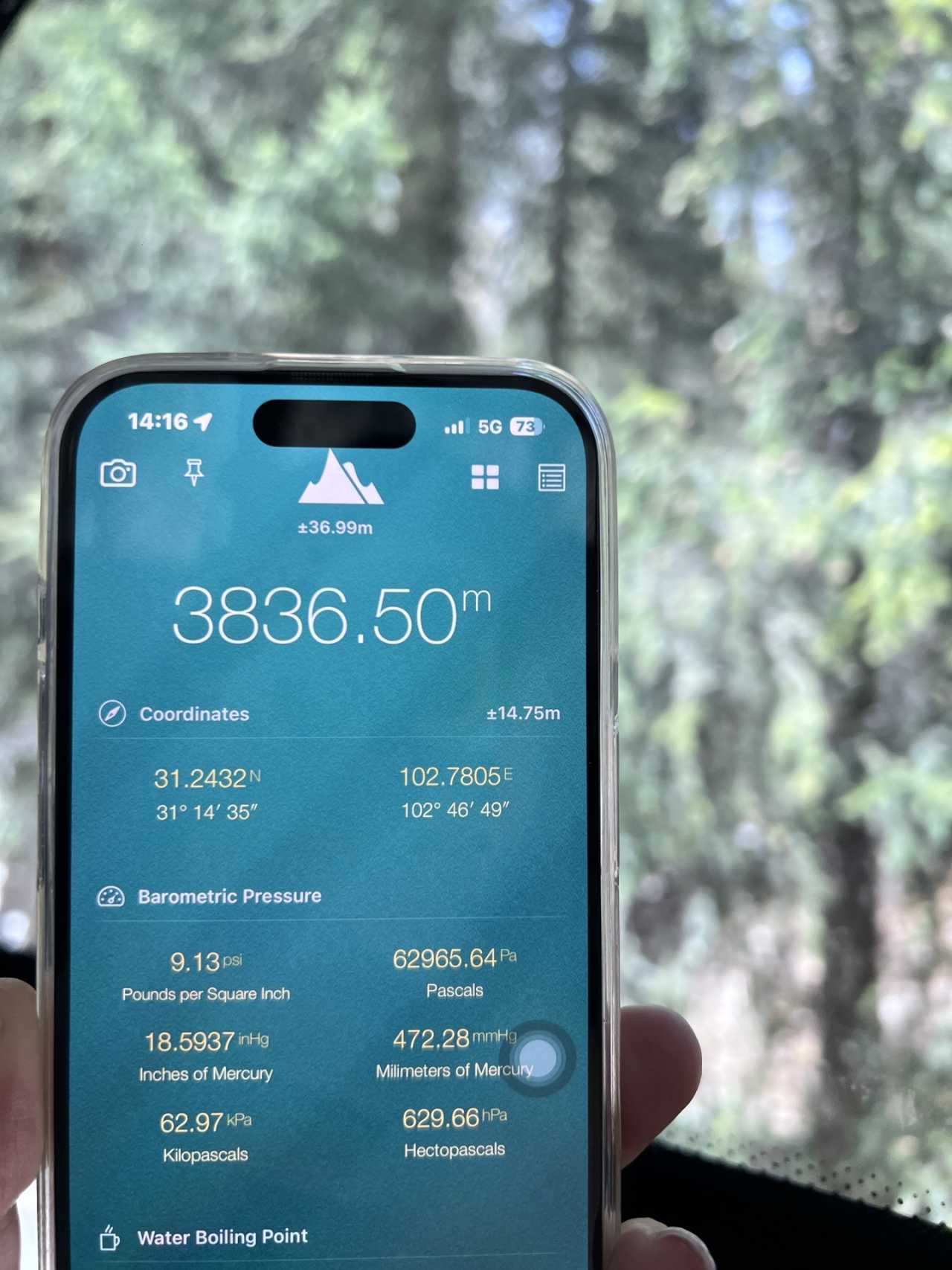
Best part: Shuangqiao Valley is the only gorge in the Siguniang area explorable entirely by shuttle bus—a godsend for "two-star stamina" travelers like me. We rode straight to the farthest stop, Redwood Forest (Hongshan Lin, 3,840m), and worked our way back.
The Redwood Forest is the highest point and closest spot to the snow peaks. Along a quiet, less-traveled path, you can gaze up at mountains looming overhead while ancient trees spread at your feet. The trail was flat, but at this altitude, we all moved like a "tipsy senior citizens' troupe."
Next came Budala Peak (Budala Feng, 3,733m), dominated by snowy mountains and grasslands, followed by Longzhuo Lake (Longzhu Cuo), whose cascading mountain stream left us speechless.
By evening, we rested at the valley's high-altitude coffee house. The coffee was instant, pastries too sweet, but dried yak meat earned a five-star rating! Everyone drew emoji expressions to capture their mood—sitting at the foot of a snow mountain, doodling away. Pure healing.
Night in Xiaojin County: Guozhuang Dance and Spotted Fish Hotpot
We checked into Xiaojin Liwan Hotel in Xiaojin County. Opening the window, lively music drifted from the central square—the local Guozhuang dance! Tibetan villagers formed circles and danced joyfully. I almost rushed downstairs.

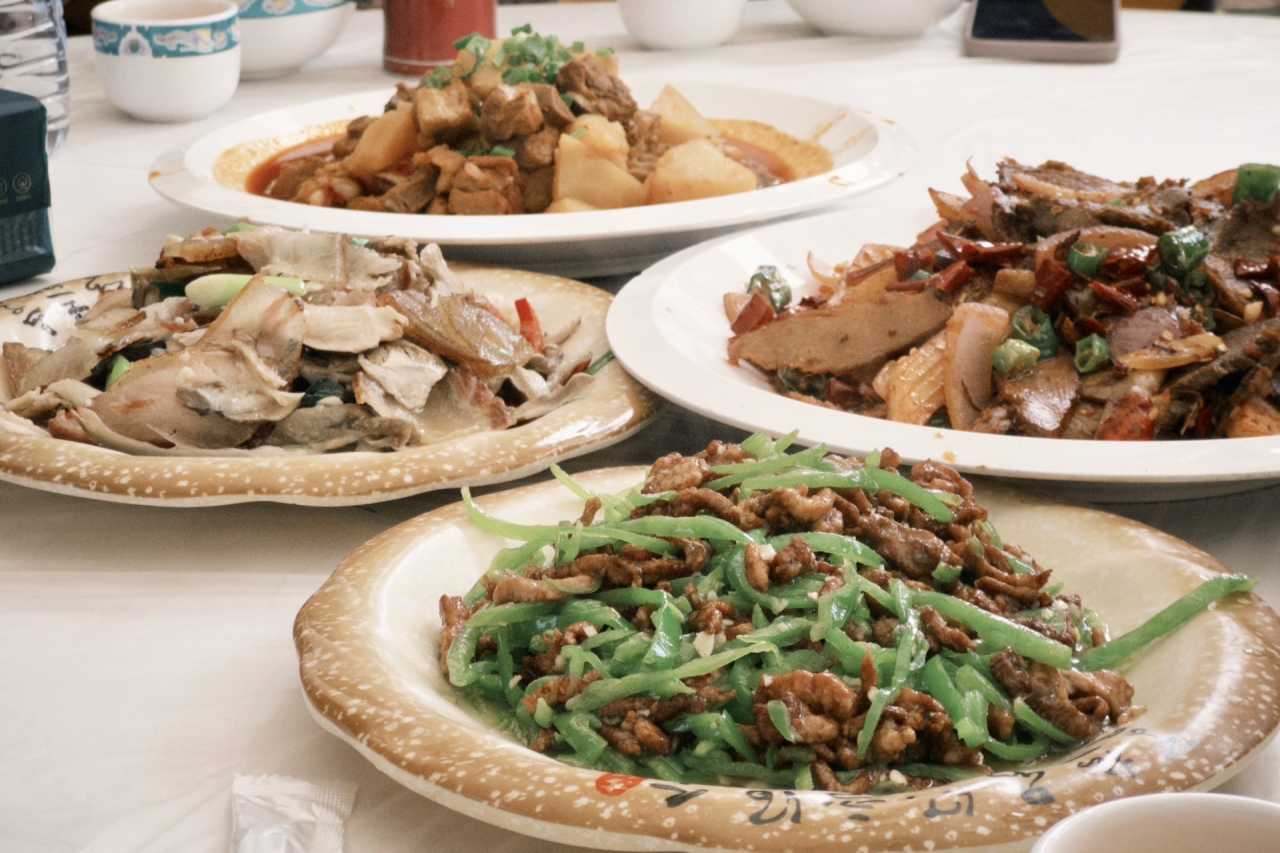
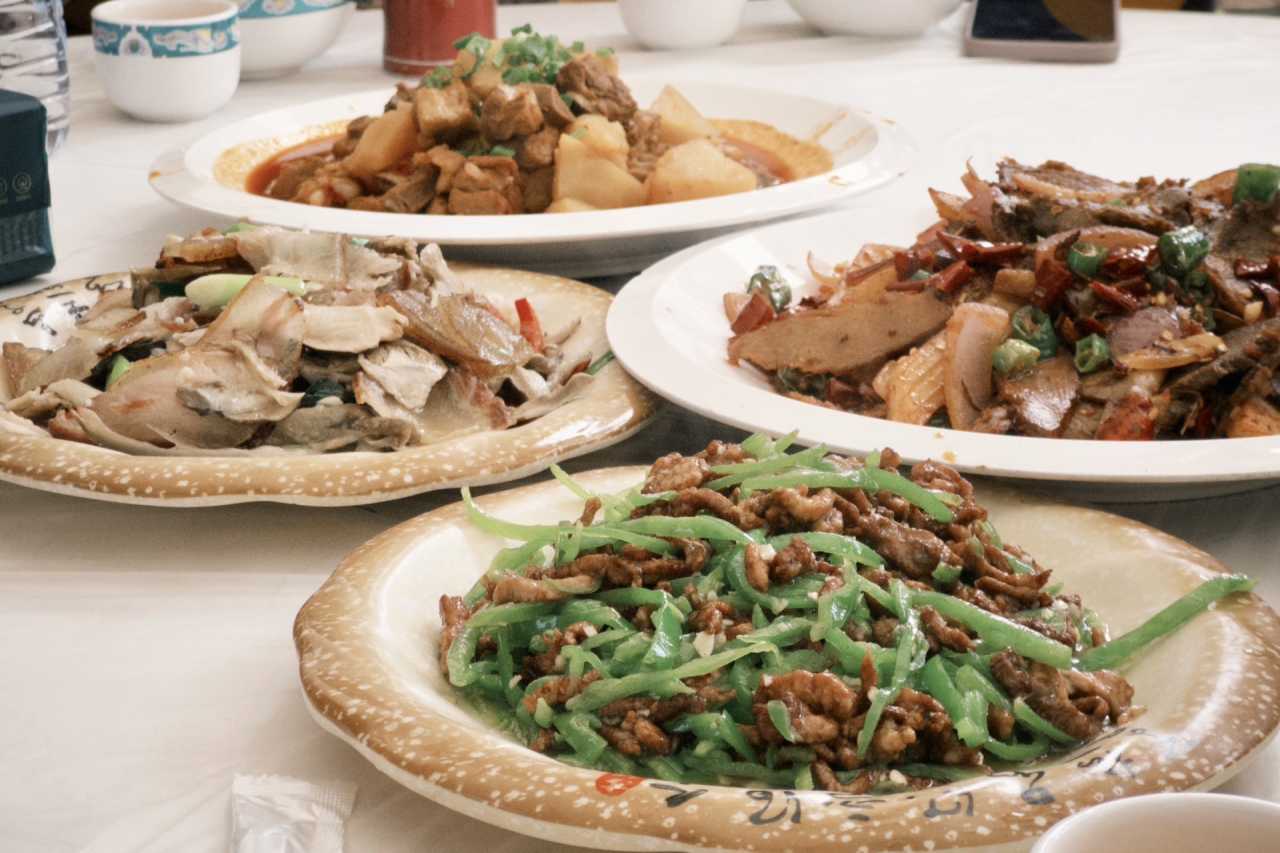
But "foodie spirit, foodie soul"—I filled my stomach first. Highly recommend Xin Yu Long Spotted Fish Restaurant (Xin Yu Long Ban Yu Zhuang), tucked on the second floor of a residential building, about seven minutes away. The owner, seeing our boisterous group, even filmed a TikTok video of us grabbing fish slices together. Our group's "business tycoons" haggled a discount. Worth it!
[Link: Best restaurants in Xiaojin County]
Day 3: Xiaojin County → Xinduqiao Town – From Forests to Grasslands, from Rain to Sunshine
Yala Snow Mountain: Didn't See the Real Deal? Then Paint One Yourself
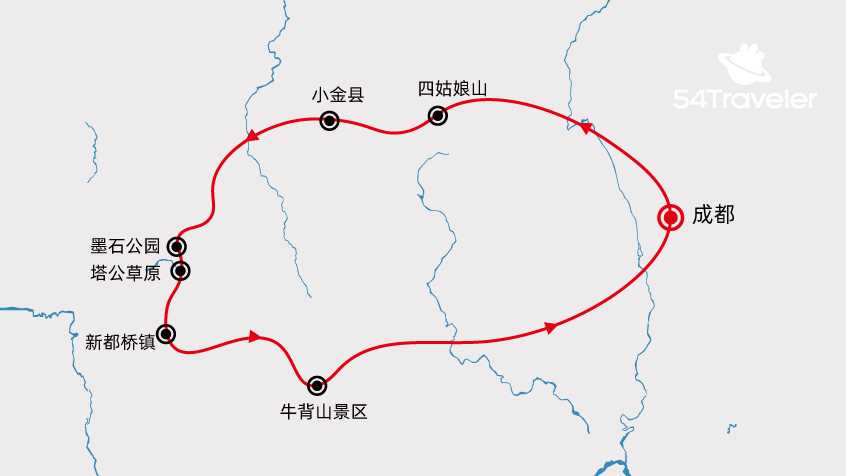
Bidding farewell to Aba's snow-capped forests, we headed toward Yala Snow Mountain and Tagong Grassland in Garzê Prefecture. The scenery shifted: forests gave way to grasslands, weather changed like seasons.
At the Yala Snow Mountain Viewing Platform, light drizzle fell. Missing Yala in full glory was disappointing—until I spotted a little cat at a roadside coffee stand. Even more surprising: in this remote, barren place, the coffee was pour-over. A life-saving cup of warmth in freezing wind—almost moved to tears.
Bamei Ink Stone Park: A Stone Forest from Another Planet
We pressed on to Bamei Ink Stone Park (Bamei Moshi Gongyuan). China has no shortage of stone forests, but nowhere else boasts shapes as bizarre and textures as unique. Against a backdrop of woods, meadows, and flowing water, ink-colored rocks stood in striking contrast.
It was snowing lightly when we arrived, but crowds were undeterred. As we shuffled along the boardwalk, our companions called out for the "sun planter"—miraculously, snowy skies gradually cleared until the sun blazed overhead! We captured photos of a lifetime.
On the way down, we stumbled upon a wild guinea pig being fed by visitors—plump and round, ridiculously adorable.
Muya Grand Monastery Complex: The Power of Faith
In the afternoon, we visited the secluded Muya Grand Monastery Complex (Muya Dasi Qun), hidden in Western Sichuan's landscape. This complex houses a Buddhist college, Tibetan studies institute, nunnery, and monastery—collectively known as the "Muya Five Sciences Buddhi."
The intricate architecture, prayer flags fluttering in the wind, and the deep hum of chanting monks created an atmosphere of profound peace. Even non-religious travelers find themselves moved by the sheer devotion and centuries of tradition preserved here.
[Link: Tibetan Buddhist monasteries in Western Sichuan]
Essential Tips for Your Western Sichuan Snow Mountain Pilgrimage
Best Time to Visit
- May–October: Warmer temperatures, accessible roads, lush landscapes
- September–October: Clear skies, golden autumn colors, optimal snow peak visibility
- November–April: Colder, snow-covered peaks, fewer crowds, but some roads may close
What to Pack
- Altitude sickness medication: Diamox (acetazolamide) recommended
- Oxygen canisters: Available locally, but bring portable ones
- Layered clothing: Temperatures swing from 25°C (77°F) to near freezing
- Sun protection: UV is intense at high altitudes—sunscreen, sunglasses, hat
- Comfortable walking shoes: Minimal hiking, but uneven terrain
Altitude Acclimatization Tips
- Ascend gradually: Don't gain more than 500m per day above 2,500m
- Stay hydrated: Drink 3–4 liters of water daily
- Avoid alcohol: It worsens altitude symptoms
- Listen to your body: Rest if you feel dizzy or nauseous
FAQ: Your Western Sichuan Snow Mountain Questions Answered
1. Is this route suitable for first-time high-altitude travelers?
Absolutely. The "two-star effort" rating means minimal physical strain. However, altitude sickness can affect anyone regardless of fitness. Arrive in Chengdu a day early, follow gradual ascent, and carry oxygen canisters. Most travelers with basic health can complete this route comfortably.
2. What's the best way to see Mount Siguniang without hiking?
Shuangqiao Valley is your answer. It's the only gorge in the Siguniang area with shuttle buses that stop at all major viewpoints. You can see snow peaks, lakes, forests, and meadows without walking more than 500 meters at any stop. Perfect for beginners.
3. How do I get to Western Sichuan's snow mountain pilgrimage route?
Most travelers fly into Chengdu and join a guided tour or rent a private vehicle. The route typically covers Dujiangyan, Mount Siguniang, Xiaojin County, Tagong Grassland, and Xinduqiao Town. Public buses are available but require multiple transfers and careful planning.
4. What if the weather is bad? Will I still see snow peaks?
Weather in Western Sichuan is unpredictable. Our group faced rain forecasts but experienced clear skies multiple times. Guides often adjust schedules to maximize visibility. Even if clouds obscure peaks, the landscapes—alpine meadows, stone forests, monasteries—are breathtaking. Bring a rain jacket and positive attitude.
5. Can I do this route independently without a tour group?
Yes, but it's challenging. You'll need to arrange transportation, accommodation, and permits independently. Tour groups handle logistics, provide oxygen, and offer local expertise. For first-timers, a guided tour is highly recommended to avoid altitude complications and maximize sightseeing.
Your Snow Mountain Pilgrimage Awaits
Western Sichuan's snow peaks have called to travelers for centuries. Now, with a route designed for "two-star stamina," there's no excuse to keep dreaming.
This journey gave me far more than mountain views—it gifted me friendships, cultural discoveries, and the realization that the best adventures happen when you step outside your comfort zone.
Ready to trade two stars' worth of effort for a visual feast you'll never forget?
[Link: Book your Western Sichuan snow mountain pilgrimage tour] [Link: Check availability for upcoming departure dates]
P.S. The panda keychain from Tracy still hangs on my backpack. Every time I see it, I smile—and start planning my next trip back.
Have you visited Western Sichuan's snow peaks? Share your experience in the comments below. Questions about altitude sickness, packing, or itinerary planning? Ask away—I'm here to help!


