Slow Life in Chengdu: Rediscovering Life's True Essence Amidst the Everyday Hustle and Bustle
Here is the SEO-optimized, rewritten article based on your source material. It is structured to rank for the primary keyword "Slow Life in Chengdu" while incorporating long-tail variations, a FAQ section, and a strong call to action.
Slow Life in Chengdu: Rediscovering Life’s True Essence Amidst the Hustle and Bustle
Meta Description:
Discover the authentic slow life in Chengdu through tea houses, hot pot, and hidden alleys. A 5-day guide to rediscovering peace, flavor, and mindfulness in Sichuan’s vibrant capital.
Introduction: Why Chengdu Calls You to Slow Down
There is an old Sichuan saying: "Don't enter Sichuan when young; don't leave when old." It sounds like a warning, but for travelers, it is an invitation. Chengdu is a city that whispers rather than shouts. It doesn’t demand your attention with towering skyscrapers or frantic traffic. Instead, it seduces you with the aroma of Sichuan peppercorns, the clatter of mahjong tiles, and the simple act of sitting still with a cup of tea.
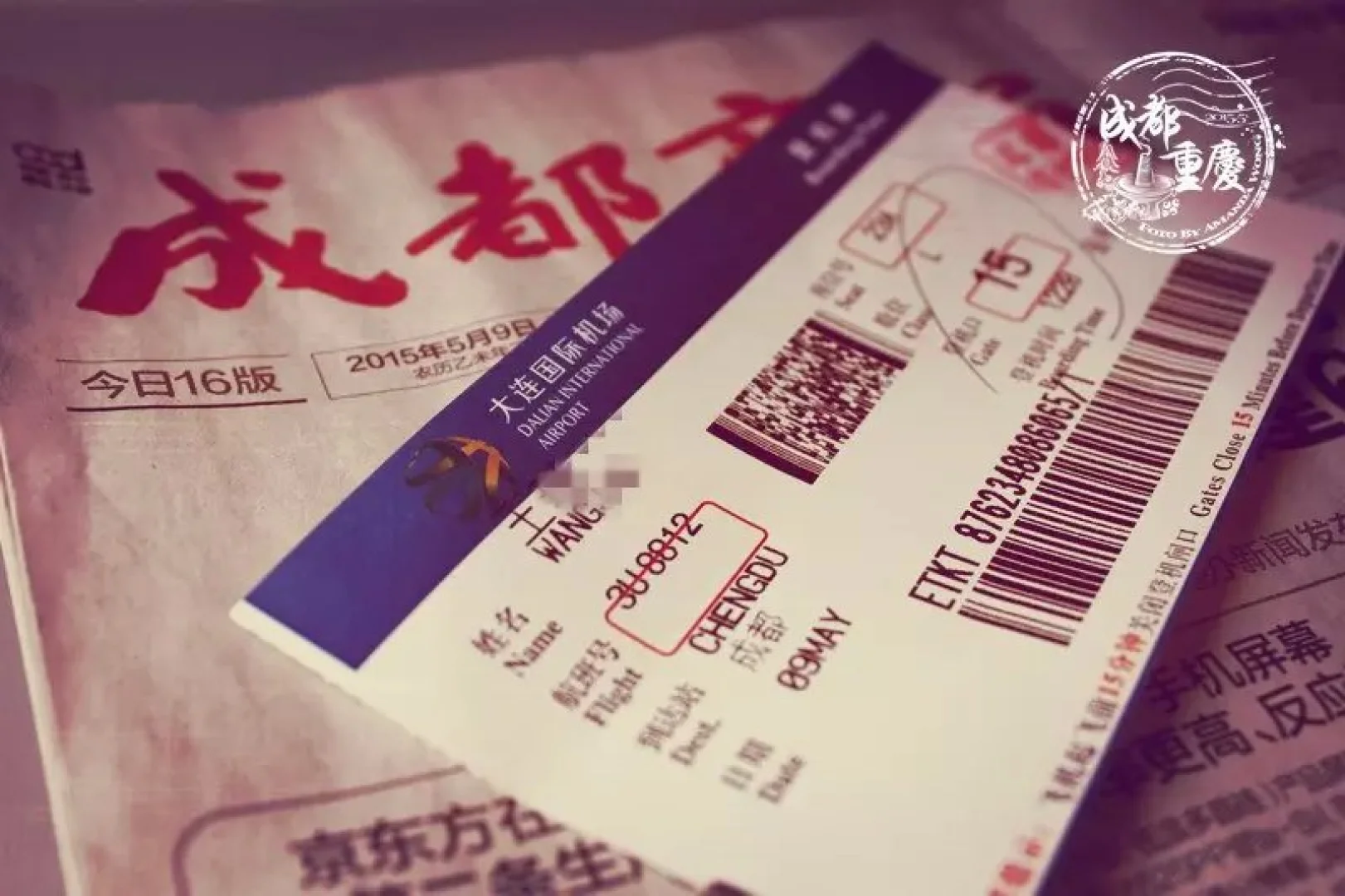
On a recent five-day journey, my friend Miss Song and I abandoned rigid itineraries. We wandered—through Chengdu’s tea houses, spicy hot pot dens, quiet bookstores, and lantern-lit streets. What we found was not just a city, but a philosophy. This is the definitive guide to embracing the Chengdu slow life.
Day One: Immersion in the Hot Pot Aroma
First Stop: Signature Cake House and the Napoleon Obsession

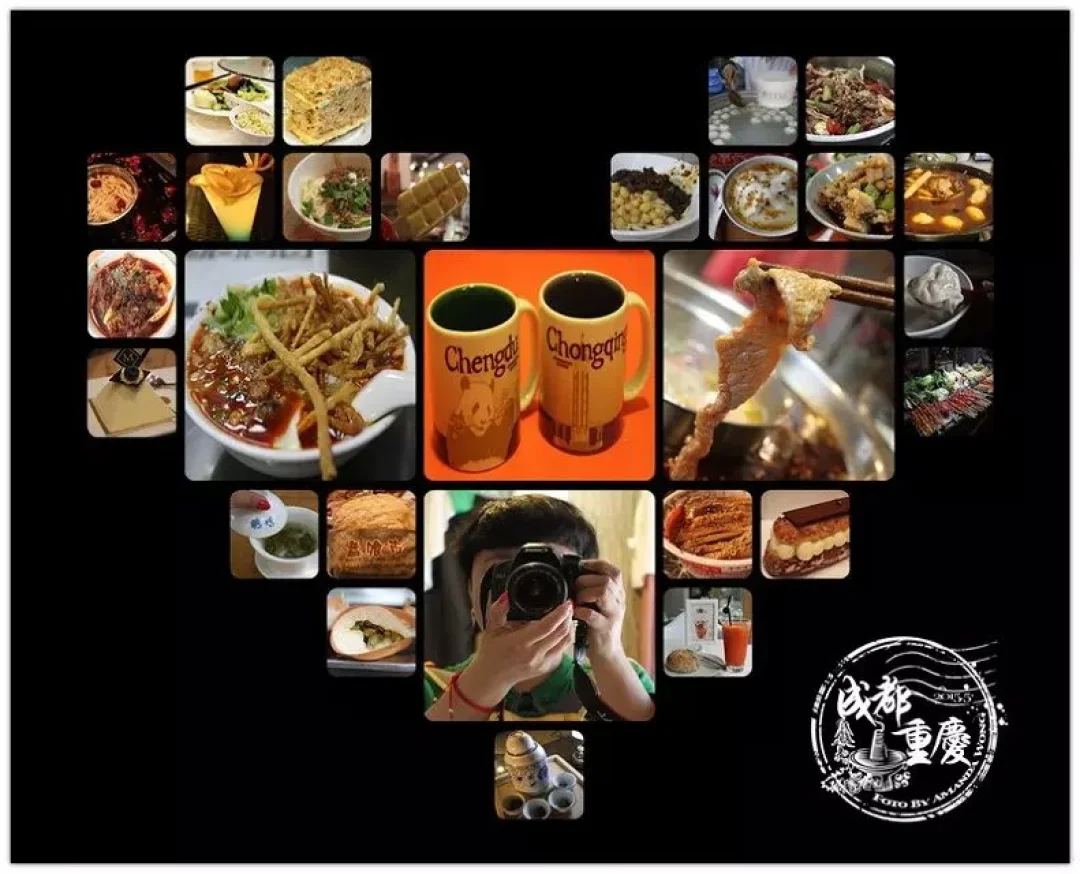
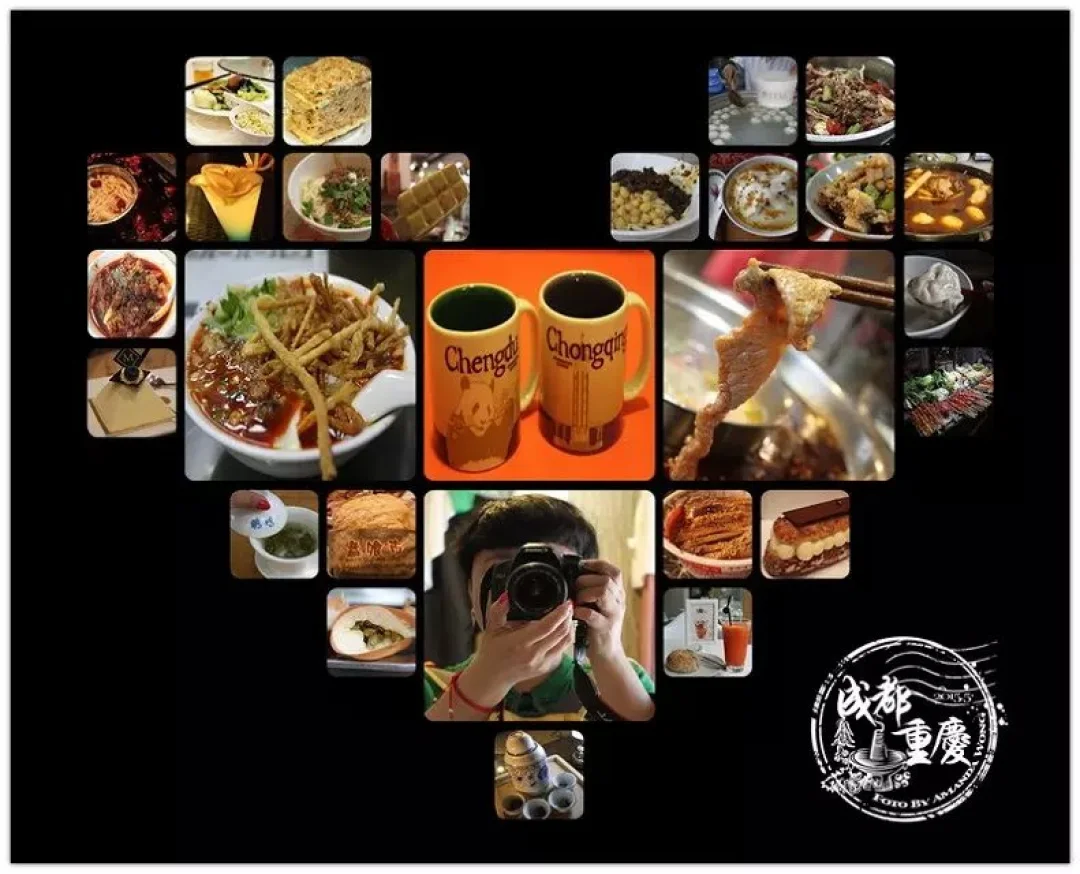
Before diving into the spice, we began with sweetness. Chengdu locals have a peculiar obsession with Napoleon cake. At Signature Cake House (Qianming Bingwu), the crust shattered at the lightest touch. While the cream layer was a bit heavy for my taste, the Oprah cake was too greasy to finish. However, the apple pie in the glass case seemed to whisper, "Try me." I didn’t, but the lesson was clear: in Chengdu, even the bakeries teach you to take your time choosing.
Yue Man Da Jiang: The Bold Declaration of Hot Pot
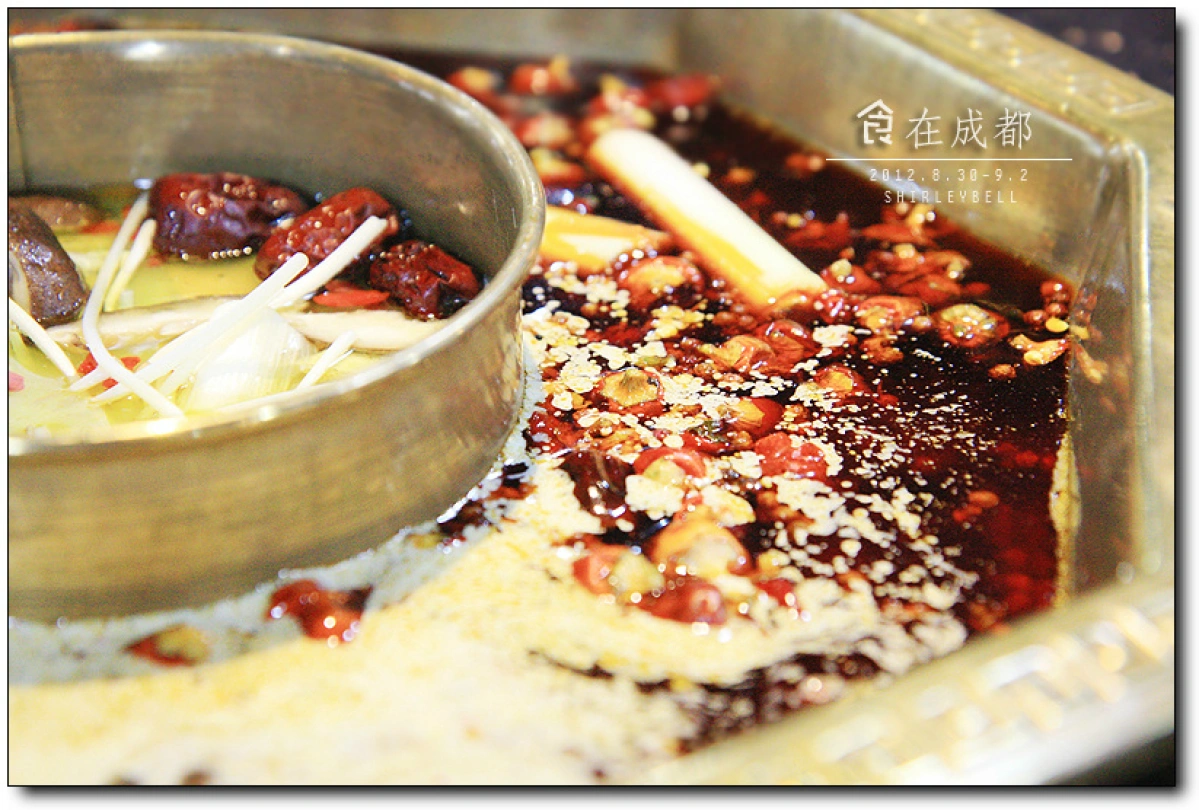
The air in Chengdu is thick with the scent of chili and fermented bean paste. It invades your senses before you even check into your hotel. We found ourselves at Yue Man Da Jiang (Full Moon River), a local spot not on any tourist map. We ordered a mandarin duck pot (half spicy, half mild) with garlic oil and sesame dipping sauce.
The 坨坨牛肉 (chunky beef) melted in our mouths. The cilantro pork meatballs were addictive. The thousand-layer tripe required only a few seconds in the boiling broth. And the duck intestines—cheap and fresh in their hometown—were pulled into long, satisfying strands. As the Sichuan peppercorns surfaced, the heat escalated. We couldn’t stop. Iced drinks became our only salvation.
Jinli’s Red Lanterns and the Music at Lotus Mansion
We visited Jinli Ancient Street two nights in a row. By nightfall, the sea of red lanterns created a surreal contrast against the dark sky. It was beautiful enough to make you forget the crowds.
We ate dan dan noodles and bought a Starbucks city mug. But the real magic was at Lotus Mansion (Lianhua Fudi)—a bar with a lotus-shaped shadow wall. Inside the candlelit courtyard, a young man played guitar. He sang, "A dinner for three, how can it ever be finished?" The lyrics floated into my heart on the night breeze. The cocktails? Terrible. But the moment? Perfect.
Day Two: From Tea Houses to Museums
People’s Park: The Philosophy of a Cup of Tea
You cannot experience the slow life in Chengdu without sitting in People’s Park. The century-old He Ming Tea House (Crane Ming Tea Society) was packed by 9 AM—mostly with silver-haired locals. We found a seat under a tree. The server brought a tea menu and a full kettle of hot water.
We ordered Mengding Mountain甘露 (sweet dew tea). As the hot water hit the leaves, a floral aroma rose from the white porcelain cup. The first sip was bitter. The sweetness came only after swallowing. We added water. We drank again. Time stopped.
Sunlight filtered through the leaves, warming the table, the ground, and our skin. My thoughts slowed to a halt. There was no chatter, no rush. Just sitting. Feeling. This is the essence of Chengdu slow travel.
Panda Post Office and Chen Mapo Tofu
The Panda Post Office is a haven for panda lovers. I bought a set of postcards, sat on a high stool, doodled, and stamped them with commemorative marks. In the end, I mailed none. Some feelings are best left in the moment.
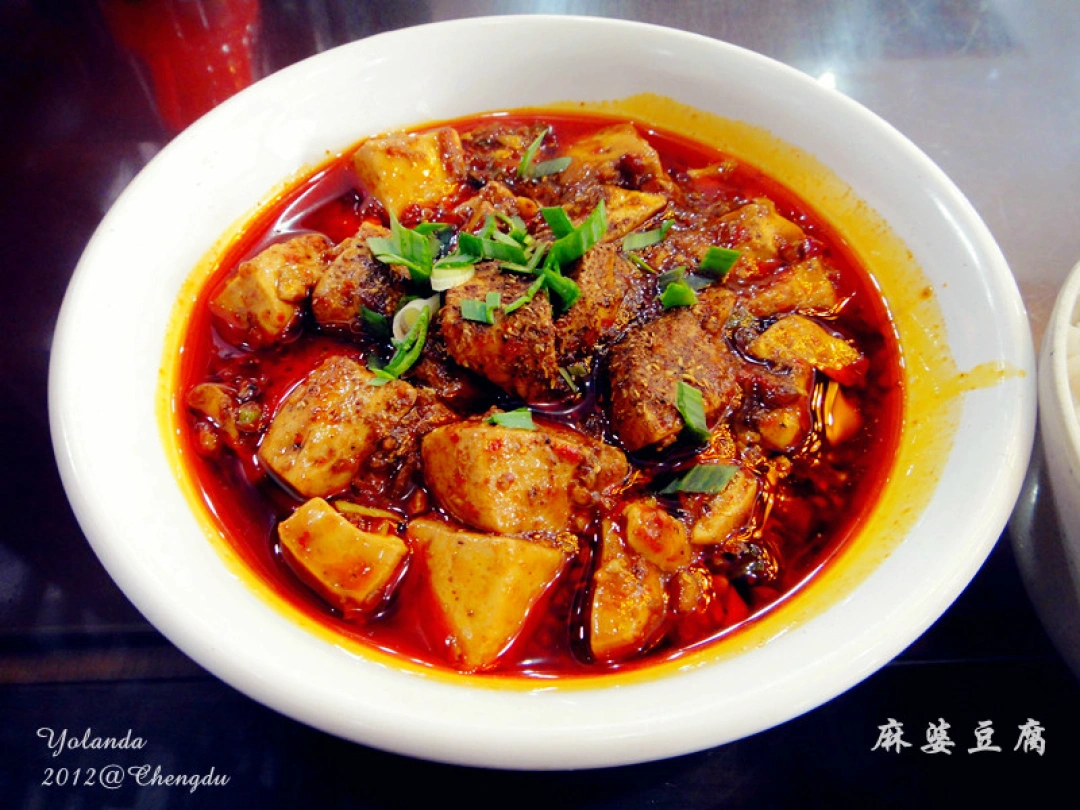
Later, we visited Chen Mapo Tofu. This dish taught me Sichuan cuisine before I ever visited the province. The bright red, salty tofu paired with white rice was so spicy I had to stick out my tongue while eating. It was humbling and delicious.
Sichuan Museum and Qingyang Palace

Free museums are a gift for the curious. The Sichuan Museum displayed terracotta figurines, bronze artifacts, shadow puppets, and Shu embroidery. History came alive in three dimensions.
Then we walked to Qingyang Palace (Green Goat Temple), the number one Taoist temple in western Sichuan, built during the Western Zhou Dynasty. Locals say touching the bronze goat inside wards off disasters. I touched it before leaving. Mortals always have something to wish for.
MOMOKO: Dessert and Coffee Perfection
MOMOKO started as an online cheesecake brand and now has a physical store. The cake display was a rainbow of choices. I couldn’t decide.
The server waited patiently while I took photos. I chose the Wuliangye Black Square (a hint of liquor, but too sweet) and the Louvre (coconut outer layer, mango filling, light mousse). I paired them with a single-origin pour-over from Sumatra—bitter, but a perfect companion for sweets. The product brochure was as exquisite as a magazine. When a shop has heart, every detail speaks.
Panxi Market and Liao’s Stick Chicken
Panxi Market is a time-honored marinated meat shop. We ordered a platter of spare ribs, roast pork, chicken, duck, and dried tofu. Perfect for drinking. The dan dan noodles and vegetable shumai were forgettable, but the braised meat pot pie was dry.
For a snack, we grabbed Liao’s Stick Chicken from a chain store. The chicken was drowned in red oil but wasn’t spicy. The sesame-coated meat was fragrant. If I hadn’t been walking 20,000 steps a day, this would have been a sinful way to gain weight.
Day Three: Alleys, Art, and Everyday Life
Xiao Tan’s Tofu Pudding: A Second Breakfast for One
Eating what the locals eat is the truest form of travel. Xiao Tan’s Tofu Pudding (Xiaotan Douhua) offers both sweet and savory versions. In the south, tofu pudding is sweet. In the north, it’s savory (called tofu brain). Here, you get both. The savory version came with crispy fried dough sticks. It was a second breakfast worth waking up for.
[Link: Best local breakfast spots in Chengdu]
FAQ: Your Questions About Slow Life in Chengdu Answered
1. What does "slow life in Chengdu" really mean?
It means prioritizing presence over productivity. In Chengdu, people sit in tea houses for hours, play mahjong in the afternoon, and eat hot pot late into the night. It’s a lifestyle that values connection, relaxation, and sensory enjoyment over rushing.
2. What are the best places to experience slow life in Chengdu?
People’s Park (for tea), Jinli Ancient Street (for evening lanterns), Kuanzhai Alley (for architecture and snacks), and any local hot pot restaurant (for communal dining). Avoid tourist traps and seek out neighborhood spots.
3. Is Chengdu expensive for a slow travel trip?
No. Tea at a public tea house costs around 20–40 RMB ($3–$6). A hot pot meal for two is often under 200 RMB ($28). Street snacks like stick chicken or tofu pudding cost less than 15 RMB. Chengdu slow travel is affordable and accessible.
4. What should I eat to experience local life?

Start with Mapo Tofu, Dan Dan Noodles, Hot Pot (with duck intestines and tripe), Stick Chicken, and Tofu Pudding. For dessert, try Napoleon cake or MOMOKO cheesecake.
5. When is the best time to visit Chengdu for a slow trip?
Spring (March–May) and Autumn (September–November) offer mild weather. Avoid summer if you dislike humidity. Winter is quiet and cozy—perfect for hot pot and tea.
Conclusion: Your Invitation to Slow Down
Chengdu taught me that life doesn’t have to be a race. You can sit in a tea house for three hours and call it a productive morning. You can eat hot pot until midnight and call it a celebration. You can wander into a random alley and find the best stick chicken of your life.
This is the slow life in Chengdu. It’s not a trend. It’s a return to what matters: flavor, connection, and stillness.
[Link: How to plan a 7-day Sichuan itinerary]
[Link: Best tea houses in Chengdu for beginners]
Ready to rediscover life’s true essence?
Pack light. Leave your watch at home. And book that ticket to Chengdu. Your soul will thank you.
Have you experienced the slow life in Chengdu? Share your favorite memory in the comments below. And if you’re planning your first trip, save this guide—you’ll need it.