Six Days in Chengdu: A Traveler's Guide to Spice, Pandas, and Ancient Wonders
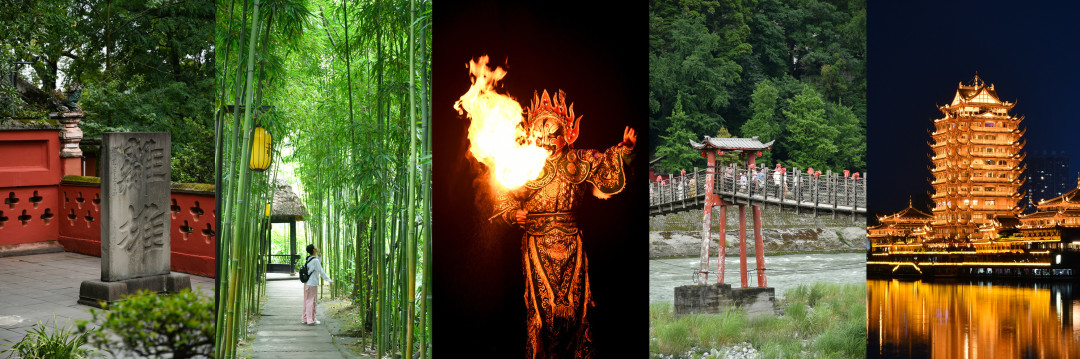
Meta Description: Discover Chengdu in 6 days with this SEO-optimized travel guide. From spicy Sichuan cuisine and panda encounters to ancient Dujiangyan and Sanxingdui, explore the city's twists and treasures.
Introduction: When Travel's Twists Become the Most Beautiful Prelude
"Do they eat spicy food in Chengdu?" — I was asked this question no fewer than ten times before I left. As a native Southerner, my understanding of spice was limited to that jar of Laoganma chili sauce on the supermarket shelf. Yet fate seemed determined, from the very start, to give me, a non-spice-eater, a proper initiation.
My flight was suddenly canceled. I was caught in a torrential downpour the night I arrived. All my carefully laid plans were thrown into chaos. These seemingly inauspicious beginnings, however, unexpectedly allowed me to touch the city's truest warmth. Just as every detour in life is a setup for a better reunion — the dart's separation from the target is merely a prelude to a more precise rendezvous.
This Chengdu travel guide will take you through six days of unexpected adventures, cultural discoveries, and unforgettable experiences. Whether you're planning your first trip or returning for more, this itinerary offers practical tips and insider knowledge for exploring China's panda capital.
Planning Your Chengdu Trip: Essential Travel Tips
Best Time to Visit Chengdu
Chengdu enjoys a mild subtropical climate, making it a year-round destination. However, spring (March–May) and autumn (September–November) offer the most comfortable temperatures and fewer rainy days. Avoid the summer monsoon season (June–August) if you prefer outdoor activities like panda viewing and mountain hikes.
Getting to Chengdu
Chengdu is served by two major airports: Tianfu International Airport (TFU) and Shuangliu International Airport (CTU) . Tianfu is the newer and larger hub, while Shuangliu is closer to the city center. From Tianfu Airport to Chunxi Road, you have two excellent options:
- Metro Line 18 → Transfer to Line 1 → Then Line 2 or 3
- Chengdu Airport Bus Express Line 1 (15 yuan per person, ~1 hour 20 minutes, no transfers)
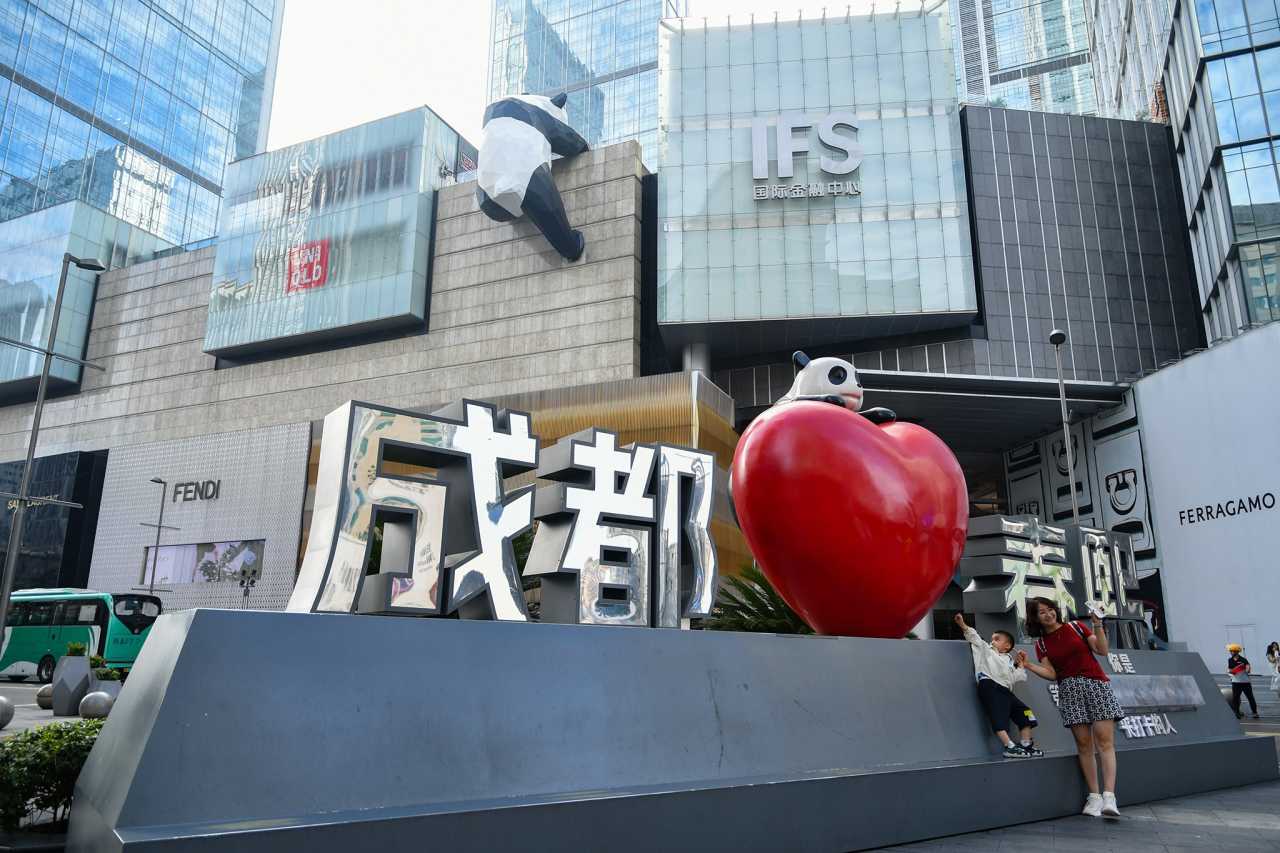
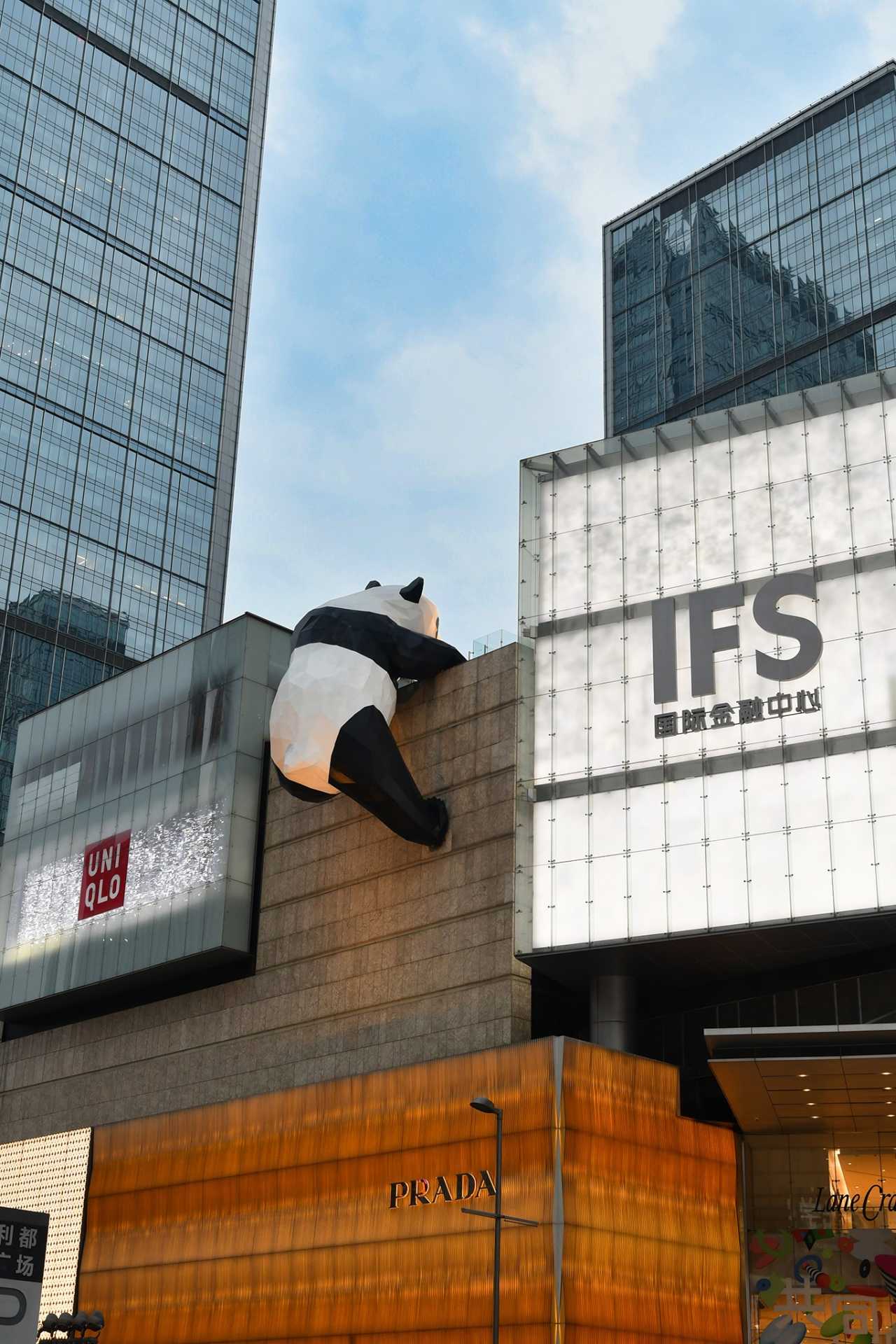
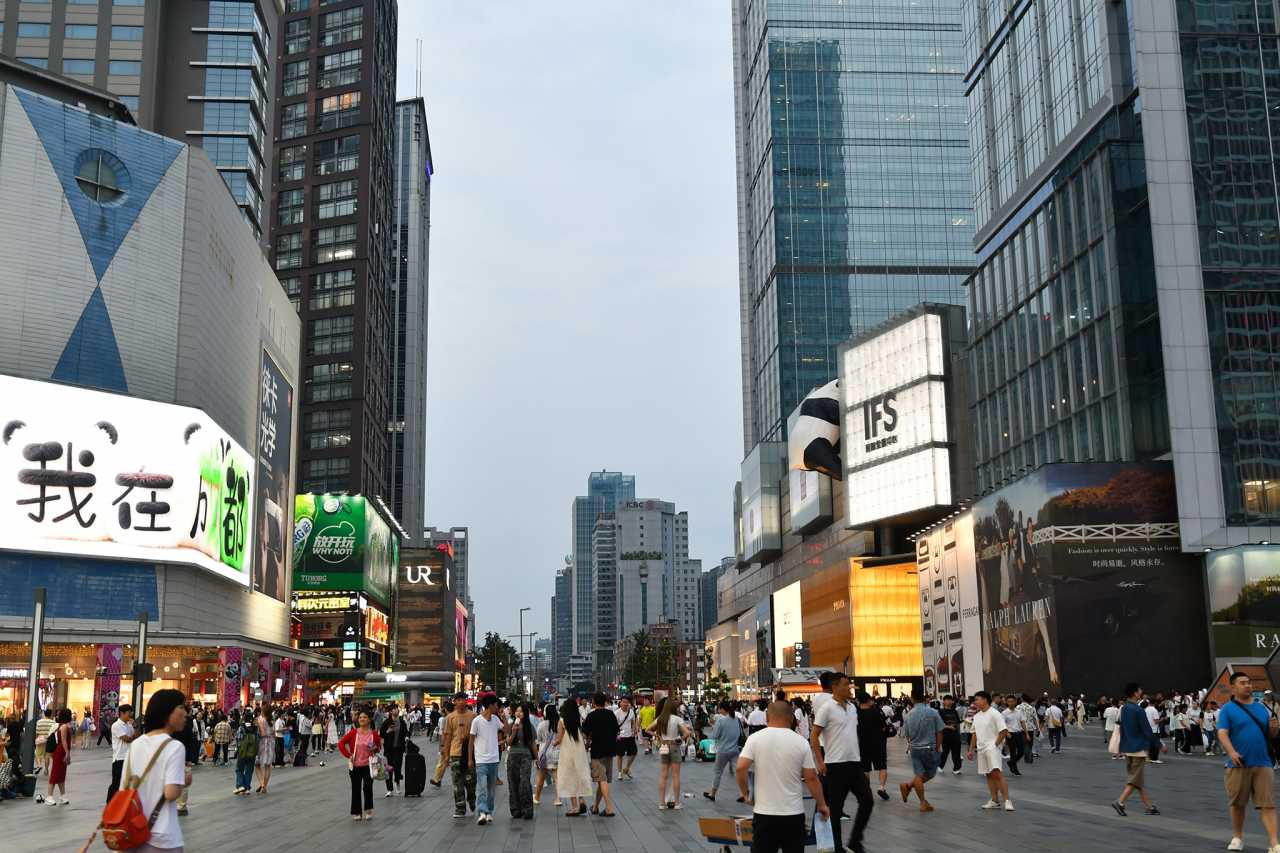
Pro tip: The airport bus drops you directly beneath the iconic climbing panda sculpture on the IFS building — a perfect photo opportunity to start your trip.
Where to Stay in Chengdu
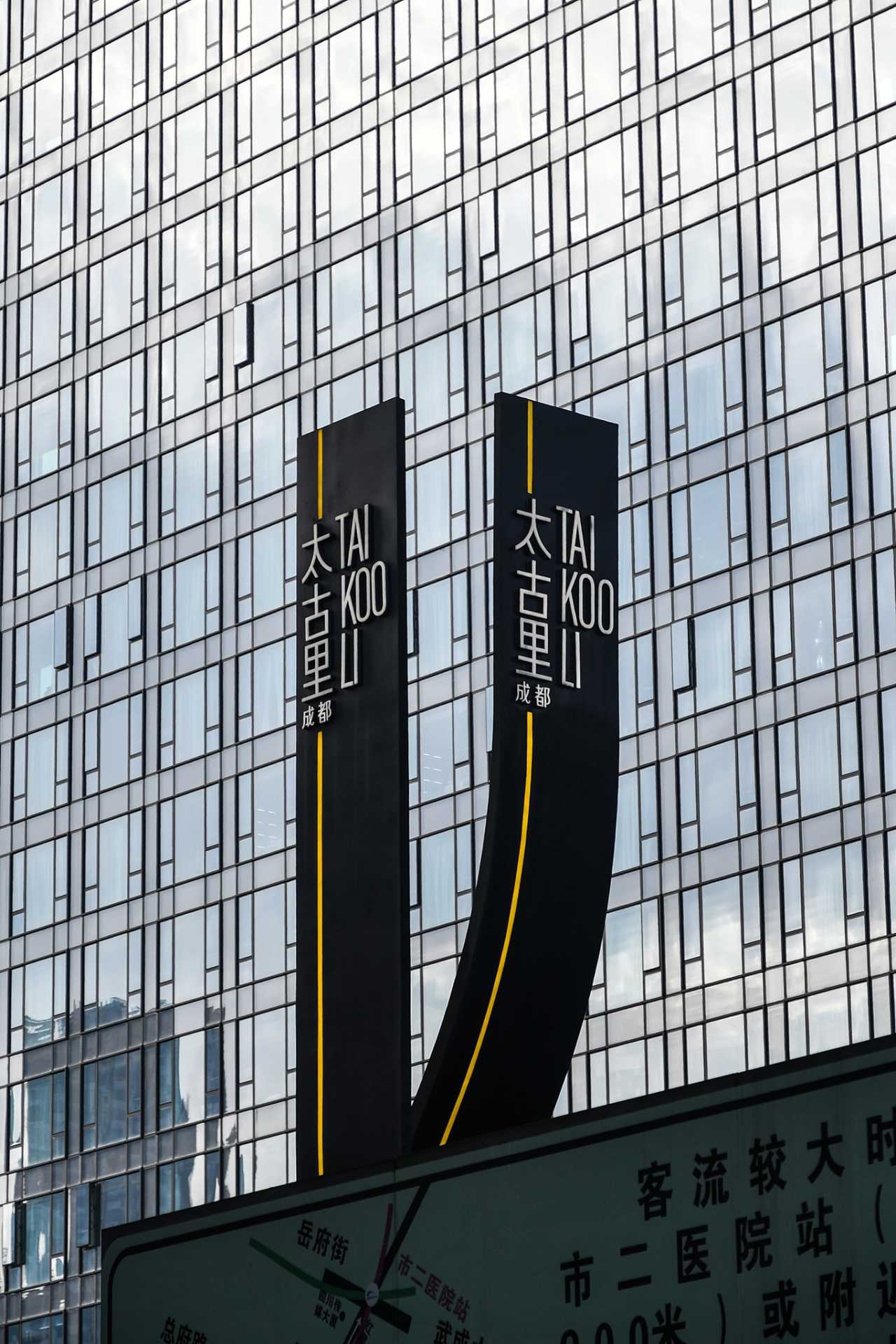
For first-time visitors, Chunxi Road is the ideal base. This bustling commercial district offers: - Direct metro access to most attractions - Sightseeing buses from IFS for destinations beyond metro reach - Endless dining, shopping, and accommodation options
Day 1: Chunxi Road & Anshun Bridge Corridor
Chunxi Road: "The Multitude Enjoying the Great Feast"

Originally named "Senwei Road," Chunxi Road was renamed using a phrase from the Tao Te Ching: "The multitude enjoy the great feast." Its current bustling prosperity truly lives up to this name. Food, accommodation, and transport — everything you need is here.
The climbing panda on the IFS International Finance Center is the undisputed highlight. Some people watch its climbing posture from afar, others get close to see its rear, and still others take the elevator inside IFS to the seventh-floor terrace, queuing for a glimpse of its face. This panda has become an iconic landmark of Chengdu; almost everyone comes to Chunxi Road for it.
In Chengdu, panda elements are everywhere. On street-side screens, shop signs, and bus bodies, panda merchandise is ubiquitous. This city's love for pandas runs bone-deep.
Anshun Bridge Corridor: A Place Even Marco Polo Visited
After dinner, walk to the Anshun Bridge Corridor. As the evening lights come on, the shops lining the streets stand in close array, their layered, glowing signs showcasing Chengdu's liveliness and prosperity. Hotpot, maocai (a Sichuan-style boiled dish), and Sichuan restaurants — all kinds of eateries vie for customers in different ways.
The Anshun Bridge Corridor is located at the confluence of the Fu River and the Nan River, about two kilometers from Chunxi Road. This bridge has a long history, with its original structure dating back to the Yuan Dynasty. The Travels of Marco Polo records: "There is a great river that passes through this great city... On the river there is a great bridge, built of stone, eight paces wide and half a mile long." Scholars believe the bridge Marco Polo described was the Yuan Dynasty Anshun Bridge Corridor.
Note: Many online articles mistakenly identify this location as Jiuyan Bridge. The actual Jiuyan Bridge is one kilometer southeast of the corridor.
Day 2: Chengdu Museum & Sichuan Opera
Chengdu Museum: The Gilt Fragrance Pouch I Can't Forget
When my original plan to visit Panda Valley was washed out by a torrential downpour, I pivoted to indoor attractions. The Chengdu Museum proved to be a serendipitous choice.
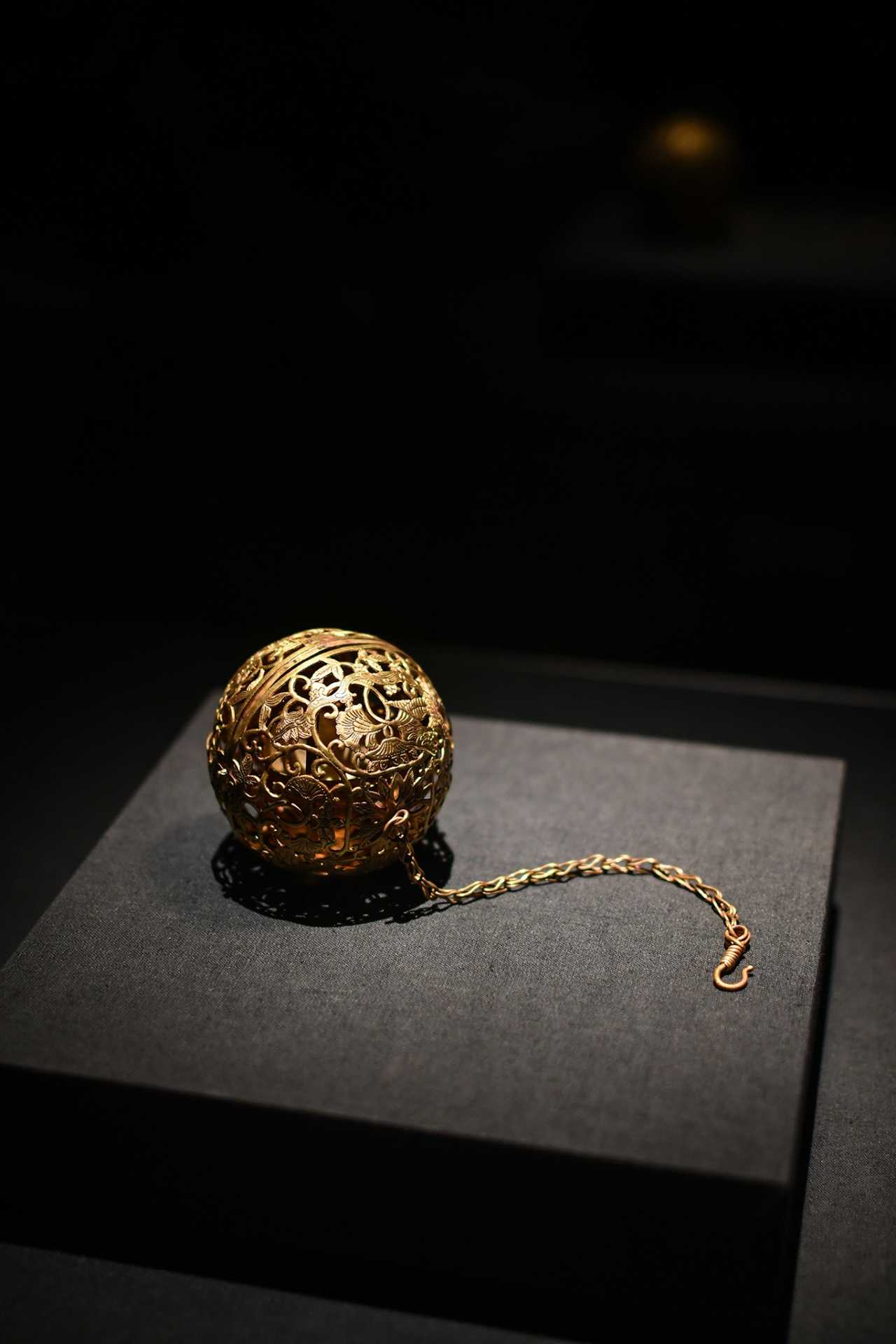
Located in the heart of the city, this museum offers a comprehensive overview of Chengdu's 3,000-year history, from the ancient Shu civilization to modern times. The highlight for me was the gilt fragrance pouch — a delicate artifact that embodies the artistry of ancient Chengdu.
Exhibits not to miss: - Ancient Shu bronzes and jade artifacts - Han Dynasty pottery and tomb relics - Tang and Song Dynasty ceramics - Modern Chengdu cultural exhibits
Location: Near Tianfu Square Admission: Free (advance booking recommended) Time required: 2–3 hours
Furong National Essence: Sichuan Opera Experience
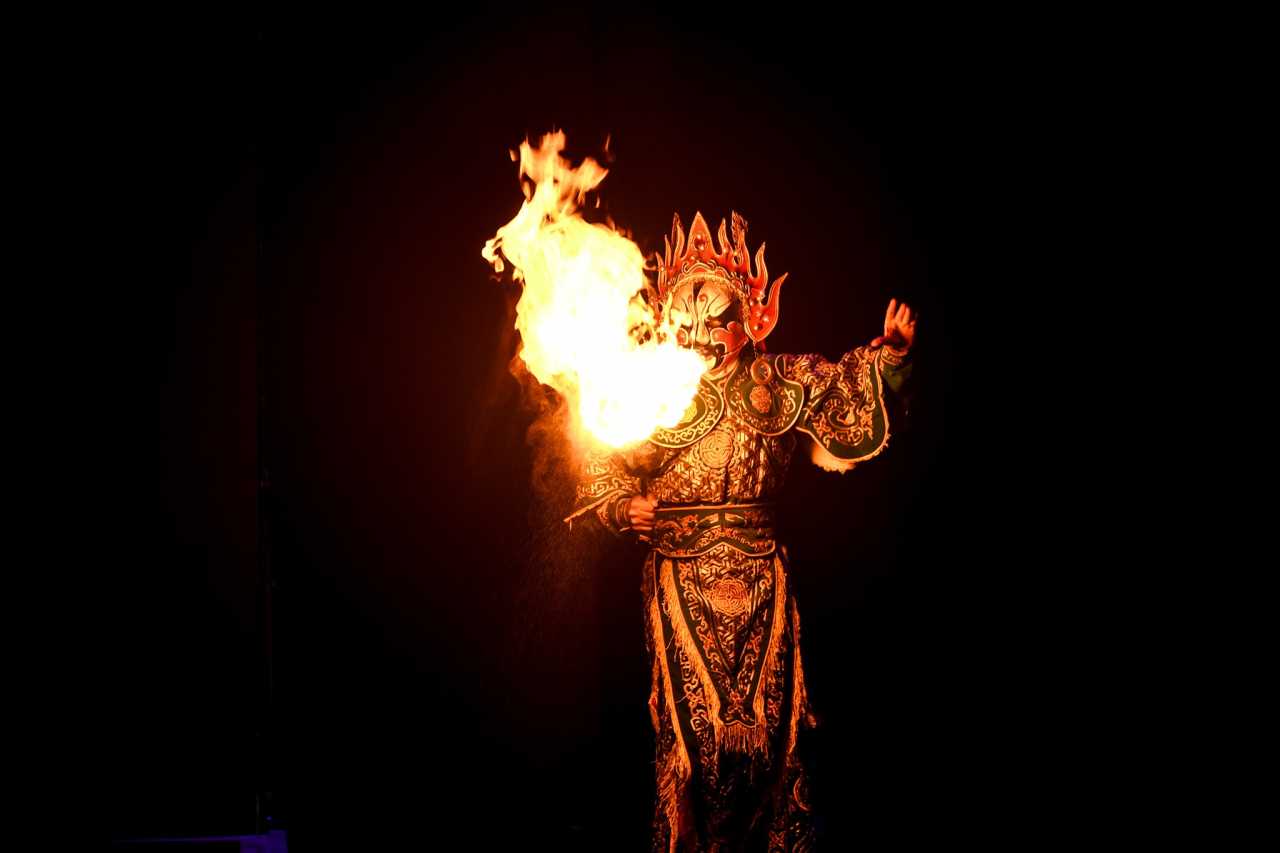
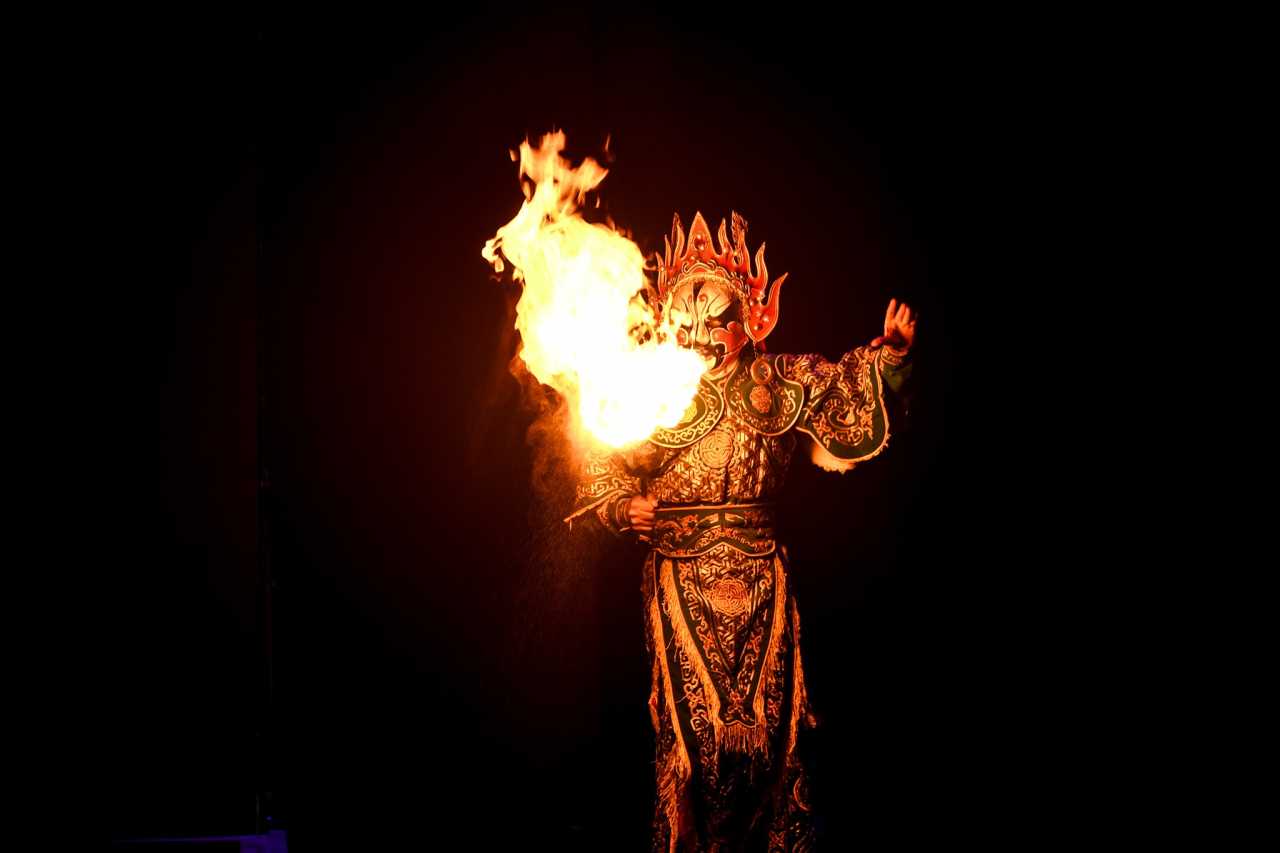
After the museum, head to Furong National Essence for an authentic Sichuan opera performance. This cultural show features: - Face-changing (Bian Lian) — the iconic Sichuan opera technique - Fire-spitting — a thrilling traditional performance - Puppetry and shadow plays - Tea ceremony — sip local tea while watching
Why it matters: Sichuan opera is a UNESCO-recognized intangible cultural heritage. The face-changing art, in particular, is a closely guarded secret passed down through generations.
Day 3: Panda Valley & Dujiangyan
Panda Valley: A Sanctuary for Giant Pandas
Panda Valley (also known as the Chengdu Research Base of Giant Panda Breeding) is a must-visit for any Chengdu itinerary. Located about 10 kilometers from the city center, this facility is home to over 80 giant pandas, including cubs, sub-adults, and breeding adults.
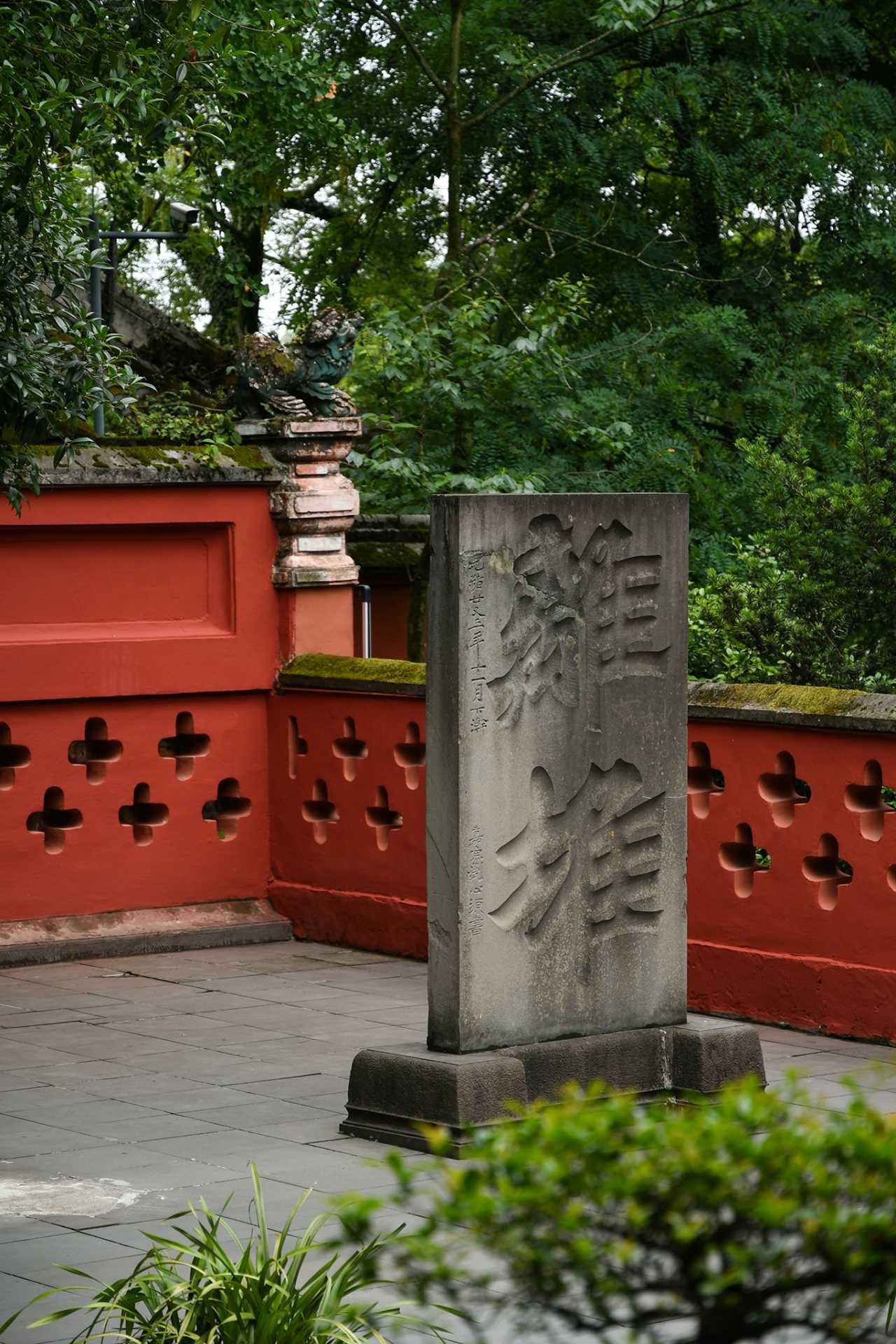
Best time to visit: Early morning (7:30–9:30 AM) when pandas are most active during feeding time.
What to expect: - Panda cubs in the nursery (seasonal, usually June–September) - Adult pandas munching bamboo in their enclosures - Red pandas — smaller, raccoon-like cousins of giant pandas - Educational exhibits on conservation efforts
Pro tip: Book tickets online in advance, especially during peak season. The base can get crowded by mid-morning.
Dujiangyan: Ancient Engineering Marvel
Just 50 kilometers from Chengdu, Dujiangyan is a 2,200-year-old irrigation system that still functions today. Built during the Qin Dynasty (256 BC), it transformed the Chengdu Plain into one of China's most fertile agricultural regions.
Why it's remarkable: - No dams or locks — uses natural water flow principles - Prevents flooding while ensuring year-round irrigation - A UNESCO World Heritage Site - Surrounded by stunning mountain scenery
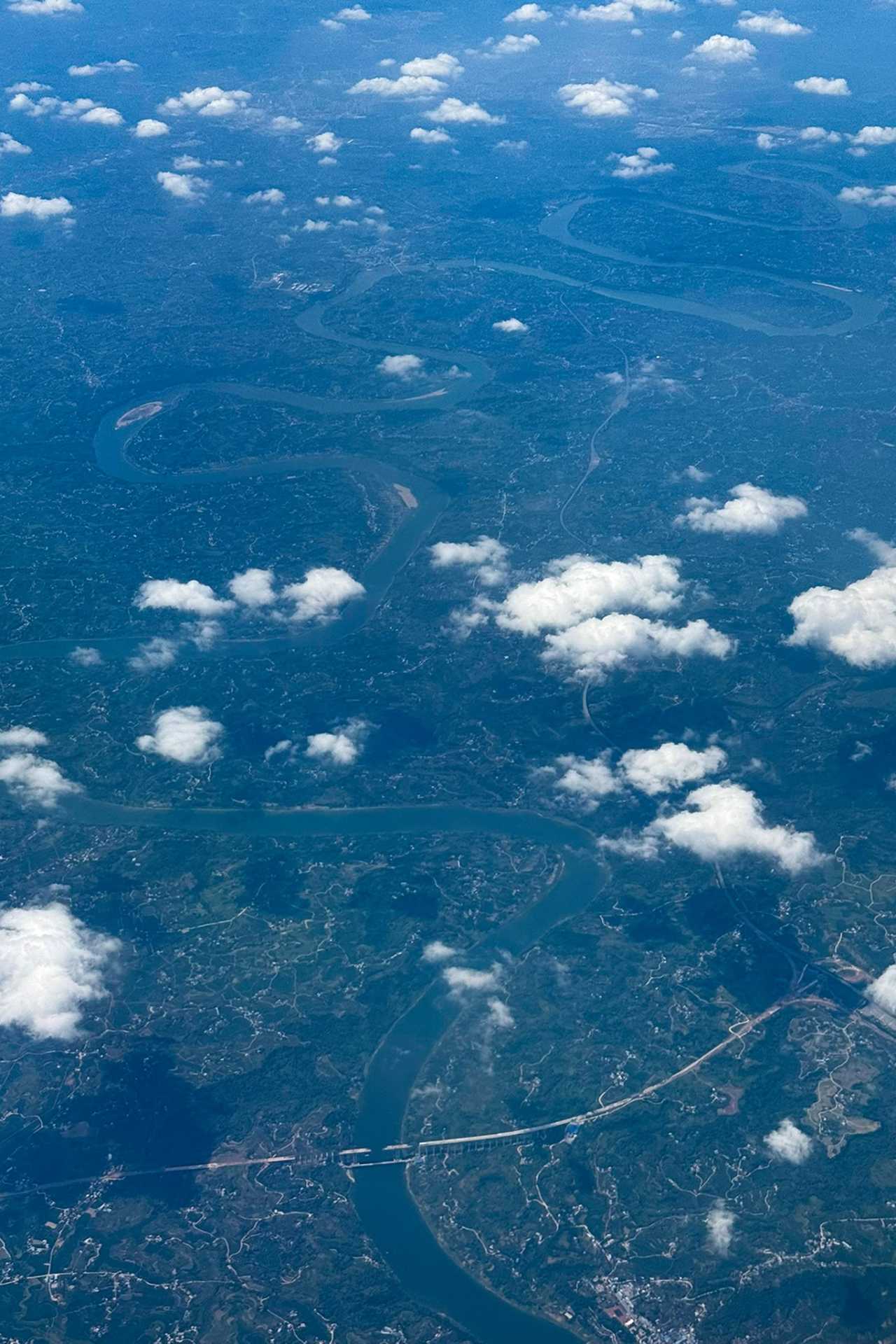
Local insight: An enthusiastic local told me that the breathtaking landscapes of Western Sichuan are a must-do route in one's lifetime — just over ten kilometers away, there are mountains soaring over three thousand meters, some capped with year-round snow. Listening to him, my heart was filled with longing, and I already began planning to gather friends for a self-driving trip along the Western Sichuan route in autumn.
Day 4: Sanxingdui & Kuanzhai Alley
Sanxingdui: The Mysterious Ancient Shu Civilization
Located about 40 kilometers from Chengdu, Sanxingdui is one of the most important archaeological discoveries of the 20th century. This Bronze Age site (c. 1600–1046 BC) reveals a highly advanced civilization that predates the written history of the region.
Must-see artifacts: - Bronze masks with exaggerated features — some with gold foil - Bronze standing figures — including the famous "Bronze Man" with outstretched arms - Jade and ivory artifacts — evidence of long-distance trade - Sacrificial pits — containing thousands of ritual objects
Why it's unique: The Sanxingdui civilization developed independently from the Yellow River civilizations, suggesting a parallel ancient Chinese culture with its own belief systems and artistic styles.
Getting there: Take a direct bus from Chengdu's Xinnanmen Bus Station or join a guided tour.
Kuanzhai Alley: A Taste of Old Chengdu
Kuanzhai Alley (Wide and Narrow Alley) is a historic neighborhood in central Chengdu. Originally built during the Qing Dynasty, it features traditional Sichuan-style architecture with courtyards, tea houses, and artisan shops.
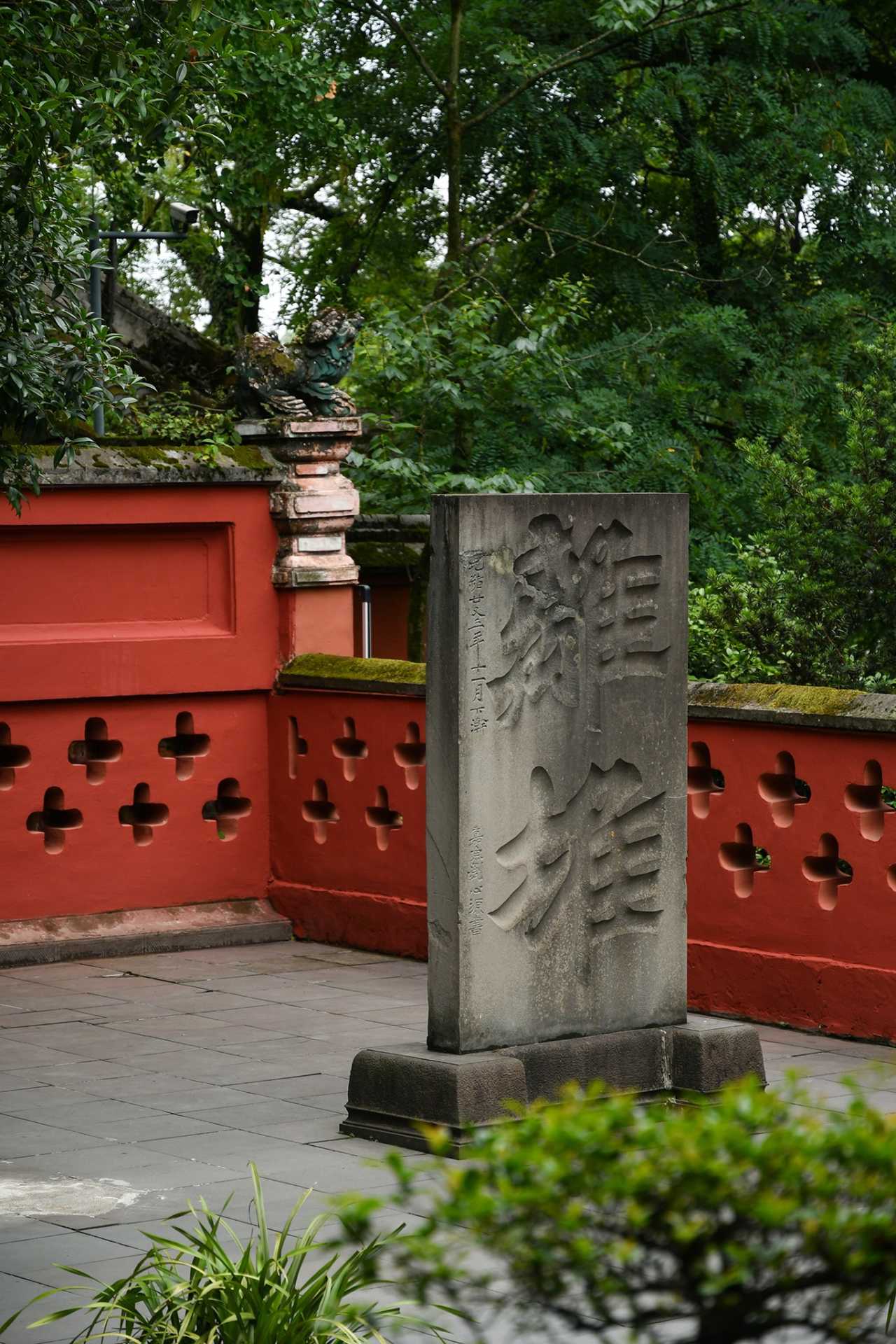
What to do: - Stroll the three alleys — Kuan (Wide), Zhai (Narrow), and Jing (Well) - Visit a tea house — experience the slow-paced Chengdu lifestyle - Try local snacks — including dan dan mian (noodles) and long chao shou (wontons) - Shop for souvenirs — silk, embroidery, and bamboo crafts
Note: I didn't take photos here — sometimes the best experiences are the ones you live fully in the moment.
Day 5: Three Su Temple & Dongpo Wetland Park
Three Su Temple: Honoring a Literary Dynasty
Located in Meishan City (about 1.5 hours from Chengdu), the Three Su Temple honors the Su family — Su Xun and his sons Su Shi (Su Dongpo) and Su Zhe — three of China's greatest literary figures of the Song Dynasty.
What to explore: - Memorial halls dedicated to each of the three Sus - Calligraphy exhibits — Su Shi was also a renowned calligrapher - Gardens and pavilions — reflecting traditional Chinese aesthetics - Museum — displaying artifacts from the Song Dynasty
Why visit: Su Shi (Su Dongpo) is one of China's most beloved poets, known for his lyrical verses and philosophical essays. His works are still widely studied and quoted today.
Dongpo Wetland Park: Nature's Serenity
After the cultural immersion, Dongpo Wetland Park offers a peaceful escape. This expansive park features: - Walking and cycling paths along waterways - Birdwatching — home to dozens of migratory bird species - Lotus ponds — especially beautiful in summer - Tea houses — perfect for a relaxing afternoon
Day 6: Du Fu Thatched Cottage
Du Fu Thatched Cottage: A Poet's Sanctuary
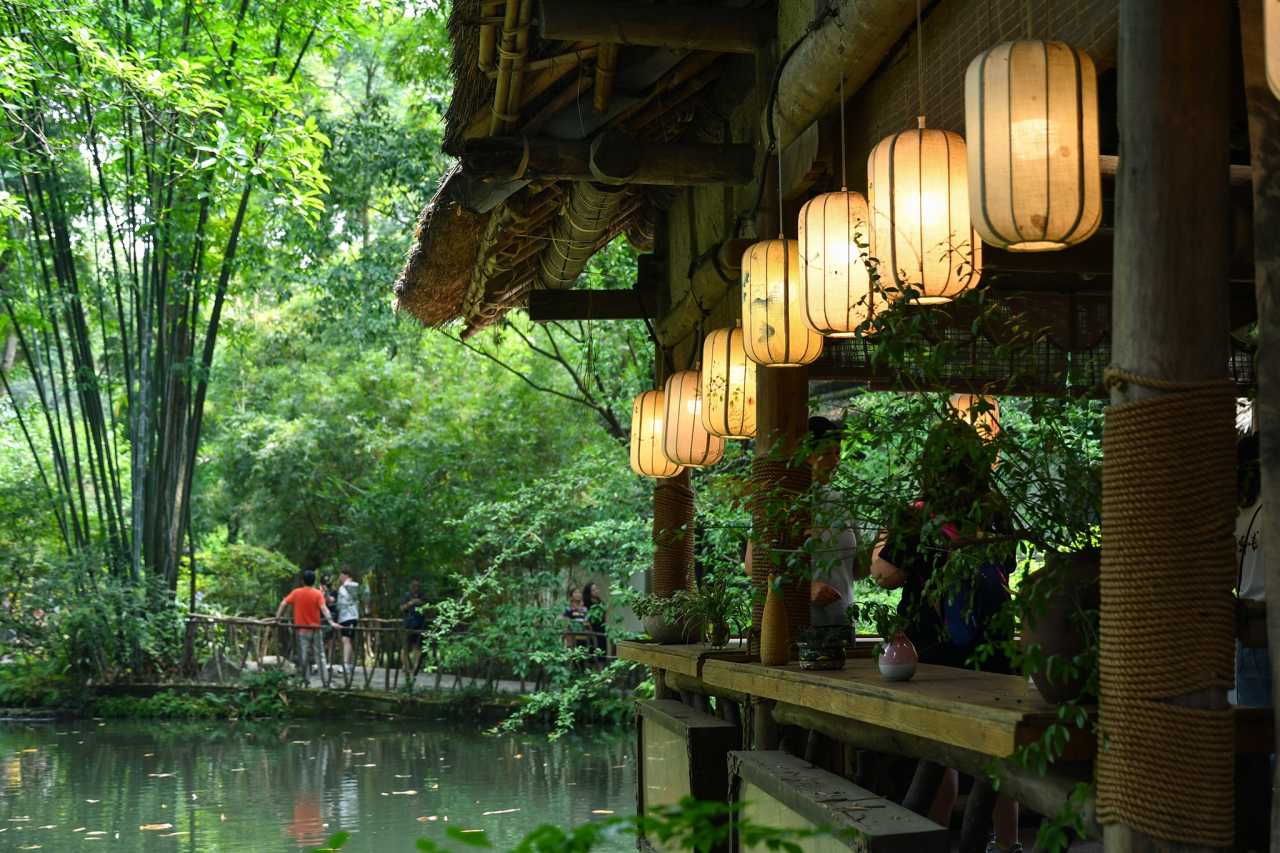
On my final day, I visited Du Fu Thatched Cottage, the former residence of China's greatest poet, Du Fu (712–770 AD). He lived here during the Tang Dynasty, writing over 240 poems that capture the beauty and sorrow of his era.
What to see: - Reconstructed thatched cottage — a humble dwelling that inspired timeless poetry - Poetry corridor — inscribed with Du Fu's most famous works - Gardens and ponds — designed to reflect the poet's love of nature - Museum — exhibiting Tang Dynasty artifacts and calligraphy
Why it matters: Du Fu's poetry is considered the pinnacle of Chinese literature. His works, such as "Spring View" and "My Thatched Cottage Unroofed by Autumn Gales," are still taught in schools today.
Location: Western outskirts of Chengdu Admission: 60 yuan Time required: 1.5–2 hours
FAQ: Your Chengdu Travel Questions Answered
1. Is Chengdu food too spicy for non-spice-eaters?
Answer: Not necessarily! While Sichuan cuisine is famous for its mala (numbing and spicy) flavors, many restaurants offer non-spicy options. Look for dishes like: - Kung Pao Chicken (mildly spicy, can be ordered without chili) - Mapo Tofu (ask for "not spicy" — bu la) - Dan Dan Noodles (can be customized) - Steamed dishes like zheng jiao (dumplings)
Pro tip: Always say "bu la" (not spicy) when ordering, and carry a phrase card or translation app.
2. How many days do I need to see Chengdu?
Answer: A minimum of 4–5 days is recommended to cover the highlights: - Day 1: City center (Chunxi Road, Anshun Bridge) - Day 2: Pandas (Panda Valley) - Day 3: History (Sanxingdui or Dujiangyan) - Day 4: Culture (Du Fu Thatched Cottage, Kuanzhai Alley)
For a deeper experience, including Western Sichuan (mountains, Jiuzhaigou), plan 7–10 days.
3. What's the best way to get around Chengdu?
Answer: Chengdu has an excellent public transportation system: - Metro: 12 lines covering most attractions (cheap, fast, air-conditioned) - Buses: Extensive network, including sightseeing buses from IFS - Taxis/Didi: Affordable and convenient for short trips - Bike-sharing: Mobike and Hellobike are widely available
Tip: Download a metro map app or use Baidu Maps for real-time navigation.
4. When is the best time to see pandas?
Answer: Early morning (7:30–9:30 AM) is the best time. Pandas are most active during feeding time and cooler temperatures. Avoid midday when they sleep. The cub nursery is open from June to September.
5. Is Chengdu expensive for tourists?
Answer: Chengdu is relatively affordable compared to Beijing or Shanghai: - Budget: 200–300 yuan/day (hostels, street food, metro) - Mid-range: 500–800 yuan/day (3-star hotels, restaurants, taxis) - Luxury: 1,000+ yuan/day (5-star hotels, fine dining, private tours)
Tip: Many attractions offer student discounts (bring ID) and free entry on certain days.
Conclusion: Your Chengdu Adventure Awaits
Six days in Chengdu taught me that the best travels are those with unexpected twists. A canceled flight, a sudden downpour, a change of plans — these detours led me to discover the city's true warmth and beauty.
From the ancient mysteries of Sanxingdui to the modern charm of Chunxi Road, from the spiritual depth of Du Fu's poetry to the playful joy of panda cubs, Chengdu offers something for every traveler. The city's name, "Chengdu," means "become a capital" — and indeed, it becomes a capital in the hearts of all who visit.
Ready to plan your own Chengdu adventure? [Link: Chengdu travel packages and tours] Book your flights, reserve your panda tickets, and prepare for a journey that will spice up your life in the most beautiful way.
Your next step: Share this guide with a friend who loves travel, or start packing for your own six-day Chengdu itinerary. The pandas are waiting. The tea houses are calling. And the spice — well, you might just surprise yourself.
Have you visited Chengdu? Share your favorite memory in the comments below!
You may also like


