Sitting Still in the Heart, Why Bother with Mountains and Forests: A Golden Autumn Hunt in Western Sichuan
Meta Description: Discover the untold beauty of Western Sichuan's golden autumn. A personal journey through hidden valleys, alpine lakes, and the philosophy of travel. Escape the ordinary and find yourself in the wild.
Introduction: The Ritual of Departure
Have you ever sat at your desk, desperate to write, only to find your mind as empty as a drained well? You light a candle, take a hot shower, pour a glass of wine—as if these rituals can coax inspiration from hiding. We've become increasingly dependent on our environment. Without a library, a book remains unread; without a cigarette, creativity hides in some corner.

This obsession with "space" once led me to define travel as "searching outward." Some call it escapism. I don't argue. There's a book called The Art of Travel that explains how life's trivialities affect our journeys: when a plane soars to thirty thousand feet, earthly worries shrink; when an off-road vehicle travels a desolate highway, finding a gas station after dozens of kilometers brings tears to your eyes.
Why, when seeing that massive white ice wall on the plateau, do tears uncontrollably stream down your face? I think I've been chasing a feeling my whole life—a feeling that lets me briefly forget myself. Those moments when you forget how important you are are often the most beautiful. And the most beautiful things are always fleeting yet eternal.
This isn't a travel guide. Don't ask me what camera I used. I just want to have a drink, talk to myself about the scenery on the road, and why that scenery is so unforgettable.
The Golden Leaf Hunt: Chasing Autumn Before Winter
November 4th, Friday – The Eve of Winter
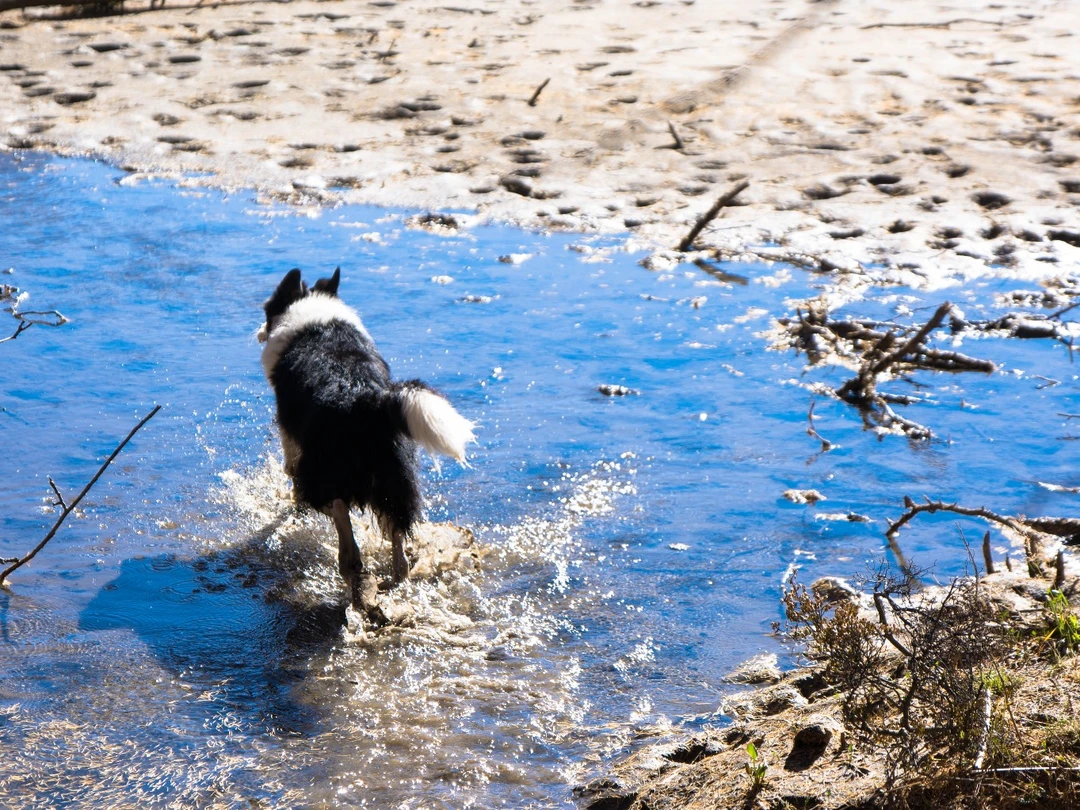
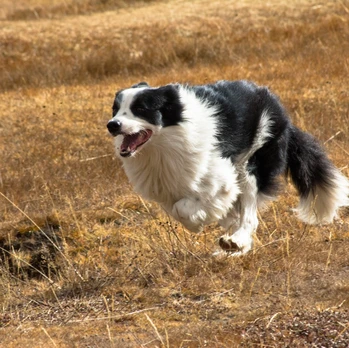
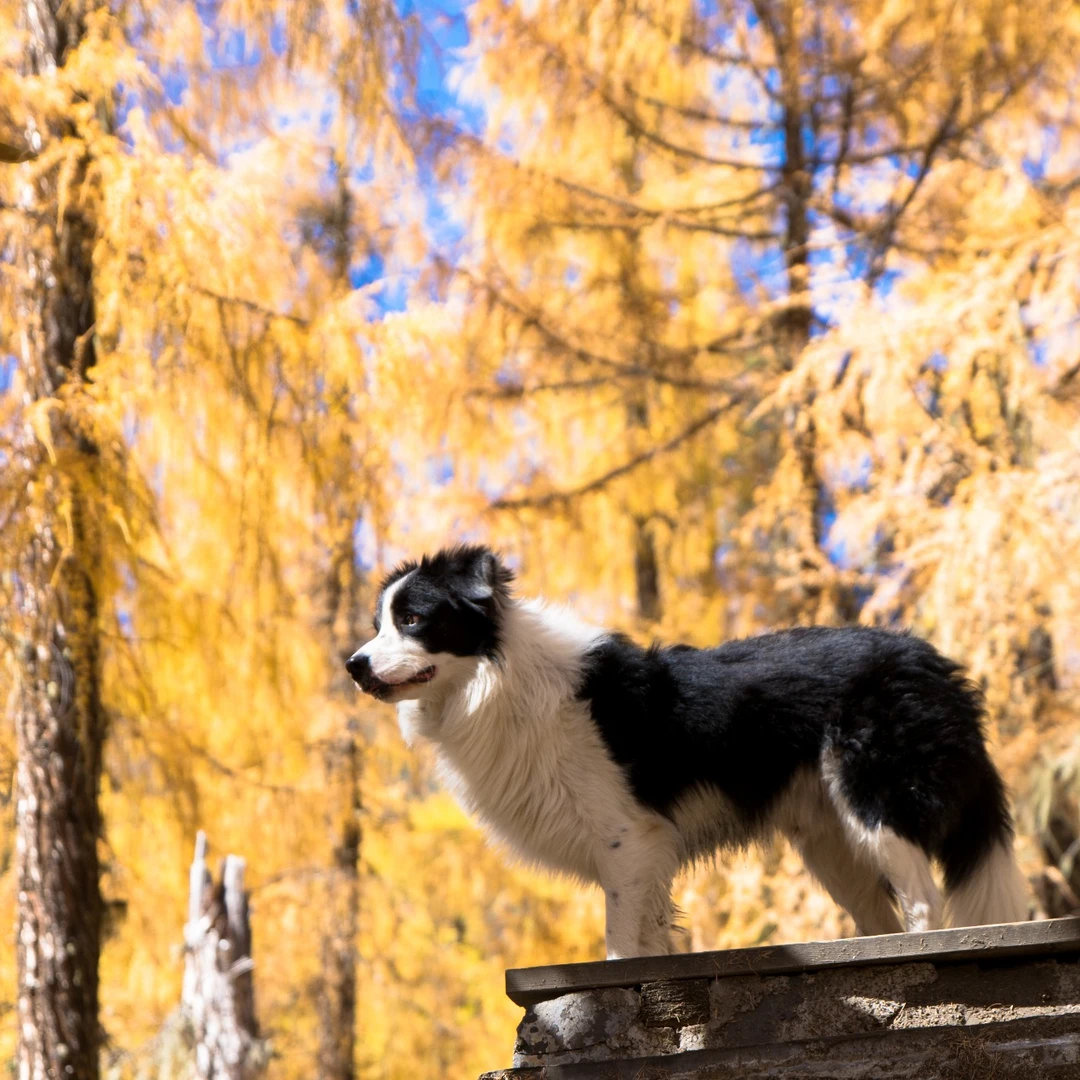
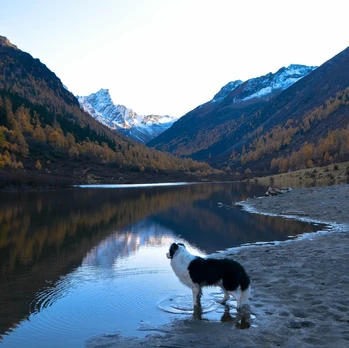
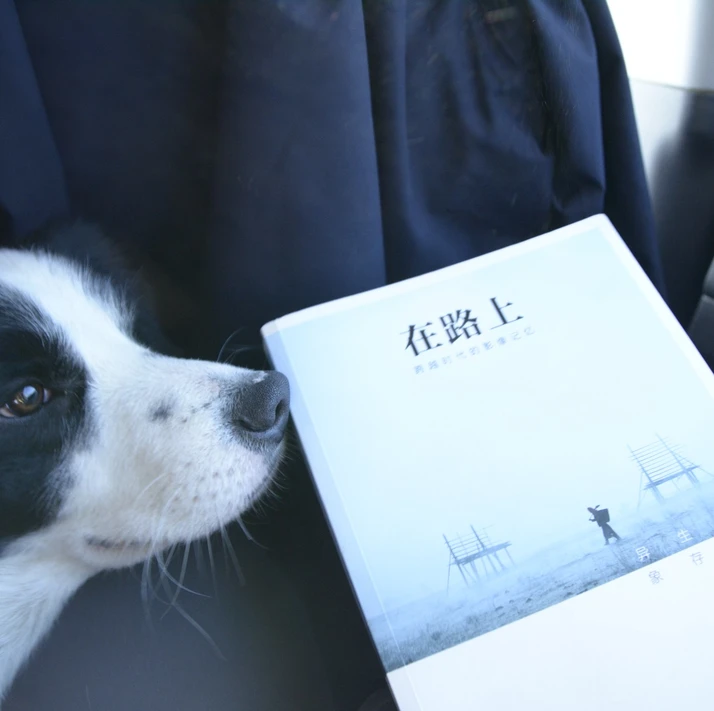
The off-road vehicle cruised steadily along Provincial Road 303 in Xiaojin County. I sat in the back, holding Anduo—a full-grown male Border Collie weighing forty pounds, with black and white fur. His personality is unpredictable: sometimes a little rascal, other times as gentle as a little princess.
The car passed through Yingxiu, Gengda Township, and Wolong, then crossed the Balang Mountain Tunnel at an elevation of three thousand meters. When we passed by the Four Sisters Mountains, all we could see was a blanket of white fog. Since the Balang Mountain Tunnel opened, the trip from Chengdu to Xiaojin has been cut to three hours. Before that, this road was incredibly rough, abandoned after the 2008 earthquake. I traveled this road in 2014; some mountainsides had already collapsed, exposing half a tunnel, washed by river currents.
Now this road, built through a loose canyon, still faces threats from mudslides and landslides. Fortunately, it's winter—the dry season—so it's relatively safe.
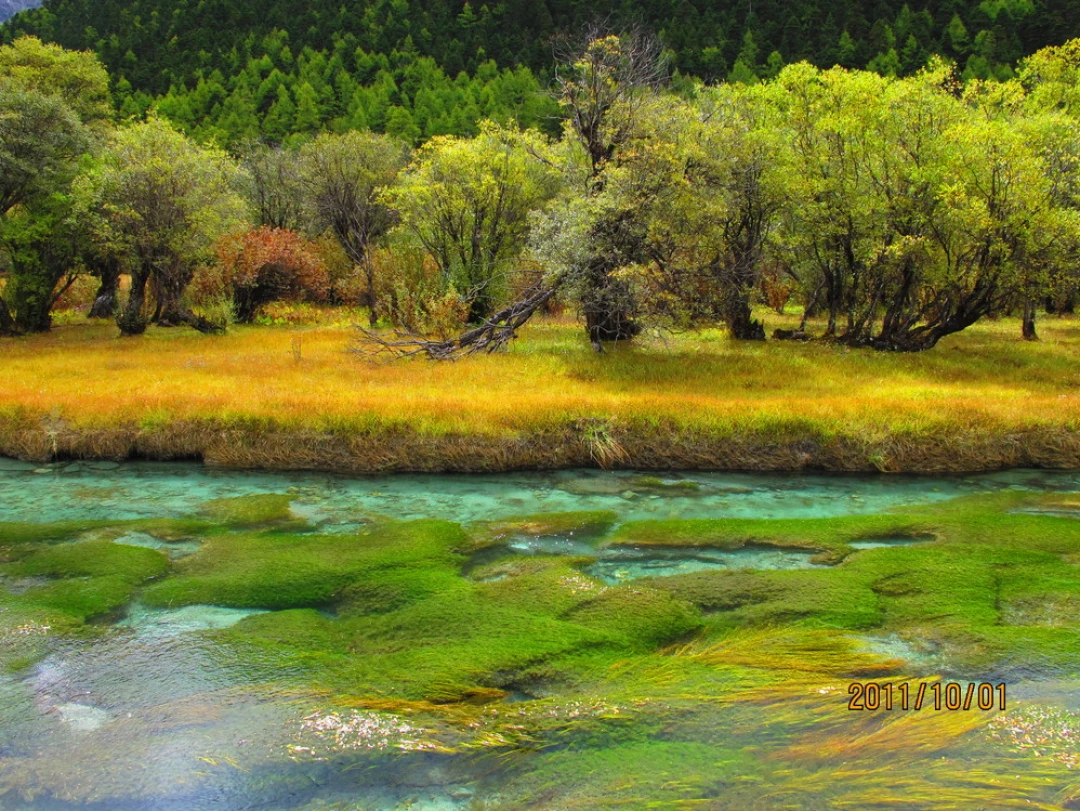
The autumn colors on both sides of the valley were nearing their end. On the high mountains near the snow line, frost had knocked off all the yellow leaves. Interestingly, I had been traveling this road for four consecutive weeks, witnessing firsthand how Western Sichuan's autumn colors shifted from deep yellow to golden yellow, and then to withered yellow.
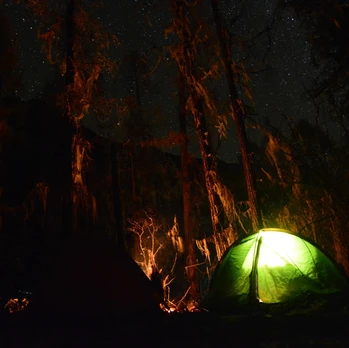
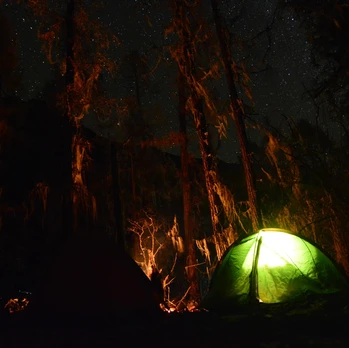
At night at the campsite, I went alone to the alpine lake (海子) to photograph the stars. Anduo couldn't find me and anxiously paced through the dark forest. My companion told him I'd be back soon, so he returned alone to the tent to sleep and wait. Only when I groped my way back to the campsite through the forest by the faint light of my flashlight did Anduo see me, sigh with relief, and settle down by my sleeping bag to snore.
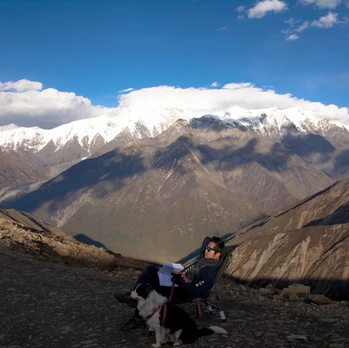
Sheepdogs are born workers. Every time we encountered a flock of sheep, Anduo would dash over like a manager and get busy. There were always locals grumbling, "Your dog scared our sheep!" and even cursing that Anduo was a dead dog. I told Anduo, "Next time, bring me back a lamb. We'll roast it with wine, and sprinkle chili powder on the bones—your favorite."
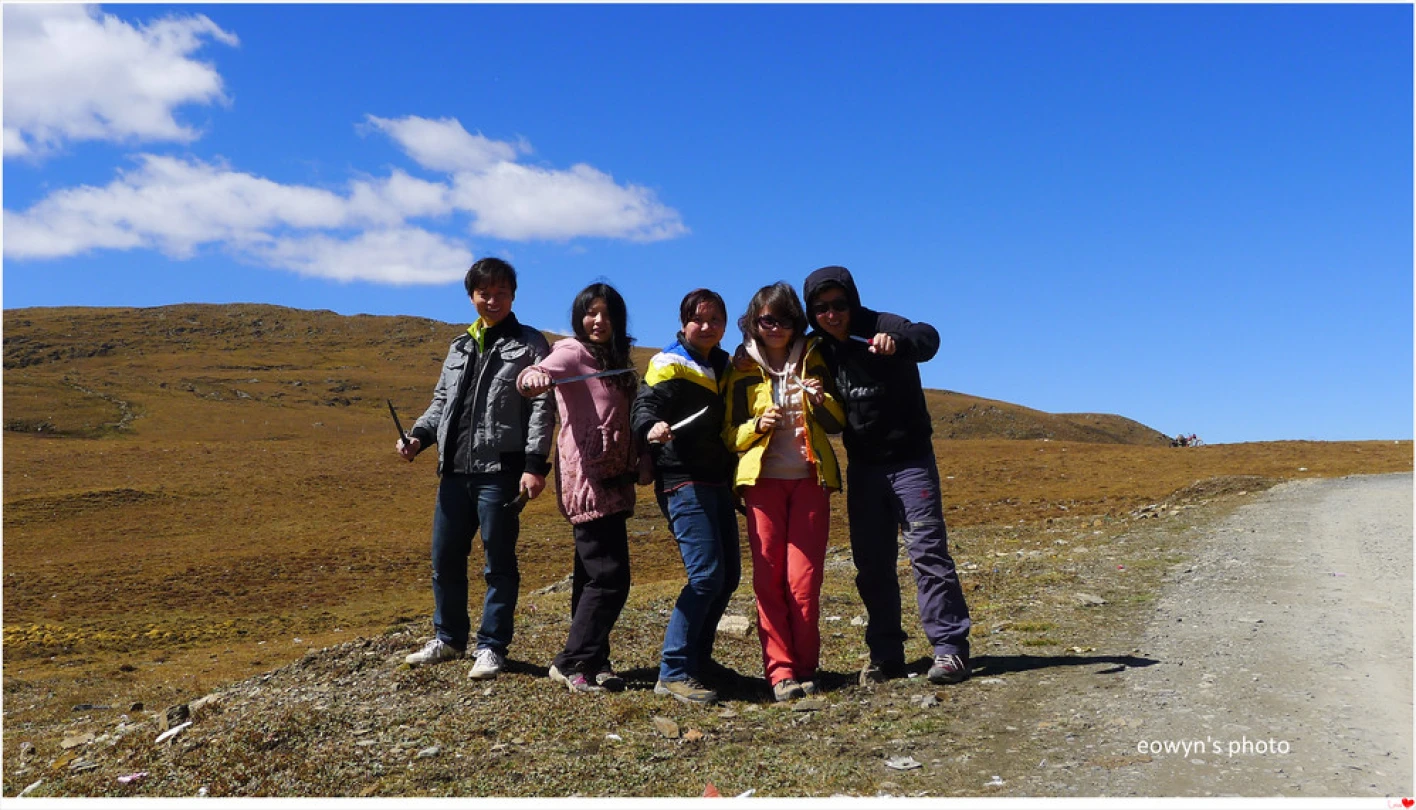
I joked with my friends that our mission was a "Golden Leaf Hunt" —to sweep up all the autumn colors of Western Sichuan. This region hides scenery that rivals national and even world-class destinations, but our target wasn't places like Daocheng or Jiuzhaigou, which have been photographed to the point of aesthetic fatigue. We wanted to explore those little-known hidden gems before these wild valleys of Western Sichuan become tourist attractions and overcrowded.
The ancients didn't have the means to appreciate extremely high mountains; the roads were too treacherous. Only Du Fu's line, "My window frames the snow-capped peak of Western Ridge for a thousand years," stands out as a famous sigh. Modern people have the means, and some have even become addicted to exploring the wilderness. And you? What are you addicted to?
[Link: Best time to visit Western Sichuan for autumn colors] [Link: Hidden gems in Western Sichuan beyond Daocheng and Jiuzhaigou]
On the Road: Unforgettable Moments in Western Sichuan
Anduo always likes me to hold him in the car. If you put him on the floor, he'll bark at you. Only when I hold him can he lazily gaze at moving objects outside the window—like a speeding motorcycle. He'll excitedly open his mouth at the air, as if he could bite the motorcycle's tire. It's an unsolved mystery.
On the downhill road in Dangling, I kissed a horse. Its coat was black and white, like Anduo's. But Anduo has many small black spots; some people say he's not a purebred Border Collie. I told them to screw off—those are smart moles. I've never seen a dog better at charming girls than Anduo. In that regard, he's better than me. In this society, even dogs have emotional intelligence.
The weather was bad. From eleven in the morning until four in the afternoon, we only made it to Danba County town, having driven for five hours. A light rain started, and we continued on. Today's goal was Bamei, a midway stop about a hundred kilometers from Xinduqiao.
The rain grew heavier, and the mountains were shrouded in fog. The car drove on potholed roads, tires splashing mud that hit the windshield, blocking the view ahead. The wipers swung back and forth; each time they cleared the mud, a fresh wave splashed again. It felt like being splashed with dirty water for no reason, then soaked through by the rain. Only the rhythmic motion of the wipers brought a hint of relief.
I had set out feeling unhappy. I'd been dealing with some tricky issues at work recently; a project had lost a sum of money. The night before I left, I was still working late, hastily packed my bags, and told a friend I could join the trip. I didn't even ask about the specific route; I just closed the office door and left.
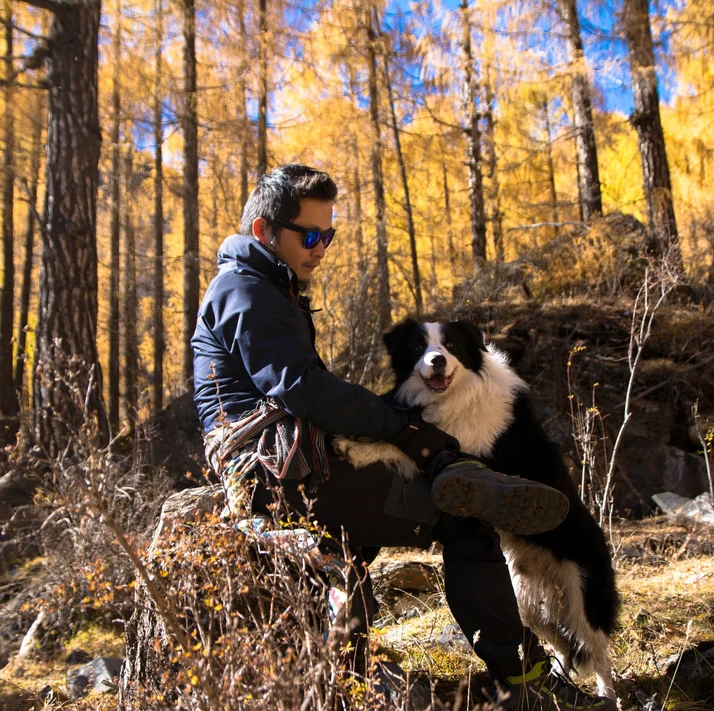
My hiking backpack was still intact from the previous week's trip to Western Sichuan. The down jacket was damp, stained with dew from the snowy mountains. The shell jacket hadn't been washed for four weeks and still smelled of mud and grass. Three months of intense overtime had led to this recent burst of travel. Working in advertising, you're always facing the possibility of no business, or suddenly having enough work to last half a year.
At least now I was on the road again. Sometimes without a specific goal, just having the time, I set off. Leave whenever you want; be willful when you have the time.
[Link: Road trip tips for Western Sichuan in autumn] [Link: Best camping spots near alpine lakes in Western Sichuan]
The Philosophy of Travel: Knowing the White, Keeping the Black
Laozi's Tao Te Ching says: "Know the white, but keep the black." Though you know what is pure and bright, you abide in what is dark and obscure, and you can become a model for the world. Eternal virtue never errs, and returns to the infinite true way.
Travel is not entirely about escape. If we're talking about escape, playing mahjong, smoking—anything that makes you forget yourself—is escape. Travel is just one way, like a scale, a chance to do some inner cleaning. Knowing the white, keep the black.
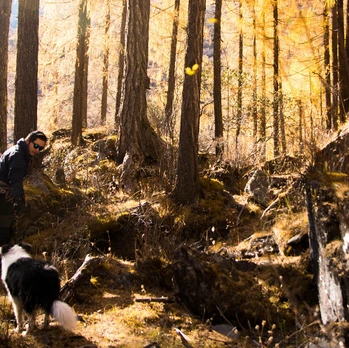
In Western Sichuan, the contrast is stark: the white of snow-capped peaks against the black of ancient forests; the golden of autumn leaves against the grey of rain-soaked roads; the joy of discovery against the weight of daily responsibilities. This is the balance we seek when we travel—not to abandon our lives, but to return to them with fresh eyes.
The journey through Western Sichuan's golden autumn is more than a visual feast. It's a reminder that beauty exists in impermanence. The yellow leaves fall; the snow melts; the seasons turn. And we, like travelers on an ancient road, move through it all, carrying our stories, our dogs, and our unanswered questions.
[Link: Taoist philosophy and travel: Finding balance on the road] [Link: How to practice mindful travel in nature]
FAQ: Planning Your Golden Autumn Hunt in Western Sichuan
1. When is the best time to see autumn colors in Western Sichuan?
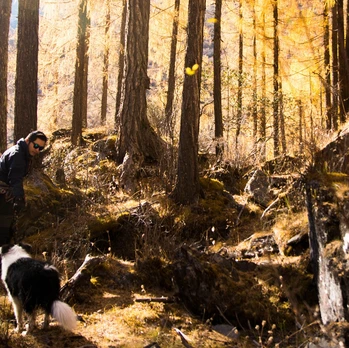
The peak autumn foliage in Western Sichuan typically occurs from mid-October to early November. However, the timing varies by elevation. Higher altitudes (above 3,000 meters) see color changes earlier, while lower valleys peak later. The author traveled in early November and noted the colors were already fading near the snow line.
2. What are the must-visit hidden gems in Western Sichuan for autumn?
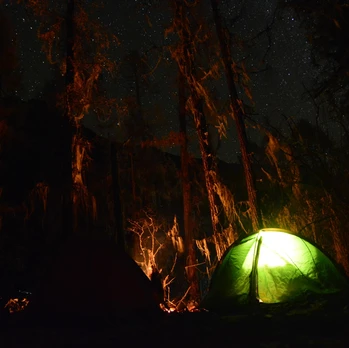
Beyond the well-known Daocheng and Jiuzhaigou, consider exploring: - Balang Mountain area (especially after the tunnel opened) - Xiaojin County along Provincial Road 303 - Danba County and its surrounding valleys - Bamei as a midway stop near Xinduqiao - Lesser-known alpine lakes (海子) for stargazing and solitude
3. Is it safe to drive in Western Sichuan during autumn?
Autumn is generally a good time for road travel in Western Sichuan because it's the dry season (November to April). However, roads through loose canyons still face threats from mudslides and landslides. Check road conditions before departure, drive a 4WD vehicle, and avoid driving at night in remote areas.
4. What should I pack for a Western Sichuan autumn trip?
- Warm layers: Down jacket, fleece, thermal base layers
- Waterproof gear: Shell jacket, rain pants, waterproof boots
- Camping equipment: Tent, sleeping bag rated for below-freezing temperatures, headlamp
- Photography gear: Camera with wide-angle lens for landscapes, tripod for star photography
- Dog supplies: If traveling with a pet, bring food, water, leash, and a warm bed
5. Can I bring my dog to Western Sichuan?
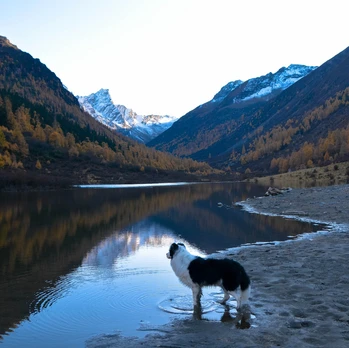
Yes, but be prepared. The author traveled with a Border Collie named Anduo. Dogs should be comfortable with long car rides, cold weather, and varied terrain. Always keep your dog leashed near livestock (locals may not appreciate your dog herding their sheep). Bring plenty of water and food, and ensure your dog has a warm place to sleep at night.
Conclusion: Your Golden Autumn Hunt Awaits
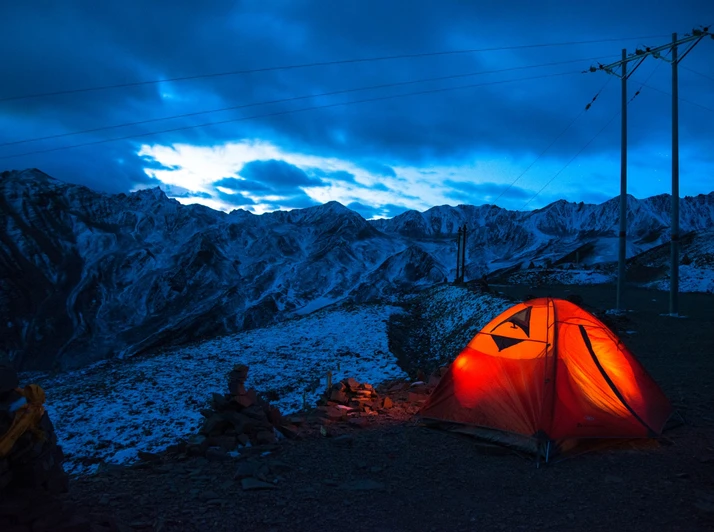
The road calls. Whether you're escaping the noise of the city or seeking a deeper connection with nature, Western Sichuan's golden autumn offers an experience that transcends photographs and travel guides. It's a journey into the heart—where the white of snow meets the black of ancient forests, and where you can briefly forget how important you are.
The leaves will fall. The snow will melt. But the memory of that moment—when you stand before a massive white ice wall on the plateau, tears streaming down your face—will remain eternal.
So pack your bags. Grab your dog. Leave your worries behind.
The golden autumn of Western Sichuan is waiting. Don't let another season pass without answering its call.
Have you experienced Western Sichuan's autumn? Share your story in the comments below. And if you're planning your trip, [download our free Western Sichuan road trip checklist] to ensure you don't miss a single hidden gem.
[Link: Book a guided Western Sichuan autumn tour] [Link: Rent a 4WD vehicle for your Western Sichuan adventure] [Link: Join our Western Sichuan travel community on Facebook]
You may also like