Sertar Travel Guide: Exploring the Red House Buddhist Academy on the Tibetan Plateau
Meta Description: Discover Sertar (Sêrtar/Seda), home to the world's largest Buddhist academy. This complete travel guide covers how to get there, altitude tips, visiting the red houses, mandala prayer wheels, and sky burial traditions.
Introduction: Why Sertar Should Be on Your Bucket List
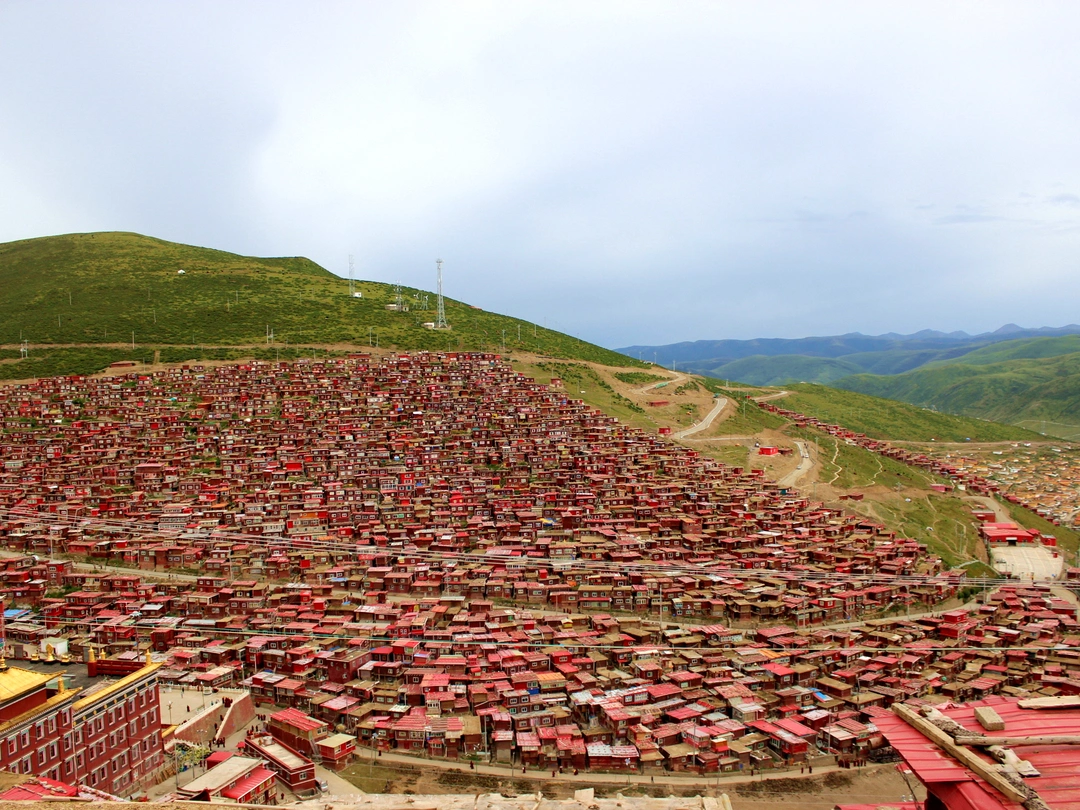
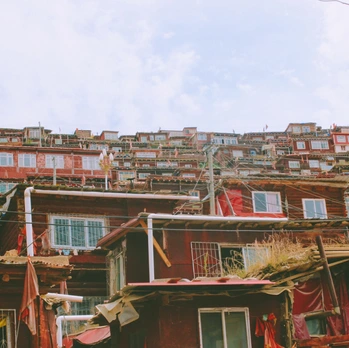
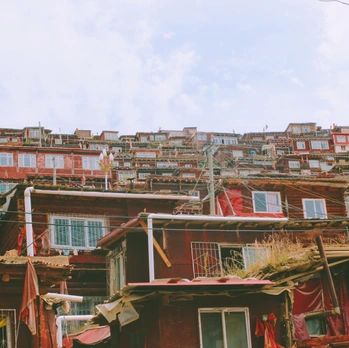
Before setting out for Sertar, my understanding of this sacred place was limited to a few photographs—dense clusters of red wooden cabins scattered across the hillsides like red beans casually dropped by the gods, nestled in the folds of the Tibetan Plateau. I knew that a community of devout Buddhist practitioners lived there, detached from worldly affairs. I simply wanted to see it for myself. But when I finally stood on that land, Sertar taught me far more than visual awe—it offered a profound dialogue about life, reincarnation, and personal transformation.
This Sertar travel guide will take you through everything you need to know: from practical logistics like transportation and accommodation to the deeper cultural experiences of visiting the Larung Gar Buddhist Academy, the mandala prayer wheels, and the sky burial platform. Whether you're planning your first trip or simply curious about this extraordinary place, read on.
Where Is Sertar? Location and Geography

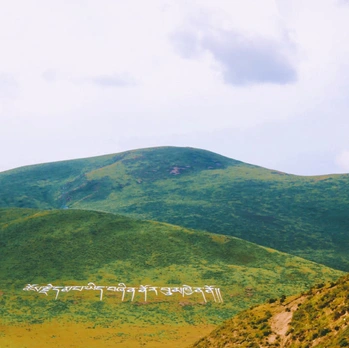
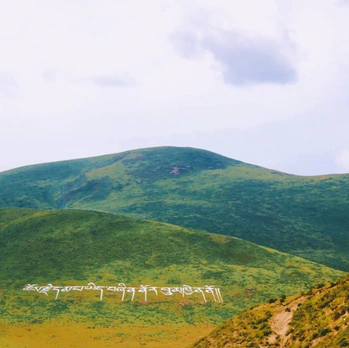
Sertar (also known as Sêrtar or Seda) is located in the northeastern part of Garzê Tibetan Autonomous Prefecture in Sichuan Province, China. It borders Darlag and Baima counties in Golog Tibetan Autonomous Prefecture, Qinghai Province. This is a pure pastoral county dominated by Tibetan culture, with an average altitude of over 3,800 meters (12,467 feet).
From Chengdu, it's about 650 kilometers (404 miles) by road. Roads were only built here after 2002, and there is still no airport or railway. This isolation has preserved Sertar's raw, mysterious allure. [Link: Tibetan Plateau travel tips]
Best Time to Visit Sertar
- May to October: The most pleasant season, with mild weather and stunning scenery. This is the ideal window for Sertar photography and outdoor exploration.
- November to April: Snow-covered landscapes are beautiful, but roads often become icy. Self-driving to Sertar during winter is risky and not recommended for first-time visitors.
How to Get to Sertar: Transportation Guide
1. Bus from Chengdu
Direct buses to Sertar depart from Chengdu Xinnanmen Bus Station. Tickets can be booked through Sichuan Ticketing Network. This is the most economical option, but the journey is long—be mentally prepared for 12+ hours on the road.
2. Self-Driving to Sertar
Three main routes are available:
- Shortest route: Chengdu – Wenchuan – Barkam – Wengda – Sertar
- Scenic route: Chengdu – Mount Siguniang – Danba – Bamei – Daofu – Luhuo – Wengda – Sertar
- Highway route: Chengdu – Ya'an – Kangding – Xinduqiao – Bamei – Daofu – Luhuo – Wengda – Sertar
Important: In winter, hidden ice on mountain roads is a real danger. Always check road conditions before departure.
3. Joining a Tour or Hiring a Driver (Recommended)
The distance from Chengdu to Sertar is long, and the altitude is high. Choosing an experienced driver or tour group ensures safety and allows you to stop anytime to enjoy the scenery. [Link: Sichuan group tours]
Accommodation in Sertar: Where to Stay
- Sertar County Town: Hotels with 3–4 star standards are available, equipped with air conditioning and underfloor heating—quite comfortable. There are also many unique guesthouses. This is the most convenient option for most travelers.
- Inside Larung Gar Buddhist Academy: Only one guesthouse exists—Larung Guesthouse. It offers 2–4 person standard rooms (with private bathroom), 4-person dormitory rooms (shared bathroom), and basement bunk beds. Conditions are basic, so choose carefully.
- Lhoruo Township: There are 2–3 guesthouses with average conditions, offering standard and dormitory rooms, but the overall experience is not great.
First Encounter: The World of Red Houses at Larung Gar
Our group of four set off from Chengdu Chadianzi Bus Station at 6:20 AM. After passing Kangding, we hit a traffic control point and didn't arrive in Sertar County until around 8:30 PM. The hotel we'd booked online was within walking distance of the bus station.
But no sooner had we settled in than altitude sickness struck. Probably because I'd dragged my suitcase and wore thin clothes—my head throbbed painfully. A little glucose water helped. Sertar altitude sits at about 3,800 meters (12,467 feet). First-timers must slow down and give their bodies time to adjust.
The next morning, we hailed a minivan to the Larung Gar Buddhist Academy. The streets of Sertar are full of these minivans; drivers spot tourists and ask, "Going to the Academy?" The flat fare is 7 yuan per person. At the Academy gate, we queued for the shuttle bus up the hill—3 yuan per person, with the final stop at the chanting hall.
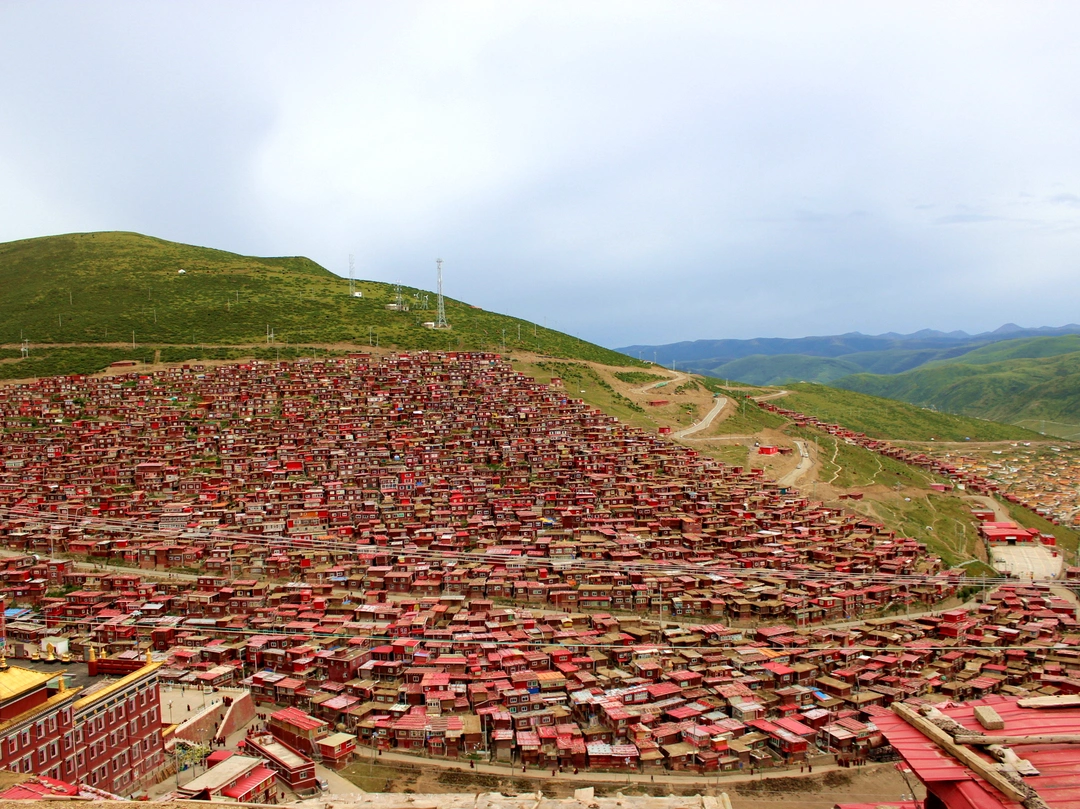
The bus wound up the mountain road, and those legendary red houses of Sertar began to appear. They crowded the slopes, dense as red mushrooms sprouting from the earth. Each tiny cabin is only about ten square meters (108 square feet), crammed with Buddhist scriptures and books, with just a single bed for the practitioner to rest. These red houses follow the contours of Larung Valley, layer upon layer, creating a breathtaking tableau.
The chanting hall is divided into two sections—one for monks (lama) and one for nuns (jomo). You must remove your shoes before entering, and tourists are generally not allowed inside. By the red walls, someone was distributing books. We took turns snapping photos, trying to freeze this overwhelming moment.
The Mandala: Prayers Beneath the Prayer Wheels
From the chanting hall, we climbed up to the mandala. At an altitude of about 4,600 meters (15,092 feet), we had to move slowly to avoid worsening altitude sickness. Along the way, we encountered groups of jomo carrying heavy supplies up the hill on foot. They were completely accustomed to tourists, their gazes calm and focused.
The mandala has three levels. The first level is a prayer corridor lined with prayer wheels. Day and night, people come here to turn the wheels. It is said that the highest level of prayer requires 10,800 rotations, the second level 1,080, and the third level 108. For believers, this is a devout practice, a way to communicate with the divine.
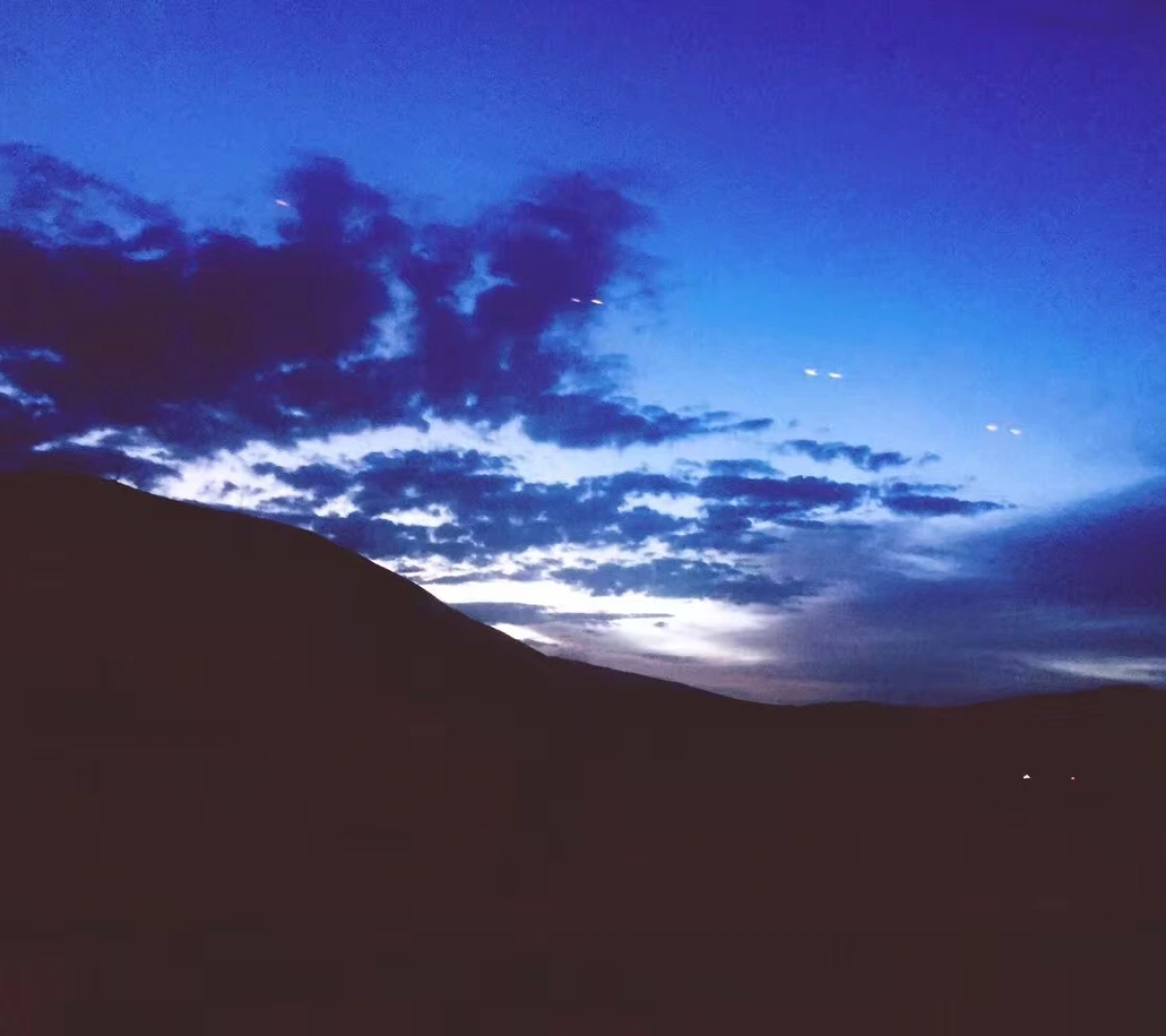
At the mandala, many people prostrate themselves and turn the prayer wheels. Sometimes, family members carry the bodies of the deceased here to circle the stupa—a special ritual for guiding the soul. We waited on the mountain for the evening lights to come on, shivering in the cold. I was wearing only a thin windbreaker, and then it started to rain. The photos weren't great, but that anticipation in the biting cold became one of the most vivid memories. [Link: Tibetan Buddhist practices explained]
Sky Burial: The Farewell of Soul and Body
The next day, we went to the Sertar sky burial platform. It has become a "tourist attraction"—at the Academy gate, people ask, "Going to the sky burial platform? 20 yuan round trip per person." Around 2:00 PM, the ceremony began.
The platform was still under construction, but many tourists had gathered. Some jomo were spontaneously giving Dharma talks, which were excellent and worth listening to. In the charnel ground, a long line of people waited to enter a tunnel shaped like a "mouth," its walls lined with skulls—not real ones, but looking up at them still sent a powerful chill through you. There were also prayer wheels made of human hair and colorful mani stones. Every detail spoke to Tibetan Buddhism's unique understanding of life and death.
In Tibetan Buddhist funeral traditions, death is not an end but a new beginning. The family of the deceased invites lamas to chant and perform rituals. When carrying the body up to the sky burial platform, the family must wear smiles. Crying would cause the deceased to suffer in the next world, while smiles help them smoothly enter reincarnation. Tibetans believe that only a pure soul can be carried to heaven by vultures. Those who never fought, never smoked or drank, never lied, or who accumulated good deeds and achieved spiritual merit in life, are qualified for a sky burial.
Sky burial is the highest form of funeral in Tibetan culture—a feast for the soul and body before entering heaven, a banquet for the dakini (vultures). It is said that the Buddha once sacrificed his own body to feed a hungry tiger, and this practice mirrors that ultimate act of compassion.
FAQ: Frequently Asked Questions About Sertar
1. Is Sertar safe for solo travelers?
Yes, Sertar is generally safe for solo travelers. However, due to the high altitude and remote location, it's recommended to travel with a companion or join a tour group. Always carry basic medication for altitude sickness and stay hydrated.
2. Can tourists visit the Larung Gar Buddhist Academy freely?
Yes, the Academy is open to tourists during daytime hours. However, certain areas like the chanting hall interior are off-limits to non-practitioners. Respect local customs: remove shoes when entering religious buildings, dress modestly, and avoid loud behavior.
3. What should I pack for a Sertar trip?
Pack warm layers (temperatures drop sharply at night), a windbreaker, sunscreen, sunglasses, a hat, and comfortable walking shoes. Bring glucose water or altitude sickness medication. A power bank is useful as electricity can be unstable in remote areas.
4. How do I deal with altitude sickness in Sertar?
- Ascend gradually—spend a night in Sertar County before going to the Academy
- Avoid strenuous activity on the first day
- Stay hydrated and avoid alcohol
- Carry glucose water or Diamox (consult your doctor)
- If symptoms worsen, descend immediately
5. What is the etiquette for watching a sky burial?
Sky burial is a sacred ritual, not a tourist show. Maintain a respectful distance, do not take photographs or videos, and remain silent during the ceremony. If you feel uncomfortable, it's perfectly acceptable to leave.
Conclusion: Your Journey to Sertar Awaits
Sertar is more than a destination—it's a journey into the heart of Tibetan Buddhism and a profound encounter with life, death, and devotion. From the sea of red houses cascading down Larung Valley to the eternal turning of prayer wheels at the mandala, every moment here invites reflection. The sky burial platform reminds us of impermanence, while the chanting of monks and nuns fills the air with hope.
Ready to experience Sertar for yourself? Start planning your trip today. Book your bus ticket from Chengdu, pack your warmest clothes, and prepare for an adventure that will change how you see the world.
Need help organizing your Sertar itinerary? [Link: Custom Sichuan travel packages] Contact us for personalized recommendations, including guided tours, accommodation booking, and altitude acclimatization tips.
Have you visited Sertar? Share your experience in the comments below—we'd love to hear your story.
You may also like


