Sertar Travel Guide: A Spiritual Journey of Two Pilgrimages, One Farewell
Meta Description: Discover the transformative power of Sertar Buddhist Academy in this deeply personal travel story. Two pilgrimages, one farewell—a journey from depression to inner peace. Plan your own pilgrimage with practical tips.
Introduction: Finding Myself in the Red Valley of Sertar
"Stand alone without leaning on others; be independent without fear." — This was a sentence I never truly understood before I entered Sertar.
In 2014, I set foot in this red valley twice within a single month. The first time was during Qingming Festival, under a brilliant sun, surrounded by a cacophony of voices. The second was during the May Day holiday, amidst wind and snow, yet my heart was quieter than it had ever been. After returning, I told everyone: "I will never come back to Sertar." It wasn't out of disappointment—it was out of fulfillment.
This is not just a travel guide. It's a story of spiritual transformation, a pilgrimage to one of the most sacred Buddhist sites in China, and a lesson in letting go.
The Origin: A Dream That Lay Dormant for Three Years
Three years before my first visit, my life hit rock bottom. Depression, confusion, despair—during that period, even breathing felt like a burden. Until one day, a high school classmate I hadn't spoken to in years sent me a travelogue about Sertar on QQ.
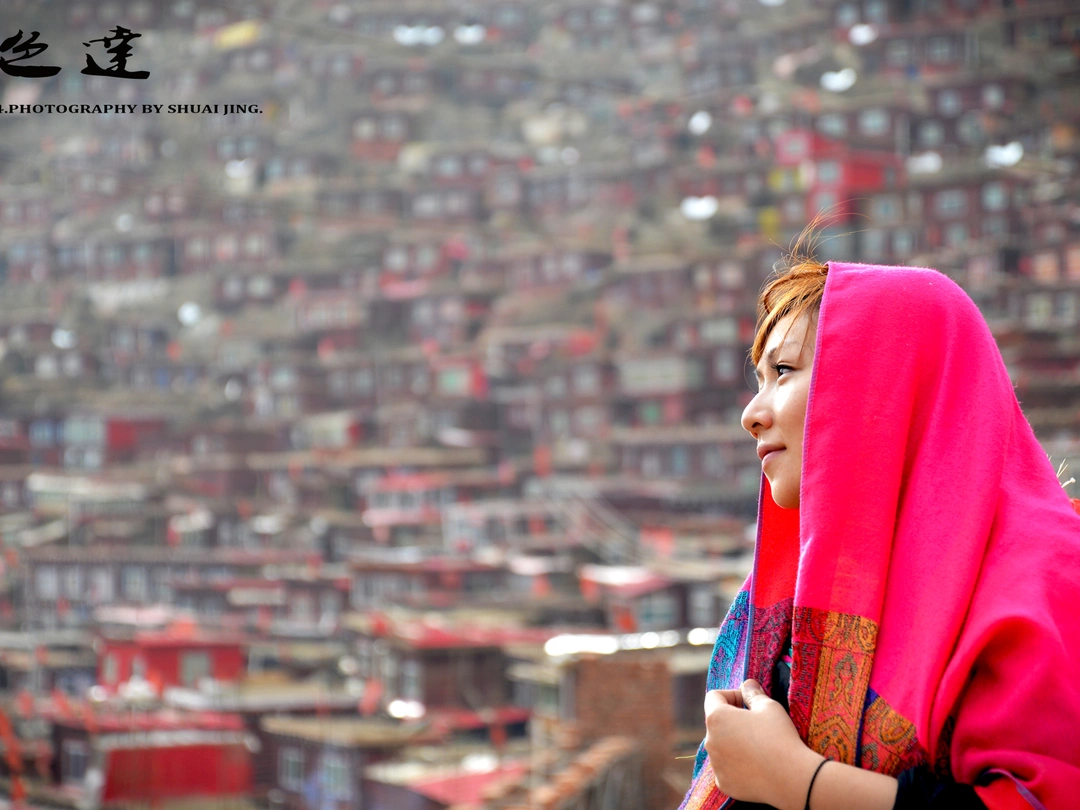
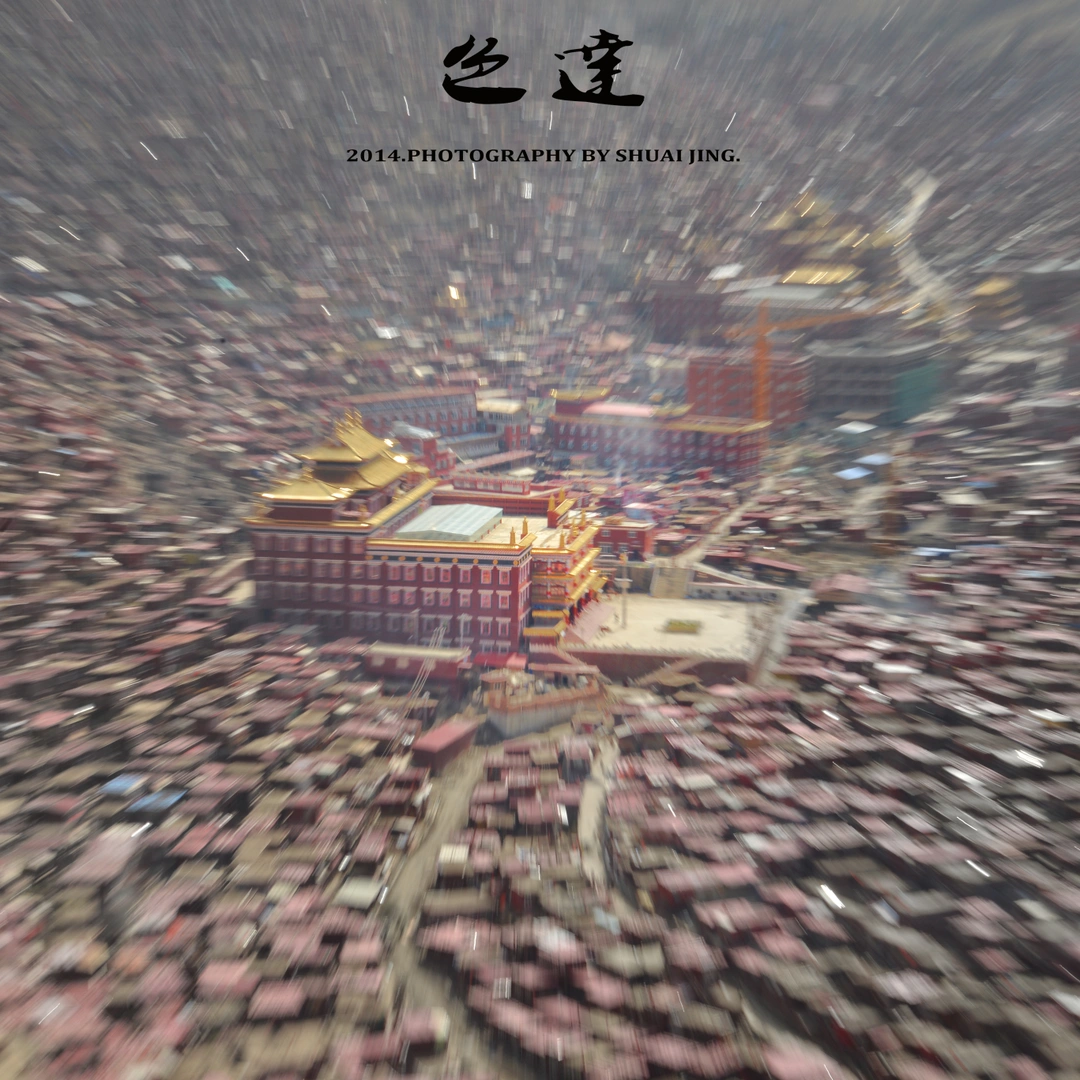
The first glance left me stunned by the dense clusters of red wooden houses. Then I saw the eyes of the practitioners—clear, steadfast, without a trace of impurity. At that moment, I suddenly felt that such a place truly existed in the world, and it was right there in Sichuan.
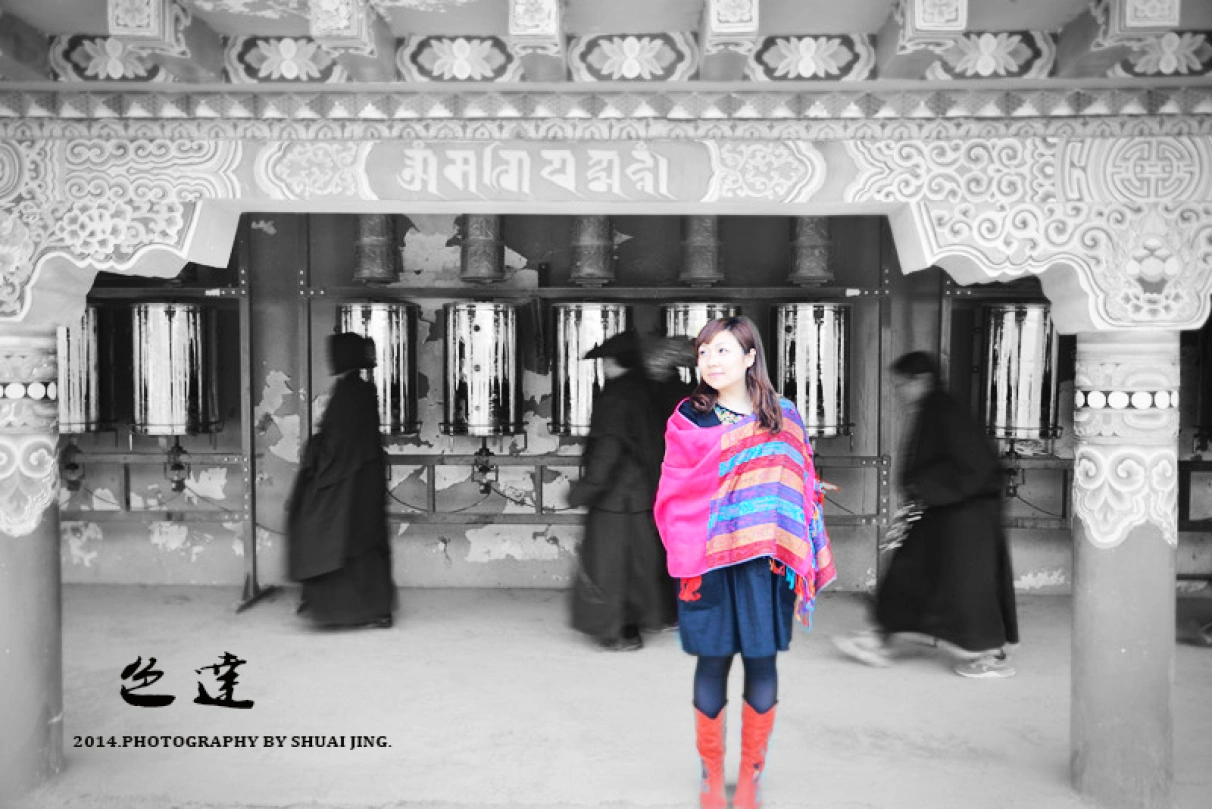
From that day on, I began obsessively gathering everything I could about Sertar. I read every travelogue, looked at every photo, and could even imagine in my closed eyes the streets of the Buddhist academy, the prayer wheels at the Mandala platform, and the vultures circling above the celestial burial ground. I copied the Heart Sutra, listened to the Great Compassion Mantra, and read Master Sheng Yen's Orthodox Buddhism. I told myself: one day, I will go there.
For three years, Sertar was like a seed taking root in my heart. It had nothing to do with scenery, nothing to do with celestial burial—it was only about redemption.
[Link: How to plan a spiritual journey to Sertar]
The First Pilgrimage: Amidst the Bustle, I Lost Myself
During the Qingming Festival of 2014, I finally set off. There were 23 of us traveling together, a grand procession. We entered via Barkam and exited through Jiajin Mountain, laughter echoing all the way.
The weather was unbelievably perfect. Sunlight spilled over the red wooden houses, making the entire valley look as if it were on fire. The Mandala platform sparkled under the sun, and the creaking of prayer wheels rose and fell in waves. Above the celestial burial ground, vultures circled. As the ceremony began, the sky suddenly changed—this was Sertar's rule: no matter how good the weather, when the burial starts, the sky always shifts.
But deep inside me, there was an indescribable sense of loss.

For three years, the Sertar I saw in posts was heavy, solemn, and breathtaking. But standing there in reality, I found it wasn't that heavy at all. Monks were debating scriptures, nuns were smiling, tourists were taking photos—everything seemed normal, even a little lively.
I suddenly realized: I had come with the heavy emotions of three years ago, but I forgot that Sertar itself isn't heavy. It's just itself. And I had projected too many expectations and obsessions onto this land.
After returning from Sertar, I became restless and unsettled. My heart—I didn't know where I had left it.
[Link: What to expect on your first visit to Sertar]
The Second Pilgrimage: In Silence, I Found the Answer
During the May Day holiday, I signed up again. A friend asked me, "Sertar is so harsh, and you just came back—why go again?"
"Yes," I answered firmly. "I have to go again. I need to come back from Sertar."
This time, there were only 22 of us. The weather was bad—wind and snow, muddy mountain roads, the same route back. But my heart was quieter than ever.
I met a nun. She greeted me proactively and invited me to her home. It was a tiny attic, with a wooden ladder almost vertically steep, and a door so narrow I had to sidle through. She lit a fire with dried yak dung, boiled water for me, and steamed buns. She kept smiling, busy as if hosting me was the most important thing in her day.
I stayed at her place for about thirty or forty minutes, watching her simple yet content life, and suddenly understood what "happiness" meant.
Then there was the child who came up and took our hands. I only had a few candies and some gum in my bag. He took just one and walked away happily. His eyes were exactly like those I had seen in the travelogues—clear, pure, without a hint of greed.
At that moment, I finally understood: Sertar was never heavy. It's just real. So real that whatever mood you bring, you'll see a Sertar that matches it.
[Link: Spiritual lessons from Sertar Buddhist Academy]
On Celestial Burial: Please Put Away Your Camera
Many people go to Sertar just to see the celestial burial. It's conducted openly there, and photography isn't strictly banned. But I've always felt it's best not to take pictures.
This is their tradition. It's like cremation among Han Chinese—who would want to see relatives at a funeral holding up phones and cameras, clicking away?

The celestial burial platform is eerie. No matter how good the weather, when the ceremony starts, the sky always changes. During the May Day trip, we even encountered a blizzard. The sky was filled with vultures, impatiently circling, diving, landing—like a black cloud pressing down on the mountaintop.
I won't describe the process of the burial. Because that's not important. What matters is that we, as ordinary people, should learn to respect.
[Link: Etiquette guide for visiting celestial burial sites in Tibet]
Buddha and Zen: They Are Actually Within the Heart
My two trips to Sertar taught me a lesson: Buddha is not far from us. He resides both on the sacred mountain in the West and in the mundane world of everyday life. Zen is not that profound either. It is both the sudden enlightenment after deep contemplation and the intuitive understanding found in walking, sitting, lying down, and living.
Without studying Buddhism or practicing Zen, the sky of life is always covered by a dark cloud. The sacred light of enlightenment cannot shine through, and life becomes a blur of chaos.
But studying Buddhism and practicing Zen are not about escaping reality. Quite the opposite—they are about facing reality better.
"What is meant to be yours will come; what is not, do not force." This saying reveals the essence of life. We strive only for a sense of peace in our hearts. As for the outcome, it depends on whether all the conditions and causes eventually turn into good karma.
Plant a flower with care, and it may not bloom; plant a willow by accident, and it may grow into shade. When the old man at the frontier loses his horse, who knows if it's a blessing?
Let everything go, let everything be light—only then will life achieve the highest state of Zen.
[Link: Buddhism for beginners: A guide to understanding Zen]
Epilogue: Sertar, I Will Not Return
My two trips to Sertar—one was like Qingming: clear and refreshing; the other like May Day: overcast and stormy.
But thankfully, I had my parents and friends by my side, walking me through the storms.

After returning, I finally understood: only by experiencing life and death can one gain profound insight. And Sertar was never the destination—it was just a station on my journey.
I will not return. Not out of disappointment, but out of fulfillment.
Thank you, Sertar. Thank you for helping me find myself, and thank you for teaching me how to say goodbye.
May this life be gentle, detailed, blooming with grace, without struggle or desire, quietly waiting through the cycle of rebirth.
FAQ: Everything You Need to Know Before Visiting Sertar
1. What is the best time to visit Sertar Buddhist Academy?

The best time to visit Sertar is from April to October. During these months, the weather is milder, and the roads are generally clear. Avoid the heavy winter snow months (November to March), as roads can be blocked and temperatures drop dangerously low. Spring and autumn offer the most dramatic skies and fewer crowds.
2. How do I get to Sertar from Chengdu?
The most common route is Chengdu → Barkam → Sertar, covering approximately 600 km (373 miles). The drive takes about 10–12 hours by car or bus. You can also take a bus from Chengdu's Chadianzi Bus Station to Barkam, then transfer to a local bus to Sertar. For a more scenic route, consider the Jiajin Mountain exit.
3. What should I know about altitude sickness at Sertar?
Sertar sits at approximately 4,000 meters (13,123 feet) above sea level. Altitude sickness is common. To prepare: - Spend a day acclimatizing in Barkam (2,600m) before heading higher - Stay hydrated and avoid alcohol - Bring medication like acetazolamide (Diamox) - If symptoms worsen (severe headache, nausea, confusion), descend immediately
4. Is it allowed to photograph the celestial burial ceremony?
Photography is strongly discouraged. While not strictly banned, it is deeply disrespectful to the local Tibetan Buddhist traditions. The celestial burial is a sacred ritual, not a tourist attraction. Please keep your camera away and observe in silence. The same applies to monks and nuns within the academy—always ask permission before taking photos.
5. What should I pack for a trip to Sertar?
Pack for variable weather—even in summer, temperatures can drop below freezing at night. Essentials include: - Warm layers (thermal underwear, fleece, windproof jacket) - Sunscreen and sunglasses (UV is intense at high altitude) - Comfortable walking shoes - Snacks and water (limited food options within the academy) - A headlamp or flashlight (electricity can be intermittent)
Ready to Plan Your Own Pilgrimage to Sertar?
Sertar is not just a destination—it's a mirror. Whatever you bring, you will see reflected back at you. Whether you're seeking spiritual clarity, a break from the chaos of modern life, or simply a breathtaking landscape, this red valley will leave its mark on your soul.
Start planning your journey today. Book your transport, check the weather, and prepare your heart for a reunion with yourself.
[Link: Book your Sertar tour package] | [Link: Read more spiritual travel stories] | [Link: Download our Sertar packing checklist]
Have you visited Sertar? Share your experience in the comments below. What did you find in the red valley?
You may also like


