Sertar Travel Guide: A Buddhist Pilgrimage That Penetrates the Soul
Meta Description: Discover Sertar's Larung Gar Buddhist Academy—a crimson valley of faith at 4,000m. Complete travel guide with transport tips, altitude survival advice, and photography secrets.
Introduction: The Crimson Valley That Calls to the Soul
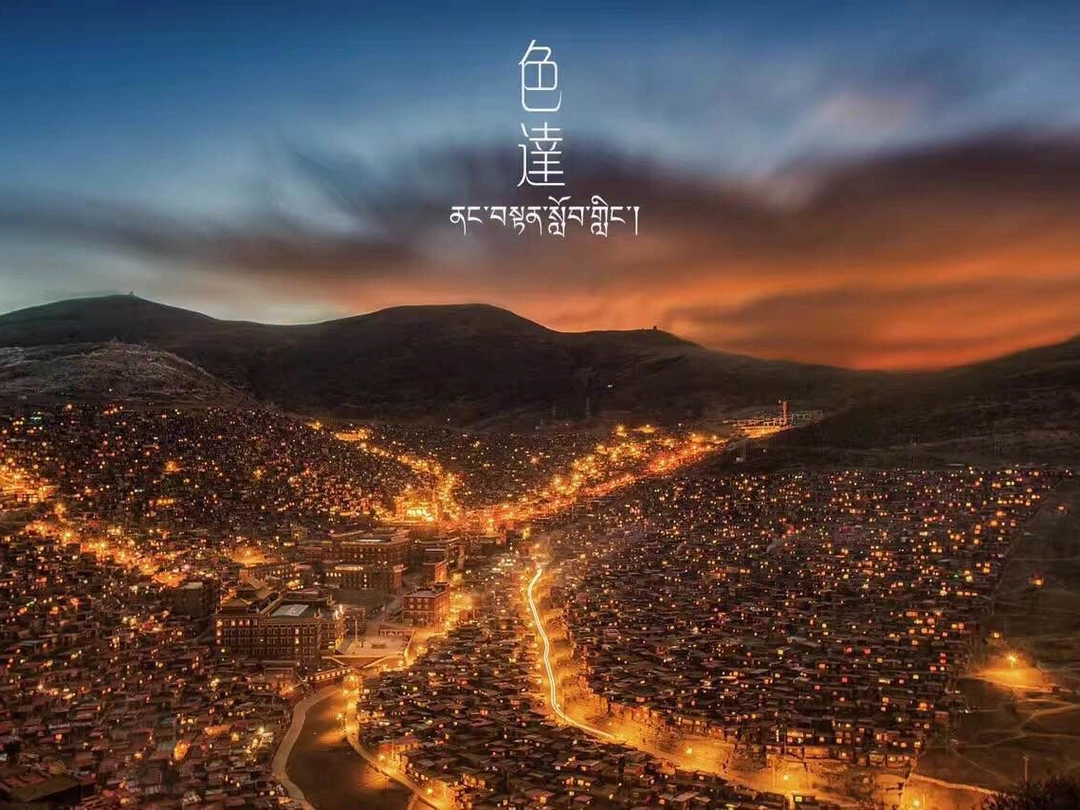
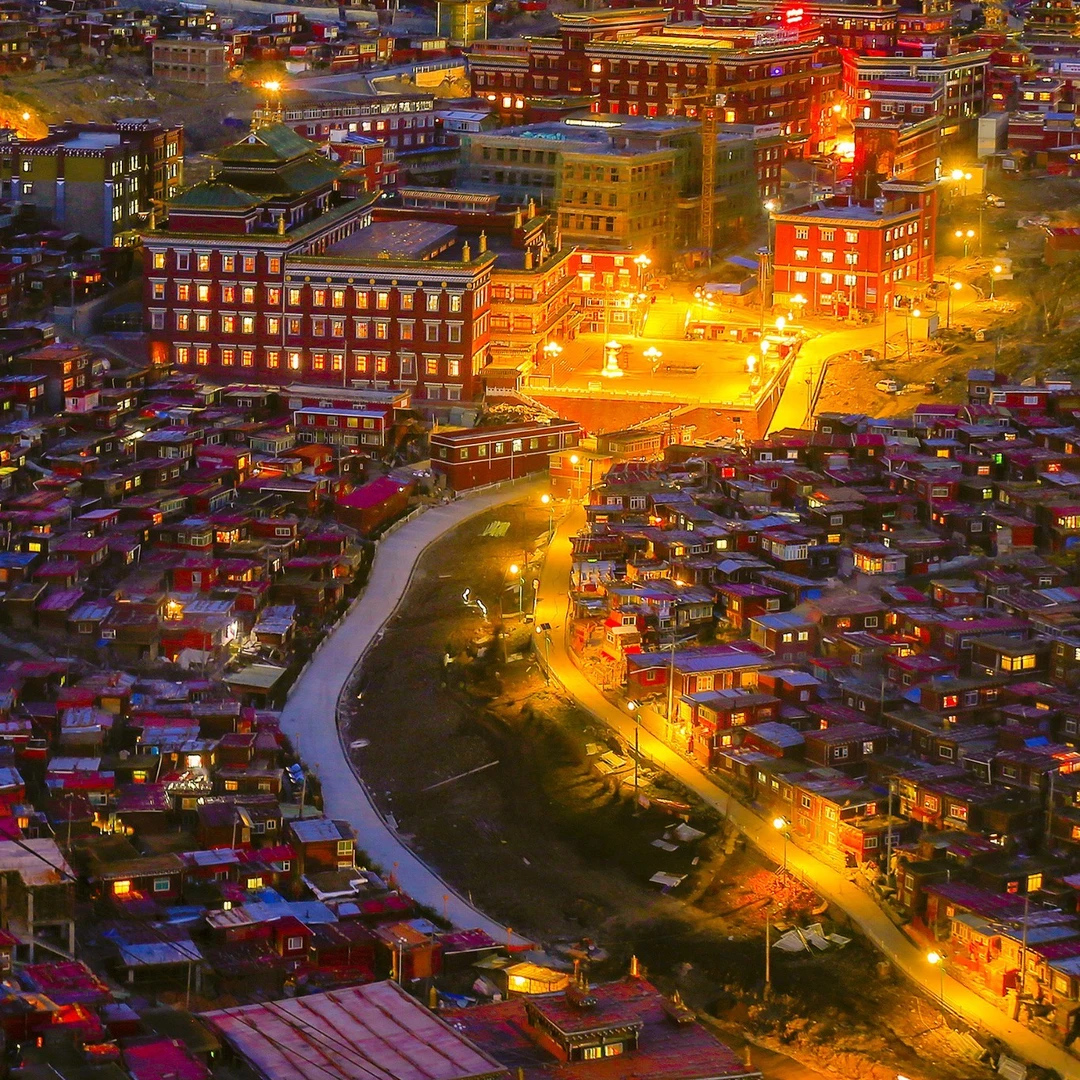
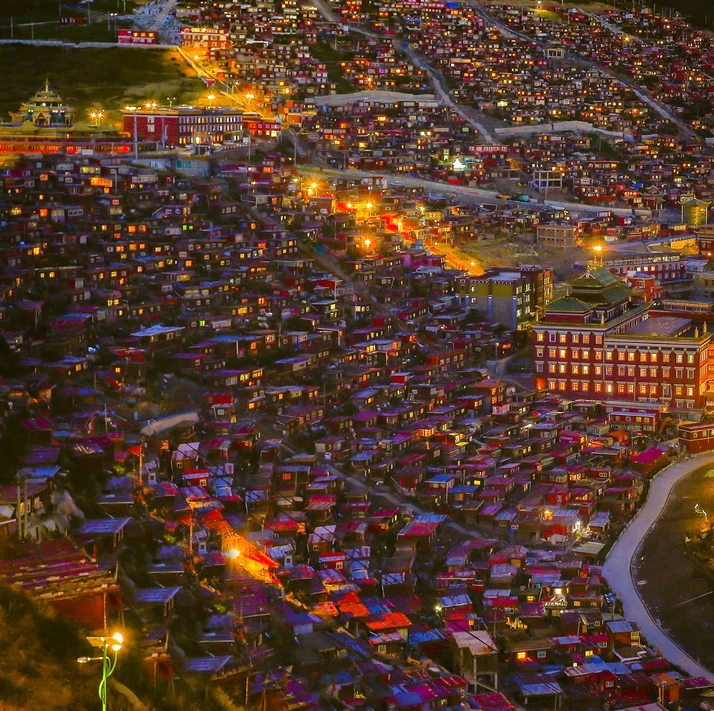
Deep in the folds of the western Sichuan plateau lies a land stained red by faith. Here, there is no urban clamor, no commercial glitz—only tens of thousands of crimson wooden huts blanketing the valley like scattered stars, only prayer flags whispering in the wind, only the chanting of monks echoing across the highlands at 4,000 meters above sea level. This is Sertar—a Buddhist holy land that captivates the hearts of countless travelers.
As someone who once set foot on this land alone, I want to take you with the most honest strokes into this journey of faith, light, and life. Whether you're a photography enthusiast, a seeker of Buddhist wisdom, or simply a traveler yearning for a spiritual cleanse, this article will unveil the most complete picture of Sertar pilgrimage travel for you.
Why Visit Sertar? — The Magic of That Crimson Valley
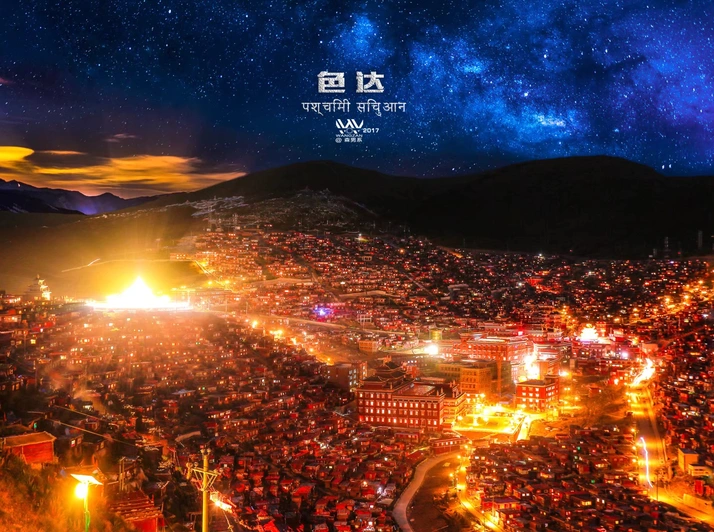
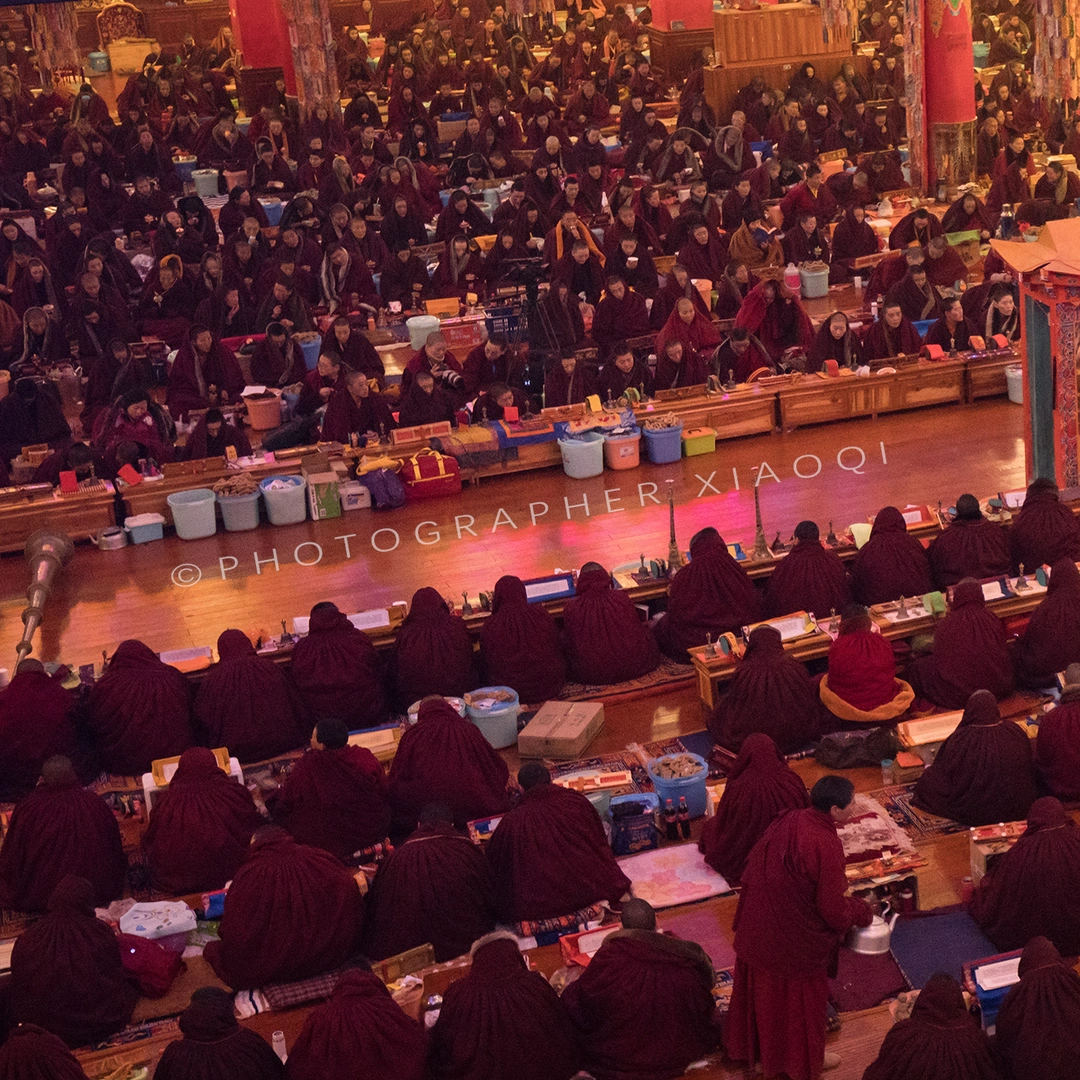
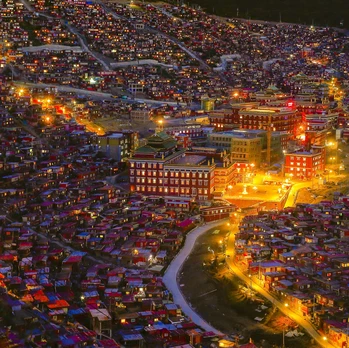
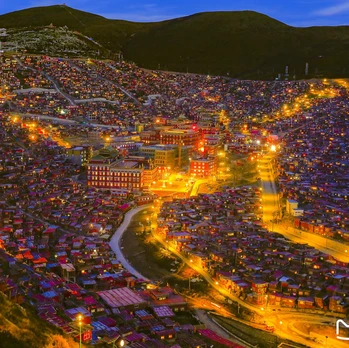
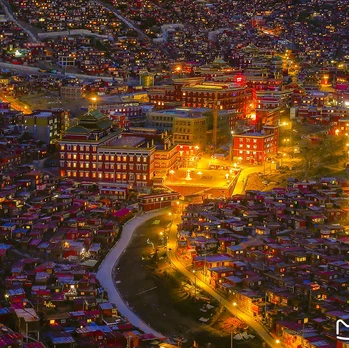
When you first stand atop the sacred mountain and gaze down at the full panorama of the Larung Gar Five Sciences Buddhist Academy, the awe is beyond words. Nestled in a ring of mountains, countless tiny crimson wooden huts radiate outward from the central prayer hall, spreading across the slopes like a sea of red stretching endlessly into the distance. These humble huts are home to over ten thousand monks and nuns—male monks called zhaba and female nuns called jomo—who live and practice here, day after day.

Sertar's allure lies not only in its visual impact. This is a sacred site of Tibetan Buddhism, a pure land in the hearts of countless practitioners. The morning chants, the evening prayer wheels, the starry night sky—every moment exudes a quiet yet powerful spiritual energy. For photographers, it's a paradise: the play of light and shadow, the clash of colors, the depth of human culture—enough to captivate any lens.
But be warned: Sertar sits at around 4,000 meters above sea level, with a cold, dry climate. Many miss out due to altitude sickness or the biting cold. If you decide to go, prepare thoroughly.
The Truth About the Sertar Renovation: Not Demolition, But Protection
Rumors once spread online that Sertar was about to be demolished or renovated, sparking anxiety among many. Let me set the record straight: this is a complete misunderstanding.
The Larung Gar Buddhist Academy renovation did undergo a large-scale planning adjustment, but the goal was not destruction—it was safety. The monks' quarters were largely self-built by individuals, using wood as the main material, with extremely low fire resistance. Moreover, the interiors are filled with flammable items like thangkas, prayer flags, and khata scarves, creating a serious fire hazard. In fact, nine fires had already occurred within the academy, and a major blaze in January 2014 destroyed 150 huts.
Huake, head of the United Front Work Department of Sertar County, publicly stated that urgent issues needed addressing: inadequate firefighting facilities, sanitation and epidemic prevention challenges, geological hazards, and rampant unauthorized construction. As a result, the government integrated the Buddhist academy into the overall planning of Lhorong Township, focusing on improving fire access roads, centralized water supply, safe electricity use, and waste management. This is not renovation—it's protection—protecting this sacred land from being consumed by fire, and safeguarding the safety of every practitioner.
Sertar Pre-Trip Preparation: A High-Altitude Survival Guide
Clothing: Four Seasons in One, Cold and Rain-Proofing Are Key
Sertar's climate resembles that of Shenyang in northeastern China, but more humid. From October to March, winter sets in, with temperatures dropping to around minus 10°C. Recommended attire: a vacuum-cotton down jacket, two thick sweaters, thermal leggings, wool pants, heavy outer pants, plus a scarf, gloves, thick socks, and wool leg warmers. From April to September, spring, summer, and autumn blend together; two sweaters are enough, but even in July, temperatures hover between 10 and 20°C. No matter when you go, be sure to bring a raincoat, rain shoes, and an umbrella—rain can strike at any moment.
Sertar Photography Gear: Capture the Magic
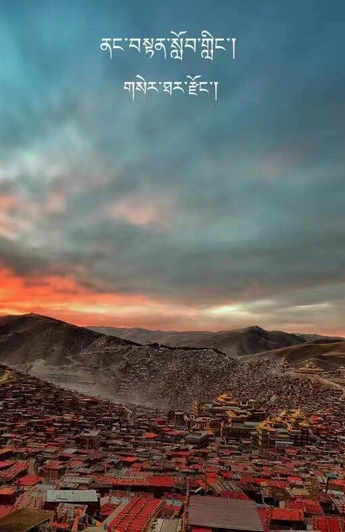
If you're a photography enthusiast, a tripod, wide-angle lens, and telephoto lens are essential. Nighttime stargazing requires long exposures that ordinary phones can't handle. For Sertar photography tips, consider shooting at golden hour (sunrise and sunset) when the crimson huts glow against the mountain backdrop.
Altitude Sickness Prevention: Survival Essentials
As for survival gear: Rhodiola rosea (to prevent altitude sickness), emergency cardiac pills, cold medicine, dried tangerine peel (to alleviate altitude sickness), and gua sha tools. The academy has a clinic, but it's wise to bring your own common medicines. [Link: High-altitude travel safety guide]
Mindset: Embracing Hardship Is a Must
Sertar has no airport or train station. From Chengdu, no matter which mode of transport you choose, you're in for at least 12 hours of bumpy travel. Leave your "princess" mentality behind and prepare for a challenging but rewarding journey.
How to Get to Sertar? — A Complete Transport Guide
Option 1: Join a Sertar Tour Group
Booking a tour in Chengdu is the most hassle-free choice. The route, accommodation, and meals are all arranged by the agency—you just need to bring a good mood. But group tours have their limits: fixed itineraries and low flexibility. Another option is to find a "travel photography" team. They not only drive you but also take your photos, stopping anytime for scenic spots along the way. However, this service doesn't come cheap, and you must confirm upfront whether the fee covers round-trip transport, lodging, and meals to avoid being cheated.
Option 2: Self-Drive to Sertar
If you love freedom, self-driving to Sertar is the best choice. Rent a car in Chengdu and hit the road. Here are two recommended routes:
Route 1 (Classic Line):
Chengdu (60 km expressway) → Yingxiu (G317, 260 km) → Barkam (G317, 200 km) → Wengda Village (V18 county road, 63 km) → Sertar Larung Gar Five Sciences Buddhist Academy
Route 2 (Sichuan-Tibet Line):
Chengdu (Chengya Expressway, 130 km) → Ya'an (G318, 194 km) → Kangding (G318, 75.8 km) → Xinduqiao (S215, 213 km) → Luhuo (G317, 72 km) → Wengda Town (V18 county road, 63 km) → Sertar Larung Gar Five Sciences Buddhist Academy
Both routes offer different scenery, but the road conditions are complex. Only choose this if you have experience driving in high-altitude areas. [Link: Western Sichuan self-drive itinerary]
Option 3: Independent Travel to Sertar (My Choice)
This is the most physically demanding but also the most liberating way. From Chengdu's Chadianzi Bus Station, take the direct bus to Sertar—only one departure per day, at 6:10 AM. Be sure to buy your ticket in advance; miss it, and you'll have to wait until the next day. The journey takes about 12 to 14 hours, with rest stops along the way. Bring snacks and water, catch up on sleep on the bus, and save your phone battery—the scenery along the way is beautiful, but don't overdo the photos; the real highlights are at the destination.
The bus ends at Sertar County town, while the Buddhist academy is about 20 kilometers southeast. I recommend staying in Sertar County town. Although the Larung Gar Hotel inside the academy offers accommodation, the conditions are poor. The Jinma Avenue area in the county has many hotels—prices are a bit steep but worth it. Getting from the county to the academy is easy: plenty of private cars run the route for 10 yuan per person, available at any time.
My Real Sertar Journey: From Dawn to Late Night
At 2:00 AM, I arrived at Chengdu's Chadianzi Bus Station, found a nearby inn, set my alarm, and braced myself for a long day. At 6:10 AM, the bus departed on time. The scenery along the way tempted me to pull out my phone again and again, but I held back—I knew the real treasure still lay ahead.
At around 8:00 PM, the bus finally reached Sertar County. I checked into a hotel on Jinma Avenue. The price was steep, but the thought of seeing that crimson valley the next morning made it all worthwhile.
The next day, I headed straight for the Buddhist academy. The sight of the valley at sunrise—with prayer flags fluttering and monks beginning their morning chants—was nothing short of transformative. I spent hours walking through the narrow alleys between huts, watching practitioners spin prayer wheels, and capturing the golden light that bathed the entire valley.
Frequently Asked Questions About Sertar Travel
1. Is Sertar safe for solo travelers, especially women?
Yes, Sertar is generally safe for solo travelers, including women. The local community is welcoming, and the academy has a peaceful atmosphere. However, as with any remote high-altitude destination, take standard precautions: inform someone of your itinerary, avoid walking alone at night, and keep emergency contacts handy.
2. When is the best time to visit Sertar?
The best time is May to October, when temperatures are milder (10–20°C). July and August offer the most comfortable weather, though rain is common. Winter (October–March) is extremely cold, with temperatures dropping to -10°C, but the snow-covered crimson huts create a stunning photographic opportunity.
3. Can foreigners visit Sertar's Larung Gar Buddhist Academy?
Yes, foreigners can visit, but you may need to register at the local police station upon arrival. Some areas of the academy may have restricted access. It's advisable to check with your tour operator or the local authorities before traveling.
4. Do I need a permit to visit Sertar?
No special permit is required for domestic Chinese travelers. Foreign travelers may need to obtain a Tibet Travel Permit if they plan to venture into restricted areas, but Sertar itself is not part of the Tibet Autonomous Region. However, always check current regulations before your trip.
5. What should I do if I experience altitude sickness in Sertar?
If you experience symptoms like headache, nausea, or dizziness, descend to a lower altitude immediately. Rest, hydrate, and take Rhodiola rosea or emergency cardiac pills. The academy has a basic clinic, but for severe symptoms, return to Sertar County town (lower altitude) or seek medical help in Barkam or Chengdu.
Final Thoughts: Why Sertar Will Change You
Sertar is not just a destination—it's an experience that penetrates the soul. The crimson valley, the chanting monks, the starry nights, and the sheer scale of faith will leave an indelible mark on your heart. Whether you come for photography, spirituality, or simply to escape the noise of modern life, Sertar offers a rare glimpse into a world where faith and daily life are inseparable.
Ready to embark on your Sertar pilgrimage? Start planning today. Book your bus ticket, pack your warmest clothes, and prepare for a journey that will challenge your body but nourish your soul.
Share your Sertar story in the comments below—I'd love to hear how this sacred valley touched your life.
Planning a trip to western Sichuan? Check out our guides on [Link: Tagong Grassland travel tips] and [Link: Yading Nature Reserve hiking guide].
You may also like


