September 2024 Western Sichuan Road Trip: Crossing the Li-Xiaolu Road and the Dan-Dao Loop, Discovering Hidden Plateau Wonders
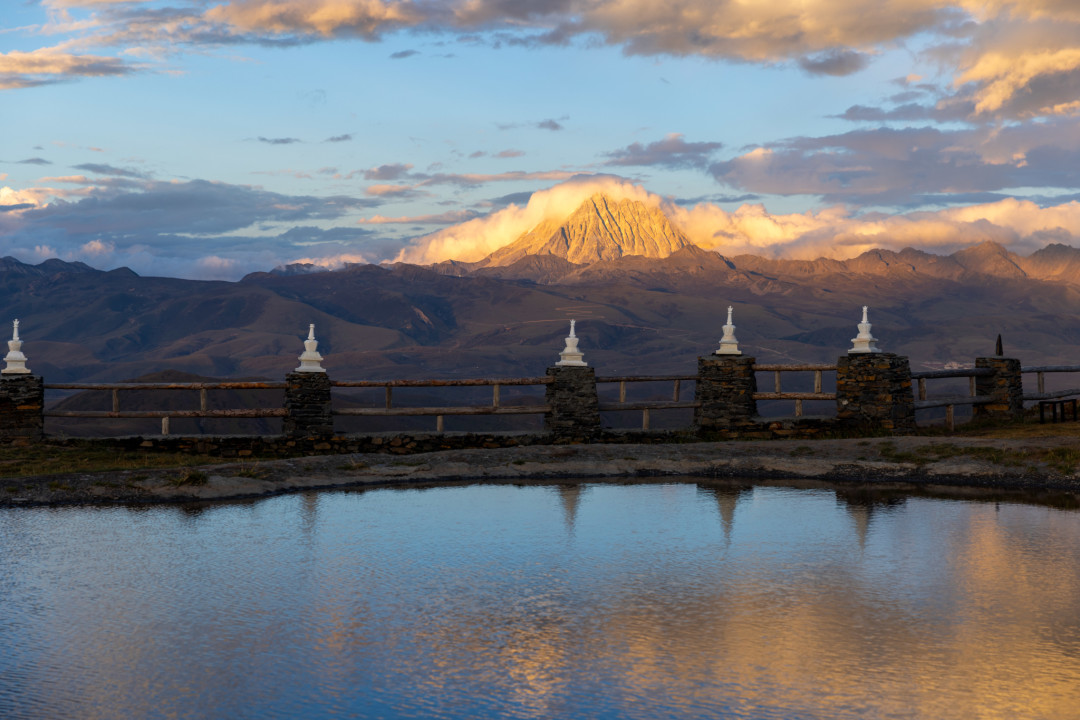
Meta Description: Explore the ultimate Western Sichuan road trip itinerary for September 2024. Cross the new Li-Xiaolu Road, hike to Jiayilacuo Lake, and discover hidden plateau wonders on the Dan-Dao Loop. 7 days of alpine beauty await.
Introduction: Why September is the Perfect Month for a Western Sichuan Road Trip
Last September, I completed a grand loop through Western Sichuan. The winding mountain roads, crystal-clear lakes, and golden snow-capped peaks stayed etched in my memory like a painted scroll. A year later, that longing for the plateau stirred within me once more—so in September 2024, we set off again.
Choosing this time was deliberate. The July-August rainy season and summer crowds are daunting, while September sees the Sichuan Basin scorched by relentless heat, turning the Western Sichuan Plateau into a natural summer retreat. No detailed itinerary, no pre-booked accommodations—just a few destinations in mind, some unexplored roads, and a heart ready to go with the flow.
Starting from Chengdu, we spent seven days completing this secret loop connecting the Li-Xiaolu Road, the Dan-Dao Loop, Tagong, and Jiagenba. This Western Sichuan road trip itinerary is designed for travelers seeking both adventure and tranquility.
[Link: Best time to visit Western Sichuan]
Trip Overview: 7 Days, One Loop, Countless Surprises
Day 1 Chengdu → Mianmao Highway → Li County → Entrance of Bipenggou
Day 2 Entrance of Bipenggou → Li-Xiaolu Road → Zhonglu Tibetan Village → Dangling Village
Day 3 Dangling Village → Jiayilacuo Lake → Huanxita Meadow → Yuke Town
Day 4 Yuke Town → Daofu County → Balangshengdu Viewpoint → Tagong Town
Day 5 Tagong Town → Zesangla Sky Garden → Jiagenba Town
Day 6 Jiagenba Town → Sidingcuo Lake → Kangding City → Shangli Ancient Town
Day 7 Shangli Ancient Town → Pingle Ancient Town → Chengdu
Day 1: From Ruins to Rebirth on the Mianmao Highway

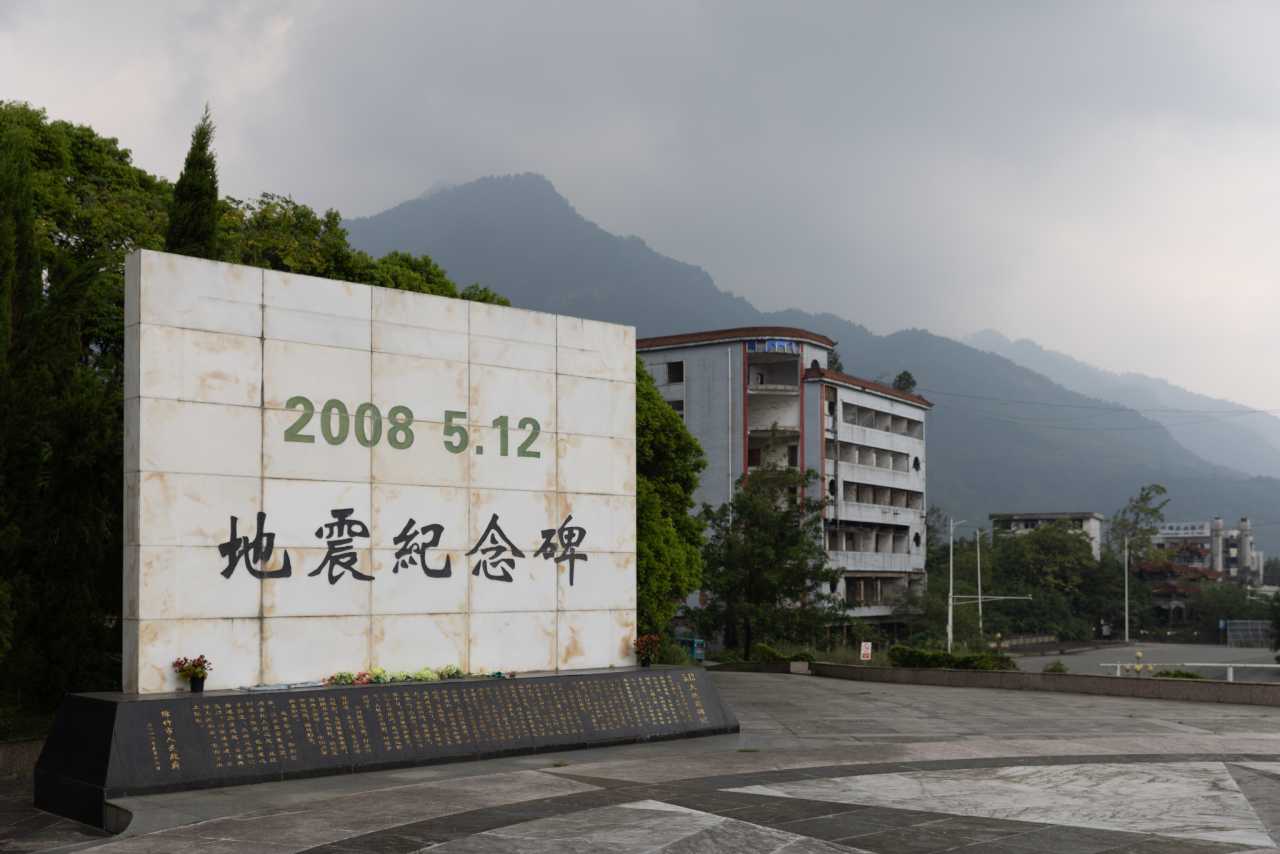
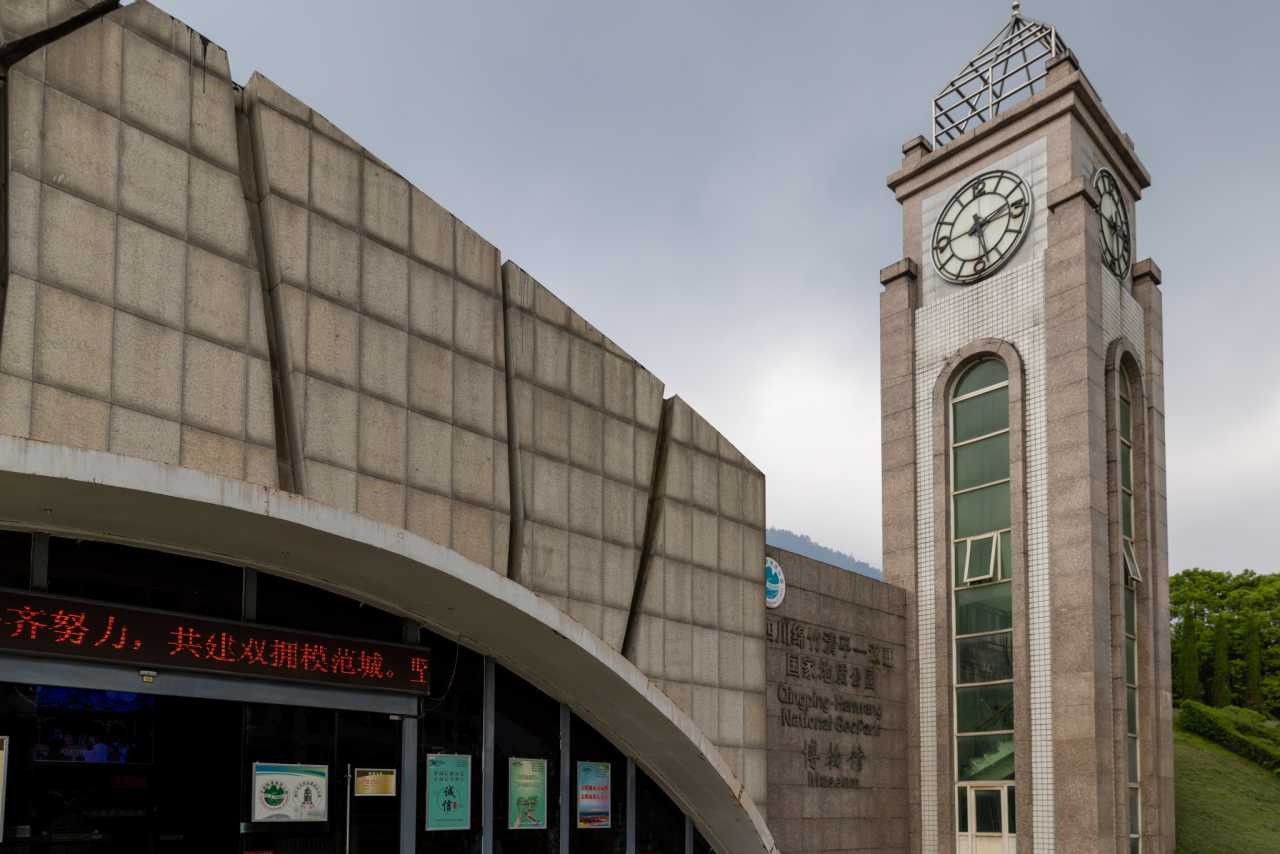
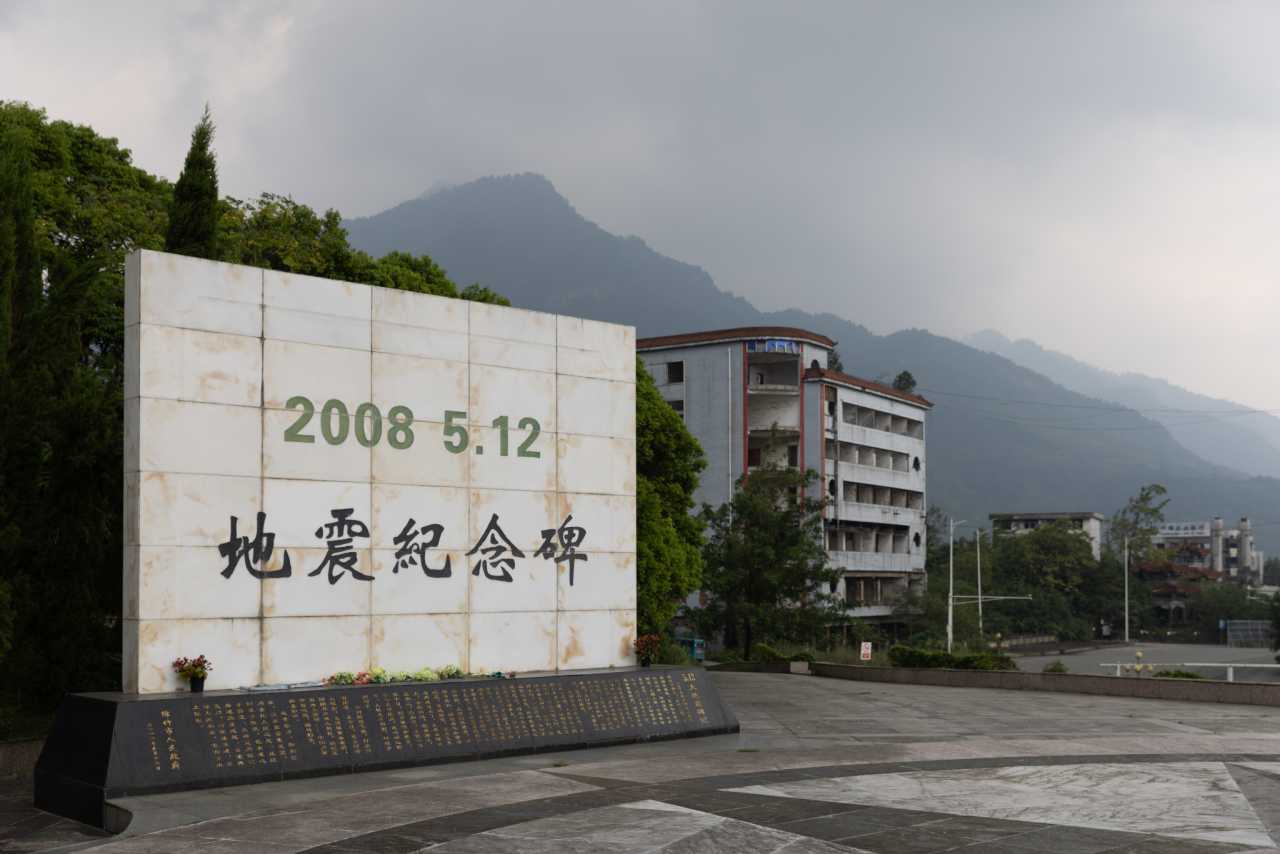
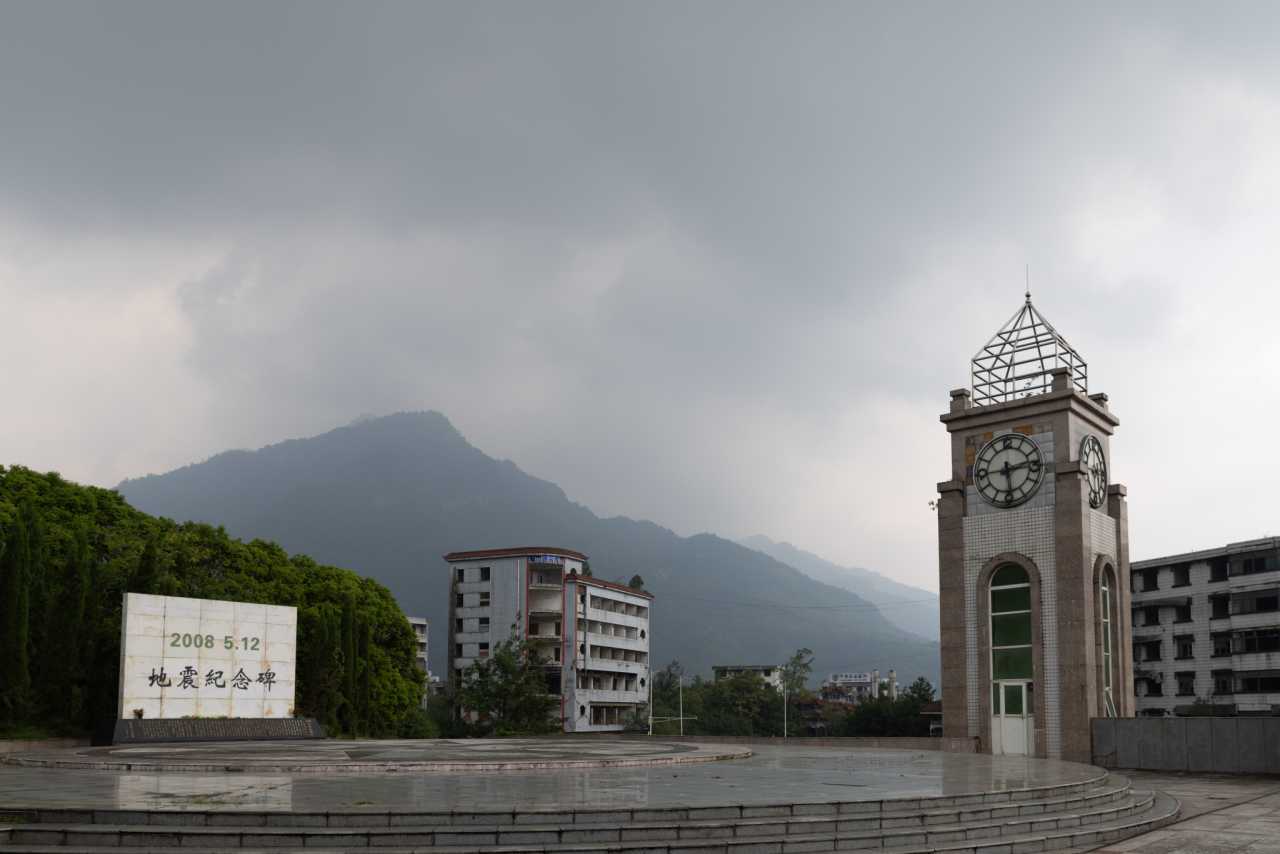
Hanwang Earthquake Ruins: A Frozen Moment in History
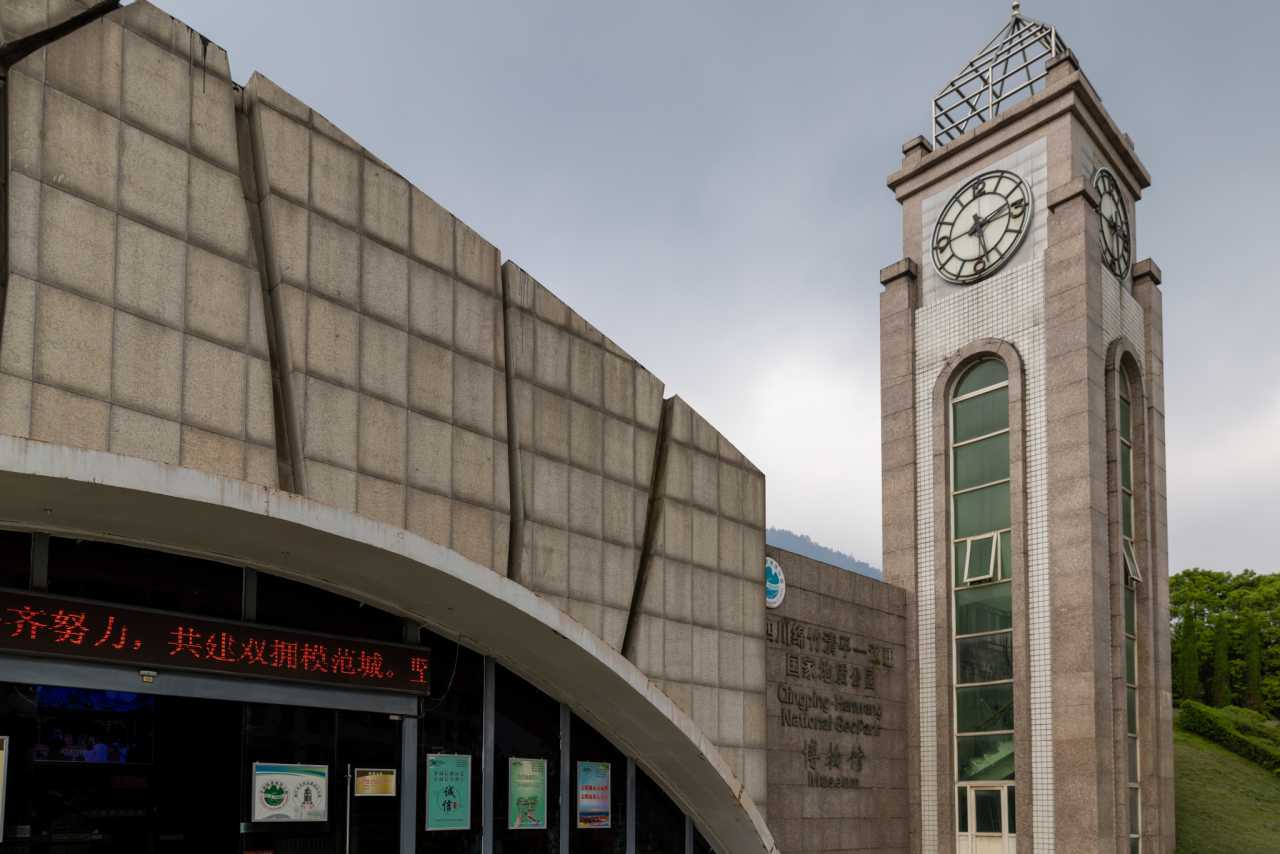
On the first day, instead of taking the usual Dujiangyan-Wenchuan route, we chose to head through Mianzhu's Hanwang Town and take the newly built Mianmao Highway to Mao County. This was a road we'd never traveled before, and its starting point was a place heavy with memory—the Hanwang Earthquake Ruins Park.
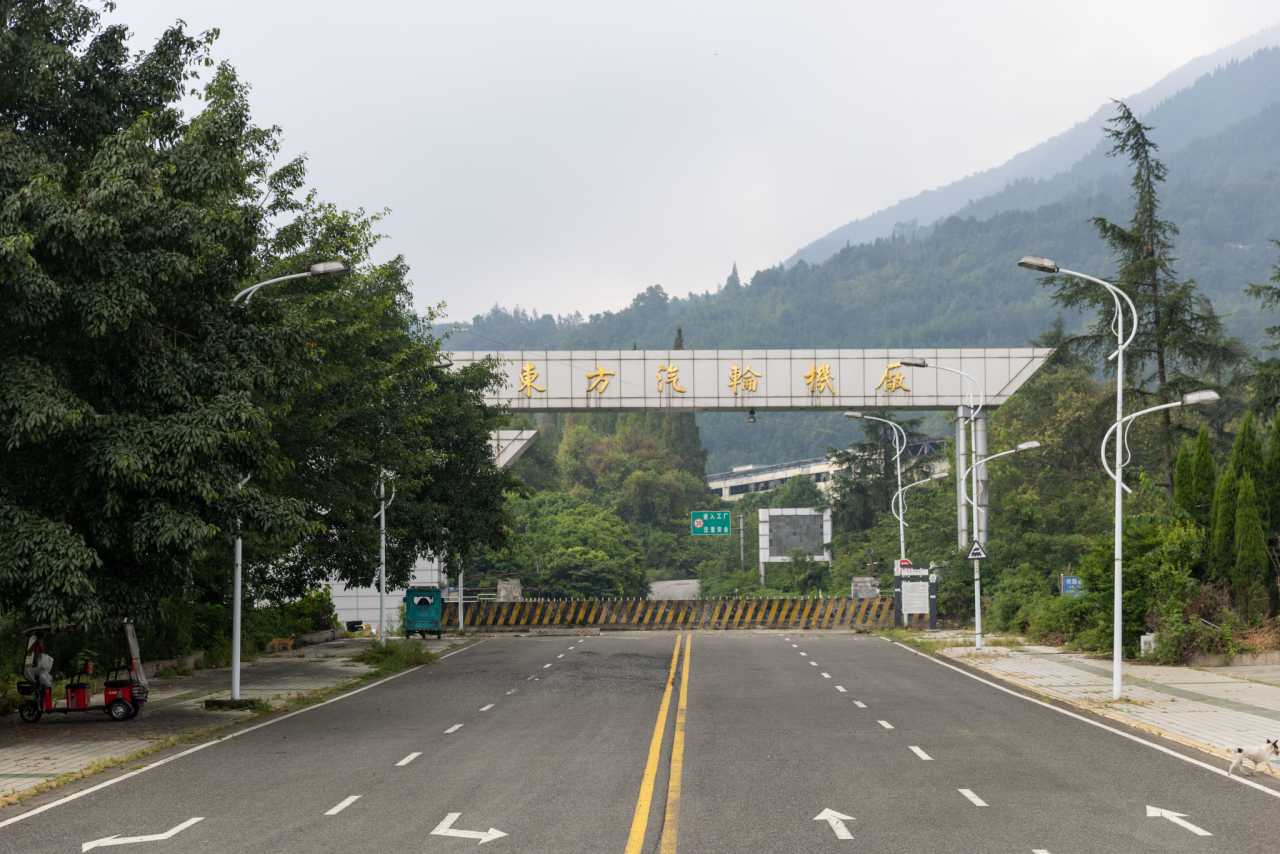
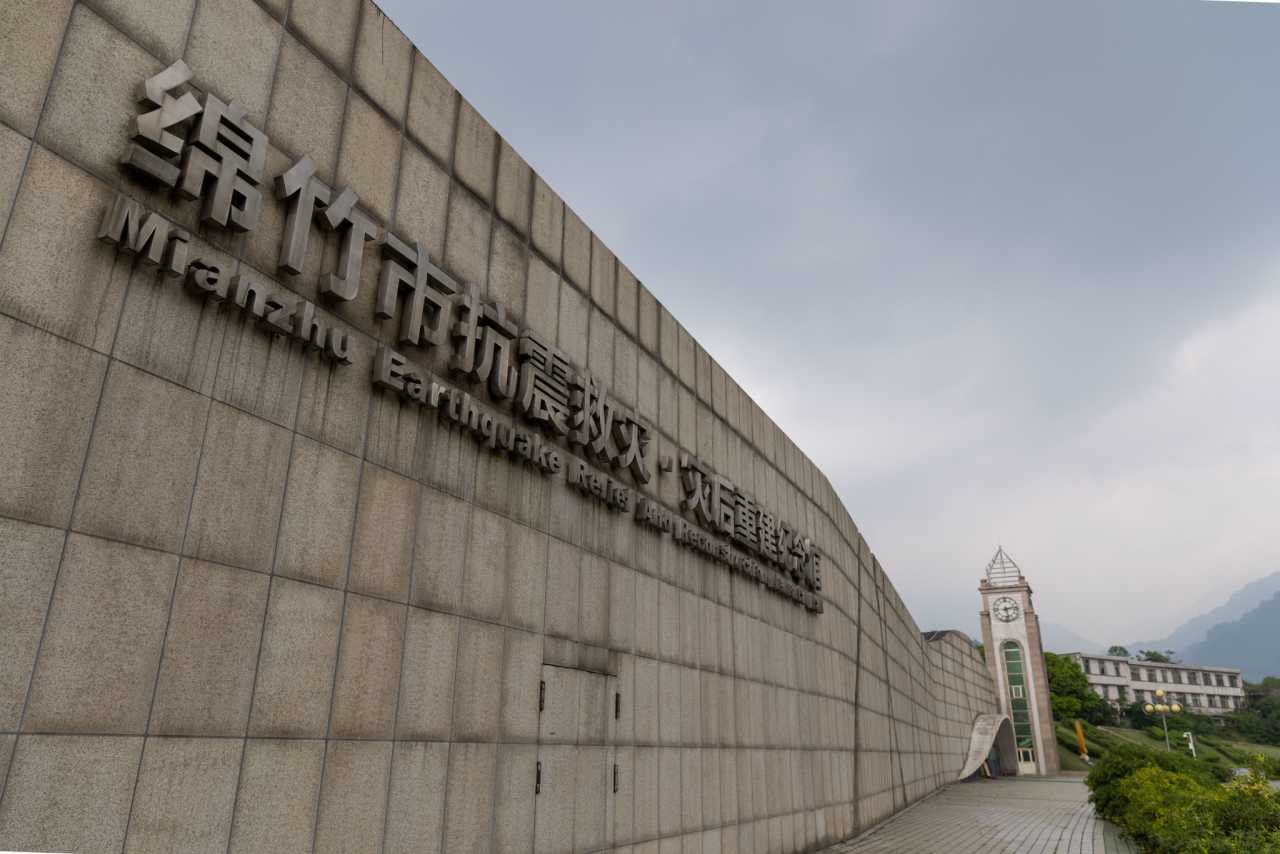
Stepping into the park, the most striking sight was the Hanwang Square clock, forever frozen at 2:28 PM. In that moment, time was stopped by disaster, yet everything around it was striving to be reborn. The crumbling walls of the Dongfang Steam Turbine Factory told the story of that tragic day, while the post-disaster reconstruction memorial bore witness to human resilience.
Unfortunately, you have to take a paid sightseeing shuttle to enter the ruins area, which felt a bit inconvenient—perhaps letting visitors walk freely would allow a deeper appreciation of that historical weight.
[Link: Sichuan earthquake memorial sites]
Mianmao Highway: A 56-Kilometer Engineering Marvel
Leaving Hanwang, we drove onto the Mianmao Highway. Though just 56 kilometers long, this road has a bridge-and-tunnel ratio of 94%, took 14 years to build, and cost over 3.3 billion yuan. It cuts through the fault lines of the Wenchuan earthquake, with dense clusters of natural hazards—making its construction unprecedented in difficulty.
Driving along it, you can feel that behind every tunnel and every bridge lies the sweat and wisdom of countless builders. We arrived in Mao County with time to spare, so we pushed on to stay near the entrance of Bipenggou. At an elevation of 2,200 meters, the cool breeze was a stark contrast to the basin's heat—our summer escape had officially begun.
Day 2: Li-Xiaolu Road—Western Sichuan's New Scenic Highway
Leishenwang Waterfall: A Cascade from the Sky
We woke to the cool air at Bipenggou's entrance, 2,200 meters above sea level. Even in September, long sleeves and pants were necessary. We'd visited Bipenggou a few years ago, so this time our target was the Li-Xiaolu Road, which only opened in June 2024.
The Li-Xiaolu Road stretches 96 kilometers, connecting Li County with Xiaojin County. Shortly after entering, several waterfalls appeared by the roadside, seemingly falling straight from the sky—their roar filling the air with mist. Continuing on, we reached Leishenwang Waterfall, a popular photo spot at 3,350 meters. Waterfalls, streams, forests, and riverbanks formed a perfect camping tableau.
After paying a 10-yuan parking fee and crossing a small wooden bridge through a patch of woods, we could feel the waterfall's power up close. This is one of the best photo spots on the Li-Xiaolu Road.
Da'erpu: A Hidden Paradise on the Plateau
Passing through the 7,030-meter Li-Xiaolu Tunnel, the elevation climbed from 3,700 to 3,840 meters as we entered Xiaojin County. Not far from the tunnel exit lay Da'erpu, the most popular stop on the Li-Xiaolu Road. A flat riverside meadow at about 3,800 meters, it's an ideal spot for summer camping.
There's a parking lot and small shops, and you can even rent tents. Standing on the meadow, surrounded by snow-capped peaks and lush forests, it felt like being in another world. This is a must-stop for any Western Sichuan road trip itinerary.
Zhonglu Tibetan Village: A Pastoral Poem of Tranquility

Leaving the Li-Xiaolu Road, we headed through Xiaojin County to Danba County's Zhonglu Tibetan Village. Compared to the more famous Jiaju Tibetan Village, Zhonglu is far quieter. Harvested stalks were tied into bundles, standing in the fields like rustic sculptures, blending with white houses and golden rooftops in a pastoral scene.
We navigated to "Zhonglu Village Viewpoint 1," the best place to capture the village in panorama—no need to spend much time here to take in its peace.
Dangling Village: Warmth on a Powerless Night
From Danba County town, we drove toward Dangling Village—the starting point of the Dan-Dao Secret Loop. I'd recommend filling up your gas tank in Danba, as neither Dangling Village nor Yuke Town has a gas station.
We arrived at Dangling Village before dark and found a guesthouse. Since it was the off-season, we haggled with the owner and got a good rate. But then the village lost power—and with it, internet. The guesthouse ran a generator for about an hour so everyone could charge their devices.
We sat chatting with two motorcyclists from Hunan. They'd just come back from Mosika Village, bluntly saying, "It's far and the scenery's just okay—not worth it." The guesthouse owner was cheerful and spoke fluent Mandarin. In a world without internet, we ended up having more genuine conversations.
Day 3: Hiking to Jiayilacuo Lake on the Dan-Dao Loop
Jiayilacuo Lake: A Secret Milk Lake
Dangling Village stirred to life in the morning light. Today's goal: hike to Jiayilacuo Lake. It's about 10 kilometers from Dangling Village to Ka'erza Village. After leaving the village, the asphalt road turned to concrete, barely wide enough for two cars to pass. At a signposted fork, we turned left and arrived at the Ka'erza Village parking lot. This area already belongs to Daofu County. With few tourists, it had a real "hidden gem" feel.
The hiking ticket was 20 yuan per person, and a motorcycle ride (round trip) cost 160 yuan per person. From Ka'erza Village (3,750 meters) to Jiayilacuo Lake (4,050 meters), it's nearly 5 kilometers one way, with a 300-meter elevation gain on a relatively gentle slope.
We chose to hike. The path was narrow and gravelly, but without steep climbs or tricky terrain—overall, decent conditions. The weather was perfect, the vegetation lush, and on the mountain trail, we were the only two people, enjoying the solitude and beauty.
After nearly two hours, Jiayilacuo Lake appeared before us. Also known as Milk Lake, it sits at 4,050 meters and is one of the Dan-Dao Loop's secret lakes. The lake itself isn't large—just a boardwalk for viewing and photos, no way to circle it. But its charm lies in the hike itself: every step is a scene. We ate self-heating rice at a small lakeside hut, then made the easy descent, returning to Ka'erza Village in about an hour.
Huanxita Meadow: Western Sichuan's "Altai"
Leaving Ka'erza Village, we drove toward Yuke Town. Along the way, we crossed a 4,350-meter pass where the road had largely deteriorated into an unpaved surface. This is the Dan-Dao Loop in its rawest form—remote, rugged, and breathtaking.
Huanxita Meadow appeared like a mirage: vast, green, and dotted with wildflowers. Locals call it "Western Sichuan's Altai" for its resemblance to the Altai Mountains in Xinjiang. The meadow stretches endlessly, with yaks grazing peacefully and snow-capped peaks in the distance. It's a perfect spot for a picnic or simply soaking in the plateau's tranquility.
[Link: Dan-Dao Loop driving guide]
Day 4: From Yuke Town to Tagong—Alpine Passes and Sacred Views
Balangshengdu Viewpoint: A Panorama of the Plateau
After a peaceful night in Yuke Town, we continued toward Daofu County. The road winds through alpine meadows and pine forests, with occasional glimpses of snow-capped mountains. Balangshengdu Viewpoint is a must-stop at around 4,200 meters. From here, you can see the entire Yuke Valley spread out below, with the distant peaks of the Daxue Mountains forming a dramatic backdrop.
The viewpoint has a small parking area and basic facilities. We spent about 30 minutes here, taking photos and breathing in the thin, crisp air.
Tagong Town: Gateway to the Khampa Plateau
Arriving in Tagong Town in the late afternoon, we felt the shift in atmosphere. Tagong is a hub for travelers exploring the Khampa Plateau, with its famous Tagong Monastery and the stunning Tagong Grassland. The town itself is small but lively, with plenty of guesthouses and restaurants.
We checked into a simple guesthouse and spent the evening walking through the monastery grounds. The golden roofs and prayer flags fluttering in the wind created a sense of peace that only the plateau can offer.
Day 5: Zesangla Sky Garden and Jiagenba
Zesangla Sky Garden: A Garden Above the Clouds
From Tagong, we drove toward Zesangla Sky Garden, a lesser-known gem at around 4,000 meters. This is not a manicured garden but a natural alpine meadow dotted with colorful wildflowers in summer. The name "Sky Garden" comes from its location—it feels like you're walking among the clouds.
The road to Zesangla is unpaved but manageable with a regular car. We spent a couple of hours here, wandering through the flowers and enjoying the solitude. There were only a handful of other visitors, making it feel like our own private paradise.
Jiagenba Town: A Peaceful Plateau Settlement
Continuing east, we reached Jiagenba Town, a small settlement at around 3,500 meters. Jiagenba is known for its hot springs and its proximity to Sidingcuo Lake. We found a cozy guesthouse with a hot spring bath—a welcome treat after days of hiking and driving.
Day 6: Sidingcuo Lake and the Descent to Kangding
Sidingcuo Lake: A Turquoise Gem
Sidingcuo Lake is one of the highlights of the Jiagenba area. At 3,800 meters, this turquoise lake is surrounded by lush forests and snow-capped peaks. The lake is small but incredibly photogenic, with a wooden boardwalk that allows you to walk right up to the water's edge.
We arrived early to avoid the crowds. The morning light reflected off the lake's surface, creating a mirror-like effect. This is a great spot for a short hike around the lake or simply sitting and enjoying the view.
Kangding City: Gateway to Western Sichuan
From Jiagenba, we descended to Kangding City, the traditional gateway to Western Sichuan. Kangding is a bustling city at 2,600 meters, with a mix of Tibetan and Han Chinese culture. We stopped for lunch and explored the old town area, with its narrow streets and traditional architecture.
Shangli Ancient Town: A Taste of Old Sichuan
Our final stop of the day was Shangli Ancient Town, a well-preserved Qing Dynasty town about 30 kilometers from Kangding. Shangli is known for its ancient bridges, cobblestone streets, and traditional tea houses. We spent the evening wandering through the town, enjoying the slower pace of life.
Day 7: Pingle Ancient Town and Return to Chengdu
Pingle Ancient Town: A Tranquil Farewell
On our last day, we visited Pingle Ancient Town, another well-preserved ancient town near Chengdu. Pingle is less touristy than Shangli, with a more relaxed atmosphere. We walked along the Baimo River, crossed the ancient bridges, and enjoyed a final Sichuan meal before heading back to Chengdu.
The drive back to Chengdu took about two hours. As the plateau gave way to the basin's heat, we knew our Western Sichuan road trip was over—but the memories would last a lifetime.
FAQ: Western Sichuan Road Trip Essentials
1. What is the best time for a Western Sichuan road trip?
September is ideal. The rainy season (July-August) ends, crowds thin out, and the weather is pleasant. Autumn colors begin to appear in late September, adding to the scenery.
2. Is the Li-Xiaolu Road suitable for regular cars?
Yes. The Li-Xiaolu Road is newly paved (opened June 2024) and suitable for all vehicles. However, the Dan-Dao Loop has some unpaved sections, so a SUV or high-clearance vehicle is recommended.
3. Do I need to worry about altitude sickness?
Yes. Many stops are above 3,500 meters. Acclimatize in Li County (2,200m) or Kangding (2,600m) before heading higher. Carry medication, stay hydrated, and avoid alcohol.
4. Are there gas stations along the route?

Gas stations are available in Li County, Danba County, Daofu County, Tagong, and Kangding. Fill up in Danba before entering the Dan-Dao Loop, as Dangling Village and Yuke Town have no gas stations.
5. What should I pack for a September Western Sichuan trip?
Pack layers: long sleeves, a warm jacket, rain gear, and sturdy hiking shoes. Sunscreen, sunglasses, and a hat are essential due to strong UV rays at high altitude.
Conclusion: Your Western Sichuan Adventure Awaits
This 7-day Western Sichuan road trip itinerary takes you through some of the most stunning landscapes in China. From the engineering marvel of the Mianmao Highway to the hidden lakes of the Dan-Dao Loop, every day offers something new.
Whether you're hiking to Jiayilacuo Lake, camping at Da'erpu, or simply soaking in the views at Balangshengdu, this journey will leave you with memories that last a lifetime.
Ready to plan your own Western Sichuan road trip? Start by checking road conditions, booking accommodations in advance for peak season, and preparing for high-altitude travel. The plateau is calling—answer it.
[Link: Western Sichuan road trip packing list]
[Link: Best Tibetan villages in Danba County]
Have you driven the Li-Xiaolu Road or explored the Dan-Dao Loop? Share your experience in the comments below—we'd love to hear your hidden gem discoveries!
You may also like


