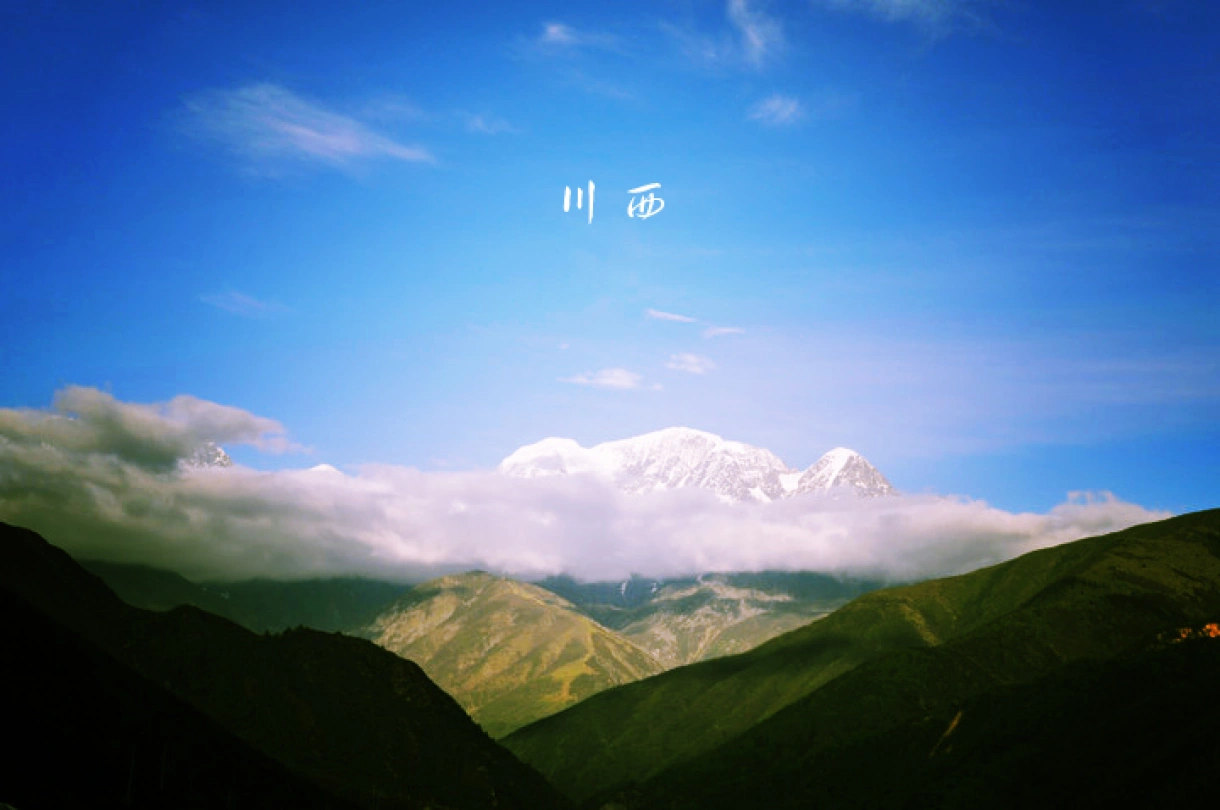
Self-Driving in Western Sichuan: On the Oxygen-Starved Plateau, Encountering the Most Healing Scenery
Here is the SEO-optimized and rewritten article based on your source material, crafted to rank for relevant keywords while maintaining the original beauty and factual accuracy of the content.
SEO Title: Western Sichuan Self-Driving Guide: Conquer the Plateau & Find the Most Healing Scenery
Meta Description: Discover the ultimate Western Sichuan self-driving itinerary. From Ganbai Road to Yarchen Gar, experience stunning snow mountains, Tibetan Buddhist culture, and essential altitude sickness tips.
Western Sichuan Self-Driving Guide: Conquer the Plateau & Find the Most Healing Scenery
Some say Western Sichuan is a place where "the body endures hell while the eyes feast in heaven." But when you actually set foot on this land, you discover that what leaves you breathless isn't just the altitude—it's the overwhelming beauty and emotion that hits you from every direction. This is the ultimate self-driving in Western Sichuan guide for those ready to trade comfort for an unforgettable adventure.
Why Western Sichuan is the Best Self-Driving Destination in China
If you ask me which place in China is most worth a self-driving trip, I'll answer without hesitation: Western Sichuan.
This isn't Tibet, yet it boasts snow-capped mountains and spiritual devotion that rival those of Tibet. This isn't Xinjiang, yet it offers equally vast grasslands and river valleys. Starting from Chengdu, heading westward, the altitude climbs, the oxygen thins—but every breath becomes precious because you know you're approaching a world that is both real and dreamlike.
The beauty of Western Sichuan isn't one-dimensional. It's a multi-layered feast for the eyes, the soul, and the palate. For anyone planning a Sichuan road trip itinerary, this region offers the most diverse landscapes in the country.
Scenery: God's Spilled Palette on the Sichuan Plateau
Ganbai Road: A Scenic Drive Through All of Western Sichuan's Landscapes
From Garzê to Baiyü, Ganbai Road was the most breathtaking stretch of this trip. It's not one of those "Instagram-famous highways," but every kilometer hides a surprise. Canyons, snow-capped peaks, forests, river valleys, alpine meadows, wetlands—the landscape shifts like flipping through a geography textbook.
The most unforgettable moment was at the confluence of two rivers—where the turquoise waters met the golden currents of the Jinsha River, forming a clear dividing line. At that moment, you realize that nature is the greatest artist of all. This is a high-altitude road trip that rivals any in the world.
Luoge Liangzi: The Ultimate Snow Mountain Viewpoint
If you ask me which spot on this trip is a "must-see or you'll regret it," I'd say: Luoge Liangzi.
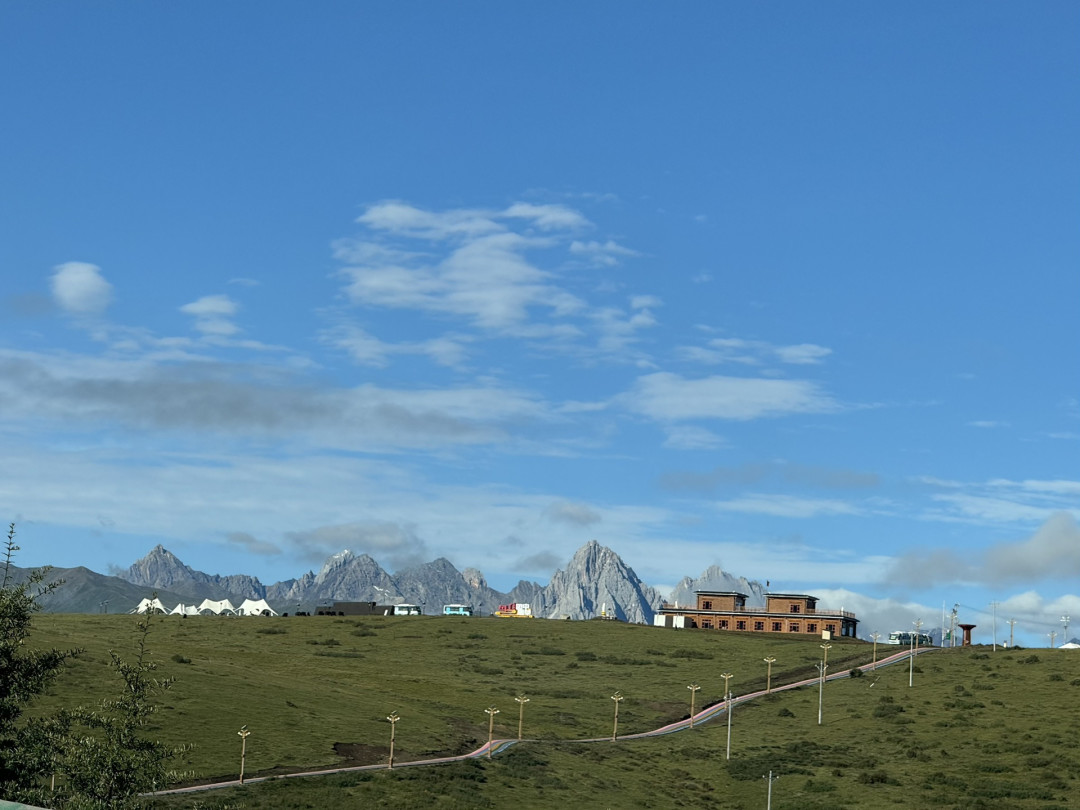
Standing here, the snow mountains feel within arm's reach. When clouds hang low, the peaks appear and disappear like veiled maidens. When the mist clears, the mountain range stretches out in a majestic line. The sheer awe is something no photograph can convey. It is the premier snow mountain panorama viewpoint in the region.
Kathok Monastery: A Fairyland at 4,000 Meters

Making Kathok Monastery our first stop of the morning was one of the best decisions of the trip.
The last 8 kilometers of winding mountain road were shrouded in clouds and mist, climbing steadily to 4,000 meters. Outside the window, the mountain peaks emerged and vanished through the fog, as if we were driving toward the heavens. Kathok Monastery is the world's second Vajra Seat, standing alongside Bodh Gaya in India and Mount Wutai as one of the three great Vajra Seat sacred sites in the world. The main hall, the mandala, the museum—every corner deserves careful exploration.
Standing at the summit, looking down at the mist-filled valley, you understand why Tibetan Buddhist practitioners chose to build their monastery here—so close to the heavens, so far from the mundane world.
Yarchen Gar: The Shock of Red Cabins
Yarchen Gar is the world's largest gathering place for female monastics. Standing on the observation deck, seeing the dense sea of red wooden cabins filling the valley—the visual impact at that moment defies description.
These tiny red huts are the meditation quarters of the jomo (female monastics). The Changqu River separates the zhaba (male monastics) from the jomo, creating two distinct worlds. Here, faith is visible, tangible, and palpable. It is one of the most unique Tibetan Buddhist sites in Sichuan.
Faith: Tibetan Buddhism Made Tangible in Western Sichuan
My journey through Western Sichuan allowed me, for the first time, to truly feel the power of faith.
Derge Sutra Printing House: The Living Heritage of Devotion
The Derge Sutra Printing House is one of the three major sutra-printing institutions in Tibetan regions. Inside, to protect the wooden printing blocks, the hall is barely lit—relying entirely on natural light filtering through the windows. Rows upon rows of printing blocks are arranged in perfect order, while artisans continue to print scriptures using traditional methods.
That focused devotion inspires deep respect. Here, faith isn't an abstract doctrine—it's tangible labor and living heritage. [Link: Tibetan Buddhist culture in Sichuan]
Dzogchen Monastery: Encountering Friendly Lamas
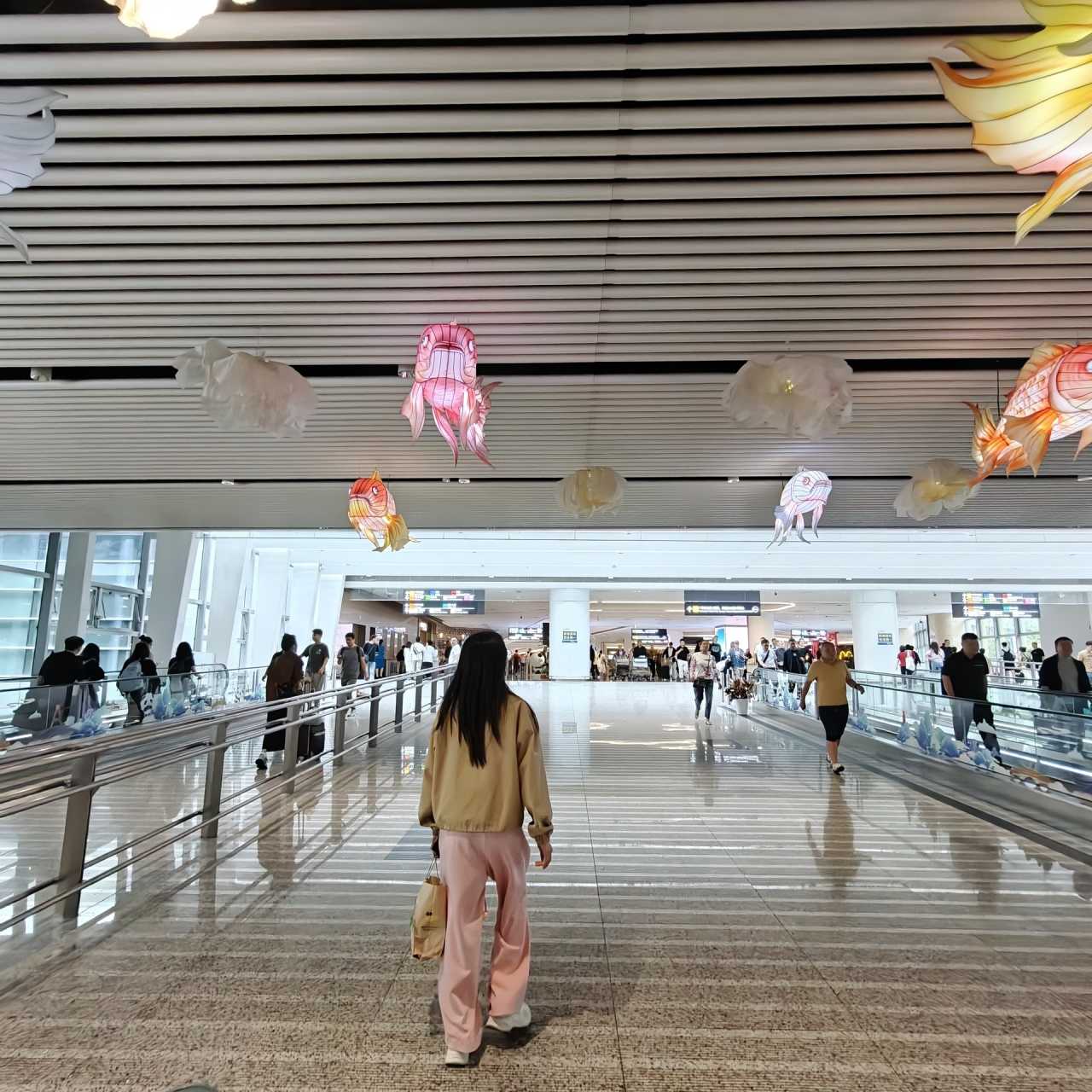
Dzogchen Monastery is one of the six mother monasteries of the Nyingma school. The lamas here are remarkably friendly, often greeting visitors on their own initiative. We arrived around noon, and the monks were seated in the hall, eating their meal in quiet serenity. The peacefulness made us reluctant to disturb them.
In Western Sichuan, you discover that faith isn't something lofty and distant—it's woven into daily life. Buddha images painted on roadside cliffs, prayer flags fluttering everywhere, prayer wheels spinning... everything feels natural and unforced.
Human Connection: Finding Warmth on the Plateau
The people of Western Sichuan were one of the biggest surprises of this trip.
At Dzogchen Monastery, lamas enthusiastically pointed us in the right direction. At road checkpoints, the officers patiently answered our questions. By the roadside, Tibetan locals would wave for a ride—not because transportation is scarce, but because they are warm-hearted and generous.
Once, while we were stopped to take photos, a Tibetan uncle approached us to chat. Though we couldn't understand each other's language, his smile put us at ease. On the plateau, the distance between people somehow feels smaller. This is the plateau travel warmth that no guidebook can prepare you for.
Food: A Flavor Feast at High Altitude
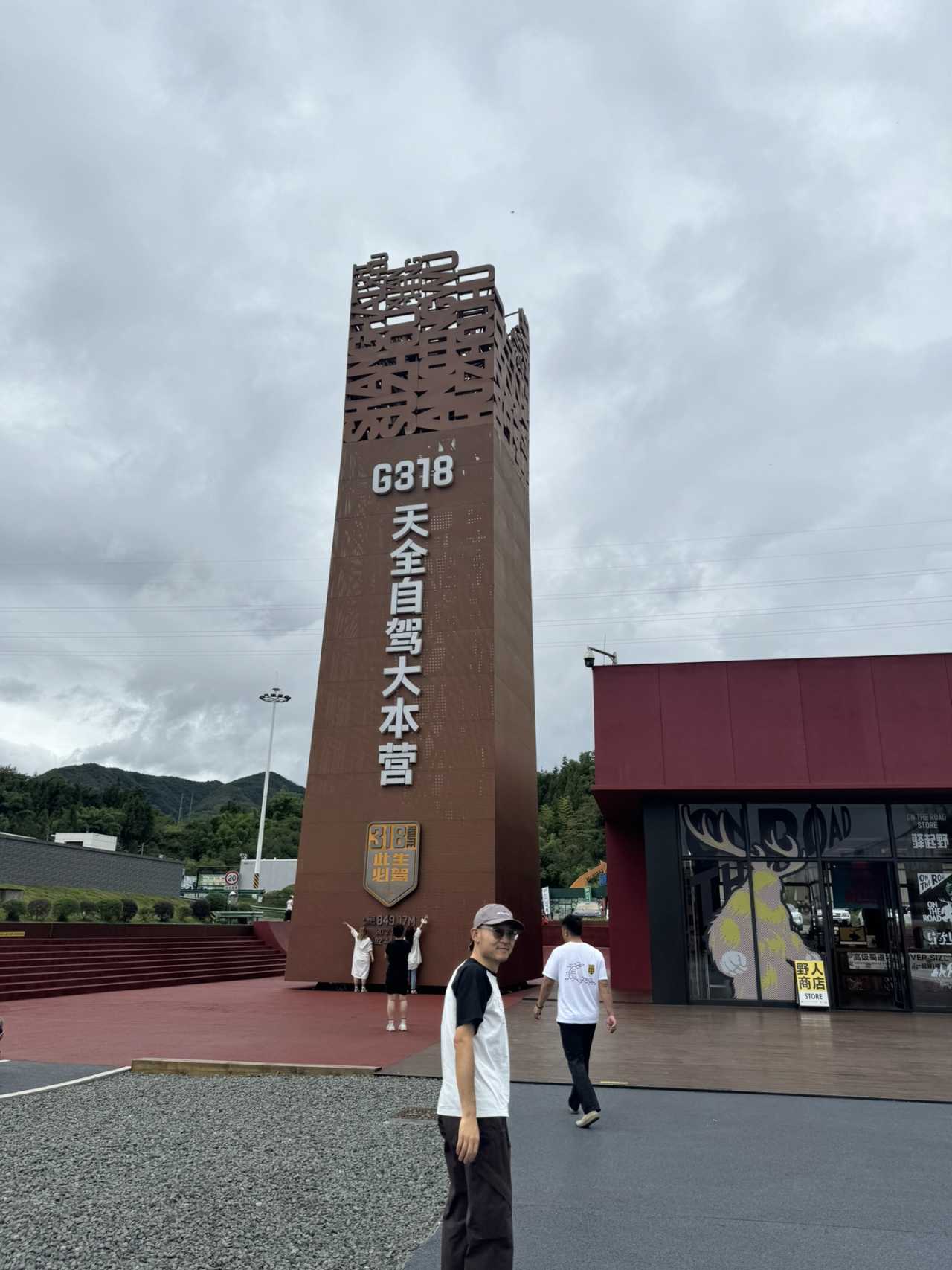
The cuisine of Western Sichuan deserves its own section. Here are the must-try Tibetan dishes for your trip.
Must-Try Dishes for Your Sichuan Road Trip
- Yak yogurt: Topped with a layer of yellow cream, rich and thick, with a tangy fragrance. The cup I bought at Kangba Yogurt Specialty Store still lingers in my memory.
- Tibetan highland barley cake: The real thing—earthy, nutty, and more flavorful the more you chew. Beware of the trendy fluffy versions that aren't authentic.
- Hand-grabbed yak meat: Yak meat truly tastes different from regular beef, though the tendons can be tough to chew.
- Tsampa (roasted barley flour): Fine-textured and slightly sweet, perfect when paired with butter tea.
- Various Muslim-style flatbreads: Cumin-scented sesame oil cakes, savory cakes, sweet butter-milk cakes... At the Dongxiang Guokui Fragrant Pastry Shop in Garzê, we bought several varieties, and every single one was delicious.
Recommended Eateries on the Route
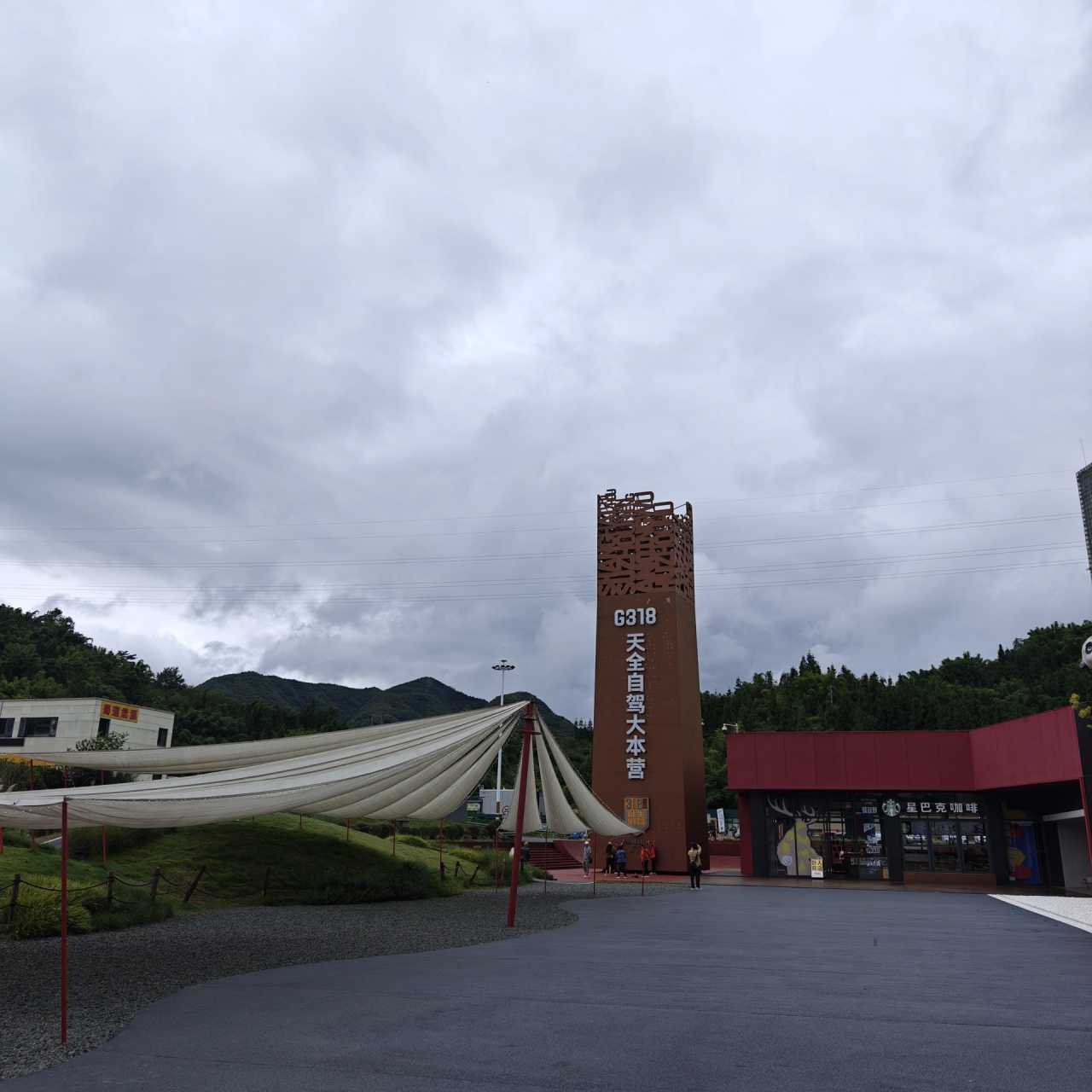
- Kangba Yogurt Specialty Store (Garzê): Their yak yogurt and highland barley cake are both outstanding.
- Dongxiang Guokui Fragrant Pastry Shop (Garzê): A wide selection of flatbreads at low prices—we bought more on our return trip.
- Qingyuan Steamed Dish Restaurant (Dawu): Great value, with excellent steamed pork ribs and trotters.
- Bozi Stir-Fry (Baiyü): A family-run shop with fresh ingredients and generous portions.
Altitude Sickness & Practical Tips for Your Western Sichuan Trip
Dealing with Altitude Sickness
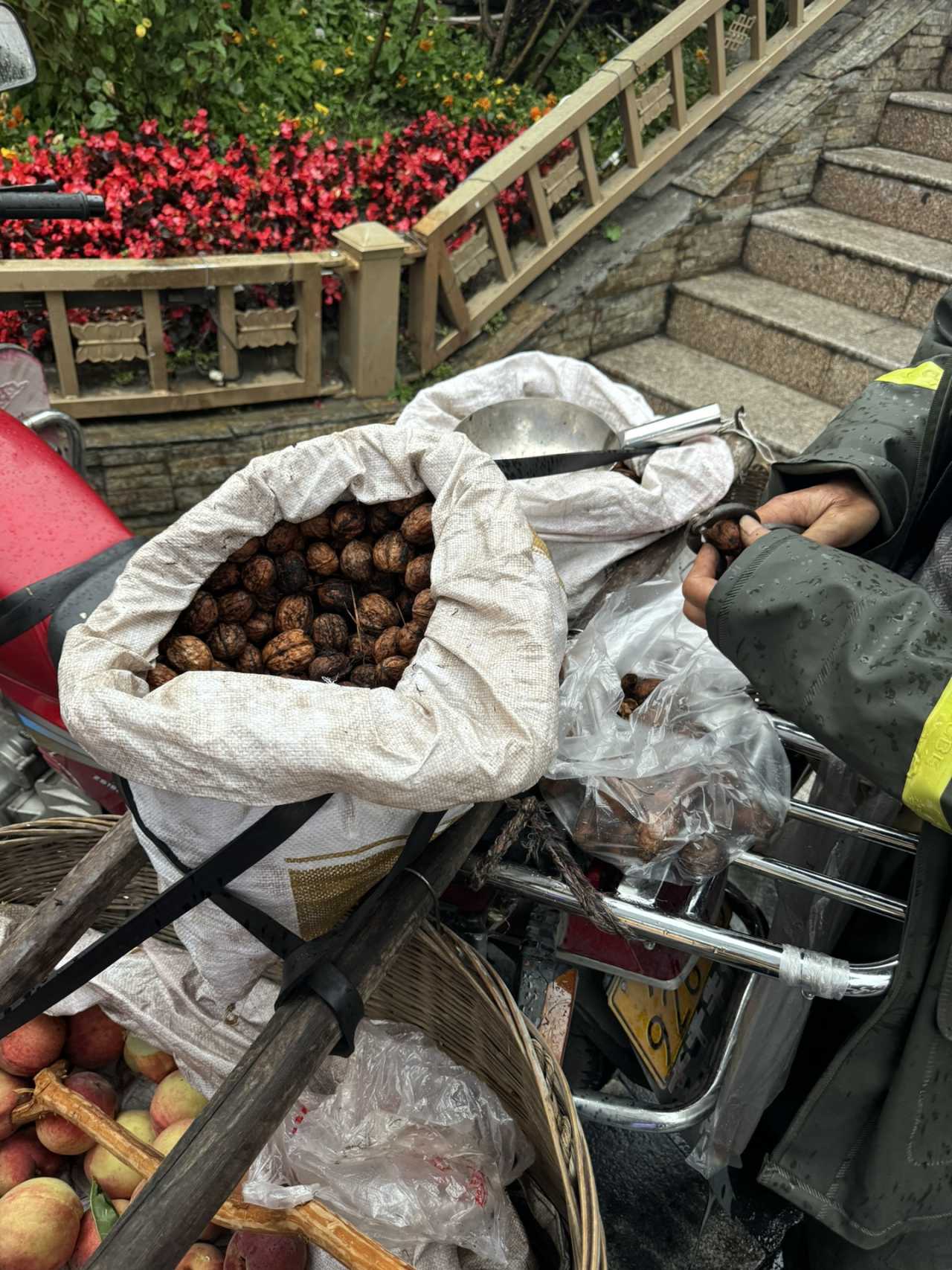
Altitude sickness is an unavoidable part of any Western Sichuan trip. Here's what I learned:
- Don't catch a chill: A cold at high altitude can be serious. Staying warm is the top priority.
- Use oxygen promptly: Don't try to tough it out—use supplemental oxygen when needed.
- Take glucose: Bring some oral glucose solution for quick energy.
- Don't wash your hair: It's painful advice, but for safety, just endure it.
Also, the plateau is extremely dry. If you suffer from dry eyes, bring lubricating eye drops (sodium hyaluronate). [Link: Altitude sickness prevention tips]
Accommodation Recommendations for the Plateau
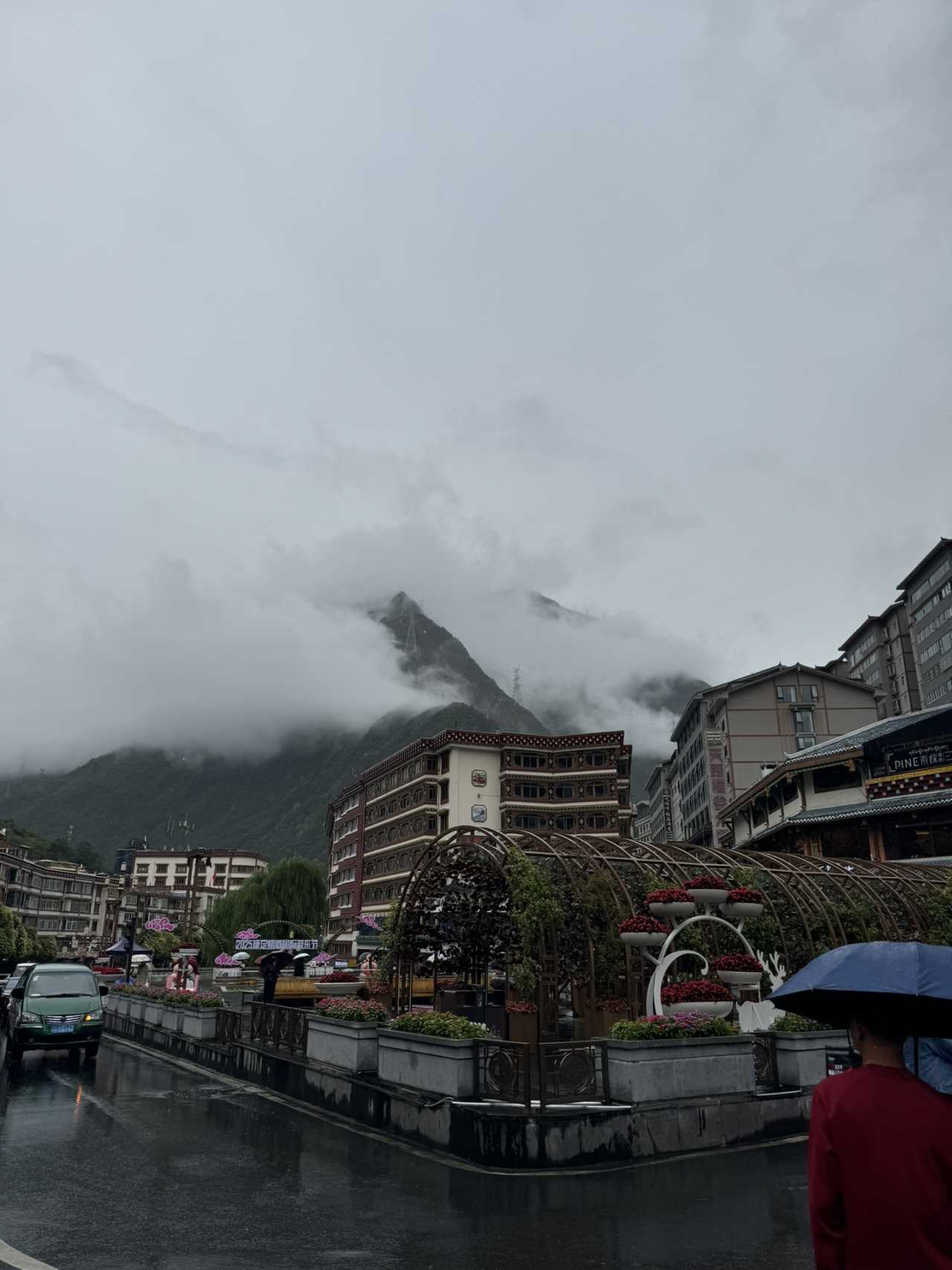
- Kangding: Qingge Square Intercity Hotel, one of the best hotels in Kangding.
- Garzê: Derge Yulong Hotel (oxygen-supplied rooms), Wangfu Hotel (oxygen panoramic rooms).
- Danba: Yinqitang Ancient Village Xiangyun Hotel—good facilities, though dinner tends to be salty.
Western Sichuan Self-Driving Route Overview
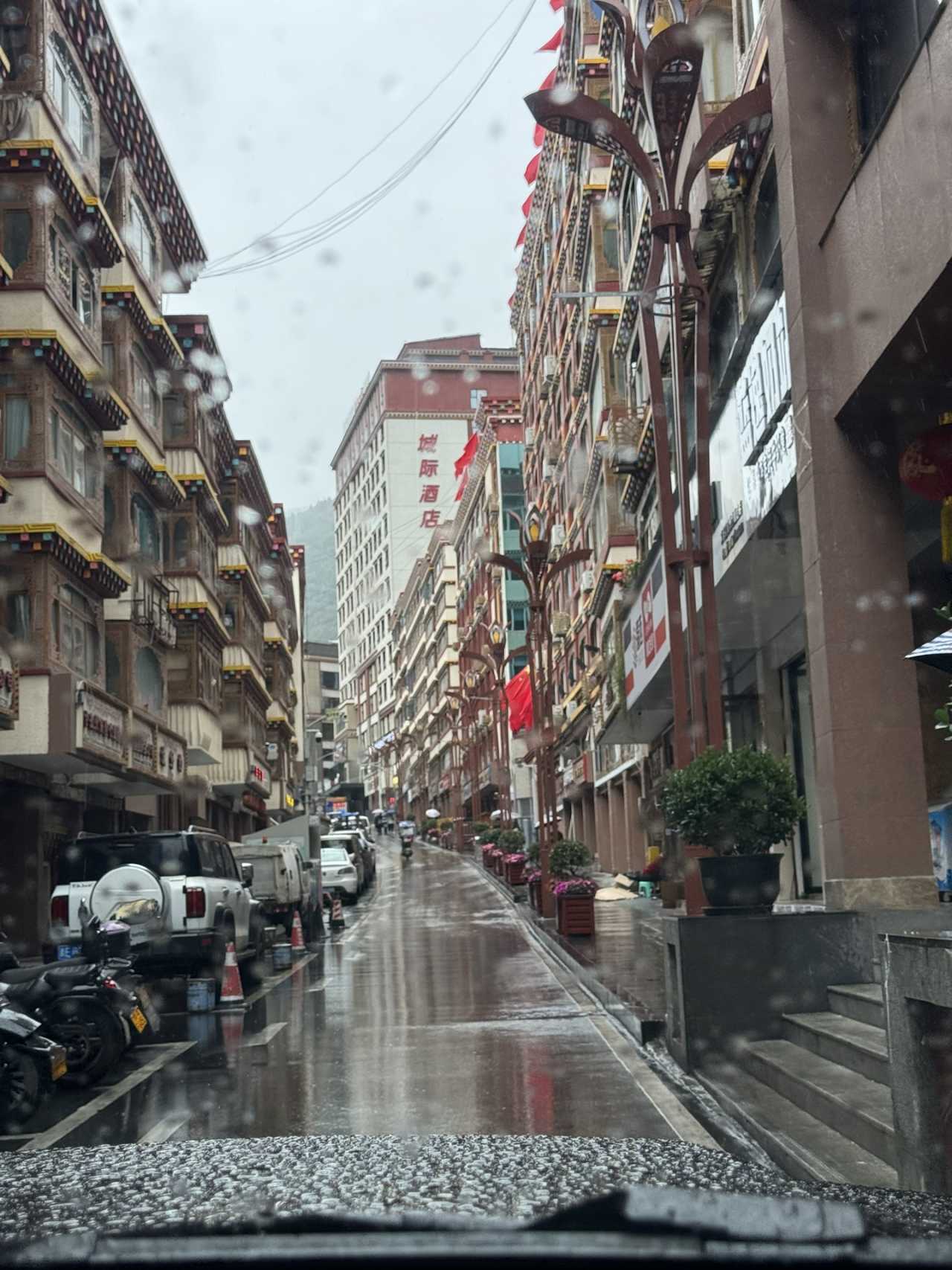
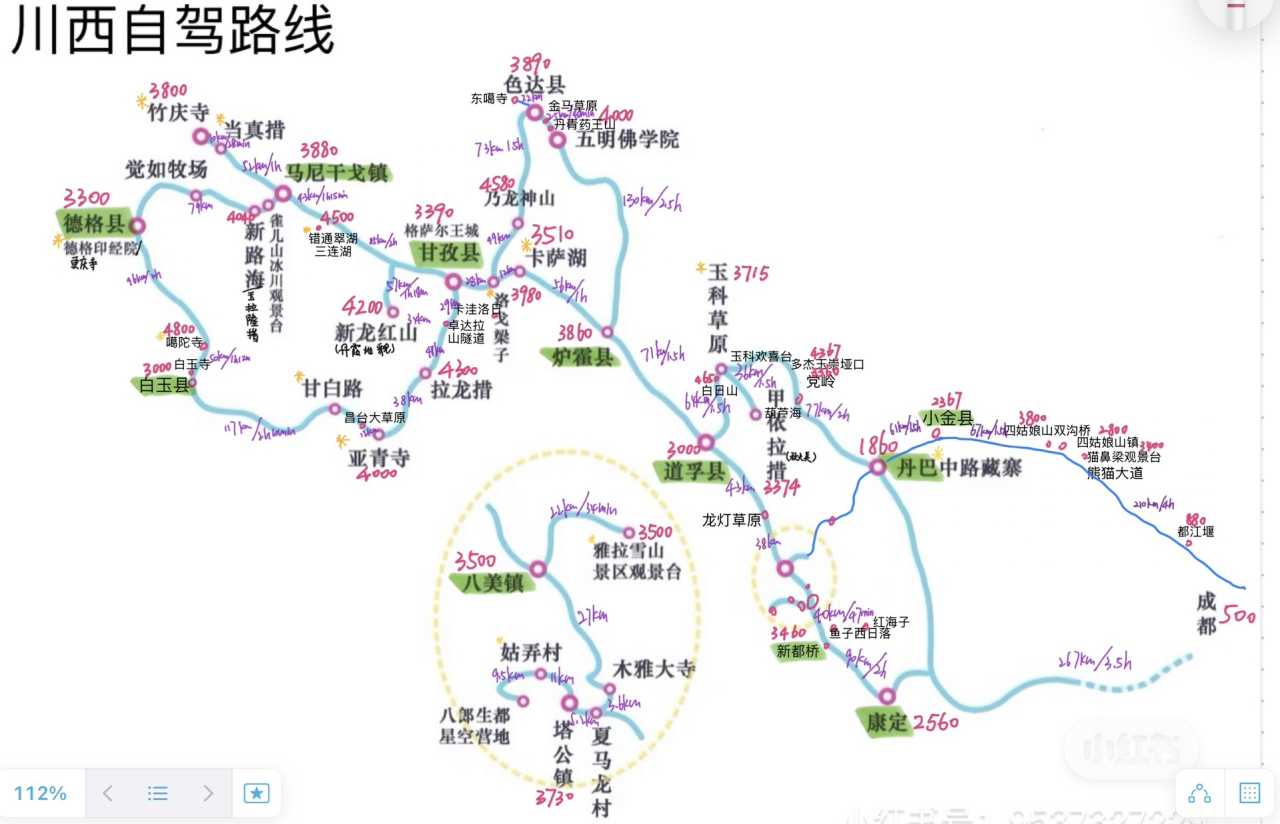
Day 1: Changshu → Chengdu → Kangding (overnight) Day 2: Kangding → S434 Highway → Muyal Monastery → Tagong Monastery → Dawu (overnight) Day 3: Dawu → Kasa Lake → [Continue to Garzê]
FAQ: Western Sichuan Self-Driving
Q1: Is Western Sichuan safe for self-driving? A: Yes, but only for experienced drivers. Roads are winding and often unpaved. Always check weather conditions and road closures before departing. A 4WD vehicle is recommended for high-altitude passes.
Q2: What is the best time of year for a Western Sichuan road trip? A: The best time is from May to October. Summer (July-August) offers green meadows and vibrant wildflowers. Autumn (September-October) provides clear skies and golden foliage, ideal for photography.
Q3: How do I prevent altitude sickness in Western Sichuan? A: Ascend gradually. Start in Kangding (2,560m) and move up. Stay hydrated, avoid alcohol, and use supplemental oxygen when needed. Acclimatize for a day at higher altitudes before engaging in strenuous activities.
Q4: Do I need a special permit to visit monasteries like Yarchen Gar? A: Yes, some areas (especially Yarchen Gar and surrounding monasteries) require a special border pass or prior permission. Always check with local authorities or your hotel in advance.
Q5: Is there reliable internet and phone service on the plateau? A: Generally, yes in towns. However, expect no signal on remote highways like Ganbai Road and in deep valleys. Download offline maps before you go.
Ready to Hit the Road?
Your journey through Western Sichuan is more than just a drive—it's a pilgrimage through some of the most stunning, soul-stirring landscapes on earth. From the spiritual halls of Dzogchen Monastery to the breathtaking vistas of Luoge Liangzi, every mile is a story waiting to be written.
Don't just dream it. Drive it.
Pack your bags, check your tires, and prepare for the road trip of a lifetime. The plateau is calling. [Link: Book a 4WD rental in Chengdu]
You may also like